
Silla Unification of Korea
660–668
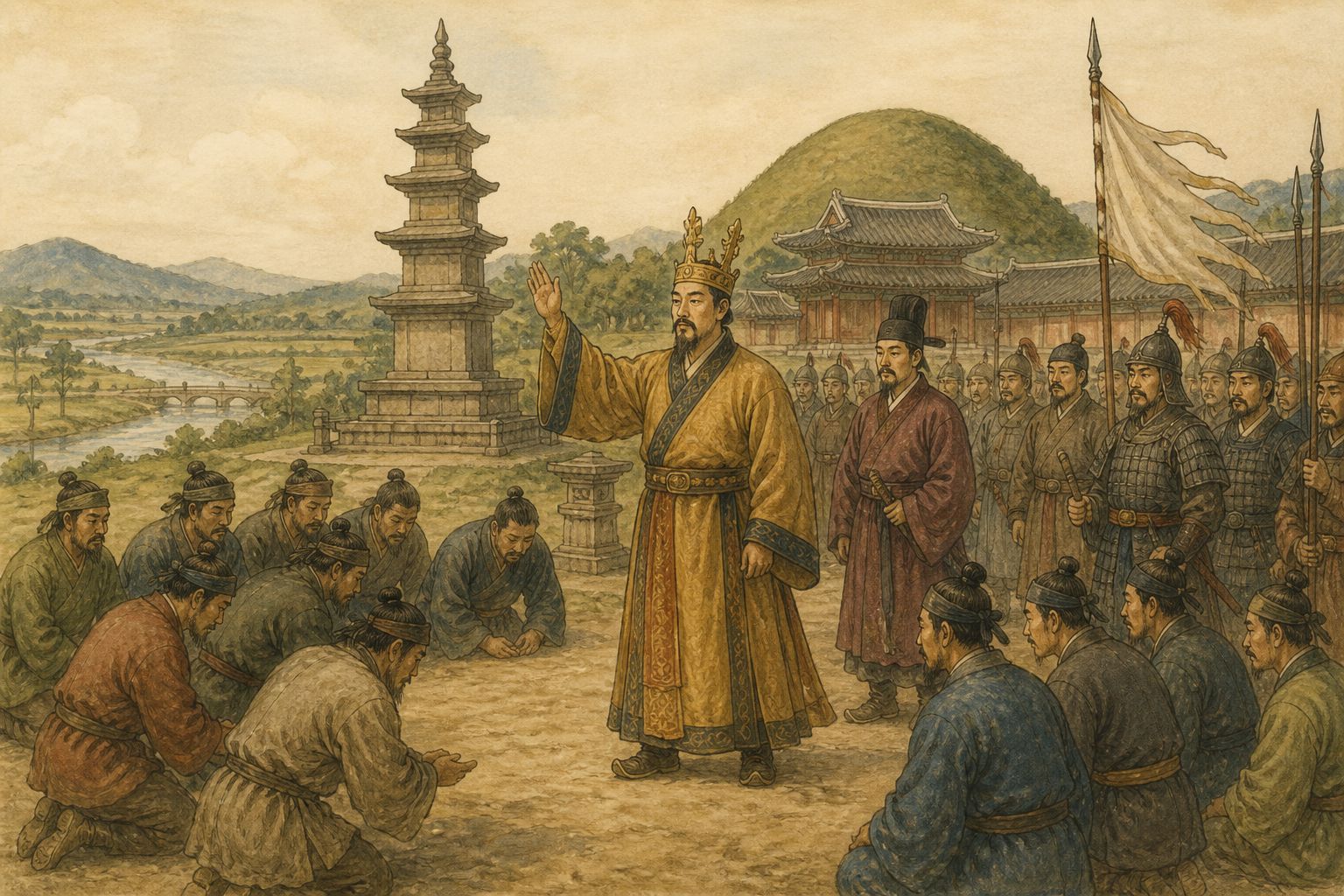
In the later seventh century, Silla reorganized the political order of the Korean peninsula through alliance and conflict with Tang China.

- Period
- 660–668
- Kind
- Political event
- Regions
- East Asia
- Keywords
- Silla Unification of Korea · political event · medieval · east asia
Follow the story · Four stages
Background
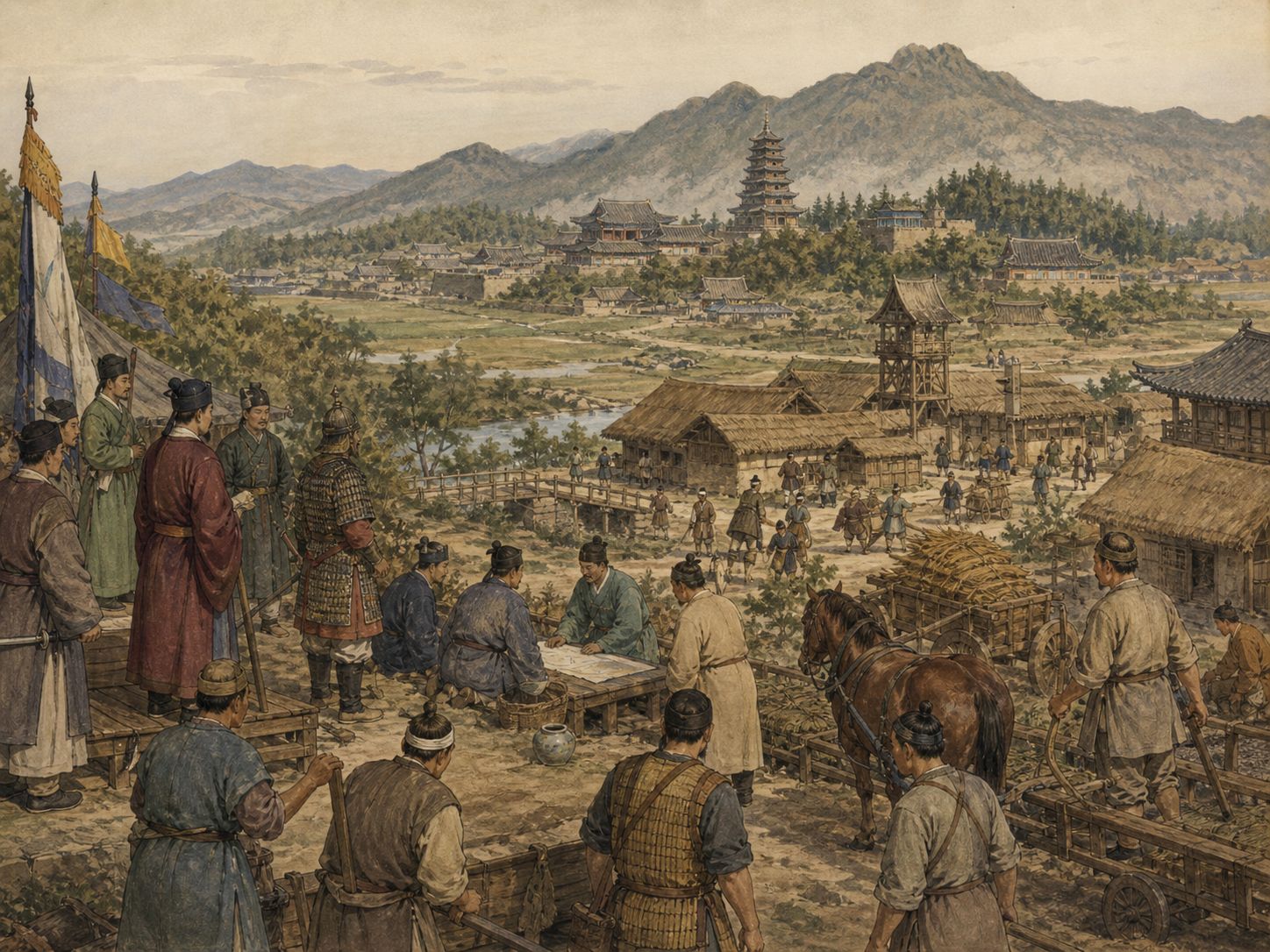
Goguryeo, Baekje, and Silla competed while Tang policy in the east intervened in peninsula warfare.
- Goguryeo, Baekje, and Silla competed while Tang policy in the east intervened in peninsula warfare.
- Core event: In the later seventh century, Silla reorganized the political order of the Korean peninsula through alliance and conflict with Tang China.
- Connection to the next stage: Silla and Tang attacked Baekje and Goguryeo, but Silla later fought Tang garrisons and expanded an autonomous order.
Course
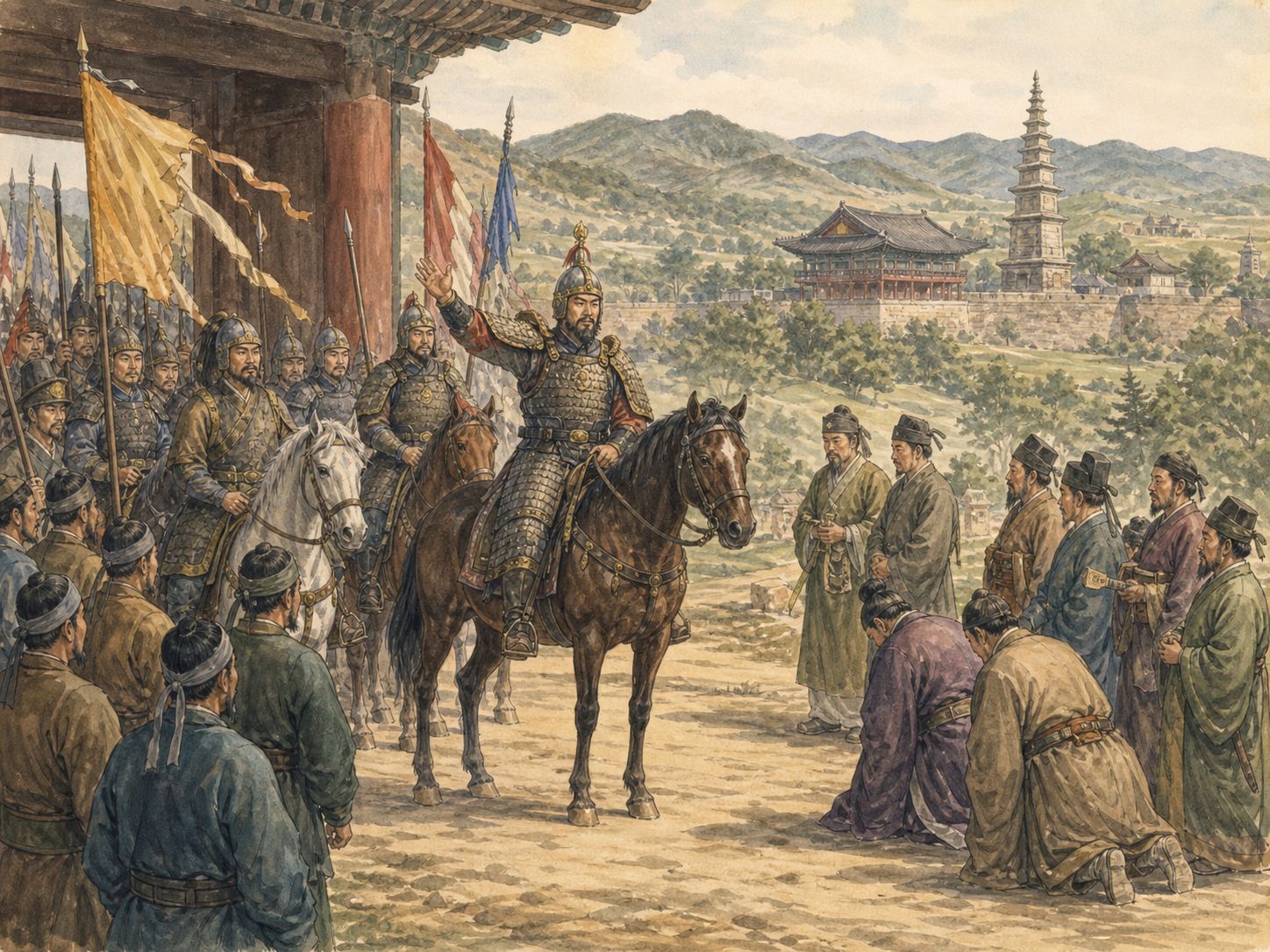
Silla and Tang attacked Baekje and Goguryeo, but Silla later fought Tang garrisons and expanded an autonomous order.
- Silla and Tang attacked Baekje and Goguryeo, but Silla later fought Tang garrisons and expanded an autonomous order.
- Conditions behind the action: Goguryeo, Baekje, and Silla competed while Tang policy in the east intervened in peninsula warfare.
- Meaning of the turning point: In the later seventh century, Silla reorganized the political order of the Korean peninsula through alliance and conflict with Tang China.
Outcome
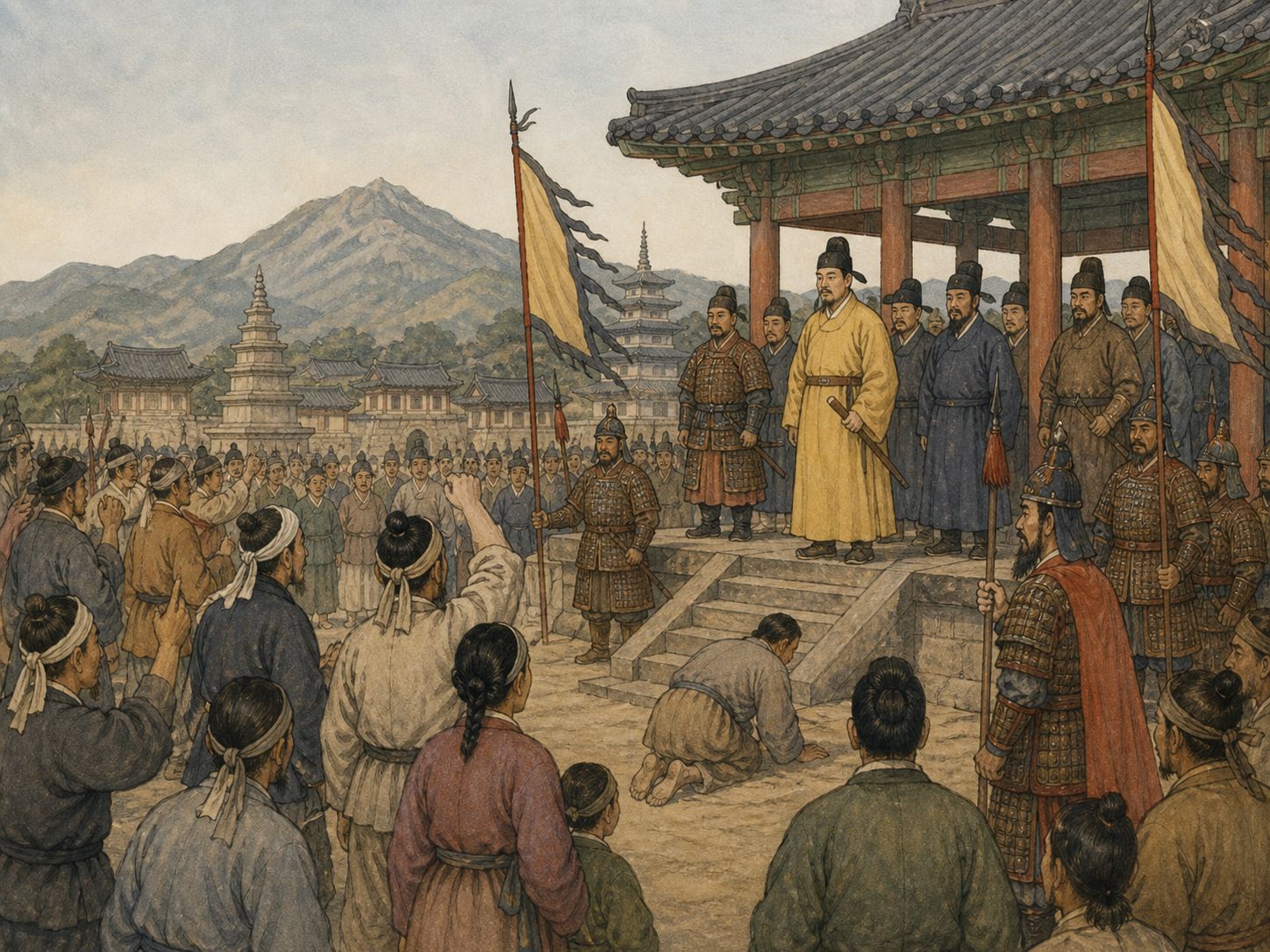
Silla consolidated rule south of the Taedong River and developed institutions centered on the capital Gyeongju and Buddhist establishments.
- Silla consolidated rule south of the Taedong River and developed institutions centered on the capital Gyeongju and Buddhist establishments.
- Process producing the result: Silla and Tang attacked Baekje and Goguryeo, but Silla later fought Tang garrisons and expanded an autonomous order.
- Question carried forward: “Unification” did not mean permanent control of the entire peninsula; a north–south order coexisted with Balhae in the north.
Historical significance
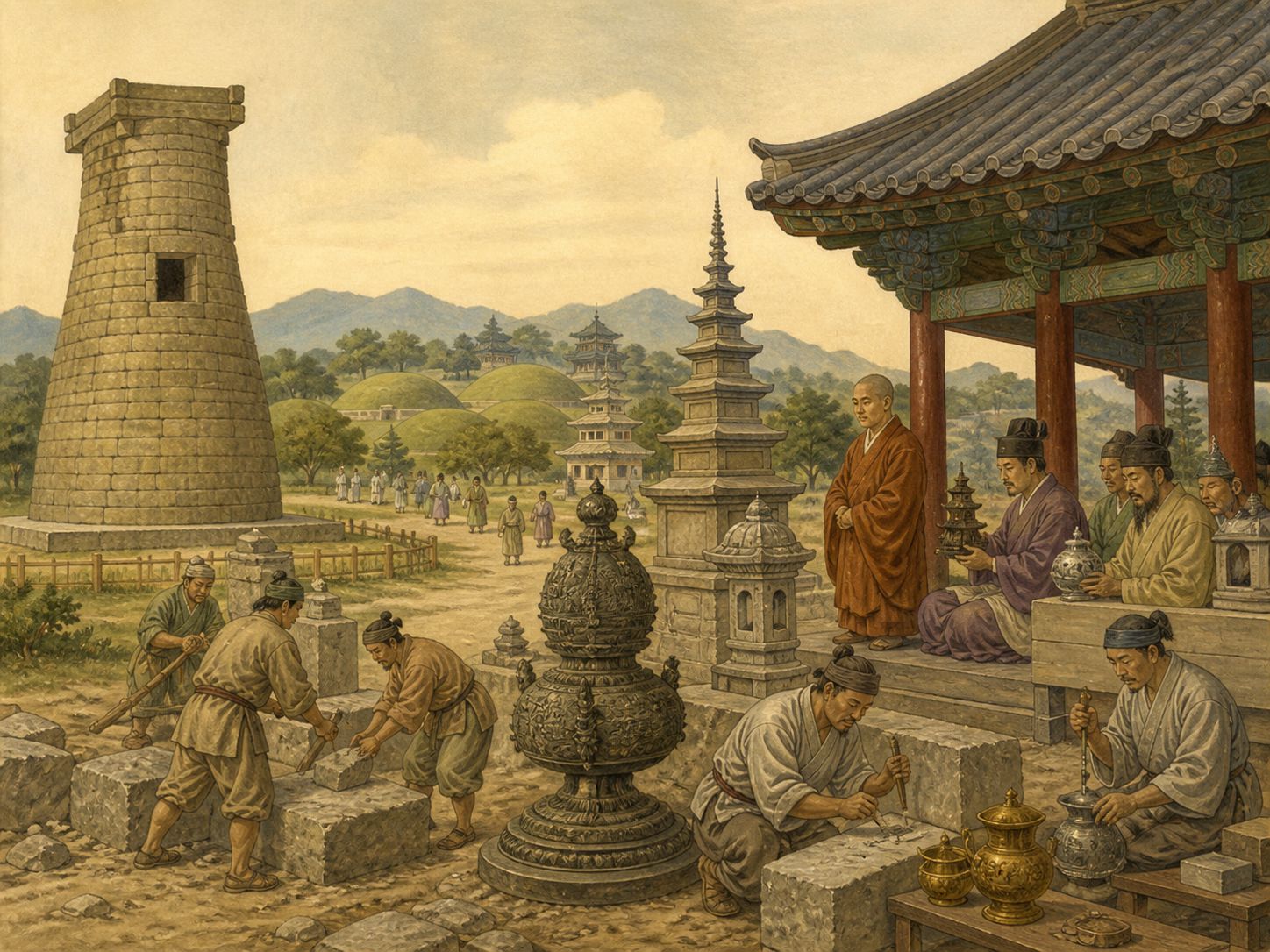
“Unification” did not mean permanent control of the entire peninsula; a north–south order coexisted with Balhae in the north.
- “Unification” did not mean permanent control of the entire peninsula; a north–south order coexisted with Balhae in the north.
- Immediate consequence: Silla consolidated rule south of the Taedong River and developed institutions centered on the capital Gyeongju and Buddhist establishments.
- Historical turning point: In the later seventh century, Silla reorganized the political order of the Korean peninsula through alliance and conflict with Tang China.


Related events
c. 657
Prelude
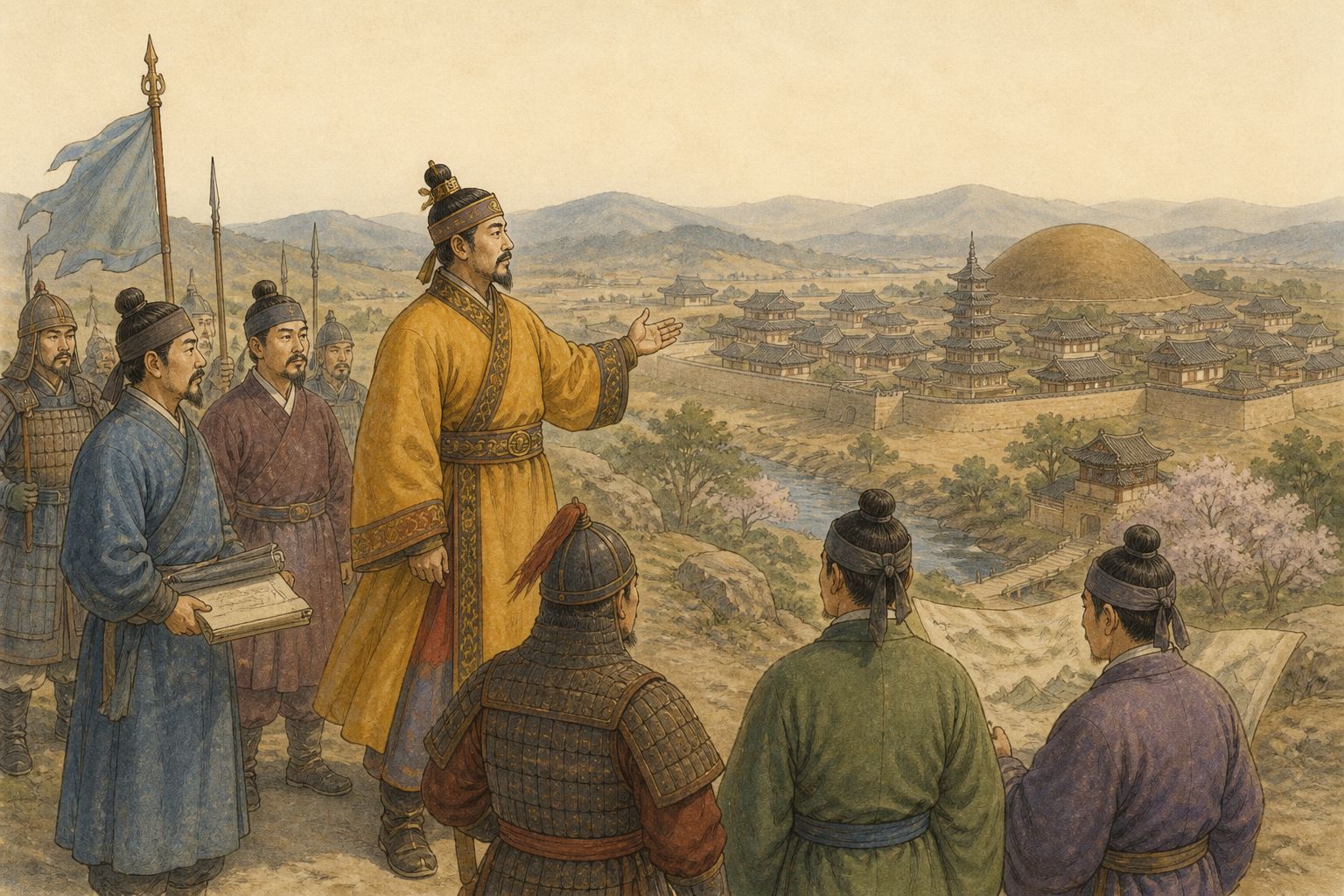
Prelude — Background: Goguryeo, Baekje, and Silla competed while Tang policy in the east intervened in peninsula warfare.
c. 659
Turning point
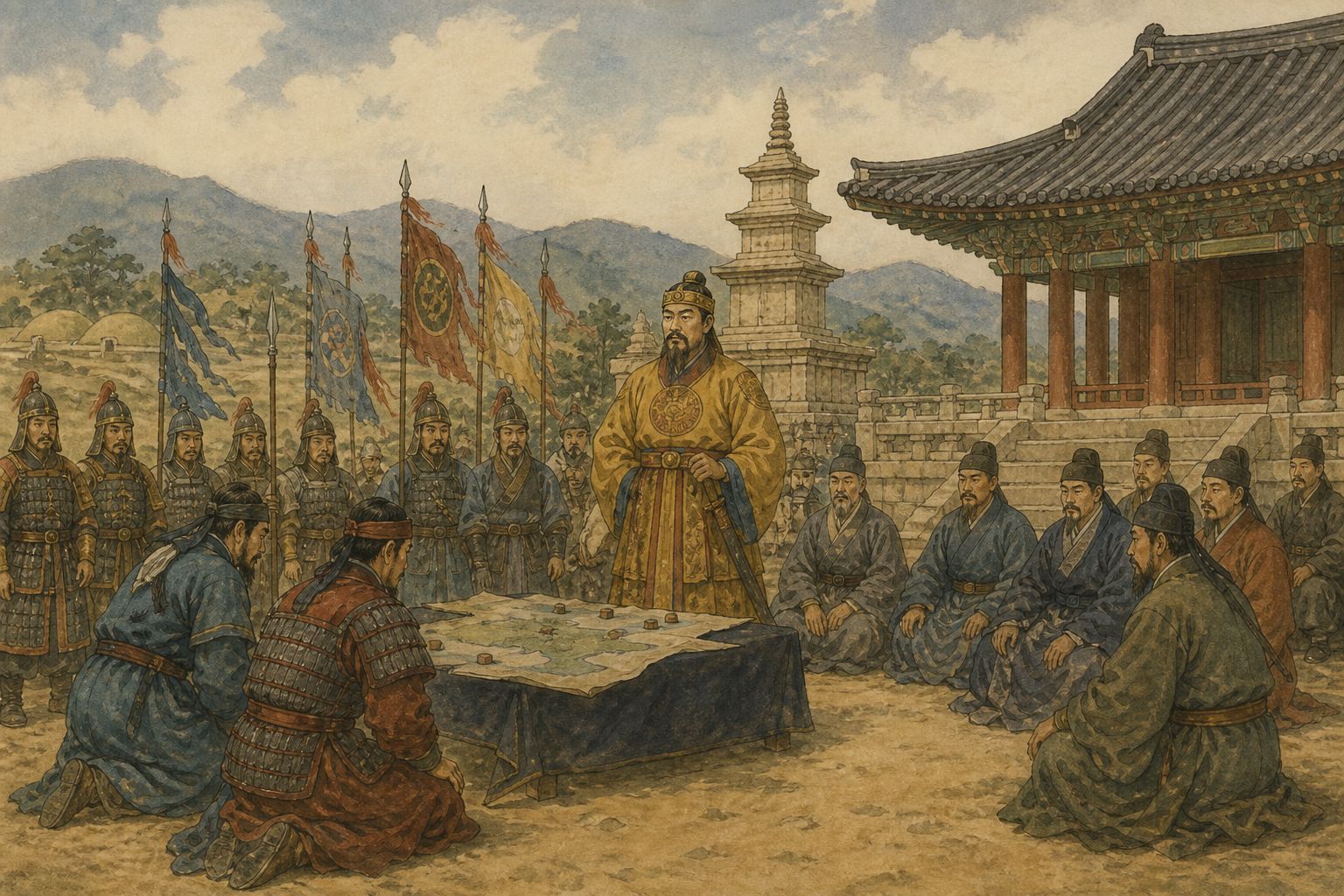
Turning point — Build-up: Silla and Tang attacked Baekje and Goguryeo, but Silla later fought Tang garrisons and expanded an autonomous order.
660–668
Silla Unification of Korea
Current event
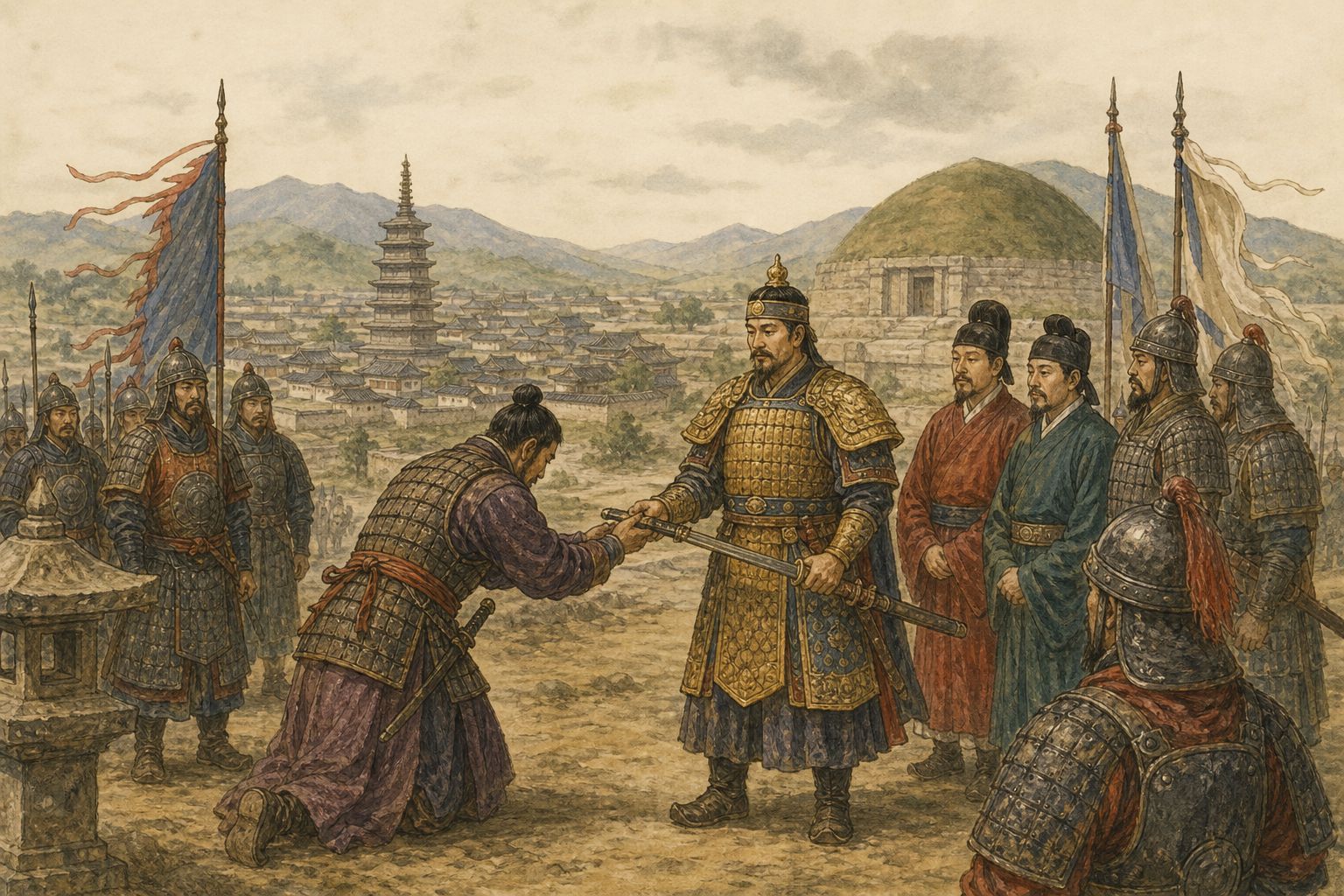
Silla Unification of Korea — Central transition: In the later seventh century, Silla reorganized the political order of the Korean peninsula through alliance and conflict with Tang China.
c. 671
Immediate aftermath
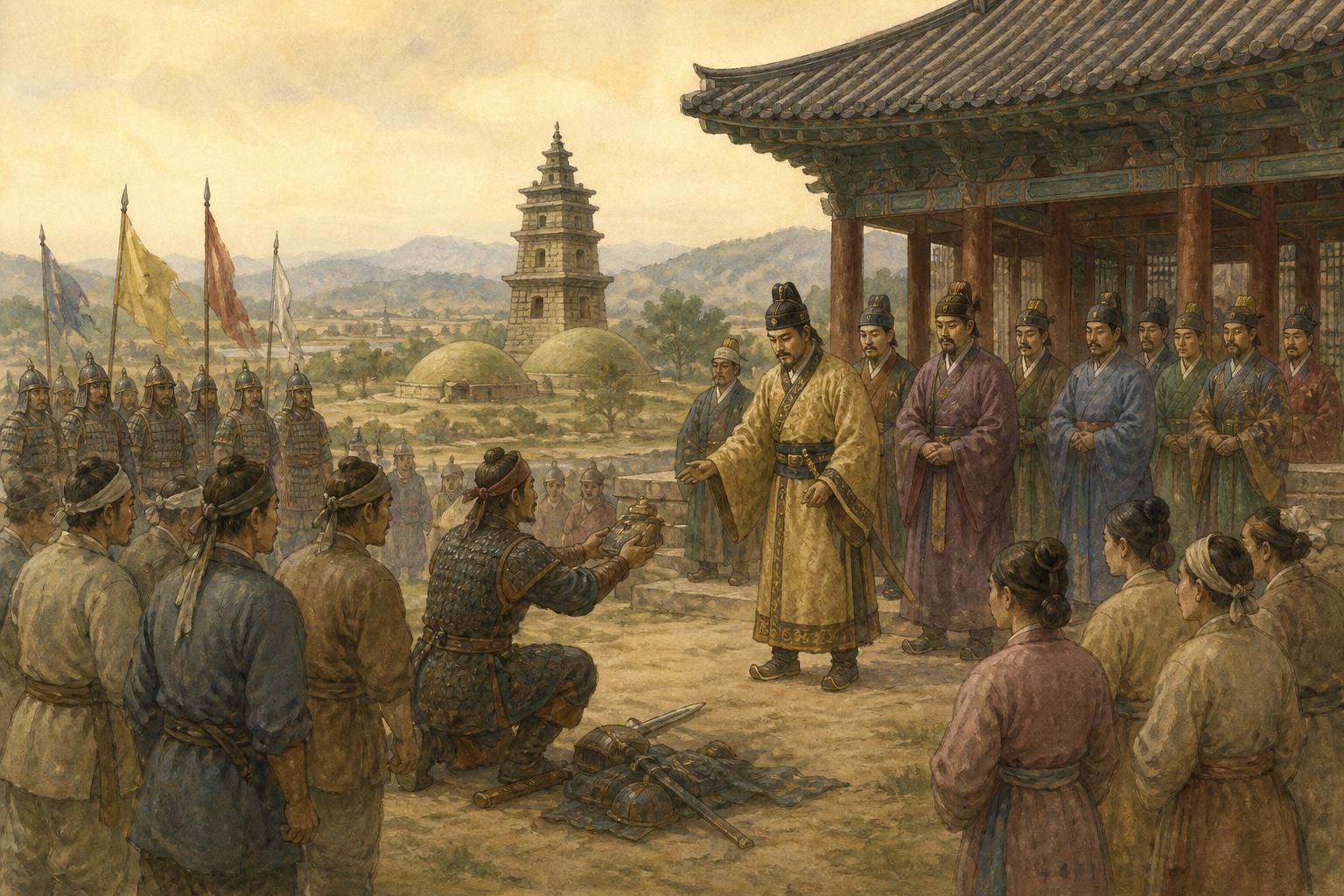
Immediate aftermath — Immediate result: Silla consolidated rule south of the Taedong River and developed institutions centered on the capital Gyeongju and Buddhist establishments.
c. 680
Long-term significance
Long-term significance — Long-term significance: “Unification” did not mean permanent control of the entire peninsula; a north–south order coexisted with Balhae in the north.


Sources
- Silla Unification of Korea — Korea (The Metropolitan Museum of Art)metmuseum.orgThis The Metropolitan Museum of Art resource supports the chronology, setting, and course of Silla Unification of Korea.
- Silla Unification of Korea — E0201030900.Do (Museum)museum.go.krThis Museum resource supports the chronology, setting, and course of Silla Unification of Korea.
- Silla Unification of Korea — Sub02 0103.Do (Chuncheon)chuncheon.museum.go.krThis Chuncheon resource supports the chronology, setting, and course of Silla Unification of Korea.