
Spanish Civil War
1936–1939
The Republican government and forces led by Franco fought amid intervention by Germany, Italy, and the Soviet Union and the arrival of international volunteers.

- Period
- 1936–1939
- Kind
- War
- Regions
- Europe
- Keywords
- Spanish Civil War · across Spain · contemporary · background · turning point · impact
Follow the story · Four stages
Background
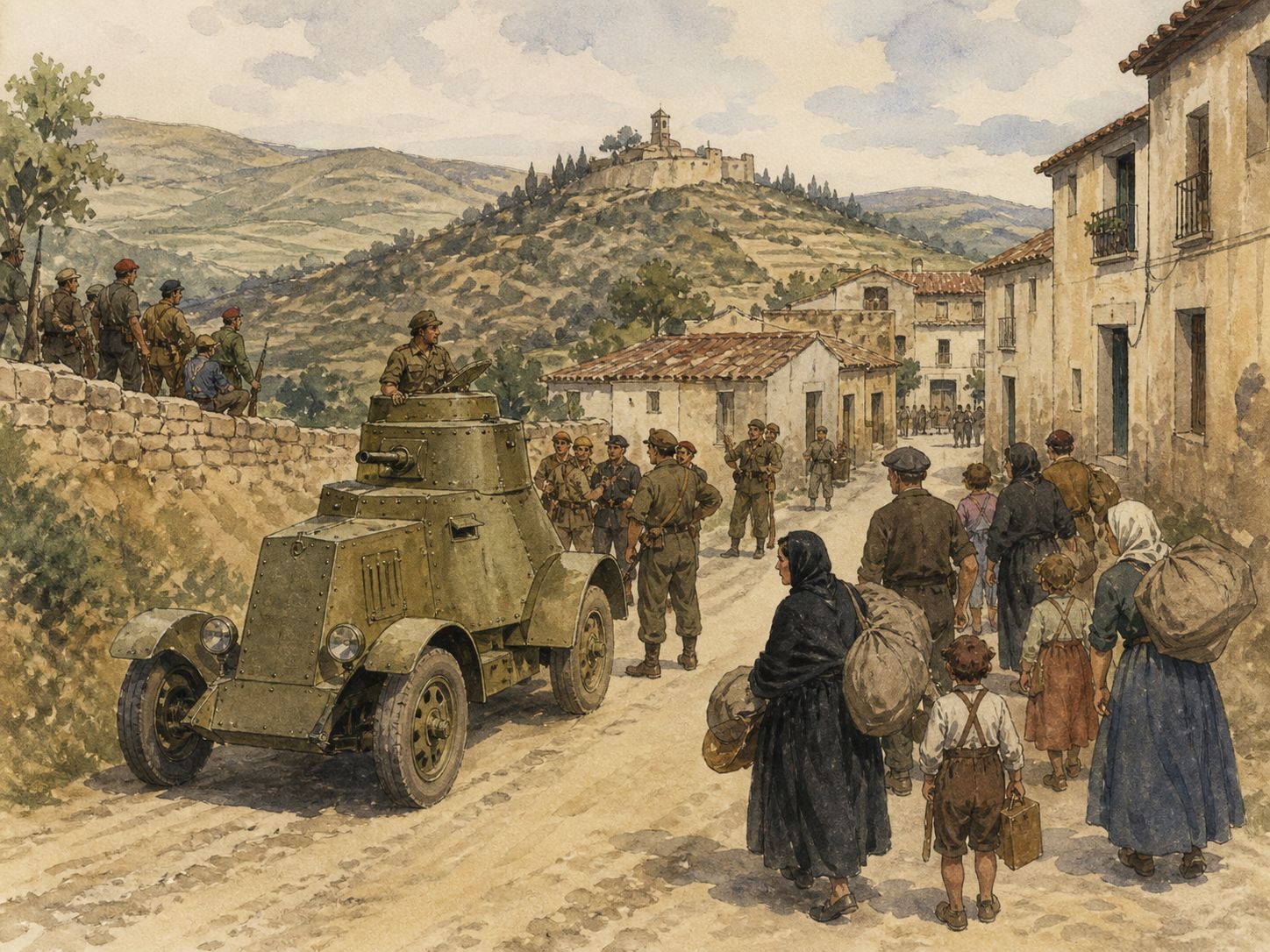
Political, social, and commercial changes around across Spain formed the setting: The Republican government and forces led by Franco fought amid intervention by Germany, Italy, and the Soviet Union and the arrival of international volunteers.
- Political polarization and social conflict under the Second Republic
- Tensions over land, religion, and regional autonomy
- The military uprising and crisis that drew in foreign powers
Course
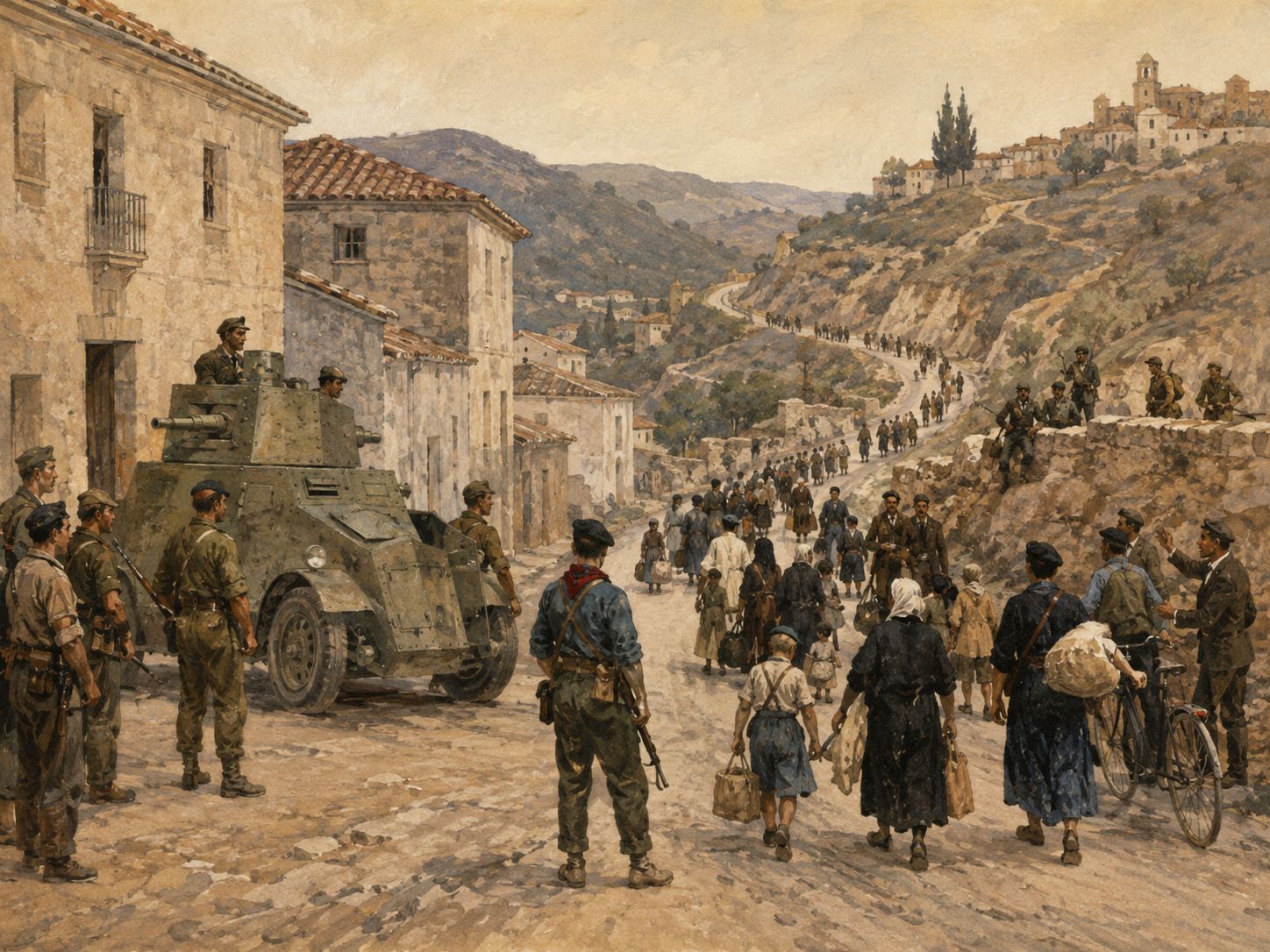
The Republican government and forces led by Franco fought amid intervention by Germany, Italy, and the Soviet Union and the arrival of international volunteers. The choices of the participating powers and responses of local communities shaped the course.
- In 1936, a military uprising expands into civil war
- Republicans and Franco's rebels fight across cities and countryside
- German, Italian, and Soviet intervention and foreign volunteers internationalize the war
Outcome
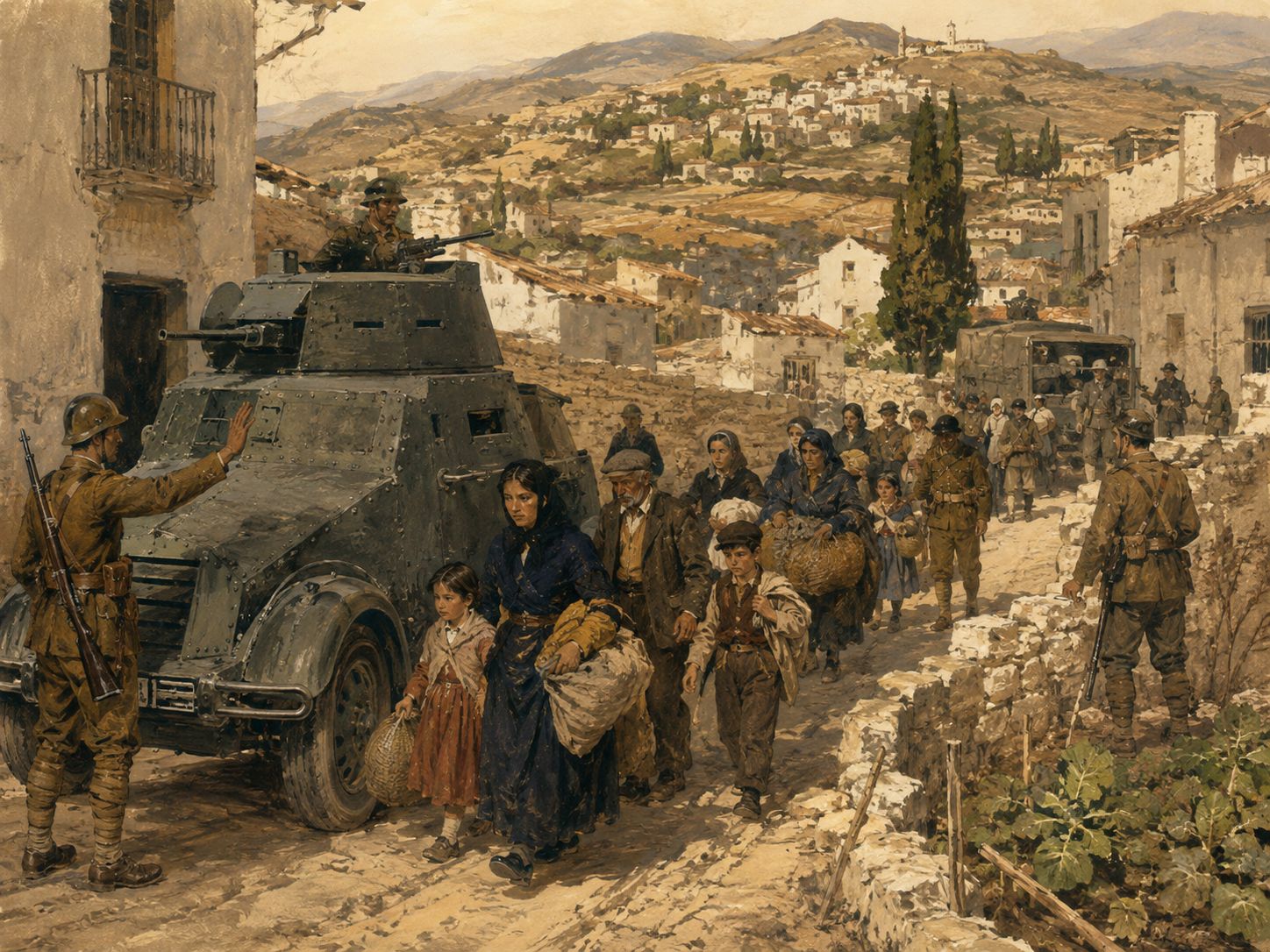
As a result, It produced dictatorship and international polarization and became a testing ground for total war before World War II.
- Franco's victory collapses the republic in 1939
- Dictatorship, repression, and exile continue for decades
- Fighting and hunger reshape urban and rural life and landscapes
Historical significance
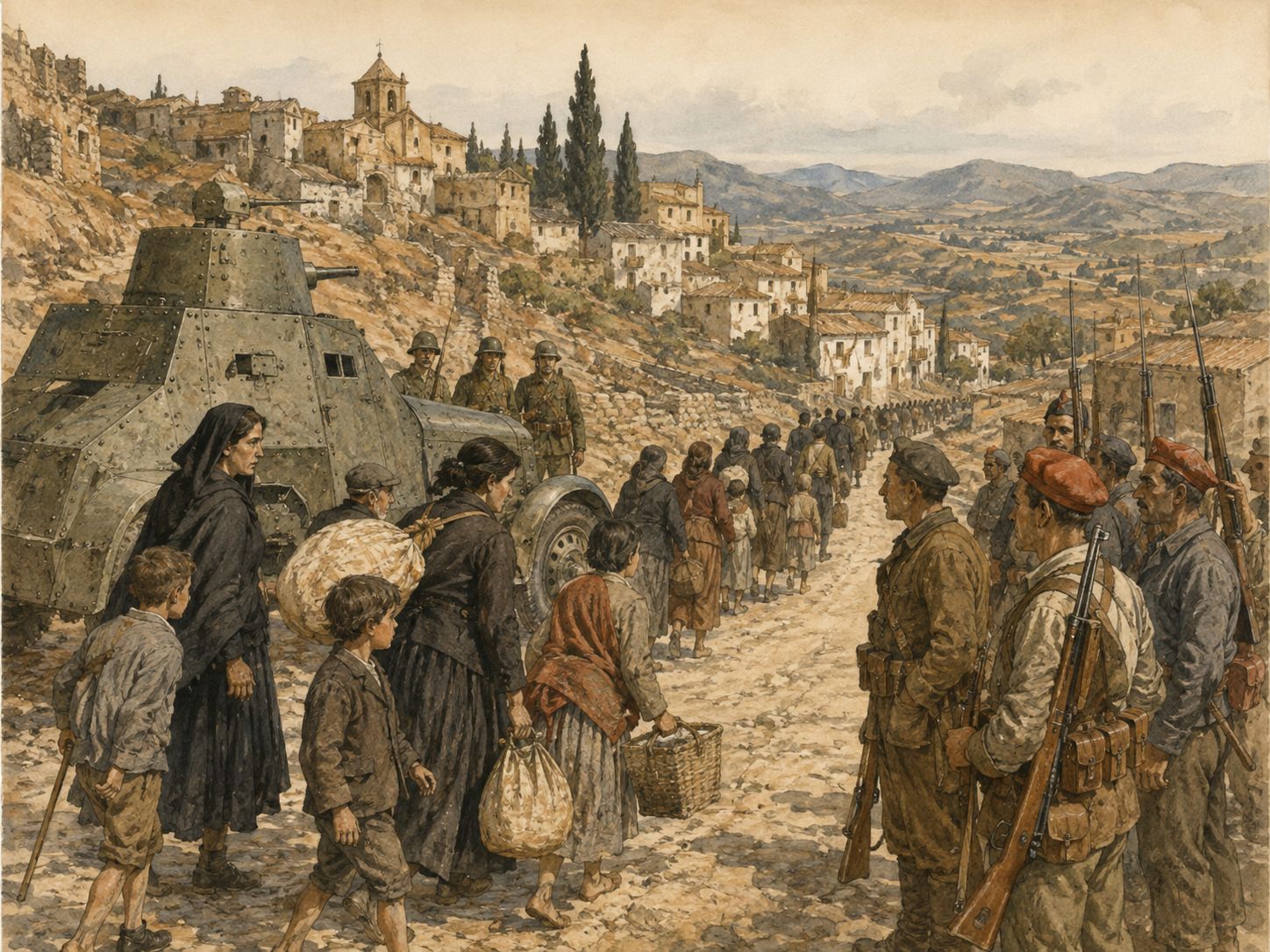
The significance of this event lies in the fact that it produced dictatorship and international polarization and became a testing ground for total war before world war ii.
- A civil war that reflects international conflict before the Second World War
- An early example of a conflict internationalized by foreign powers and volunteers
- A turning point that left enduring questions about memory, mourning, and democracy


Related figures
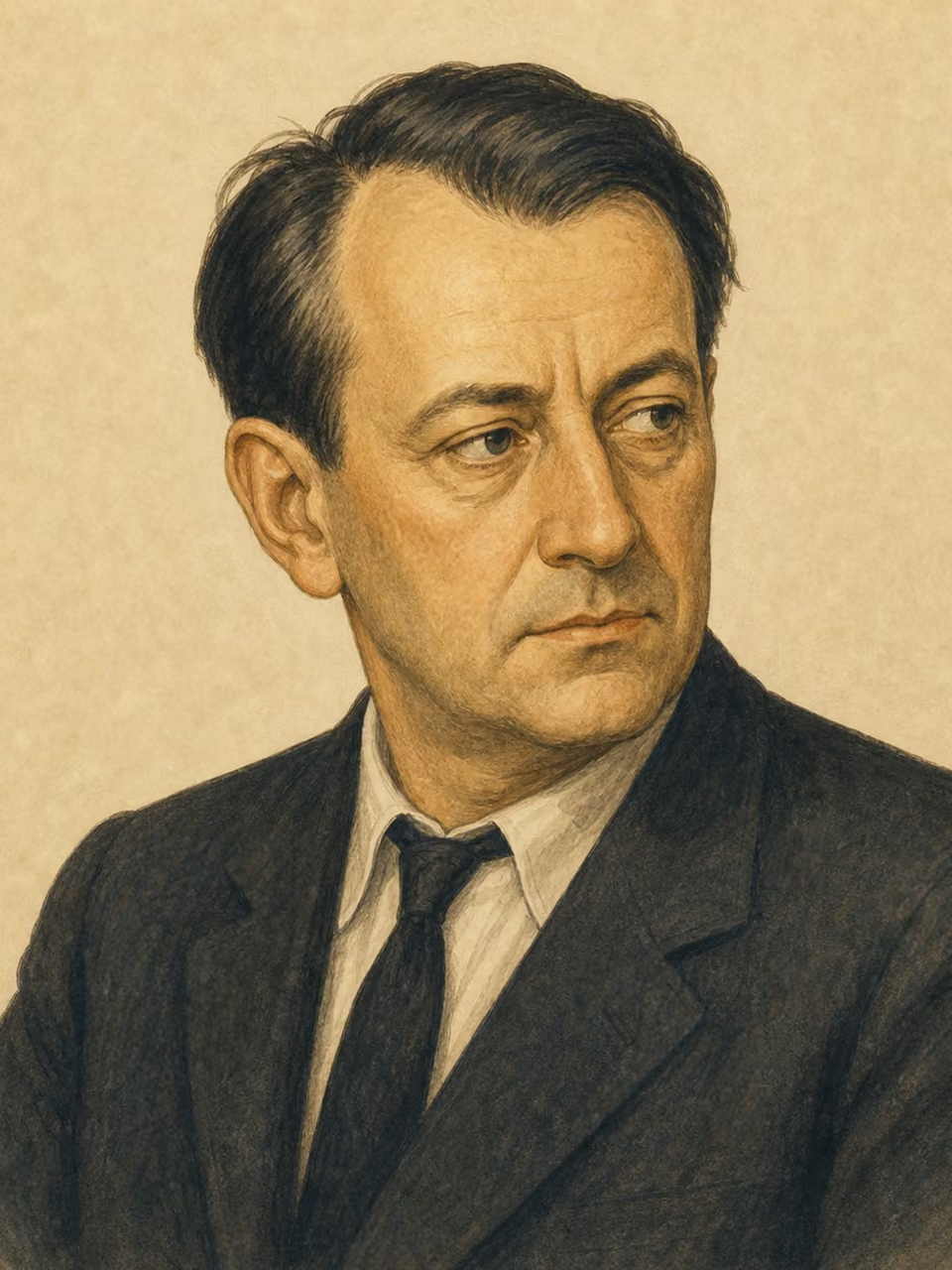
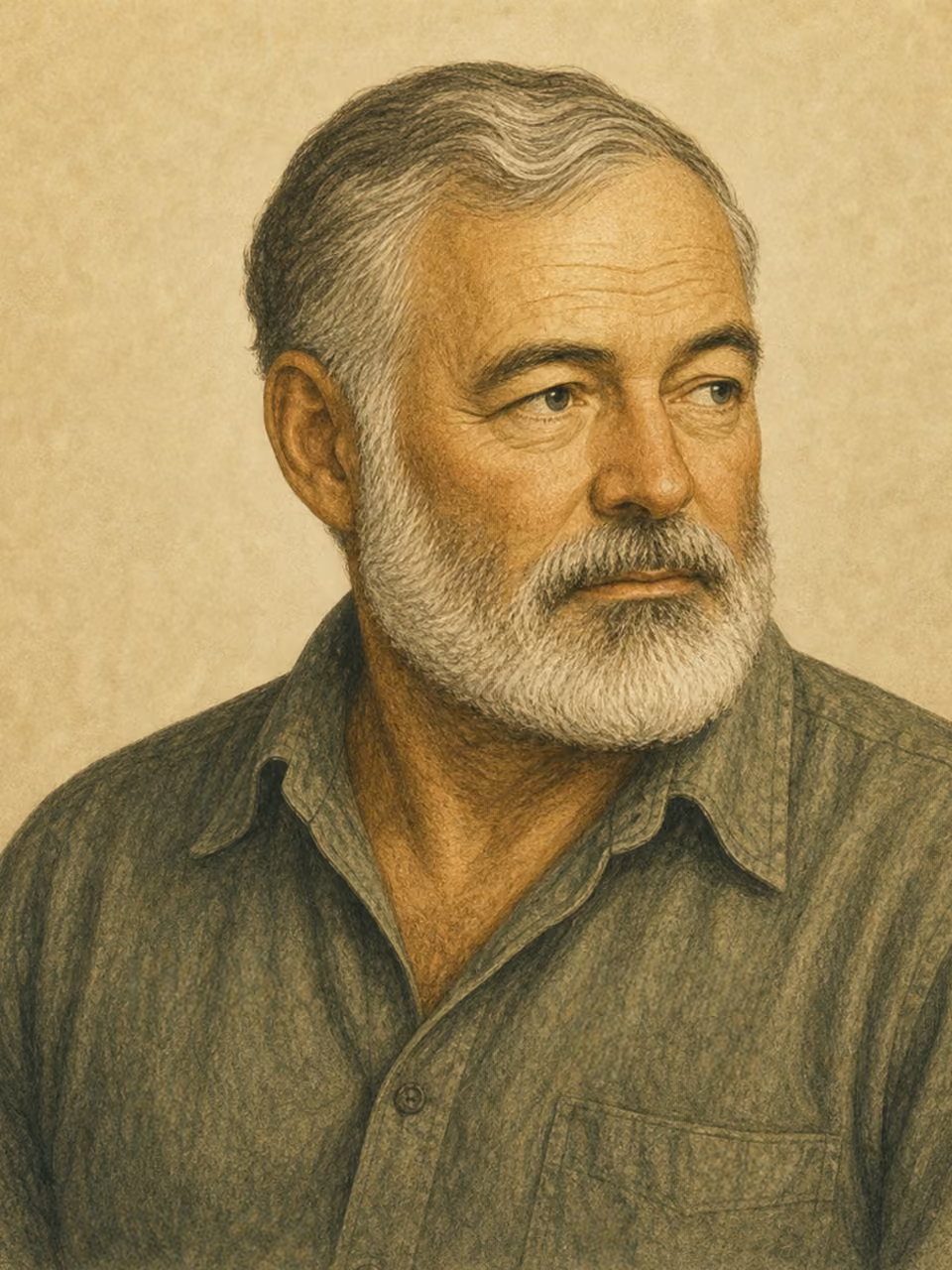
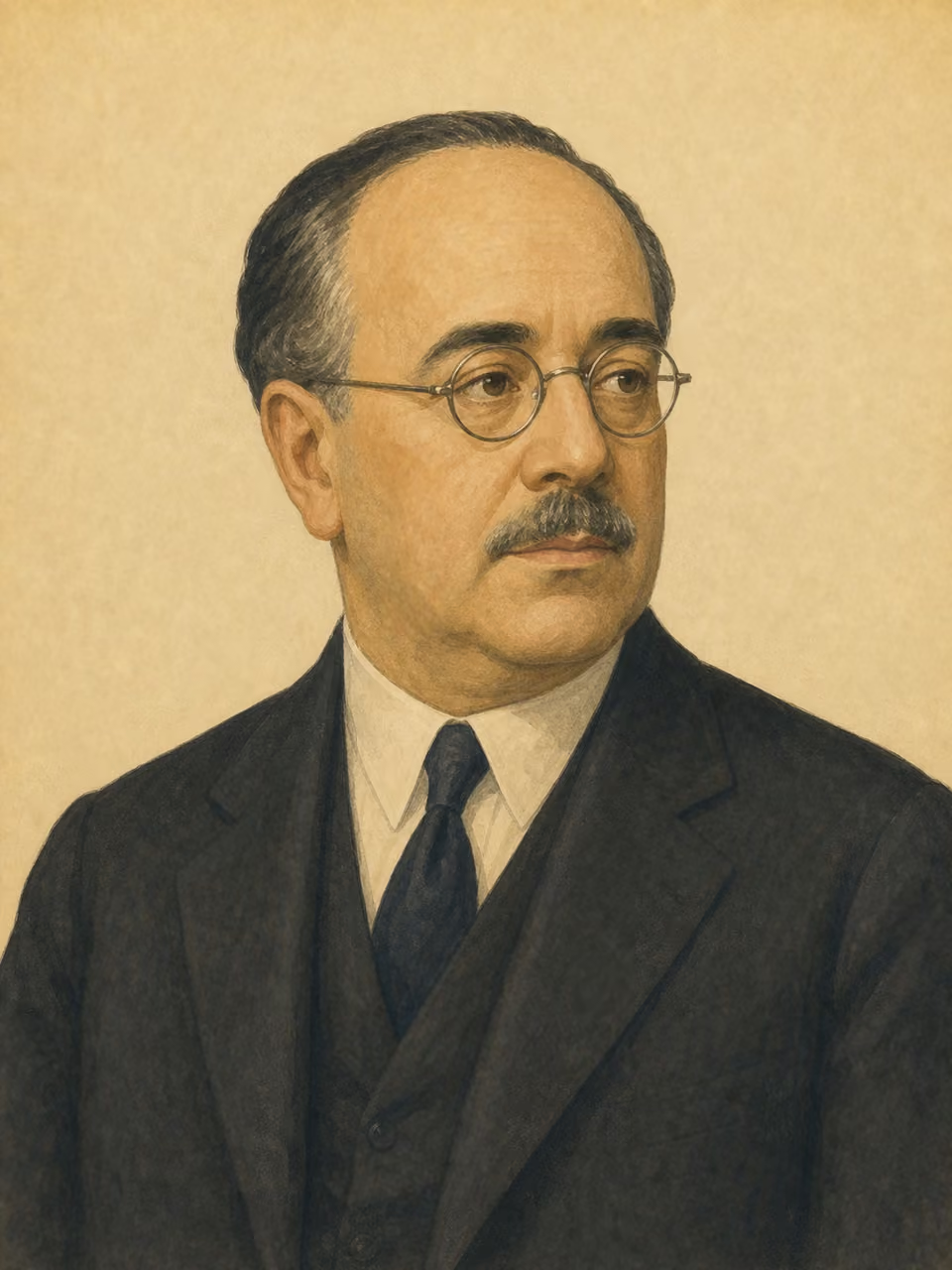
Related events
c. 1931
The Second Republic and social conflict
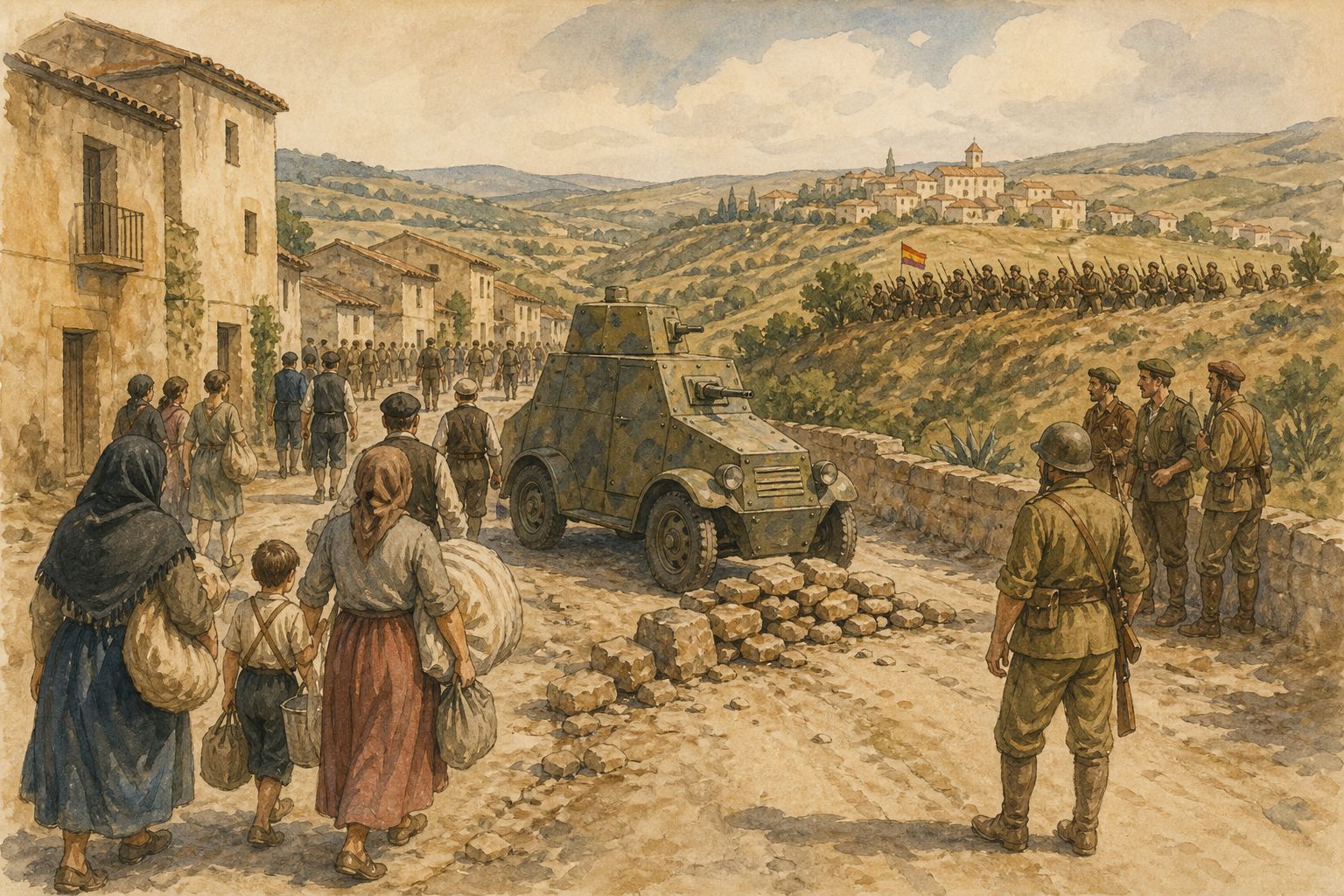
Political polarization and tensions over land, religion, and regional autonomy under the Second Republic shaped the setting for civil war.
c. 1936
The military uprising expands
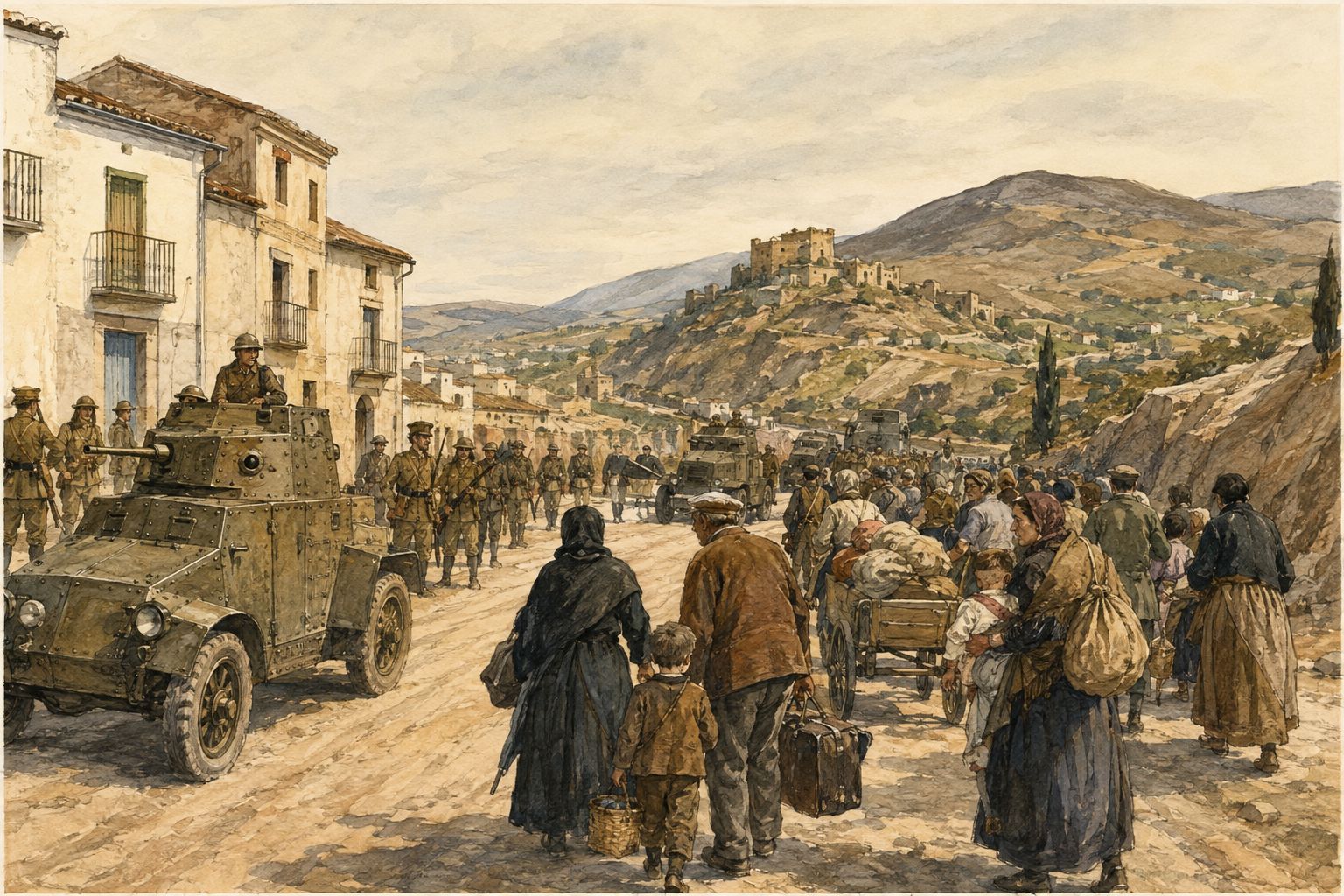
The 1936 military uprising turned political conflict into civil war as Republicans and rebels expanded their zones of control.
1936–1939
Spanish Civil War
Current event
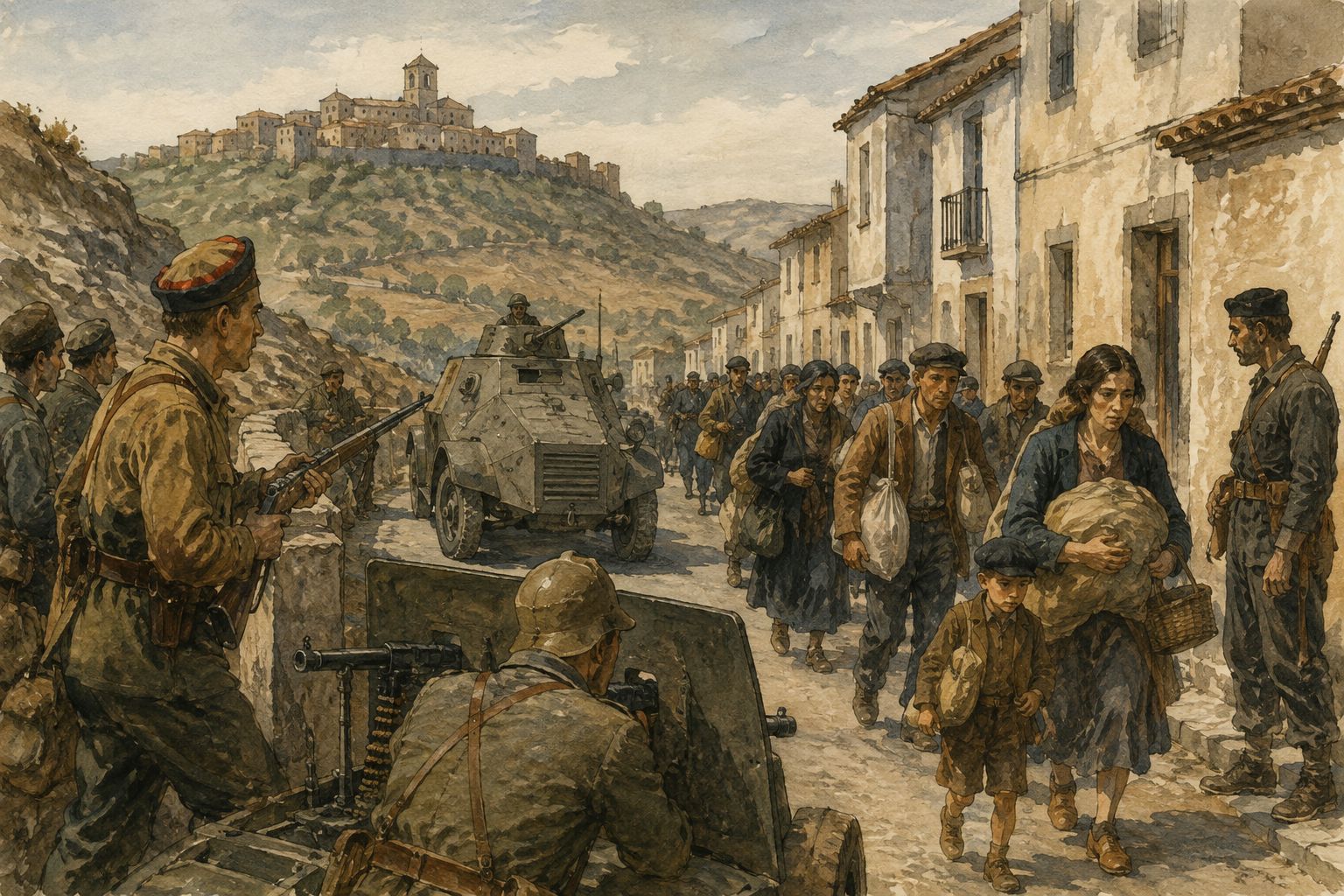
Republicans and Franco's forces fought as German, Italian, and Soviet intervention and foreign volunteers internationalized the war.
c. 1939
Franco's dictatorship begins
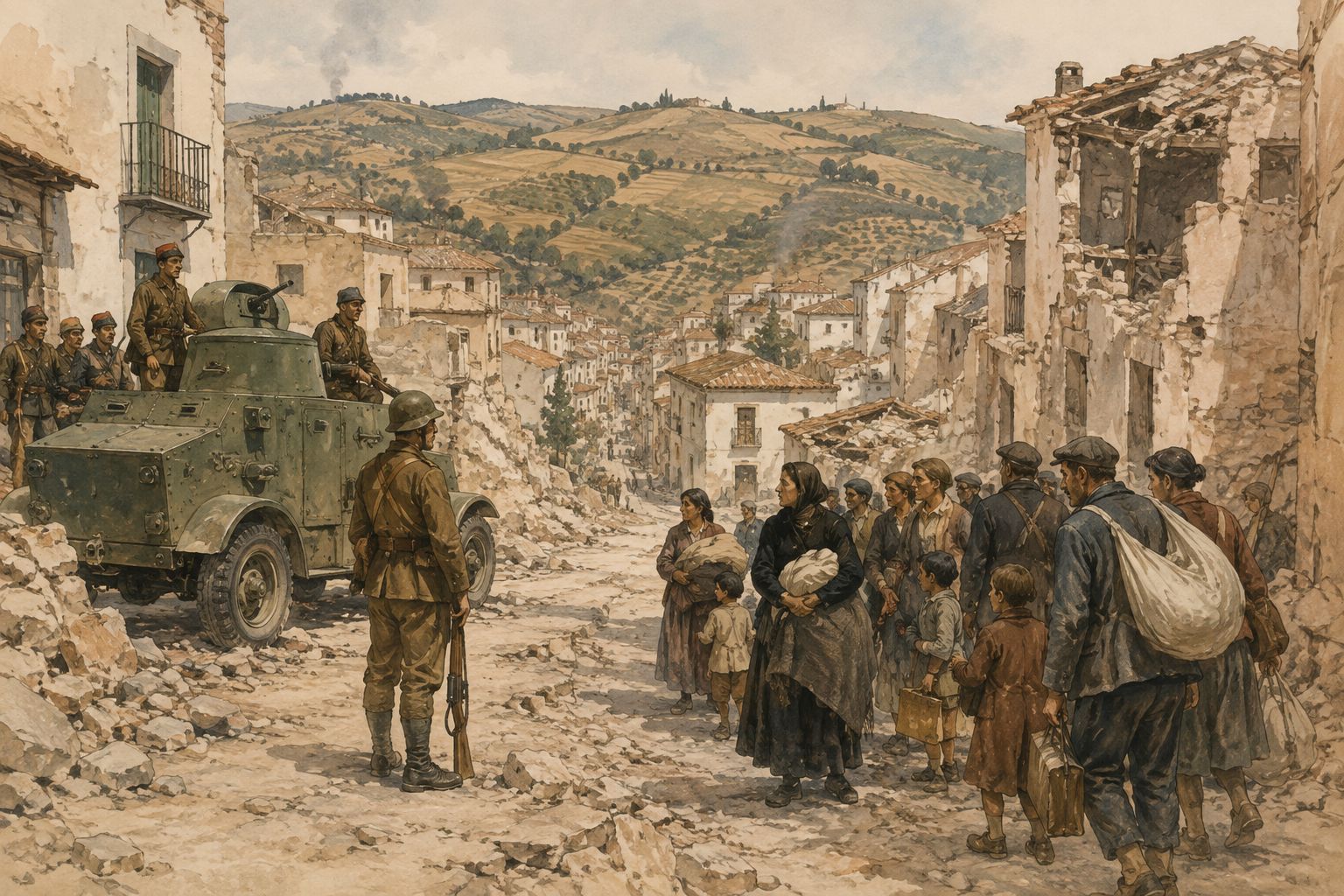
Franco's victory in 1939 ended the republic and began a dictatorship marked by repression and exile.
c. 1975
Memory and democratization
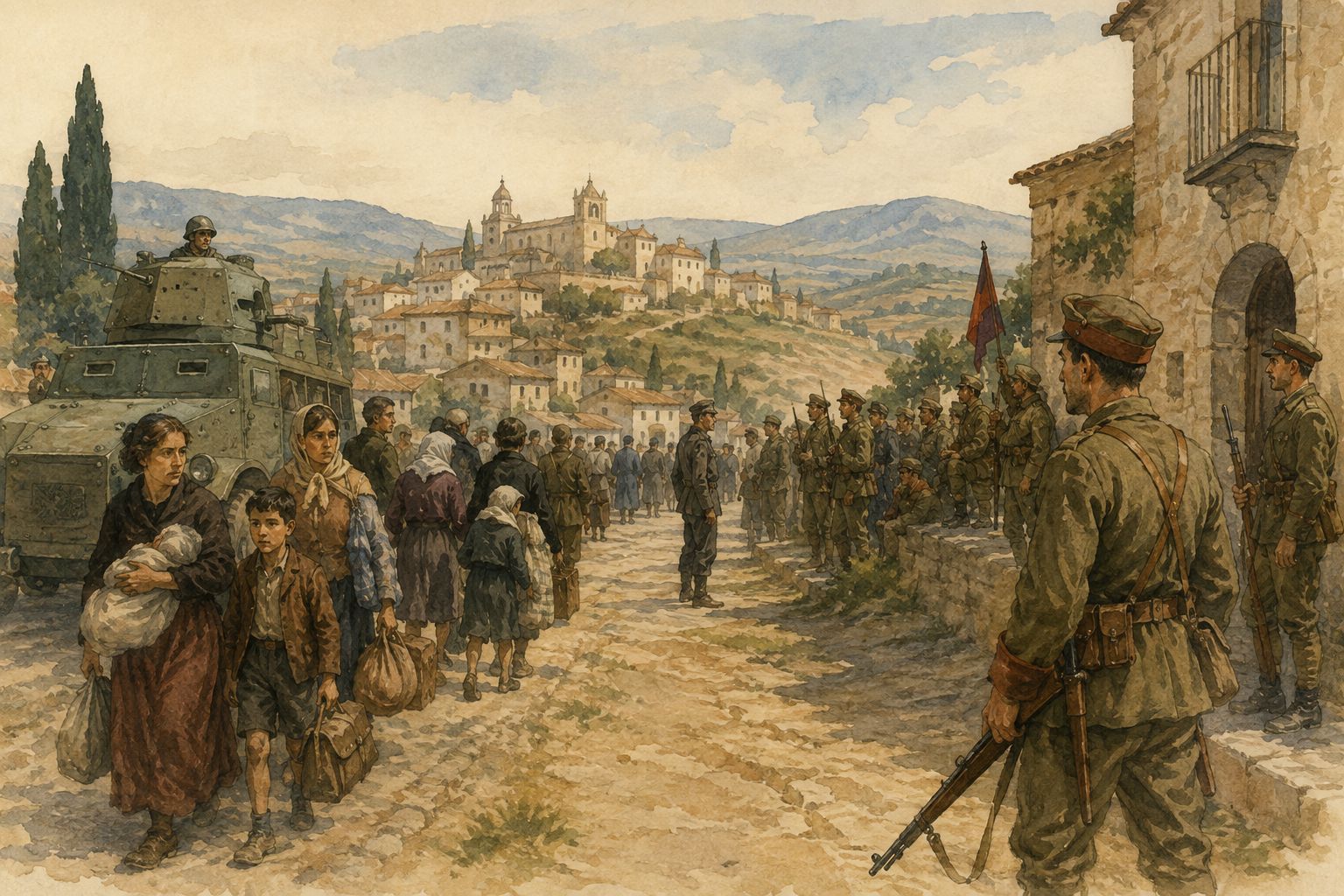
Debates over dictatorship, exile, and mourning continued to shape democratization and public memory from the 1970s onward.


Sources
- Spanish Civil War: chronology and settingwww.daiichi-g.co.jpUsed to cross-check the chronology and geographical setting of Spanish Civil War.
- Spanish Civil War: historical backgroundwww.britannica.comUsed to verify the actors, course, and consequences associated with Spanish Civil War.
- Spanish Civil War: identifier and related recordswww.wikidata.orgUsed to cross-check the identifier and related records for Spanish Civil War.