Spartacus Revolt
73 BC–71 BC
From 73 to 71 BCE, a large enslaved uprising led by the gladiator Spartacus shook Italy.

- Period
- 73 BC–71 BC
- Kind
- Rebellion
- Regions
- Europe
- Keywords
- Spartacus Revolt · rebellion · ancient · europe
Follow the story · Four stages
Background
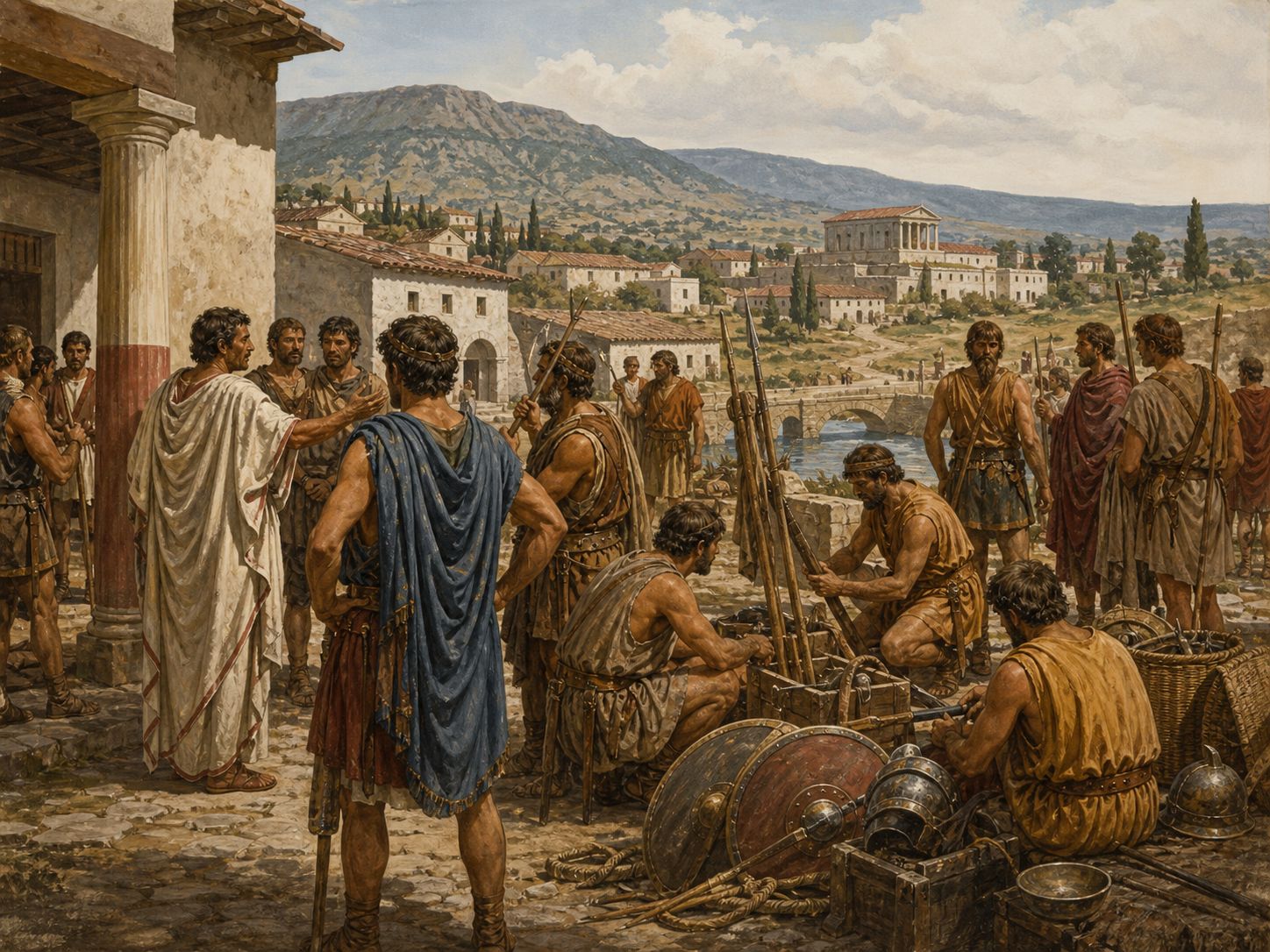
Large estates and the enslavement of war captives had expanded in Italy, while gladiatorial schools institutionalized violence.
- Large estates and the enslavement of war captives had expanded in Italy, while gladiatorial schools institutionalized violence.
- Core event: From 73 to 71 BCE, a large enslaved uprising led by the gladiator Spartacus shook Italy.
- Connection to the next stage: The rebels moved from Vesuvius through southern Italy, defeated several Roman forces, and then faced internal division and mounting Roman pressure.
Course
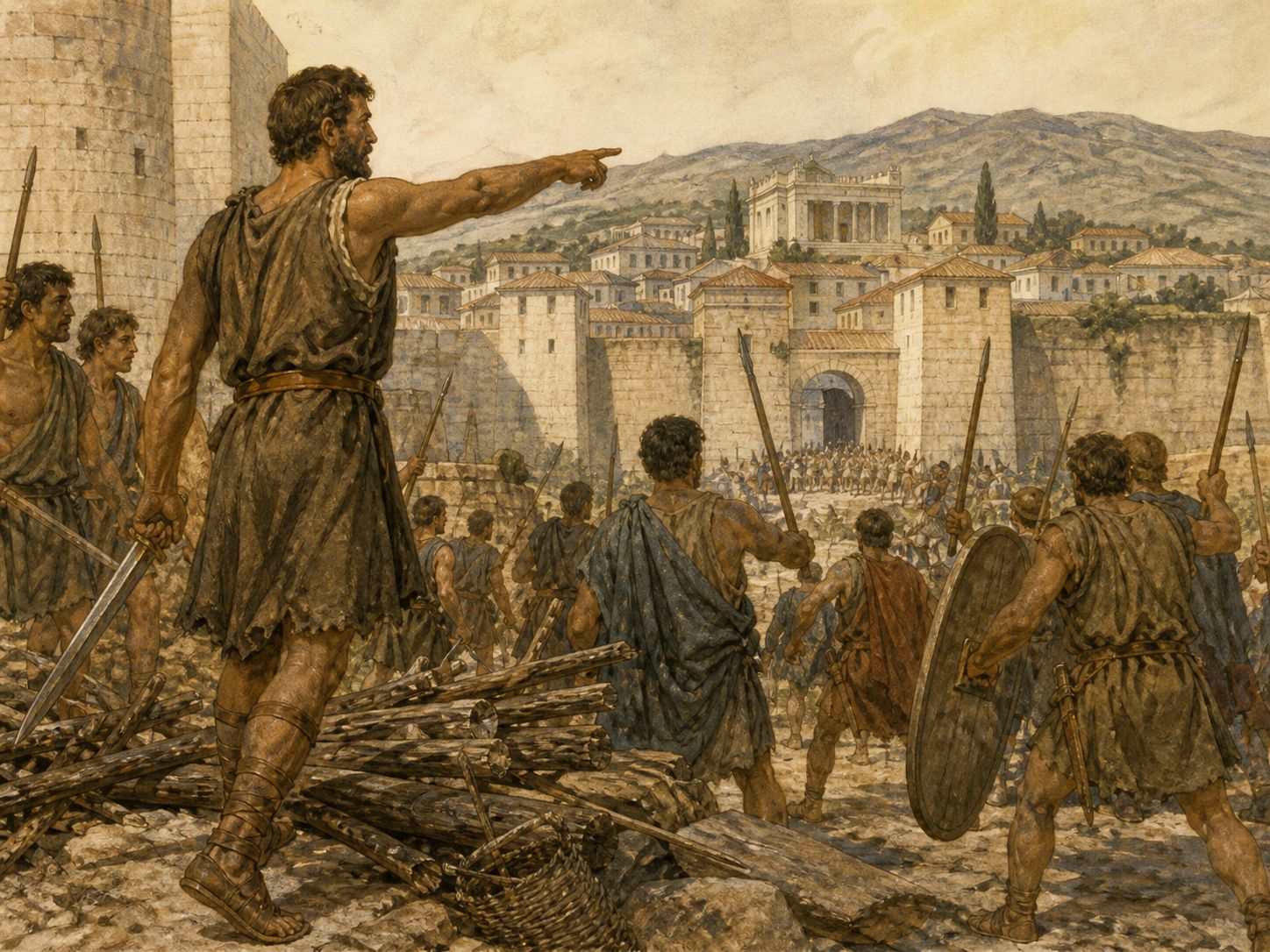
The rebels moved from Vesuvius through southern Italy, defeated several Roman forces, and then faced internal division and mounting Roman pressure.
- The rebels moved from Vesuvius through southern Italy, defeated several Roman forces, and then faced internal division and mounting Roman pressure.
- Conditions behind the action: Large estates and the enslavement of war captives had expanded in Italy, while gladiatorial schools institutionalized violence.
- Meaning of the turning point: From 73 to 71 BCE, a large enslaved uprising led by the gladiator Spartacus shook Italy.
Outcome
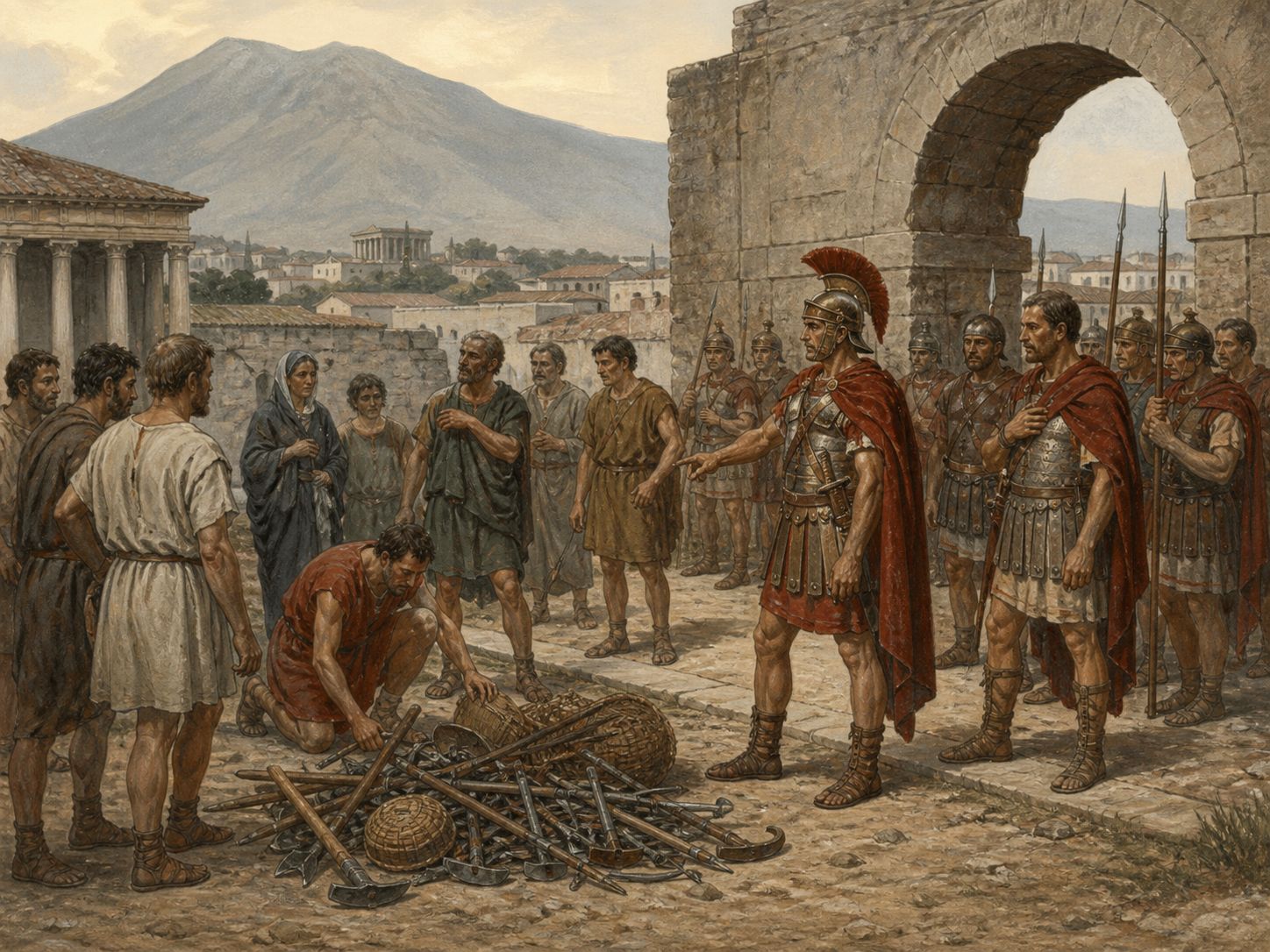
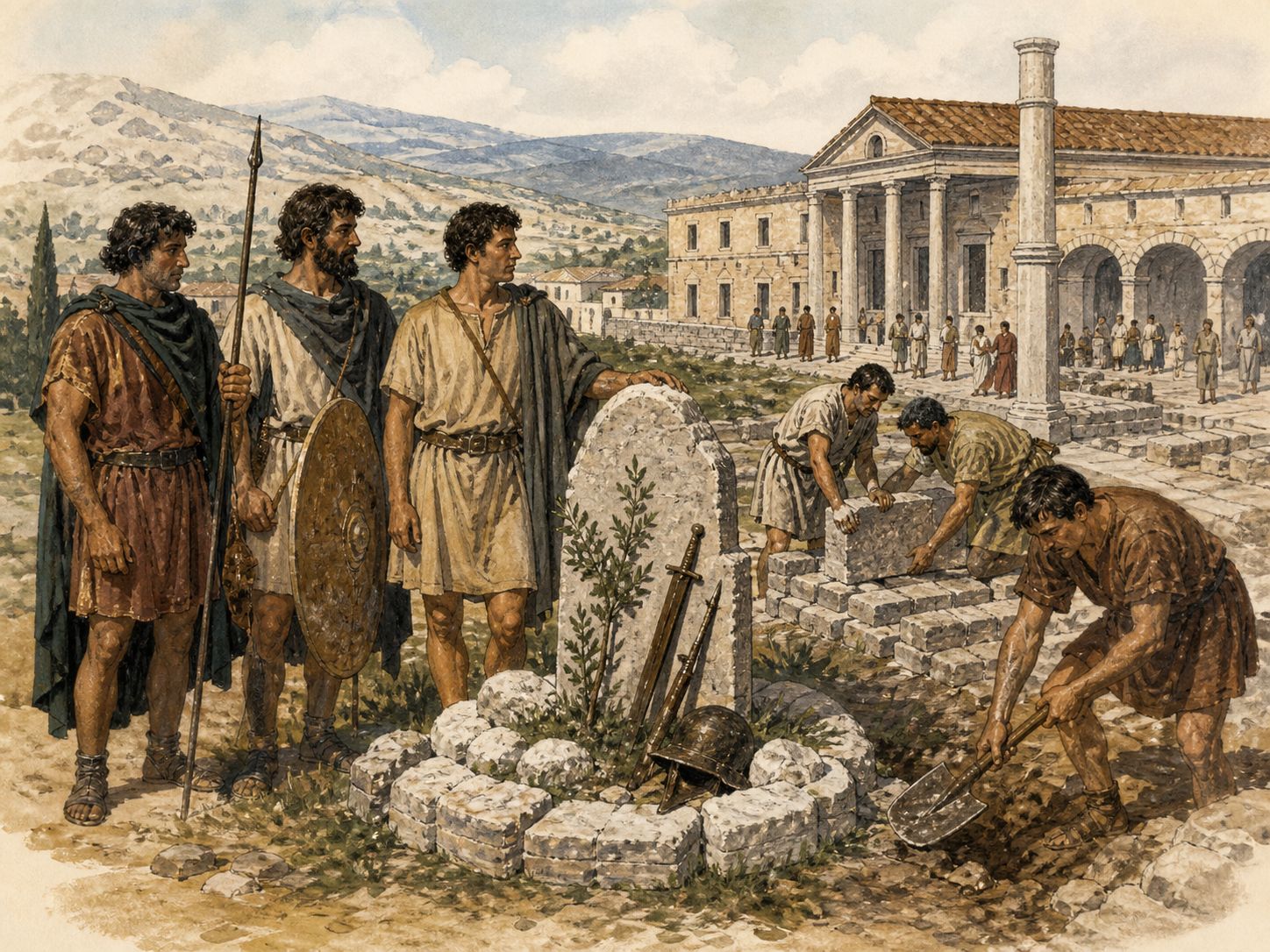
Crassus defeated the rebels, many of whom were executed, while Roman slavery itself remained intact.
- Crassus defeated the rebels, many of whom were executed, while Roman slavery itself remained intact.
- Process producing the result: The rebels moved from Vesuvius through southern Italy, defeated several Roman forces, and then faced internal division and mounting Roman pressure.
- Question carried forward: The revolt showed that enslaved resistance could threaten Rome’s military and economic order, though ancient sources preserve little of the rebels’ own voices.
Historical significance
The revolt showed that enslaved resistance could threaten Rome’s military and economic order, though ancient sources preserve little of the rebels’ own voices.
- The revolt showed that enslaved resistance could threaten Rome’s military and economic order, though ancient sources preserve little of the rebels’ own voices.
- Immediate consequence: Crassus defeated the rebels, many of whom were executed, while Roman slavery itself remained intact.
- Historical turning point: From 73 to 71 BCE, a large enslaved uprising led by the gladiator Spartacus shook Italy.


Related events
c. 74 BC
Prelude
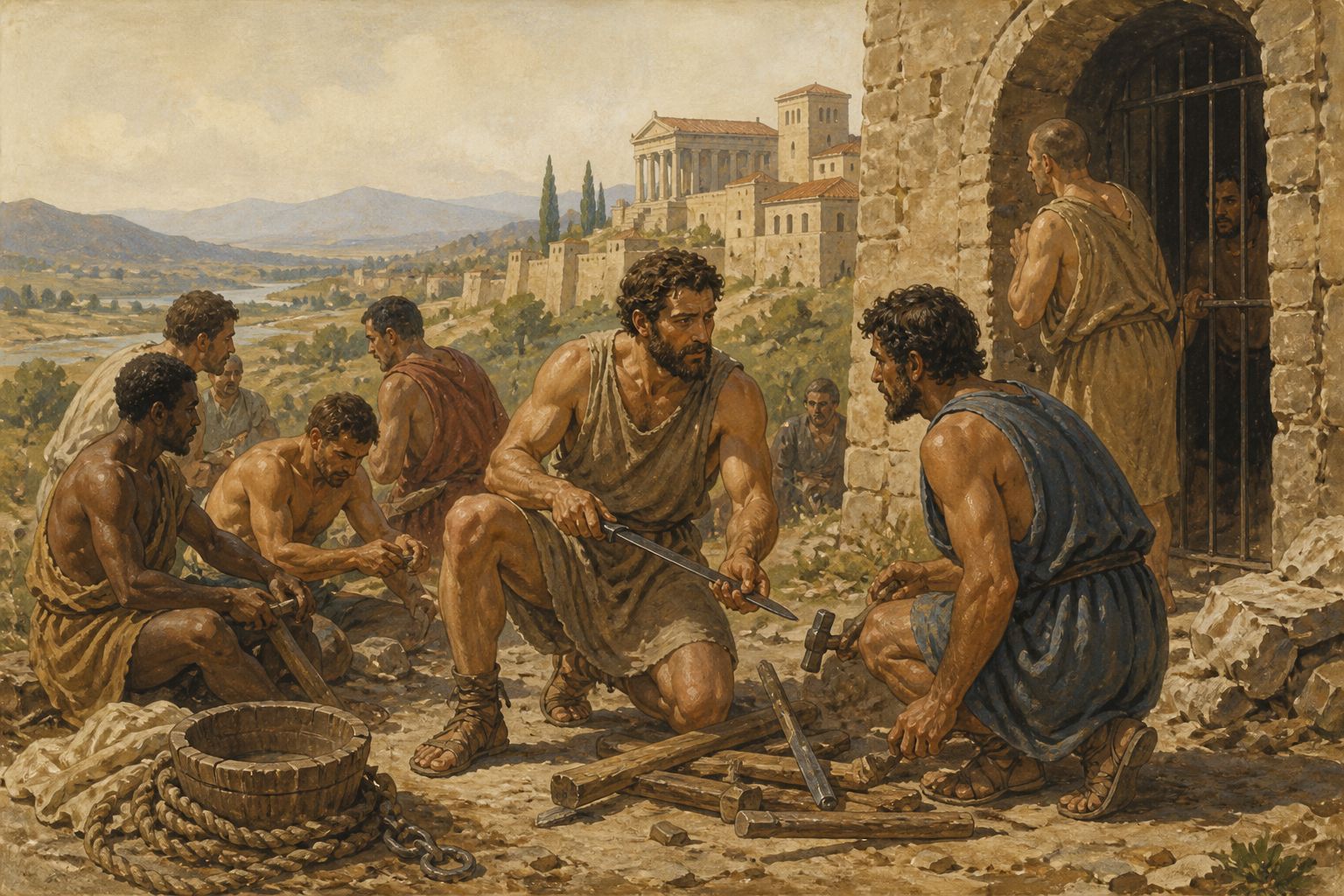
Prelude — Background: Large estates and the enslavement of war captives had expanded in Italy, while gladiatorial schools institutionalized violence.
c. 74 BC
Turning point
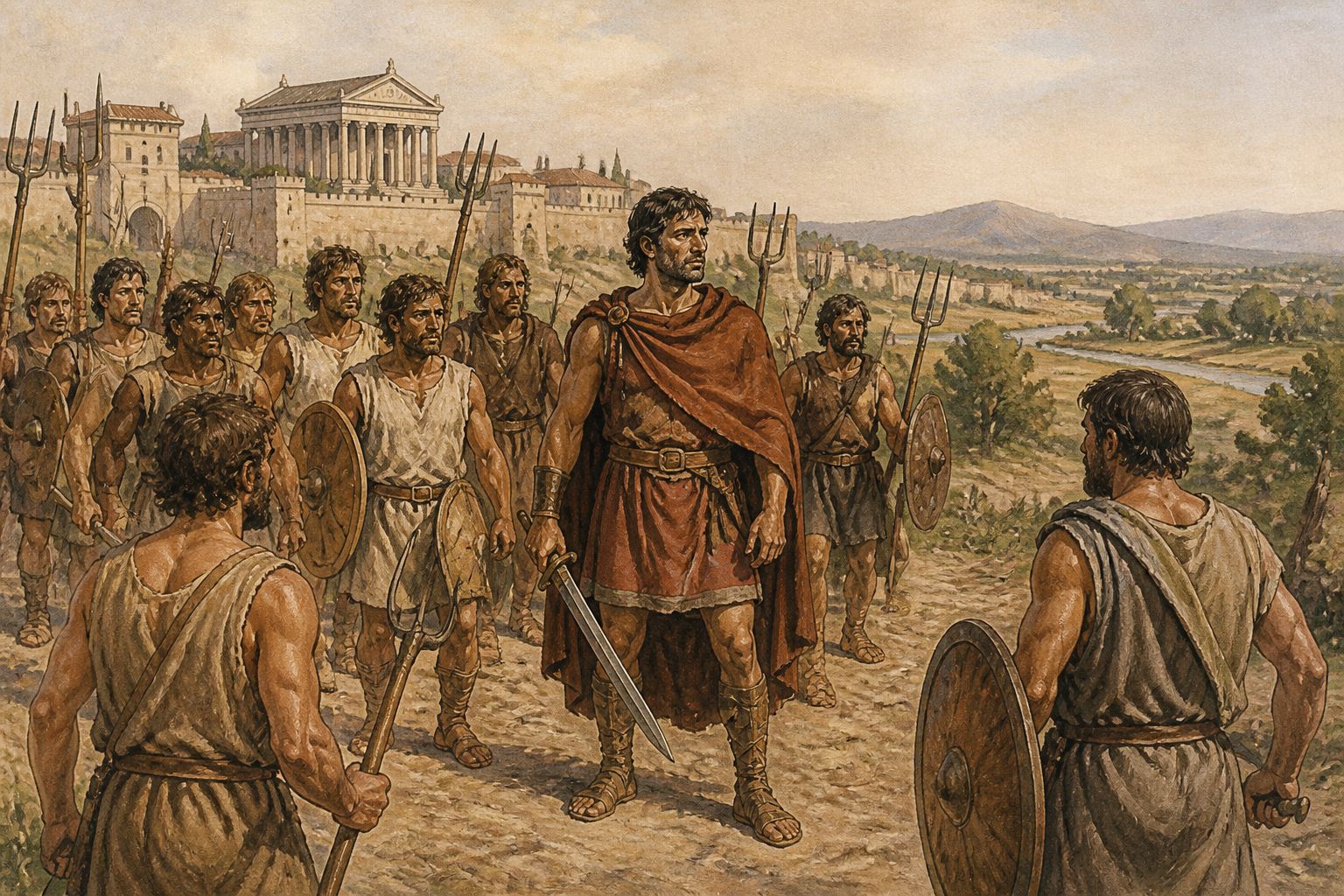
Turning point — Build-up: The rebels moved from Vesuvius through southern Italy, defeated several Roman forces, and then faced internal division and mounting Roman pressure.
73 BC–71 BC
Spartacus Revolt
Current event
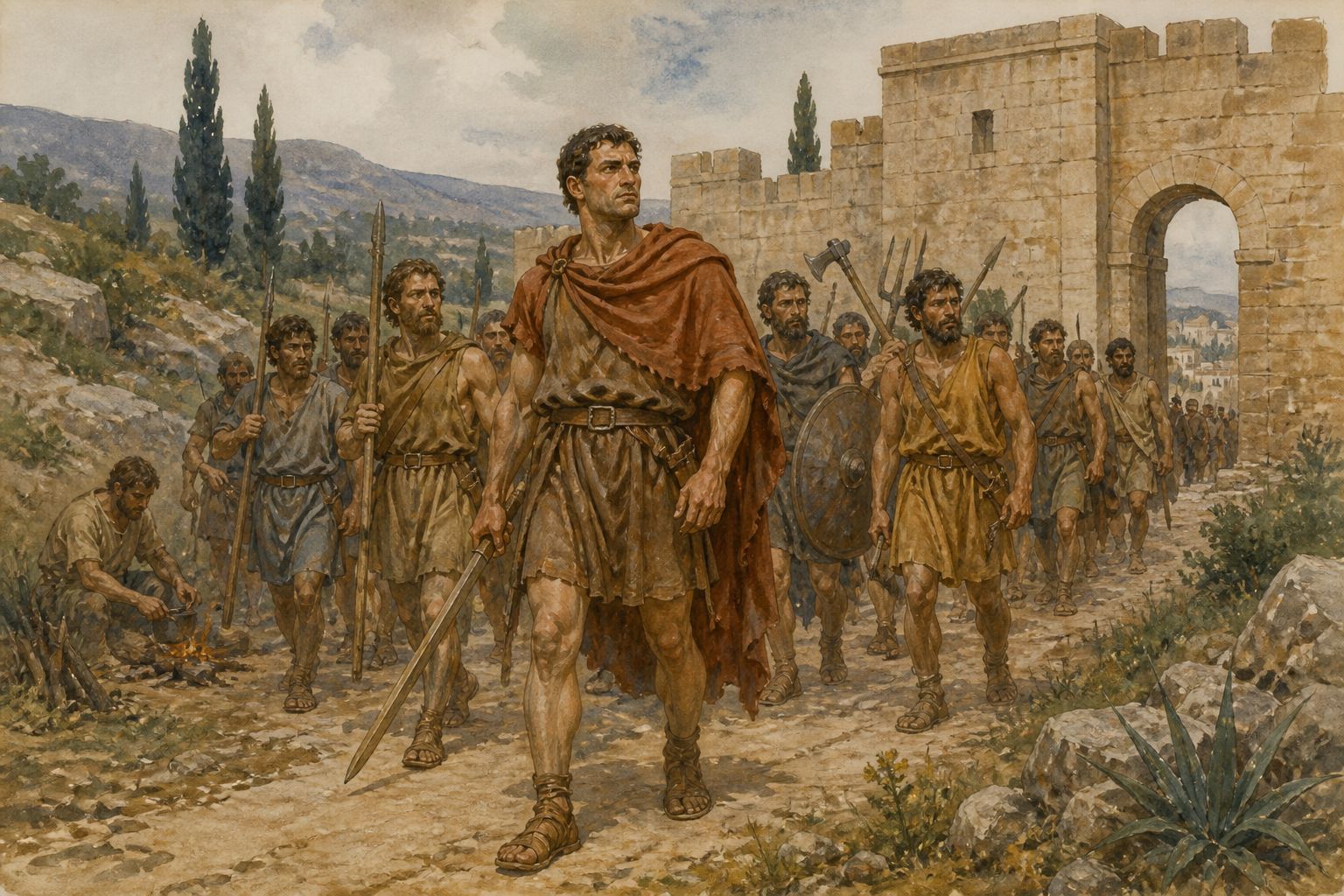
Spartacus Revolt — Central transition: From 73 to 71 BCE, a large enslaved uprising led by the gladiator Spartacus shook Italy.
c. 70 BC
Immediate aftermath
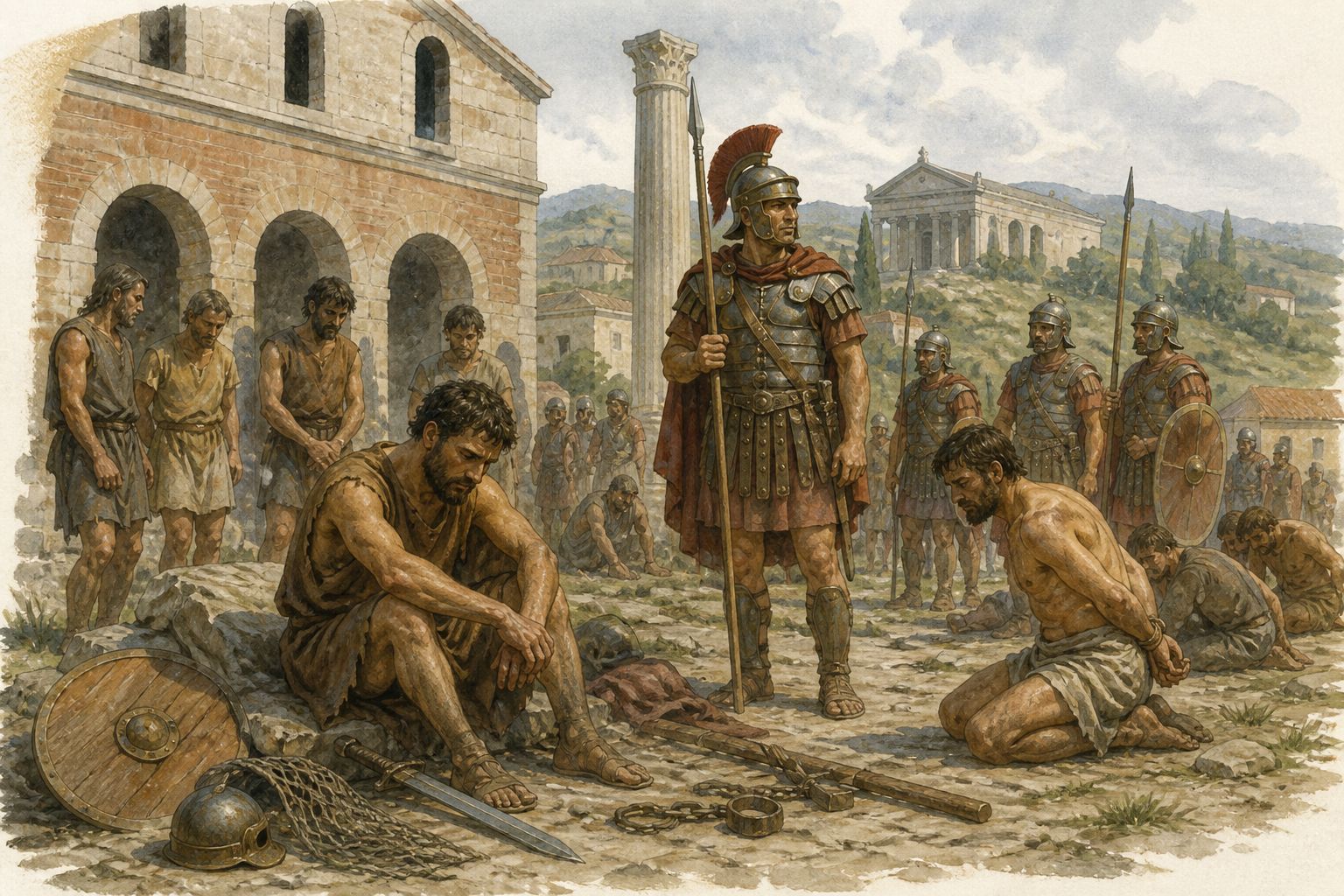
Immediate aftermath — Immediate result: Crassus defeated the rebels, many of whom were executed, while Roman slavery itself remained intact.
c. 61 BC
Long-term significance
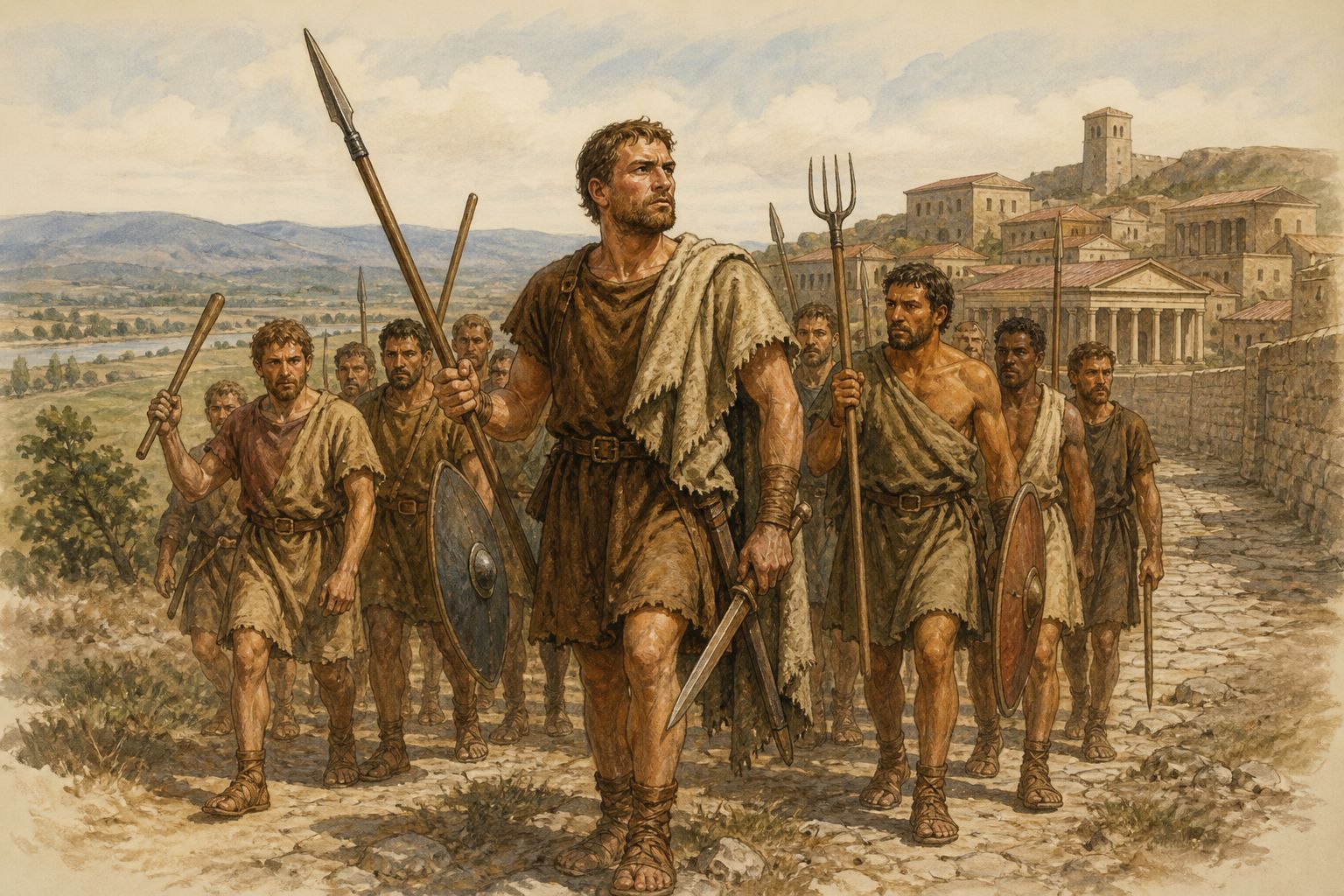
Long-term significance — Long-term significance: The revolt showed that enslaved resistance could threaten Rome’s military and economic order, though ancient sources preserve little of the rebels’ own voices.


Sources
- Spartacus Revolt — Spartacus (Encyclopaedia Britannica)britannica.comThis Encyclopaedia Britannica resource supports the chronology, setting, and course of Spartacus Revolt.
- Spartacus Revolt — Rome Spartacus (Livius)livius.orgThis Livius resource supports the chronology, setting, and course of Spartacus Revolt.
- Spartacus Revolt — Third Servile War (World History Encyclopedia)worldhistory.orgThis World History Encyclopedia resource supports the chronology, setting, and course of Spartacus Revolt.