Foundation of the Timurid Empire
c. 1370
Around 1370, Timur consolidated Central Asian powers and built an empire centered on Samarkand.

- Period
- c. 1370
- Kind
- Political event
- Regions
- Central Asia
- Keywords
- Foundation of the Timurid Empire · political event · medieval · central asia
Follow the story · Four stages
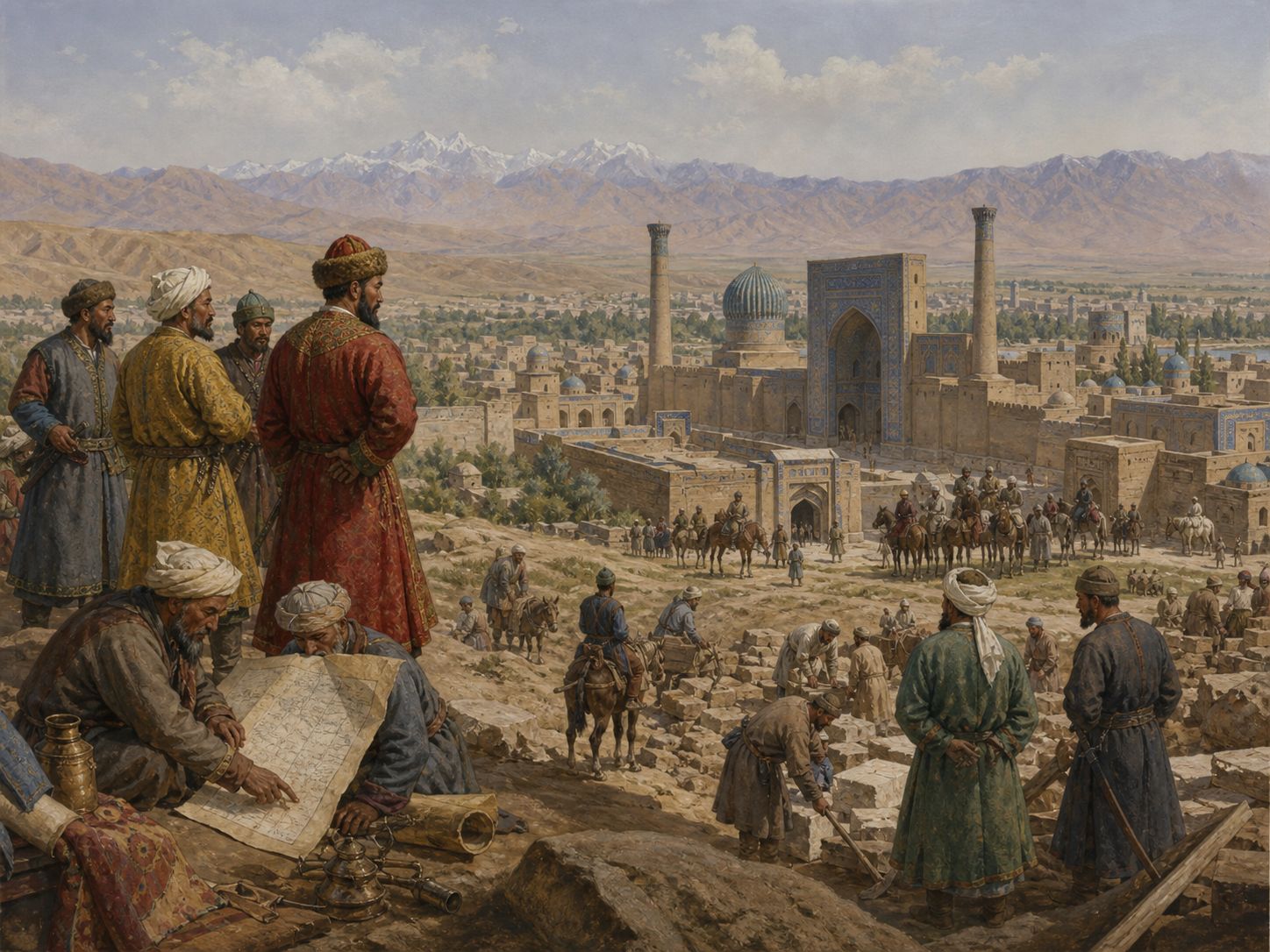
Background
The fragmentation of the Chaghatay ulus and competition among Mongol and Turkic elites created an opening for a military leader.
- The fragmentation of the Chaghatay ulus and competition among Mongol and Turkic elites created an opening for a military leader.
- Core event: Around 1370, Timur consolidated Central Asian powers and built an empire centered on Samarkand.
- Connection to the next stage: Timur combined marriage, alliances, and campaigns, moving armies from Transoxiana into Iran, the Caucasus, and India.
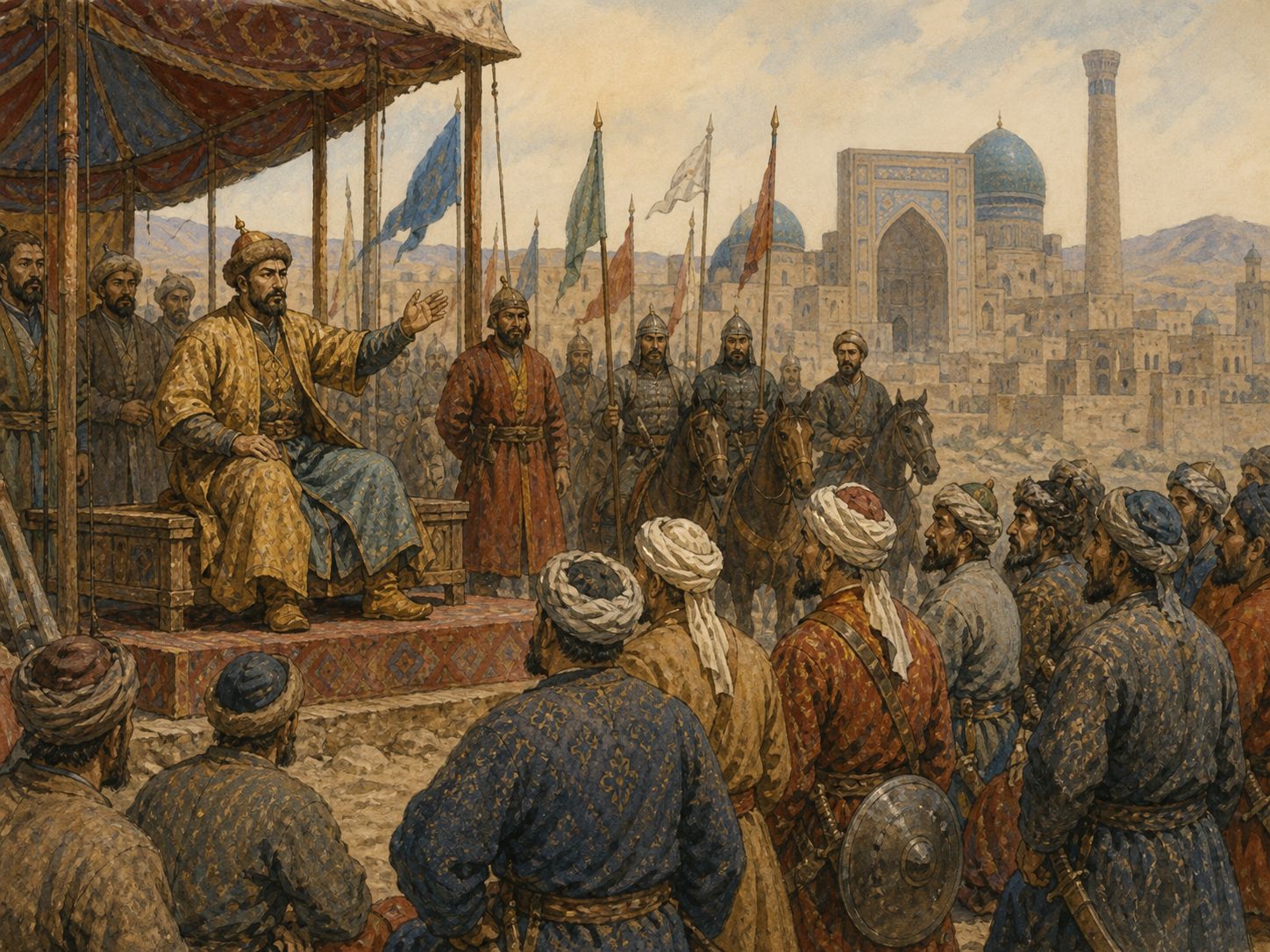
Course
Timur combined marriage, alliances, and campaigns, moving armies from Transoxiana into Iran, the Caucasus, and India.
- Timur combined marriage, alliances, and campaigns, moving armies from Transoxiana into Iran, the Caucasus, and India.
- Conditions behind the action: The fragmentation of the Chaghatay ulus and competition among Mongol and Turkic elites created an opening for a military leader.
- Meaning of the turning point: Around 1370, Timur consolidated Central Asian powers and built an empire centered on Samarkand.
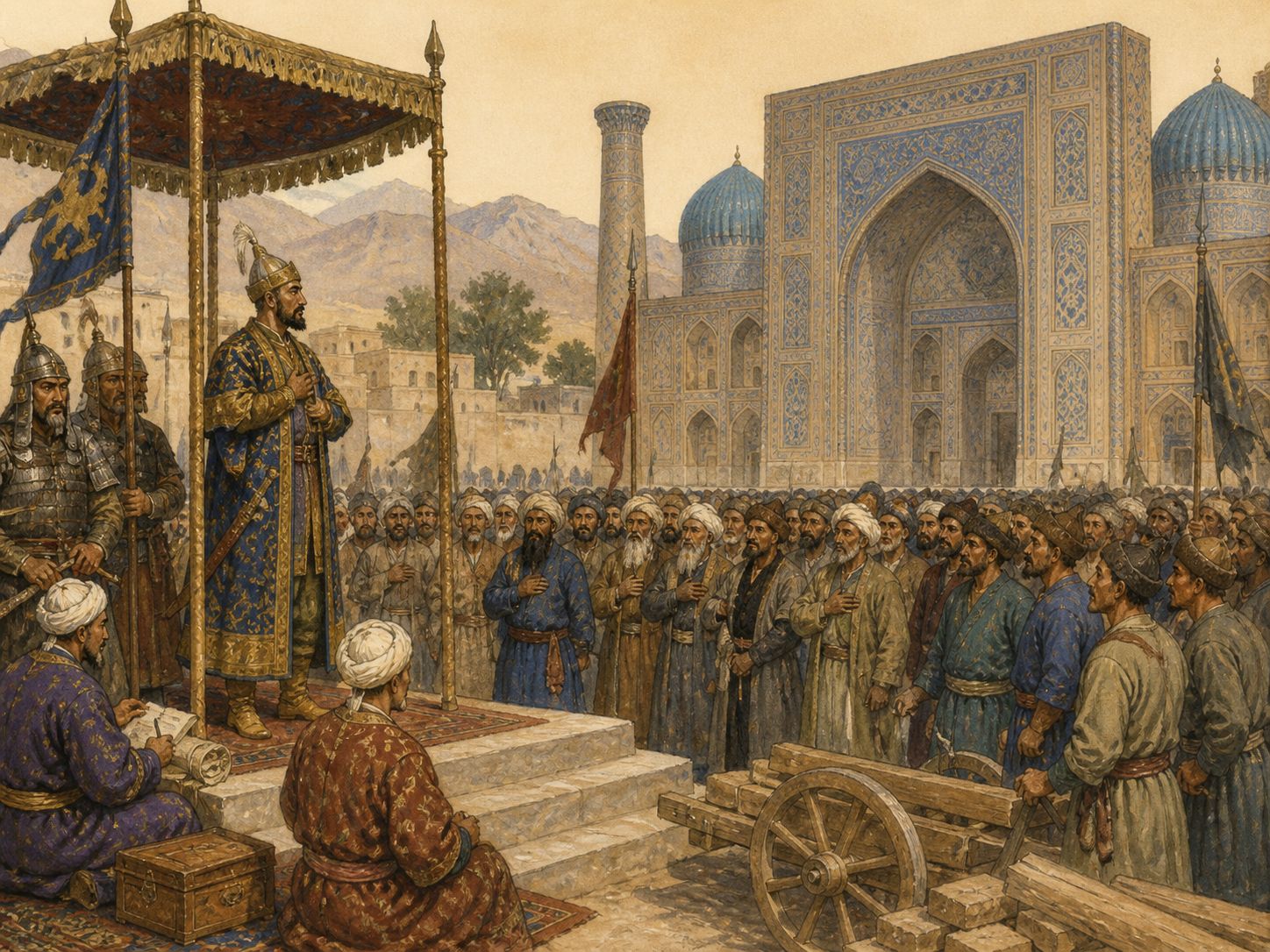
Outcome
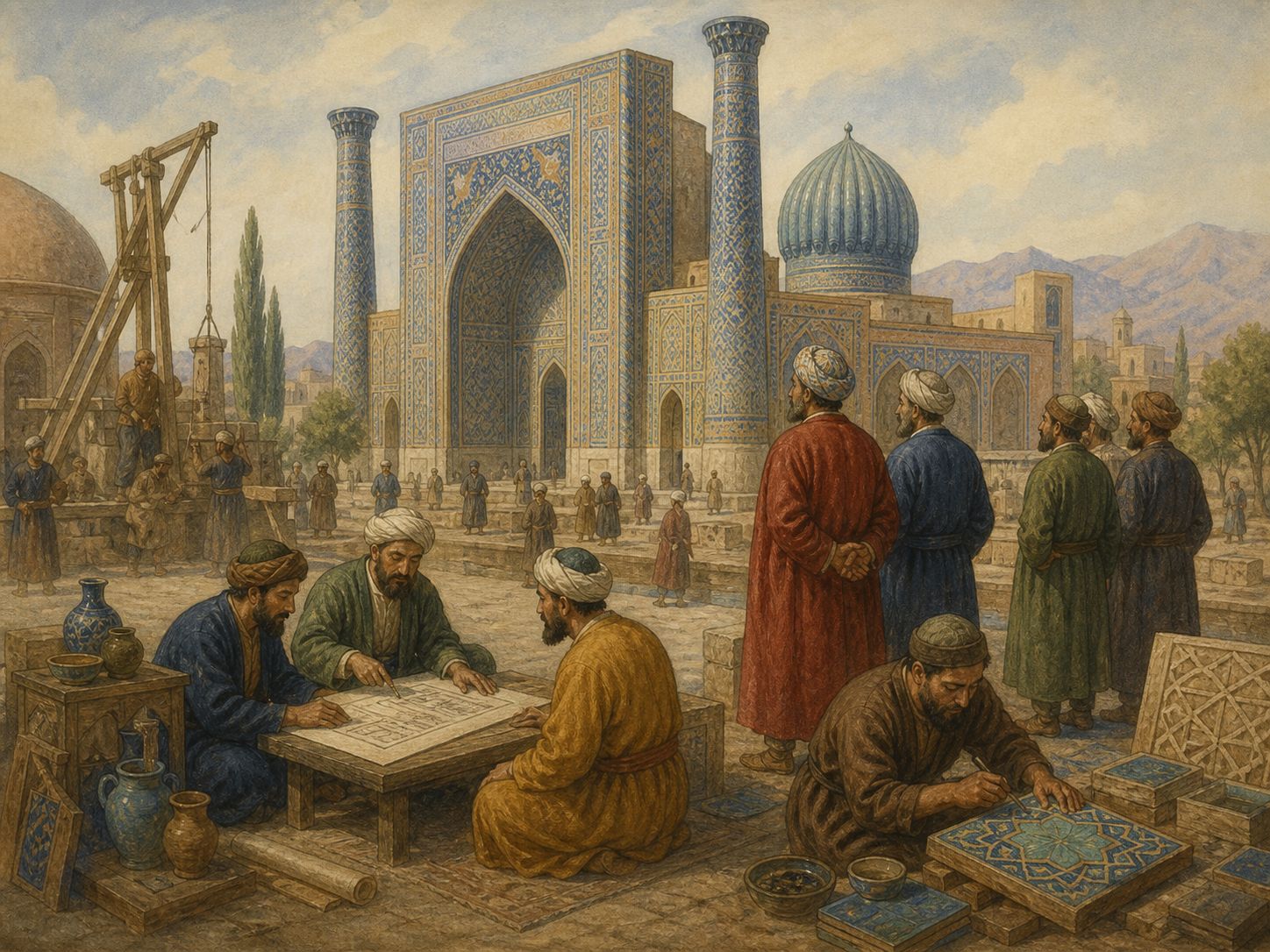
Samarkand became a center of dynastic politics, architecture, and learning, whose legacy was inherited by Timur’s successors.
- Samarkand became a center of dynastic politics, architecture, and learning, whose legacy was inherited by Timur’s successors.
- Process producing the result: Timur combined marriage, alliances, and campaigns, moving armies from Transoxiana into Iran, the Caucasus, and India.
- Question carried forward: Timurid cultural achievement cannot be separated from the destruction and displacement caused by wide-ranging conquest.
Historical significance
Timurid cultural achievement cannot be separated from the destruction and displacement caused by wide-ranging conquest.
- Timurid cultural achievement cannot be separated from the destruction and displacement caused by wide-ranging conquest.
- Immediate consequence: Samarkand became a center of dynastic politics, architecture, and learning, whose legacy was inherited by Timur’s successors.
- Historical turning point: Around 1370, Timur consolidated Central Asian powers and built an empire centered on Samarkand.


Related events
c. 1369
Prelude
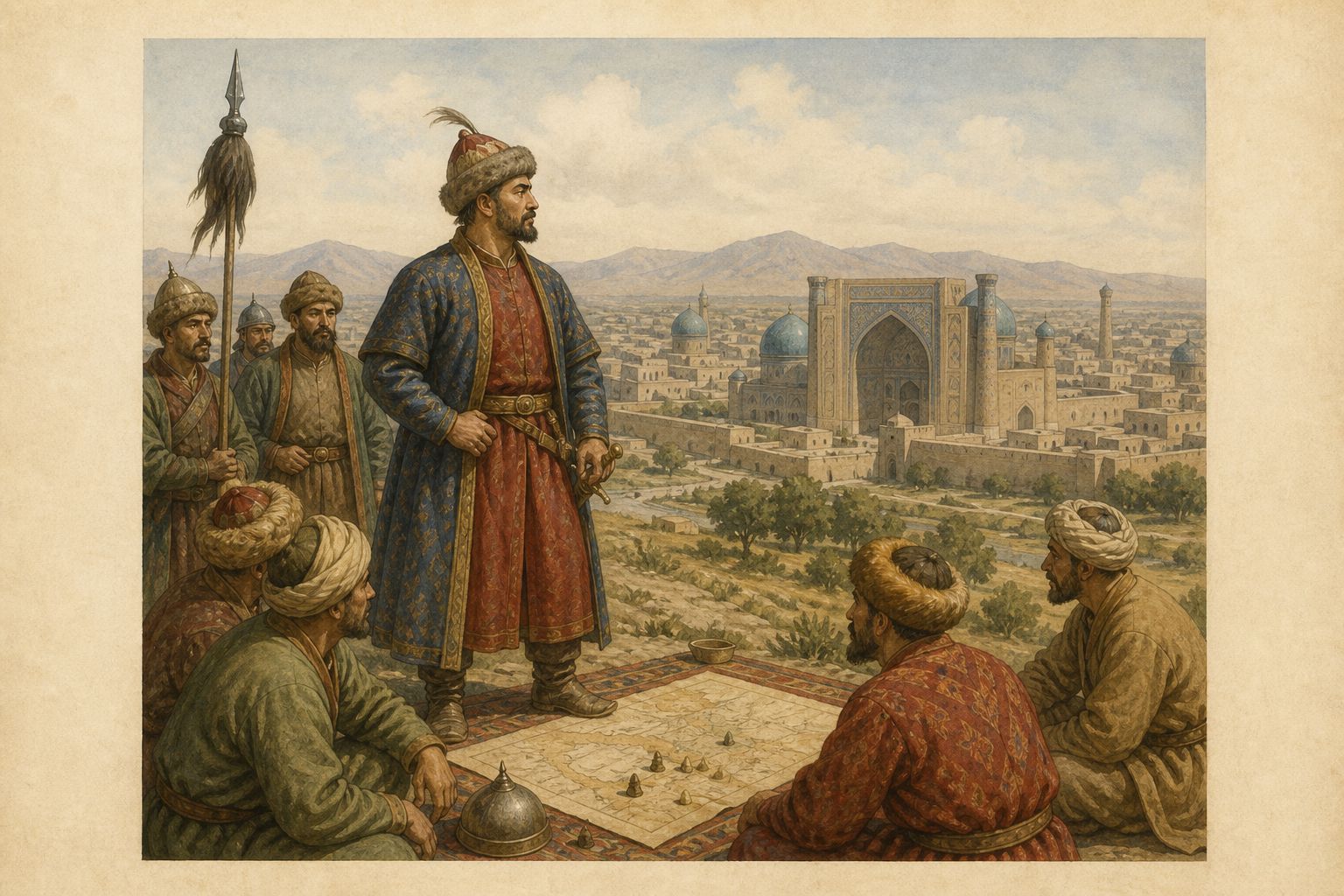
Prelude — Background: The fragmentation of the Chaghatay ulus and competition among Mongol and Turkic elites created an opening for a military leader.
c. 1369
Turning point
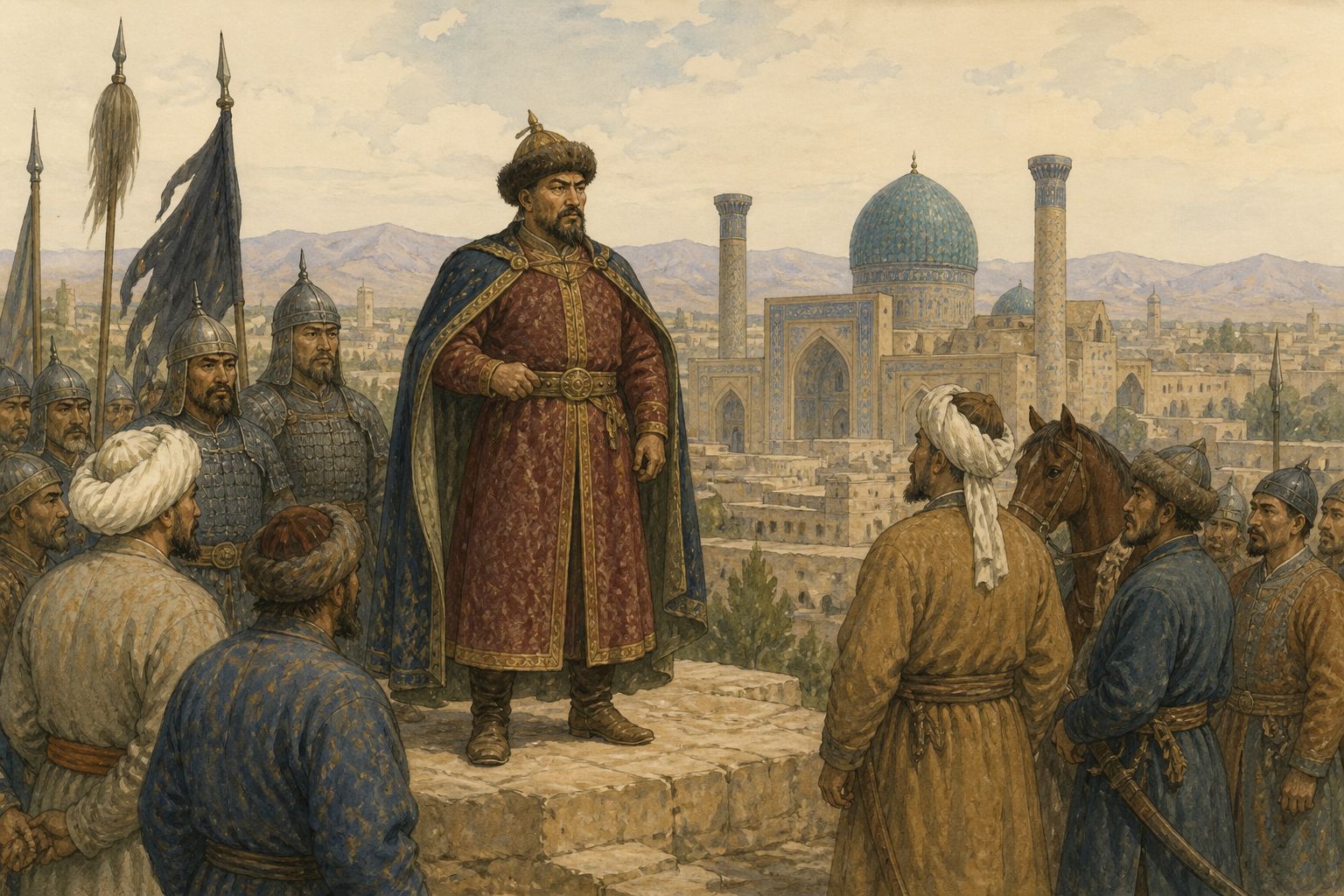
Turning point — Build-up: Timur combined marriage, alliances, and campaigns, moving armies from Transoxiana into Iran, the Caucasus, and India.
c. 1370
Foundation of the Timurid Empire
Current event
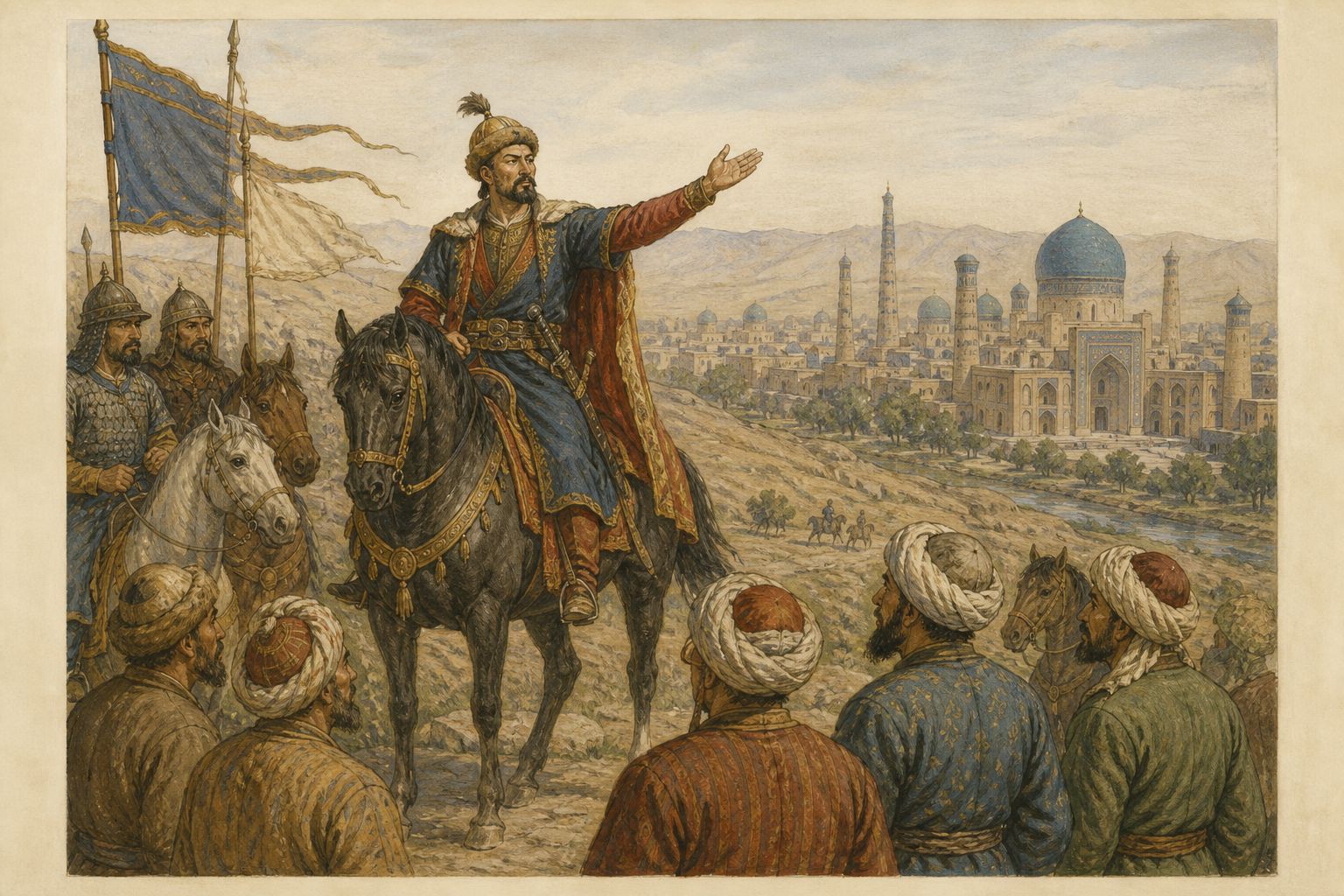
Foundation of the Timurid Empire — Central transition: Around 1370, Timur consolidated Central Asian powers and built an empire centered on Samarkand.
c. 1371
Immediate aftermath
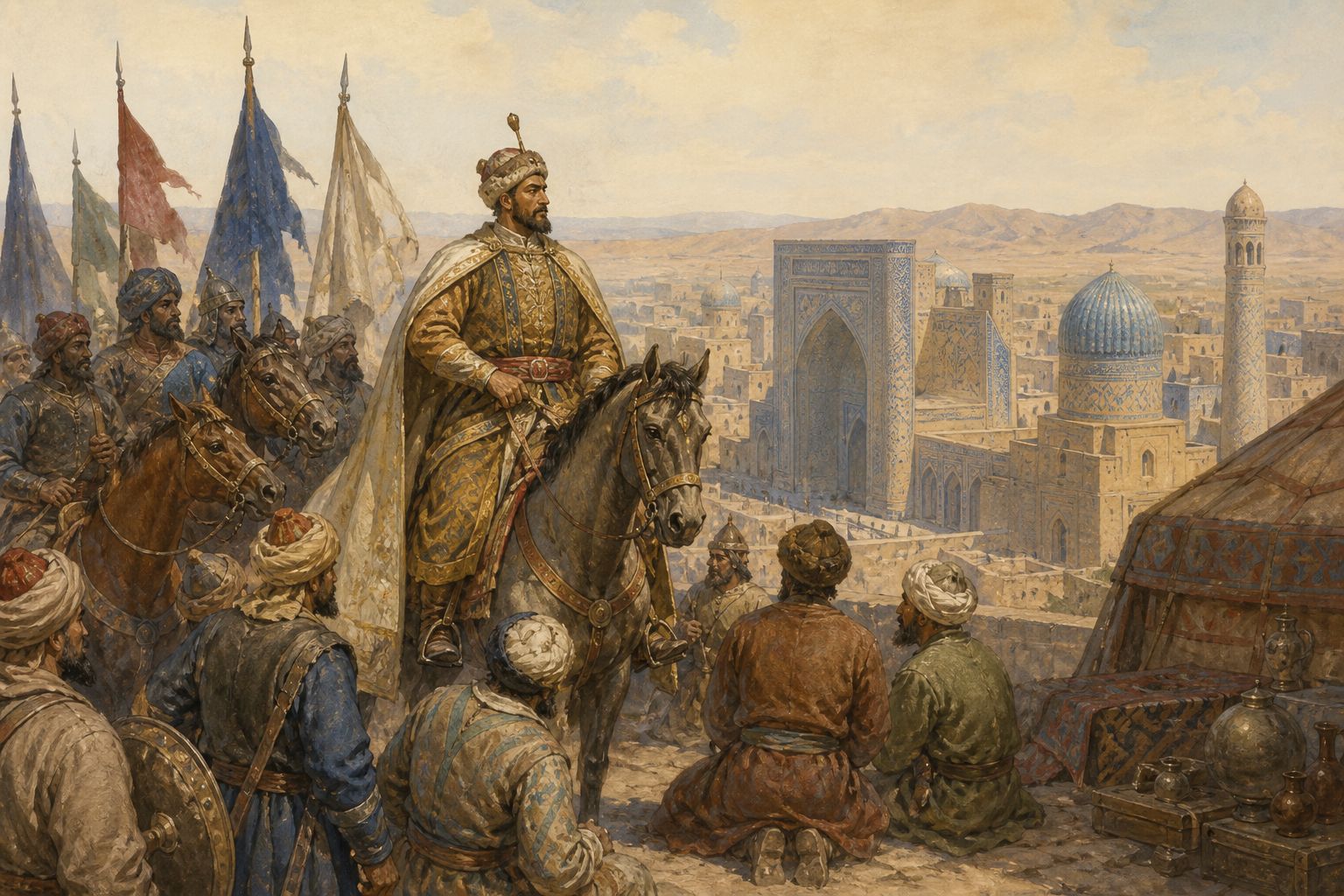
Immediate aftermath — Immediate result: Samarkand became a center of dynastic politics, architecture, and learning, whose legacy was inherited by Timur’s successors.
c. 1380
Long-term significance
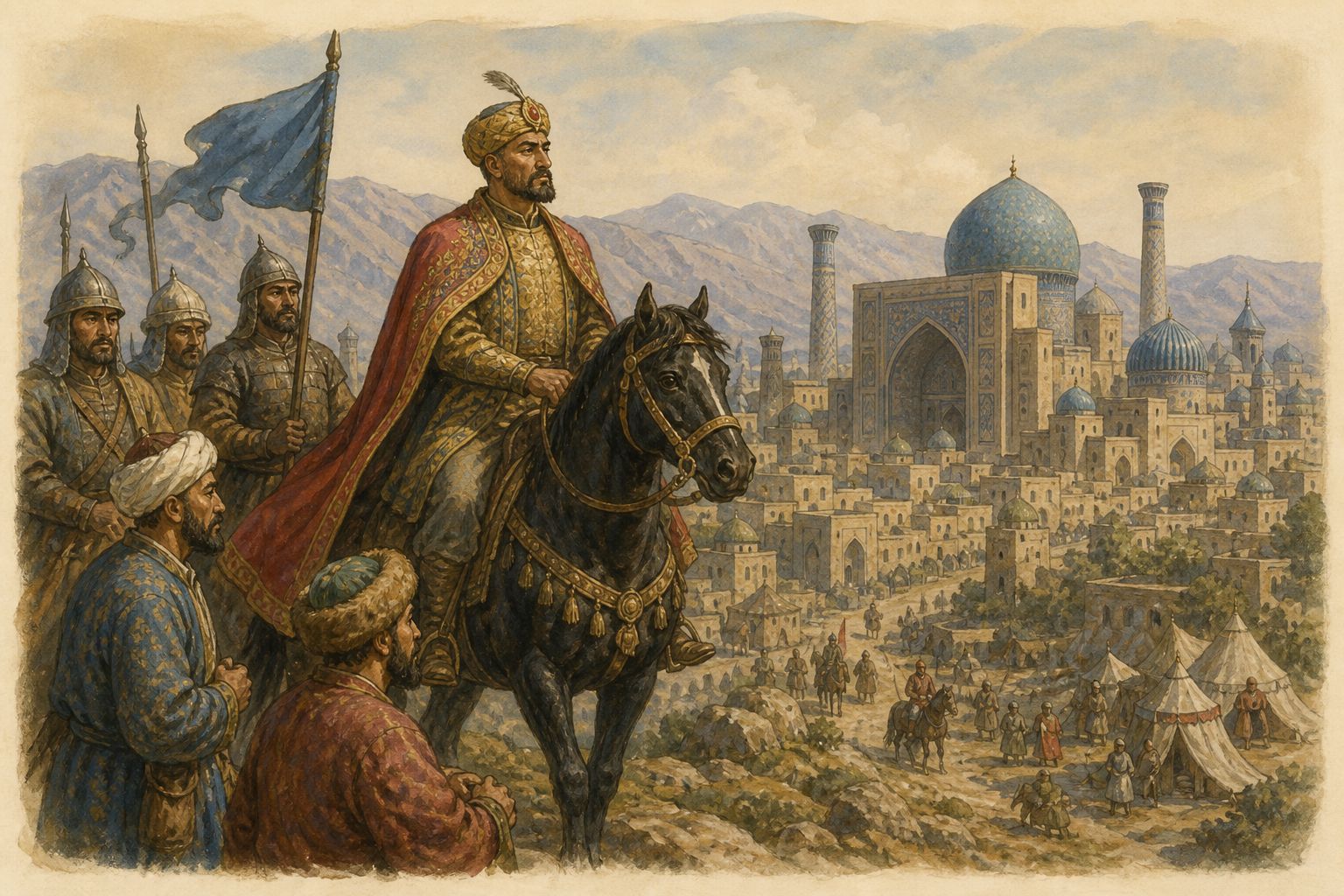
Long-term significance — Long-term significance: Timurid cultural achievement cannot be separated from the destruction and displacement caused by wide-ranging conquest.


Sources
- Foundation of the Timurid Empire — Timur (Encyclopaedia Britannica)britannica.comThis Encyclopaedia Britannica resource supports the chronology, setting, and course of Foundation of the Timurid Empire.
- Foundation of the Timurid Empire — Hd Timu (The Metropolitan Museum of Art)metmuseum.orgThis The Metropolitan Museum of Art resource supports the chronology, setting, and course of Foundation of the Timurid Empire.
- Foundation of the Timurid Empire — Timurids (Iranicaonline)iranicaonline.orgThis Iranicaonline resource supports the chronology, setting, and course of Foundation of the Timurid Empire.