
Toyotomi Unification of Japan
1590
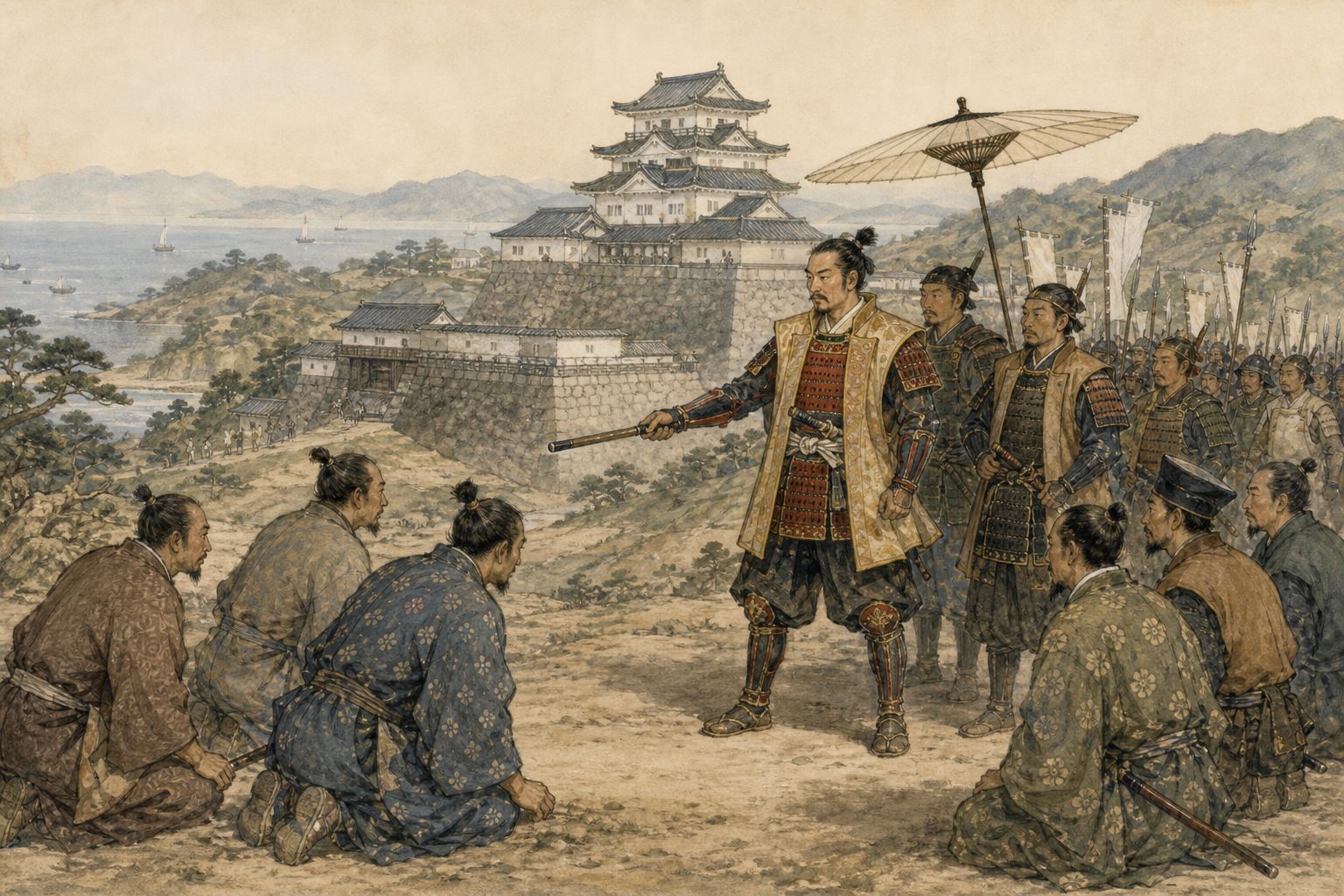
In 1590, Toyotomi Hideyoshi forced the Hojo at Odawara to surrender and completed the political unification of most of Japan.

- Period
- 1590
- Kind
- Political event
- Regions
- East Asia
- Keywords
- Toyotomi Unification of Japan · political event · early modern · east asia
Follow the story · Four stages
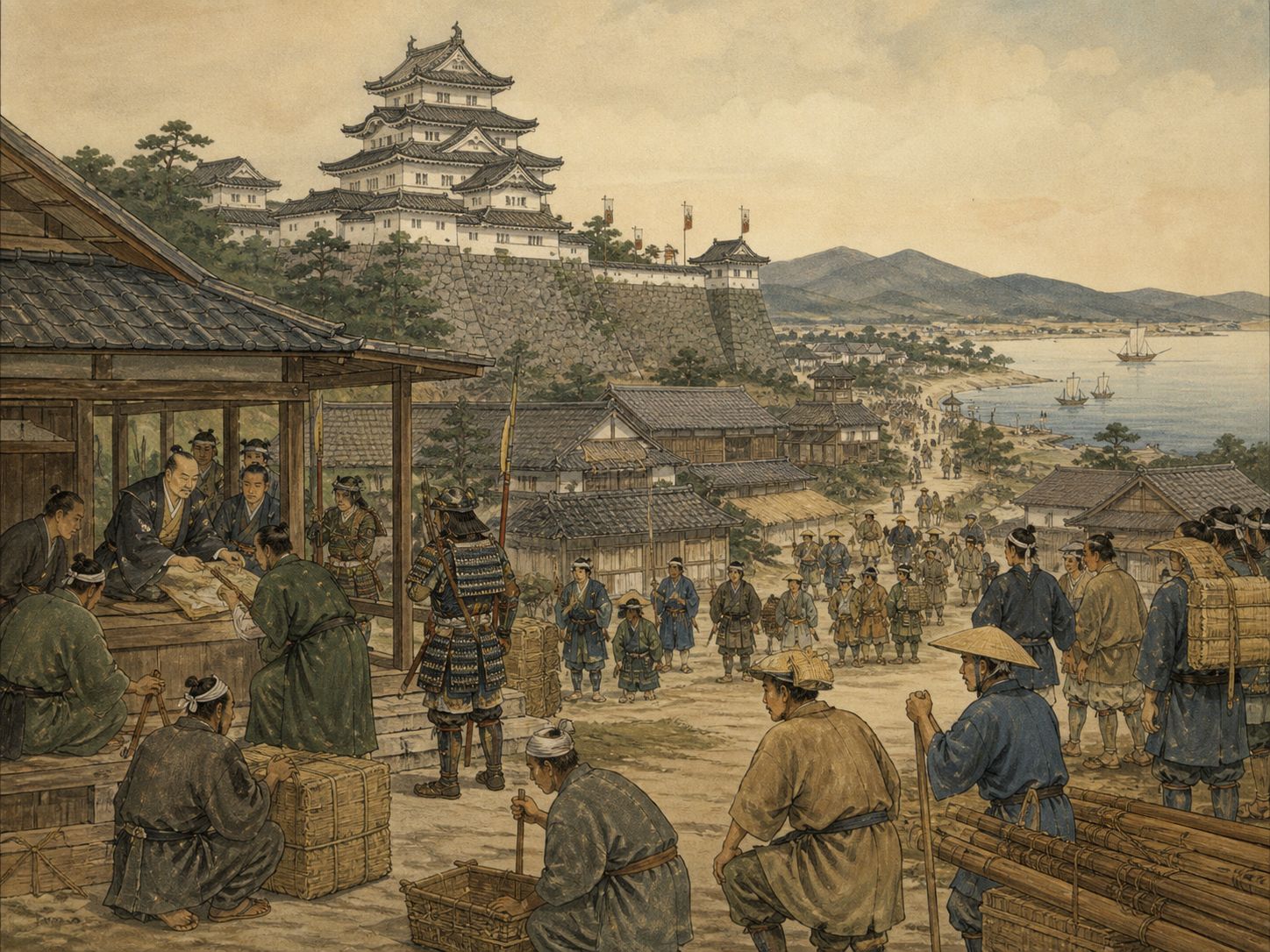
Background
After Oda Nobunaga’s death, Hideyoshi combined military force with castles, surveys, and diplomacy to reorder relations among daimyos.
- After Oda Nobunaga’s death, Hideyoshi combined military force with castles, surveys, and diplomacy to reorder relations among daimyos.
- Core event: In 1590, Toyotomi Hideyoshi forced the Hojo at Odawara to surrender and completed the political unification of most of Japan.
- Connection to the next stage: A large army advanced into Kanto and besieged Odawara while daimyos in the north and west were pressed to submit.
Course
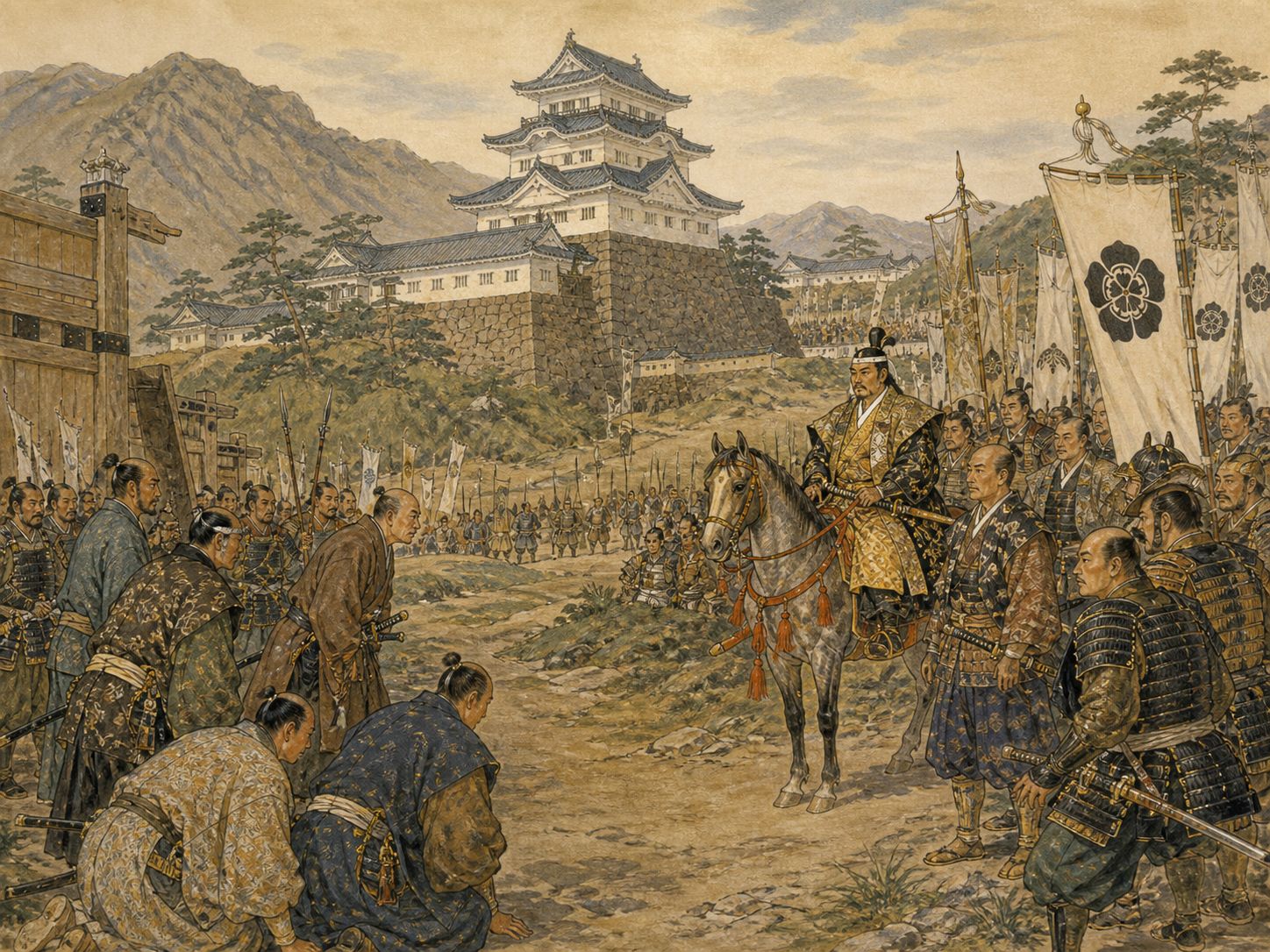
A large army advanced into Kanto and besieged Odawara while daimyos in the north and west were pressed to submit.
- A large army advanced into Kanto and besieged Odawara while daimyos in the north and west were pressed to submit.
- Conditions behind the action: After Oda Nobunaga’s death, Hideyoshi combined military force with castles, surveys, and diplomacy to reorder relations among daimyos.
- Meaning of the turning point: In 1590, Toyotomi Hideyoshi forced the Hojo at Odawara to surrender and completed the political unification of most of Japan.
Outcome
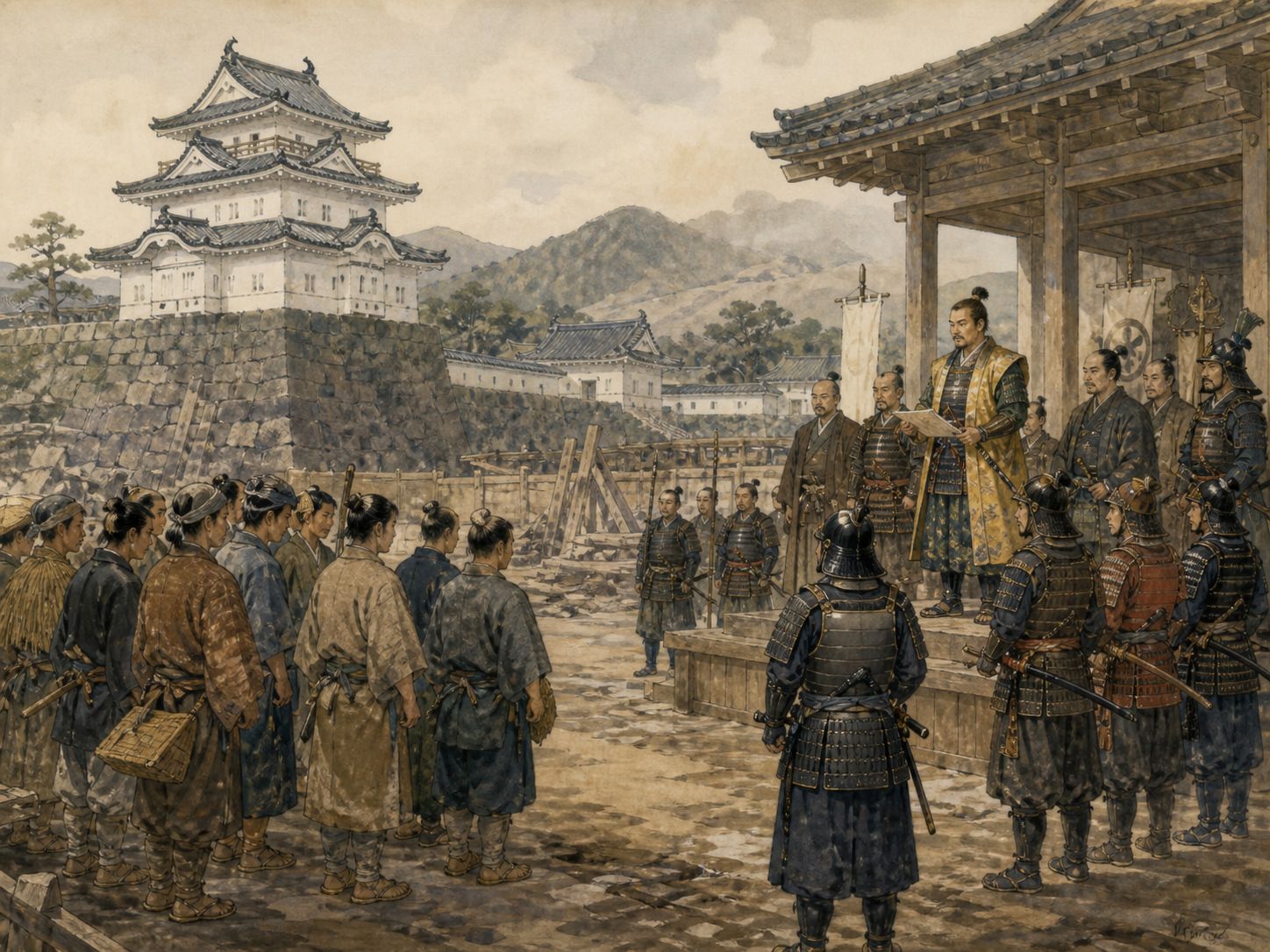
Sword hunts and the registration of people and land advanced, creating a mobilization system later used for the invasions of Korea.
- Sword hunts and the registration of people and land advanced, creating a mobilization system later used for the invasions of Korea.
- Process producing the result: A large army advanced into Kanto and besieged Odawara while daimyos in the north and west were pressed to submit.
- Question carried forward: The unification ended the Sengoku fragmentation but was a Toyotomi achievement distinct from the later Tokugawa shogunate.
Historical significance
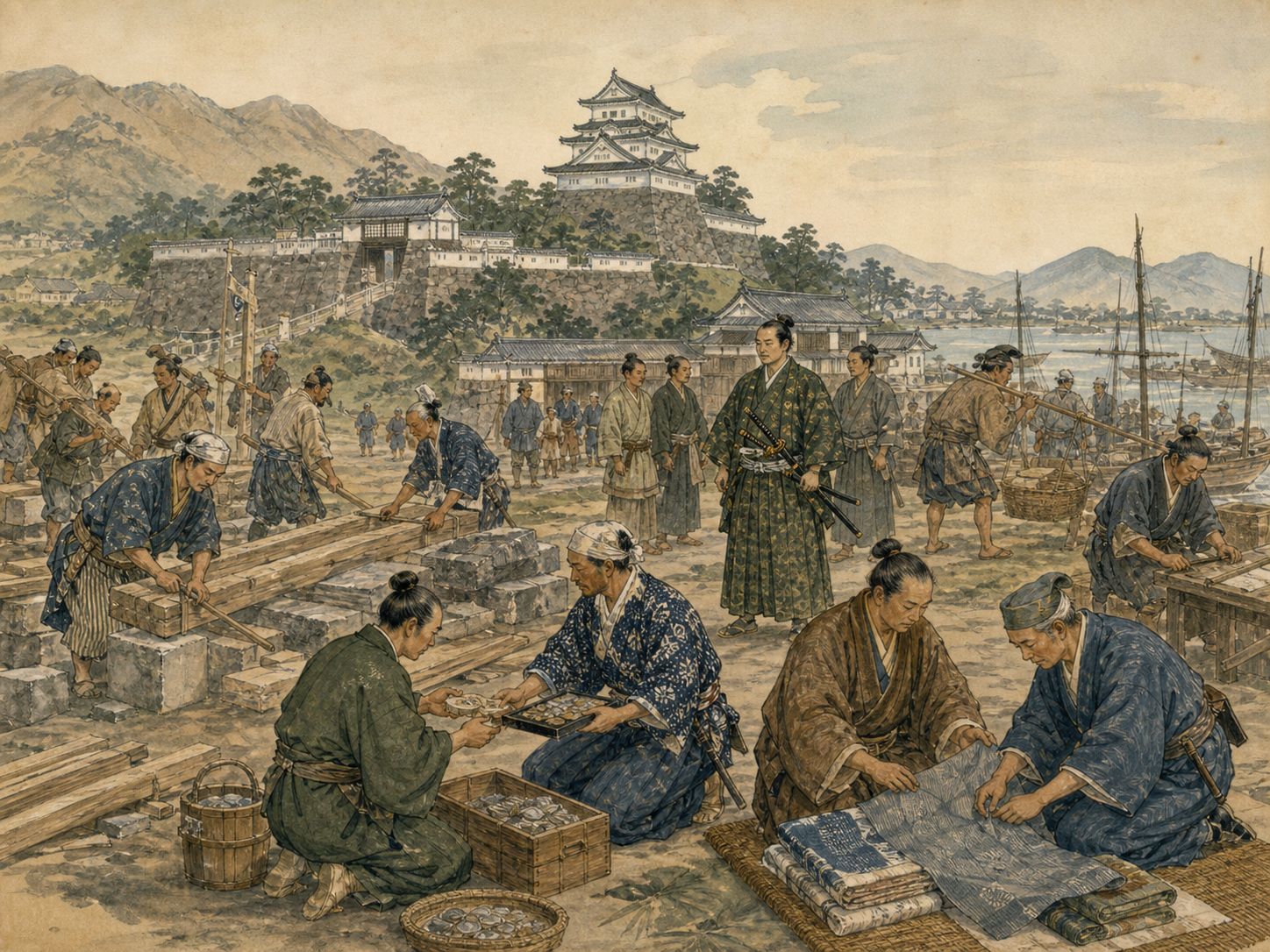
The unification ended the Sengoku fragmentation but was a Toyotomi achievement distinct from the later Tokugawa shogunate.
- The unification ended the Sengoku fragmentation but was a Toyotomi achievement distinct from the later Tokugawa shogunate.
- Immediate consequence: Sword hunts and the registration of people and land advanced, creating a mobilization system later used for the invasions of Korea.
- Historical turning point: In 1590, Toyotomi Hideyoshi forced the Hojo at Odawara to surrender and completed the political unification of most of Japan.


Related events
c. 1589
Prelude
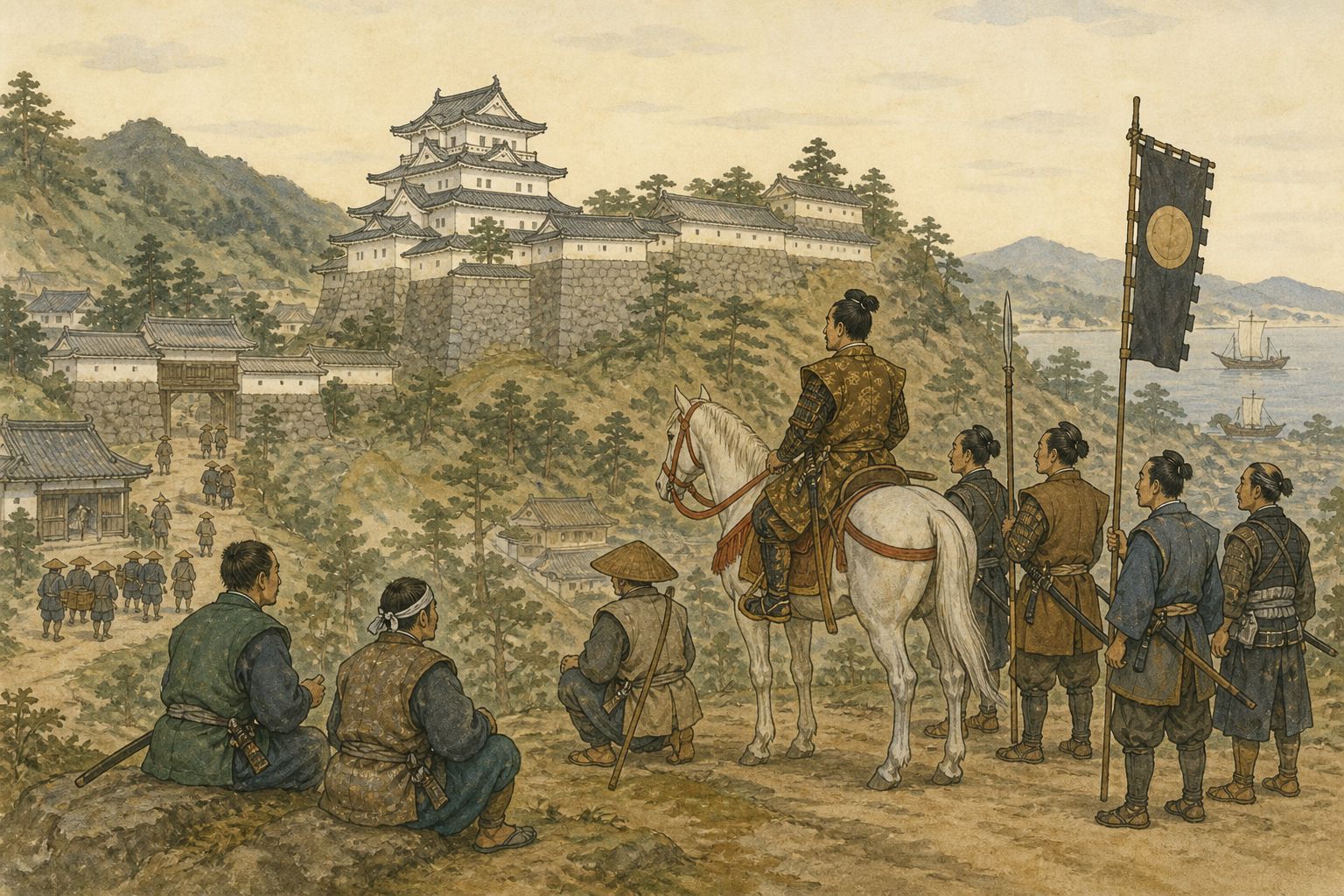
Prelude — Background: After Oda Nobunaga’s death, Hideyoshi combined military force with castles, surveys, and diplomacy to reorder relations among daimyos.
c. 1589
Turning point
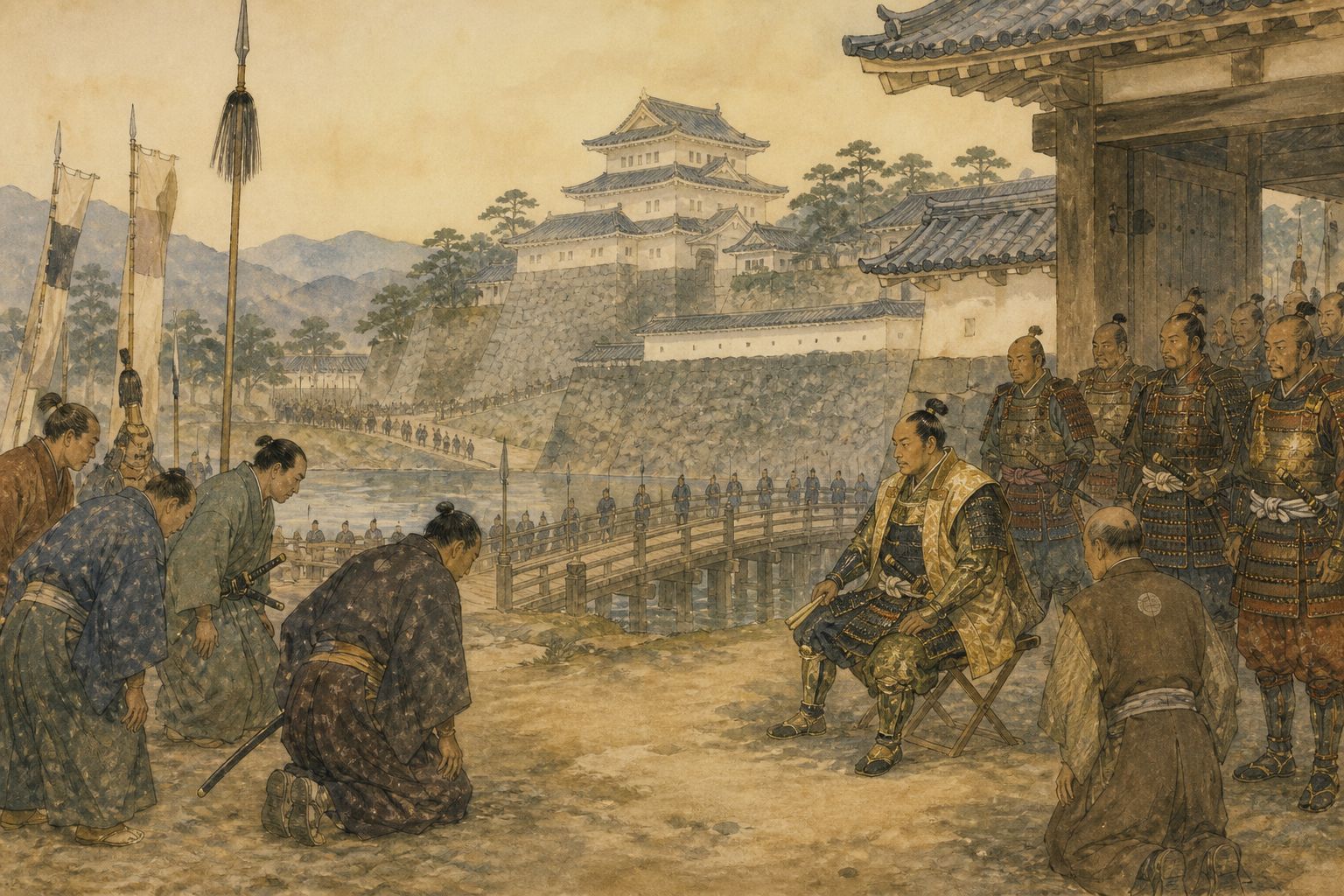
Turning point — Build-up: A large army advanced into Kanto and besieged Odawara while daimyos in the north and west were pressed to submit.
1590
Toyotomi Unification of Japan
Current event
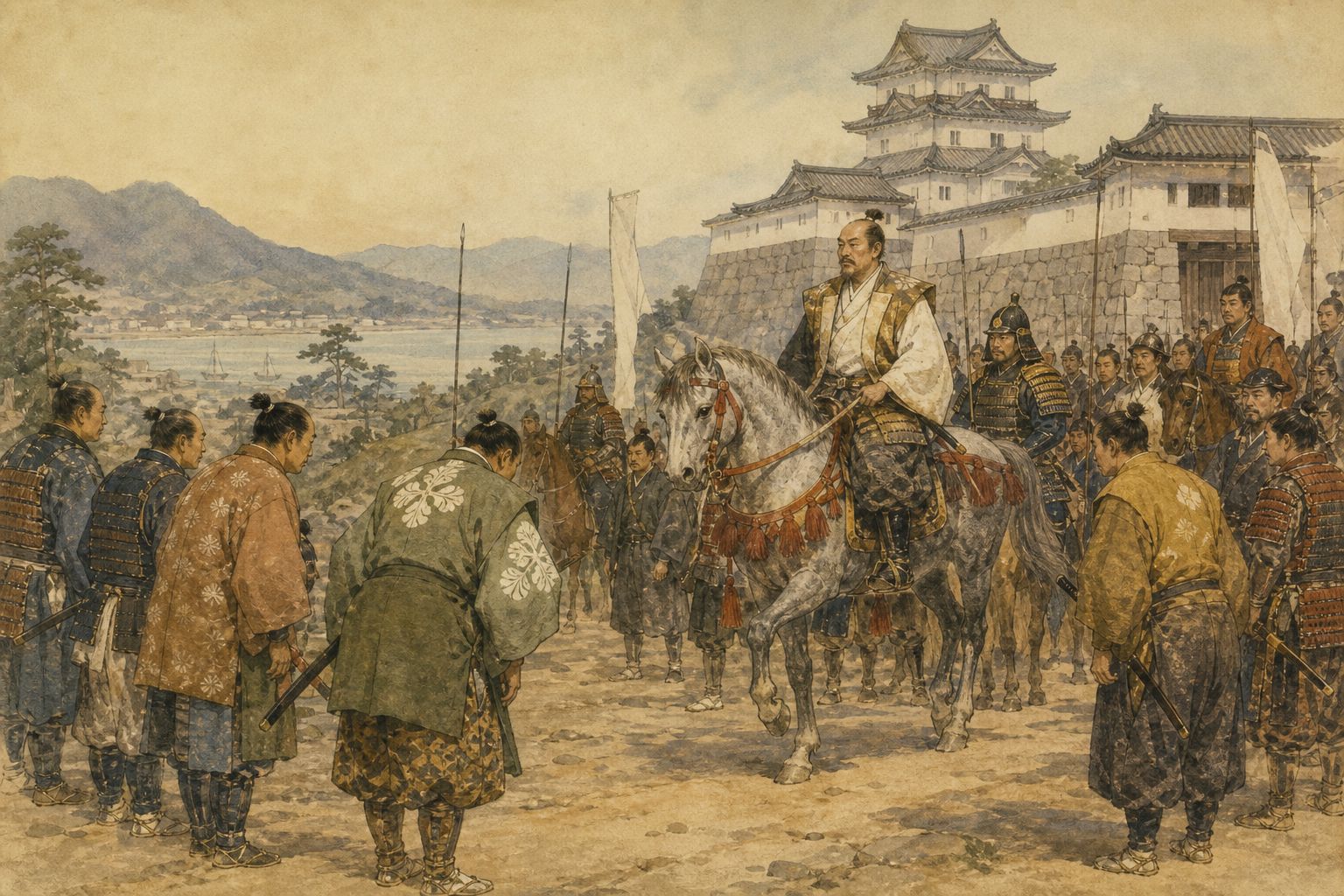
Toyotomi Unification of Japan — Central transition: In 1590, Toyotomi Hideyoshi forced the Hojo at Odawara to surrender and completed the political unification of most of Japan.
c. 1591
Immediate aftermath
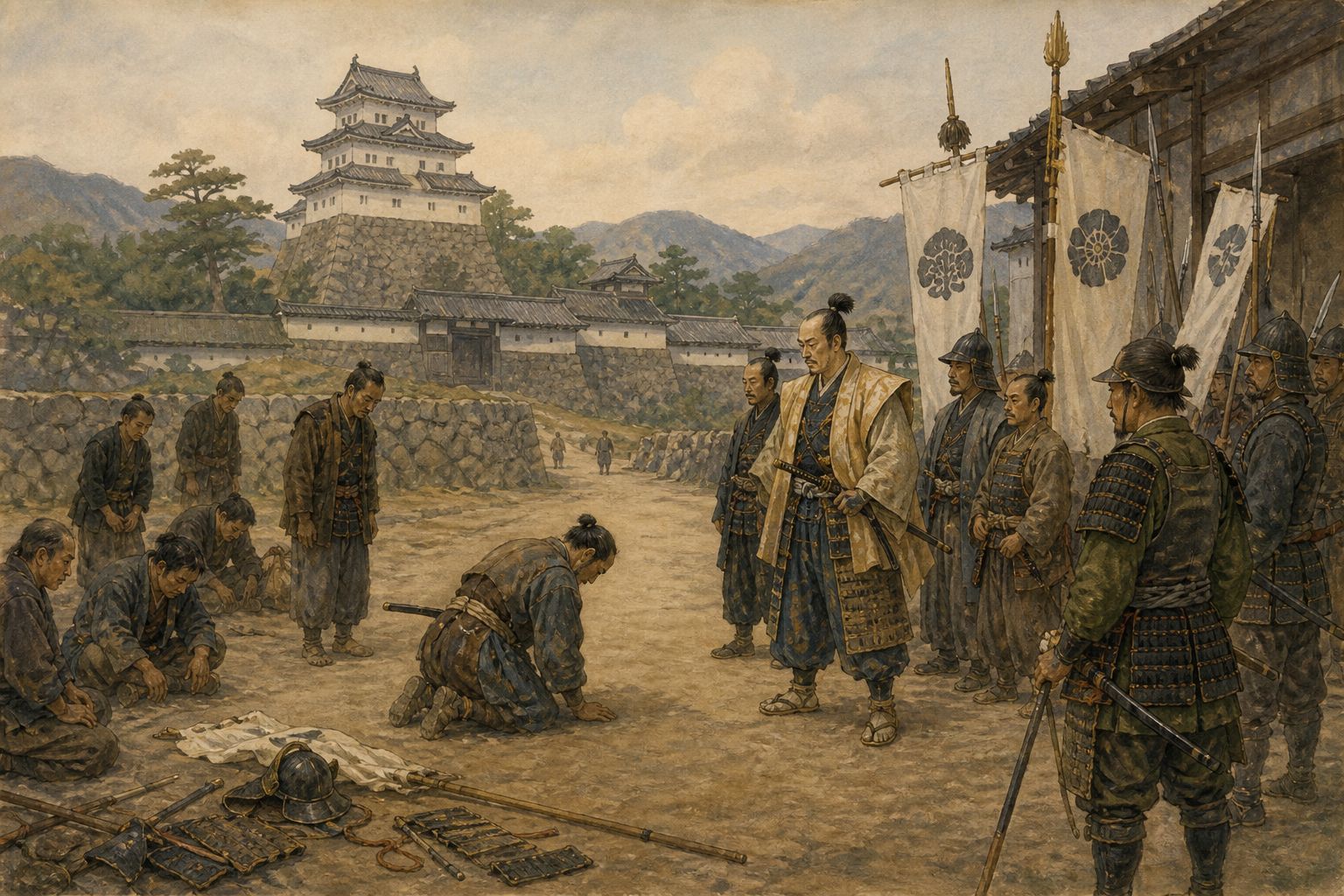
Immediate aftermath — Immediate result: Sword hunts and the registration of people and land advanced, creating a mobilization system later used for the invasions of Korea.
c. 1600
Long-term significance
Long-term significance — Long-term significance: The unification ended the Sengoku fragmentation but was a Toyotomi achievement distinct from the later Tokugawa shogunate.


Sources
- Toyotomi Unification of Japan — Toyotomi Hideyoshi (Encyclopaedia Britannica)britannica.comThis Encyclopaedia Britannica resource supports the chronology, setting, and course of Toyotomi Unification of Japan.
- Toyotomi Unification of Japan — Hd 16th (The Metropolitan Museum of Art)metmuseum.orgThis The Metropolitan Museum of Art resource supports the chronology, setting, and course of Toyotomi Unification of Japan.
- Toyotomi Unification of Japan — B06901 (Nippon)nippon.comThis Nippon resource supports the chronology, setting, and course of Toyotomi Unification of Japan.