Unification of the Romanian Principalities
1859
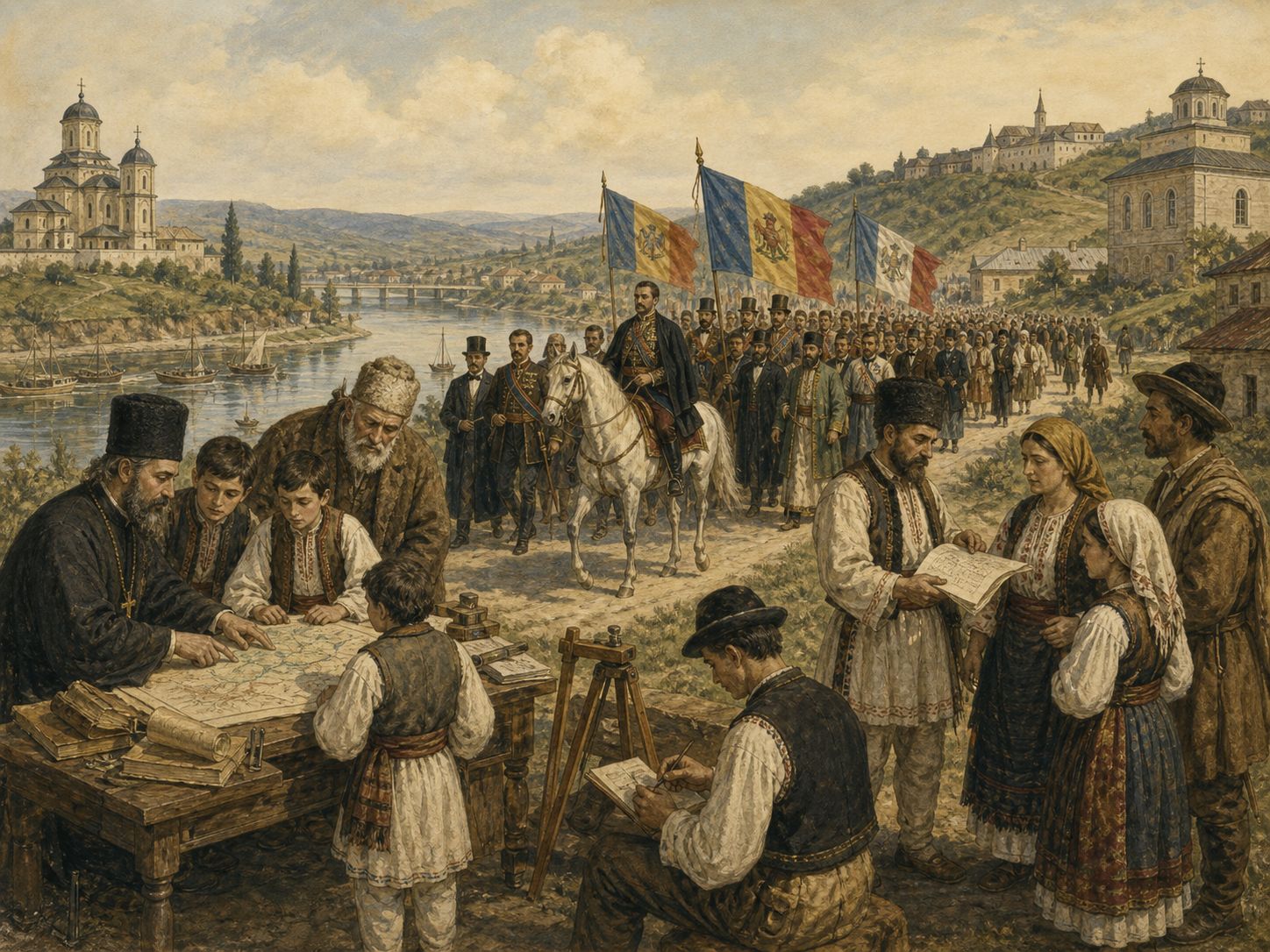
Alexandru Ioan Cuza was elected ruler of both principalities, advancing the political union of Moldavia and Wallachia.

- Period
- 1859
- Kind
- Political event
- Regions
- Europe
- Keywords
- Unification of the Romanian Principalities · Moldavia and Wallachia · modern · background · turning point · impact
Follow the story · Four stages
Background
Political, social, and commercial changes around Moldavia and Wallachia formed the setting: Alexandru Ioan Cuza was elected ruler of both principalities, advancing the political union of Moldavia and Wallachia.
- In and around Moldavia and Wallachia, the setting took shape as Alexandru Ioan Cuza was elected ruler of both principalities, advancing the political union of Moldavia and Wallachia.
- Core event: Alexandru Ioan Cuza was elected ruler of both principalities, advancing the political union of Moldavia and Wallachia.
- Connection to the next stage: Alexandru Ioan Cuza was elected ruler of both principalities, advancing the political union of Moldavia and Wallachia. The change unfolded through decisions by rulers, institutions, and local communities.
Course
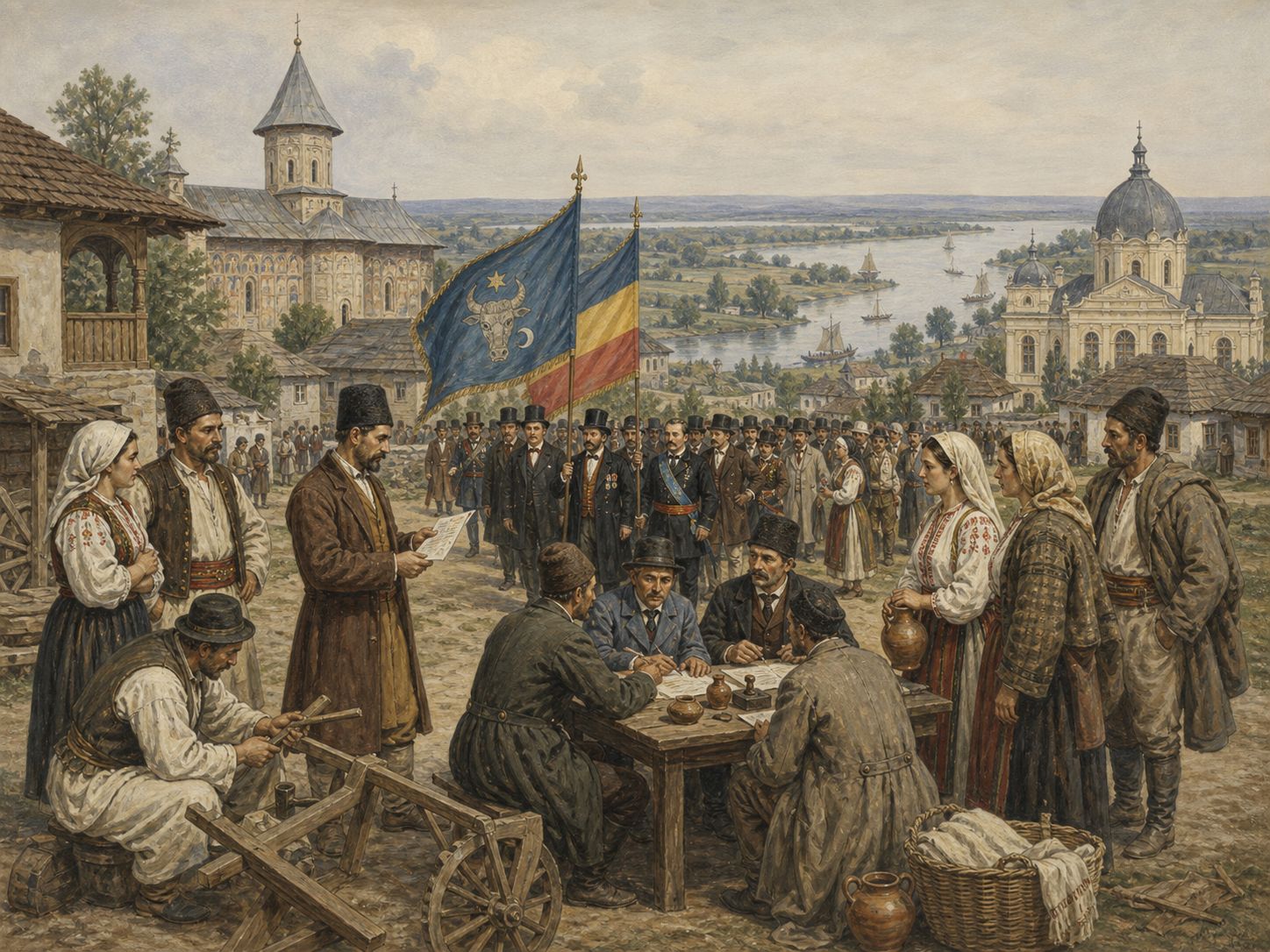
Alexandru Ioan Cuza was elected ruler of both principalities, advancing the political union of Moldavia and Wallachia. The choices of the participating powers and responses of local communities shaped the course.
- Alexandru Ioan Cuza was elected ruler of both principalities, advancing the political union of Moldavia and Wallachia.
- The change unfolded through decisions by rulers, institutions, and local communities.
- Conditions behind the action: In and around Moldavia and Wallachia, the setting took shape as Alexandru Ioan Cuza was elected ruler of both principalities, advancing the political union of Moldavia and Wallachia.
Outcome
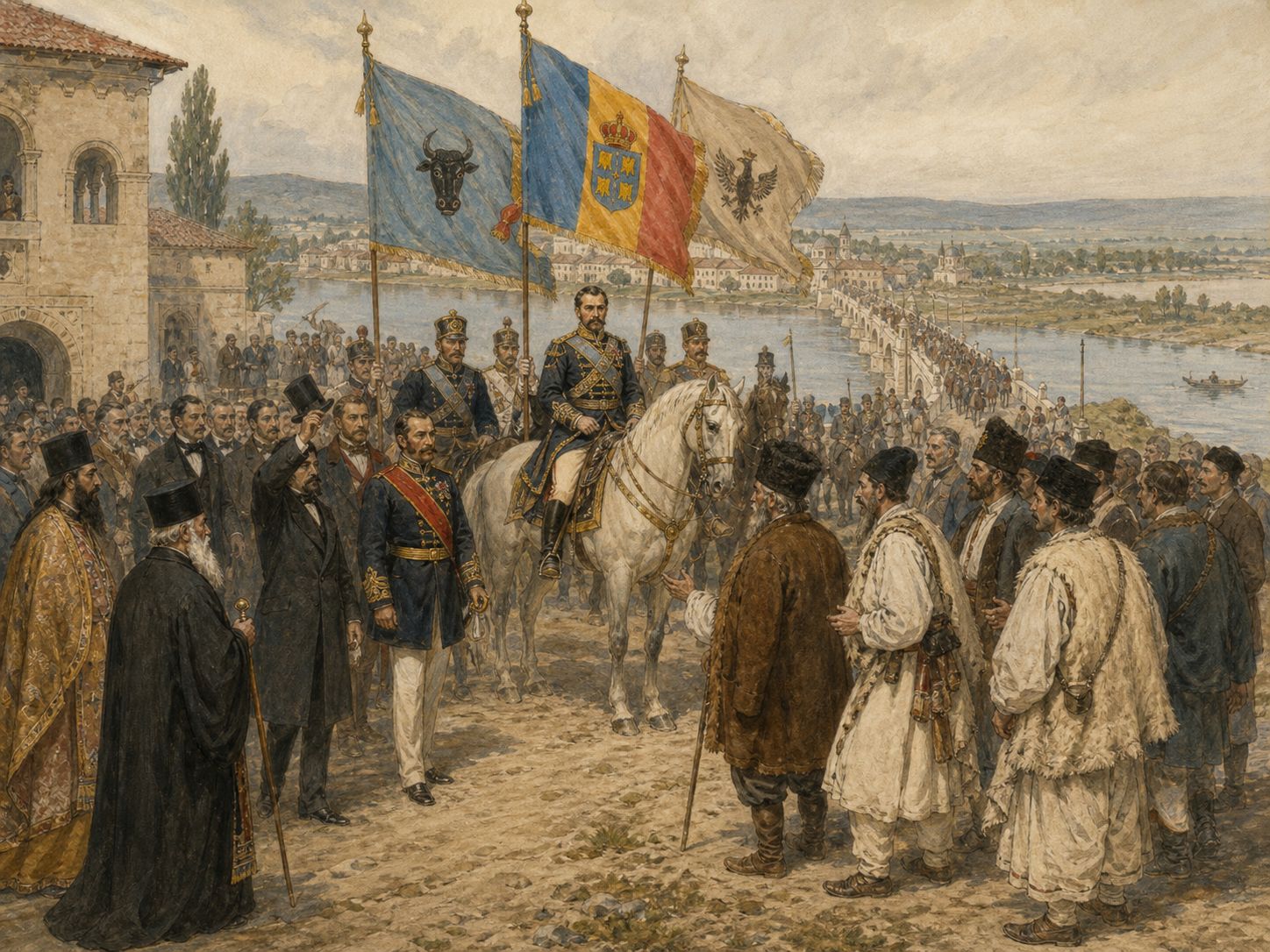
As a result, It contributed to the formation of modern Romania and changing national politics around the Ottoman Empire.
- It contributed to the formation of modern Romania and changing national politics around the Ottoman Empire.
- Process producing the result: Alexandru Ioan Cuza was elected ruler of both principalities, advancing the political union of Moldavia and Wallachia. The change unfolded through decisions by rulers, institutions, and local communities.
- Question carried forward: In the longer term, it contributed to the formation of modern romania and changing national politics around the ottoman empire.
Historical significance
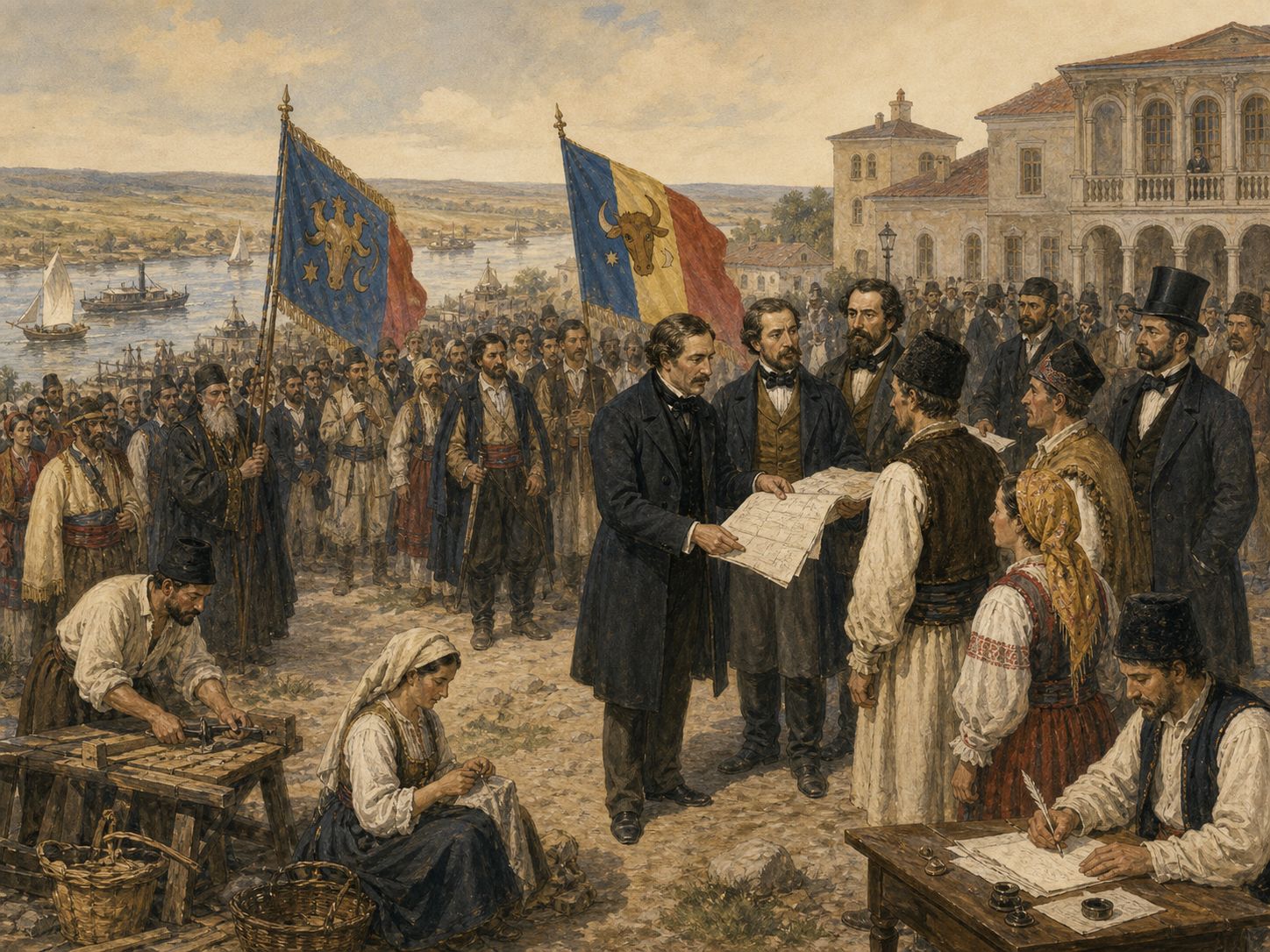
The significance of this event lies in the fact that it contributed to the formation of modern romania and changing national politics around the ottoman empire.
- In the longer term, it contributed to the formation of modern romania and changing national politics around the ottoman empire.
- Immediate consequence: It contributed to the formation of modern Romania and changing national politics around the Ottoman Empire.
- Historical turning point: Alexandru Ioan Cuza was elected ruler of both principalities, advancing the political union of Moldavia and Wallachia.


Related events
1848
Revolutionaries demand national reform
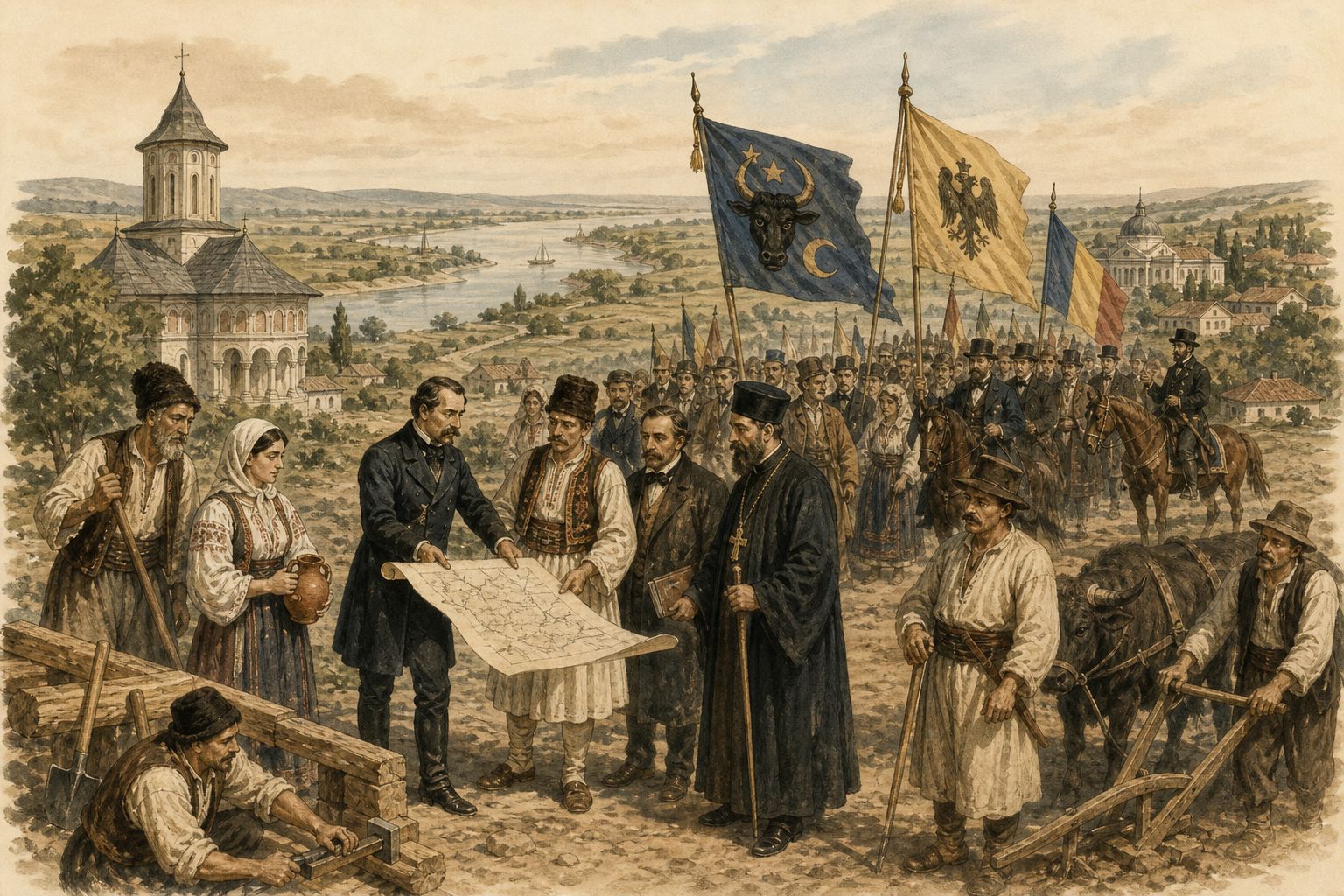
Revolutionaries demand national reform — In and around Moldavia and Wallachia, the setting took shape as Alexandru Ioan Cuza was elected ruler of both principalities, advancing the political union of Moldavia and Wallachia.
1856
Treaty of Paris reopens the union question
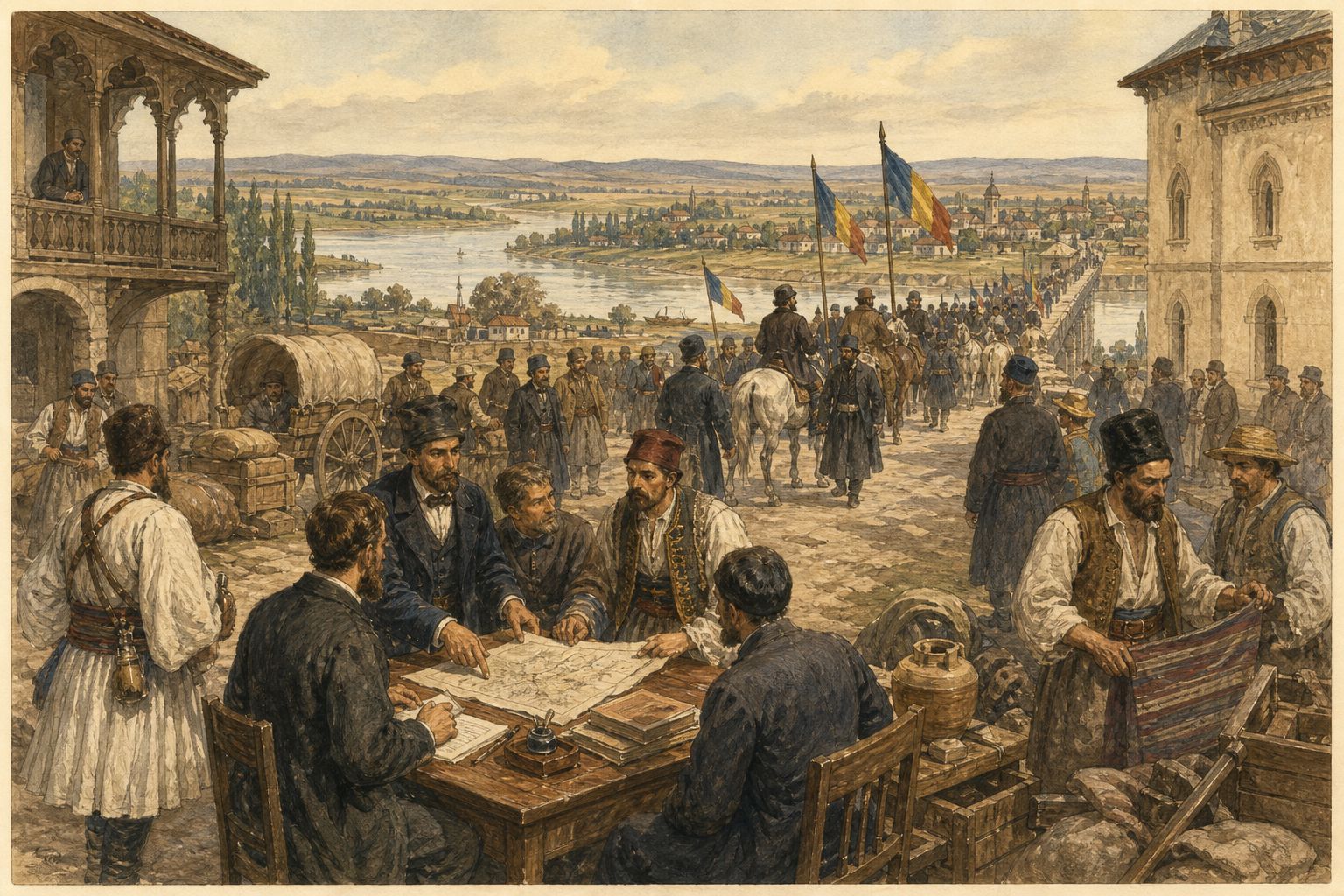
Treaty of Paris reopens the union question — Alexandru Ioan Cuza was elected ruler of both principalities, advancing the political union of Moldavia and Wallachia. The change unfolded through decisions by rulers, institutions, and local communities.
1859
Cuza elected in both principalities
Current event
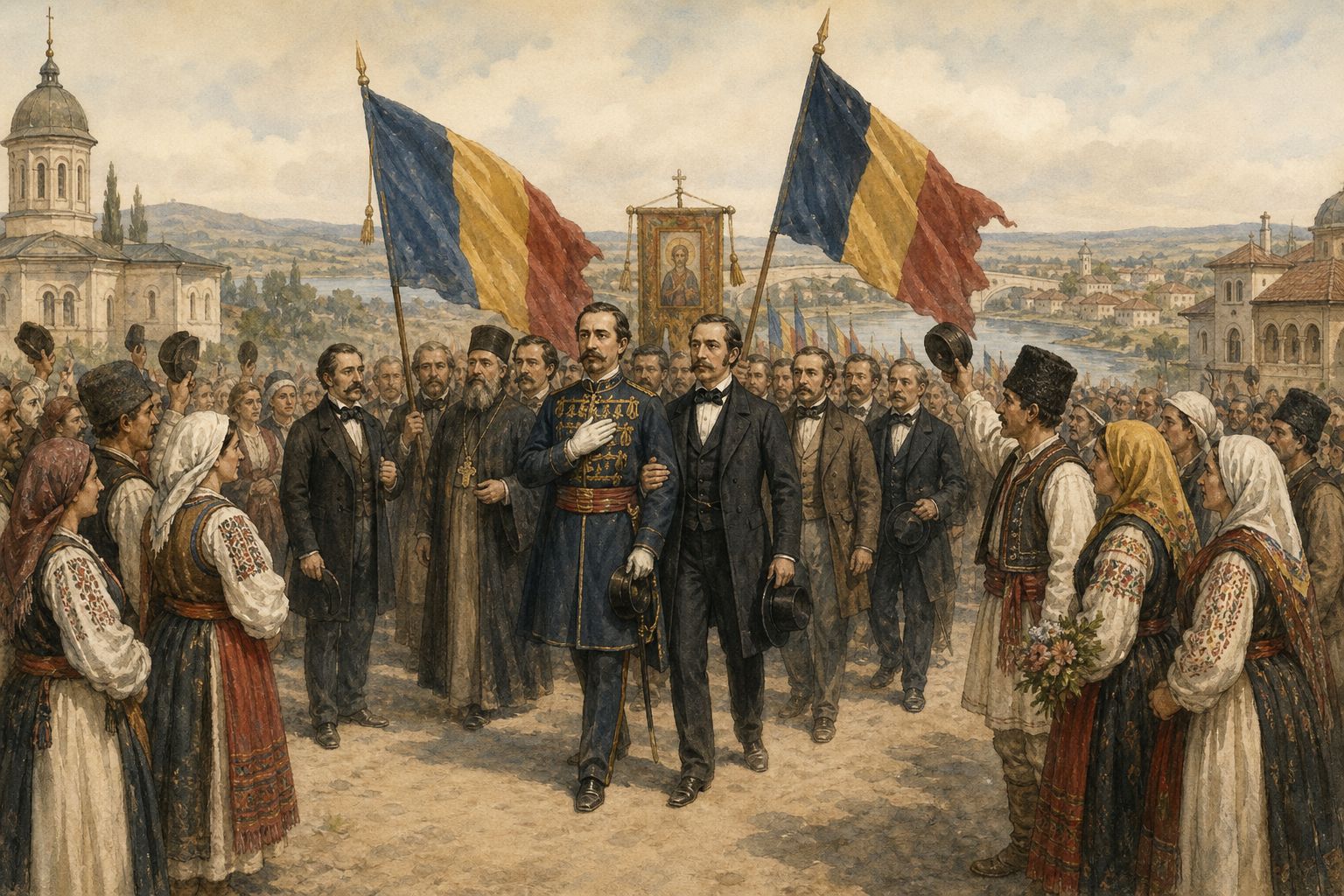
Cuza elected in both principalities — Alexandru Ioan Cuza was elected ruler of both principalities, advancing the political union of Moldavia and Wallachia.
1862
United administration adopts the name Romania
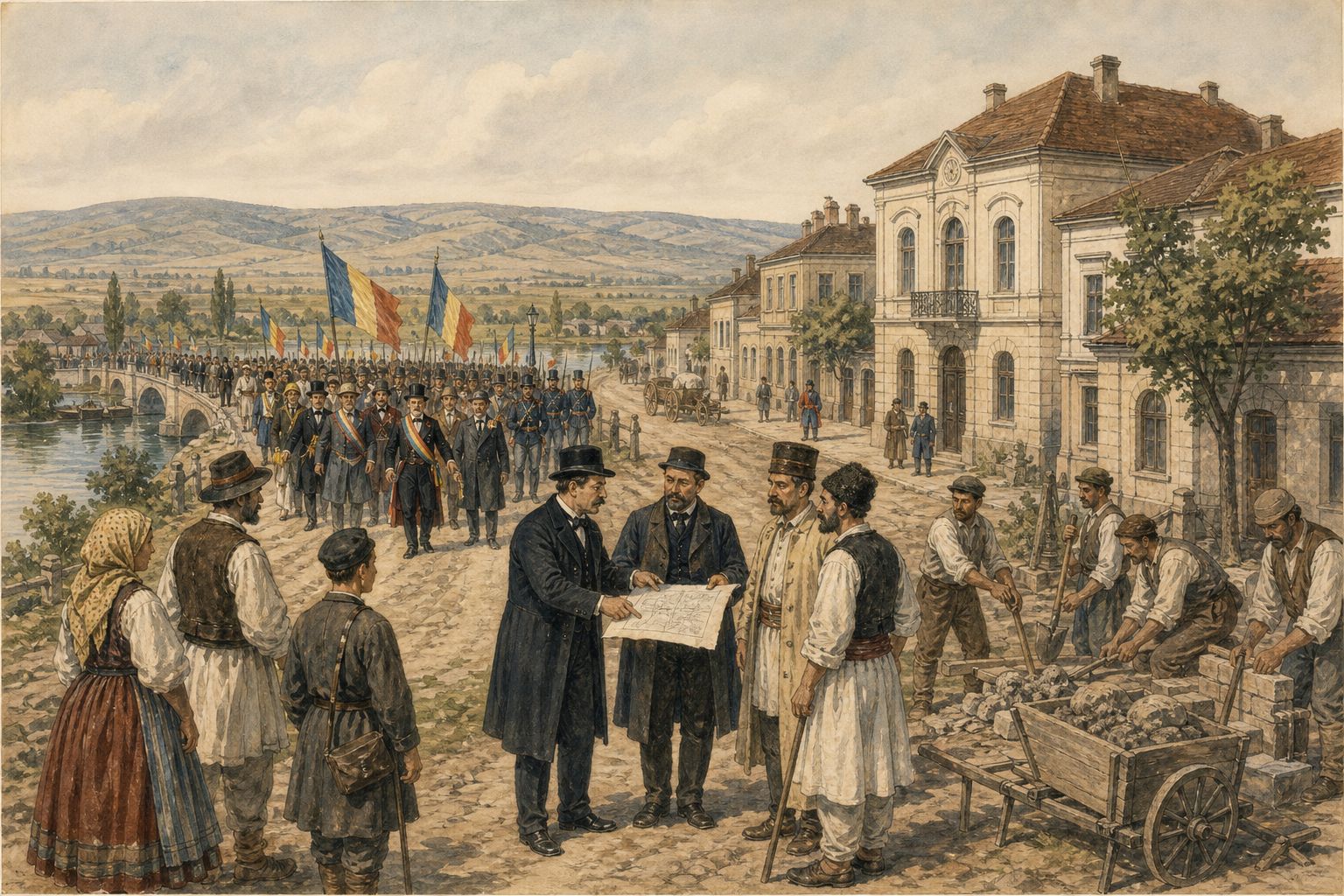
United administration adopts the name Romania — It contributed to the formation of modern Romania and changing national politics around the Ottoman Empire.
1878
Independence gains international recognition
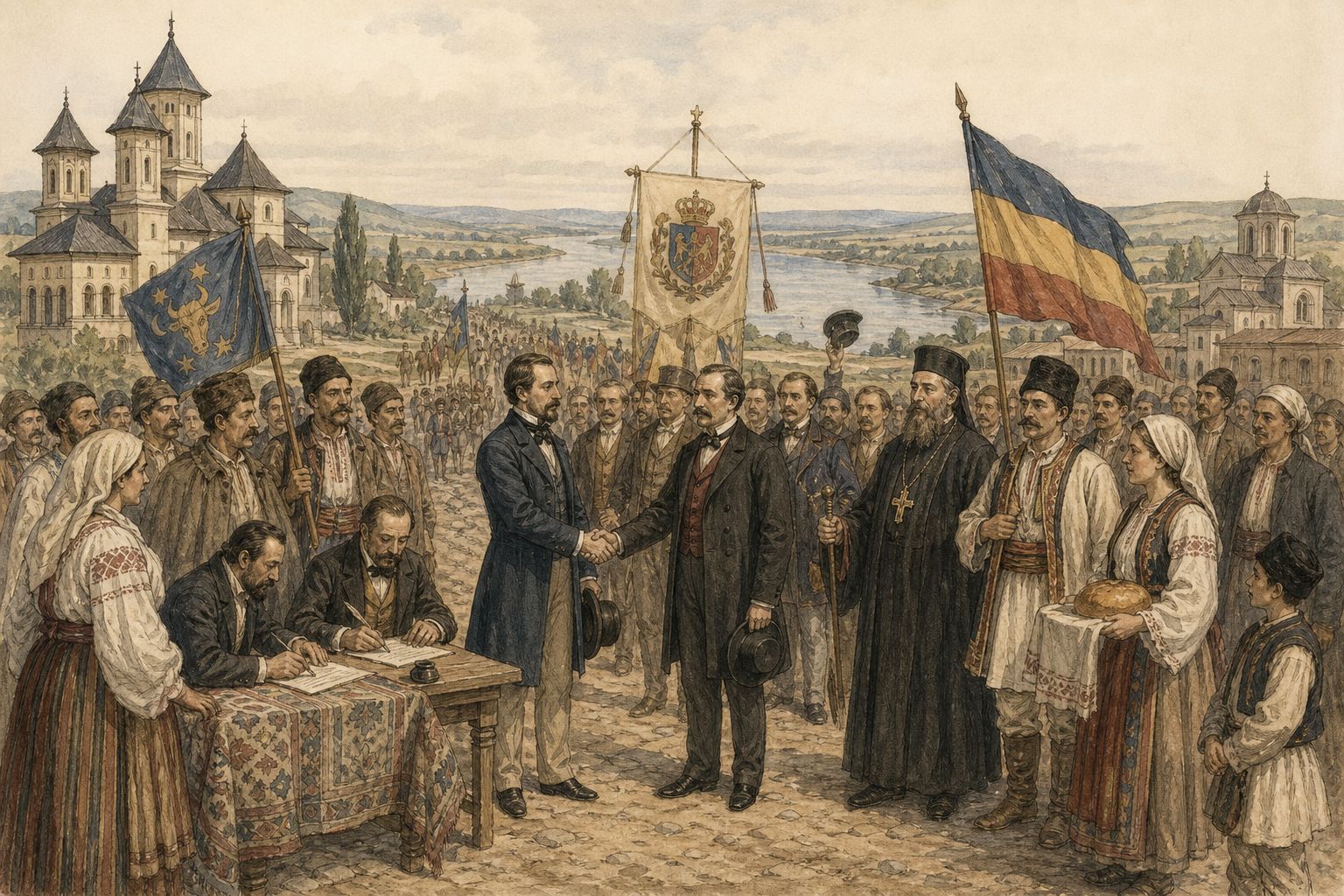
Independence gains international recognition — In the longer term, it contributed to the formation of modern romania and changing national politics around the ottoman empire.


Sources
- Unification of the Romanian Principalities — Timeline (Daiichi Gakushusha)www.daiichi-g.co.jpThis Daiichi Gakushusha resource supports the chronology, setting, and course of Unification of the Romanian Principalities.
- Unification of the Romanian Principalities — Unification Of The Romanian Principalities (Encyclopaedia Britannica)www.britannica.comThis Encyclopaedia Britannica resource supports the chronology, setting, and course of Unification of the Romanian Principalities.
- Unification of the Romanian Principalities — Unification Of The Romanian Principalities (Wikidata)www.wikidata.orgThis Wikidata resource supports the chronology, setting, and course of Unification of the Romanian Principalities.