
Viking Expansion
c. 793–c. 1066
From the late eighth to the eleventh century, Scandinavian raiders, merchants, and settlers extended networks across the North Atlantic, western Europe, and eastern river routes.

- Period
- c. 793–c. 1066
- Kind
- Movement
- Regions
- Africa
- Keywords
- Vikings · North Atlantic · Lindisfarne · trade · medieval mobility
Follow the story · Four stages
Background
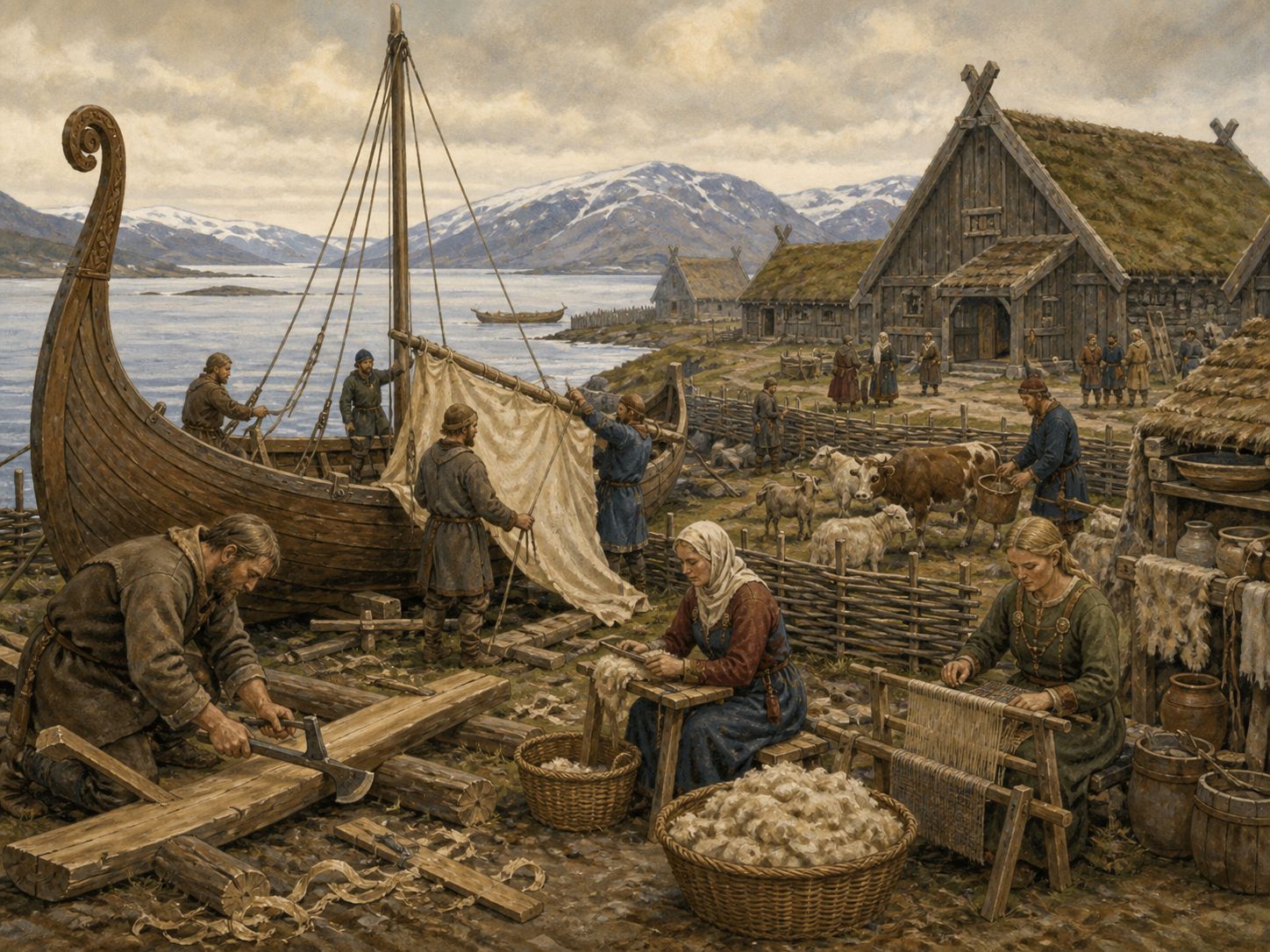
Seafaring technology, political competition, trade opportunities, and kin networks connected Scandinavian communities to wealthy coasts and inland routes.
- Scandinavian coastal communities combined boatbuilding, farming, exchange, and kin networks
- Clinker-built ships and knowledge of coasts and rivers enabled long-distance movement
- Political competition and trading opportunities drew attention to wealthy coasts and inland routes
Course
After the 793 raid on Lindisfarne, Viking groups raided, traded, settled, and formed political bases in the British Isles, the Atlantic islands, and routes toward the Black Sea.
- The raid on Lindisfarne in 793 brought a new maritime power into western European records
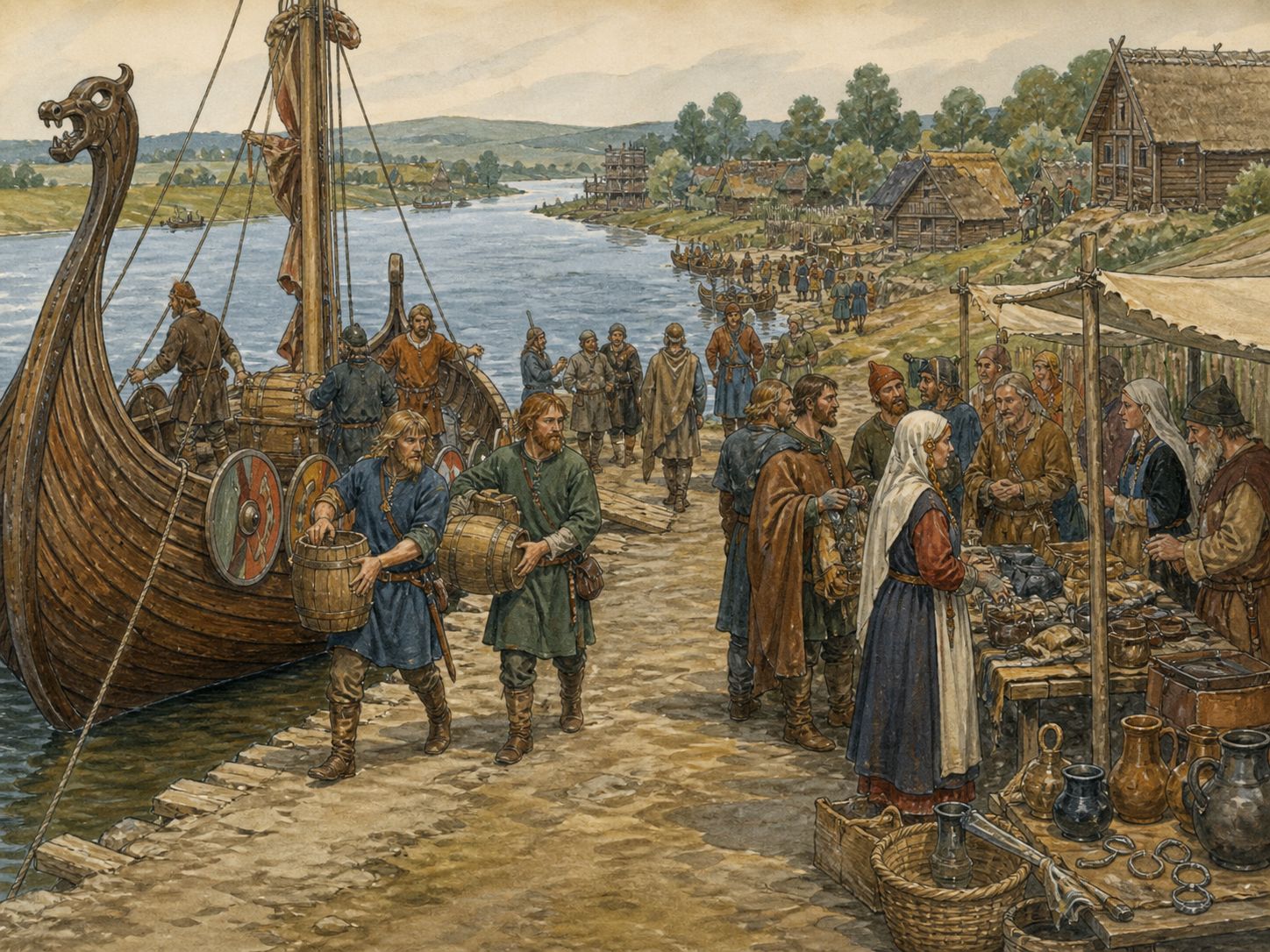
- Groups raided, traded, settled, and built political bases across the British Isles, the North Atlantic, and eastern river routes
- Relations among sailors, merchants, farmers, and local societies produced more than one story of invasion
Outcome
Scandinavian settlers and rulers became part of new societies and states, while Christianity, local institutions, and interregional trade reshaped the former raiding networks.
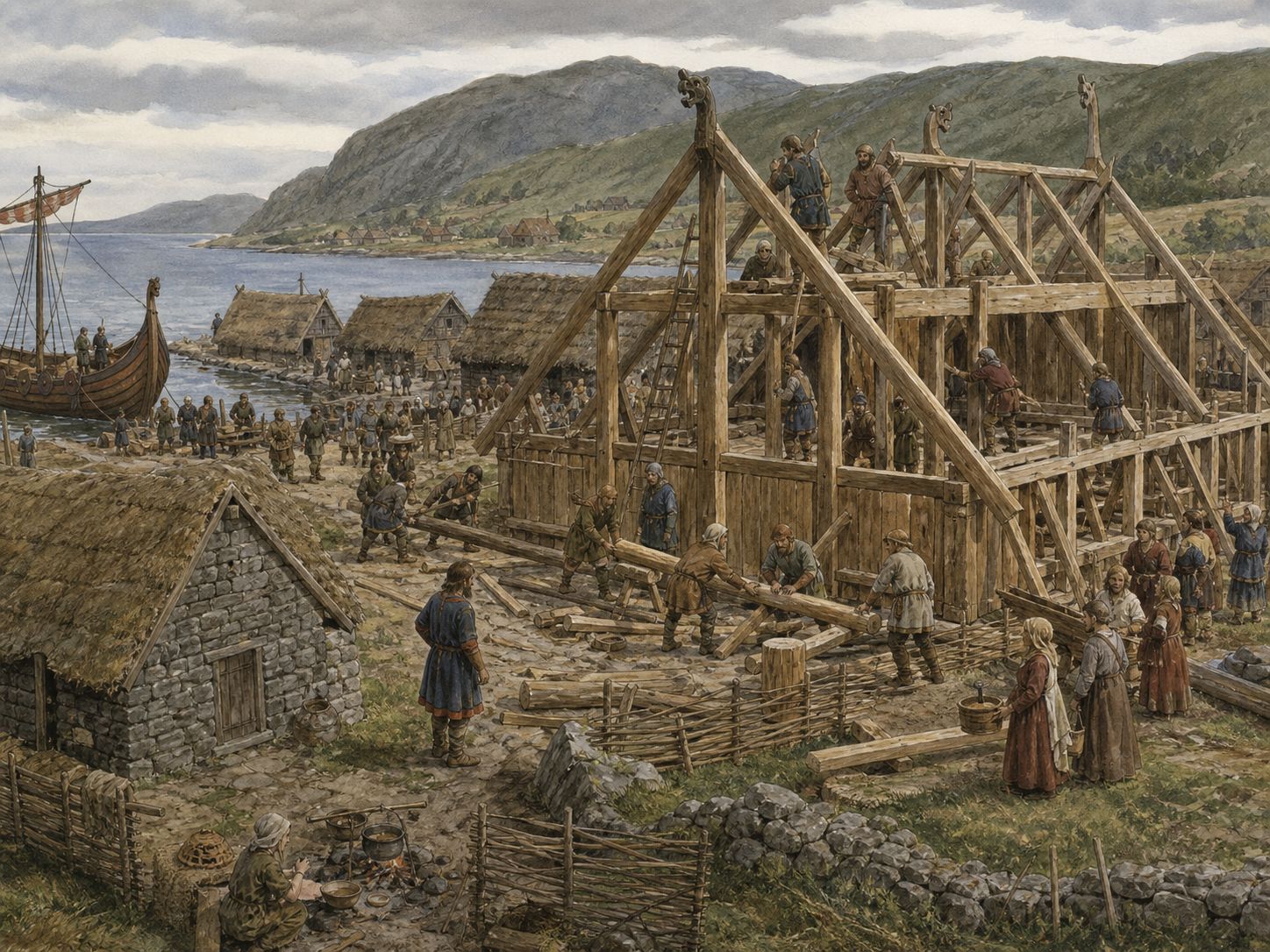
- New settlements and political centers formed in Iceland, Greenland, Dublin, and other connected regions
- Eastern river routes became points where trade and authority met local societies
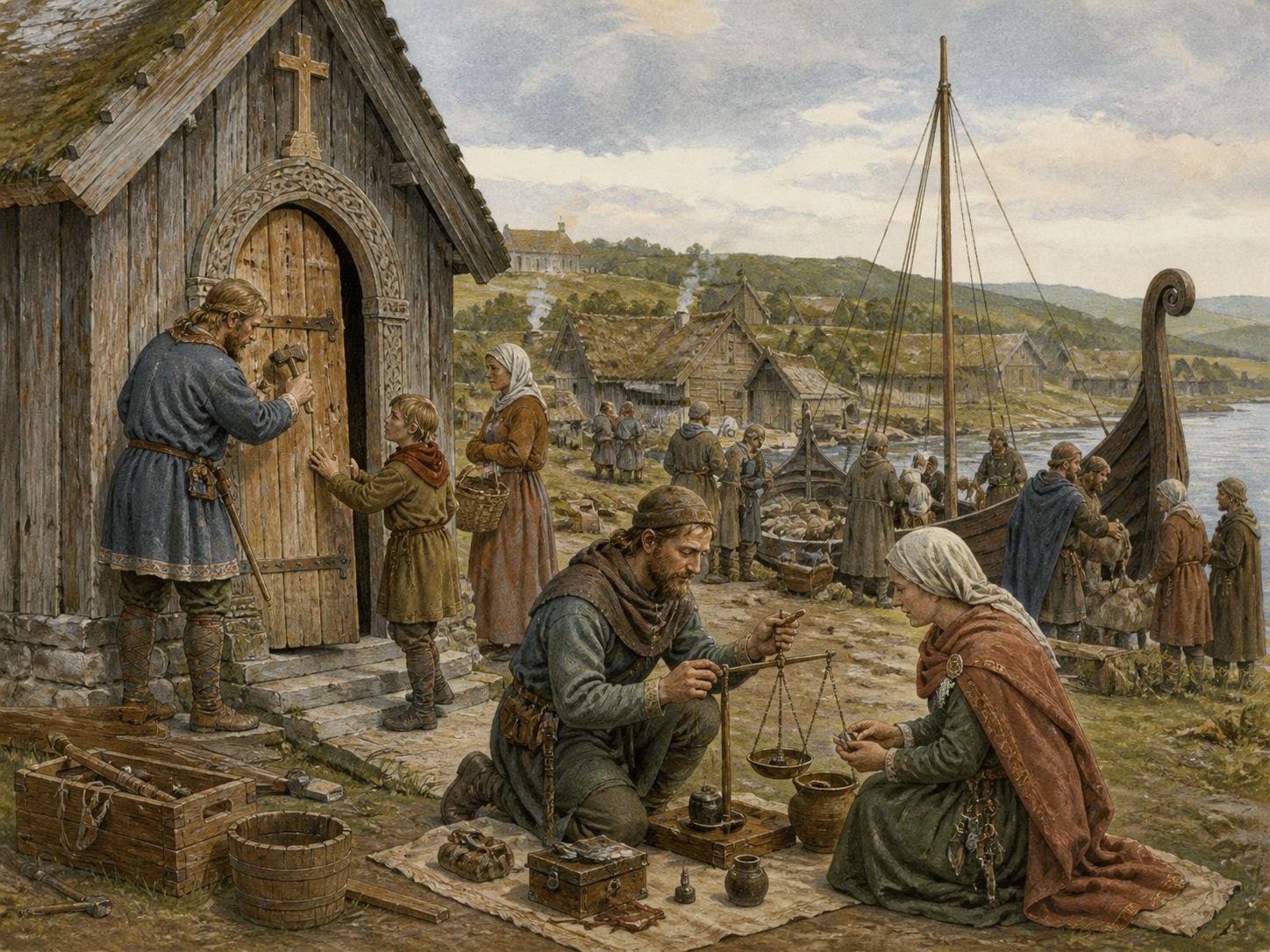
- Christianity, local institutions, marriage, and exchange integrated mobile groups into new societies
Historical significance
Viking expansion was not only predation: mobility linked cultures, economies, and political systems across a wide medieval world.
- Viking expansion was a compound process of movement, trade, settlement, raiding, and political formation
- Ships and river corridors connected different regions from the North Atlantic to the Black Sea
- The history of contact can be read from the perspective of local people and communities as well as raiders


Related events
c. 750–c. 792
Scandinavian societies
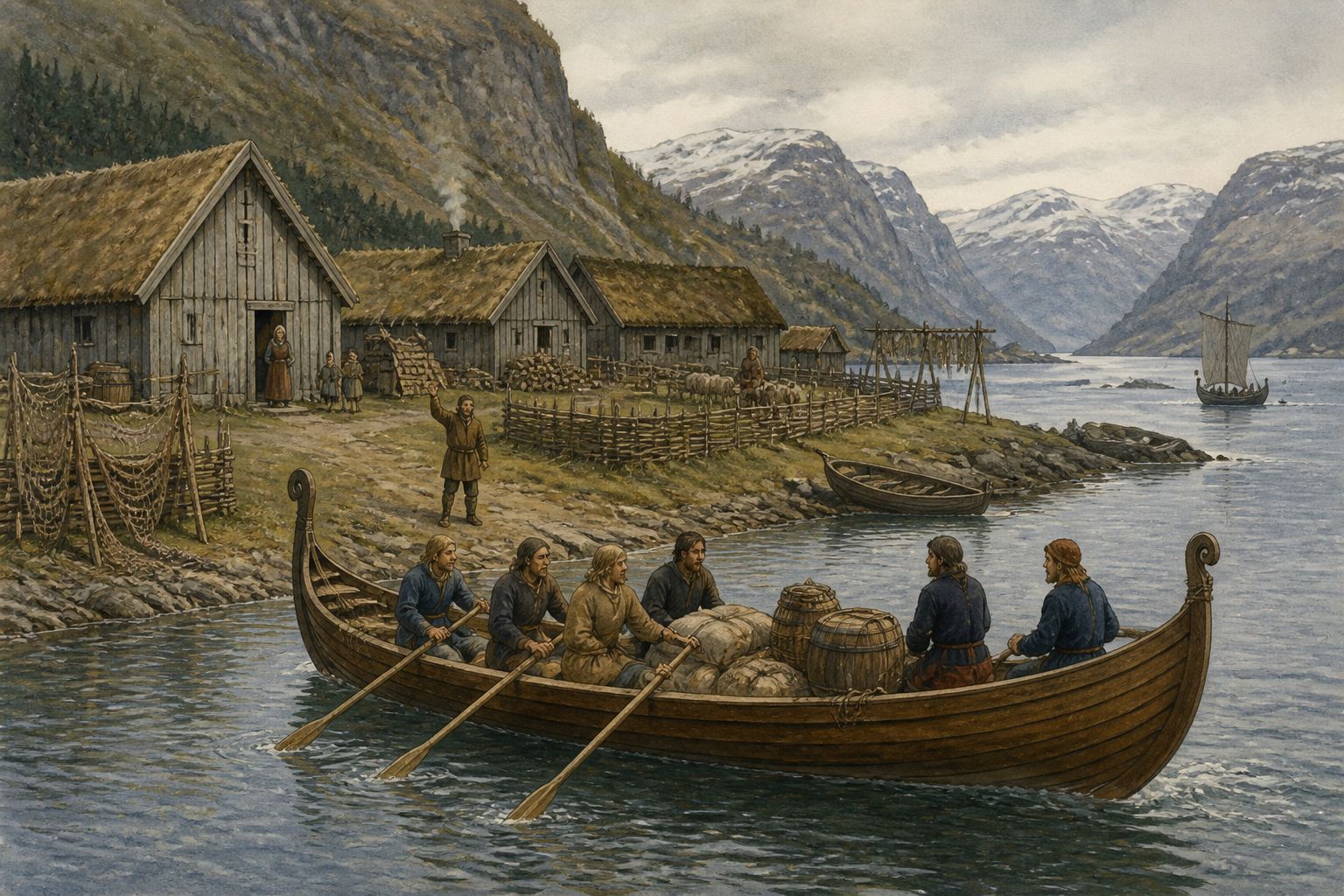
Boats, farms, livestock, textiles, and winter stores supported coastal communities capable of long-distance movement.
c. 793
The Lindisfarne raid
Current event
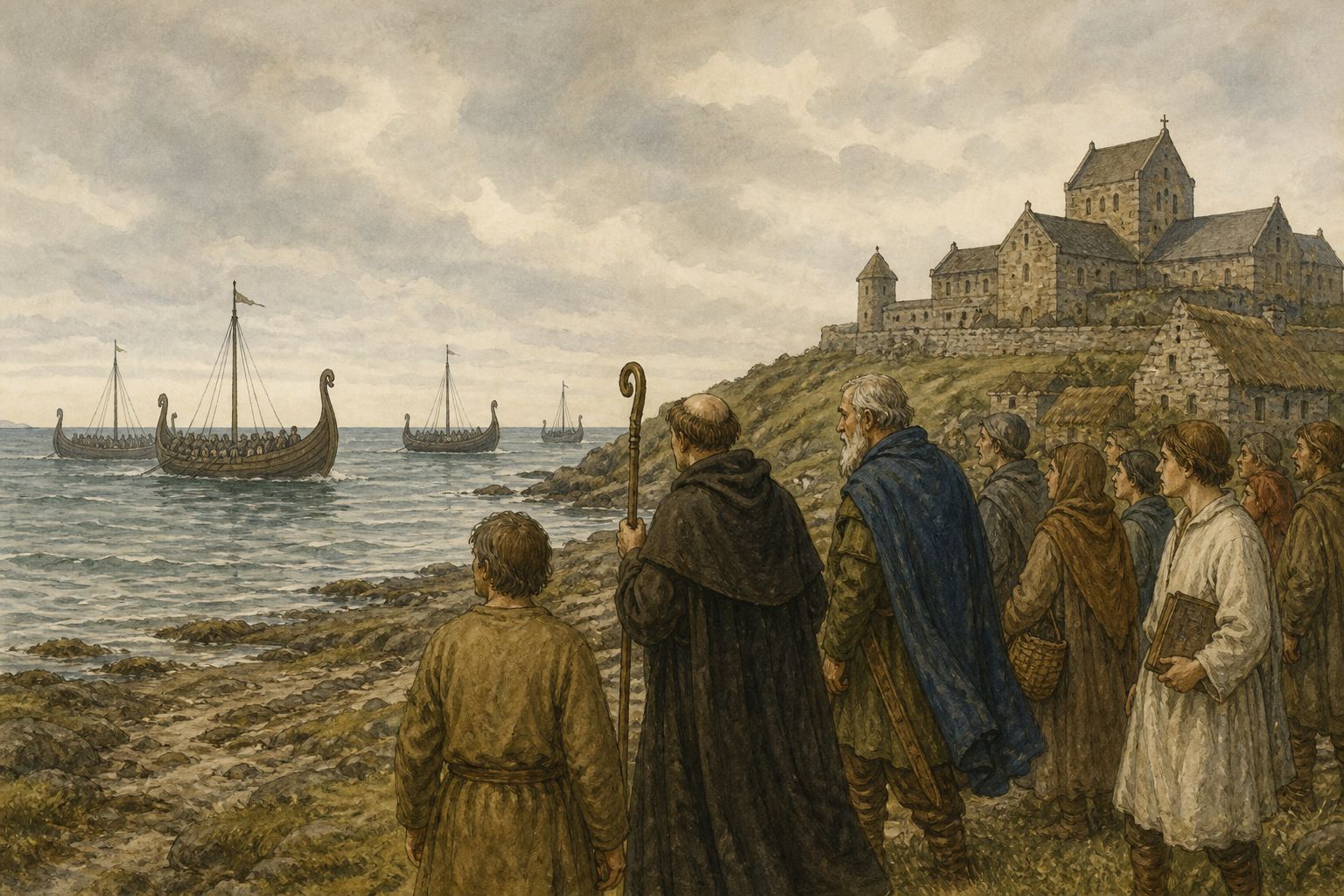
The raid of 793 was recorded as a turning point when monasteries and coastal societies faced a new maritime power.
c. 850–c. 1000
Atlantic settlement
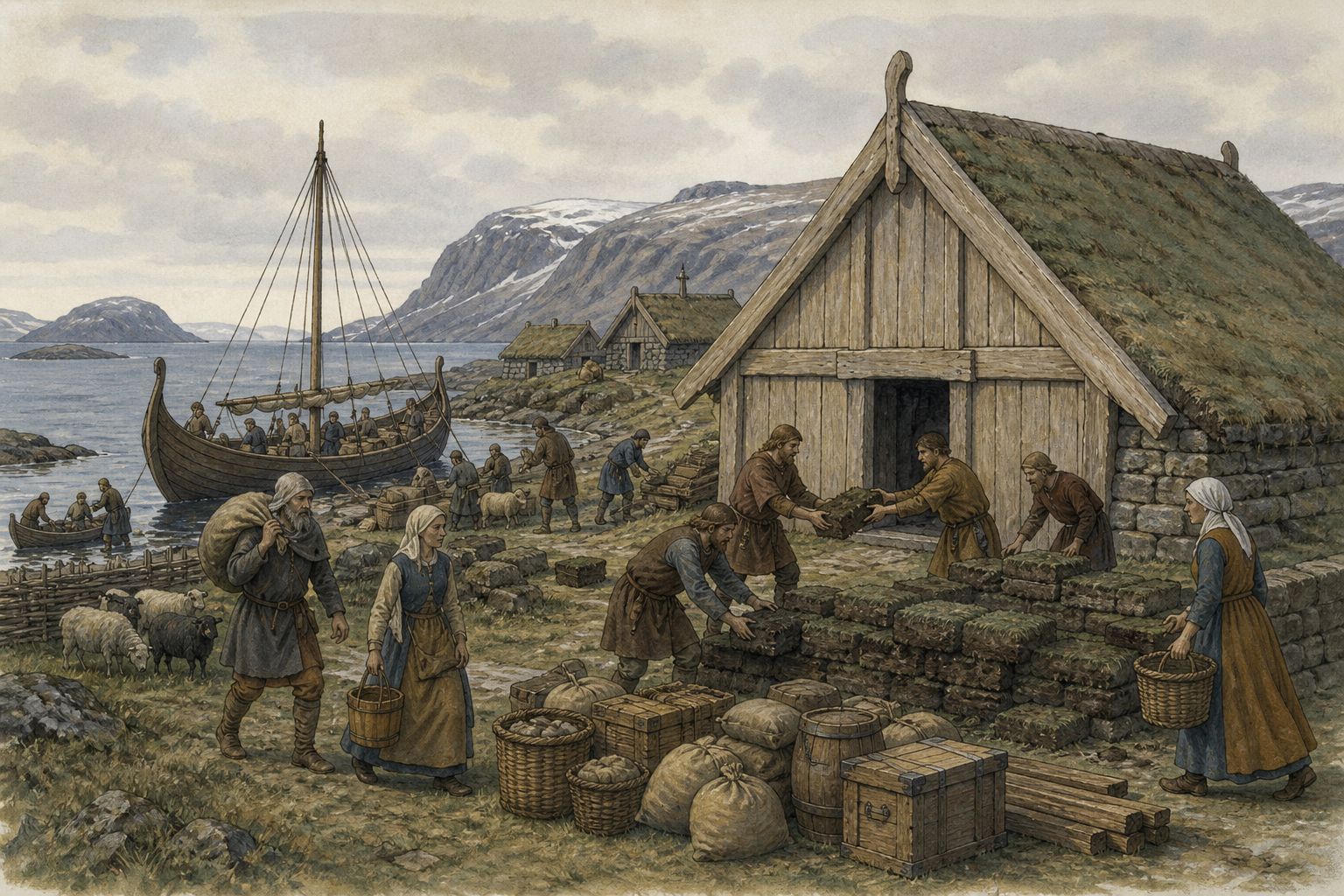
Moving families and crews built farms, harbors, and exchange relationships across North Atlantic islands.
c. 850–c. 1050
Eastern river routes
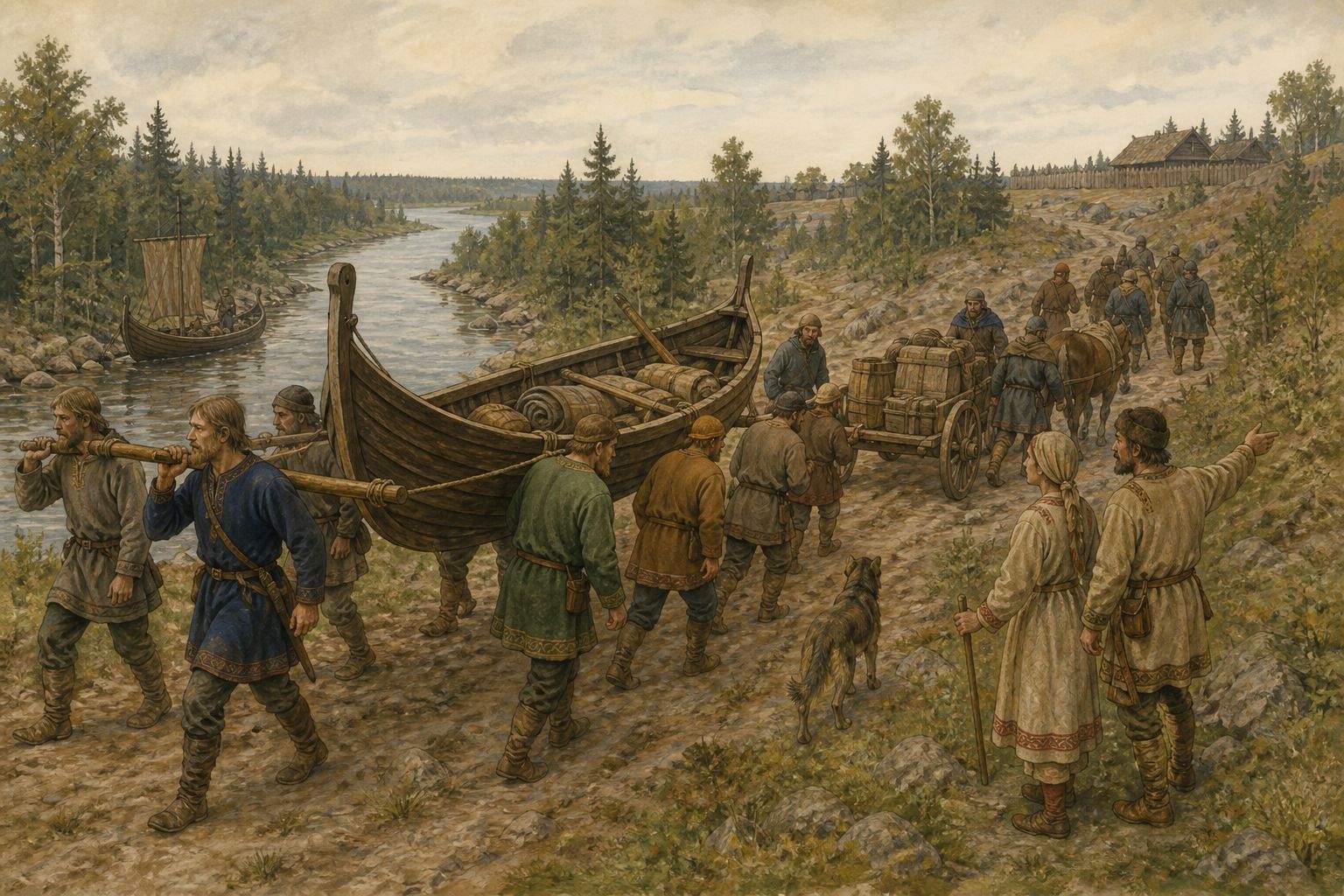
Portage roads and rivers connected the Baltic, eastern Europe, and the Black Sea through trade and political corridors.
c. 1000–c. 1066
Integration into local societies
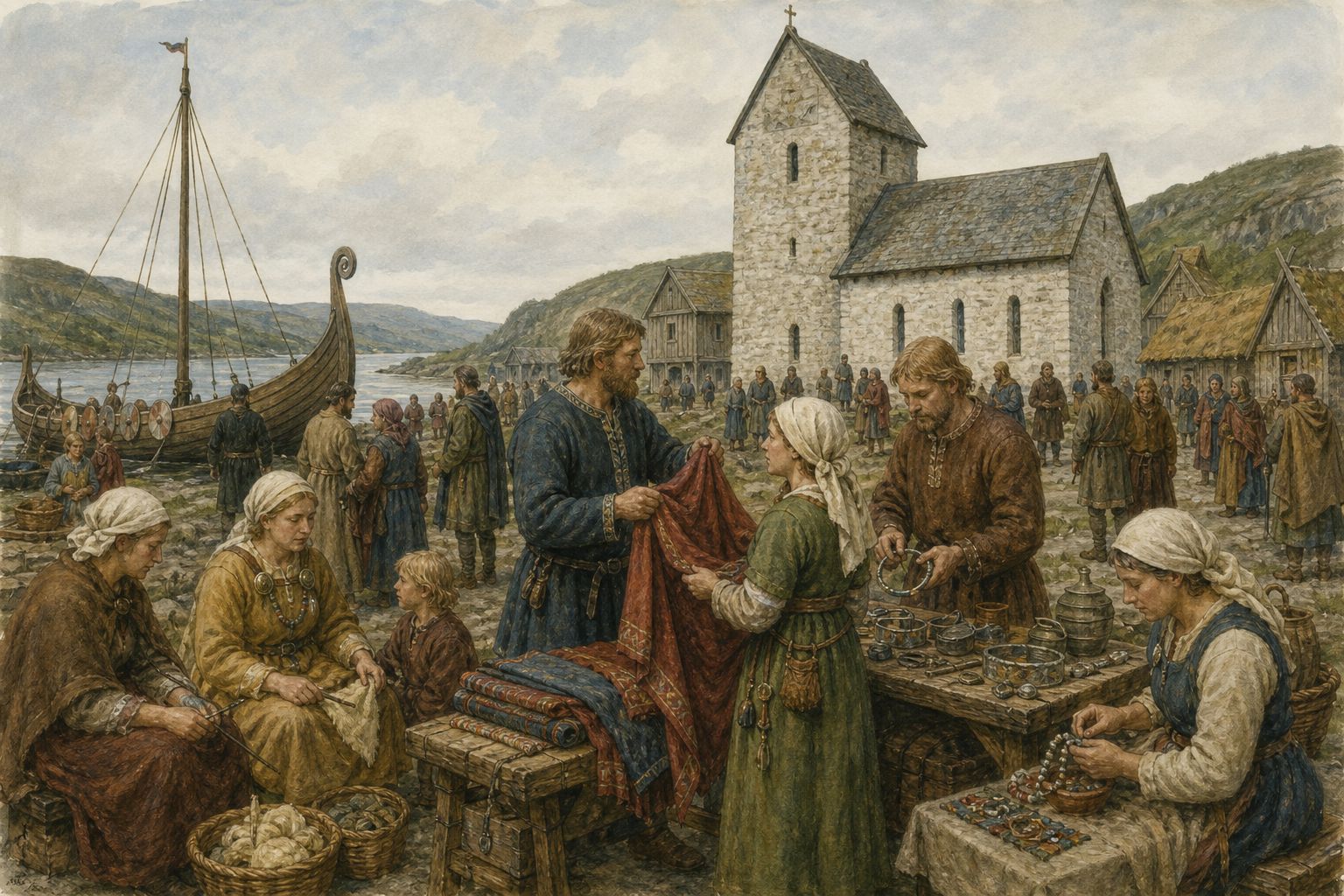
Christianity, local institutions, marriage, and trade incorporated Viking networks into new societies.


Sources
- Viking expansionEncyclopaedia BritannicaAn overview of Viking voyages, raids, trade, settlement, and political expansion.
- The VikingsThe Metropolitan Museum of ArtContext for northern mobility and contact through ships, weapons, trade goods, and settlements.
- Viking ExpansionWorld History EncyclopediaA chronological account of developments from Lindisfarne to the North Atlantic and eastern river routes.