
Founding of the World Trade Organization
1995
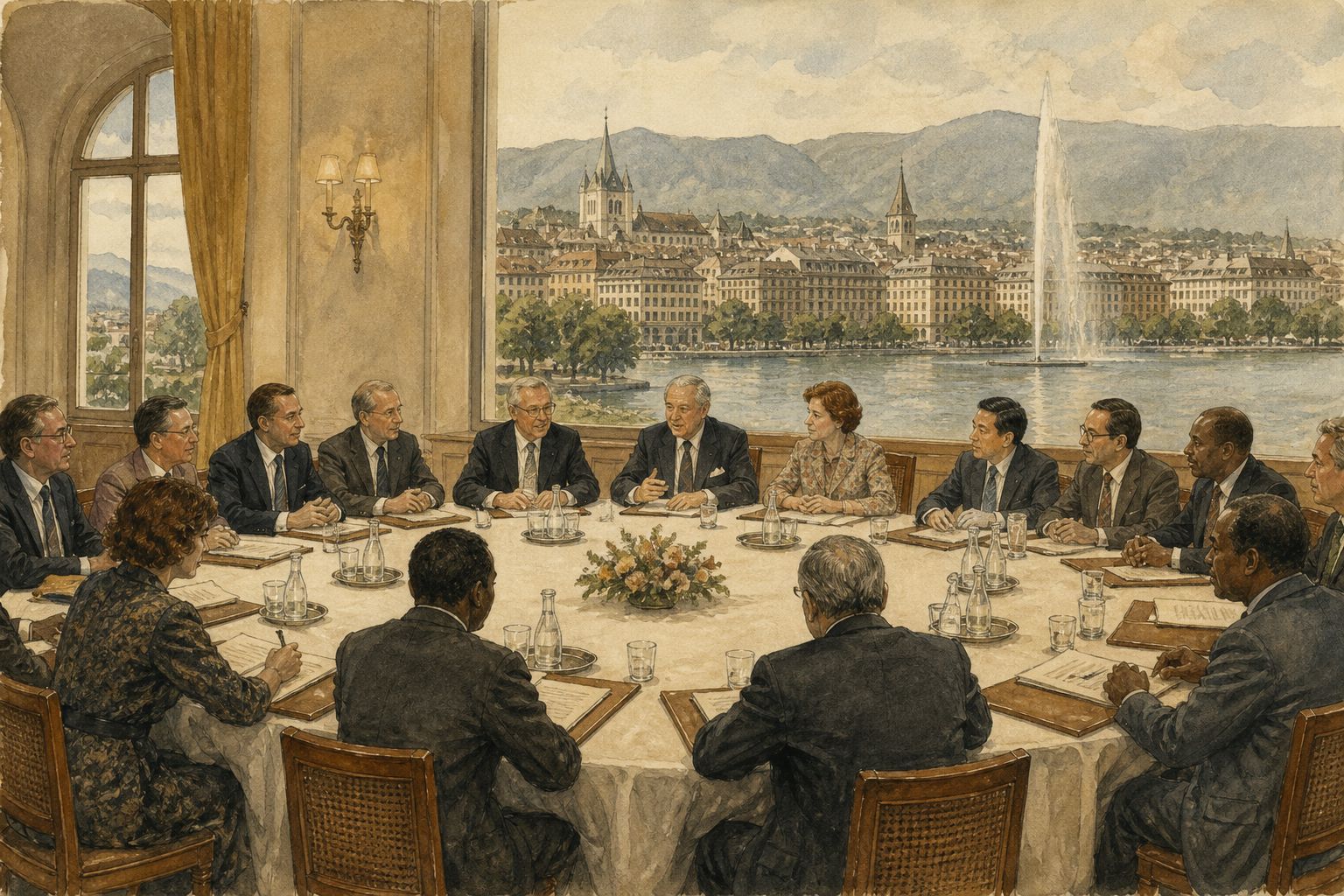
In 1995, the World Trade Organization was established after the Uruguay Round to administer trade rules and dispute settlement.

- Period
- 1995
- Kind
- Conference
- Regions
- Europe
- Keywords
- Founding of the World Trade Organization · conference · contemporary · europe
Follow the story · Four stages
Background
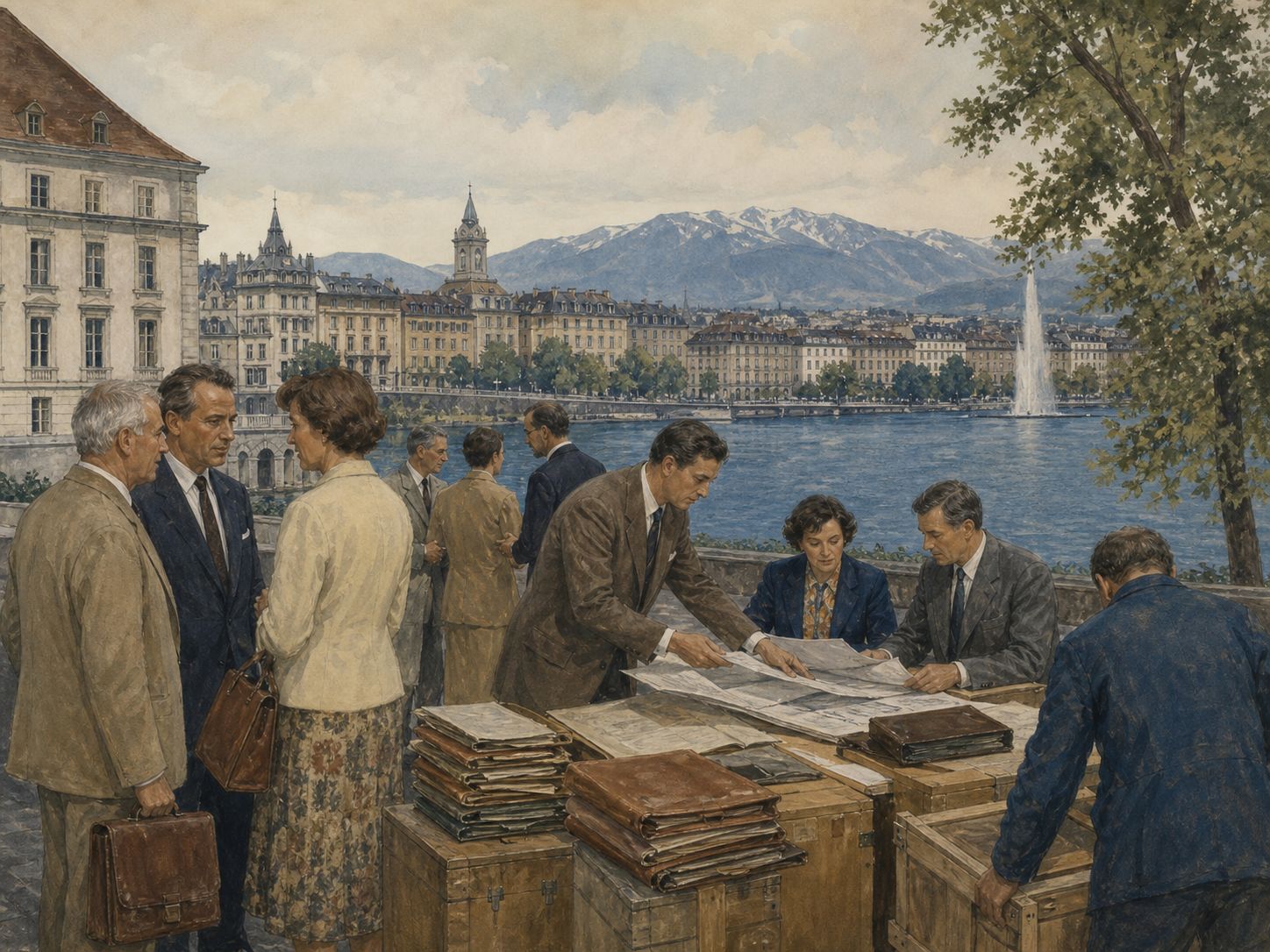
As trade expanded under GATT, governments sought institutional rules covering services, intellectual property, and agriculture.
- As trade expanded under GATT, governments sought institutional rules covering services, intellectual property, and agriculture.
- Core event: In 1995, the World Trade Organization was established after the Uruguay Round to administer trade rules and dispute settlement.
- Connection to the next stage: Members signed the Marrakesh Agreement and established a Geneva-based secretariat and dispute-settlement system.
Course
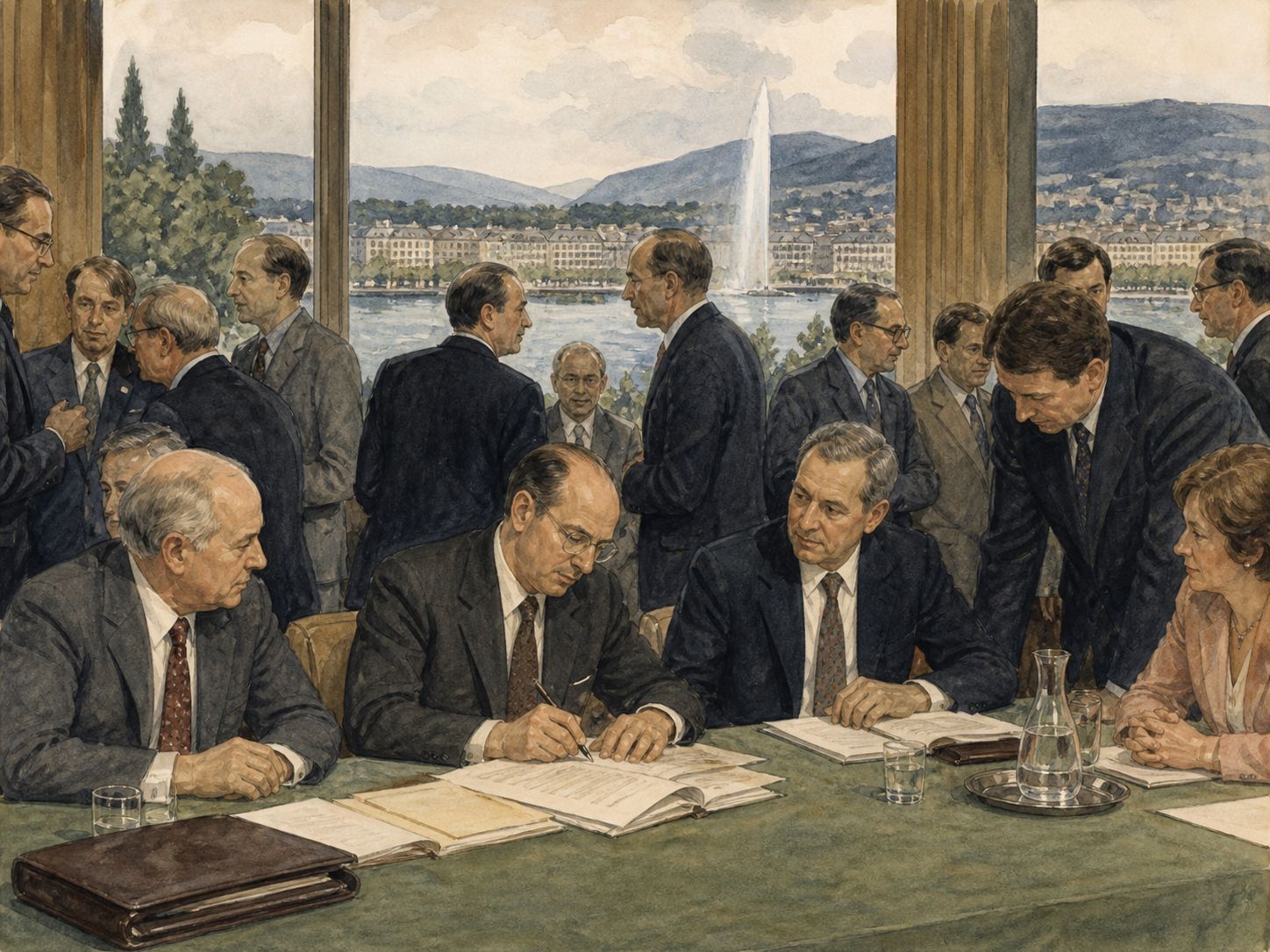
Members signed the Marrakesh Agreement and established a Geneva-based secretariat and dispute-settlement system.
- Members signed the Marrakesh Agreement and established a Geneva-based secretariat and dispute-settlement system.
- Conditions behind the action: As trade expanded under GATT, governments sought institutional rules covering services, intellectual property, and agriculture.
- Meaning of the turning point: In 1995, the World Trade Organization was established after the Uruguay Round to administer trade rules and dispute settlement.
Outcome
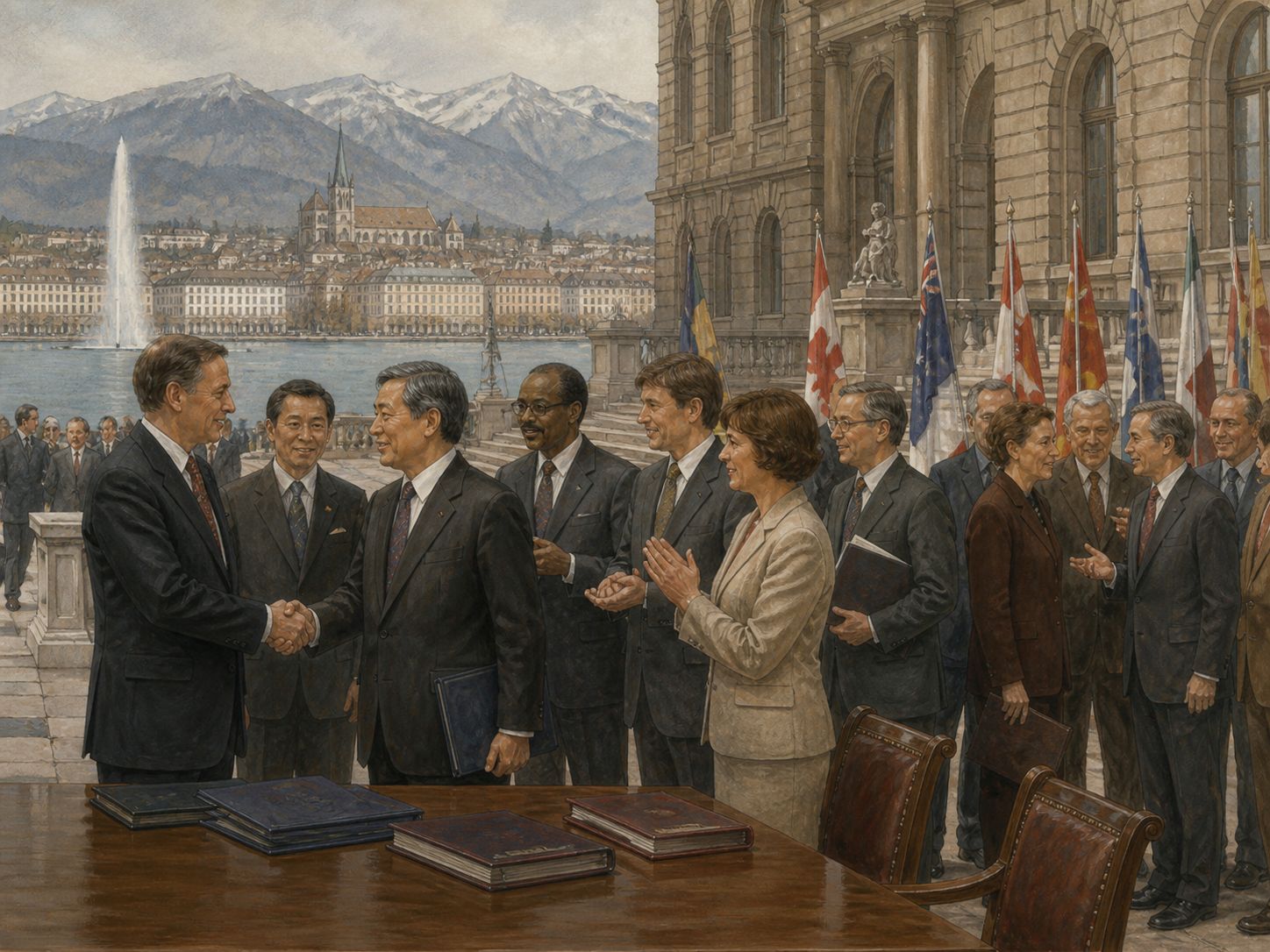
The WTO became central to multilateral trade negotiations and disputes, while inequalities around development, sovereignty, labor, and environment remained.
- The WTO became central to multilateral trade negotiations and disputes, while inequalities around development, sovereignty, labor, and environment remained.
- Process producing the result: Members signed the Marrakesh Agreement and established a Geneva-based secretariat and dispute-settlement system.
- Question carried forward: Its foundation reflected post-Cold War economic integration while making the politics of globalization’s benefits and costs more visible.
Historical significance
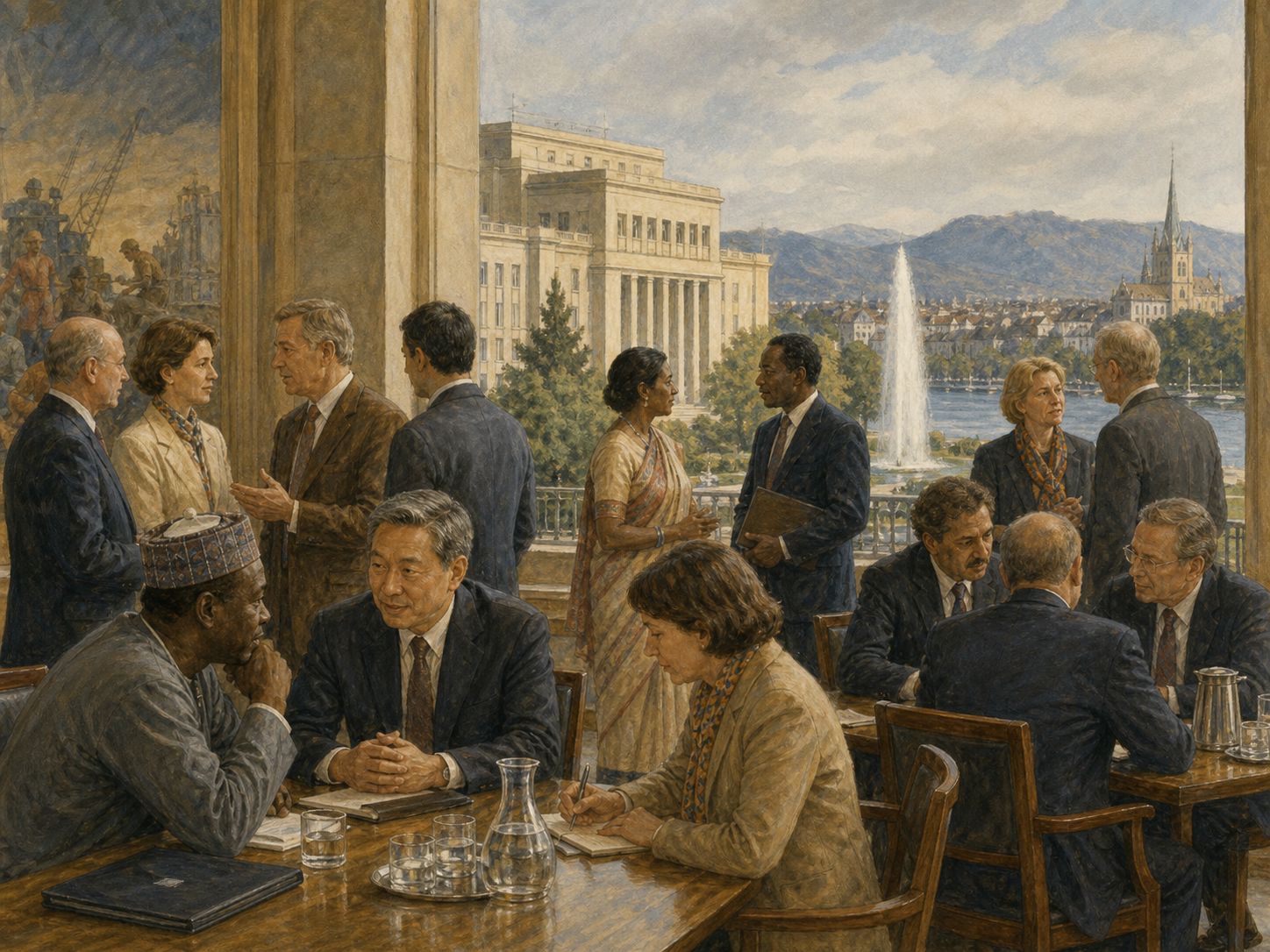
Its foundation reflected post-Cold War economic integration while making the politics of globalization’s benefits and costs more visible.
- Its foundation reflected post-Cold War economic integration while making the politics of globalization’s benefits and costs more visible.
- Immediate consequence: The WTO became central to multilateral trade negotiations and disputes, while inequalities around development, sovereignty, labor, and environment remained.
- Historical turning point: In 1995, the World Trade Organization was established after the Uruguay Round to administer trade rules and dispute settlement.


Related events
c. 1995
Prelude
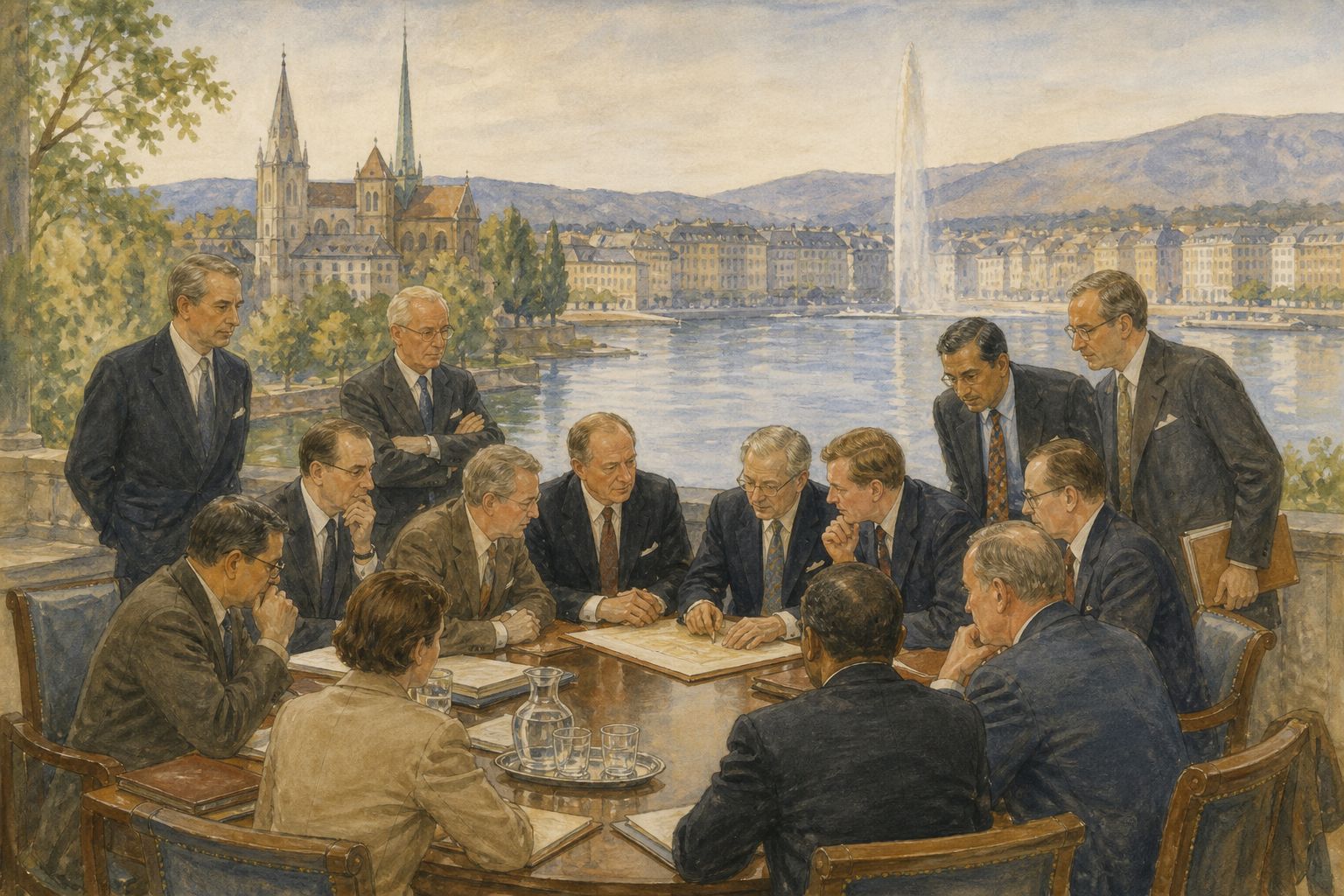
Prelude — Background: As trade expanded under GATT, governments sought institutional rules covering services, intellectual property, and agriculture.
c. 1995
Turning point
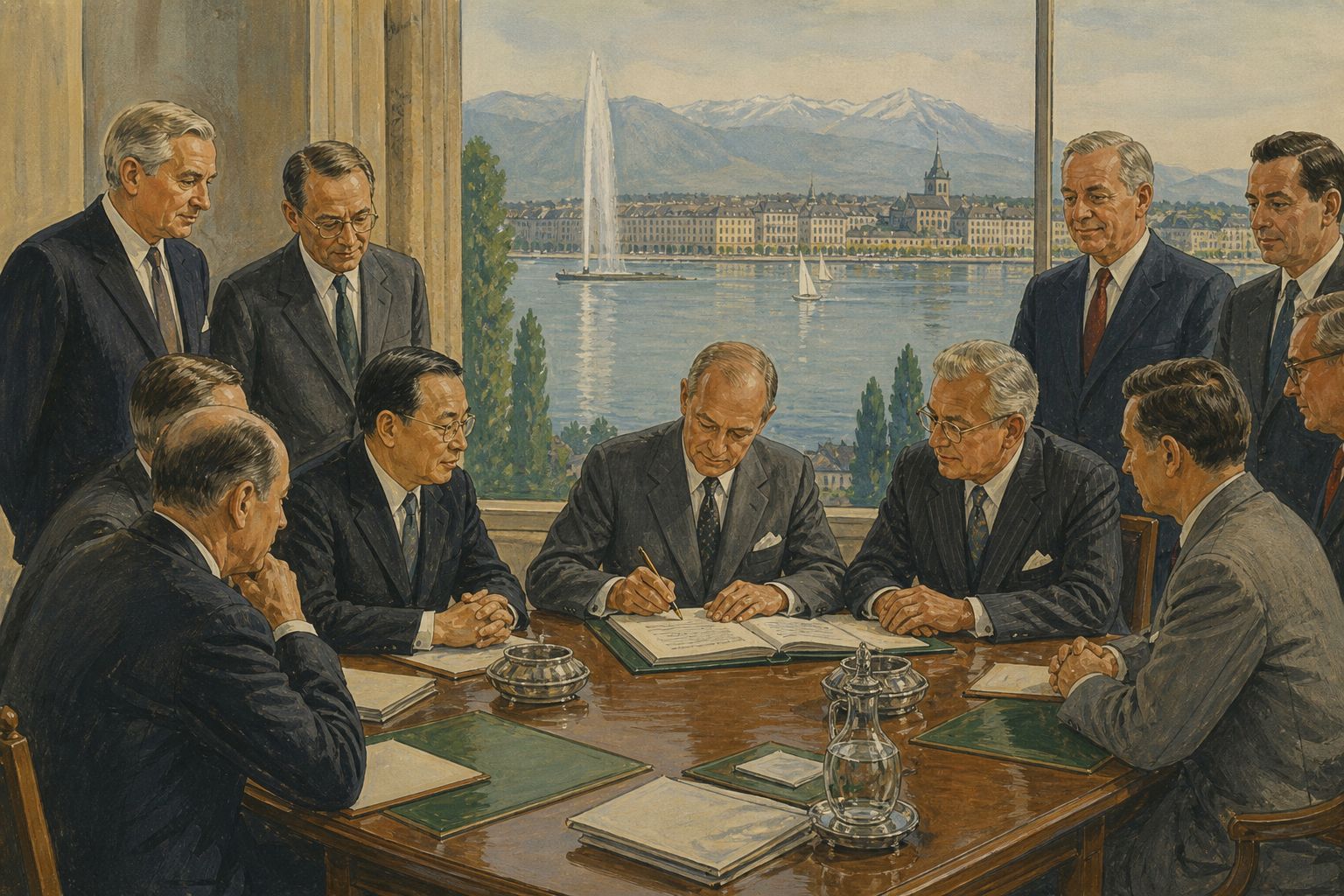
Turning point — Build-up: Members signed the Marrakesh Agreement and established a Geneva-based secretariat and dispute-settlement system.
1995
Current phase
Current event
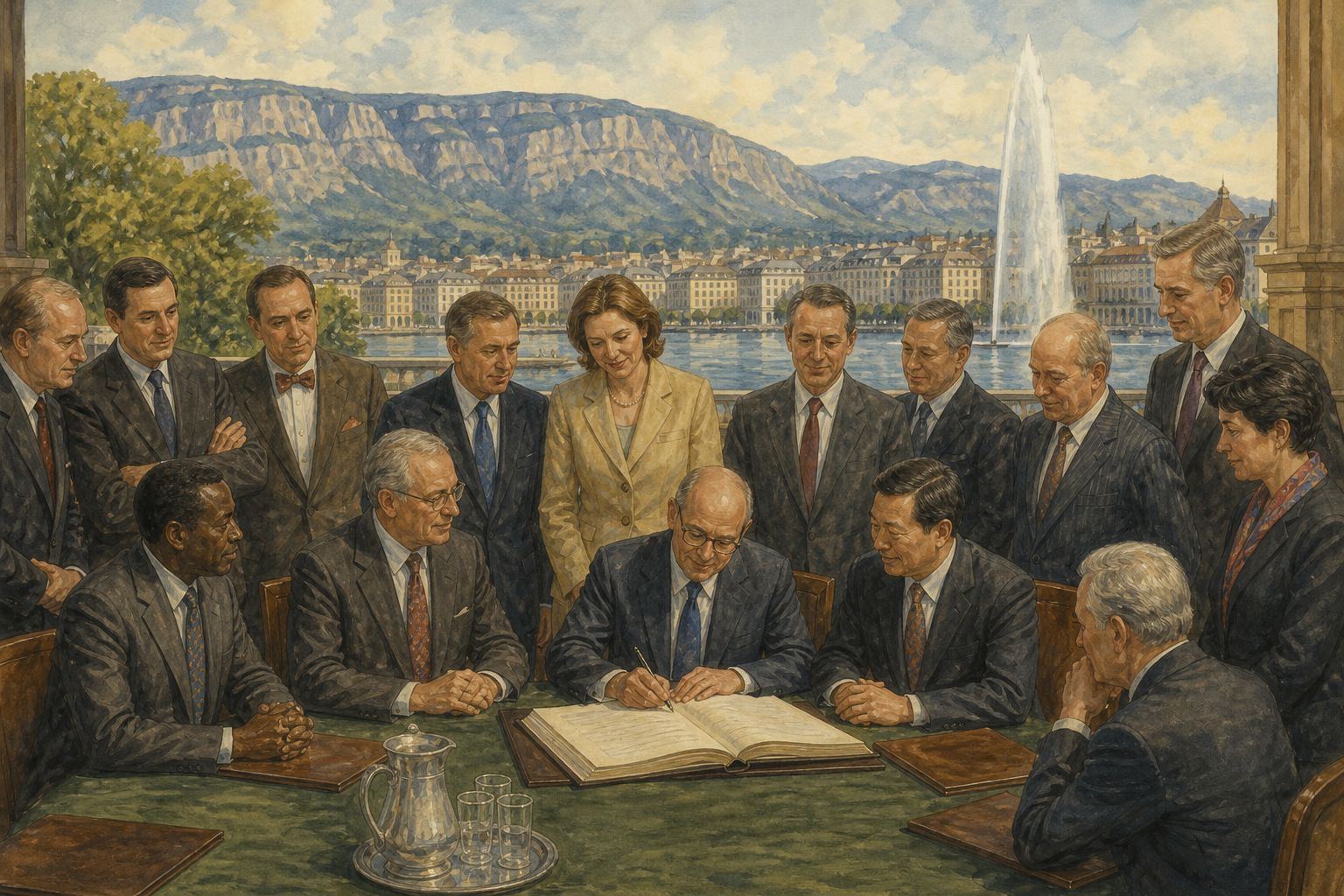
Current phase — Central transition: In 1995, the World Trade Organization was established after the Uruguay Round to administer trade rules and dispute settlement.
c. 1996
Immediate aftermath
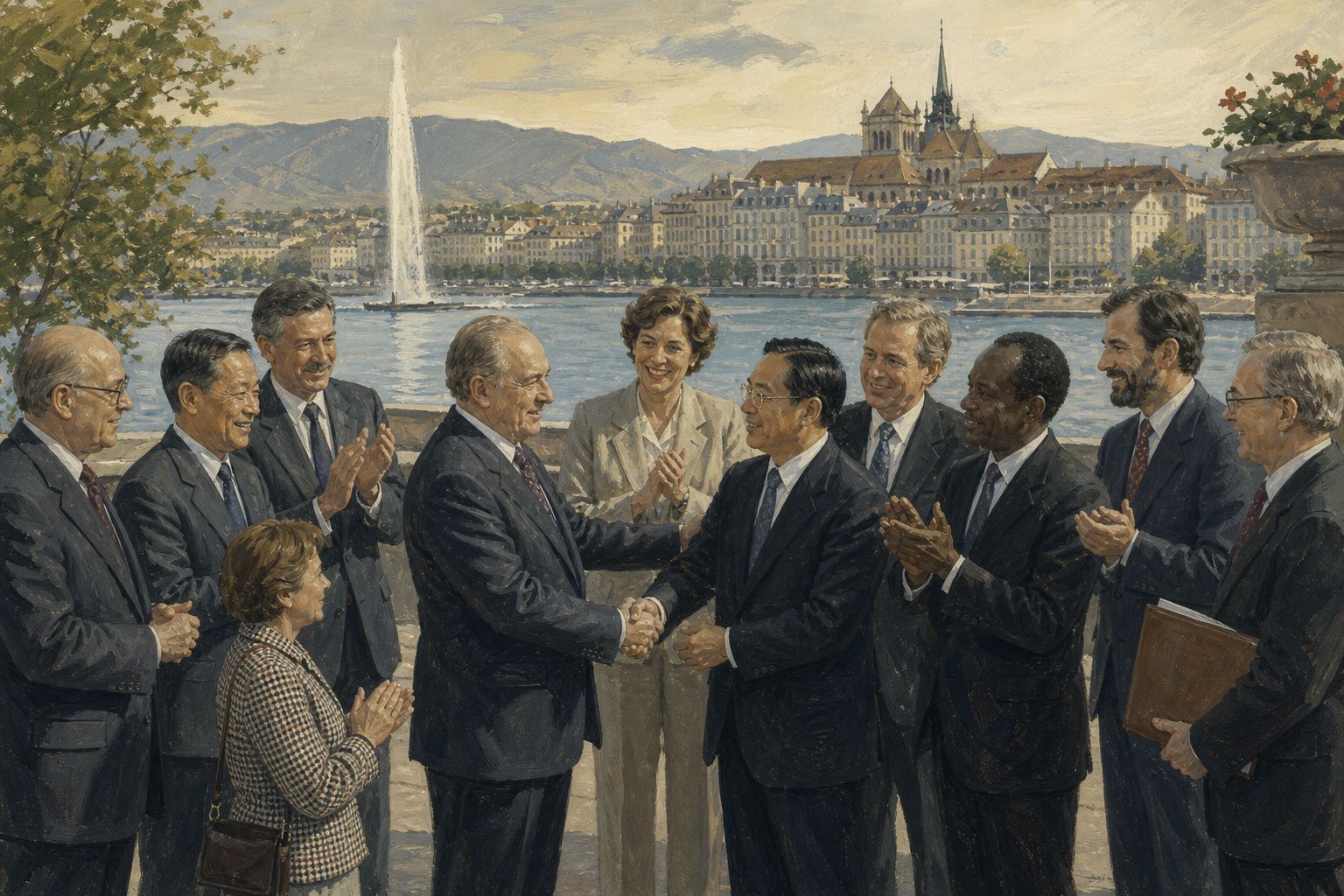
Immediate aftermath — Immediate result: The WTO became central to multilateral trade negotiations and disputes, while inequalities around development, sovereignty, labor, and environment remained.
c. 2005
Long-term significance
Long-term significance — Long-term significance: Its foundation reflected post-Cold War economic integration while making the politics of globalization’s benefits and costs more visible.


Sources
- Founding of the World Trade Organization — History E (Wto)wto.orgThis Wto resource supports the chronology, setting, and course of Founding of the World Trade Organization.
- Founding of the World Trade Organization — World Trade Organization (Encyclopaedia Britannica)britannica.comThis Encyclopaedia Britannica resource supports the chronology, setting, and course of Founding of the World Trade Organization.
- Founding of the World Trade Organization — Ursum E (Wto)wto.orgThis Wto resource supports the chronology, setting, and course of Founding of the World Trade Organization.