
Yellow Turban Rebellion
184
In 184 CE, a mass uprising built on the Taiping movement's network associated with Zhang Jue broke out across the Later Han realm, with yellow headcloths serving as its identifier. Its main forces were suppressed within the year, but the mobilization strengthened regional military power and accelerated the breakdown of Han order.

- Period
- 184
- Kind
- Rebellion
- Regions
- East Asia
- Keywords
- Taiping movement · yellow headcloths · Later Han · religious movement · regional military power
Follow the story · Four stages
Background
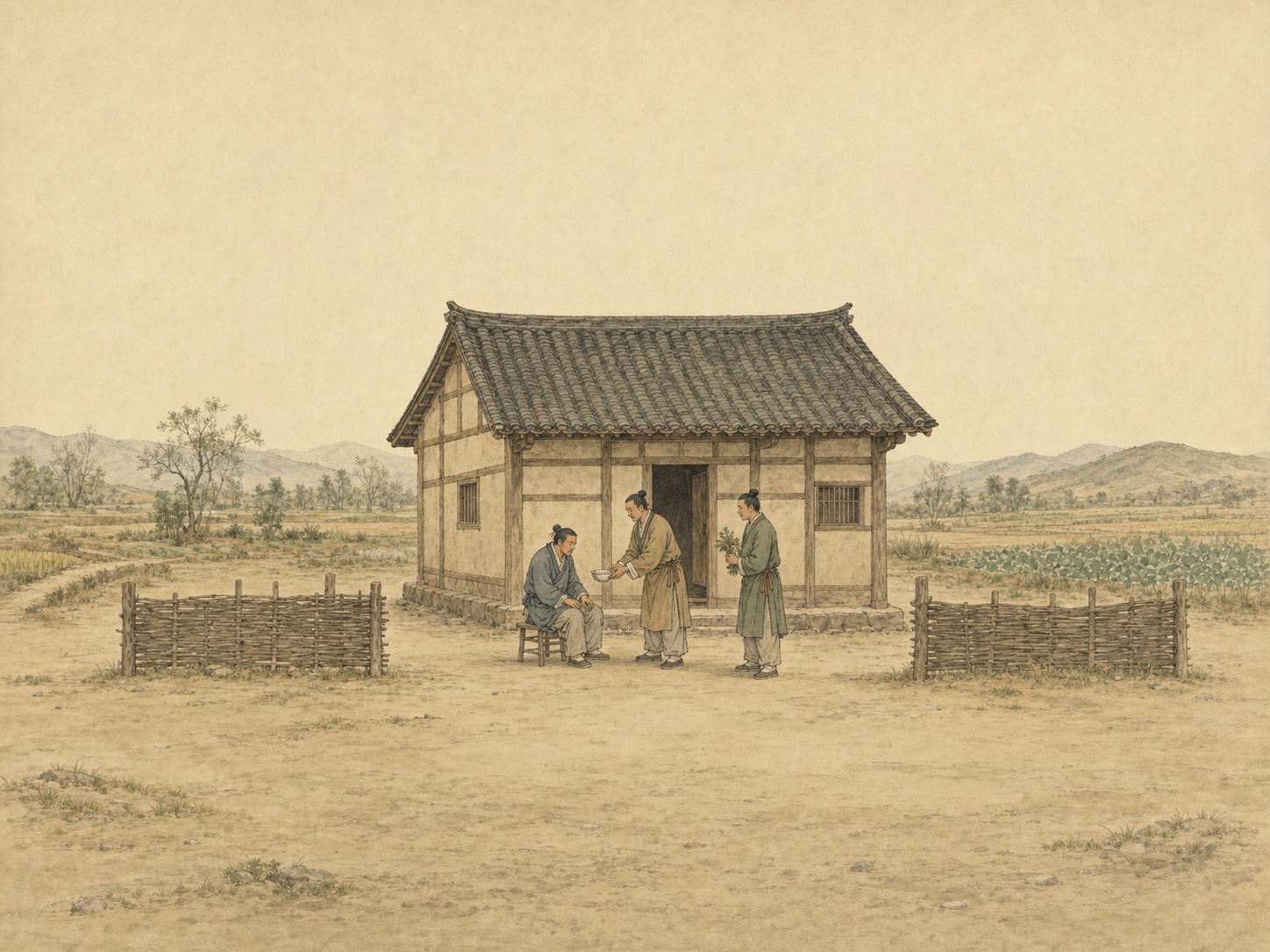
Late Han tensions combined conflict between eunuchs and officials, the proscriptions of 166 and 169, displacement caused by epidemics and disasters, fiscal strain, and anger at visible corruption. Zhang Jue's healing activity and message of Great Peace connected distressed communities into a wide religious network.
- Conflict pitting court eunuchs against officials and their student supporters
- Social strain compounded by proscriptions, epidemics, and disasters
- A Taiping network spread through healing and mutual aid
Course
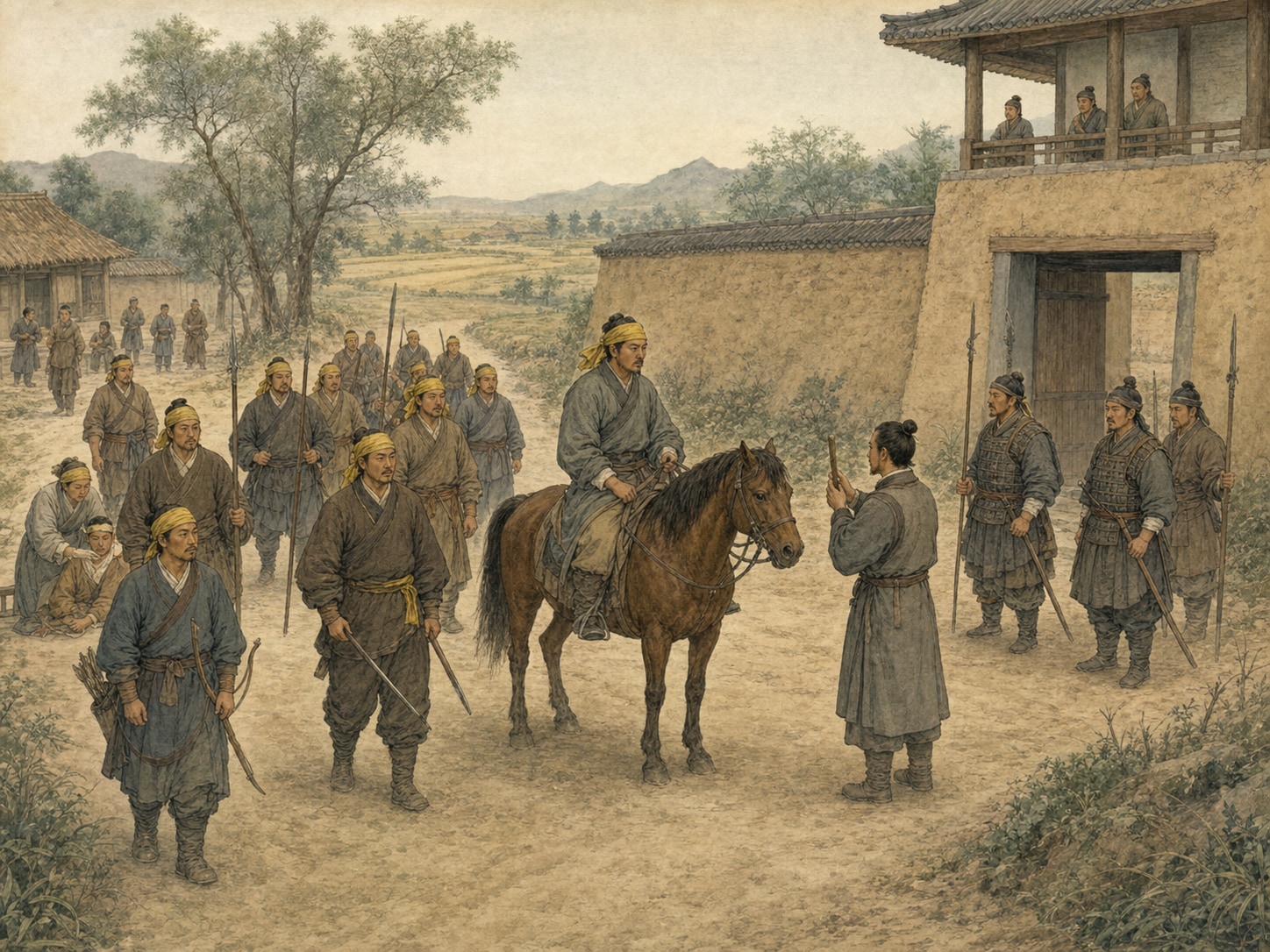
In 184, followers wearing yellow headcloths rose in several regions, especially in northern China. The Han court mobilized generals including Huangfu Song and regional forces; Cao Cao also served as a commander on the suppression side. Zhang Jue died during the campaign, and the principal strongholds were taken within the year.
- Yellow Turban uprisings erupted across several regions in 184
- The Later Han court mobilized imperial and regional forces
- Cao Cao joined the suppression as a commander in Yingchuan
Outcome
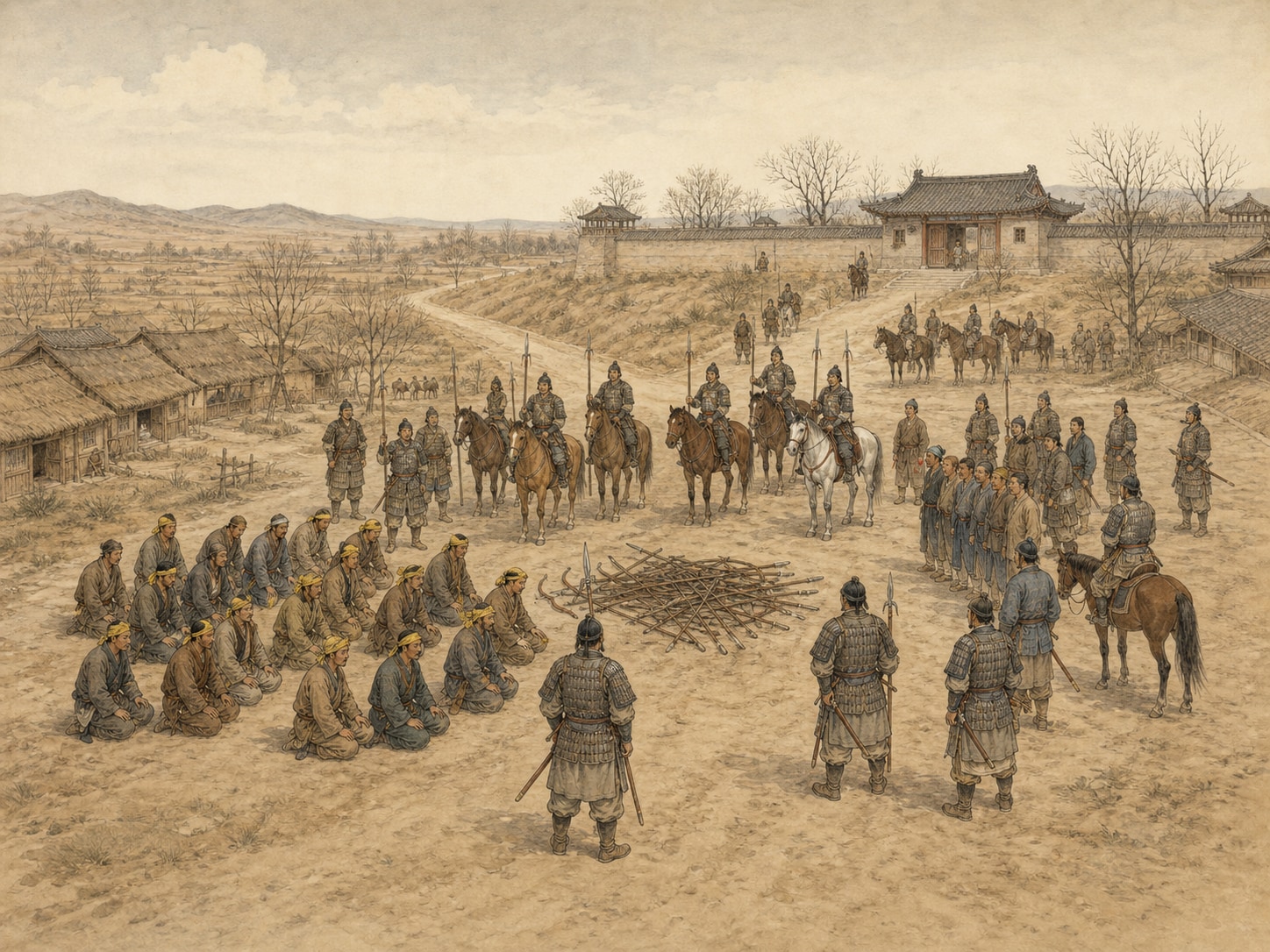
The main uprising was defeated, but surviving groups and related religious movements did not disappear. To meet the crisis, the court expanded provincial authority, including the appointment of regional governors in 188, strengthening the bases of increasingly autonomous power.
- Principal strongholds and forces were defeated within 184
- Surviving groups and related religious movements persisted
- The response expanded provincial military authority
Historical significance
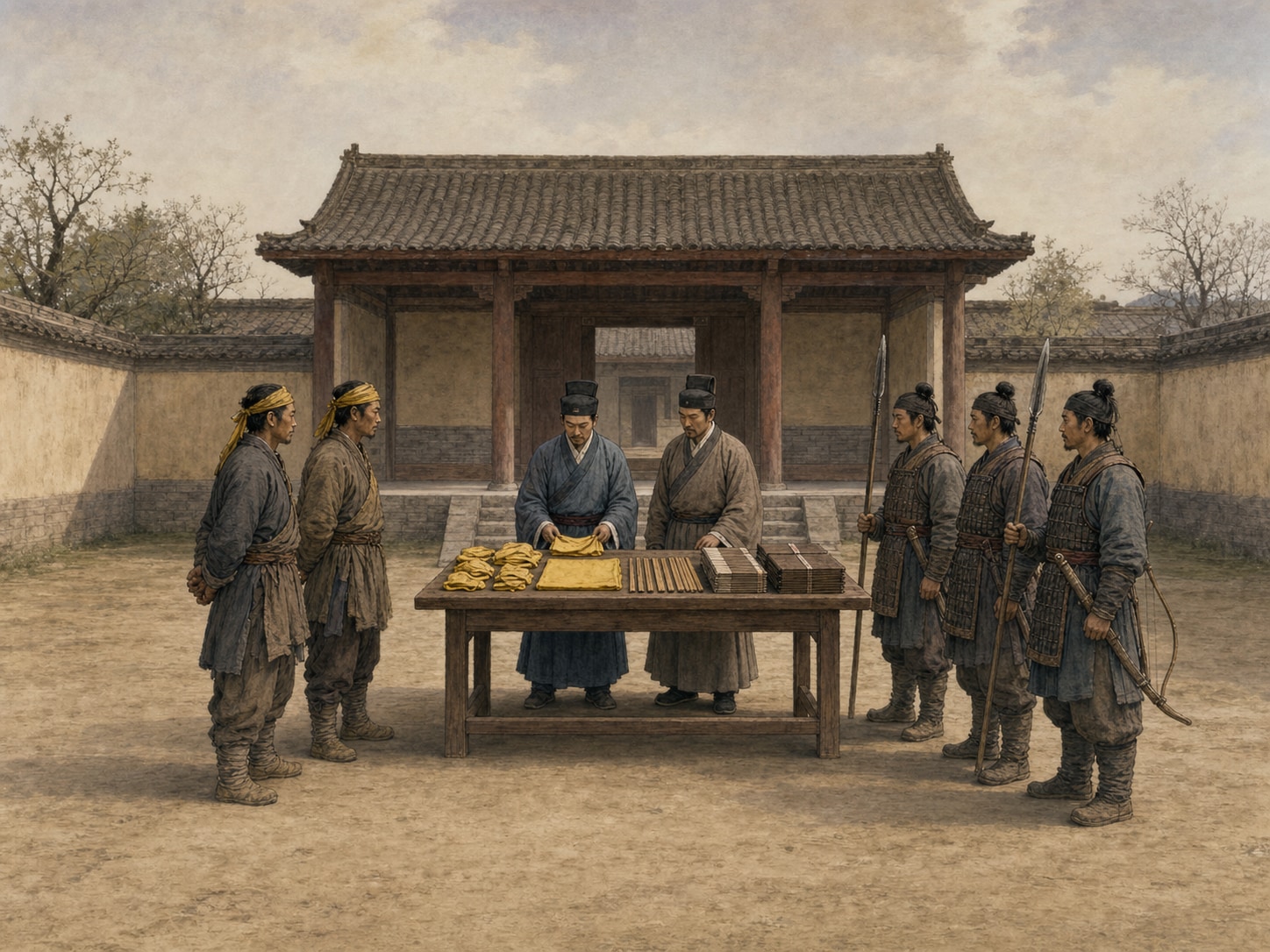
The rebellion shows religious salvation, mutual aid, and political dissent combining in mass mobilization. The means used to suppress it dispersed military authority and had a lasting role in the transition from Later Han rule toward political fragmentation.
- Religious salvation, mutual aid, and political dissent drove mass mobilization
- Successful suppression helped disperse military power
- The crisis accelerated the transition from Han order to fragmentation


Related figures
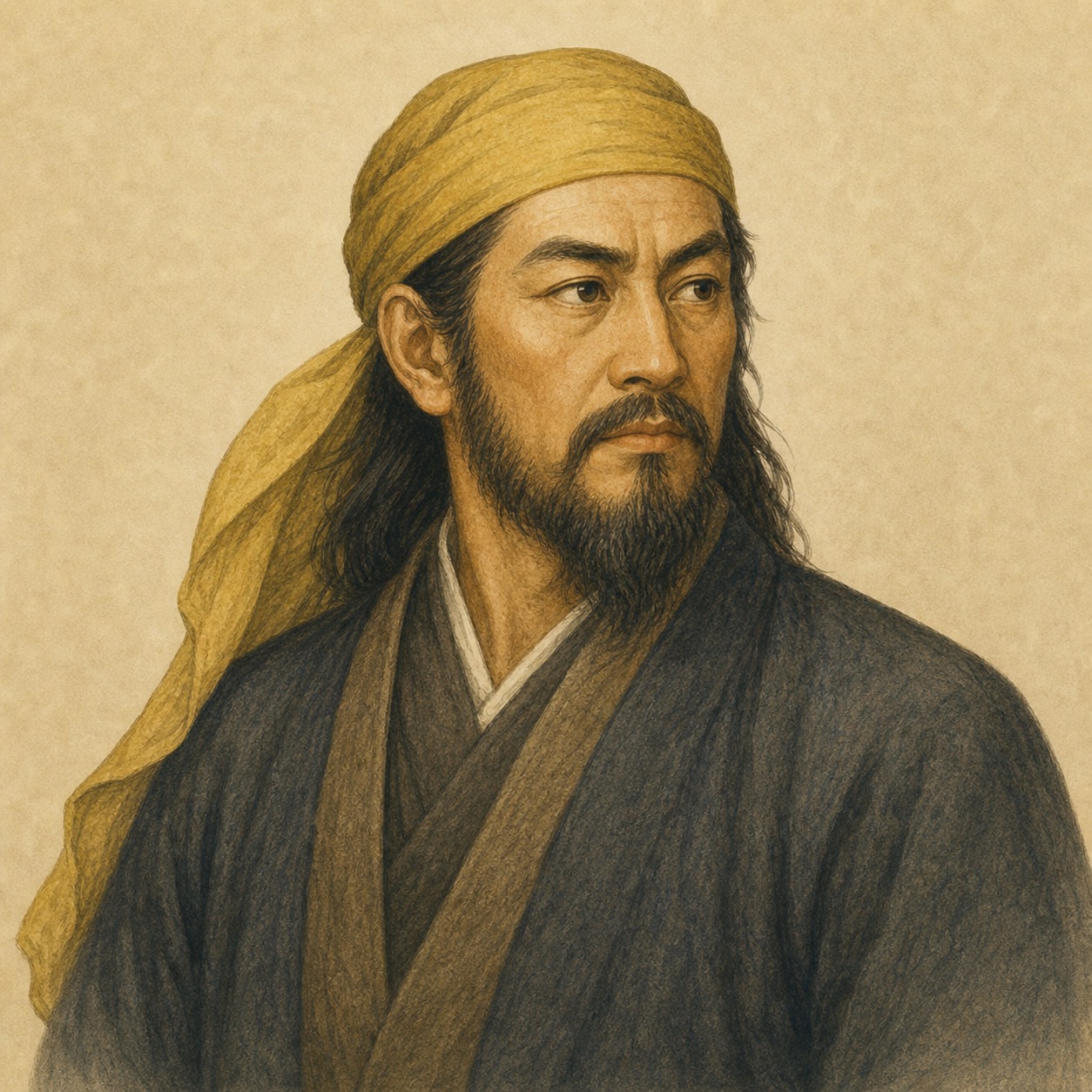
Zhang Jue
Leader of the Taiping movement
He led a wide network of followers organized around healing and the message of Great Peace, then directed the uprising of 184.
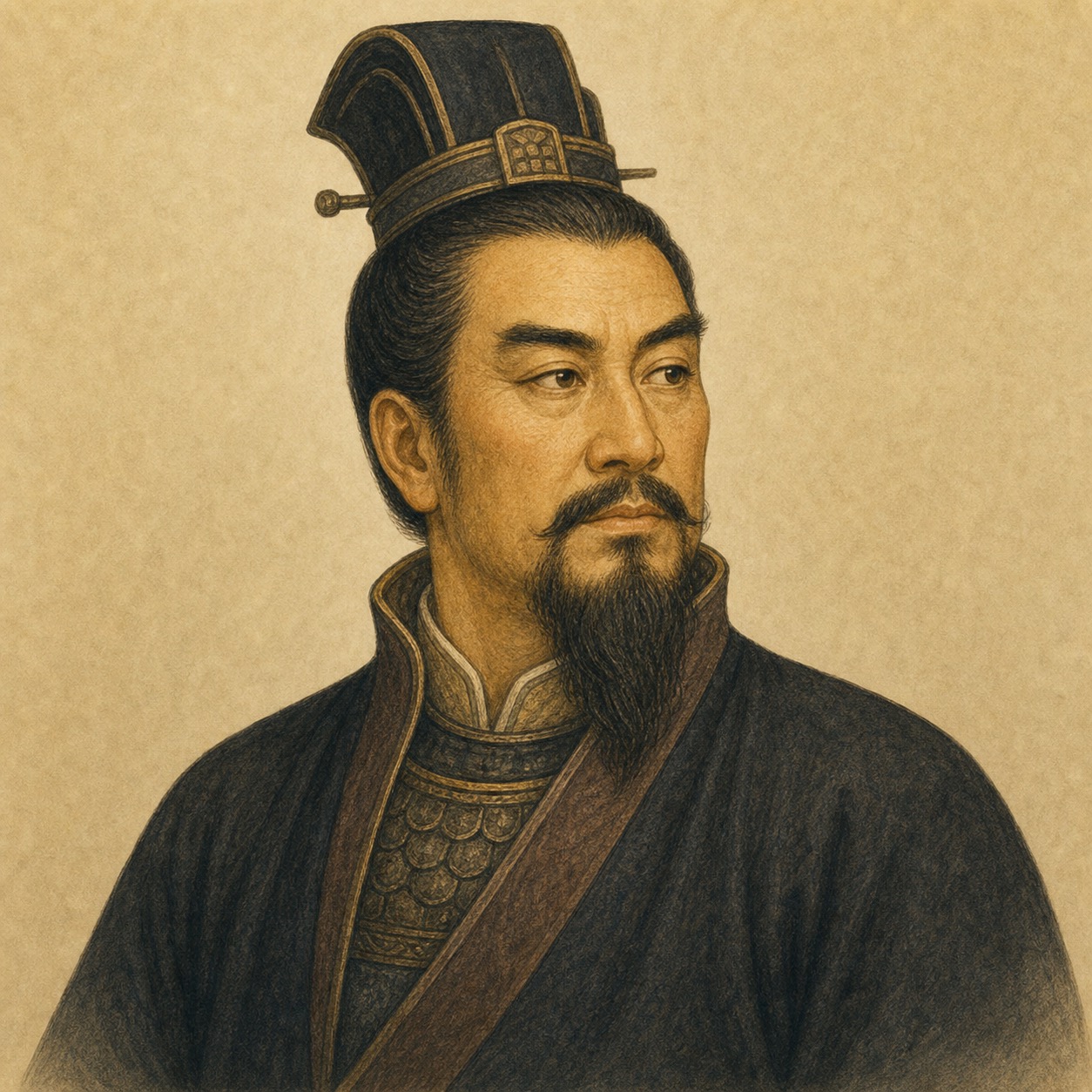
Cao Cao
Later Han suppression commander
Appointed Chief Commandant of Cavalry, he was sent to Yingchuan and took part in the Han campaign against Yellow Turban forces.
Related events
166–169
Partisan proscriptions
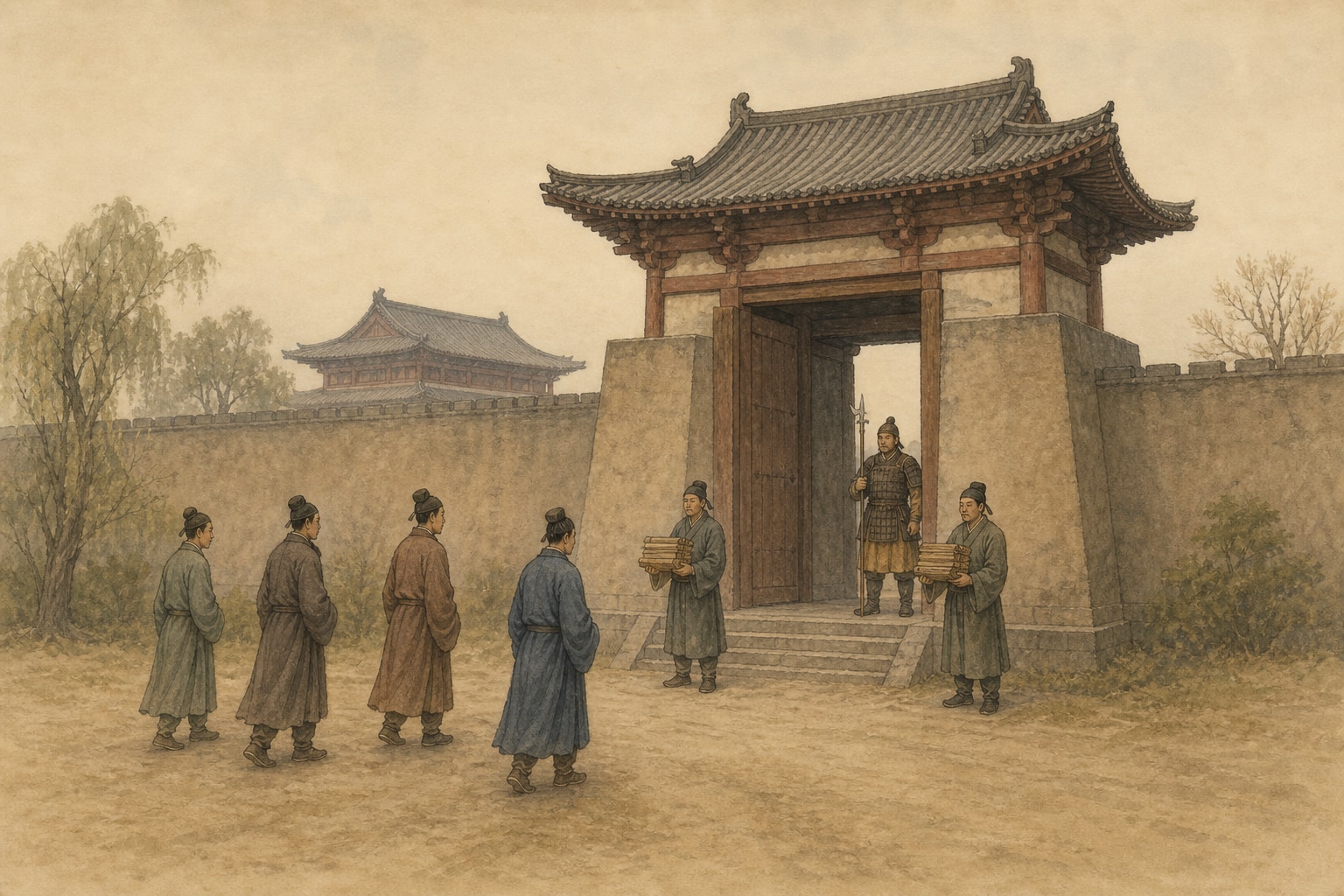
Conflict pitting court eunuchs against officials and their student supporters led to the proscriptions of 166 and 169, deepening mistrust in Later Han government.
c. 171–c. 183
Growth of the Taiping movement
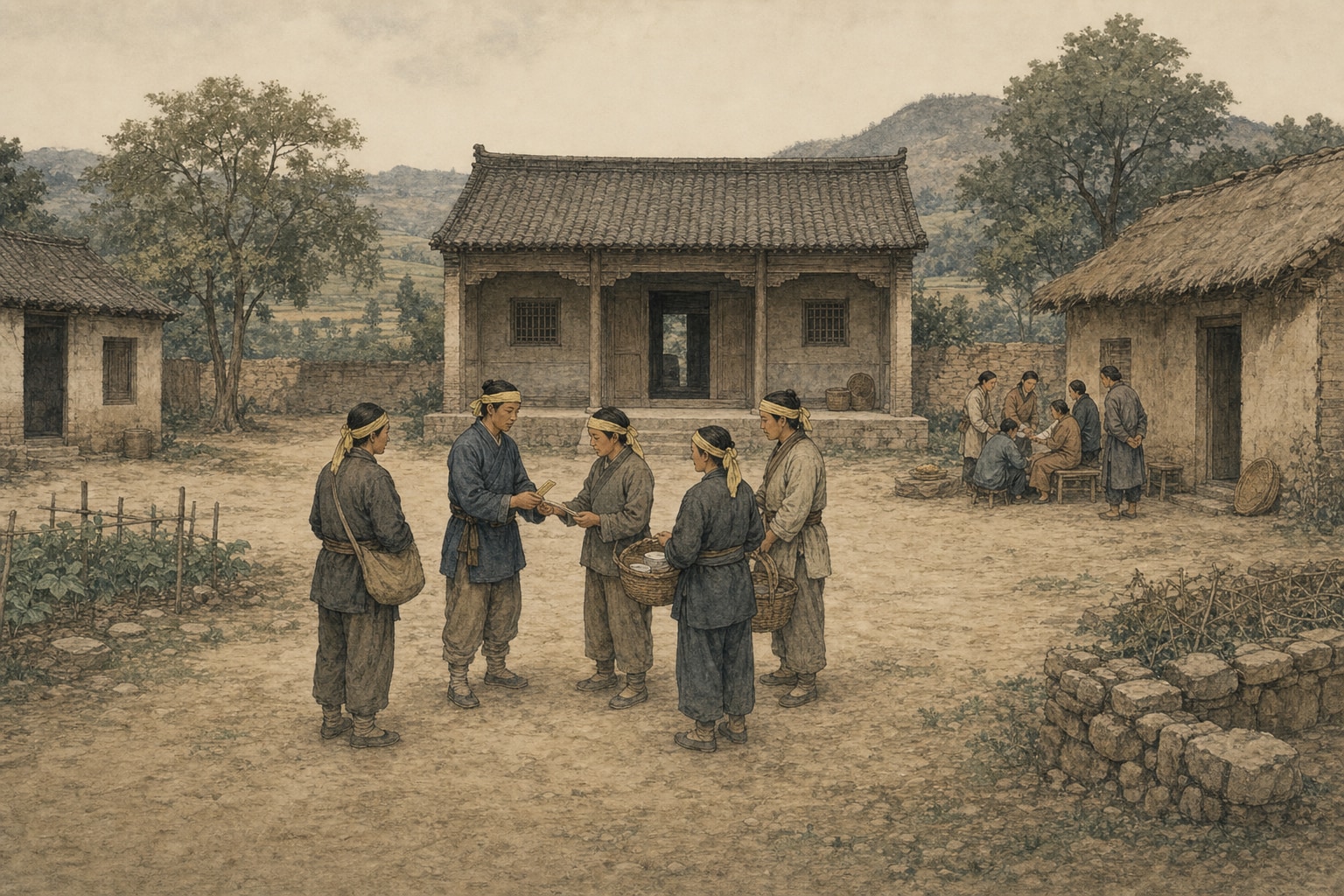
Amid recurring epidemics, Zhang Jue's healing activity and disciples formed a wide network of followers.
184
The Yellow Turban uprising of 184
Current event
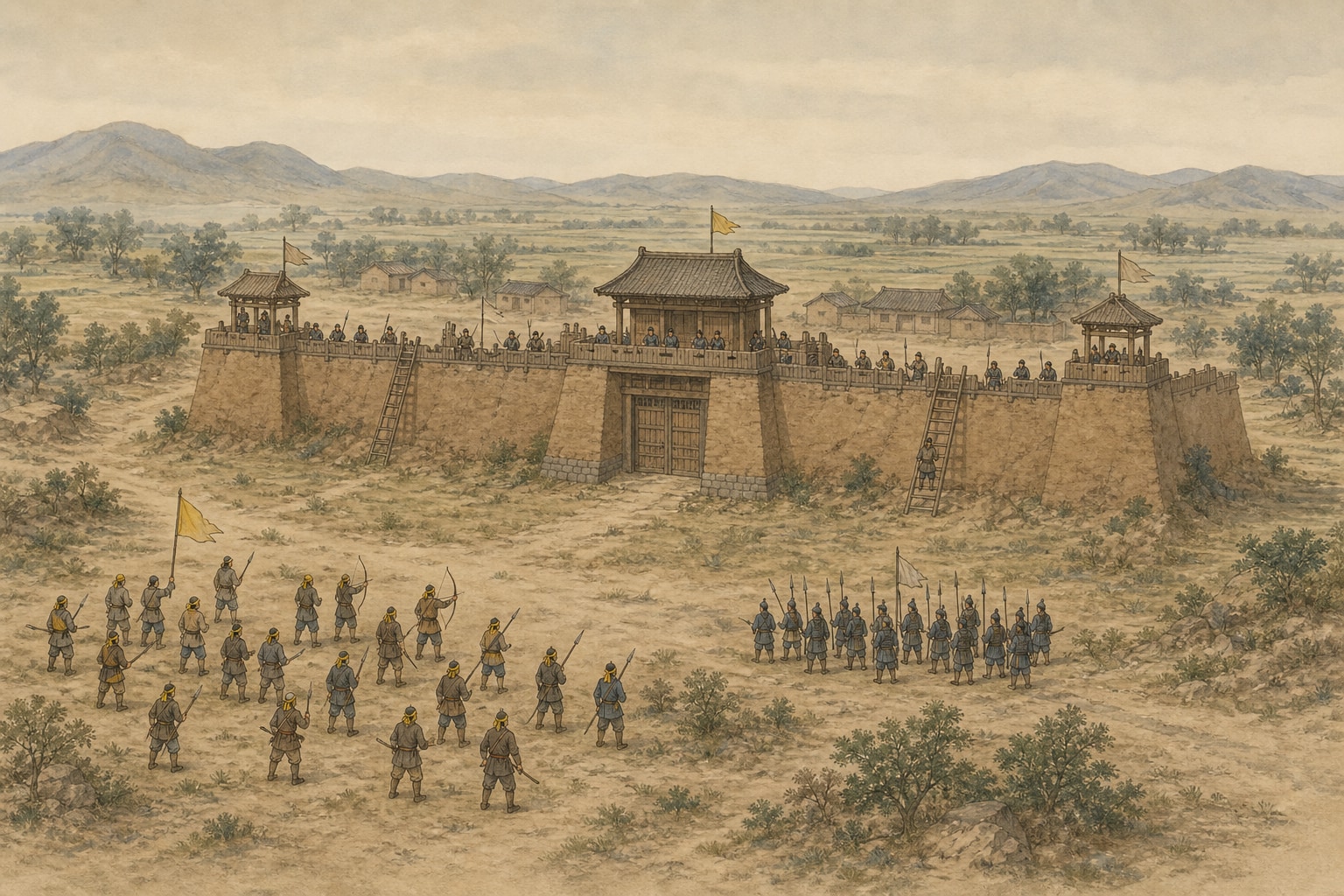
Uprisings identified by yellow headcloths broke out across the realm, and Han forces suppressed the principal forces within the year.
188
Expansion of provincial military authority
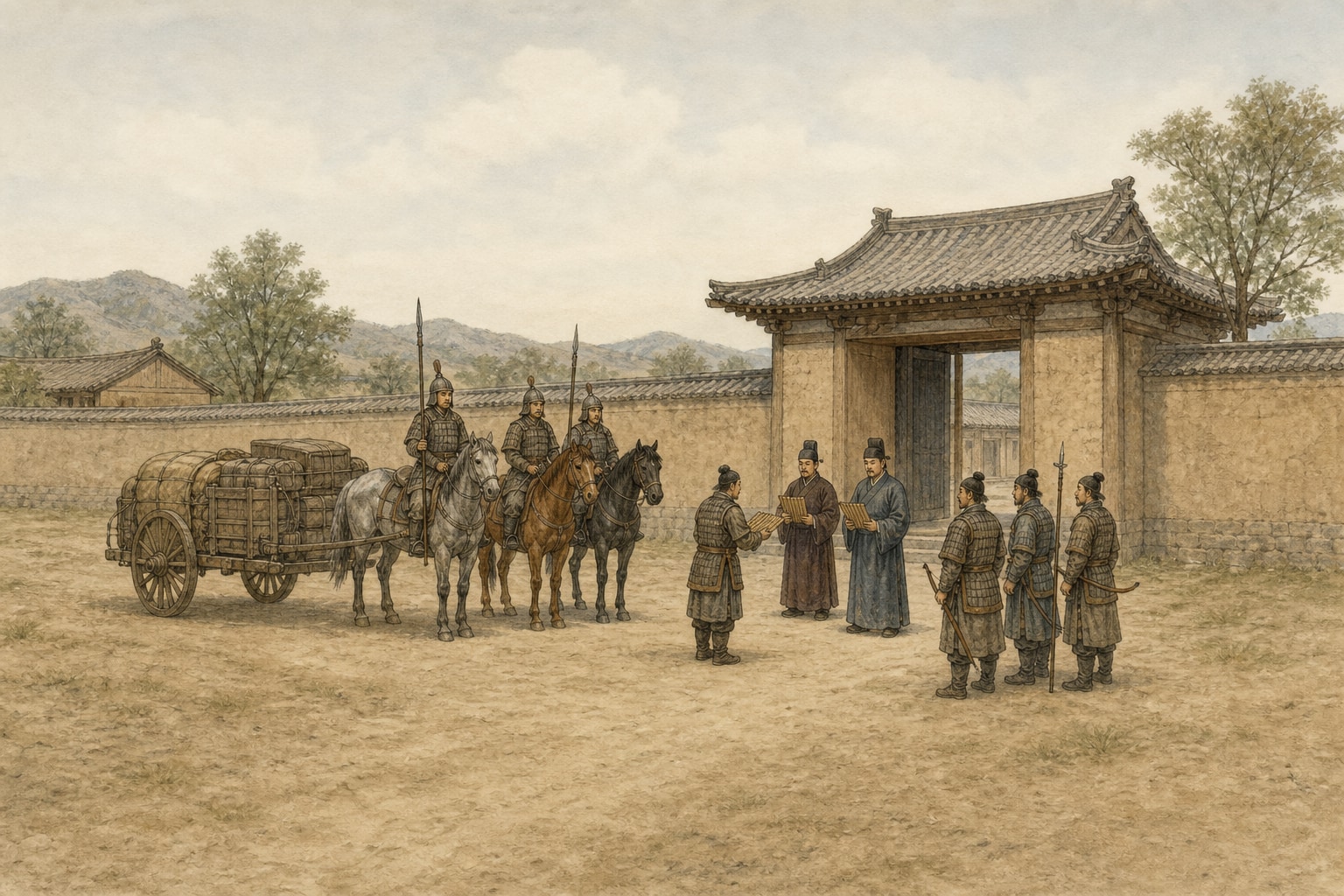
Regional governors appointed in response to rebellions gained military and administrative bases increasingly independent of the Han center.
189–220
Fragmentation of Later Han order
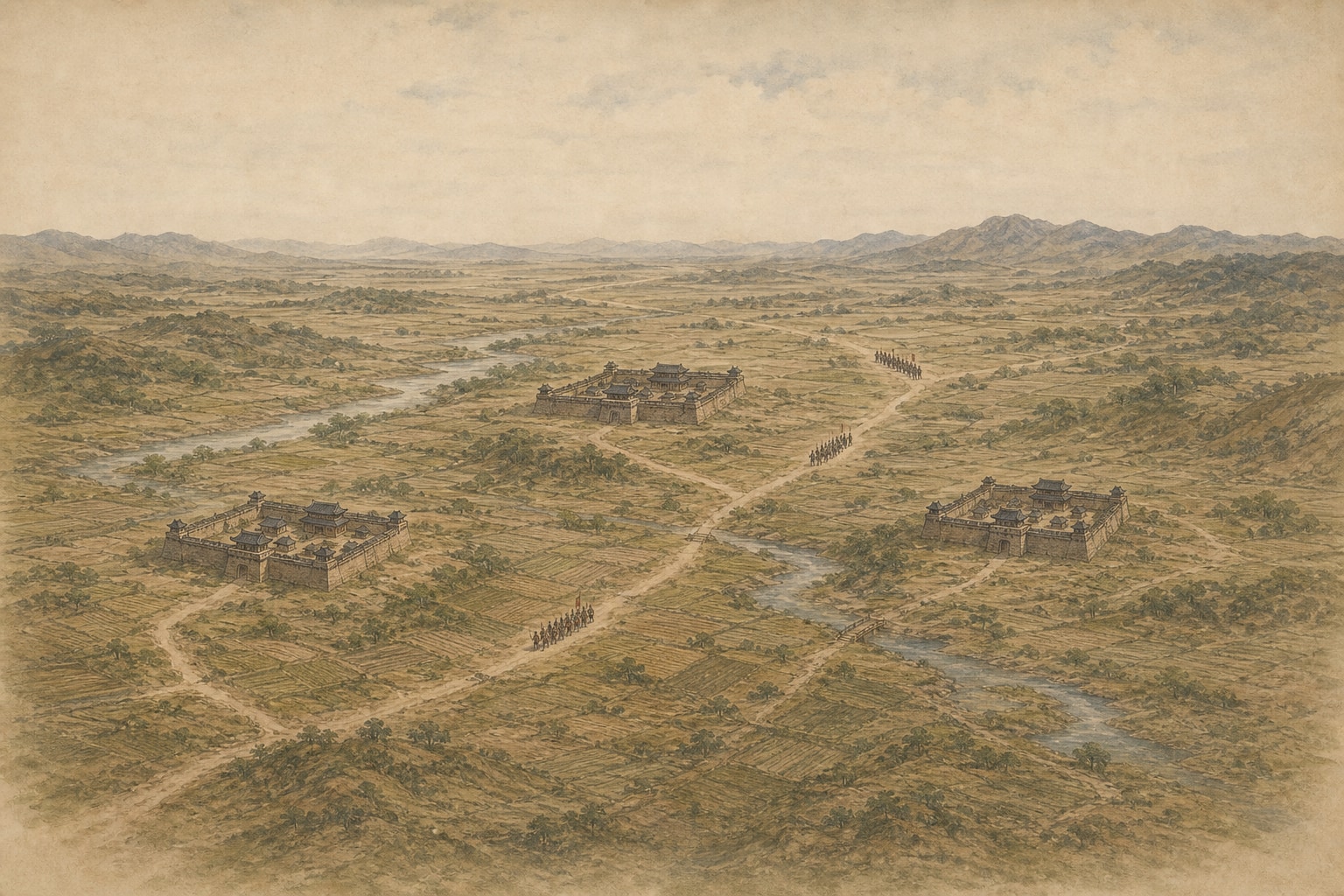
Regional military powers strengthened through suppression competed with one another, accelerating the fragmentation that ended Later Han rule in 220.


Sources
- Social Movements and International Order FormationCambridge University PressA peer-reviewed study of the Taiping organization, the uprising of 184, its social background, and the growth of regional power after suppression.
- Some Remarks on Local Tradition as Seen in the Yellow Turban RebellionInstitute for Research in Humanities, Kyoto UniversityA Japanese scholarly study examining the rebellion through local society and tradition.
- A New Inquiry into the Causes of the Later Han Partisan ProscriptionsTangdu Journal, Nanjing University; hosted by National Taiwan UniversityA Chinese-language study supporting the 166 and 169 proscriptions as part of the Later Han political crisis before the uprising.
- Sanguozhi Biography of Cao CaoKongming's ArchivesAn English translation of the official biography stating that Cao Cao served as a cavalry commandant against Yellow Turban forces in Yingchuan in 184.