
Young Turk Revolution
1908
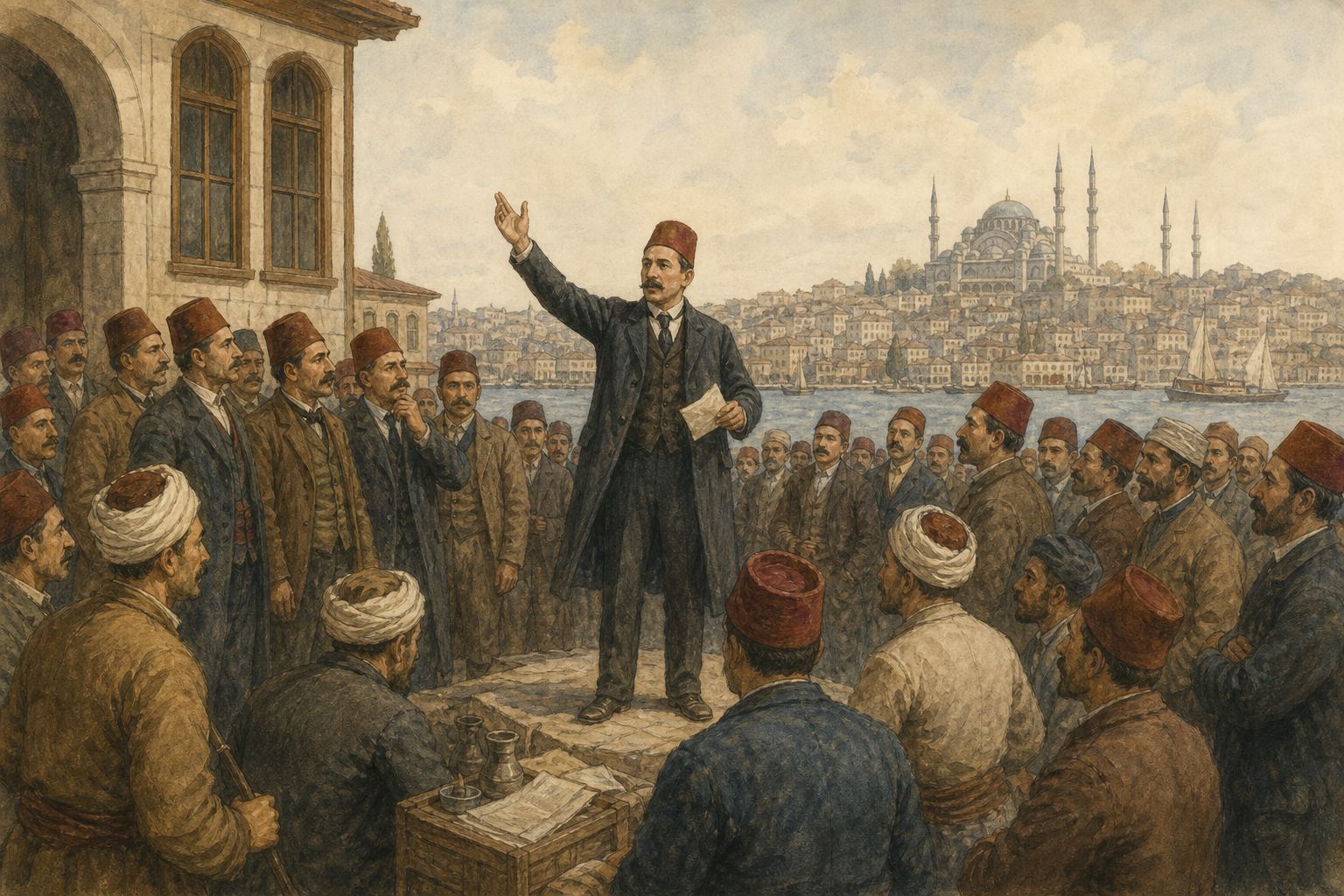
In 1908, the Young Turk movement restored the Ottoman constitution and parliament, challenging autocratic rule.

- Period
- 1908
- Kind
- Revolution
- Regions
- Middle East
- Keywords
- Young Turk Revolution · revolution · modern · middle east
Follow the story · Four stages
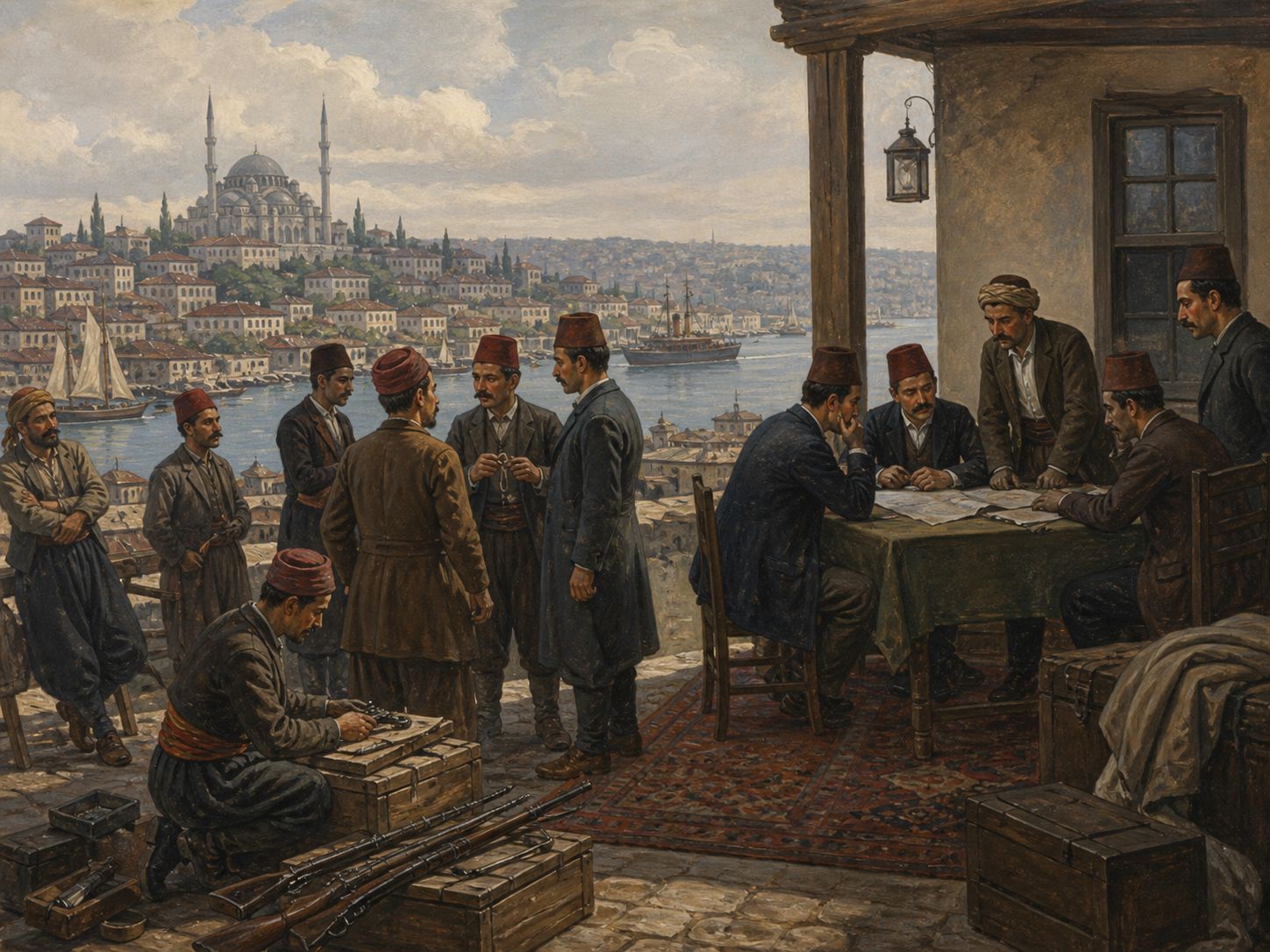
Background
Under Abdulhamid II the constitution was suspended, while officers, officials, and intellectuals debated imperial survival and reform.
- Under Abdulhamid II the constitution was suspended, while officers, officials, and intellectuals debated imperial survival and reform.
- Core event: In 1908, the Young Turk movement restored the Ottoman constitution and parliament, challenging autocratic rule.
- Connection to the next stage: Military units in Macedonia and the Committee of Union and Progress revolted and forced the sultan to restore the constitution.
Course
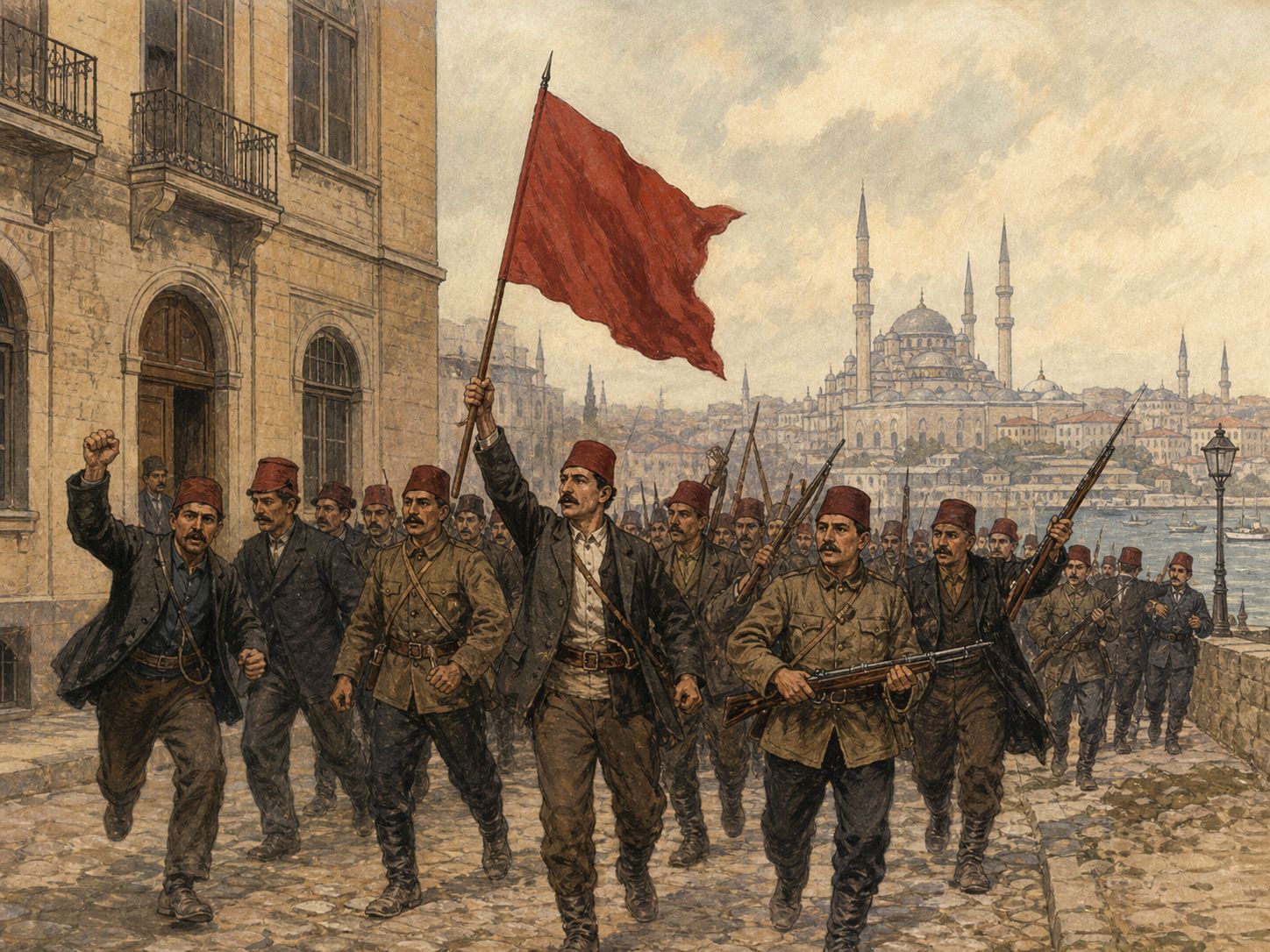
Military units in Macedonia and the Committee of Union and Progress revolted and forced the sultan to restore the constitution.
- Military units in Macedonia and the Committee of Union and Progress revolted and forced the sultan to restore the constitution.
- Conditions behind the action: Under Abdulhamid II the constitution was suspended, while officers, officials, and intellectuals debated imperial survival and reform.
- Meaning of the turning point: In 1908, the Young Turk movement restored the Ottoman constitution and parliament, challenging autocratic rule.
Outcome
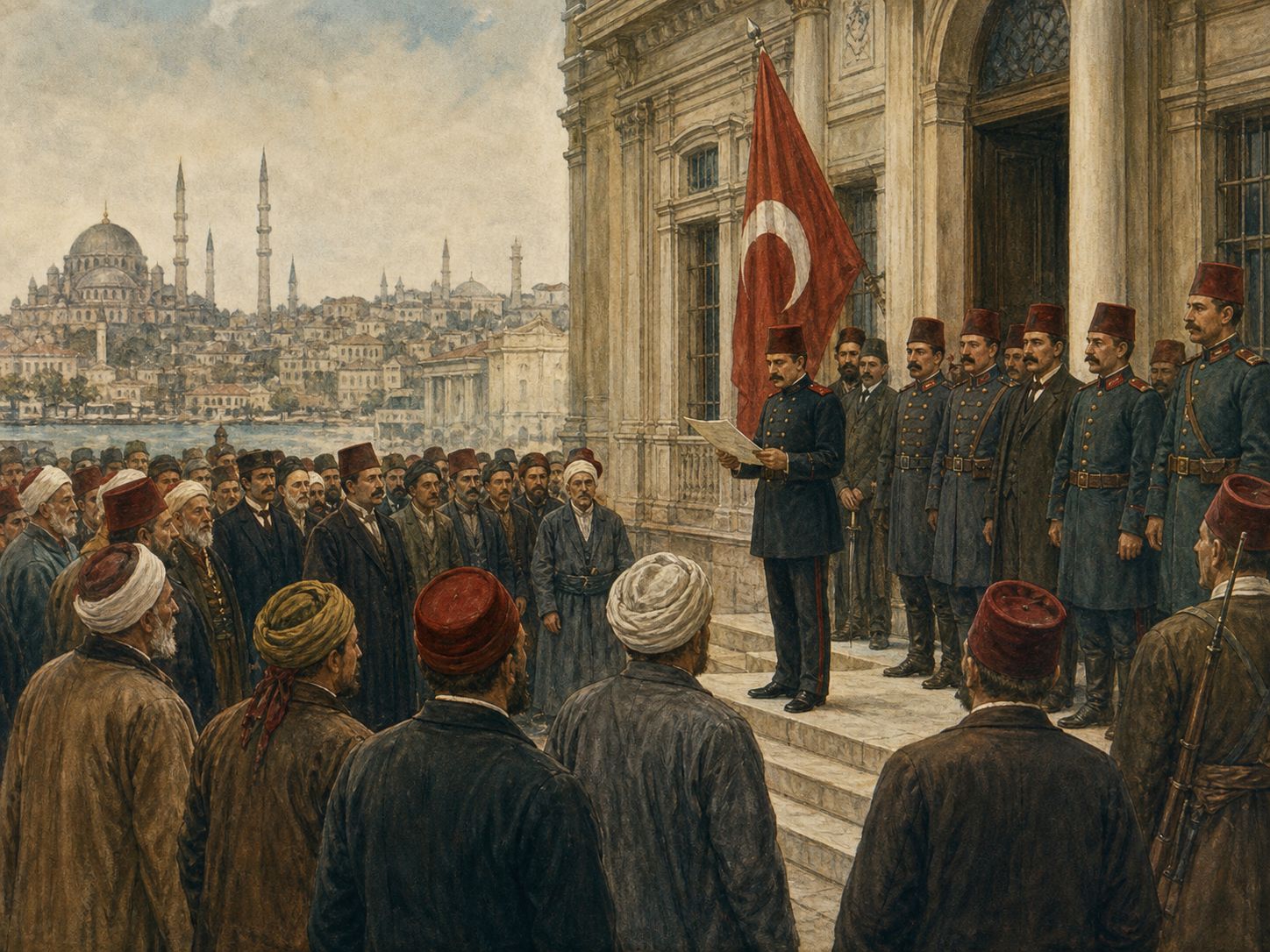
Parliamentary politics resumed, but conflicts over nationality, centralization, and war remained unresolved.
- Parliamentary politics resumed, but conflicts over nationality, centralization, and war remained unresolved.
- Process producing the result: Military units in Macedonia and the Committee of Union and Progress revolted and forced the sultan to restore the constitution.
- Question carried forward: The revolution became a key starting point for twentieth-century debates over constitutionalism and Turkish nationalism in the Middle East.
Historical significance
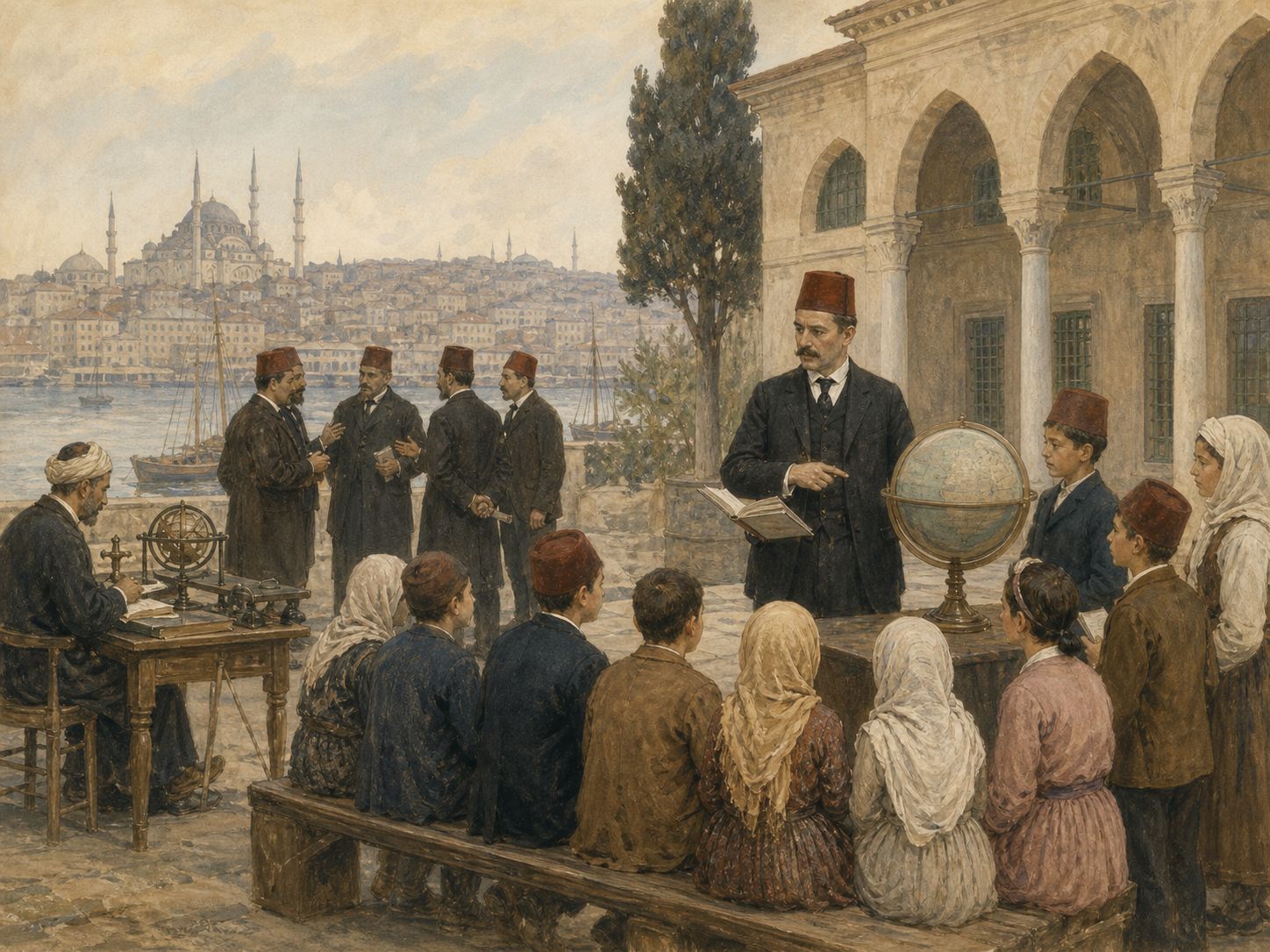
The revolution became a key starting point for twentieth-century debates over constitutionalism and Turkish nationalism in the Middle East.
- The revolution became a key starting point for twentieth-century debates over constitutionalism and Turkish nationalism in the Middle East.
- Immediate consequence: Parliamentary politics resumed, but conflicts over nationality, centralization, and war remained unresolved.
- Historical turning point: In 1908, the Young Turk movement restored the Ottoman constitution and parliament, challenging autocratic rule.


Related events
c. 1908
Prelude
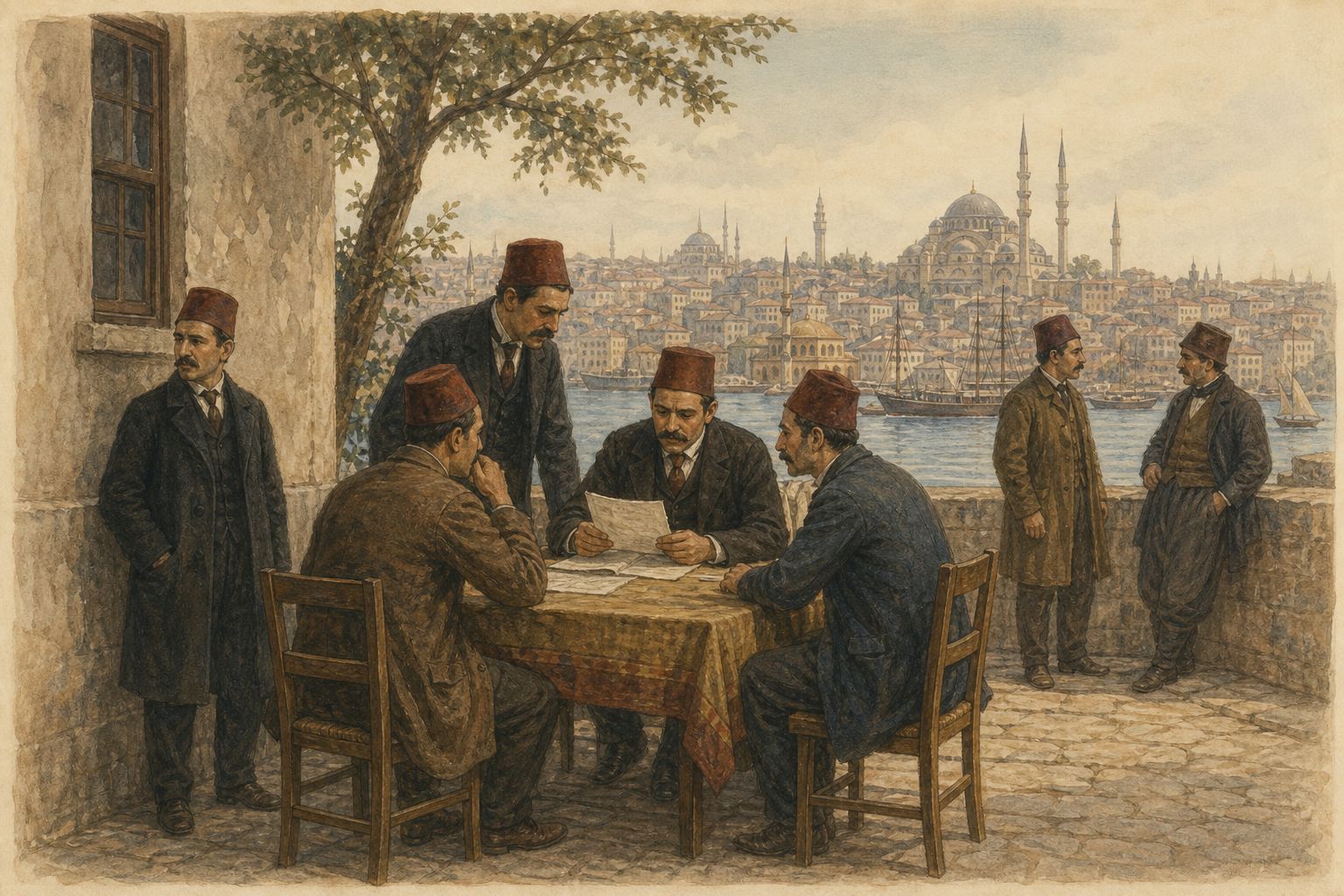
Prelude — Background: Under Abdulhamid II the constitution was suspended, while officers, officials, and intellectuals debated imperial survival and reform.
c. 1908
Turning point
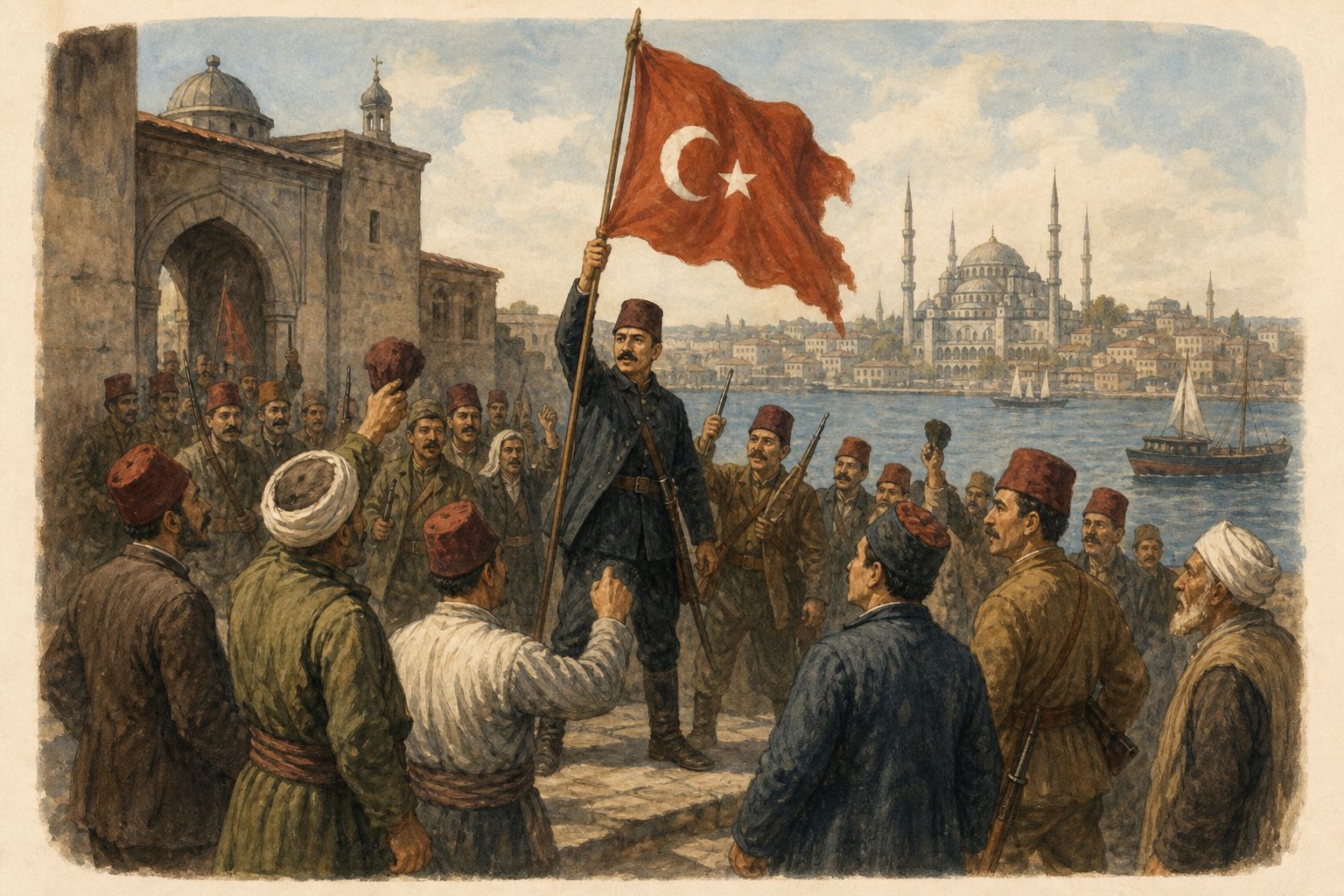
Turning point — Build-up: Military units in Macedonia and the Committee of Union and Progress revolted and forced the sultan to restore the constitution.
1908
Current phase
Current event
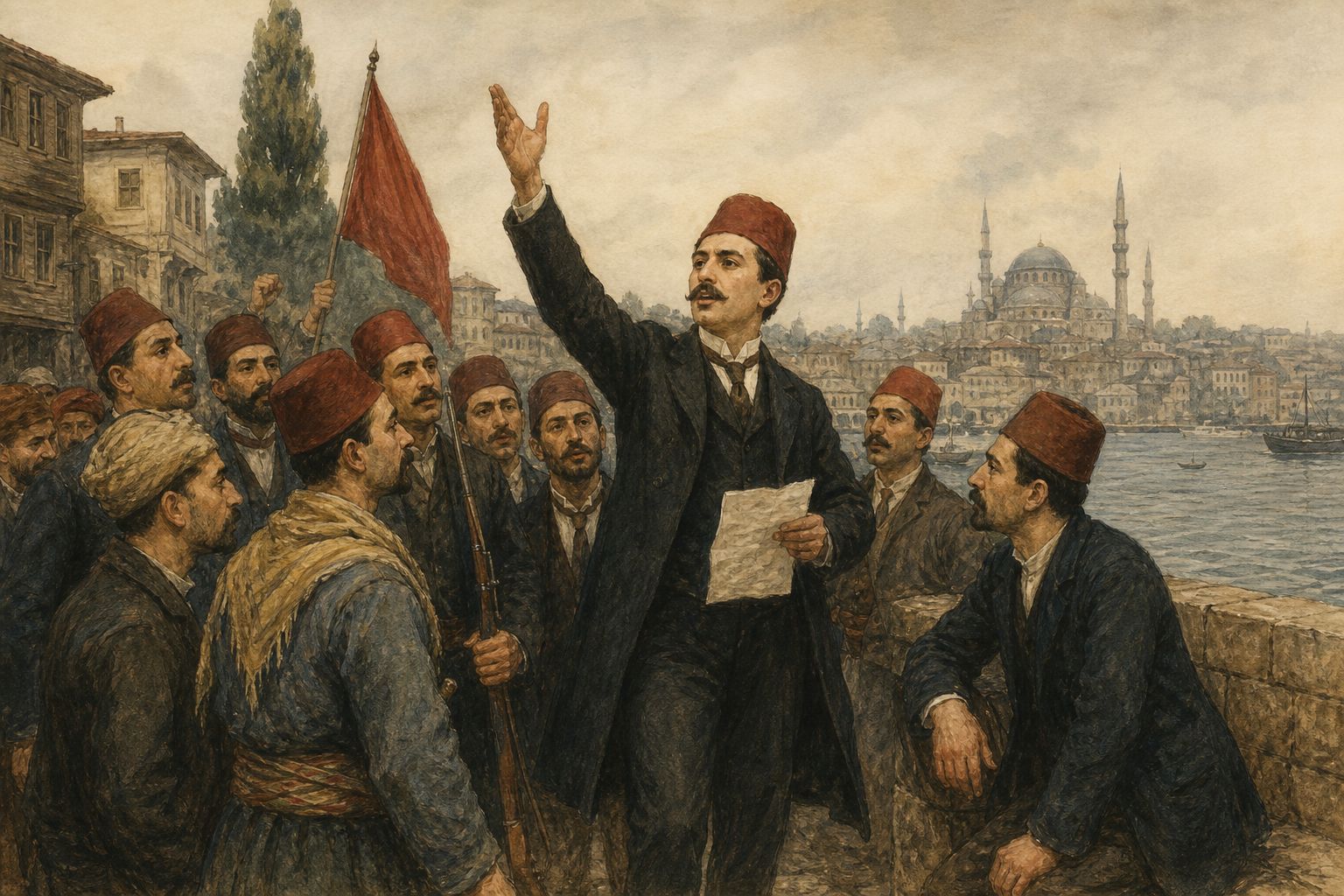
Current phase — Central transition: In 1908, the Young Turk movement restored the Ottoman constitution and parliament, challenging autocratic rule.
c. 1909
Immediate aftermath
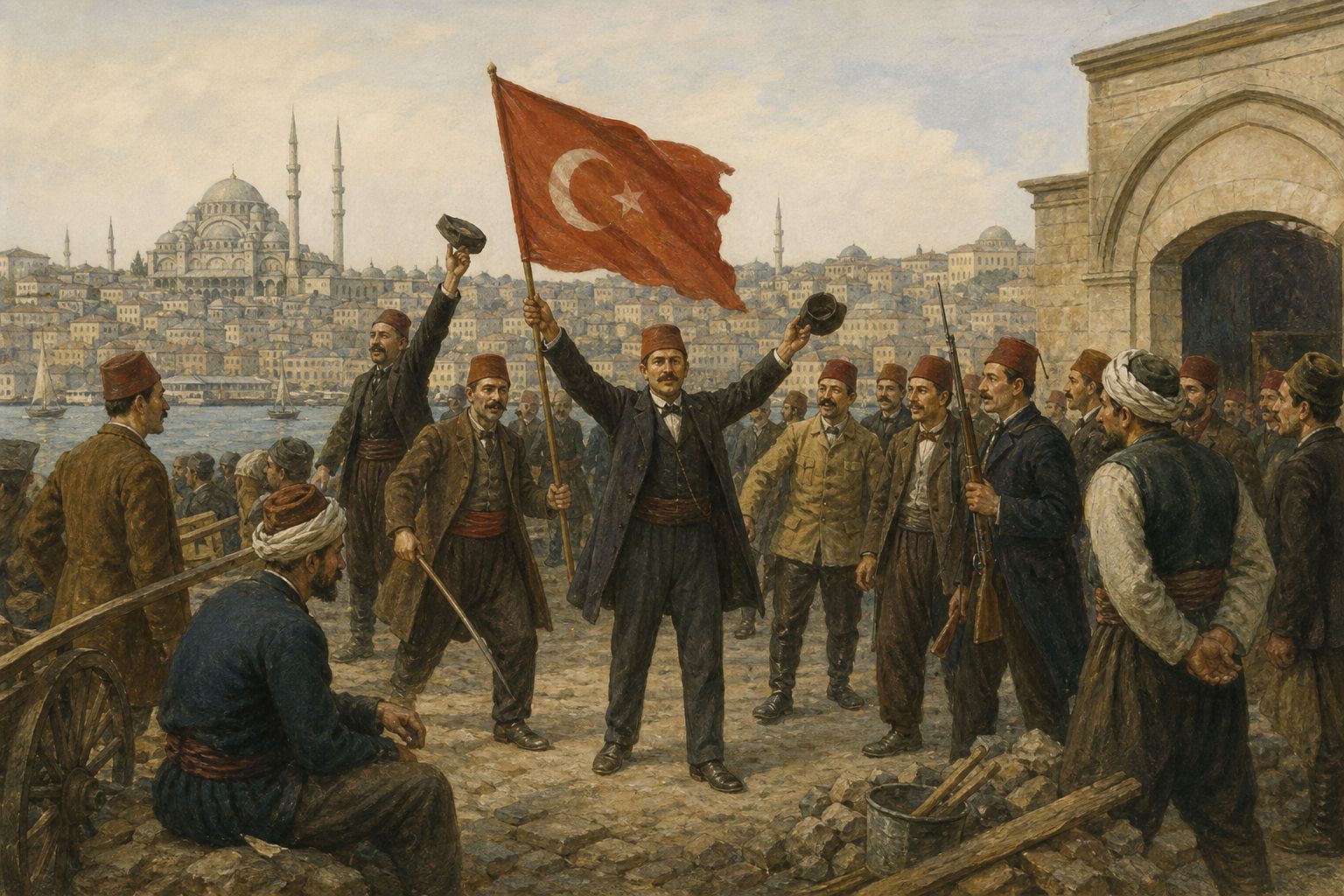
Immediate aftermath — Immediate result: Parliamentary politics resumed, but conflicts over nationality, centralization, and war remained unresolved.
c. 1918
Long-term significance
Long-term significance — Long-term significance: The revolution became a key starting point for twentieth-century debates over constitutionalism and Turkish nationalism in the Middle East.


Sources
- Young Turk Revolution — Young Turks Turkish Nationalist Movement (Encyclopaedia Britannica)britannica.comThis Encyclopaedia Britannica resource supports the chronology, setting, and course of Young Turk Revolution.
- Young Turk Revolution — D565 (U.S. Office of the Historian)history.state.govThis U.S. Office of the Historian resource supports the chronology, setting, and course of Young Turk Revolution.
- Young Turk Revolution — The Young Turk Revolution (Books)books.google.comThis Books resource supports the chronology, setting, and course of Young Turk Revolution.