
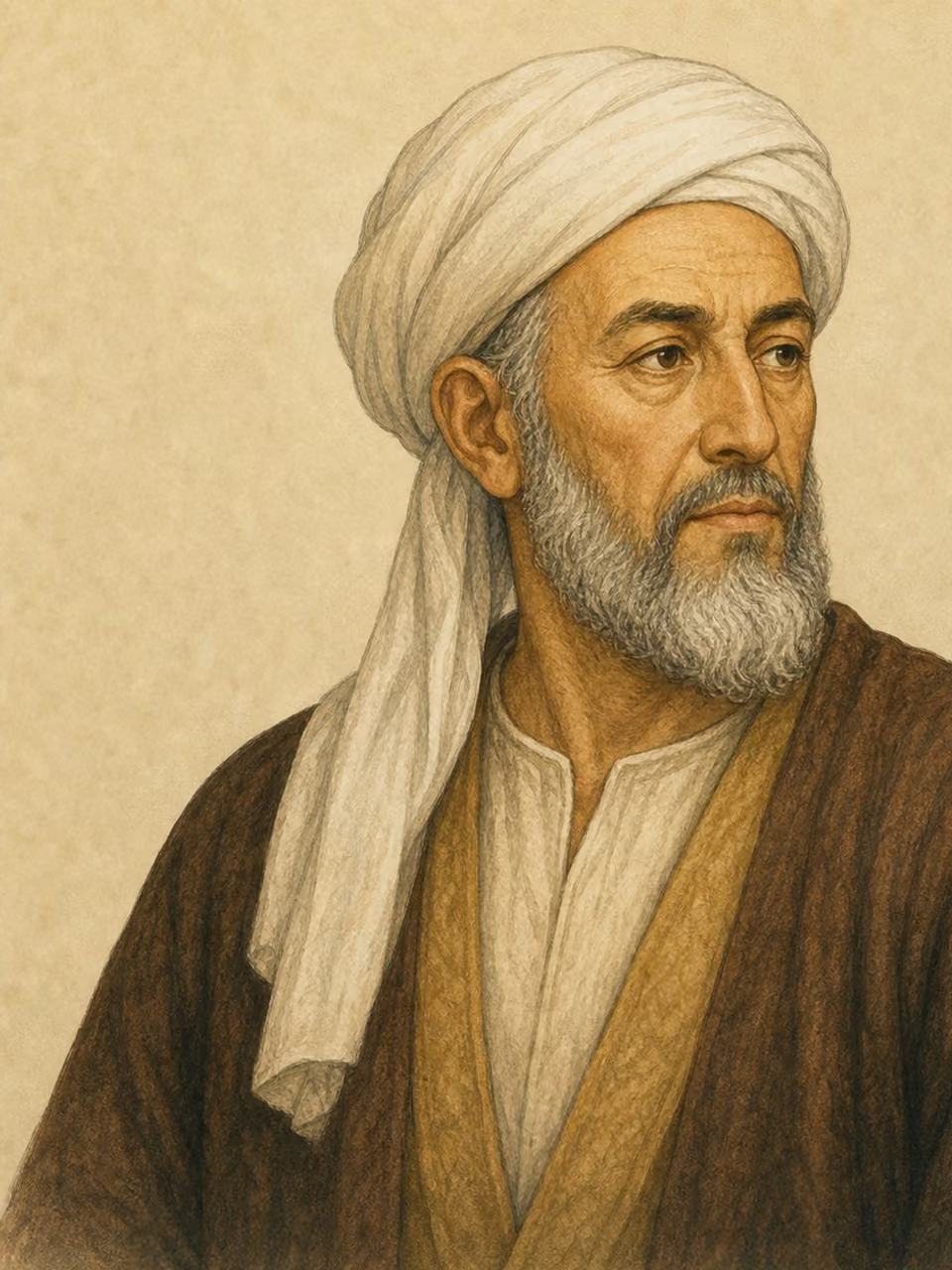
Abu Bakr

Portrait: AI-generated imagined likeness

Abu Bakr

Religious leader · Politician

Years
c. 573–634
Birthplace
Saudi Arabia
Birth polity
Quraysh society in Mecca
Era
Medieval
Field
Religion
Occupations
Religious leader · Politician

The first orthodox caliph of the Islamic community. After Muhammad's death, he unified the community and promoted the unification of the Arabian Peninsula through the Riddah War. He is an important figure in Islamic history.

View in catalog

Historical context

Places

  • Medina

    Work

Events

  • Ridda Wars

    632–633

    War · Leader

Origins

Origins map
Birth country
Birth country
Saudi Arabia

Map: Natural Earth (PD)

Biography

Early life

He was born into the Quraish tribe of Mecca and worked as a merchant. He became an early supporter of Muhammad and gained trust in the process of forming the hijra and community.

Achievements

He became Caliph in 632 and fought against the tribes that defected after Muhammad's death. Although his reign was short, he laid the foundation for the Islamic community to move from a tribal confederation to a regional state.

Character & anecdotes

Also known by the title meaning "honest," their closeness in religious beliefs served as a major support for their political legitimacy. The caliphate had both religious guidance and political integration.

Historical Impact

The period of Abu Bakr shows how the expansion of the Islamic world continued after the death of the Prophet. By studying him, we can understand the process by which faith communities, tribal societies, and nation formation are connected. It also provides clues for thinking about the relationship between institutions and people.