
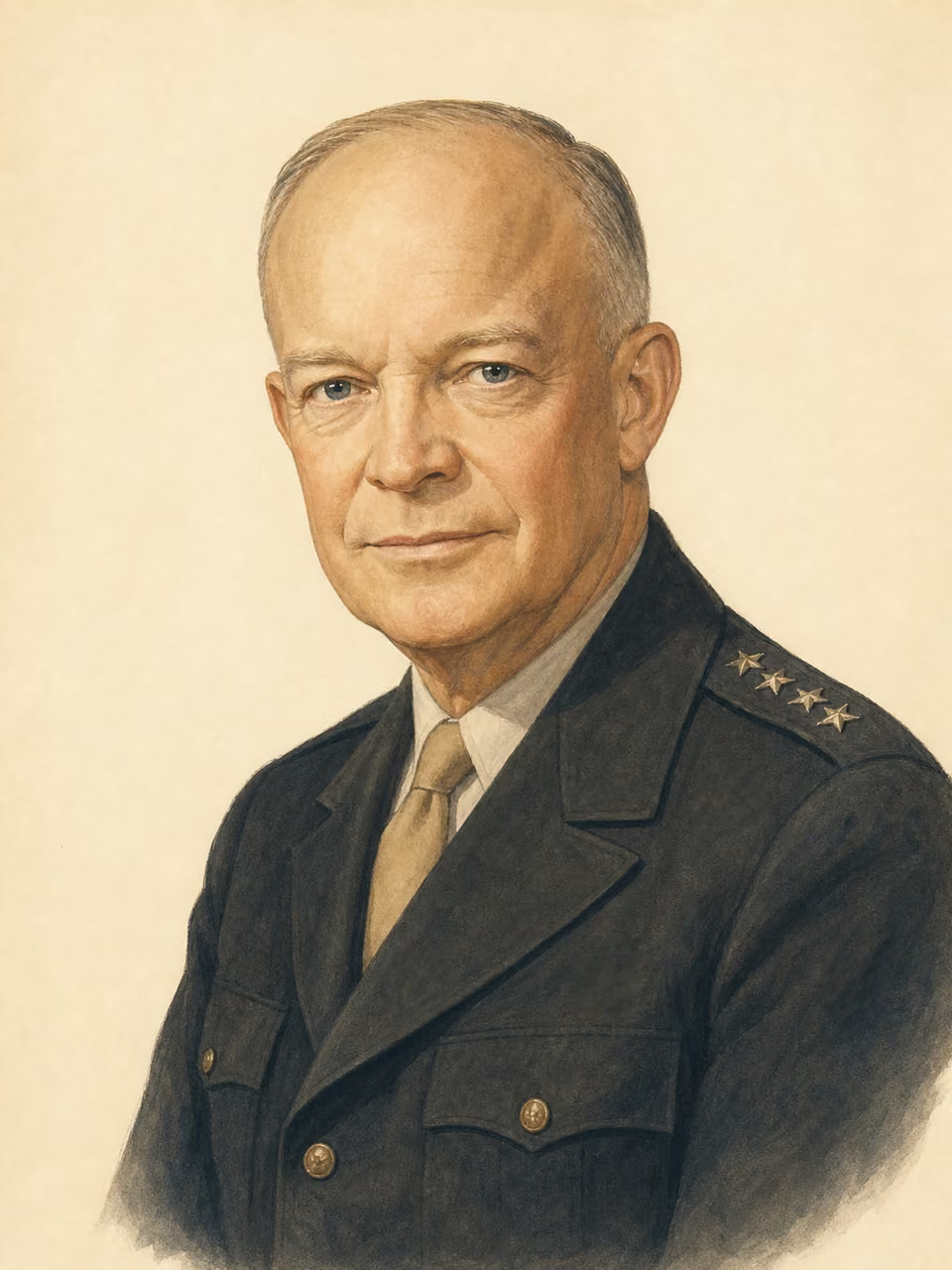
Dwight D. Eisenhower

Portrait: AI-generated imagined likeness

Dwight D. Eisenhower

Politician · Military leader · Writer

Years
1890–1969
Birthplace
United States
Birth polity
United States
Era
Contemporary
Field
Politics
Occupations
Politician · Military leader · Writer

Supreme Commander of the Allied Forces during World War II and later became President of the United States. He is an important figure in reading the postwar international order and the Cold War. It connects local history and world history and provides clues for deciphering changes during the same era.

View in catalog

Historical context

Places

  • Denison, Texas

    Birth

  • Washington, D.C.

    Work

Events

  • Operation Overlord

    1944

    Battle · Commander

  • Early Cold War U.S. presidency

    1953–1961

    Political event · Leader

Origins

Origins map
Birth country
Birth country
United States

Map: Natural Earth (PD)

Biography

Early life

Born in Texas, raised in Kansas. After graduating from a military academy, he became a soldier and was promoted due to his organizational management and coordination skills.

Achievements

He commanded the Normandy landings and greatly contributed to victory in Europe. As president, he was involved in the Korean War armistice, Cold War policy, and highway network development.

Character & anecdotes

In his farewell speech, he spoke of caution against the military-industrial complex. It is known as a word that expresses the power and danger of the Cold War nation of America.

Historical Impact

When you study Eisenhauer, you can see that the military leadership of World War II and postwar superpower politics are connected through one person's career. When you look at the people's activities and works together, it becomes easier to understand the terms in textbooks as concrete historical trends.