
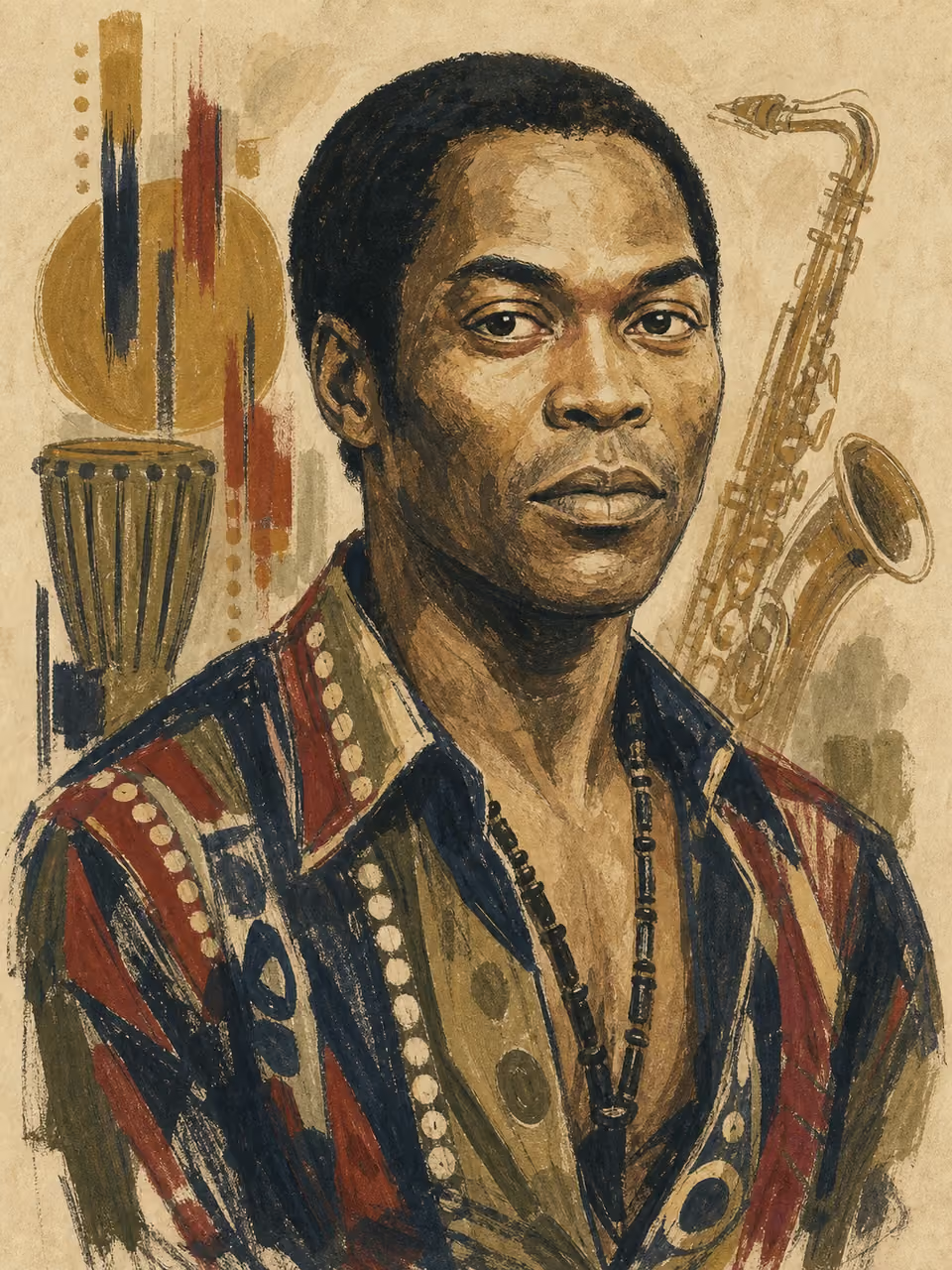
Fela Kuti

Portrait: AI-generated imagined likeness

Fela Kuti

Singer · Composer · Political activist

Years
1938–1997
Birthplace
Nigeria
Birth polity
British Nigeria
Era
Contemporary
Field
Music
Occupations
Singer · Composer · Political activist

After soldiers raided Kalakuta Republic in 1977, Fela Kuti kept returning to the Shrine stage and naming military rule, police violence, and corruption in public. With long grooves, horn lines, and repeated chants, he turned the urban night into a political assembly as much as a concert.

View in catalog

Historical context

Places

  • Abeokuta

    Birth

  • Lagos

    Work

Works & achievements

  • Zombie

    1976

    Music

Events

  • Afrobeat

    Cultural event · Leader

Origins

Origins map
Birth country
Birth country
Nigeria

Map: Natural Earth (PD)

Biography

Early life

Fela Kuti was born in 1938 in Abeokuta, Nigeria. His mother, Funmilayo Ransome-Kuti, was a prominent women's rights activist, and his own musical formation drew on study in London, jazz, highlife, Yoruba music, and radical politics.

Achievements

Leading bands such as Africa 70 and Egypt 80, Fela developed Afrobeat through extended grooves, horns, call and response, and politically direct lyrics. From the Shrine and Kalakuta Republic in Lagos, he attacked military government, police violence, oil wealth, and the failures of postcolonial power.

Character & anecdotes

In 1977 soldiers raided Kalakuta Republic, assaulting Fela and many around him; his mother was also gravely injured. Even after repeated arrests and repression, he kept music, public performance, and political defiance tightly linked.

Historical Impact

Fela changed popular music by making Afrobeat a durable form of political argument, one that traveled from Nigeria into protest cultures across Africa and the diaspora. Later musicians inherited not only a sound, but also a public stance: the expectation that the bandstand could become a place to confront state power directly.

Notes

Anikulapo, the name he later used, comes from Yoruba.