
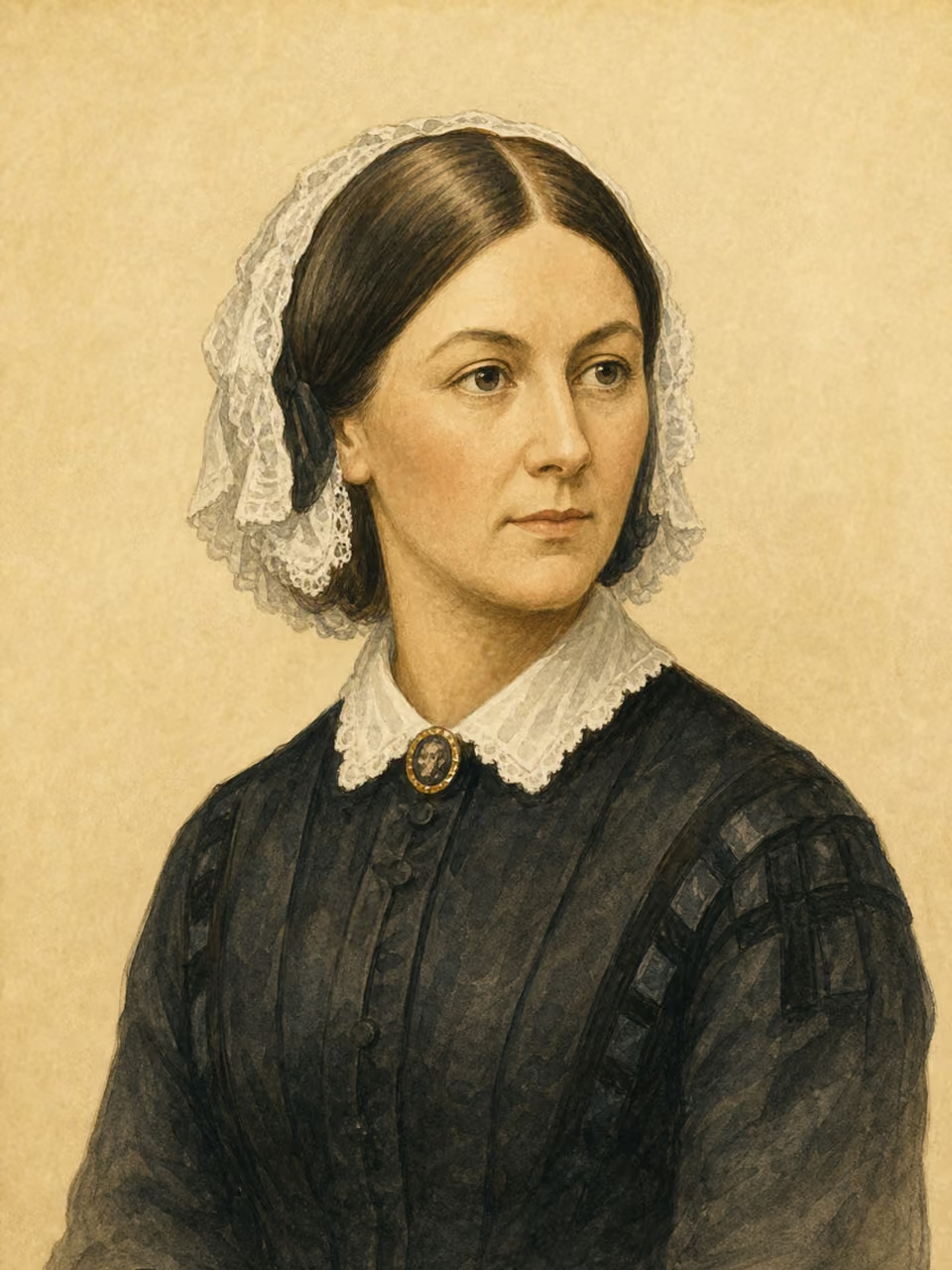
Florence Nightingale

Portrait: AI-generated imagined likeness

Florence Nightingale

Nurse · Statistician

Years
1820–1910
Birthplace
Italy
Birth polity
Grand Duchy of Tuscany
Era
Modern
Field
Medicine
Occupations
Nurse · Statistician

During the Crimean War, Nightingale confronted chaotic hospitals and turned bedside care into a wider campaign for sanitation, record keeping, and institutional reform. After the war she used statistical diagrams, reports, and relentless correspondence to pressure the army and government, so the famous lamp-lit rounds became only one episode in a much larger administrative project.

View in catalog

Historical context

Places

  • Florence

    Birth

  • Scutari

    Work

  • London

    Work

Works & achievements

  • Notes on Nursing

    1859

    Book

Events

  • Crimean War

    1853–1856

    War · Participant

Origins

Origins map
Birth countryAssociated countries
Birth country
Italy
Associated countries
United Kingdom · Türkiye

Map: Natural Earth (PD)

Biography

Early life

Florence Nightingale was born in Florence in 1820 to a wealthy British family and grew up against expectations that a woman of her class should not pursue nursing. Her sense of vocation pushed her toward practical medical training and close observation of institutions rather than ornamental charity alone.

Achievements

During the Crimean War she became famous for organizing nursing care and pressing for major improvements in sanitation and hospital conditions. After the war she used statistics, reports, and visual presentation of data to argue for reform, while helping establish training structures that professionalized nursing.

Character & anecdotes

The image of the Lady with the Lamp captured public imagination, but it can flatten Nightingale into a symbol of bedside compassion alone. In reality she was also an administrator, analyst, and relentless correspondent who continued shaping policy long after her most visible public moment.

Historical Impact

Nightingale mattered because she helped convert nursing from charitable femininity into trained professional labor tied to public health, education, and measurable outcomes. Her work also changed how states thought about hospital management, military medicine, and the authority of data in reform, even as later memory often softened that harder institutional edge.