
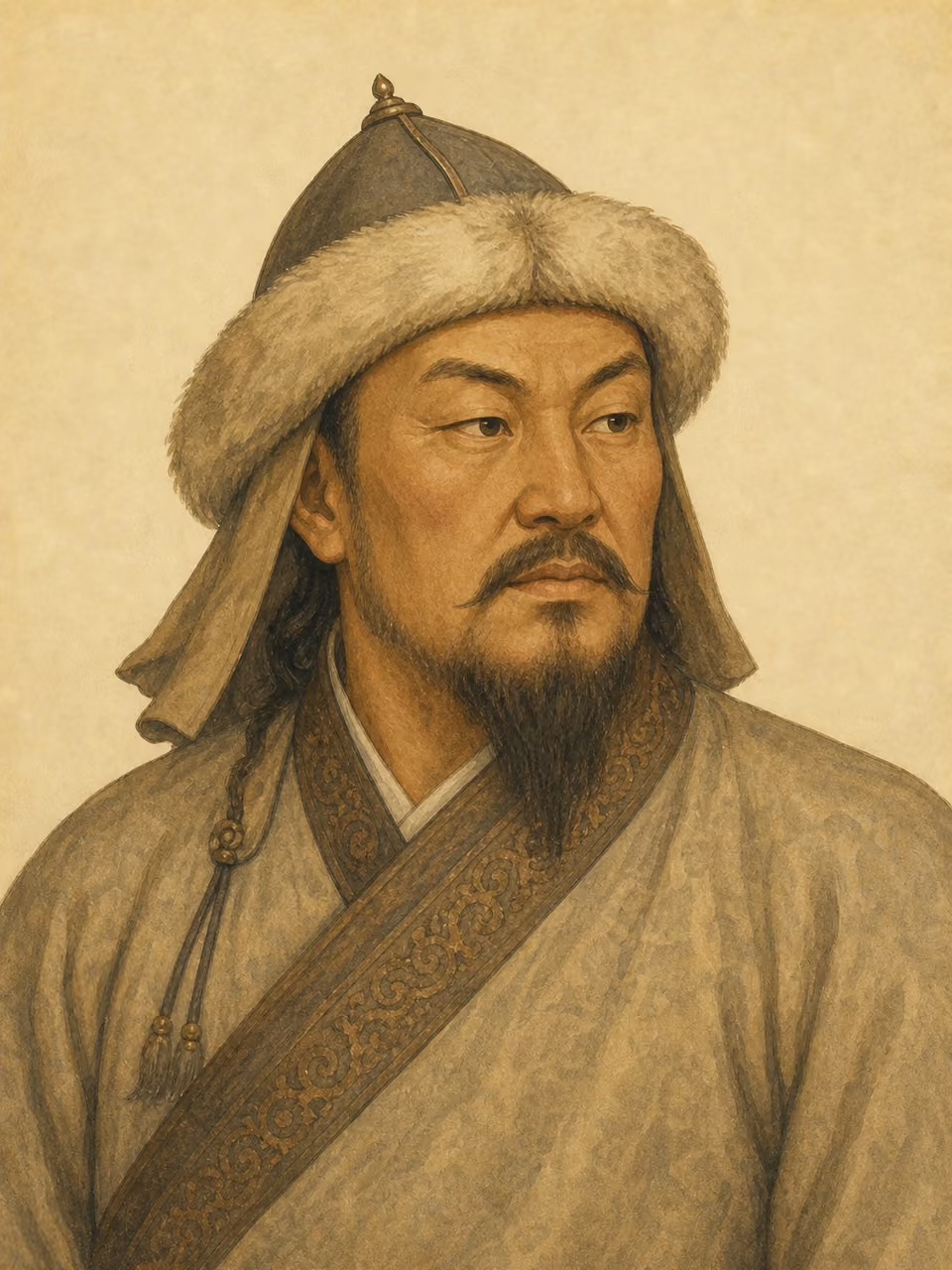
Genghis Khan

Portrait: AI-generated imagined likeness

Genghis Khan

Monarch · Military leader

Years
c. 1162–1227
Birthplace
Mongolia
Birth polity
Mongol tribal confederations
Era
Medieval
Field
Military
Occupations
Monarch · Military leader

From a childhood marked by his father's death and the insecurity of steppe politics, Temujin rose through alliance, conflict, and personal authority until he could reorganize the Mongol world under the title Genghis Khan. Once that coalition held, conquest moved outward on a scale that permanently altered the political map of Eurasia.

View in catalog

Historical context

Places

  • Deluun Boldog

    Birth

Events

  • Founding of the Mongol Empire

    1206

    Political event · Leader

  • Mongol invasions and conquests

    1206–1227

    War · Commander

Origins

Origins map
Birth country
Birth country
Mongolia

Map: Natural Earth (PD)

Biography

Early life

Born as Temujin, probably around 1162, he emerged from a childhood marked by the loss of his father and the insecurity of steppe politics. Through alliances, warfare, and personal authority, he rose from local struggle to supremacy among the Mongol tribes.

Achievements

After receiving the title Genghis Khan in 1206, he reorganized his followers into a disciplined military-political order and launched campaigns that transformed northern China, Central Asia, and the wider steppe. The institutions he built outlasted his lifetime and enabled later Mongol expansion on a vast scale.

Character & anecdotes

Tradition remembers him both as an exceptionally ruthless conqueror and as a leader who rewarded loyalty, skill, and usefulness more than inherited rank. Even basic details such as his birth year remain debated, which reminds historians how uneven the evidence can be.

Historical Impact

The campaigns launched under his name brought immense destruction, but they also helped create a transcontinental imperial order that reworked trade, diplomacy, communications, and military organization across Eurasia. Debates about empire, mobility, and East-West contact in the medieval world almost always return to the structures made possible by Genghis Khan and his successors.