
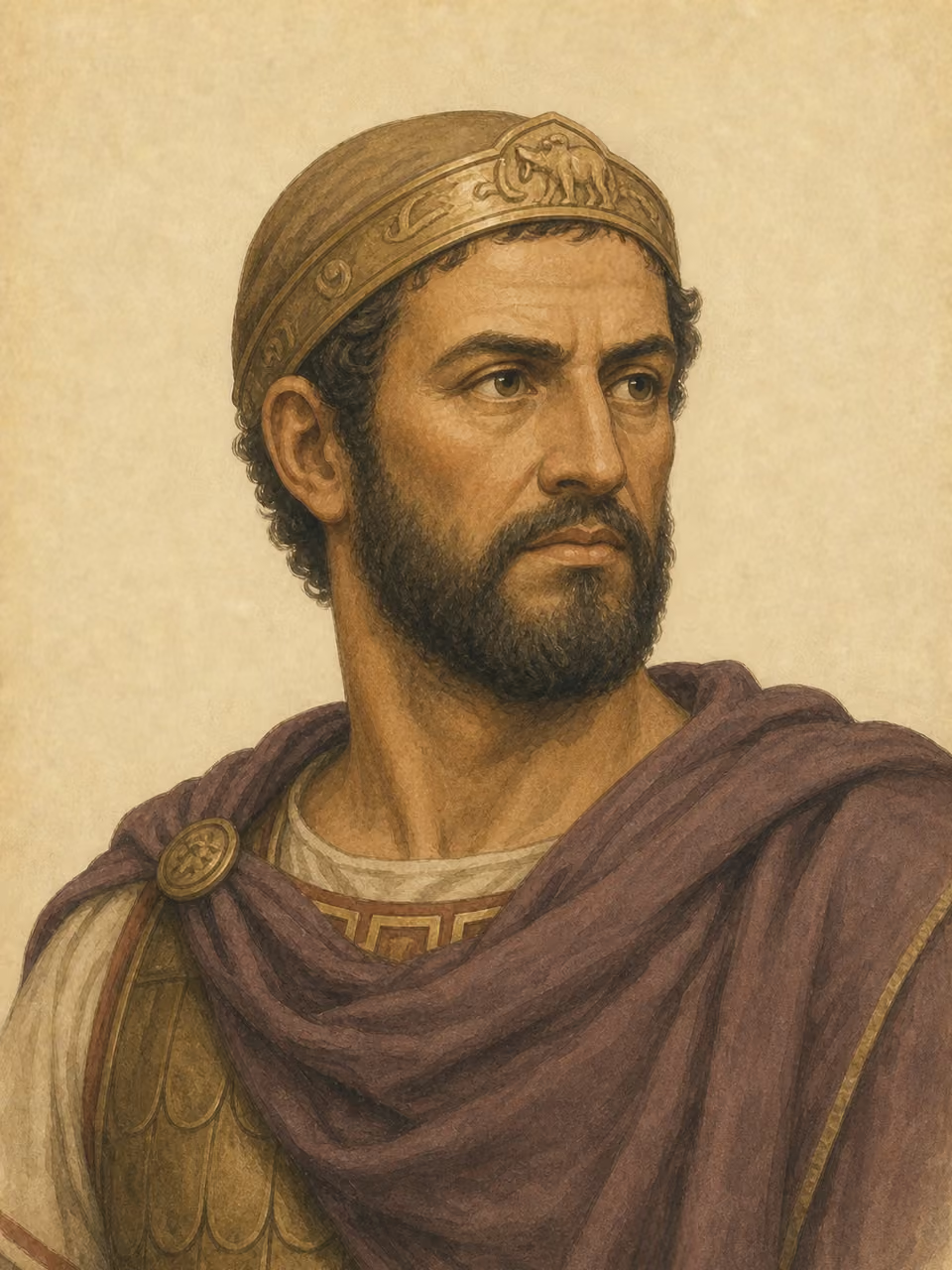
Hannibal

Portrait: AI-generated imagined likeness

Hannibal

Military leader

Years
c. 247 BC–c. 183 BC
Birthplace
Tunisia
Birth polity
Carthage
Era
Ancient
Field
Military
Occupations
Military leader

Hannibal entered legend by leading an army over the Pyrenees and Alps into Italy, forcing Rome to confront a war on its own doorstep. The encirclement at Cannae in particular made him the model of a commander who could turn speed, terrain, and timing into a devastating battlefield trap.

View in catalog

Historical context

Places

  • Carthage

    Birth

Events

  • Second Punic War

    218 BC–201 BC

    War · Commander

  • Battle of Cannae

    216 BC

    Battle · Commander

Origins

Origins map
Birth country
Birth country
Tunisia

Map: Natural Earth (PD)

Biography

Early life

Hannibal was born around 247 BCE into the Barcid family, the military-political house that dominated Carthaginian expansion in Iberia. Ancient tradition connects his upbringing closely to his father Hamilcar and to a long rivalry with Rome.

Achievements

He launched the war that followed the attack on Saguntum and carried an army across the Pyrenees and Alps into Italy. Victories at the Trebia, Lake Trasimene, and especially Cannae made him one of antiquity's most studied battlefield commanders.

Character & anecdotes

Roman memory turned Hannibal into the very image of strategic danger. After eventual defeat by Scipio at Zama, he moved through exile politics in the eastern Mediterranean and was said to have taken poison rather than be surrendered to Rome.

Historical Impact

Later military study kept returning to Hannibal for lessons in mobility, logistics, deception, and the tactical possibilities of double envelopment. His career also became a classic warning that even repeated battlefield brilliance may fail to deliver a durable political settlement, which is why he remains central to discussions of Roman state formation as well as strategy.

Notes

Because so much evidence survives from Roman authors, historians read the tradition with attention to bias and rhetorical shaping.