
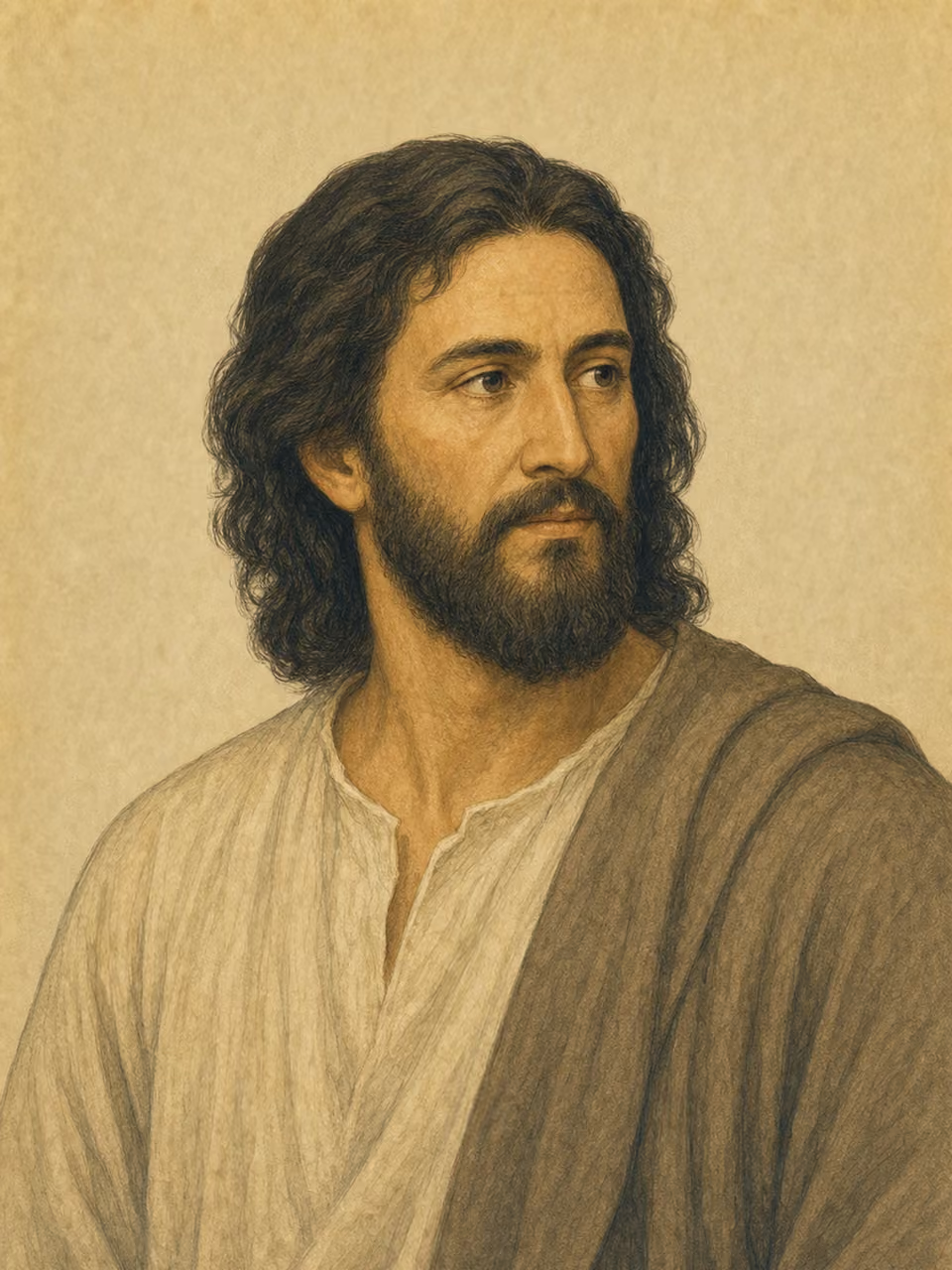
Jesus Christ

Portrait: AI-generated imagined likeness

Jesus Christ

Religious leader · Spiritual teacher · Teacher

Years
c. 6 BC–c. 30
Birthplace
Palestine
Birth polity
Herodian Judea
Era
Ancient
Field
Religion
Occupations
Religious leader · Spiritual teacher · Teacher

A religious teacher who was active in Jewish society in the first century, and who was later positioned as a central figure in Christianity. He preached in Roman-controlled Palestine, and a movement of followers spread after his execution. He is one of the most important figures in the history of world religions.

View in catalog

Historical context

Places

  • Bethlehem

    Birth

  • Galilee

    Work

  • Jerusalem

    Death

Events

  • Early Christianity

    Movement · Subject

  • Roman Judea

    Political event · Context

Origins

Origins map
Birth countryAssociated countries
Birth country
Palestine
Associated countries
Israel

Map: Natural Earth (PD)

Biography

Early life

According to tradition, he was born in Bethlehem and raised in Nazareth in Galilee. The background was a society in which the rule of the Herodian and Roman empires, the activities of various Jewish sects, and eschatological expectations intermingled.

Achievements

He is said to have preached the kingdom of God, repentance, and love for one's neighbor, and was active in helping the sick and poor. After being crucified in Jerusalem by the Roman authorities, the movement expanded through the preaching of his disciples.

Character & anecdotes

The Gospels are the main sources that tell the story of Jesus' life, and it is necessary to distinguish between their character as religious documents and their reading as historical documents. Historical research focuses on the context of Jewish society and Roman rule at the time.

Historical Impact

When you learn about Christ, you can see how Christianity spread from a movement within Judaism to the Mediterranean world, and had a great influence on the formation of the Roman Empire and European culture. It serves as a starting point for considering long-term effects on religion, politics, art, the calendar, and ethics.