
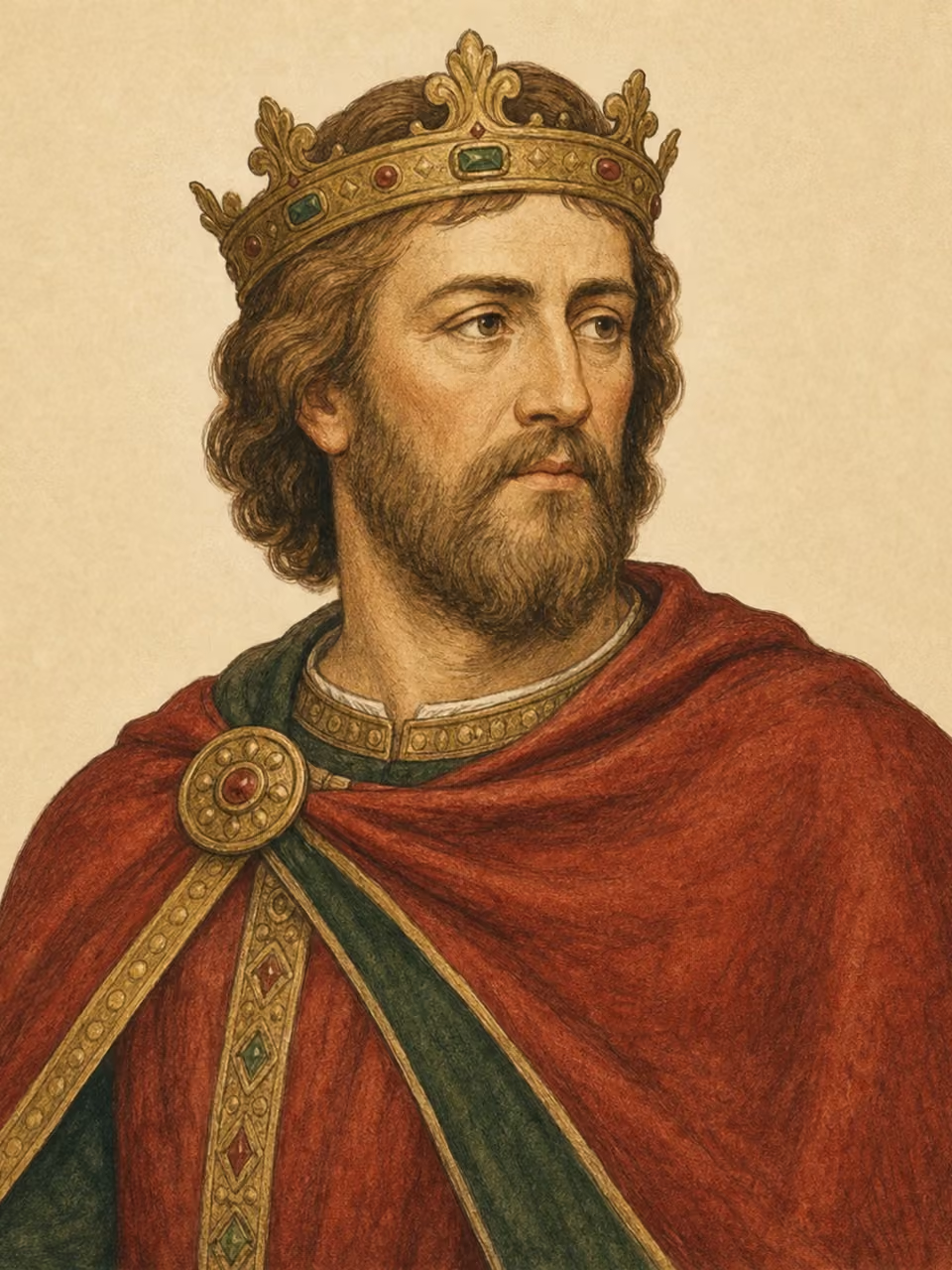
John, King of England

Portrait: AI-generated imagined likeness

John, King of England

Monarch · Politician

Years
1166–1216
Birthplace
United Kingdom
Birth polity
Kingdom of England
Era
Medieval
Field
Politics
Occupations
Monarch · Politician

Medieval king of England. Conflict with nobles over the loss of French lands and heavy taxation forced him to accept Magna Carta. He is important for thinking about the relationship between royal power and law.

View in catalog

Historical context

Places

  • Runnymede

    Work

Events

  • Magna Carta

    1215

    Political event · Subject

Origins

Origins map
Birth countryAssociated countries
Birth country
United Kingdom
Associated countries
France

Map: Natural Earth (PD)

Biography

Early life

Born into the Plantagenet family, he grew up under the influence of his father Henry II and brother Richard I. Complex politics around succession and continental lands showed early the difficulties of rule.

Achievements

As king he fought Philip II of France but lost much of his continental territory, including Normandy. Taxation to rebuild finances provoked noble opposition, and in 1215 he accepted Magna Carta.

Character & anecdotes

The name Lackland aptly reflects his reputation as a king who lost continental possessions. He is often cast as a villain in stories, but in institutional history he is important as a trigger for limiting royal power.

Historical Impact

King John's failures strengthened the idea that a king's commands were bound by law and custom. Magna Carta was repeatedly reinterpreted and became a symbol in histories of parliamentary government and rights. He is also a guide to thinking about the relationship between institutions and individuals.