
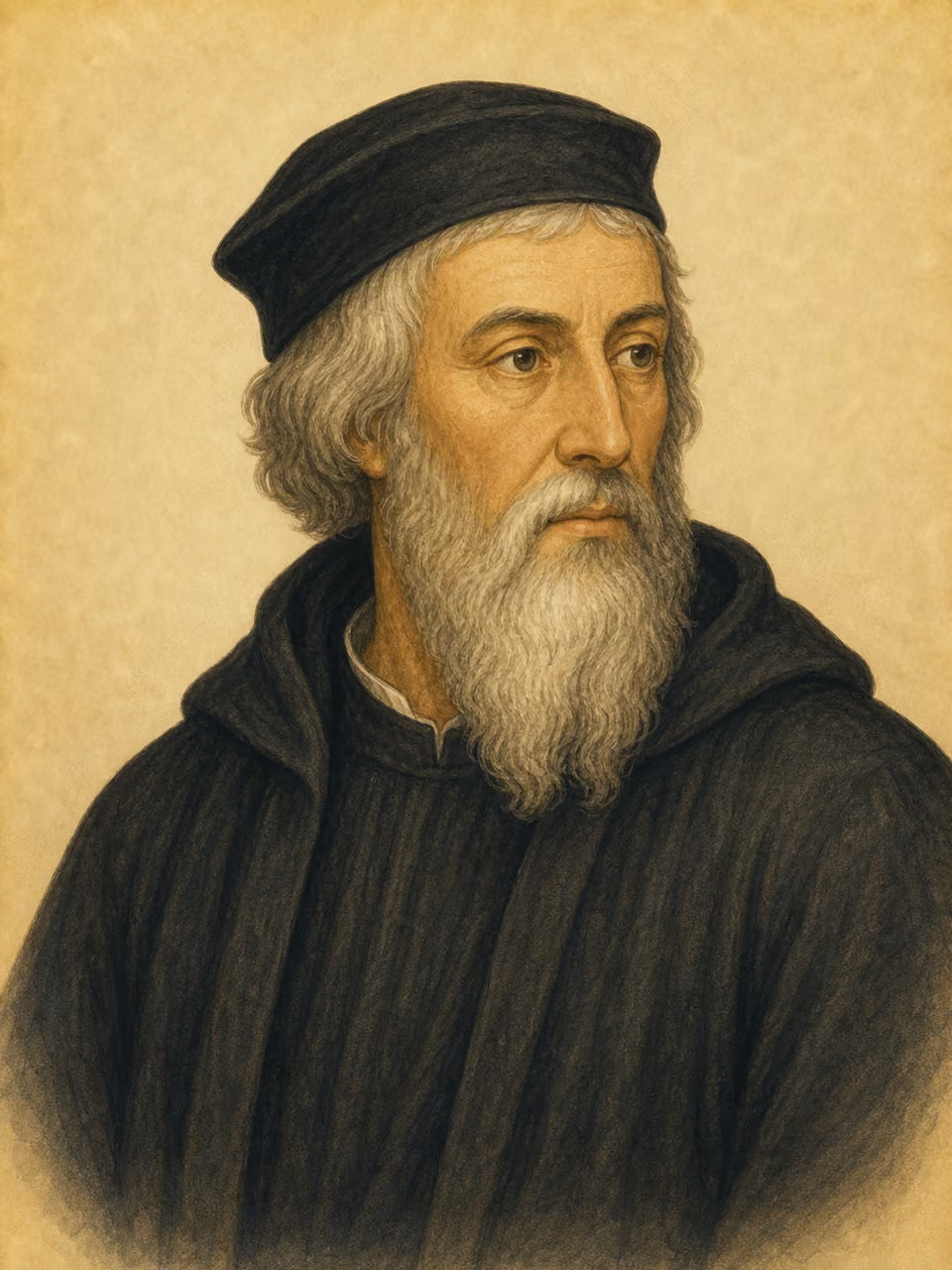
John Wycliffe

Portrait: AI-generated imagined likeness

John Wycliffe

theologian · Philosopher · translator · Writer · Religious leader

Years
c. 1320–1385
Birthplace
United Kingdom
Birth polity
Kingdom of England
Era
Medieval
Field
Religion
Occupations
theologian · Philosopher · translator · Writer · Religious leader

English theologian. He was involved in the movement of criticizing the church and translating the Bible into English, and is considered a pioneer of religious reform. He is a person who reads church reform thought at the end of the Middle Ages.

View in catalog

Historical context

Places

  • Yorkshire

    Birth

  • Oxford

    Education

Works & achievements

  • Wycliffe Bible

    Book

Events

  • Lollardy

    1370–1385

    Movement · Leader

Origins

Origins map
Birth country
Birth country
United Kingdom

Map: Natural Earth (PD)

Biography

Early life

Born in Yorkshire, he studied theology at Oxford. He was active in England at the end of the Middle Ages, where the relationship between papal power, church property, and royal power was hotly debated.

Achievements

He criticized the wealth of the church and the authority of the clergy, and emphasized the significance of reading the Bible in the language of the people. His ideas were inherited by the Lollards and later influenced the Hussites and the Reformation.

Character & anecdotes

After Wycliffe's death, his ideas were considered heretical, and his remains were exhumed and disposed of. This anecdote shows that his ideas were feared politically and religiously even after his death.

Historical Impact

When we study Wycliffe, we find that criticism of church authority and demands for Bible translation existed even before the Reformation. This is important in understanding the continuity from the late Middle Ages to early modern religious reform. It can also be used for comparison with surrounding areas from the same era.