
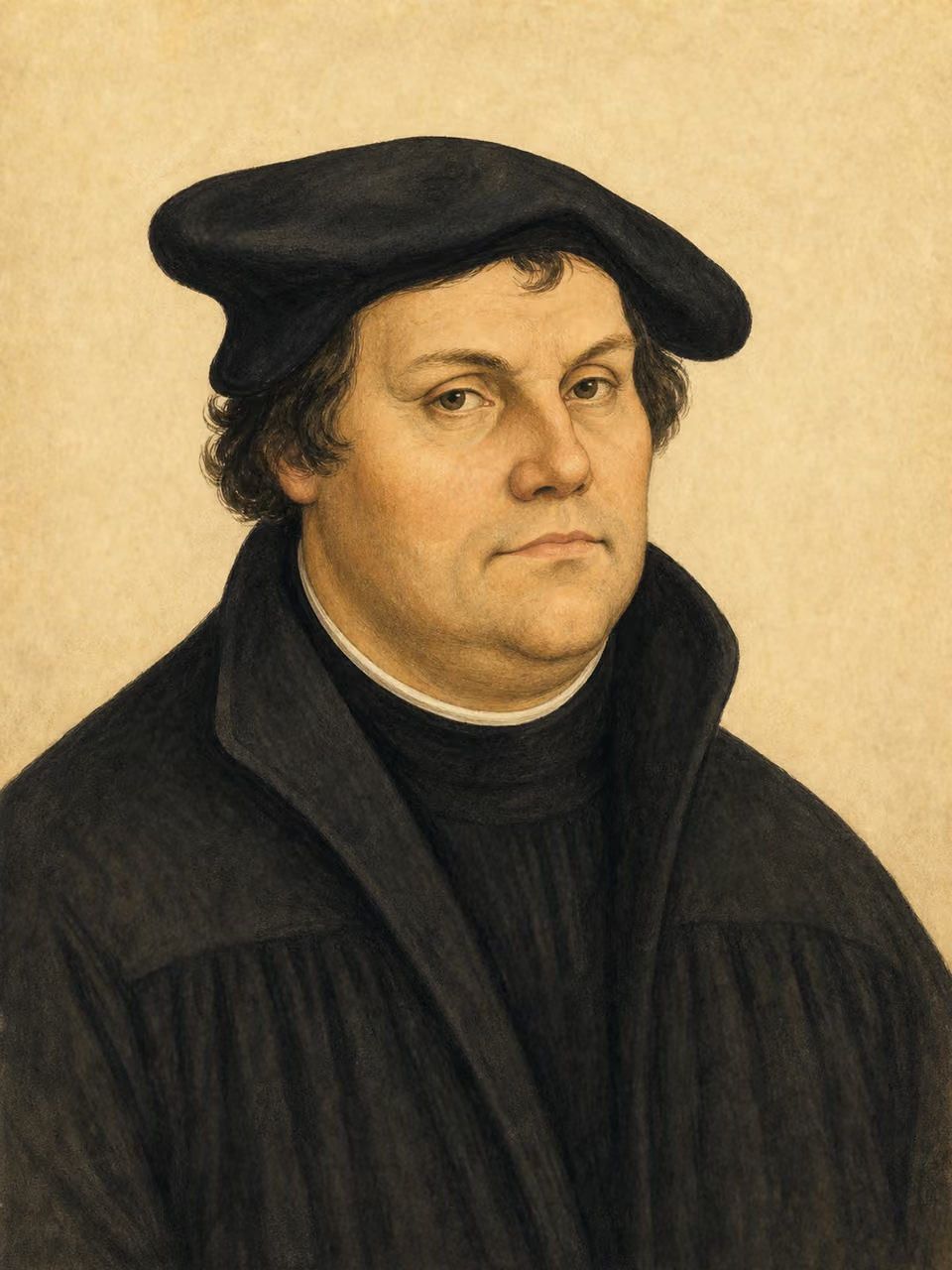
Martin Luther

Portrait: AI-generated imagined likeness

Martin Luther

Religious leader · Writer

Years
1483–1546
Birthplace
Germany
Birth polity
Holy Roman Empire
Era
Early modern
Field
Religion
Occupations
Religious leader · Writer

When Luther circulated the Ninety-Five Theses against indulgence preaching in 1517, a university dispute quickly became a continental crisis about authority, salvation, and the church's right to mediate grace. His refusal to recant at Worms and his period at Wartburg, where he pushed forward a German Bible translation, turned theological controversy into a print-driven movement with mass social reach.

View in catalog

Historical context

Places

  • Eisleben

    Birth

  • Wittenberg

    Work

Works & achievements

  • Ninety-five Theses

    1517

    Essay

Events

  • Diet of Worms

    1521

    Trial · Subject

  • Protestant Reformation

    1517–

    Movement · Leader

Origins

Origins map
Birth country
Birth country
Germany

Map: Natural Earth (PD)

Biography

Early life

Born in 1483, Martin Luther first studied law before entering monastic life and turning toward theology. Teaching at Wittenberg, he became preoccupied with sin, grace, scripture, and the problem of how divine justice should be understood within Christian life.

Achievements

His criticism of indulgences in 1517 developed into a broader reform movement centered on justification by faith and the priority of scripture. His German Bible translation, sermons, and polemical writings gave the movement a linguistic and social reach far beyond the university world.

Character & anecdotes

After the Diet of Worms he spent time under protection at Wartburg Castle, where his translation work accelerated. The spread of printing made Luther a new kind of public religious figure, but it also amplified the harder edges of his rhetoric and the conflicts that followed.

Historical Impact

Luther reshaped Europe because his challenge fractured Latin Christendom and helped reorder institutions of worship, schooling, literacy, and political allegiance. That legacy is not simply emancipatory: later confessional conflict and the afterlife of Luther's own harsh polemics, including antisemitic writings, keep his place in history sharply contested.