
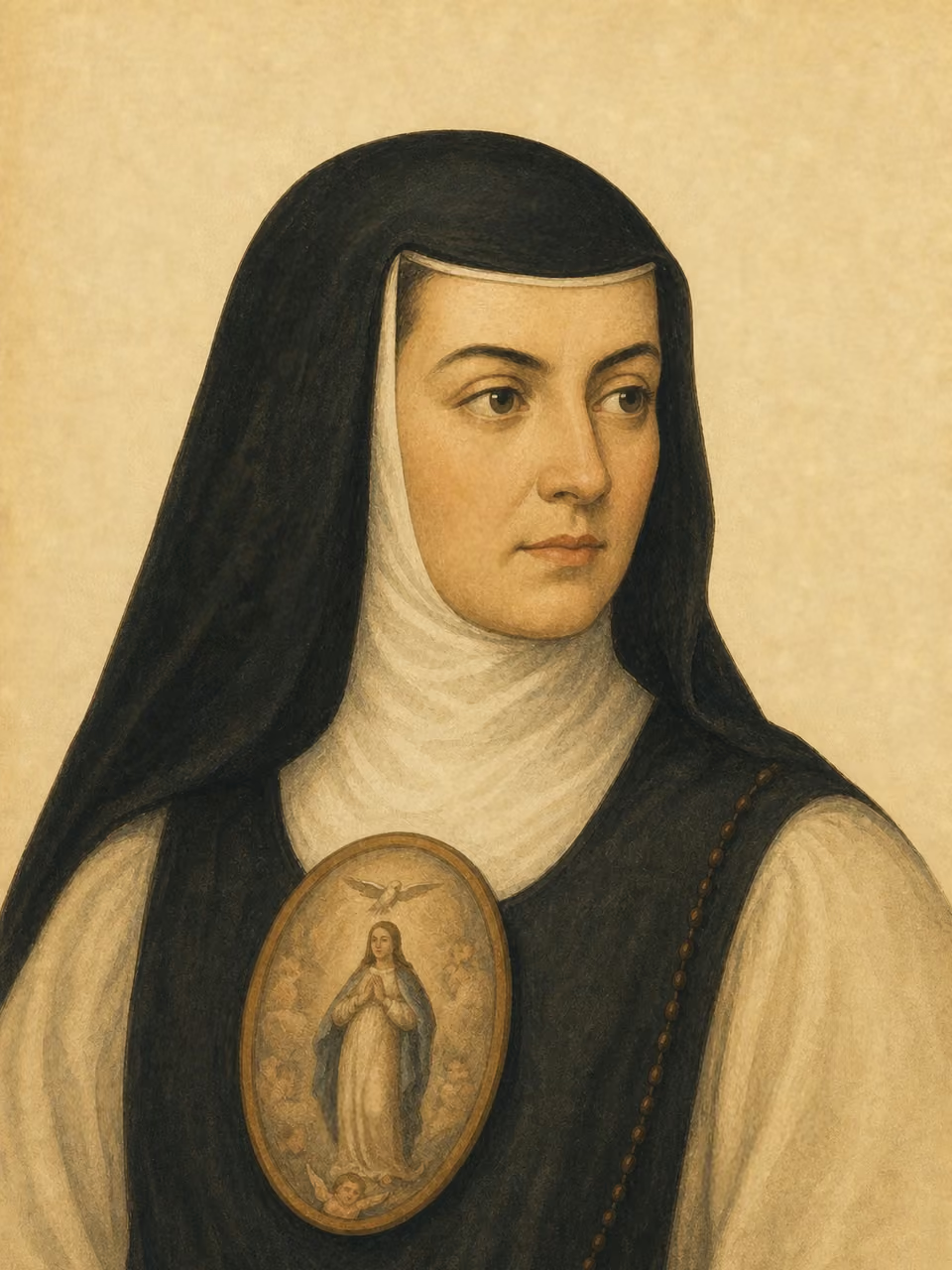
Sor Juana Inés de la Cruz

Portrait: AI-generated imagined likeness

Sor Juana Inés de la Cruz

Writer · Poet · Philosopher · Composer

Years
c. 1648–1695
Birthplace
Mexico
Birth polity
New Spain
Era
Early modern
Field
Literature
Occupations
Writer · Poet · Philosopher · Composer

After impressing the viceregal court with her intellect, Sor Juana chose convent life as the only durable setting in which she could keep reading, collecting books, writing plays, and entering learned debate. The crucial episode was her Reply to Sor Filotea, where she defended women's right to study under pressure from ecclesiastical authority and turned a public reprimand into one of the great prose defenses of intellectual freedom in the colonial world.

View in catalog

Historical context

Places

  • San Miguel Nepantla

    Birth

  • Mexico City

    Work

Works & achievements

  • Primero Sueno

    c. 1692

    Poem

  • Respuesta a Sor Filotea

    1691

    Essay

Origins

Origins map
Birth country
Birth country
Mexico

Map: Natural Earth (PD)

Biography

Early life

Sor Juana was probably born in 1648 near Nepantla in New Spain and showed extraordinary intellectual appetite from childhood. Life in a convent offered her not withdrawal from thought, but a workable setting in which reading, writing, music, and scholarly exchange could continue.

Achievements

She wrote poetry, drama, devotional works, and prose of remarkable wit and formal control. Her Reply to Sor Filotea became especially important because it defended women's right to study and think, while her broader corpus secured her place among the great authors of the Baroque Hispanic world.

Character & anecdotes

Accounts of her convent cell describe a space filled with books, instruments, and intellectual activity. The later pressure that pushed her away from public literary controversy has become almost as famous as the works themselves, because it exposes the limits placed on female erudition in colonial society.

Historical Impact

Sor Juana's importance reaches beyond brilliant Baroque style. She became a lasting point of reference for Mexican literary history, Spanish-language feminism, and the study of colonial power because she showed how claims about learning, obedience, and gender were fought out inside religious institutions rather than outside them.