
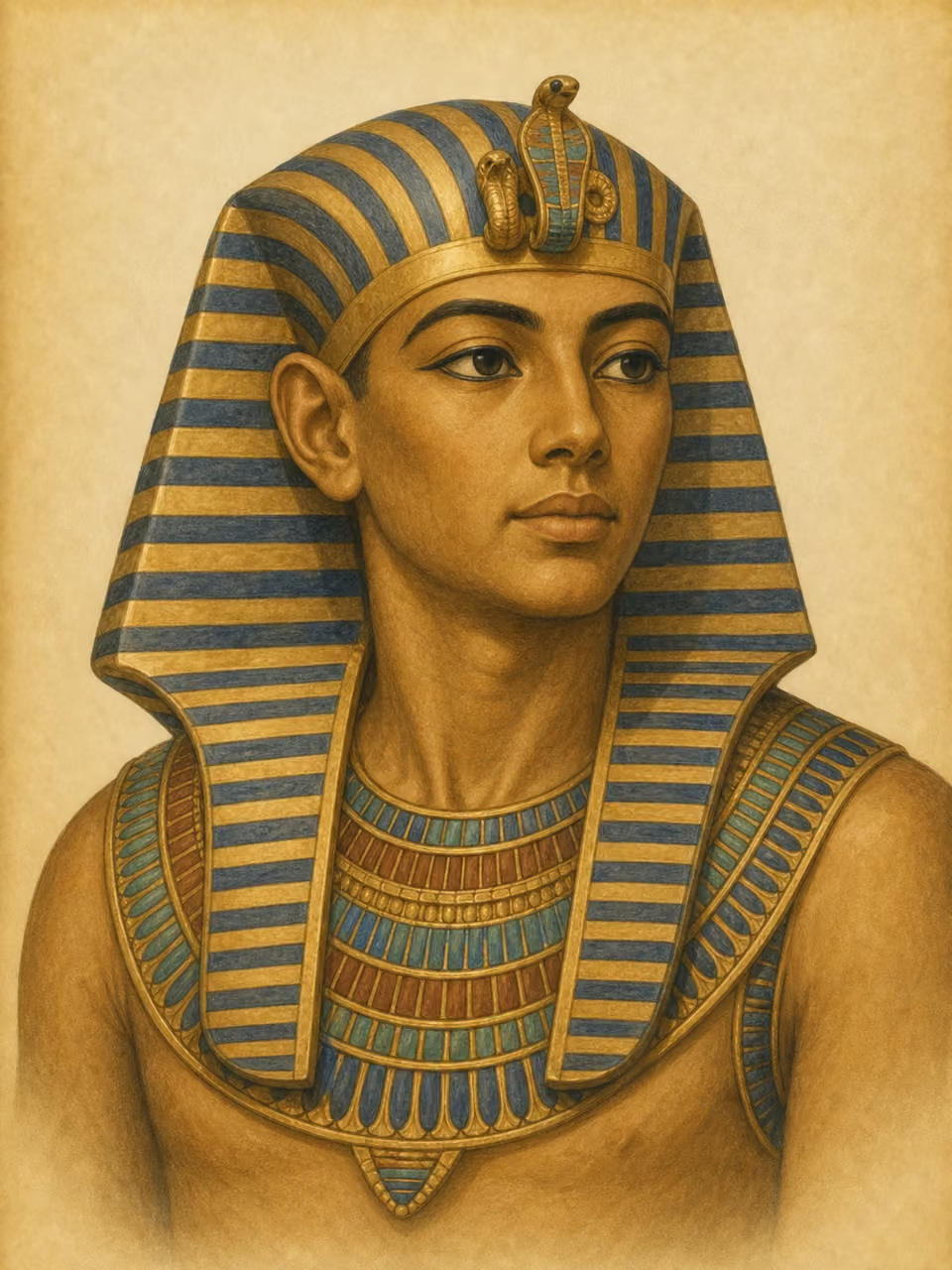
Tutankhamun

Portrait: AI-generated imagined likeness

Tutankhamun

Monarch

Years
c. 1343 BC–c. 1324 BC
Birthplace
Egypt
Birth polity
New Kingdom of Egypt
Era
Ancient
Field
Politics
Occupations
Monarch

A young pharaoh of the New Kingdom of ancient Egypt, known worldwide for the discovery of a nearly complete royal tomb. More than its political achievements, it is important for understanding royal culture and archaeological history. It also serves as the starting point for museum culture.

View in catalog

Historical context

Places

  • Amarna

    Birth

  • Valley of the Kings

    Death

Events

  • Discovery of Tutankhamun's tomb

    1922

    Cultural event · Subject

Origins

Origins map
Birth country
Birth country
Egypt

Map: Natural Earth (PD)

Biography

Early life

He was born into a royal family during the Amarna era and ascended to the throne at a young age. Amidst the turmoil following Akhenaten's religious reform, a return to traditional gods was promoted.

Achievements

Although his political achievements were limited due to his short reign, he was involved in changing the king's name and restoring religious order. The discovery of the tomb in 1922 clearly conveyed the material culture of ancient Egyptian kingship.

Character & anecdotes

Tutankhamun's golden mask is a famous symbol of ancient Egypt, but he was not a great king himself. This is an example of how an archaeological discovery significantly changed a person's popularity.

Historical Impact

When you study Tutankhamun, you realize that his historical importance is not only created by his political accomplishments, but also by the state of preservation of his artifacts and the history of excavations. You can also understand the formation of ancient Egyptian statues. You can also see the process by which archeology influences popular culture.