
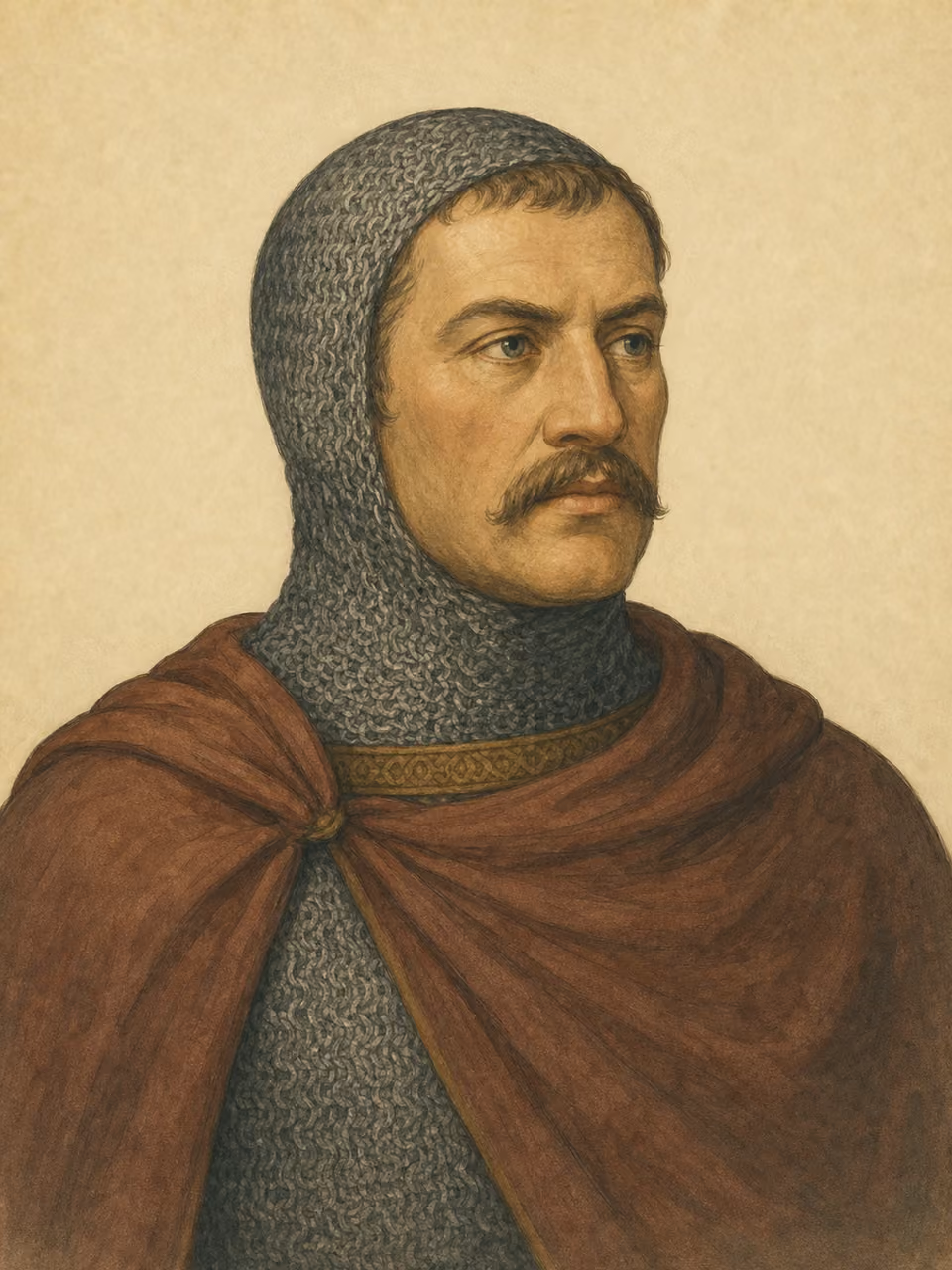
William the Conqueror

Portrait: AI-generated imagined likeness

William the Conqueror

Monarch · Military commander

Years
1028–1087
Birthplace
France
Birth polity
Duchy of Normandy
Era
Medieval
Field
Military
Occupations
Monarch · Military commander

Duke of Normandy who conquered England in 1066. The Norman Conquest brought major changes to England's royal power, aristocracy, language and culture. It became a reference point for medieval Western European history.

View in catalog

Historical context

Places

  • Falaise

    Birth

  • England

    Campaign

Events

  • Norman Conquest

    1066–1071

    War · Commander

Origins

Origins map
Birth countryAssociated countries
Birth country
France
Associated countries
United Kingdom

Map: Natural Earth (PD)

Biography

Early life

He was born into a Normandy family and succeeded to the throne at a young age. Norman society in northwestern France was based on a warrior aristocracy and feudal master-servant relationships.

Achievements

He defeated Harold II at the Battle of Hastings and became King of England. They proceeded with land surveys and castle construction, establishing governance by the Norman ruling class.

Character & anecdotes

The Domesday Book, created after the Conquest, was a powerful governing technique for keeping track of land and rights. This is an example of military conquest leading to administrative reform.

Historical Impact

When we study William I, we learn that medieval England was strongly connected to continental Europe, and that it had a long-term influence on the English language and legal system. He is an important figure in thinking about the relationship between nation formation and conquest. It is also possible that it will have an impact on the institutions and memories of later generations.