
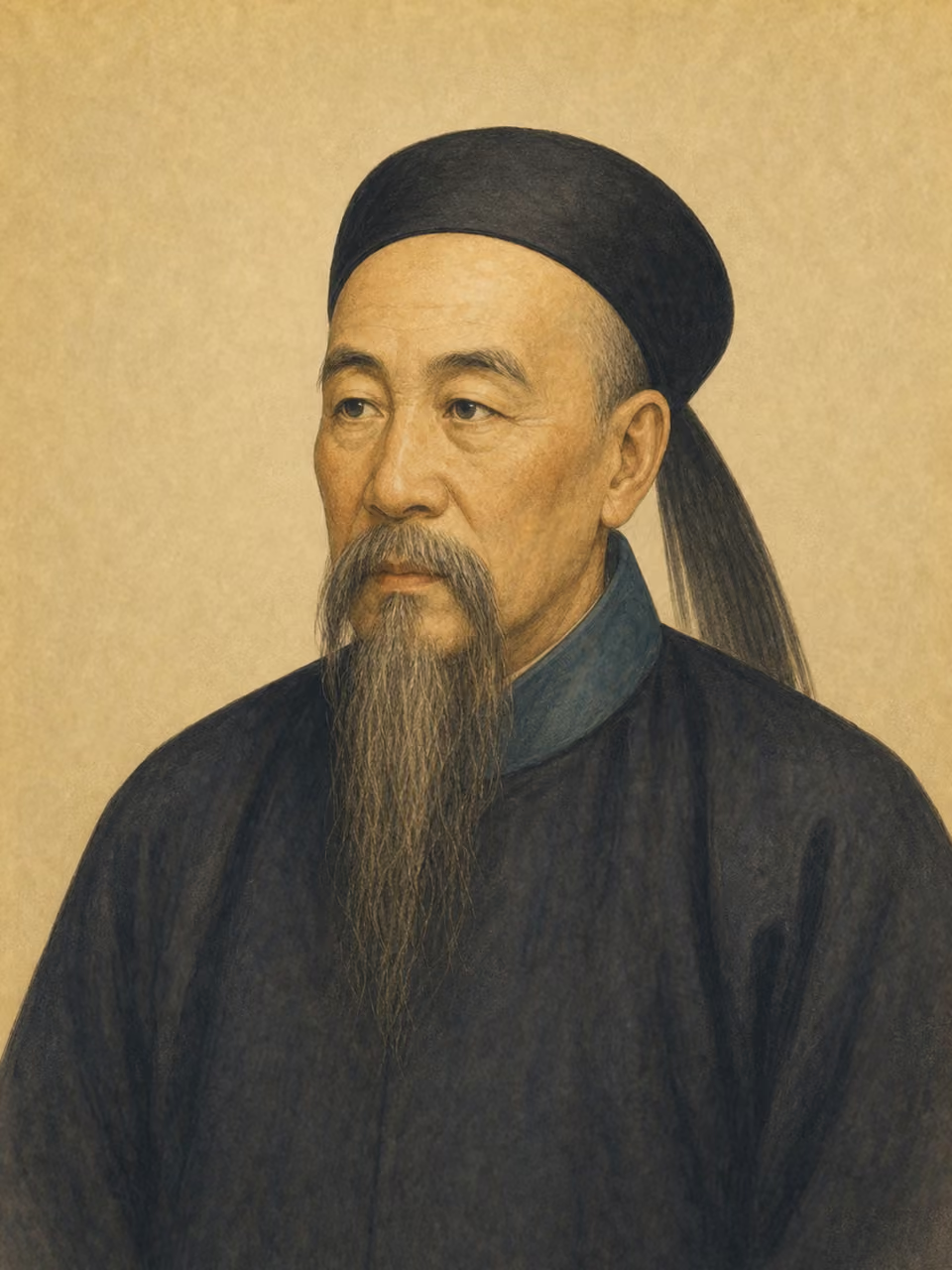
Zeng Guofan

Portrait: AI-generated imagined likeness

Zeng Guofan

Politician · Writer · Military leader

Years
1811–1872
Birthplace
China
Birth polity
Qing dynasty
Era
Modern
Field
Military
Occupations
Politician · Writer · Military leader

He was a bureaucrat and military leader in the late Qing Dynasty who organized the Xiang Army and was heavily involved in suppressing the Taiping Rebellion. It strengthened the power of local bureaucrats and supported the rebuilding of the Qing Dynasty, which led to the Western Affairs Movement. He was a central figure in thinking about rebuilding the nation at the end of the Qing Dynasty.

View in catalog

Historical context

Places

  • Xiangxiang

    Birth

  • Nanjing

    Campaign

Events

  • Taiping Rebellion

    1851–1864

    War · Commander

  • Self-Strengthening Movement

    1861–1872

    Movement · Supporter

Origins

Origins map
Birth country
Birth country
China

Map: Natural Earth (PD)

Biography

Early life

Born in the family of a samurai in Konan, he became a bureaucrat through the imperial examinations. While he valued Confucian self-cultivation, he was faced with the need to organize military forces in the countryside in the face of growing civil war.

Achievements

He led the Xiang army in the battle against the Taiping Kingdom and played an important role in the capture of Nanjing in 1864. After the rebellion, he worked to rebuild local governance and the military, and had a great influence on Lee Hongzhang and other successors.

Character & anecdotes

The Xiang army of the Zengguo domain was an army based on the combination of local personnel, rather than the eight flags and green camps in the center. While this helped rebuild the Qing Dynasty, it also became a factor in promoting the independence of local powers.

Historical Impact

If you study the Zengguofan, you will see that the Taiping Rebellion significantly changed the military, finances, and local governance of the Qing Dynasty. While he was a worthy vassal who saved the dynasty, he also became the starting point for local bureaucrats and private armies to gain weight in modern Chinese politics. He is a prerequisite for the late Qing reforms and the formation of warlords.