
Abolitionism in the United States
c. 1830–c. 1865
The broad antislavery movement, framed here as about 1830–1865, that organized to end slavery in the United States through Black activism, print, lectures, political action, resistance, and aid to freedom seekers.

- Period
- c. 1830–c. 1865
- Kind
- Movement
- Regions
- North America
- Keywords
- Abolitionism in the United States · background · course · outcome
Follow the story · Four stages
Background
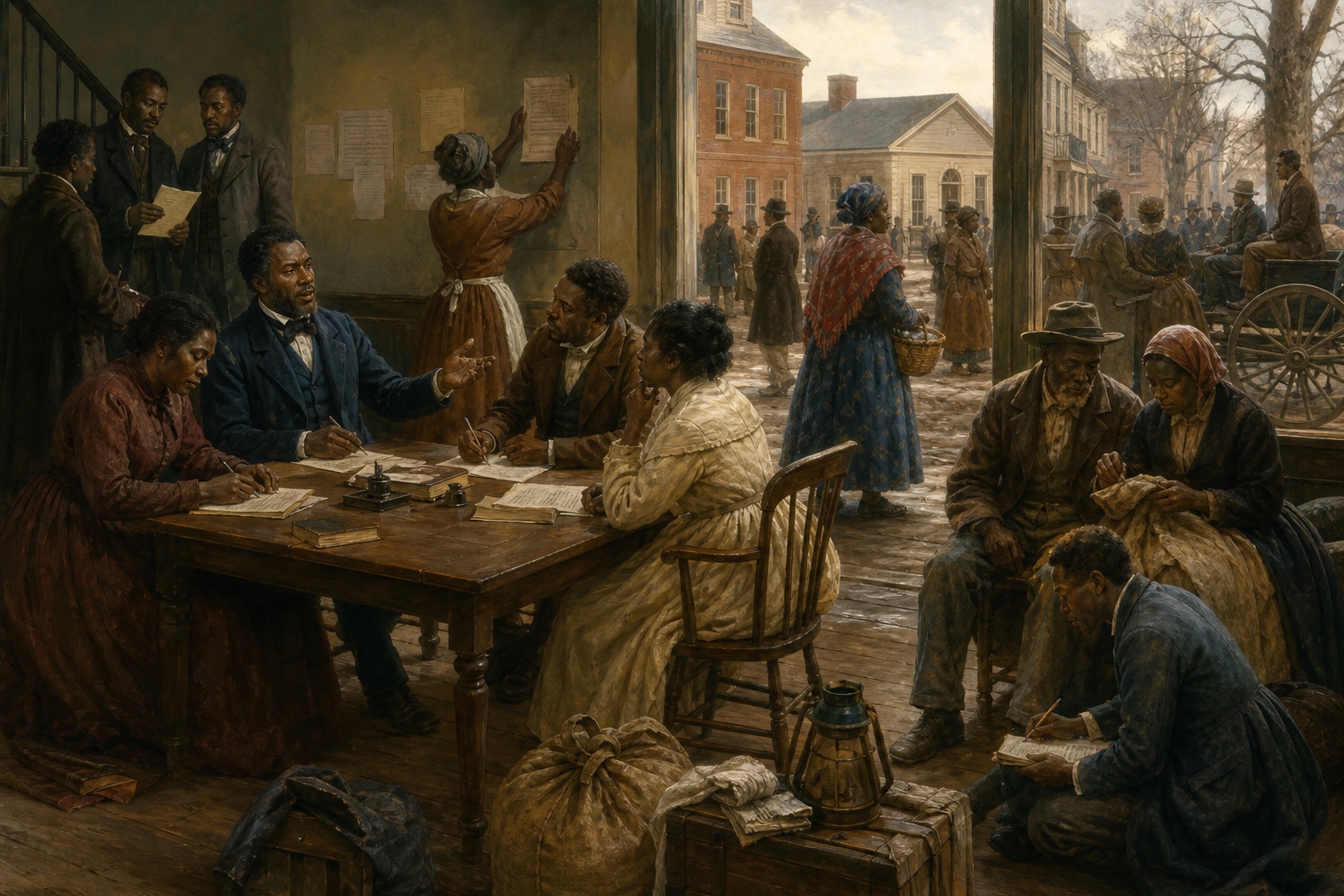
Enslaved people had resisted bondage from its beginnings, and free and formerly enslaved Black Americans had long attacked slavery. In the 1820s and 1830s a more visible interracial network of local and national societies, churches, newspapers, lecturers, and vigilance committees pressed for immediate nationwide abolition amid westward expansion and intensifying sectional conflict.
- Enslaved people had resisted bondage from its beginnings, and free and formerly enslaved Black Americans had long attacked slavery.
- In the 1820s and 1830s a more visible interracial network of local and national societies, churches, newspapers, lecturers, and vigilance committees pressed for immediate nationwide abolition amid westward expansion and intensifying sectional conflict.
- Core event: The broad antislavery movement, framed here as about 1830–1865, that organized to end slavery in the United States through Black activism, print, lectures, political action, resistance, and aid to freedom seekers.
Course
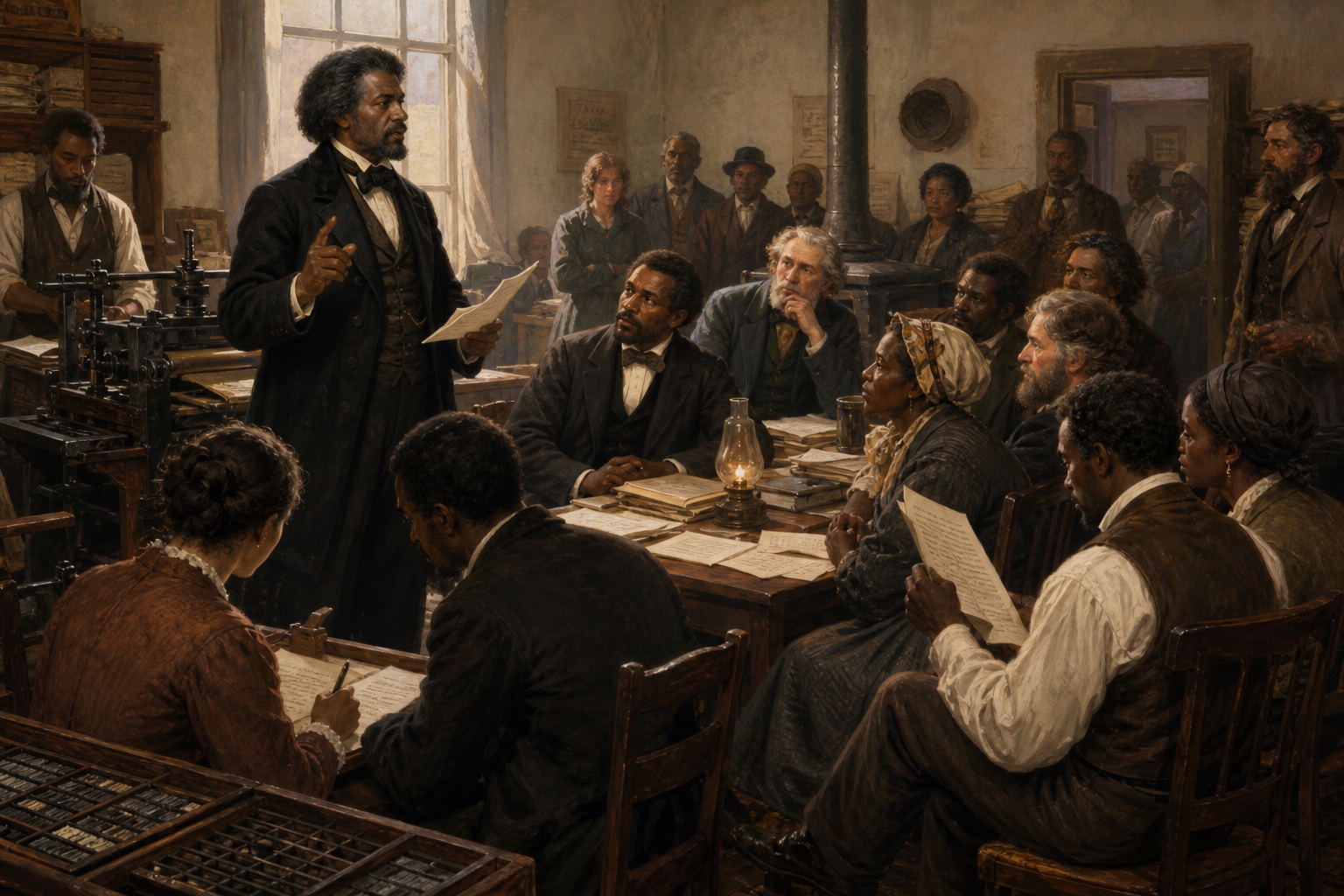
Black organizers and writers including Frederick Douglass, white allies, women excluded from formal politics, and people working through the Underground Railroad used distinct and sometimes competing strategies. They faced mob violence and censorship while confronting the Fugitive Slave Act, the expansion of slavery, and the political crises that led to the Civil War.
- Black organizers and writers including Frederick Douglass, white allies, women excluded from formal politics, and people working through the Underground Railroad used distinct and sometimes competing strategies.
- They faced mob violence and censorship while confronting the Fugitive Slave Act, the expansion of slavery, and the political crises that led to the Civil War.
- Conditions behind the action: Enslaved people had resisted bondage from its beginnings, and free and formerly enslaved Black Americans had long attacked slavery. In the 1820s and 1830s a more visible interracial network of local and national societies, churches, newspapers, lecturers, and vigilance committees pressed for immediate nationwide abolition amid westward expansion and intensifying sectional conflict.
Outcome
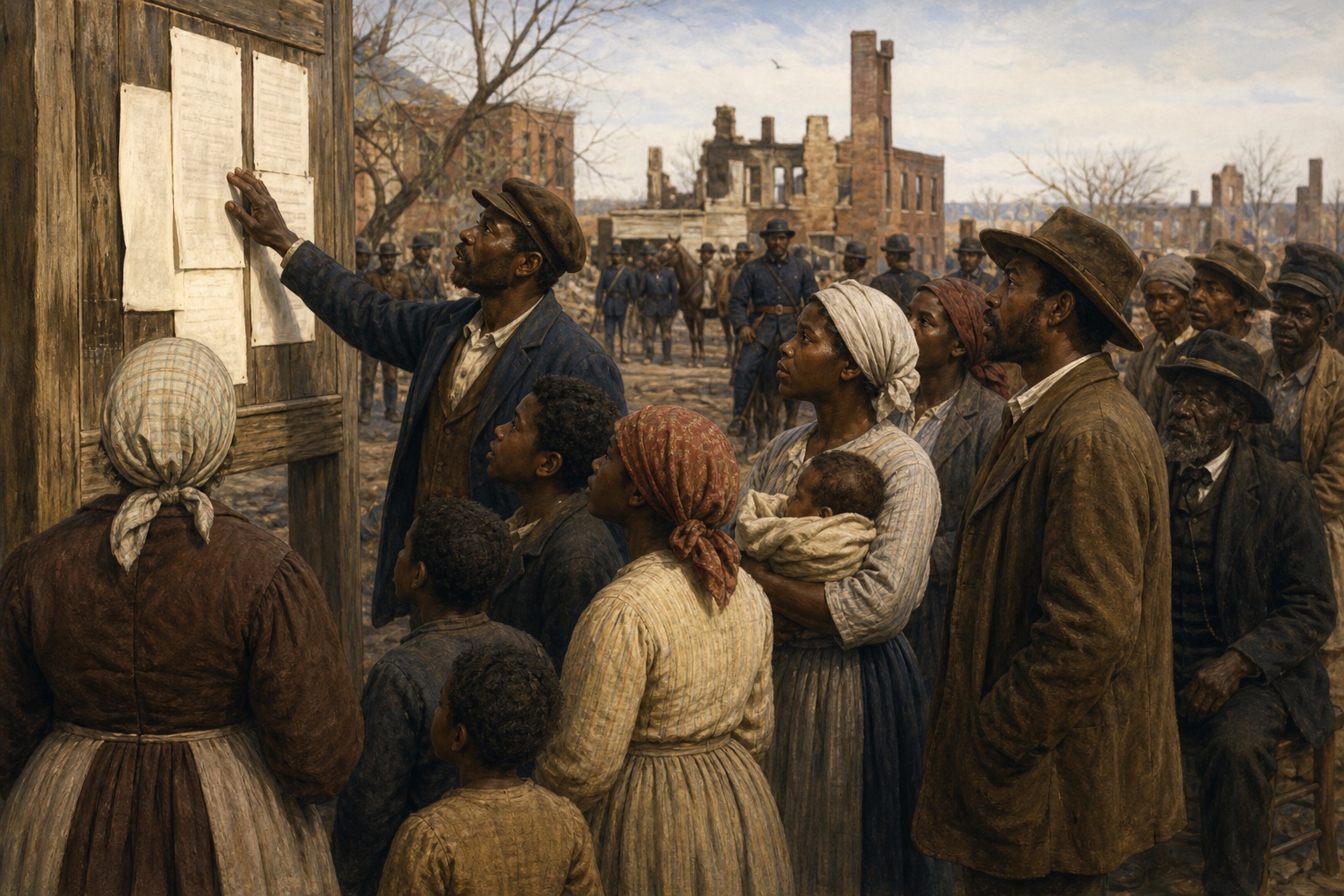
Enslaved people who fled, resisted, and joined Union forces helped turn the Civil War into a war for emancipation. The Thirteenth Amendment abolished slavery in 1865, fulfilling the movement's central legal goal, although many abolitionist organizations then divided over whether their work was complete.
- Enslaved people who fled, resisted, and joined Union forces helped turn the Civil War into a war for emancipation.
- The Thirteenth Amendment abolished slavery in 1865, fulfilling the movement's central legal goal, although many abolitionist organizations then divided over whether their work was complete.
- Process producing the result: Black organizers and writers including Frederick Douglass, white allies, women excluded from formal politics, and people working through the Underground Railroad used distinct and sometimes competing strategies. They faced mob violence and censorship while confronting the Fugitive Slave Act, the expansion of slavery, and the political crises that led to the Civil War.
Historical significance
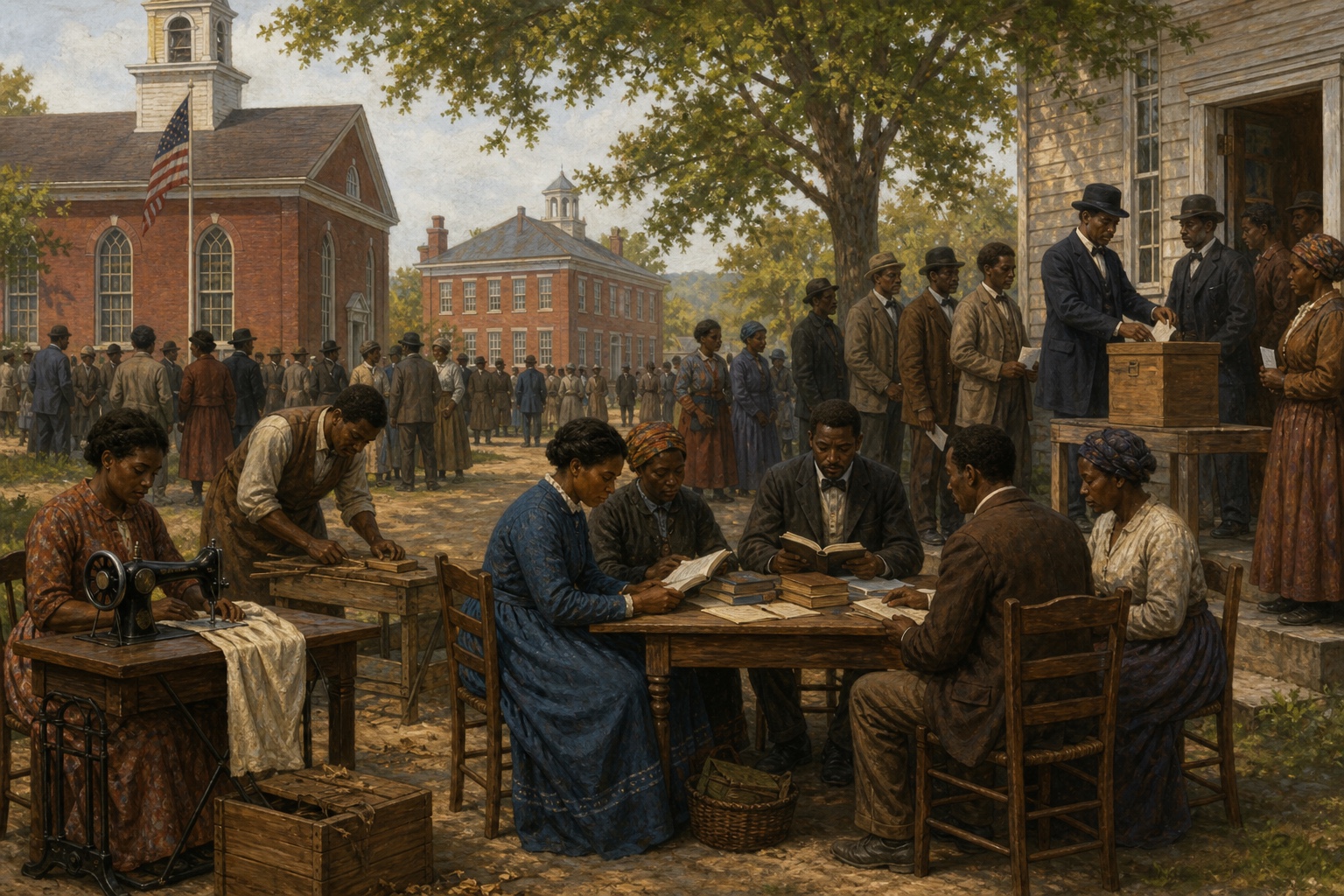
Abolitionism made slavery a sustained national political crisis and provided models for later organized reform. Haiti's successful antislavery revolution inspired Black activists and alarmed slaveholders, but ending slavery did not itself secure equal citizenship: Black abolitionists continued struggles for voting, civil rights, and protection from racial violence after 1865.
- Abolitionism made slavery a sustained national political crisis and provided models for later organized reform.
- Haiti's successful antislavery revolution inspired Black activists and alarmed slaveholders, but ending slavery did not itself secure equal citizenship: Black abolitionists continued struggles for voting, civil rights, and protection from racial violence after 1865.
- Immediate consequence: Enslaved people who fled, resisted, and joined Union forces helped turn the Civil War into a war for emancipation. The Thirteenth Amendment abolished slavery in 1865, fulfilling the movement's central legal goal, although many abolitionist organizations then divided over whether their work was complete.


Related figures
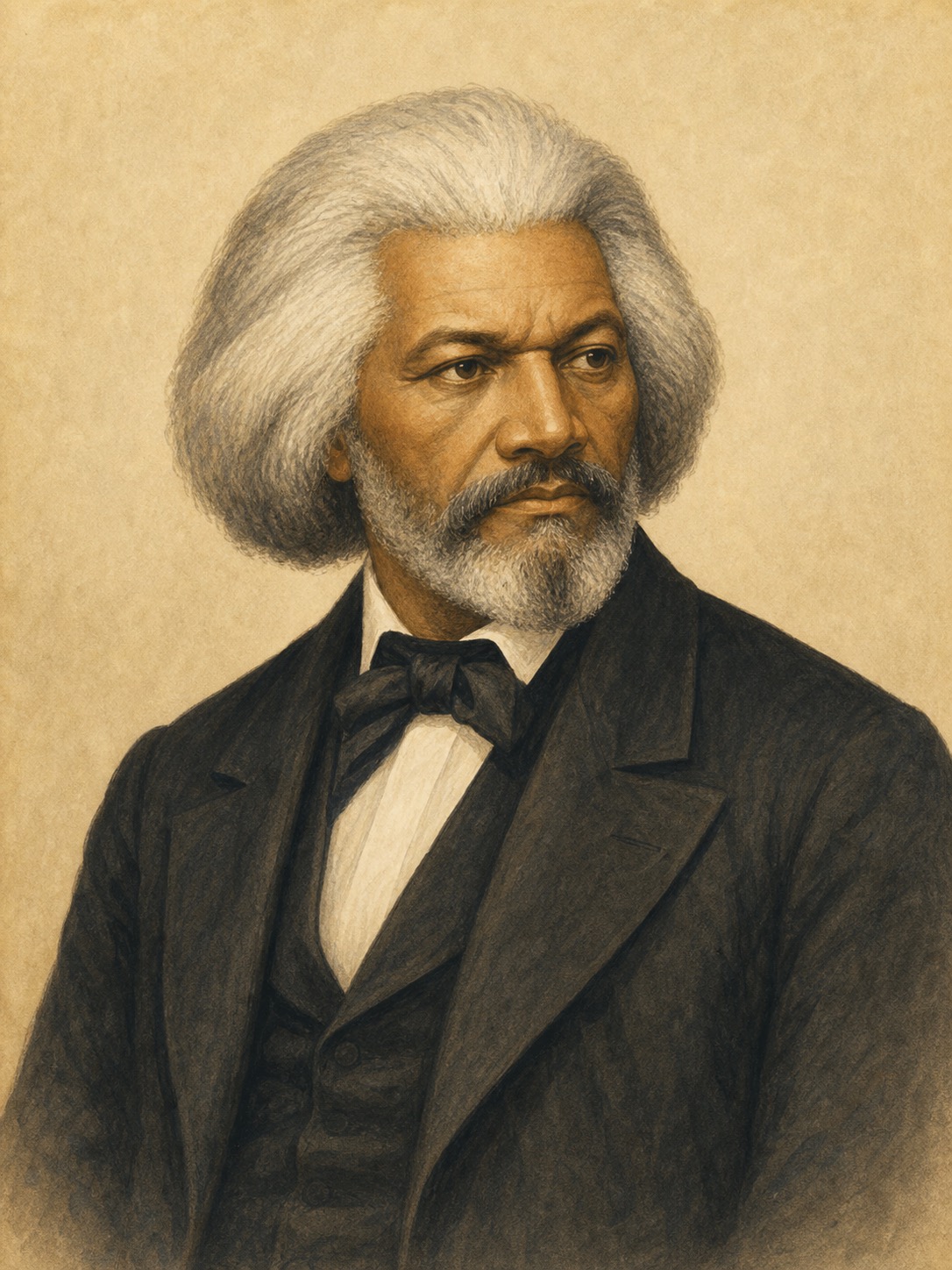
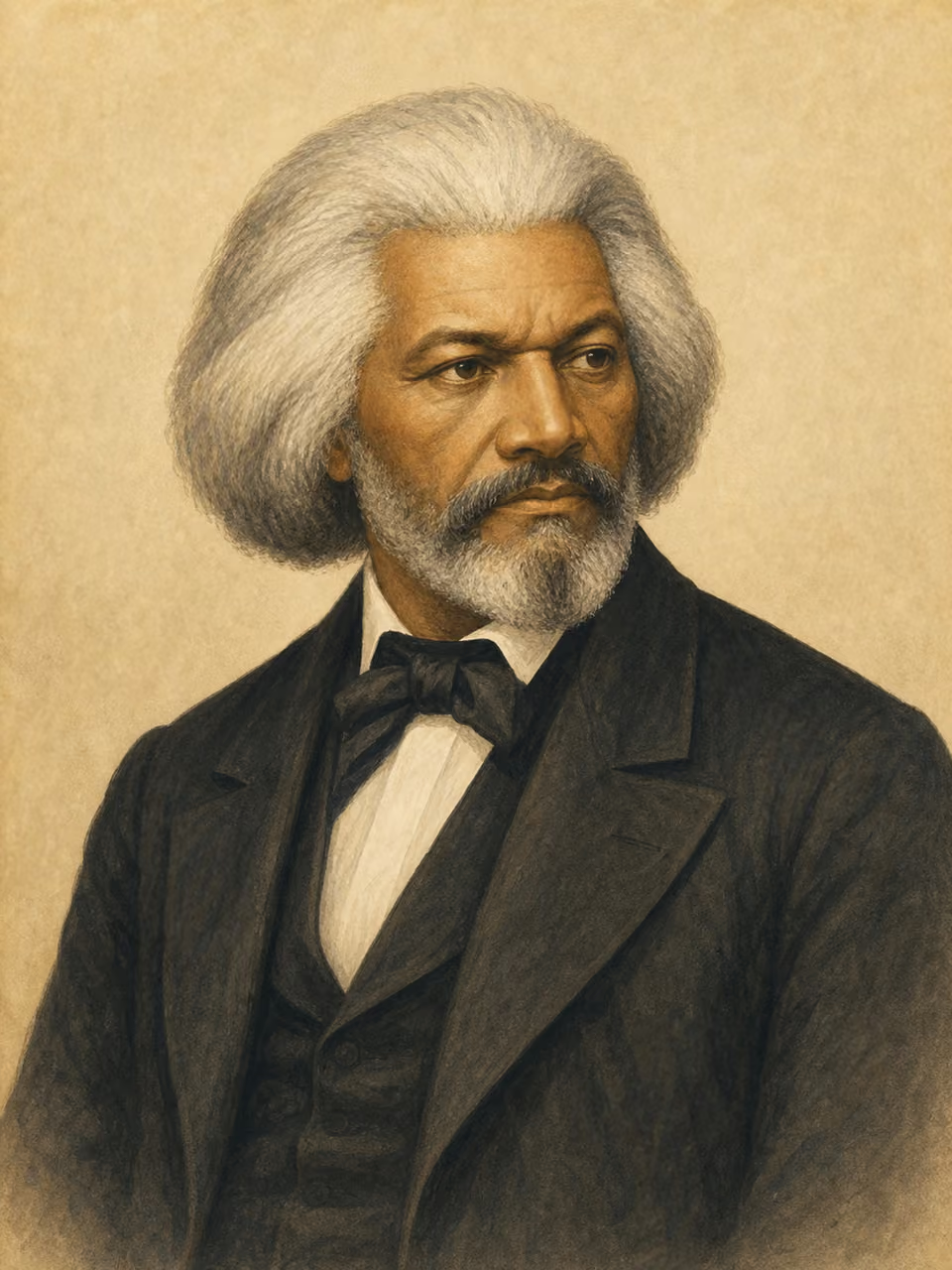
Frederick Douglass
historical figure in context
After learning to read and write under slavery and then escaping, Douglass turned autobiography, lecture tours, and newspaper work into sustained public attacks on the slave system. During the Civil War and Reconstruction he pushed beyond denunciation alone, pressing Lincoln and the wider republic to connect emancipation with Black military service, citizenship, and durable political rights.
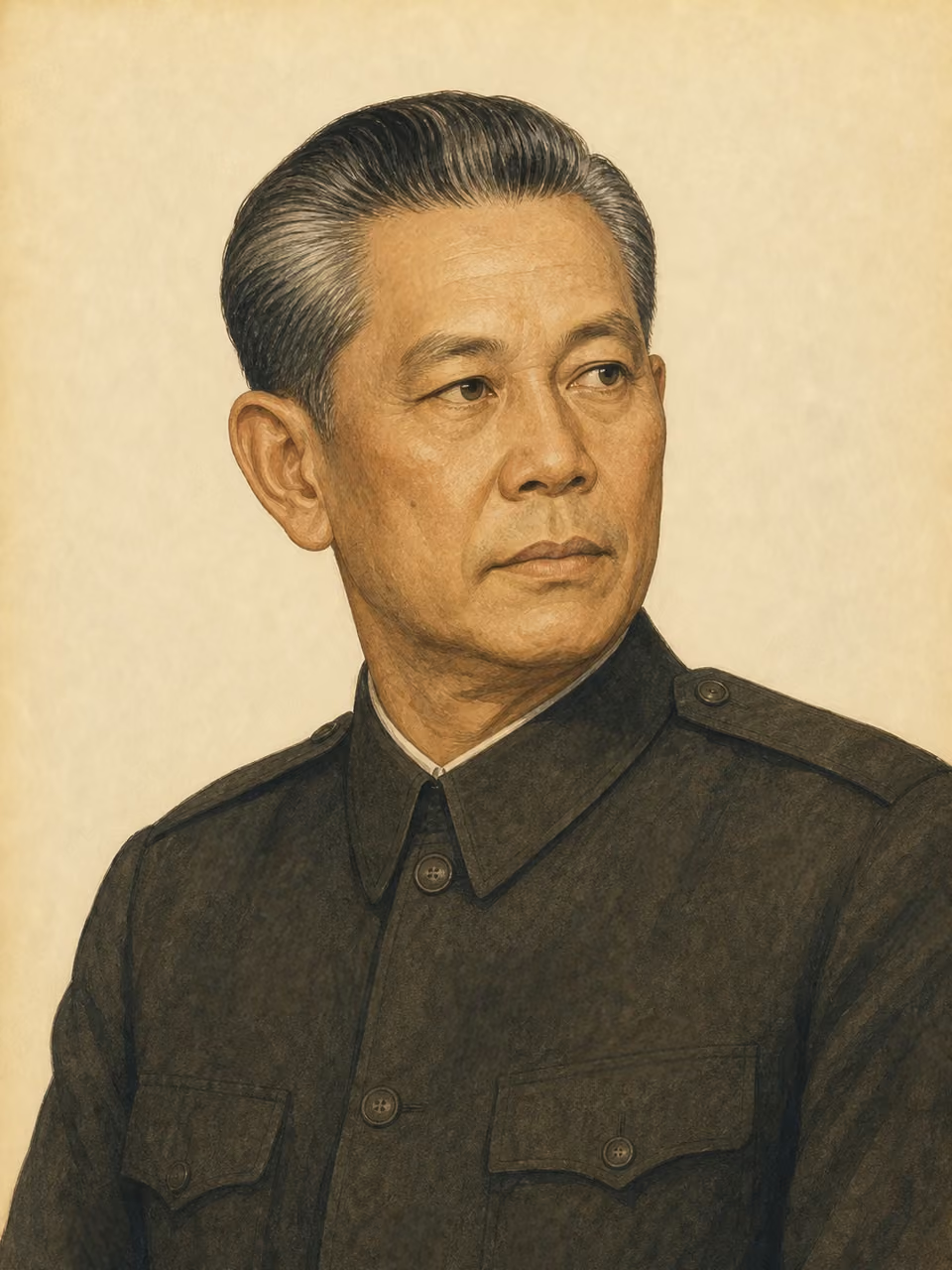
Lon Nol
historical figure in context
Cambodian military officer and politician. He established the Khmer Republic by eliminating Sihanouk and assumed power during the expansion of the Vietnam War and the Cambodian Civil War. He is a person who thinks about Southeast Asia during the Cold War.
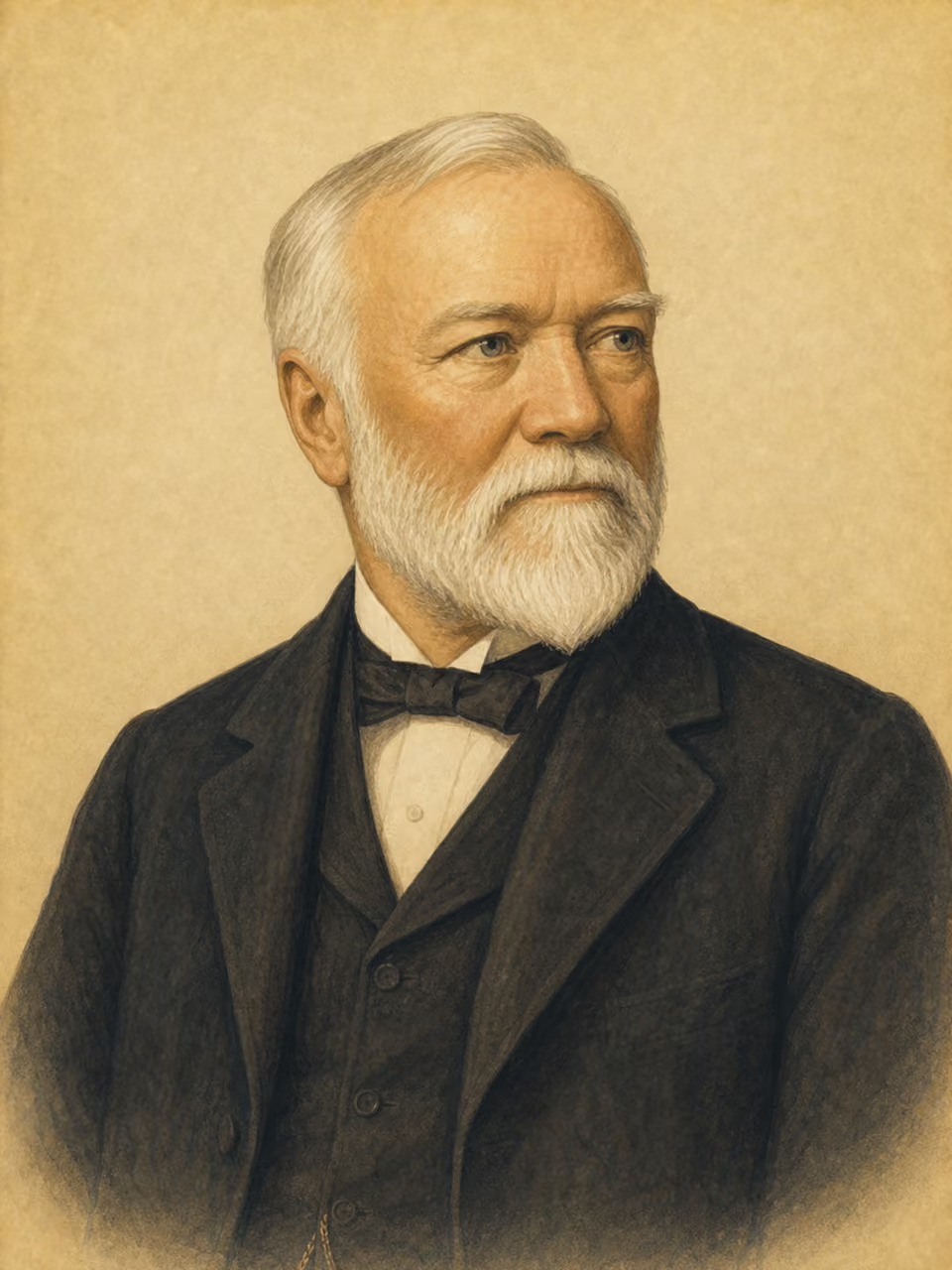
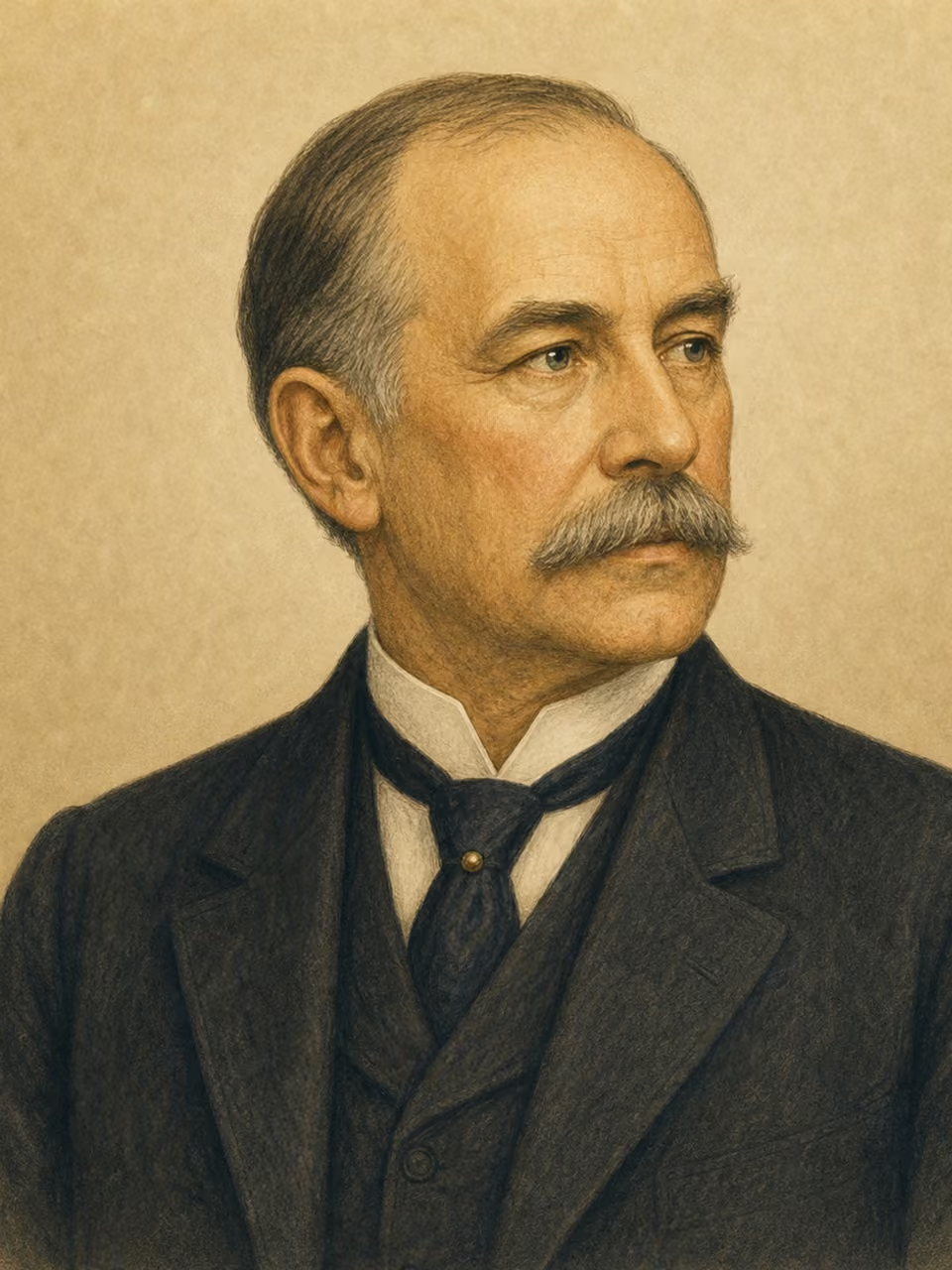
Andrew Carnegie
historical figure in context
American businessman. He made a fortune in the steel industry and later became known for his donations to libraries and educational institutions. He is a person who thinks about industrial capitalism and the social responsibility of wealth.
John Hay
historical figure in context
Diplomat and Secretary of State of the United States. He advocated an open-door policy toward China and demonstrated American diplomacy in the era of imperialism. He was a person who thought about the division of the world at the end of the 19th century.
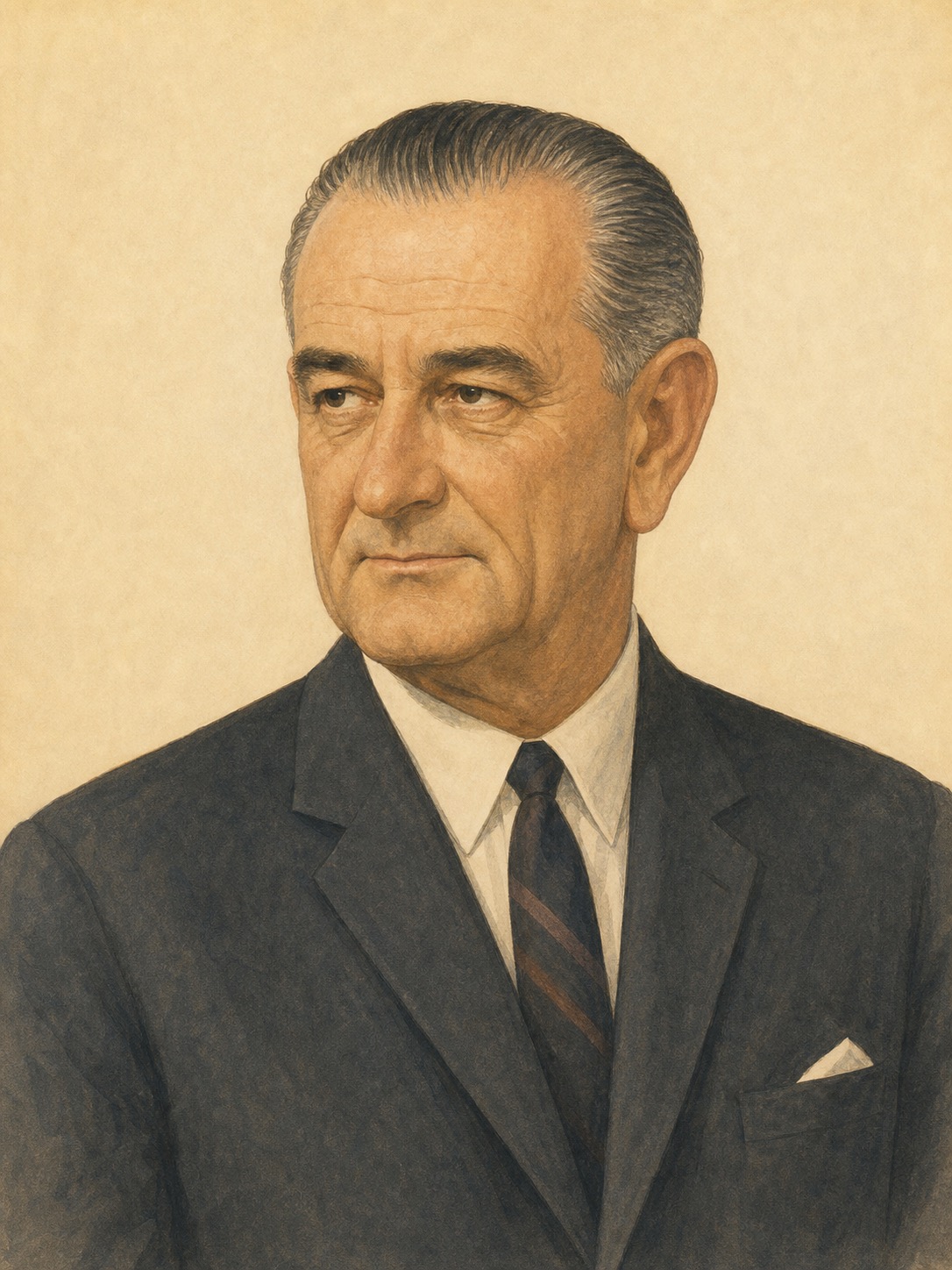
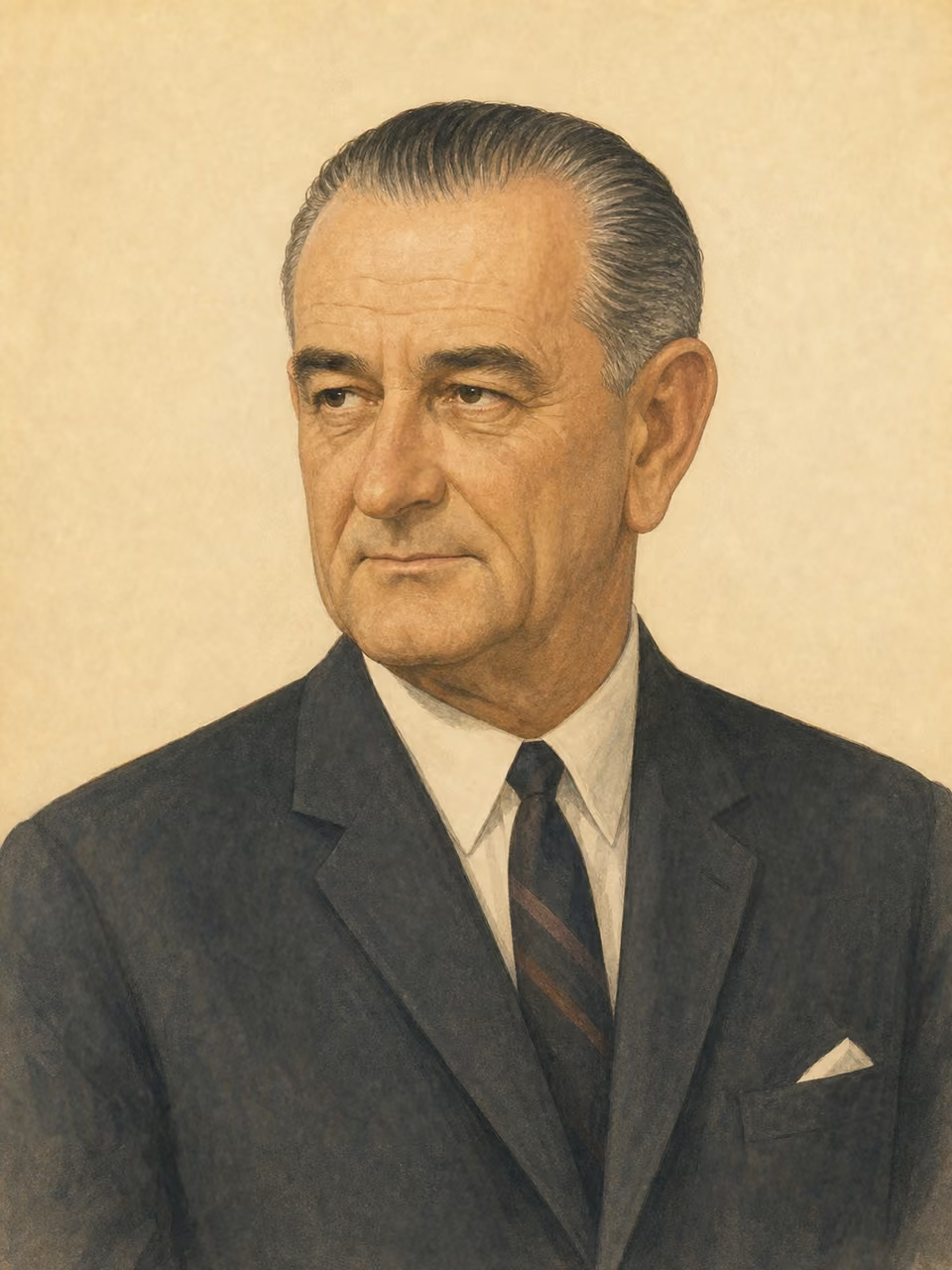
Lyndon B. Johnson
historical figure in context
36th president of the United States. He was a person who expanded the Vietnam War while promoting civil rights laws and social welfare policies. It simultaneously shows the reforms and contradictions of postwar America. You can also see the changes in the times.
Related events
1810
Prelude
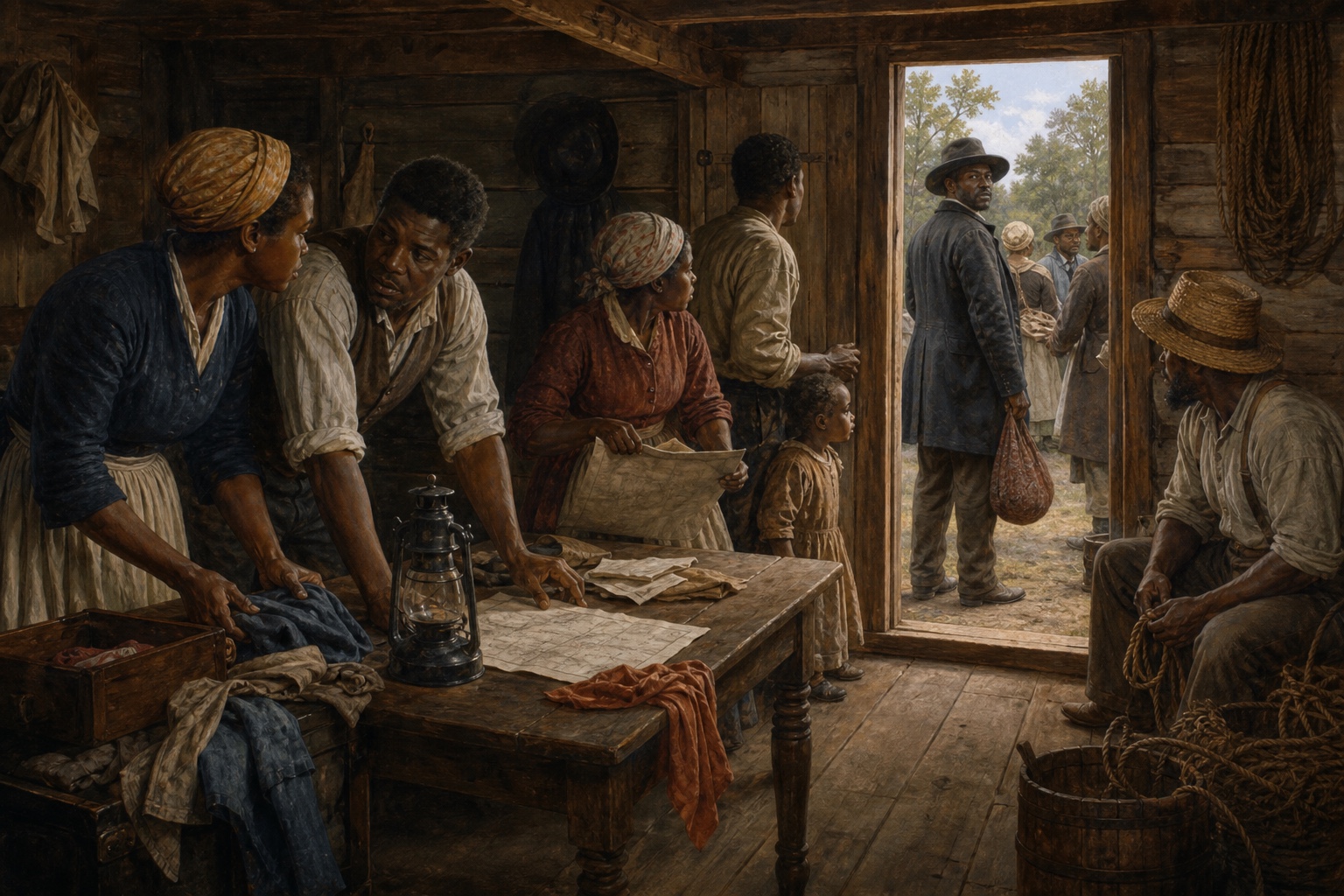
Prelude — Background: Enslaved people had resisted bondage from its beginnings, and free and formerly enslaved Black Americans had long attacked slavery. In the 1820s and 1830s a more visible interracial network of local and national societies, churches, newspapers, lecturers, and vigilance committees pressed for immediate nationwide abolition amid westward expansion and intensifying sectional conflict.
c. 1829
Rising tension
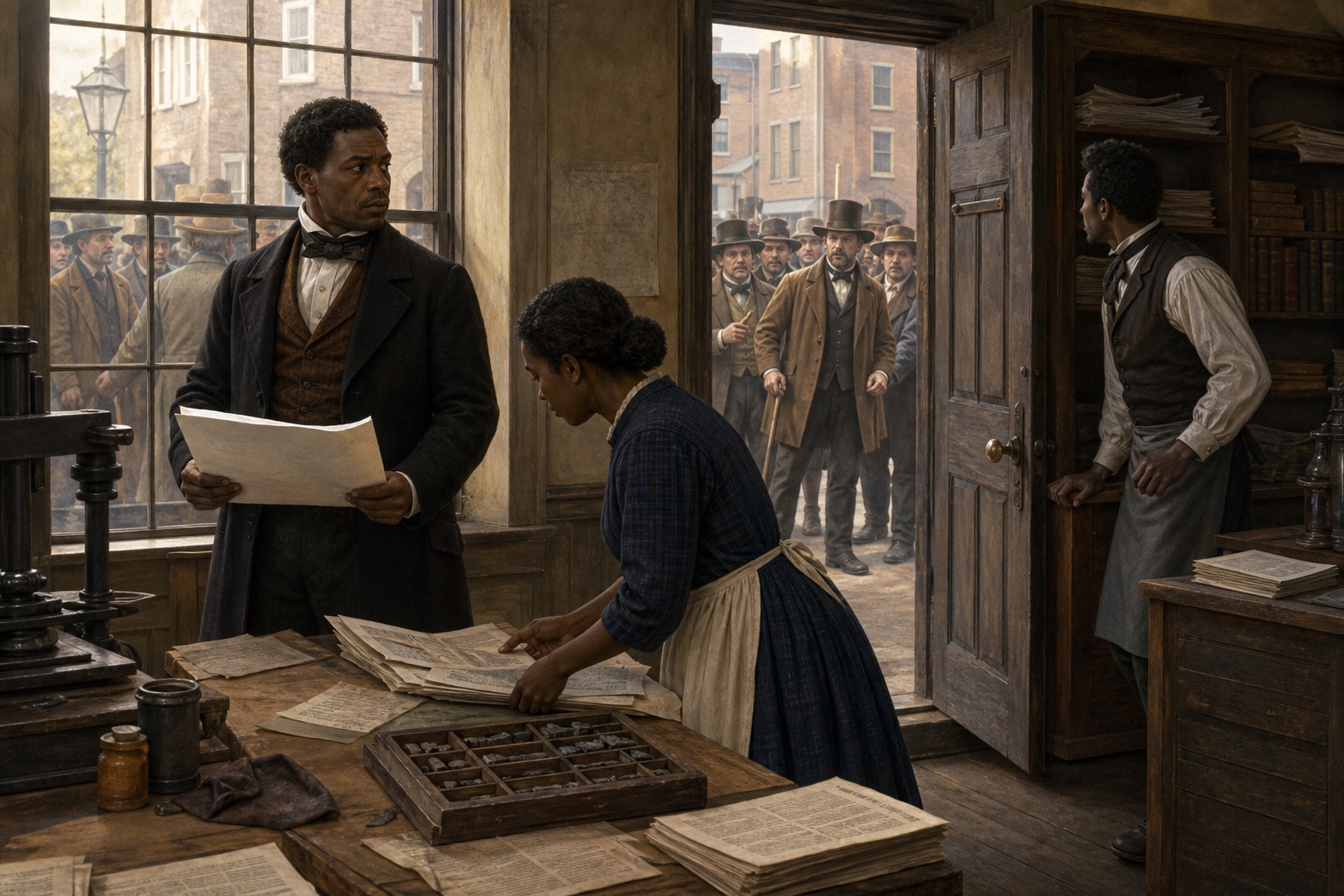
Rising tension — Build-up: Black organizers and writers including Frederick Douglass, white allies, women excluded from formal politics, and people working through the Underground Railroad used distinct and sometimes competing strategies. They faced mob violence and censorship while confronting the Fugitive Slave Act, the expansion of slavery, and the political crises that led to the Civil War.
c. 1830–c. 1865
Abolitionism in the United States
Current event
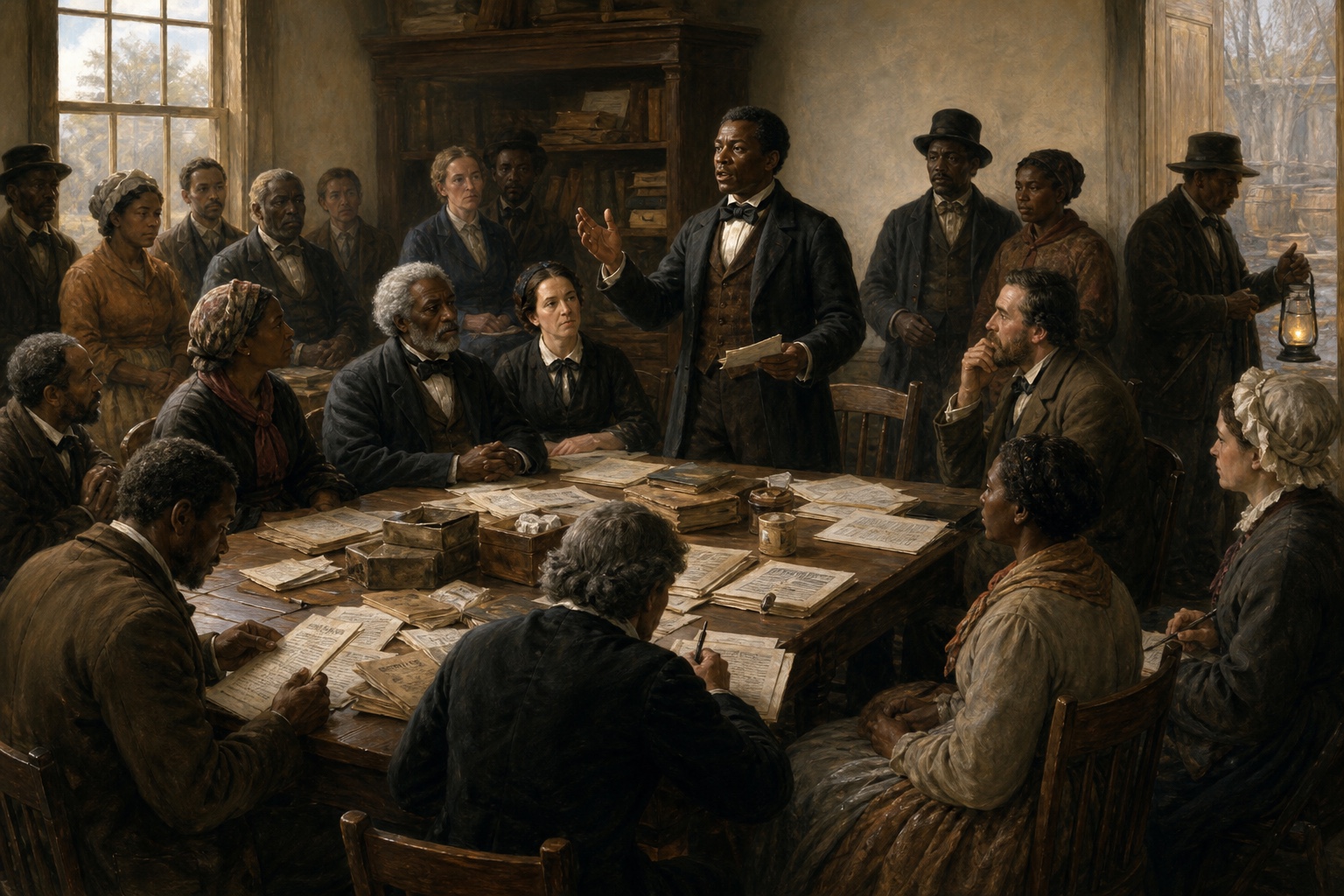
Abolitionism in the United States — Central transition: The broad antislavery movement, framed here as about 1830–1865, that organized to end slavery in the United States through Black activism, print, lectures, political action, resistance, and aid to freedom seekers.
c. 1866
Immediate aftermath
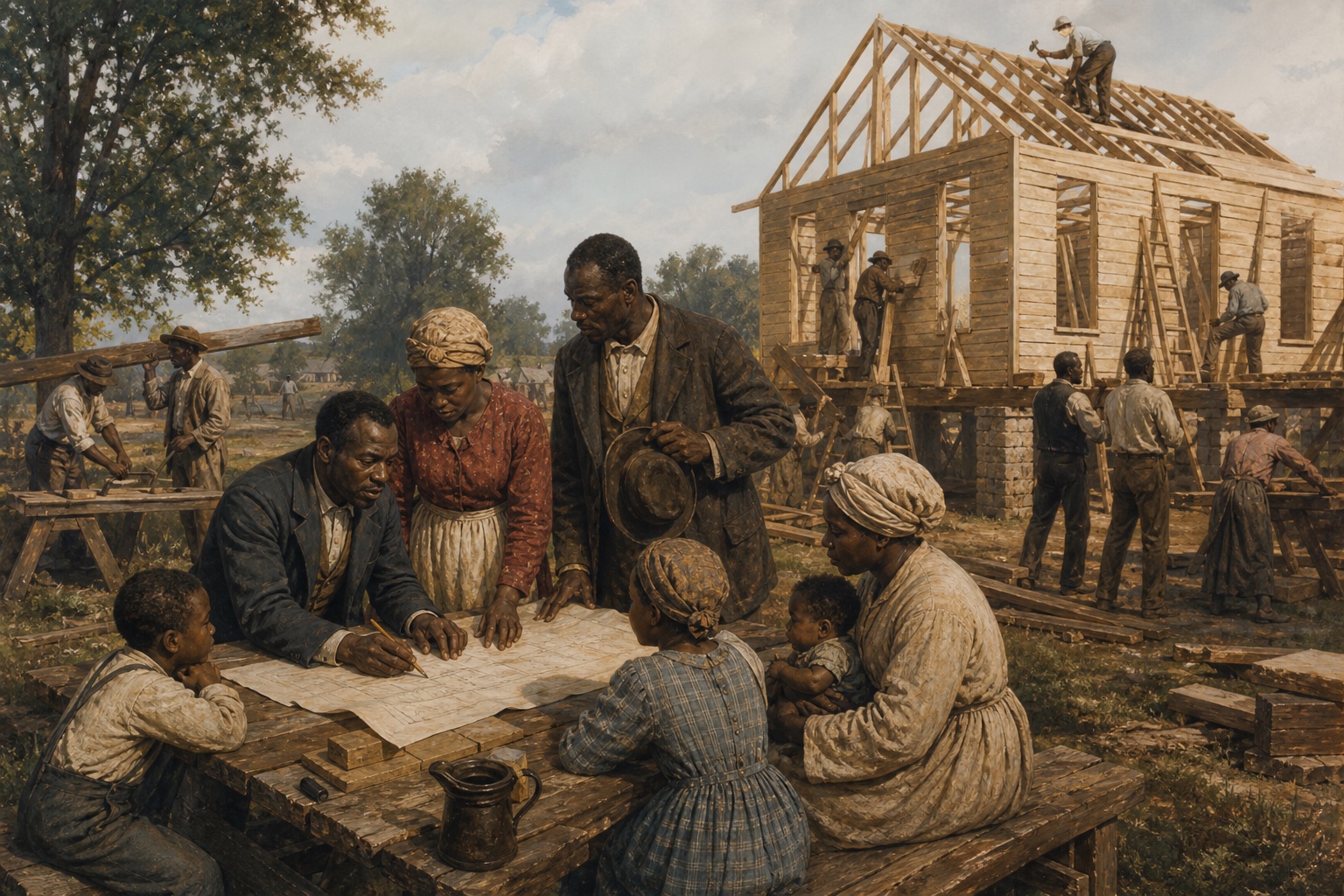
Immediate aftermath — Immediate result: Enslaved people who fled, resisted, and joined Union forces helped turn the Civil War into a war for emancipation. The Thirteenth Amendment abolished slavery in 1865, fulfilling the movement's central legal goal, although many abolitionist organizations then divided over whether their work was complete.
c. 1875
Long-term significance
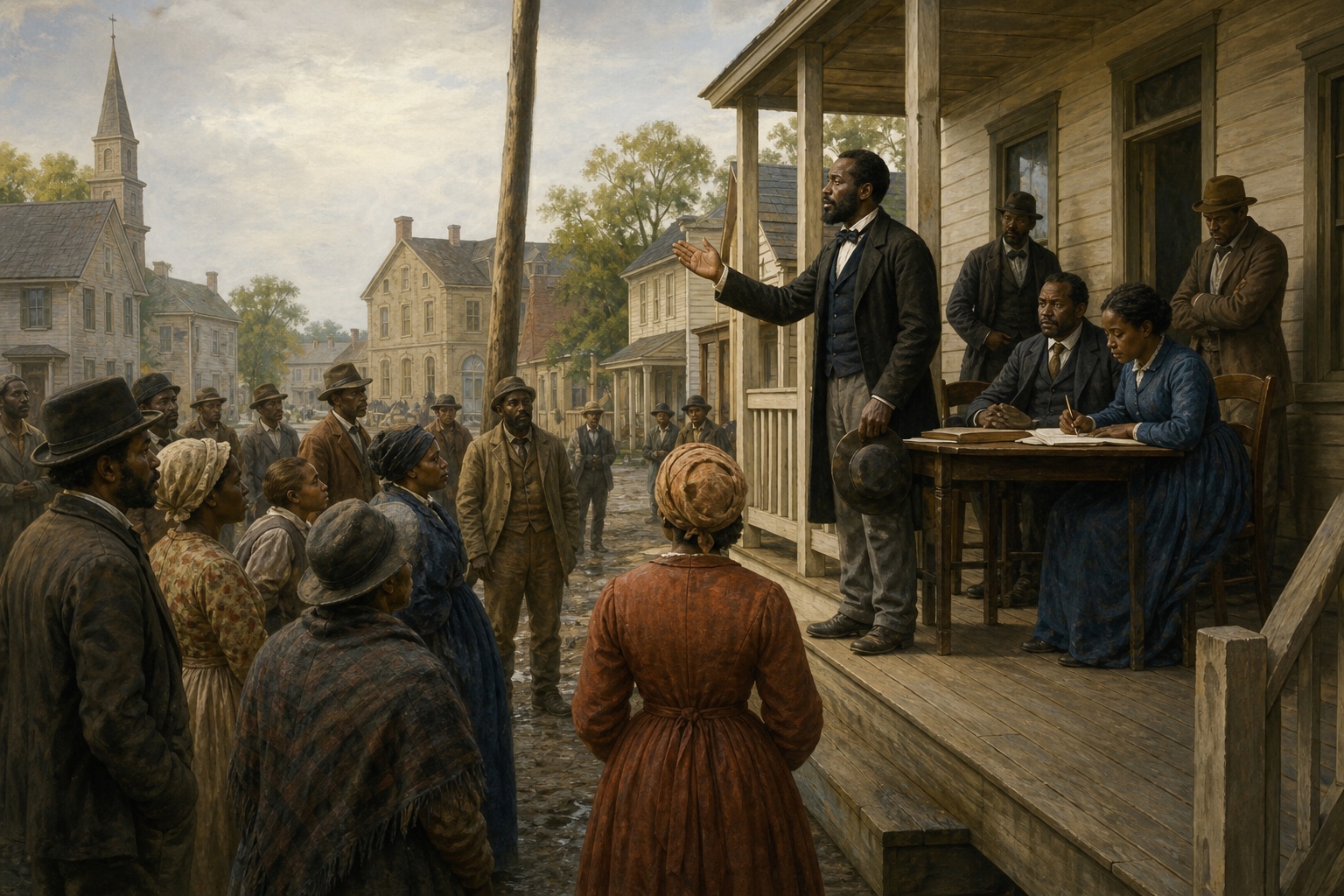
Long-term significance — Long-term significance: Abolitionism made slavery a sustained national political crisis and provided models for later organized reform. Haiti's successful antislavery revolution inspired Black activists and alarmed slaveholders, but ending slavery did not itself secure equal citizenship: Black abolitionists continued struggles for voting, civil rights, and protection from racial violence after 1865.


Sources
- Abolitionism in the United States — Resistance And Abolition (Library of Congress)loc.govThis Library of Congress resource supports the chronology, setting, and course of Abolitionism in the United States.
- Abolitionism in the United States — About (Nps)nps.govThis Nps resource supports the chronology, setting, and course of Abolitionism in the United States.
- Abolitionism in the United States — Black Abolitionists And The Fifteenth Amendment (Overview)home.nps.govThis Overview resource supports the chronology, setting, and course of Abolitionism in the United States.