Age of Discovery
c. 1400–c. 1600
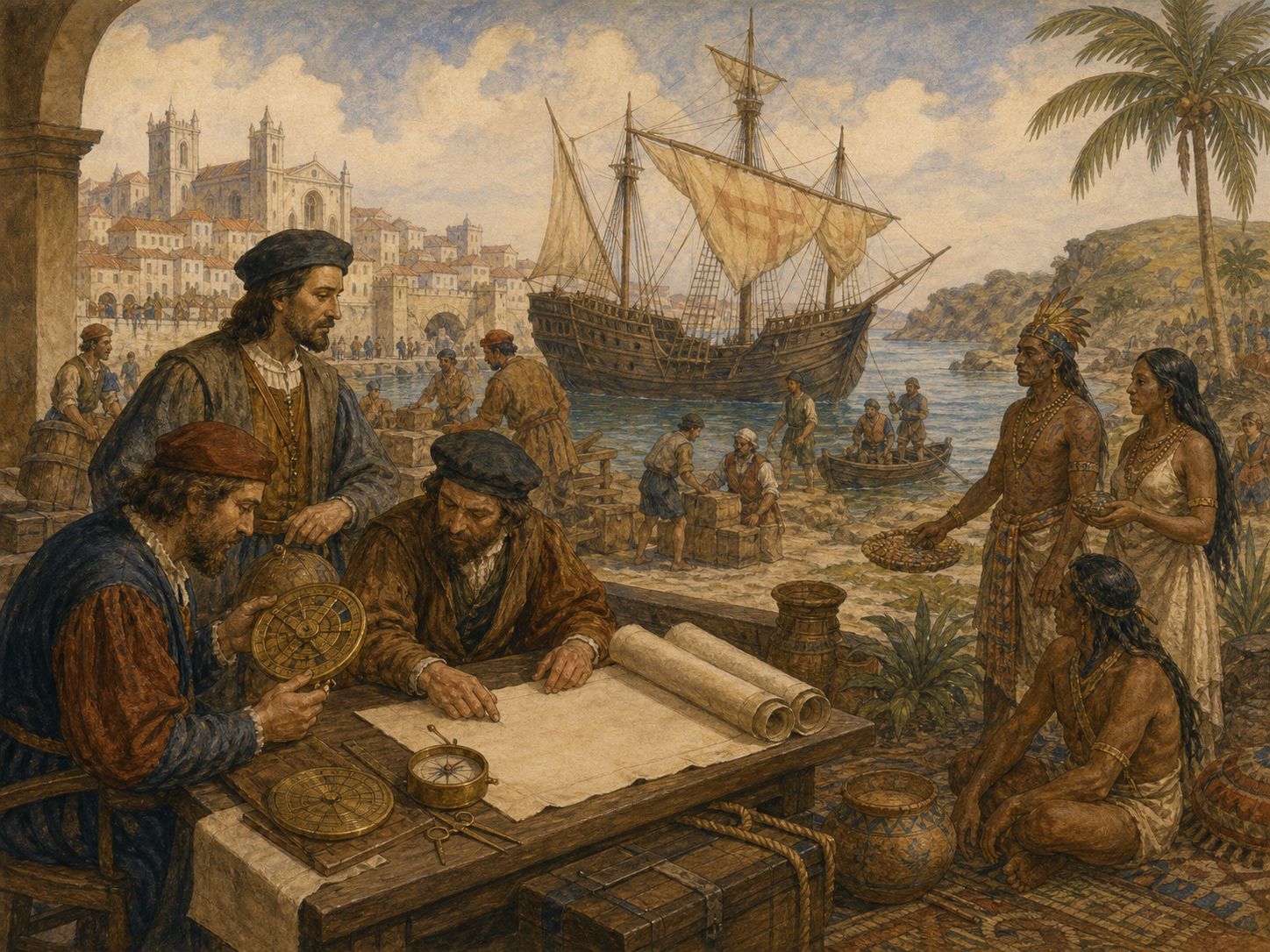
From the fifteenth through the seventeenth century, European maritime states extended routes across the Atlantic, around Africa, into the Indian Ocean, and to the Americas.

- Period
- c. 1400–c. 1600
- Kind
- Political event
- Regions
- North America
- Keywords
- voyage · maps · trade · empire · exchange
Follow the story · Four stages
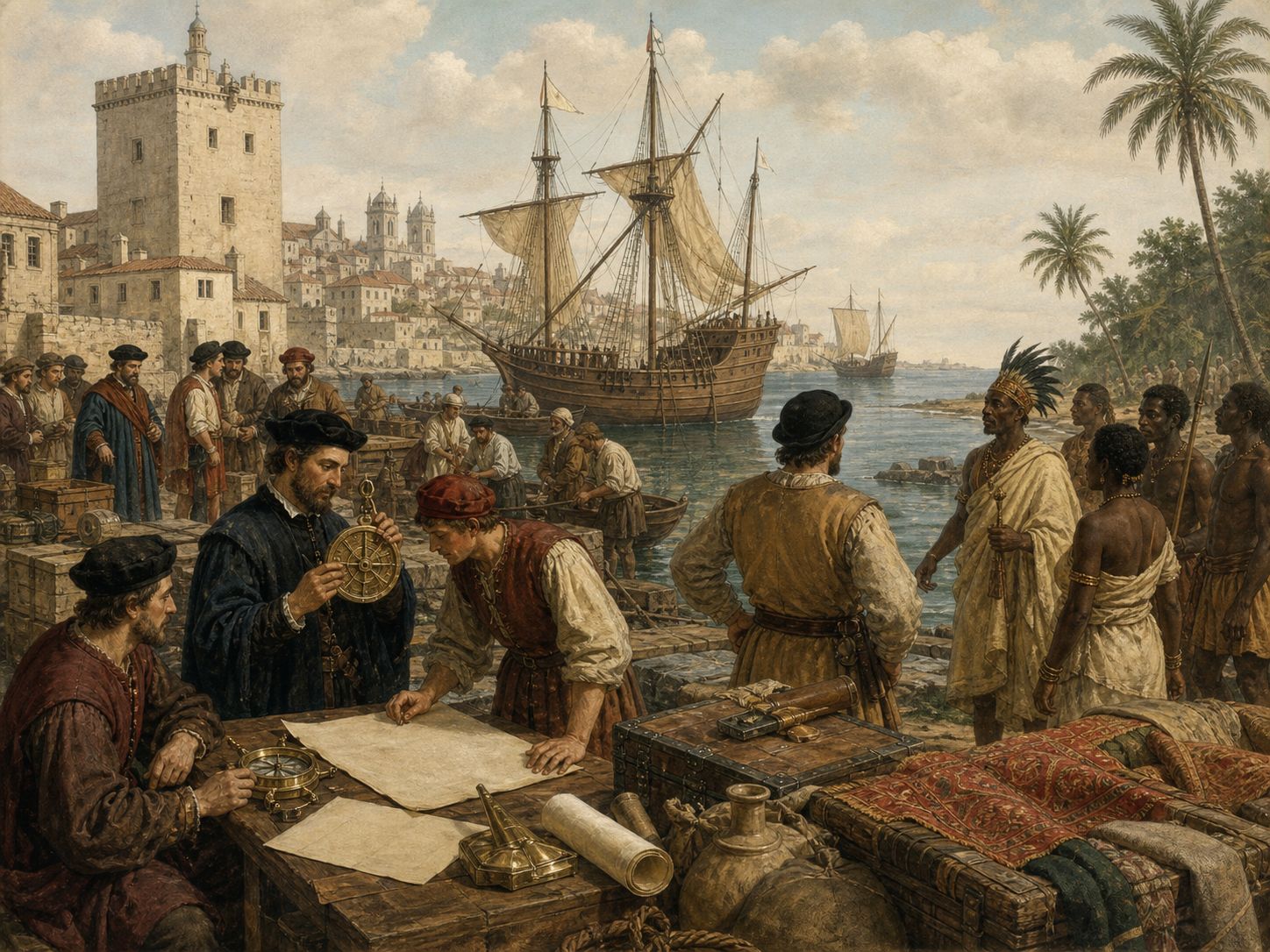
Background
Competition for spices, gold, conversion, and royal power joined advances in navigation and ships to existing Mediterranean and Atlantic knowledge.
- Port cities and monarchies invested in voyages
- Navigation and mapmaking improved
- Asia, Africa, and the Americas became connected
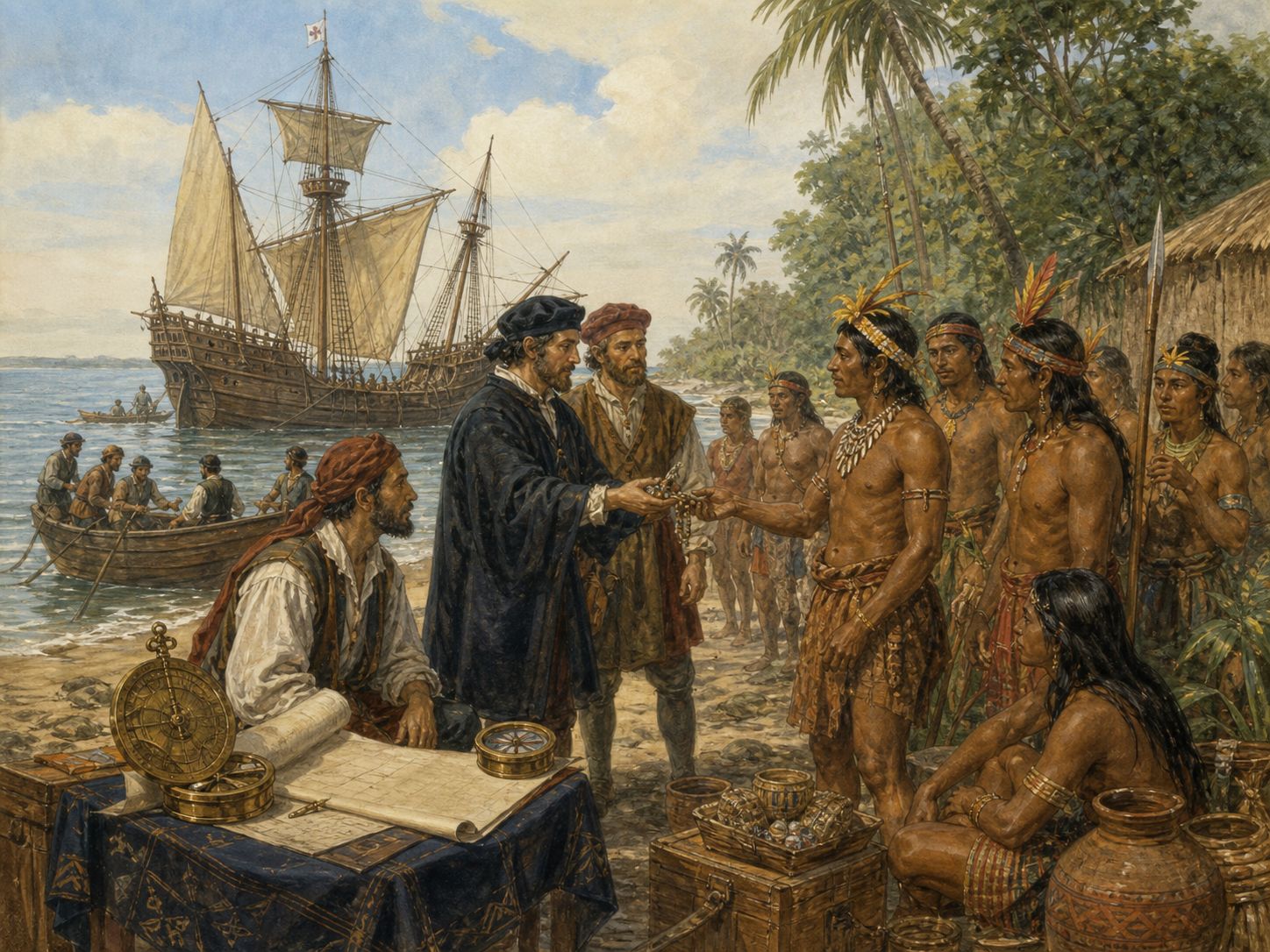
Course
Portuguese and Castilian navigators moved down the African coast, crossed the Atlantic, and connected routes to the Indian Ocean and the Americas.
- Routes extended along the West African coast
- Atlantic crossings created new competition
- Trade and conquest moved along the same sea lanes
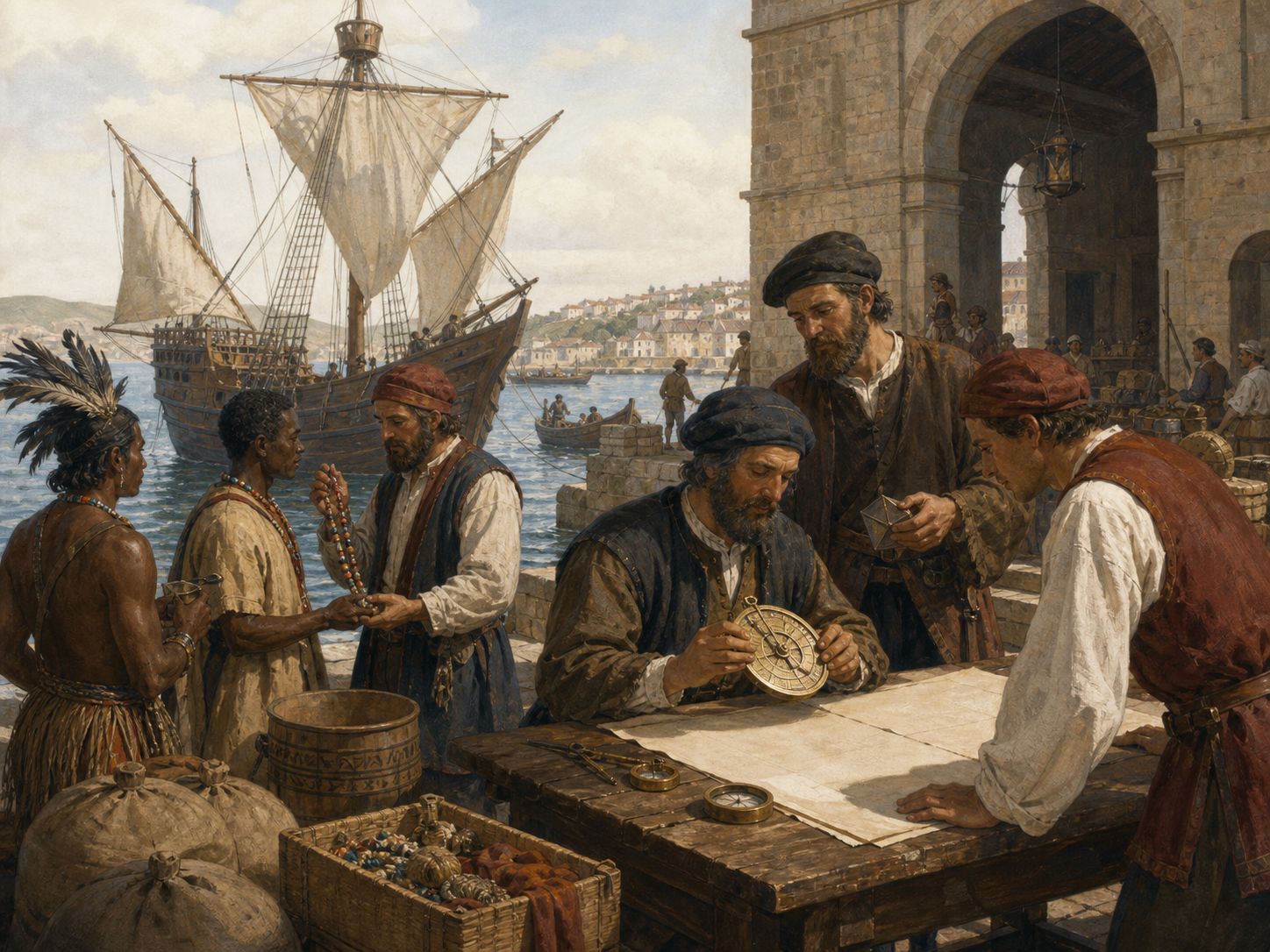
Outcome
Oceanic trade, conquest, colonization, forced labor, and epidemic exchange expanded, reshaping the distribution of people, goods, and power around the world.
- A global trading network took shape
- Colonial rule and coerced labor expanded
- Plants, animals, pathogens, and people crossed oceans
Historical significance
The word “discovery” can erase Indigenous societies, so the period must be read through existing maritime knowledge, violence, and environmental change as well as navigation.
- It created the unequal connections of the modern world
- It transformed geographic knowledge and maritime empires
- Its legacy contains both encounter and violence


Related figures
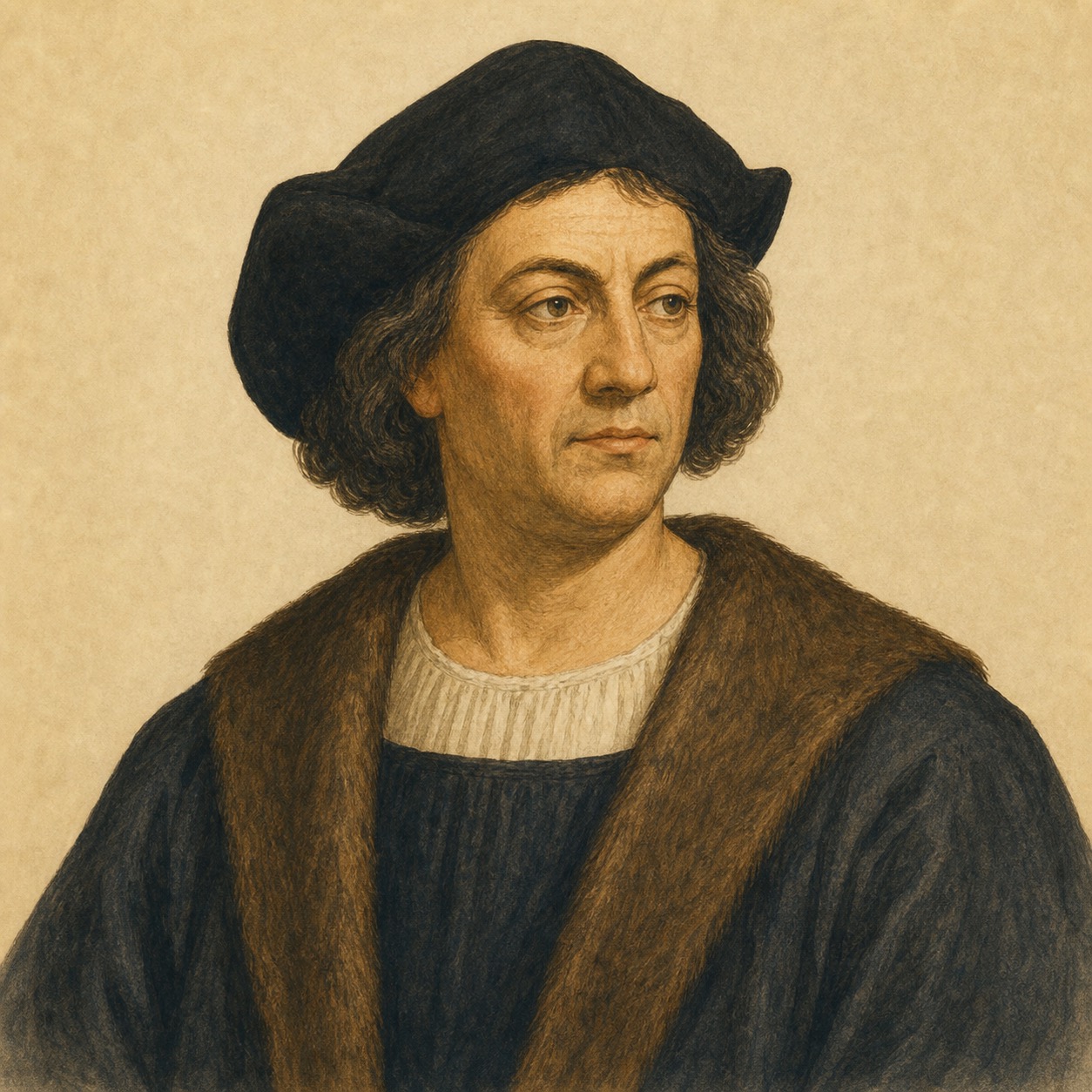
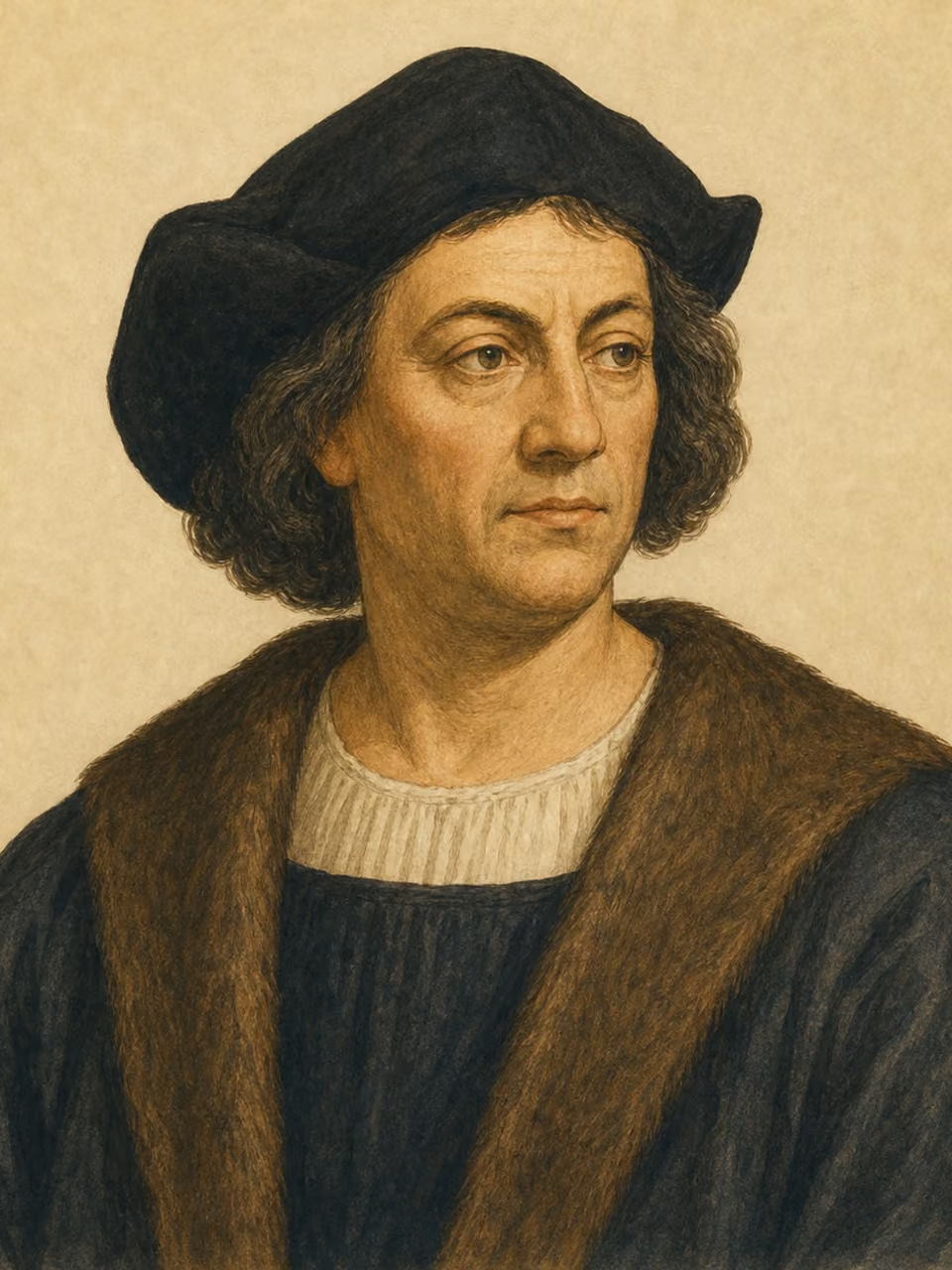
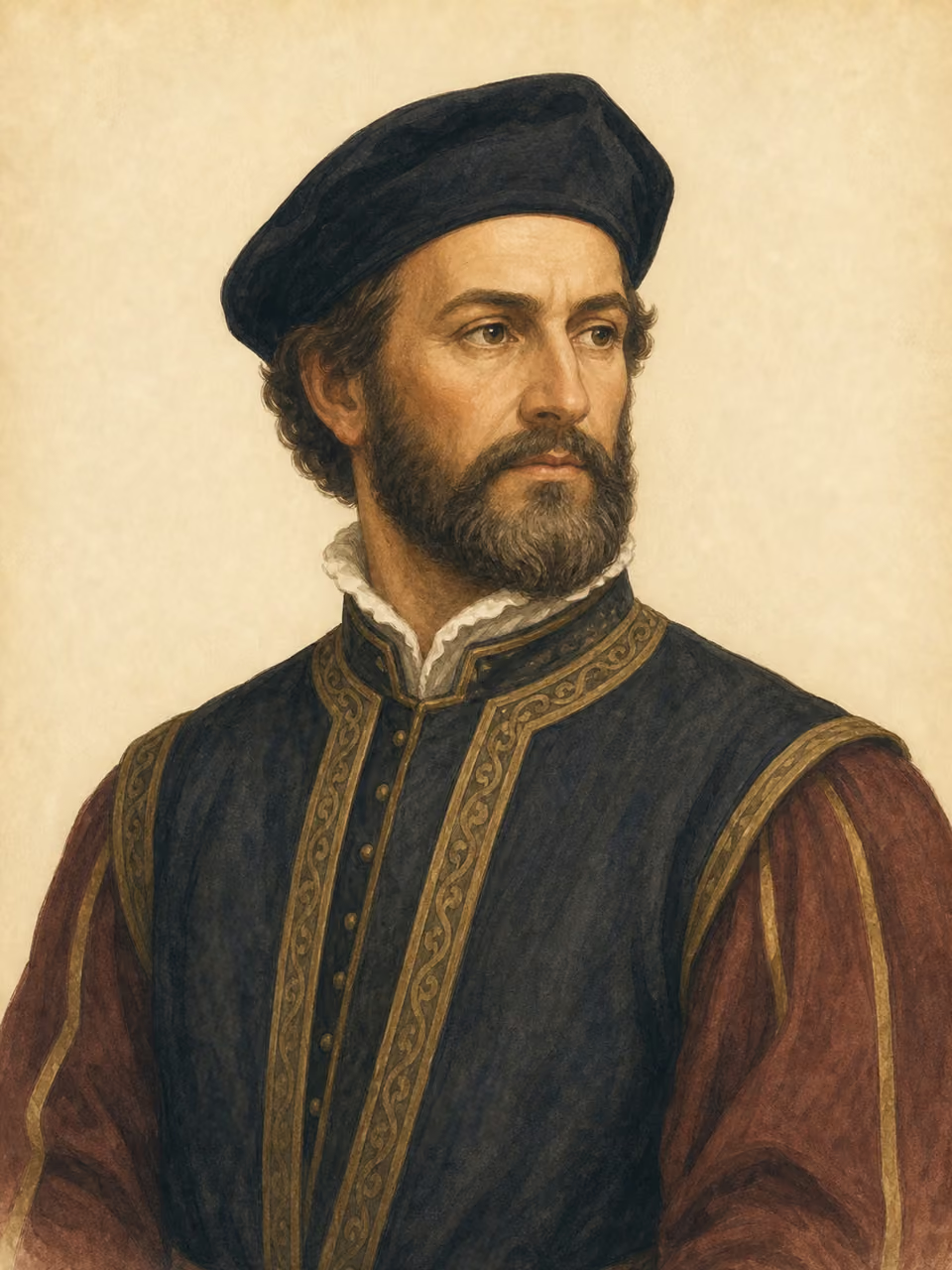
Christopher Columbus
Castilian voyages
A mariner whose Atlantic voyages linked European monarchy to the Americas.
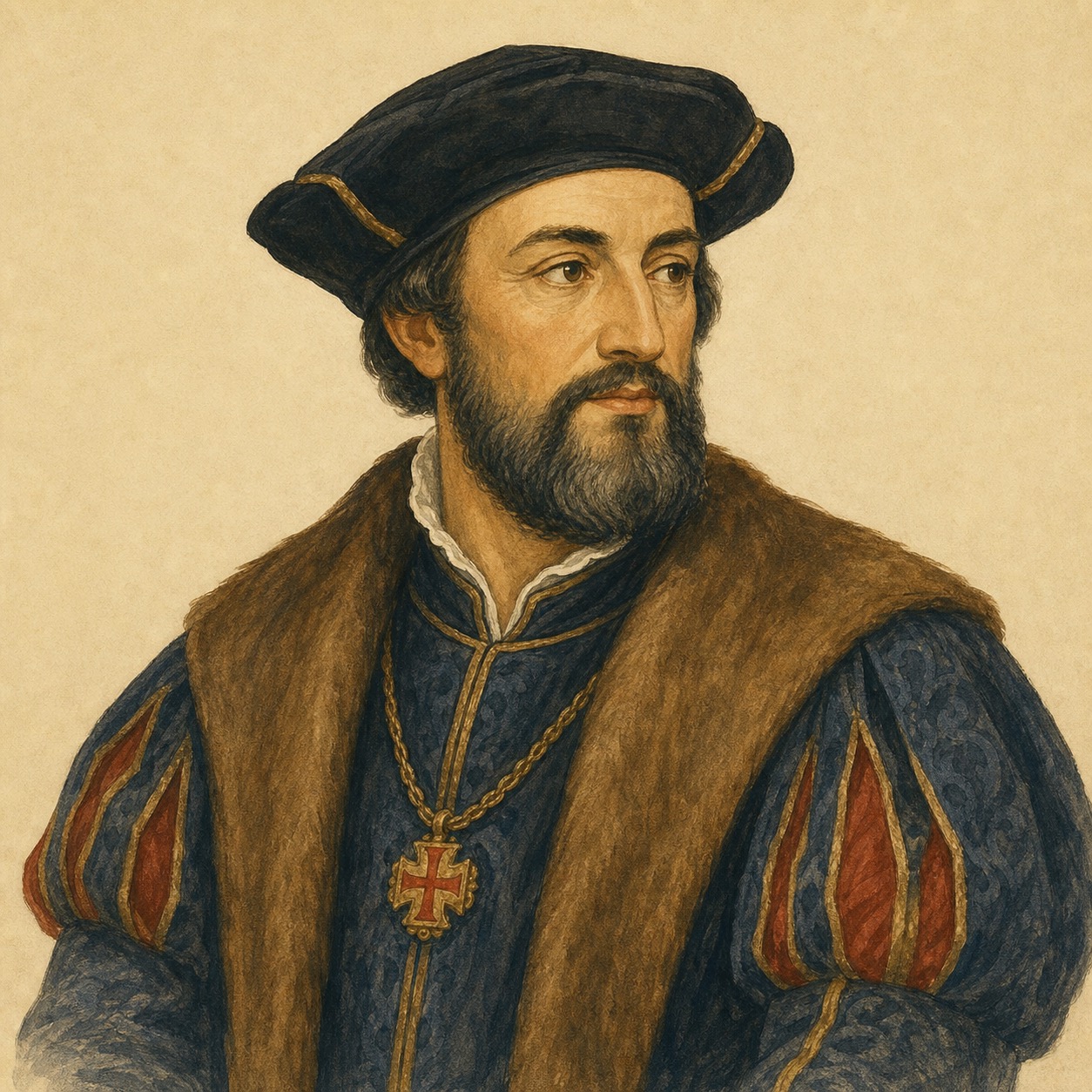
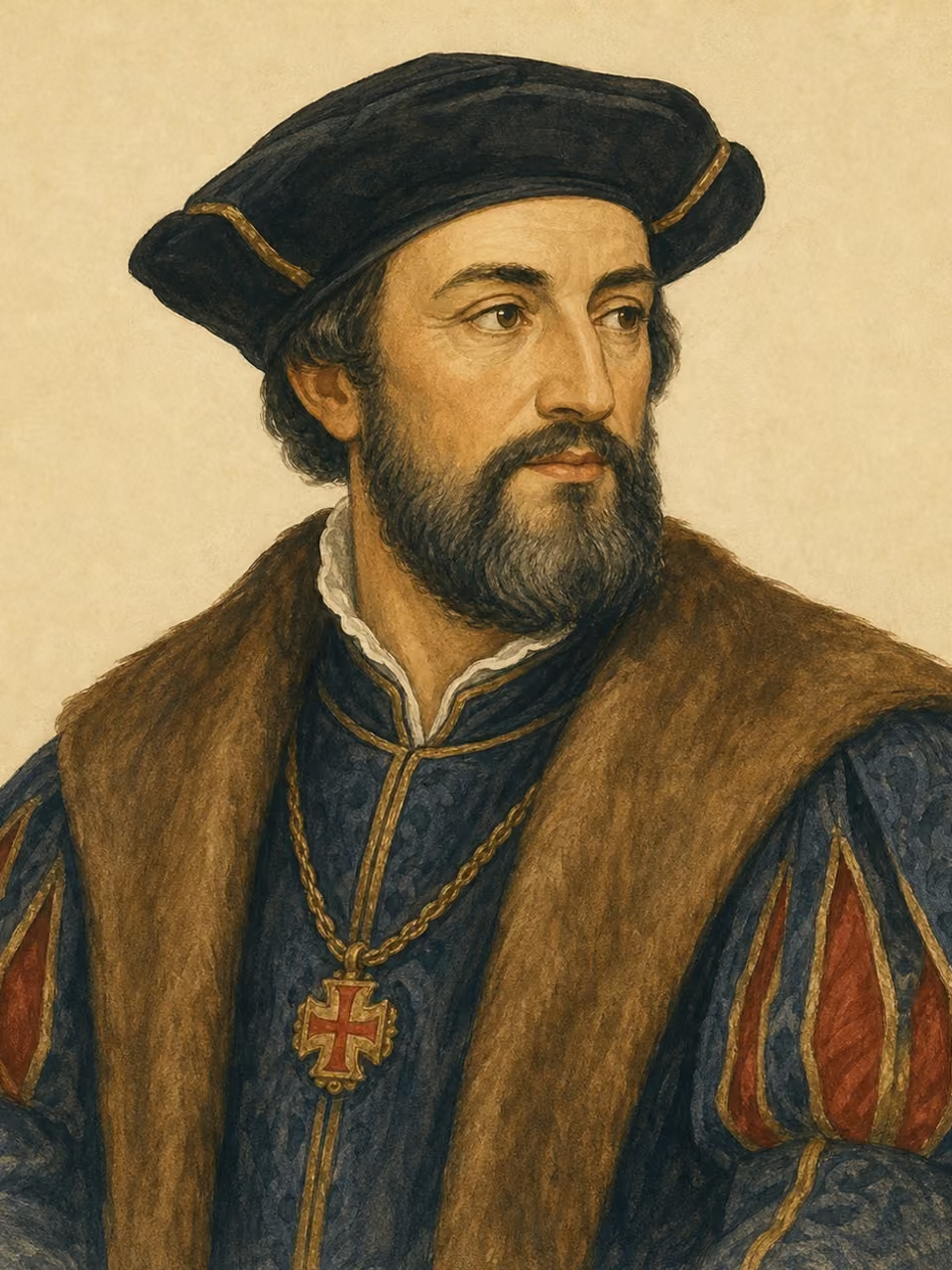
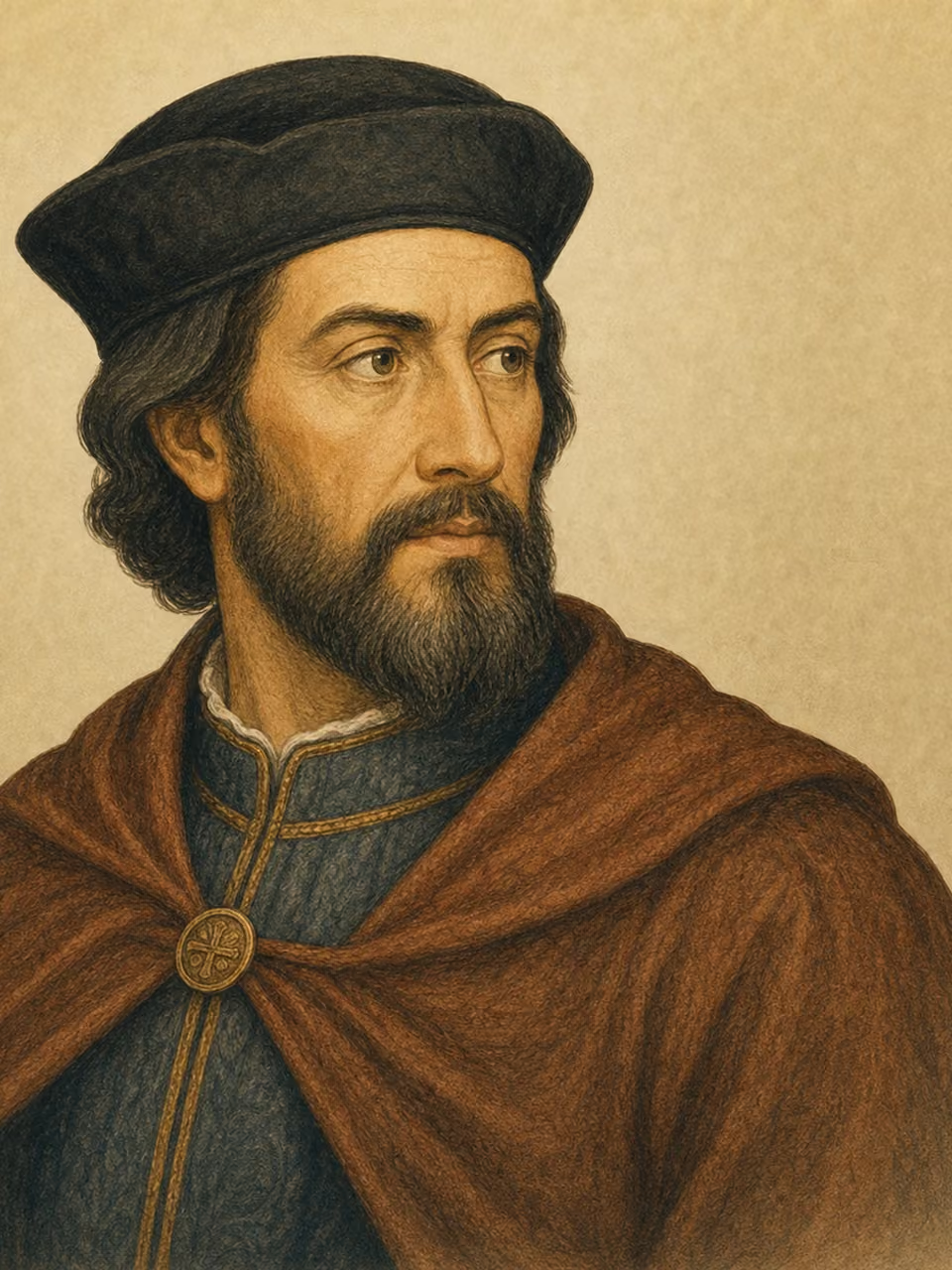
Vasco da Gama
Portuguese navigation
He opened a route around Africa that connected Europe with the Indian Ocean.
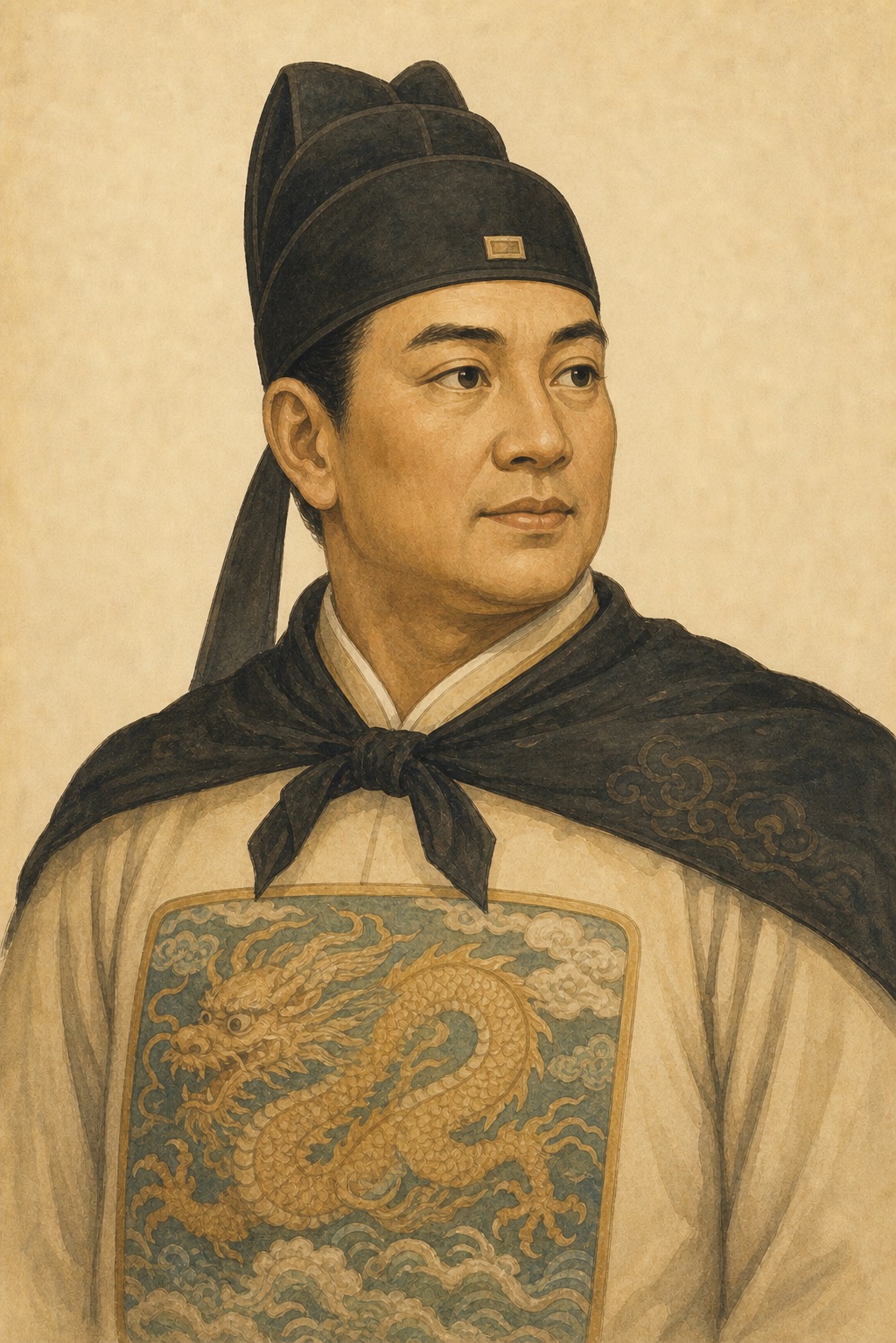
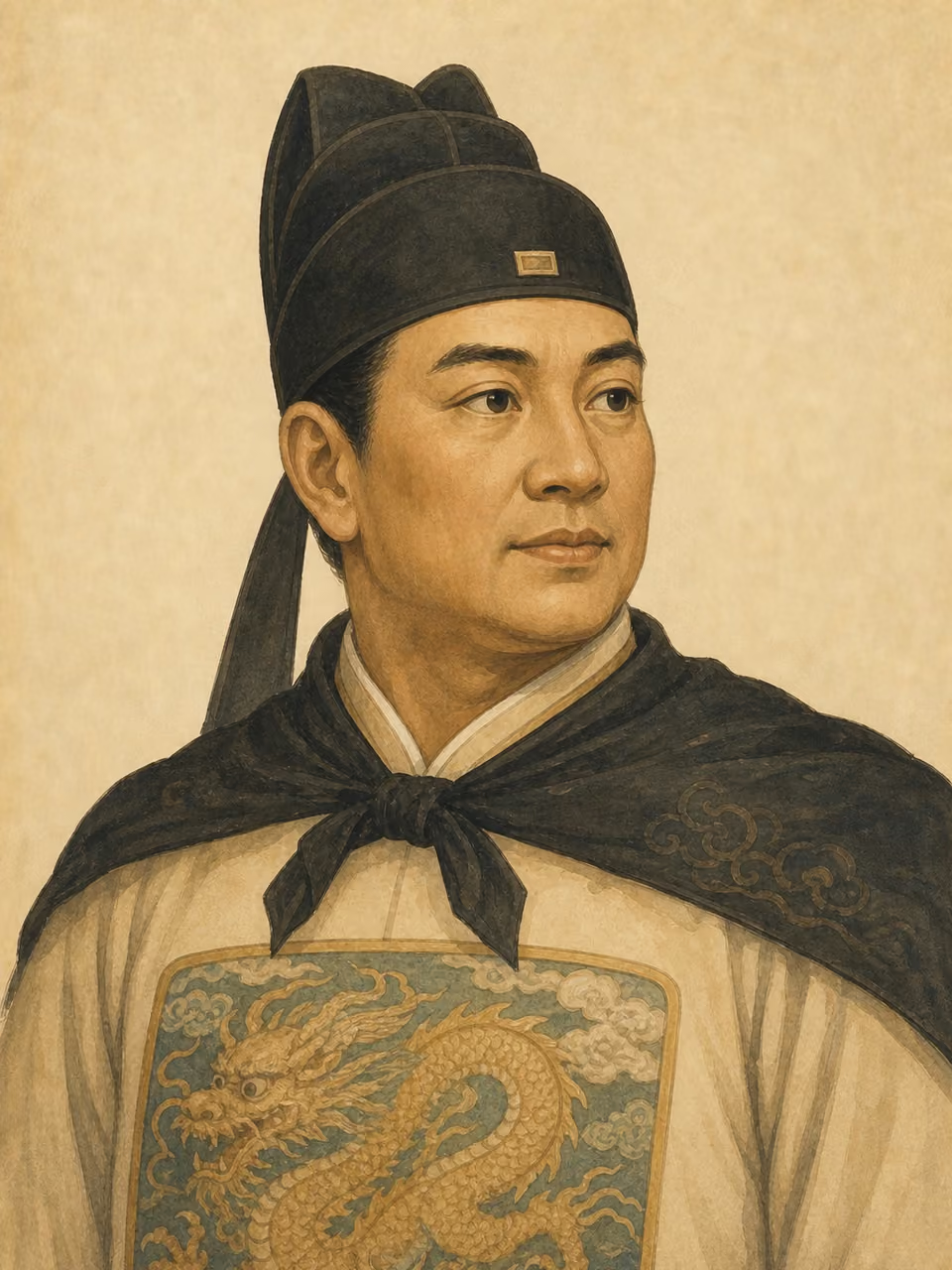
Zheng He
Ming maritime exchange
An admiral who led large diplomatic and trading voyages among Indian Ocean ports.
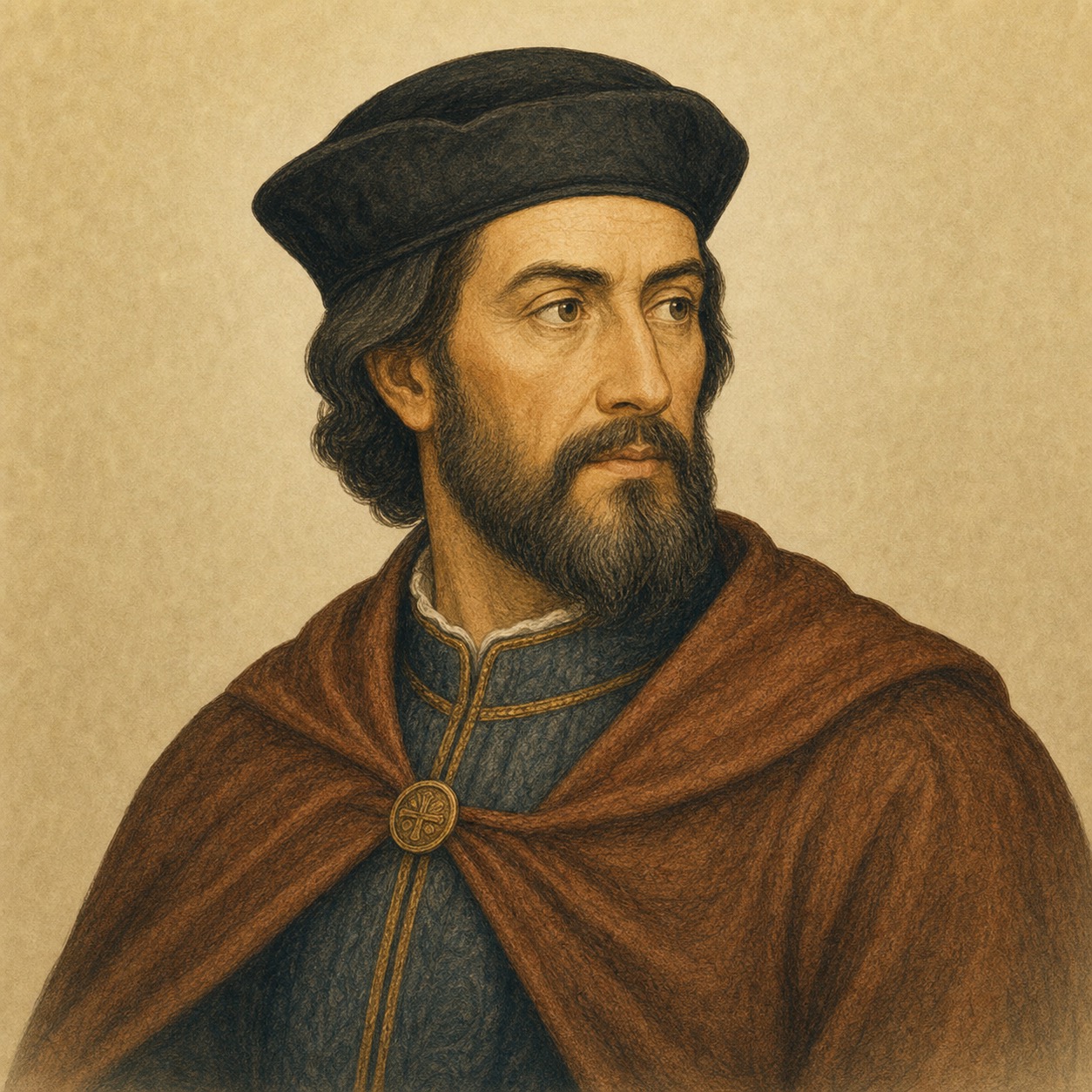
Bartolomeu Dias
Atlantic exploration
He reached the southern tip of Africa, preparing the way toward the Indian Ocean.
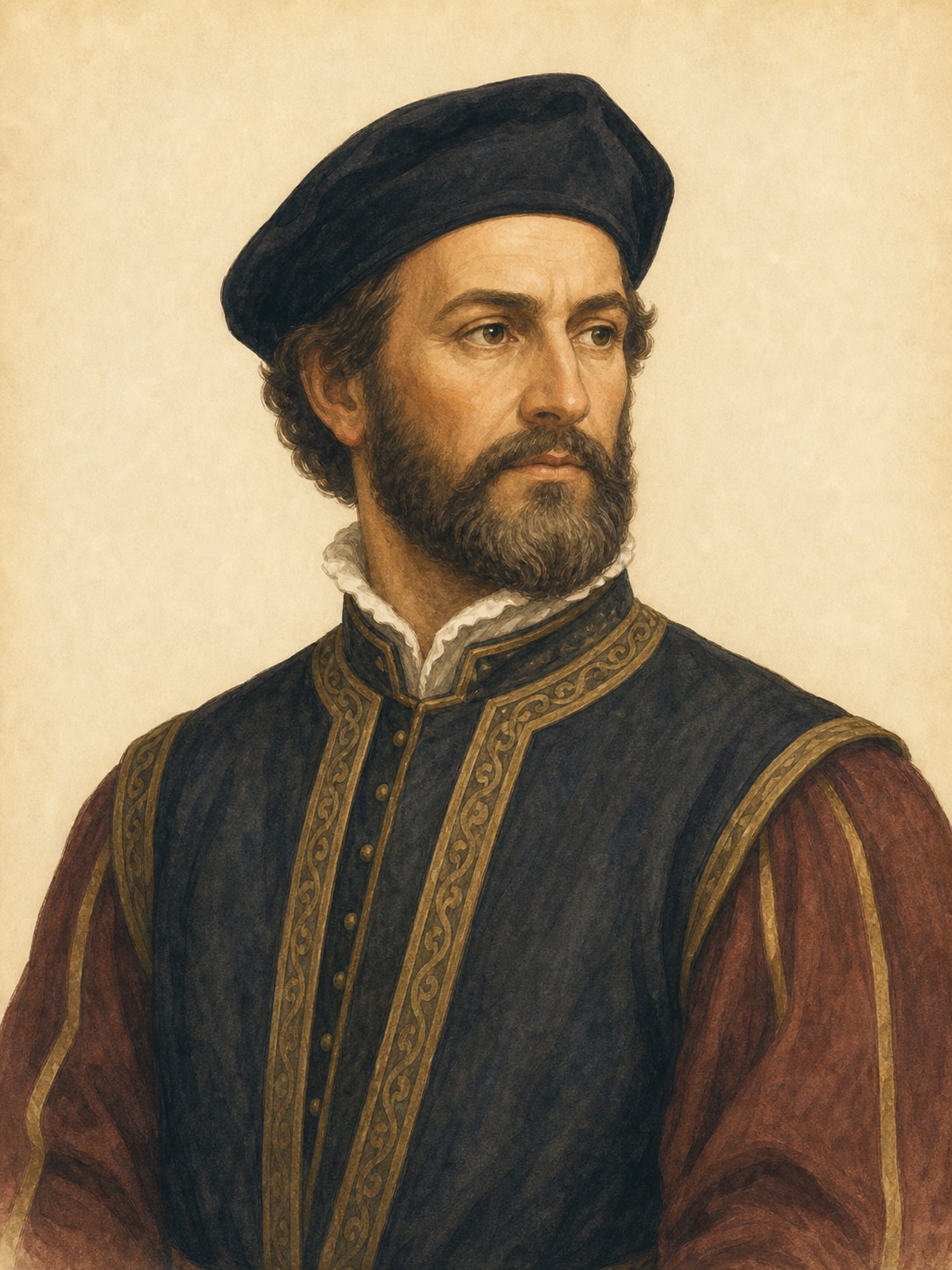
Pedro Alvares Cabral
Portuguese empire
A navigator whose Atlantic route connected Portugal to Brazil and the wider oceanic system.
Related events
c. 1415
Atlantic competition
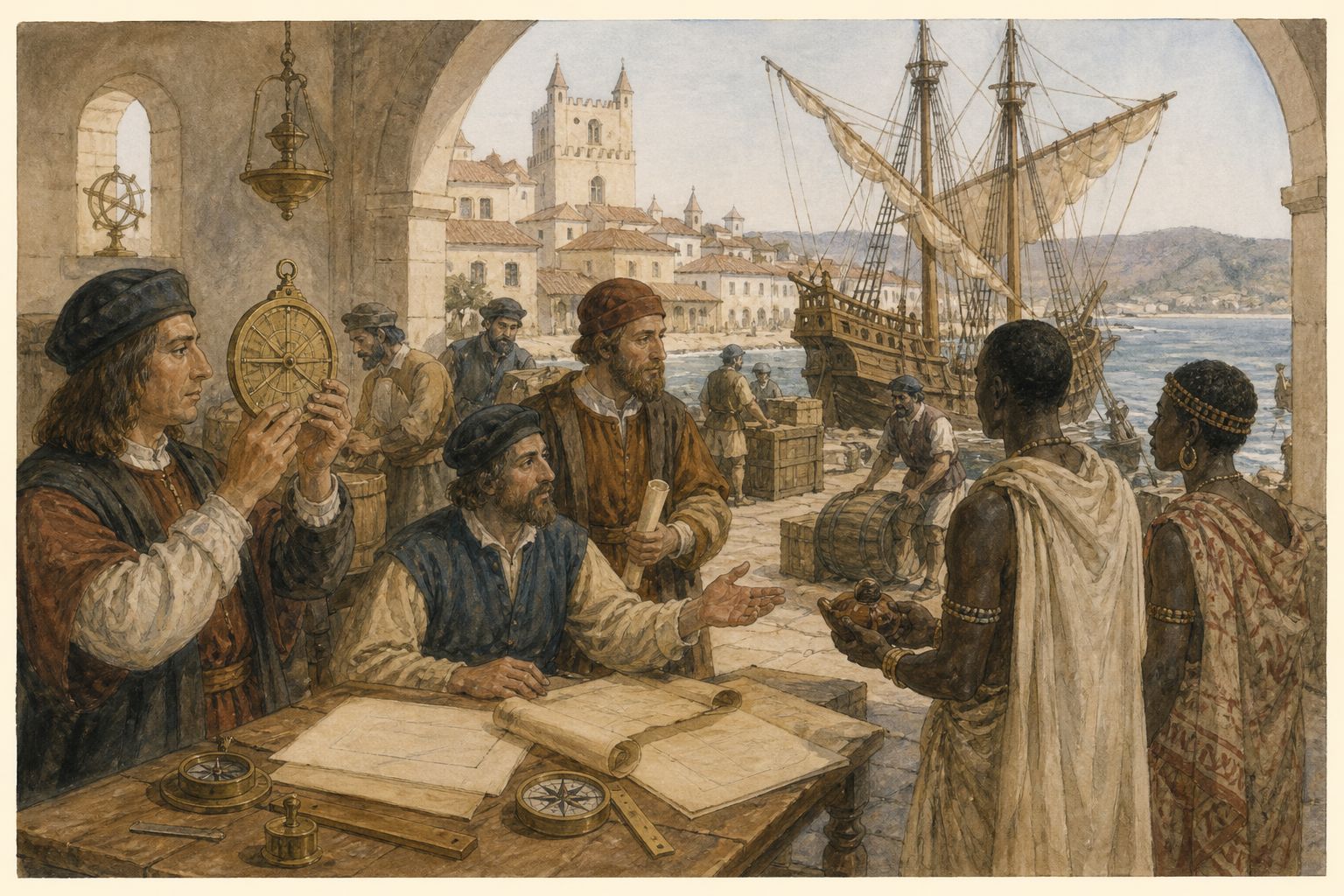
Ports and monarchies financed voyages that extended exploration along the African coast.
1498
Portuguese routes
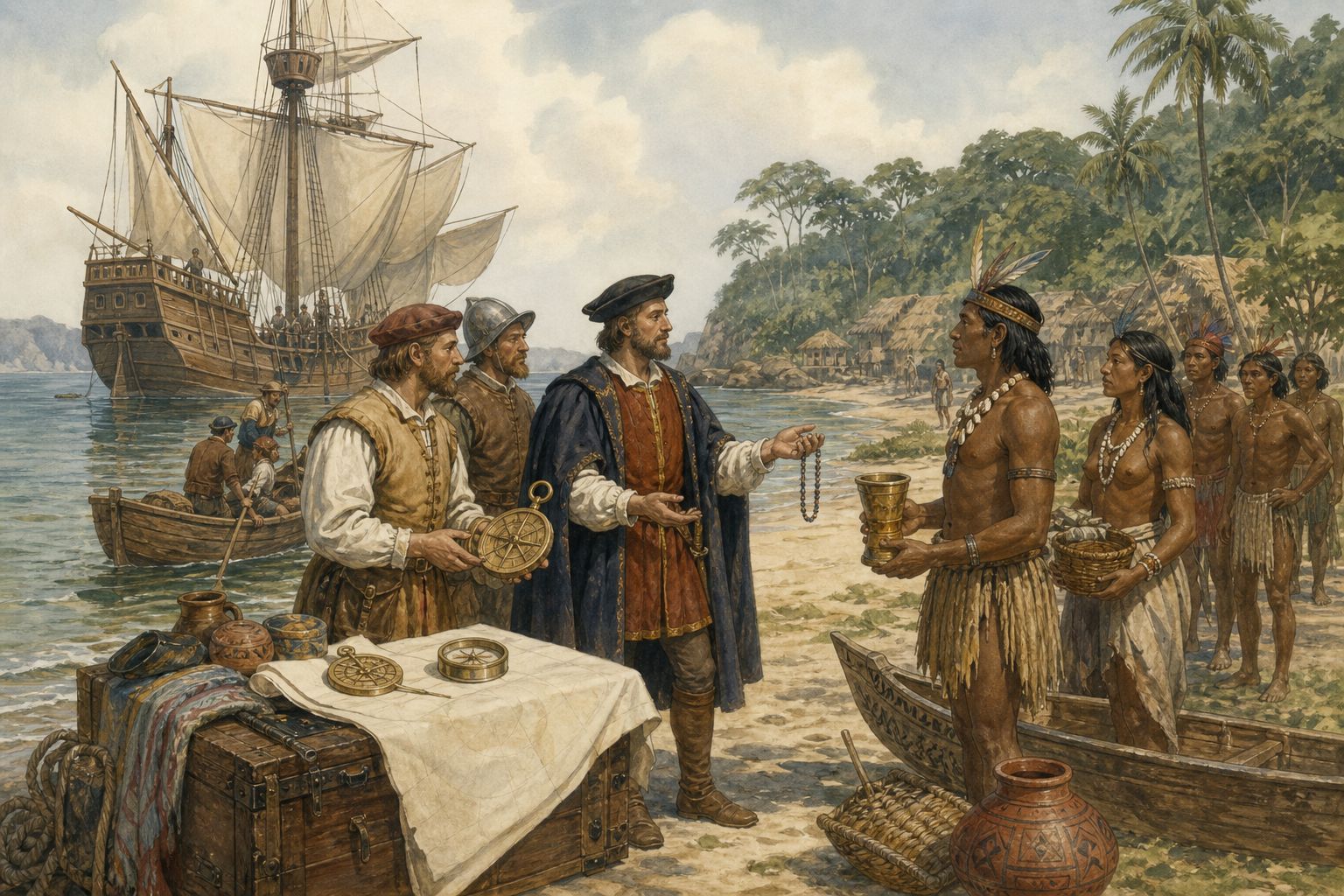
The route around the Cape connected European ports with the Indian Ocean.
c. 1400–c. 1600
Castilian voyages
Current event
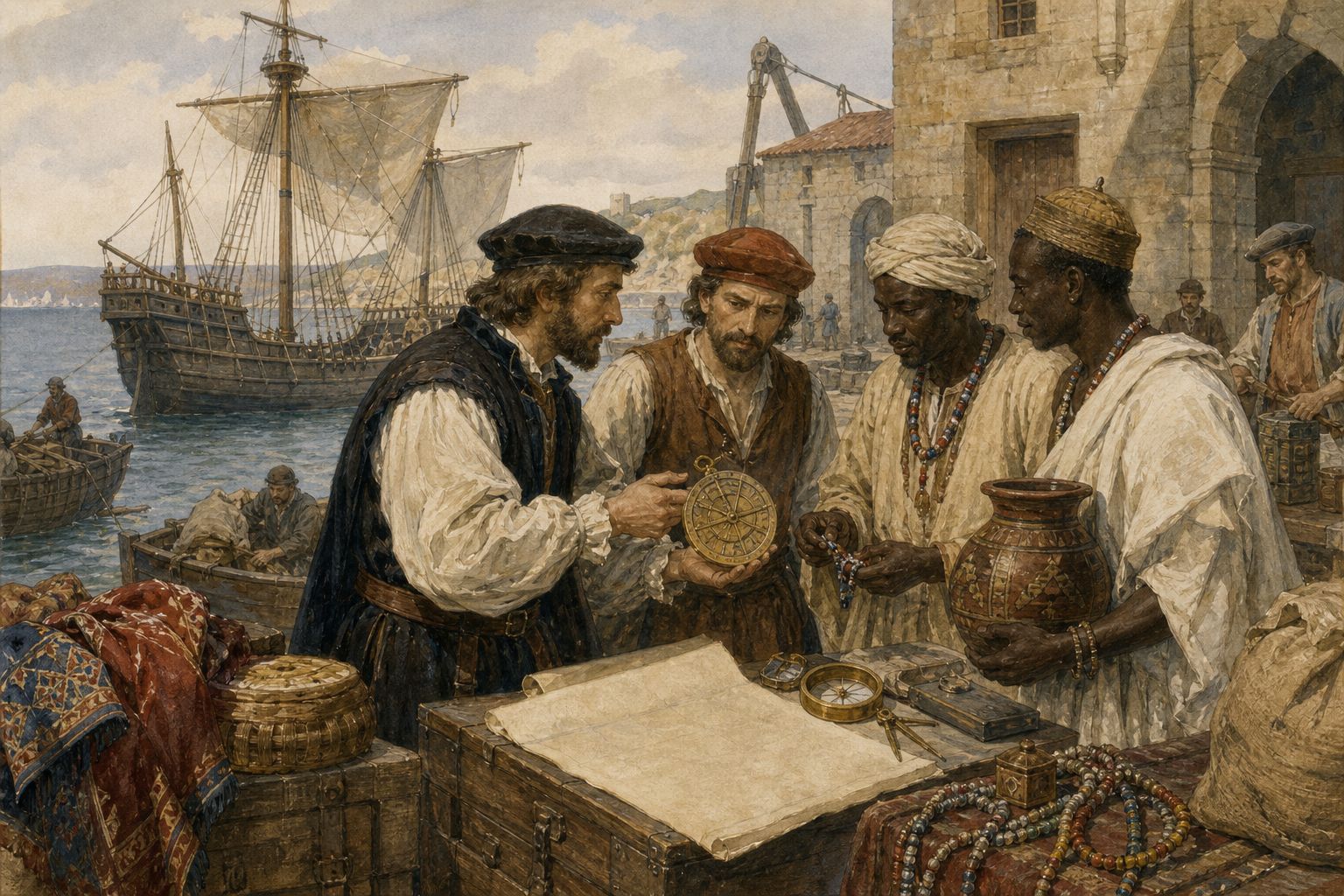
Royally backed voyages changed European ideas of the Atlantic and the forms of overseas rule.
c. 1492
Oceanic exchange
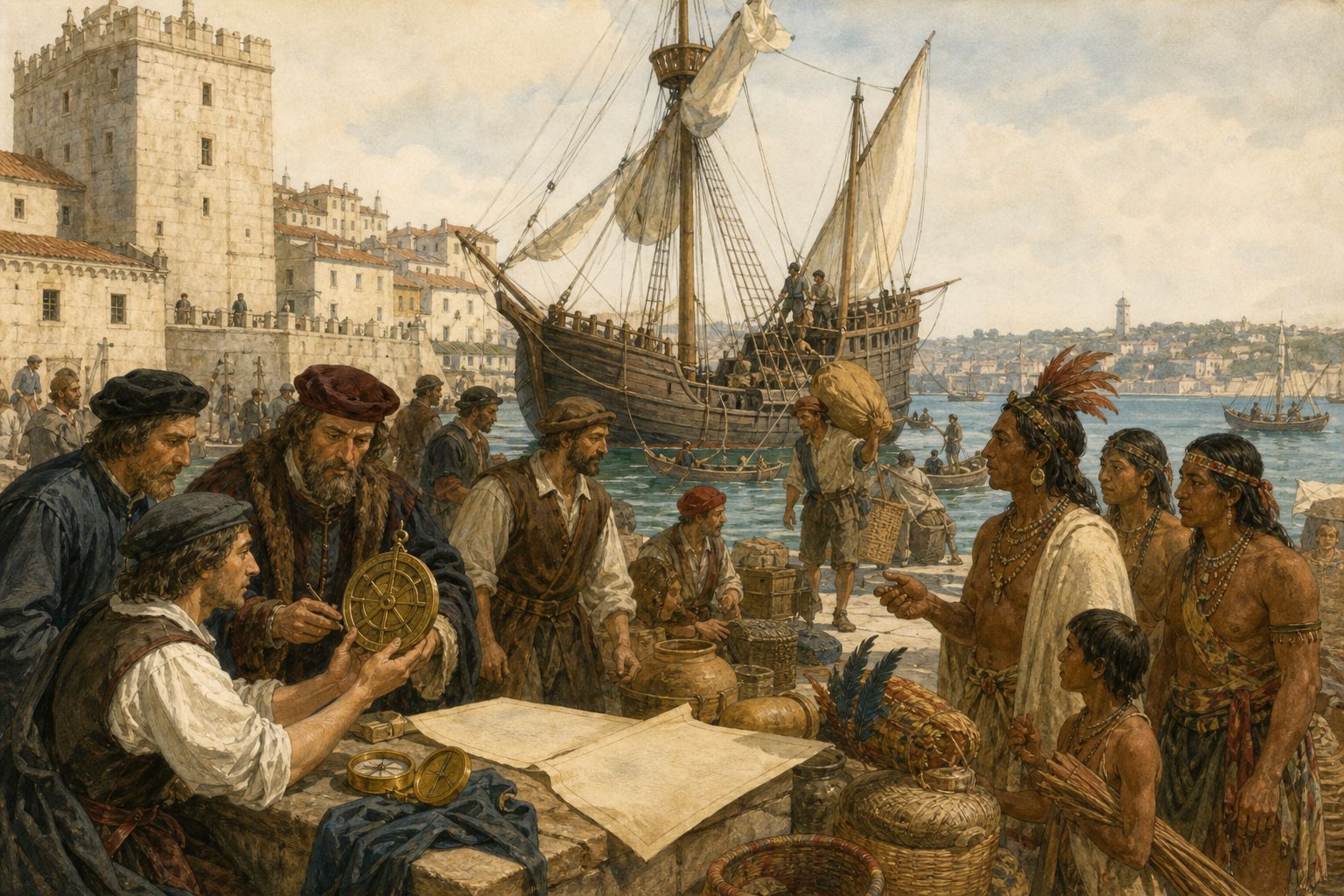
Crops, animals, people, and pathogens crossed the Atlantic and transformed societies.
c. 1600
A global legacy
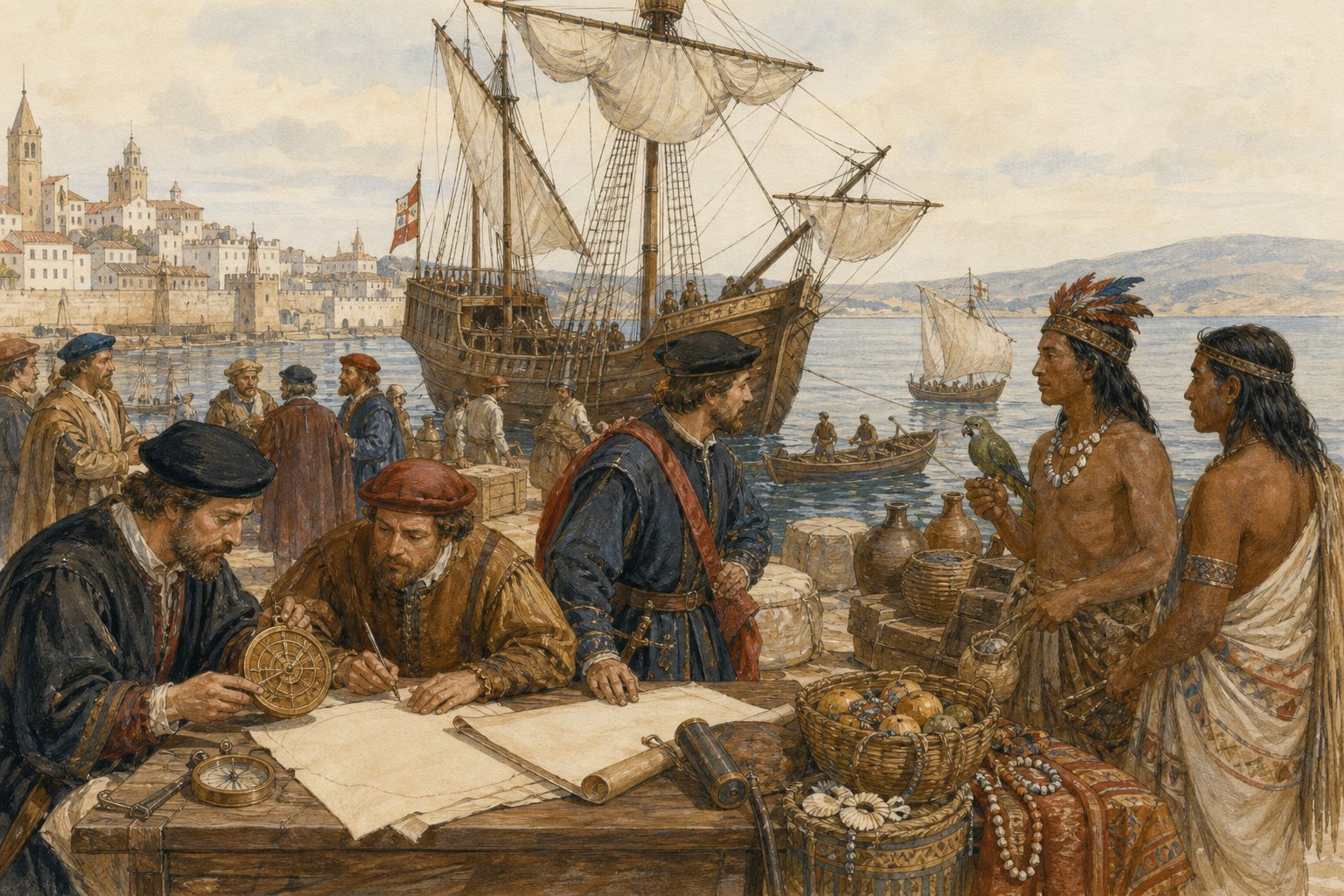
Trade and empire became intertwined, leaving structures of conquest and coerced labor.


Sources
- Age of DiscoveryEncyclopaedia BritannicaAn overview of the maritime expansion of European states and its historical consequences.
- Age of DiscoveryThe Metropolitan Museum of ArtA material-culture perspective on maps, ships, trade, and encounters across the oceans.
- Age of DiscoveryWorld History EncyclopediaA broad chronology of voyages, imperial competition, exchange, and colonial violence.