
American Revolutionary War
1775–1783
The 1775–1783 war in which thirteen British mainland colonies fought for and won independence as the United States, within a wider Atlantic conflict.

- Period
- 1775–1783
- Kind
- War
- Regions
- North America, Europe
- Keywords
- American Revolutionary War · background · course · outcome
Follow the story · Four stages
Background
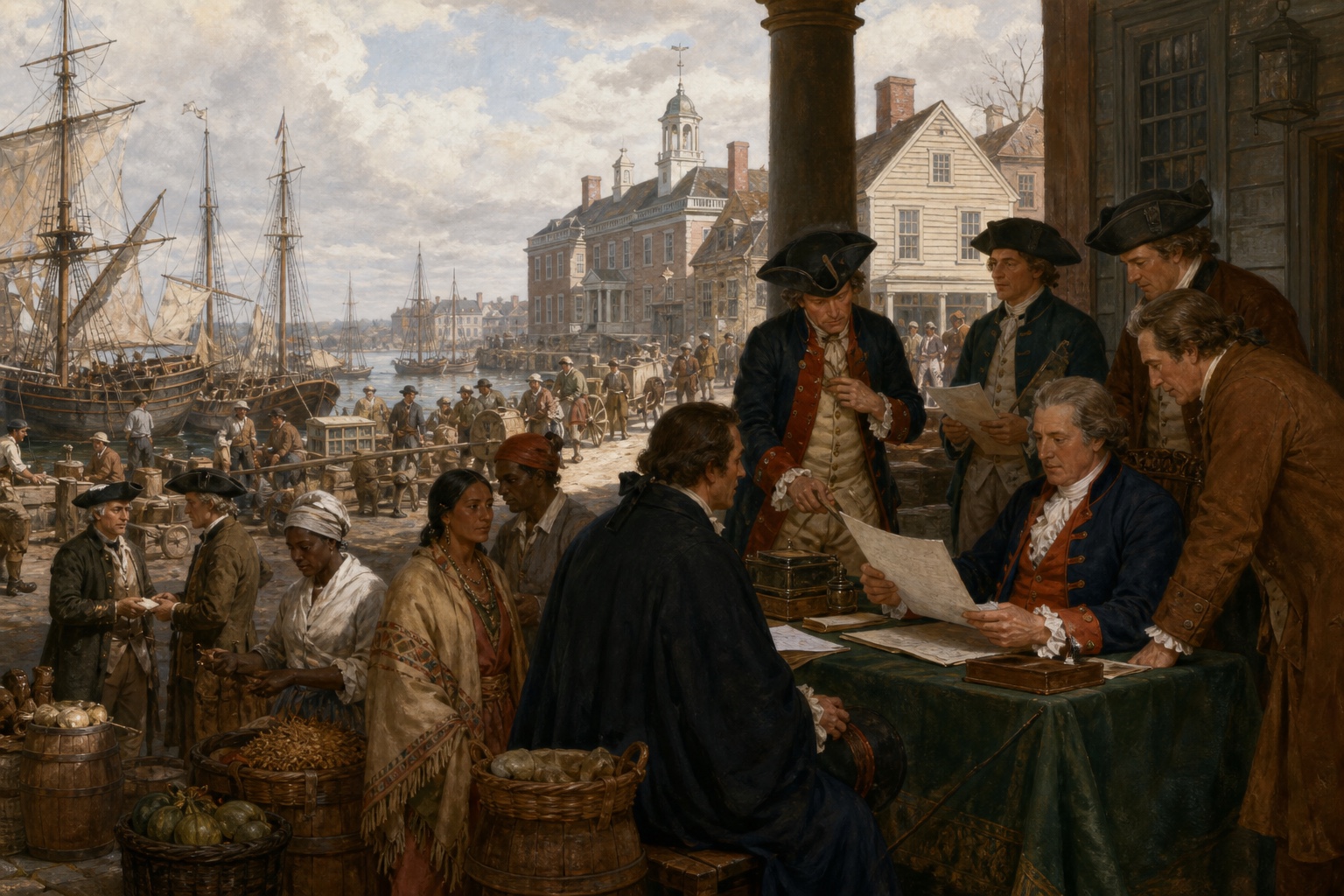
After the Seven Years' War, British efforts to raise revenue and tighten imperial administration met colonial resistance over taxation, representation, and political rights. Enlightenment languages of natural rights and consent shaped Patriot arguments, but constitutional practice, local interests, slavery, Indigenous diplomacy, and imperial rivalry also structured the crisis.
- After the Seven Years' War, British efforts to raise revenue and tighten imperial administration met colonial resistance over taxation, representation, and political rights.
- Enlightenment languages of natural rights and consent shaped Patriot arguments, but constitutional practice, local interests, slavery, Indigenous diplomacy, and imperial rivalry also structured the crisis.
- Core event: The 1775–1783 war in which thirteen British mainland colonies fought for and won independence as the United States, within a wider Atlantic conflict.
Course
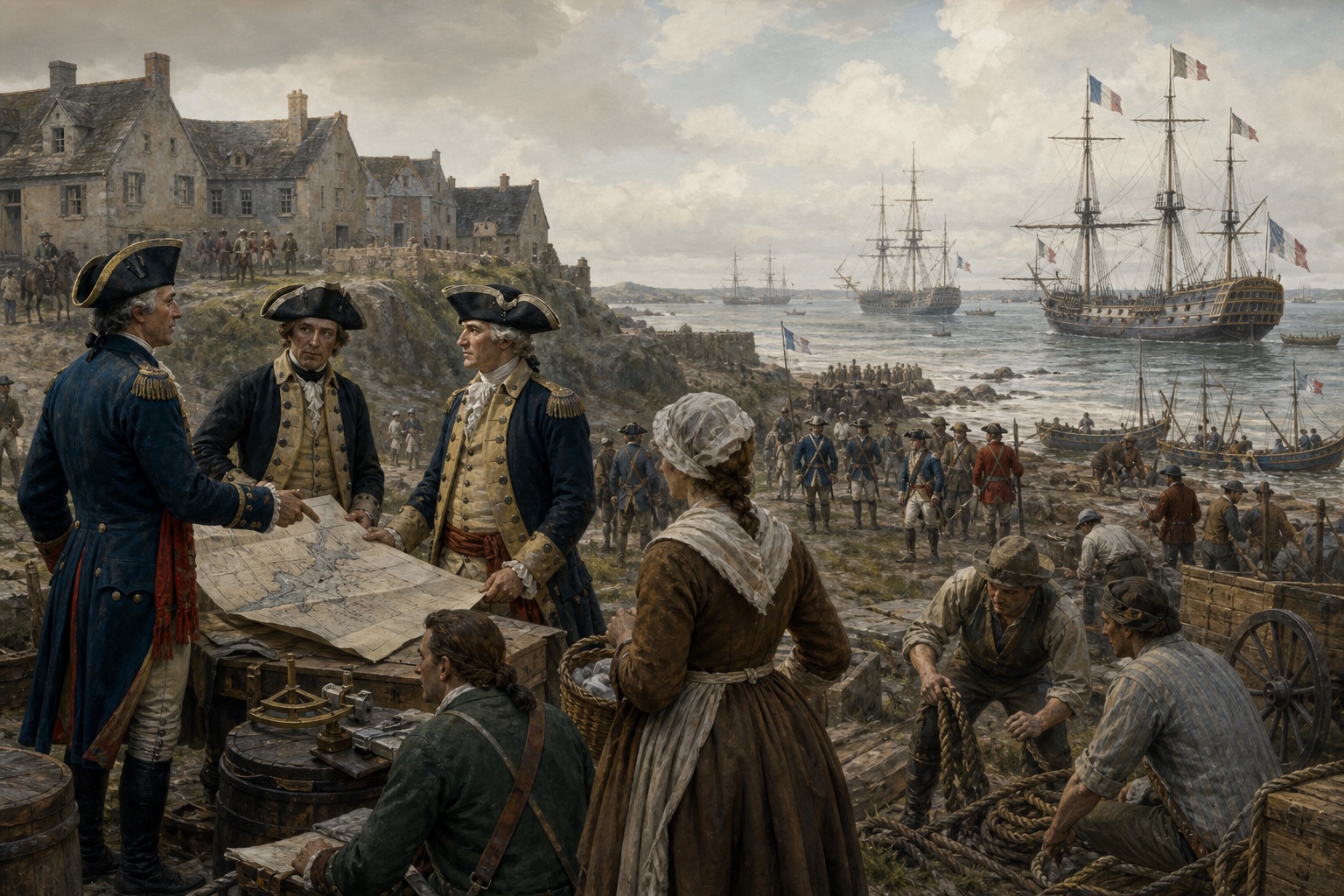
Fighting began at Lexington and Concord in April 1775; Congress created a Continental Army under George Washington and declared independence in 1776. Victory at Saratoga helped secure a French alliance in 1778, making the war international; French forces and naval power were decisive in Cornwallis's surrender at Yorktown in 1781.
- Fighting began at Lexington and Concord in April 1775; Congress created a Continental Army under George Washington and declared independence in 1776.
- Victory at Saratoga helped secure a French alliance in 1778, making the war international; French forces and naval power were decisive in Cornwallis's surrender at Yorktown in 1781.
- Conditions behind the action: After the Seven Years' War, British efforts to raise revenue and tighten imperial administration met colonial resistance over taxation, representation, and political rights. Enlightenment languages of natural rights and consent shaped Patriot arguments, but constitutional practice, local interests, slavery, Indigenous diplomacy, and imperial rivalry also structured the crisis.
Outcome
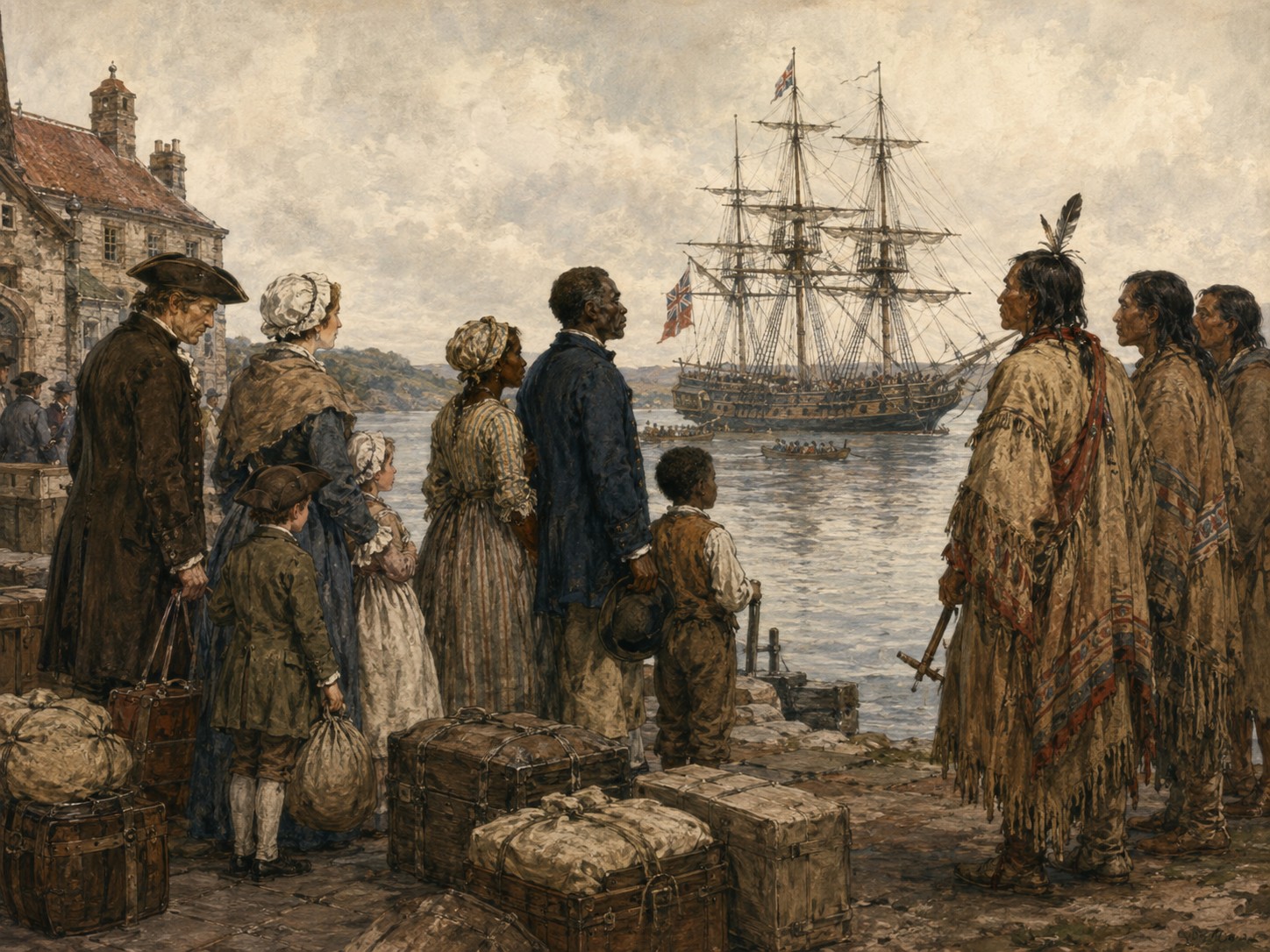
The Treaty of Paris, signed on 3 September 1783, ended the war between Britain and the United States, recognized U.S. independence, and established extensive boundaries. Loyalists faced displacement, enslaved people pursued competing paths to freedom, and Indigenous nations confronted a republic claiming western lands without their consent.
- The Treaty of Paris, signed on 3 September 1783, ended the war between Britain and the United States, recognized U.S. independence, and established extensive boundaries.
- Loyalists faced displacement, enslaved people pursued competing paths to freedom, and Indigenous nations confronted a republic claiming western lands without their consent.
- Process producing the result: Fighting began at Lexington and Concord in April 1775; Congress created a Continental Army under George Washington and declared independence in 1776. Victory at Saratoga helped secure a French alliance in 1778, making the war international; French forces and naval power were decisive in Cornwallis's surrender at Yorktown in 1781.
Historical significance
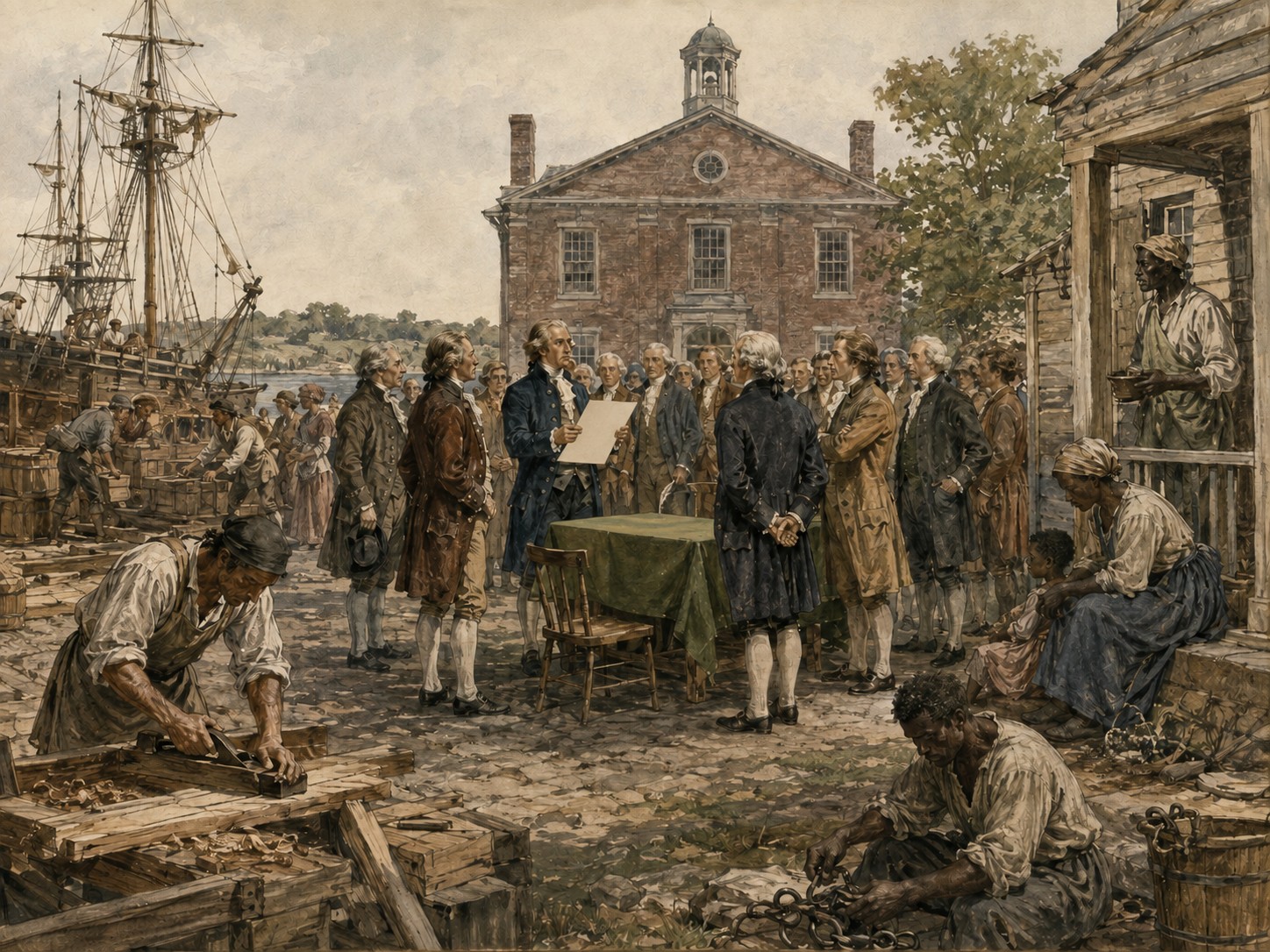
The Revolution created a republic and made Enlightenment claims about rights and government politically influential beyond North America. Its declarations of equality coexisted with slavery, restricted citizenship, and territorial expansion, contradictions that shaped subsequent constitutional conflict and later revolutionary movements.
- The Revolution created a republic and made Enlightenment claims about rights and government politically influential beyond North America.
- Its declarations of equality coexisted with slavery, restricted citizenship, and territorial expansion, contradictions that shaped subsequent constitutional conflict and later revolutionary movements.
- Immediate consequence: The Treaty of Paris, signed on 3 September 1783, ended the war between Britain and the United States, recognized U.S. independence, and established extensive boundaries. Loyalists faced displacement, enslaved people pursued competing paths to freedom, and Indigenous nations confronted a republic claiming western lands without their consent.


Related figures
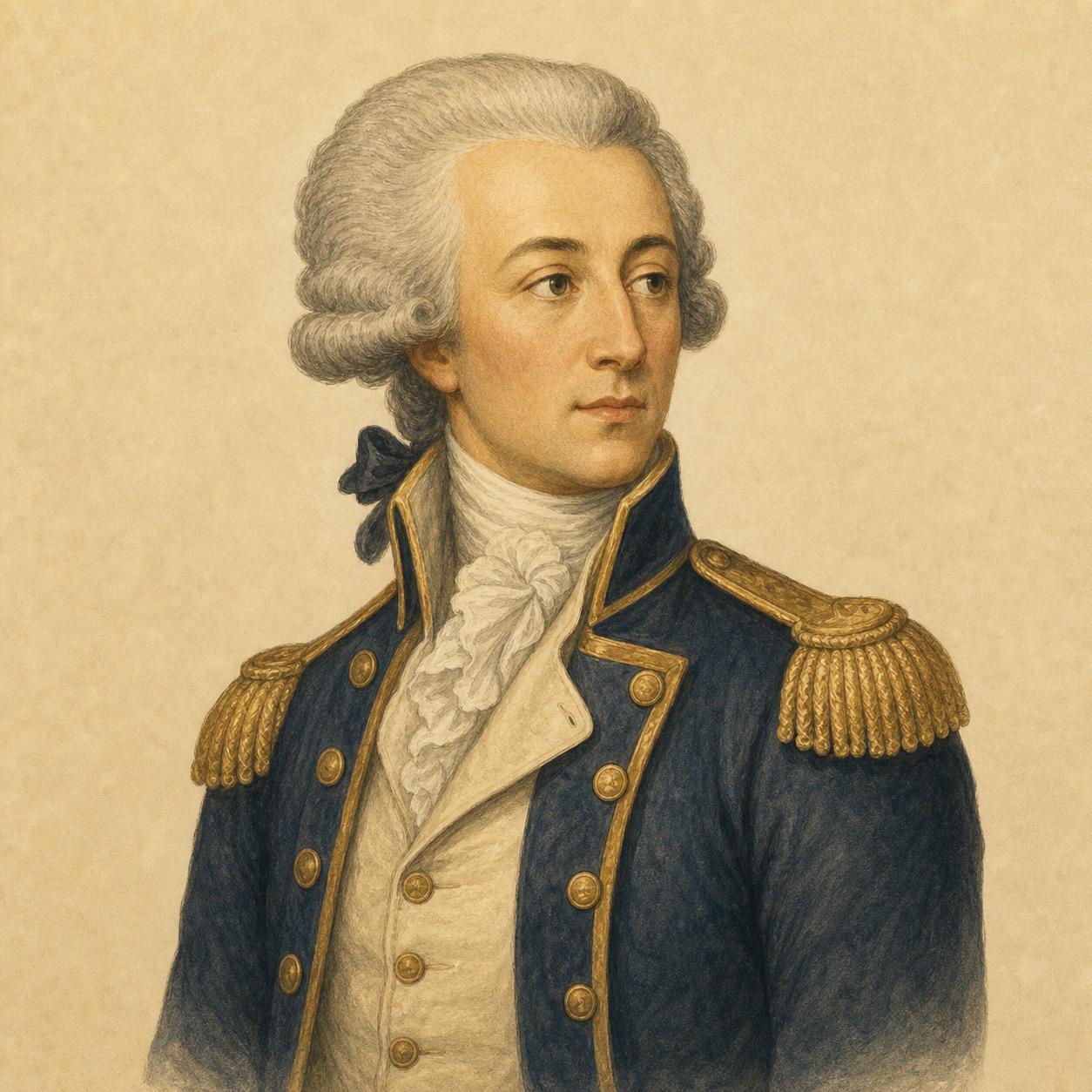
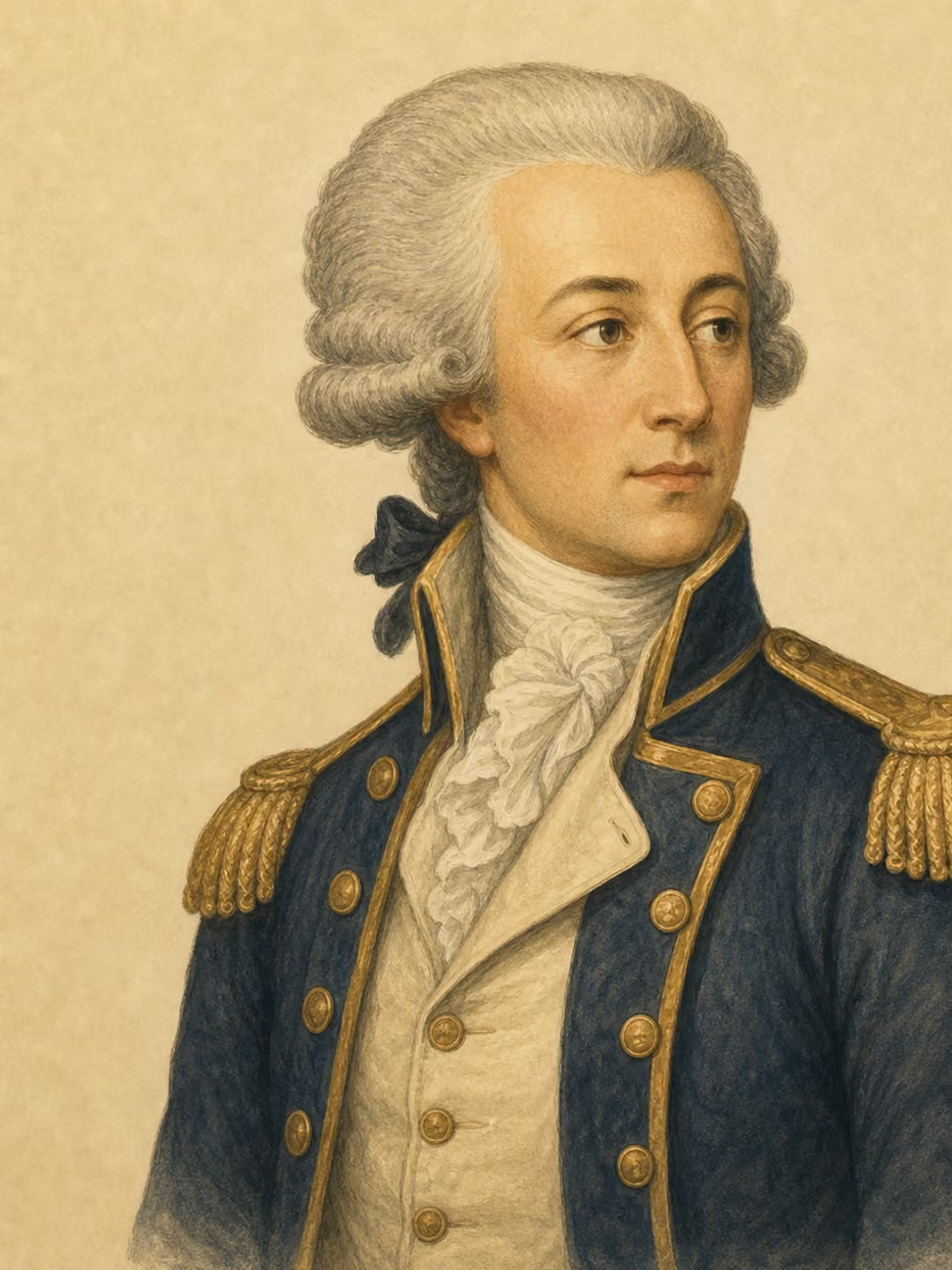
Gilbert du Motier, Marquis de Lafayette
historical figure in context
French aristocrat, soldier, and politician. He joined the American Revolution and acted as a constitutionalist in the early French Revolution. He shows the connections among Atlantic revolutions.
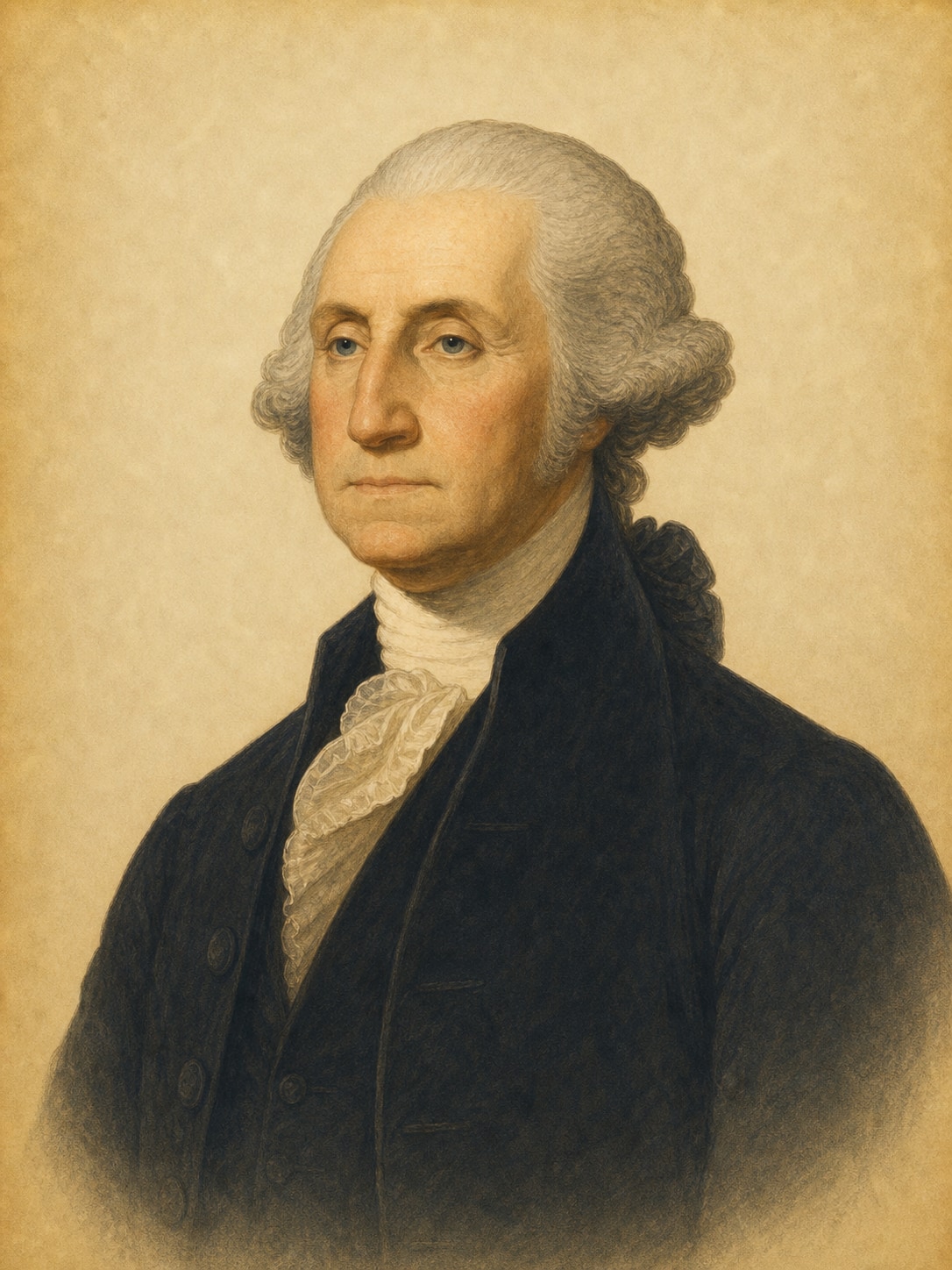
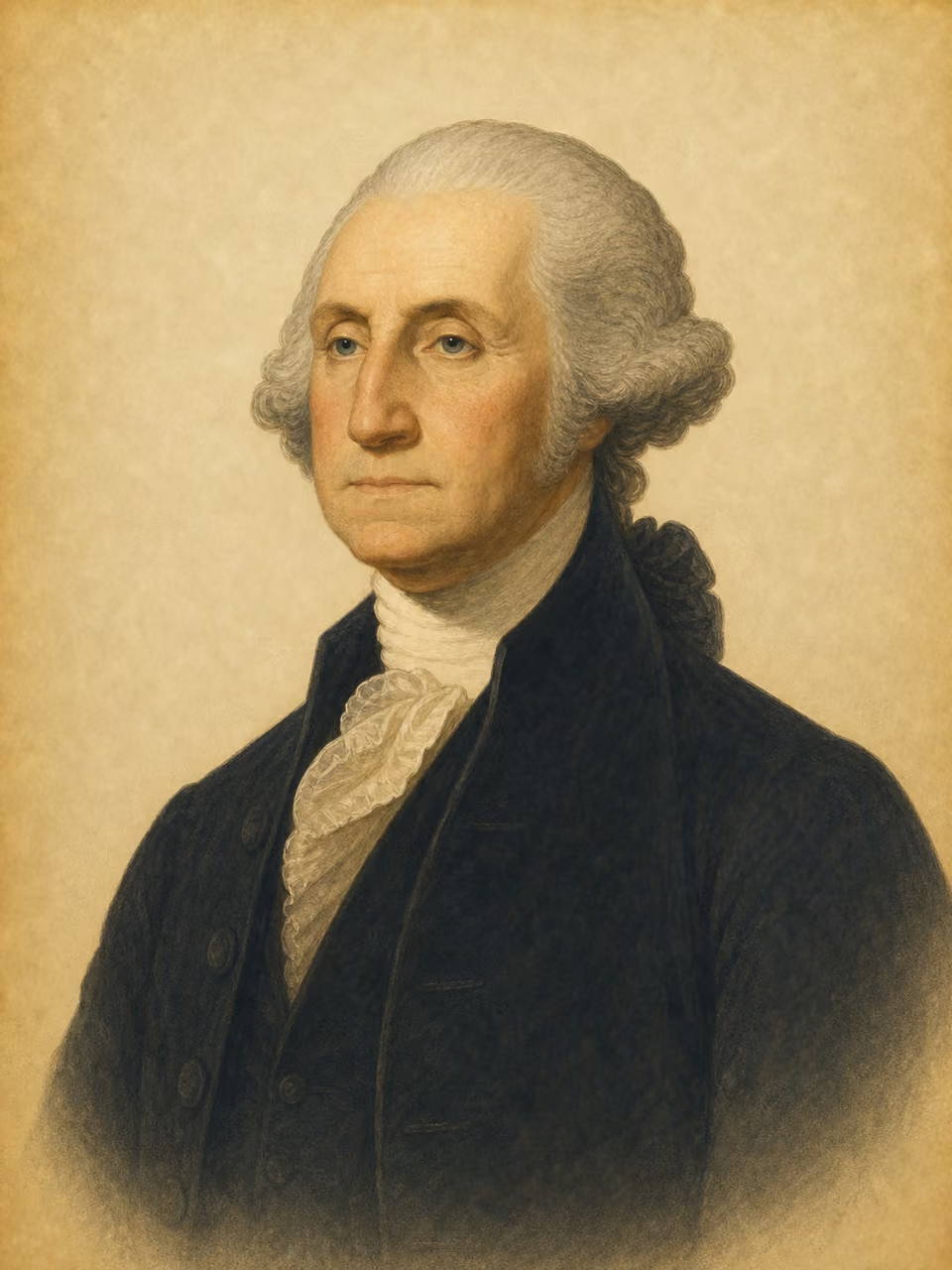
George Washington
historical figure in context
A politician who served as commander-in-chief during the American Revolutionary War and became the first president. Connected colonial revolts to the creation of new republics. He is an important figure when thinking about modern republics and presidential systems.
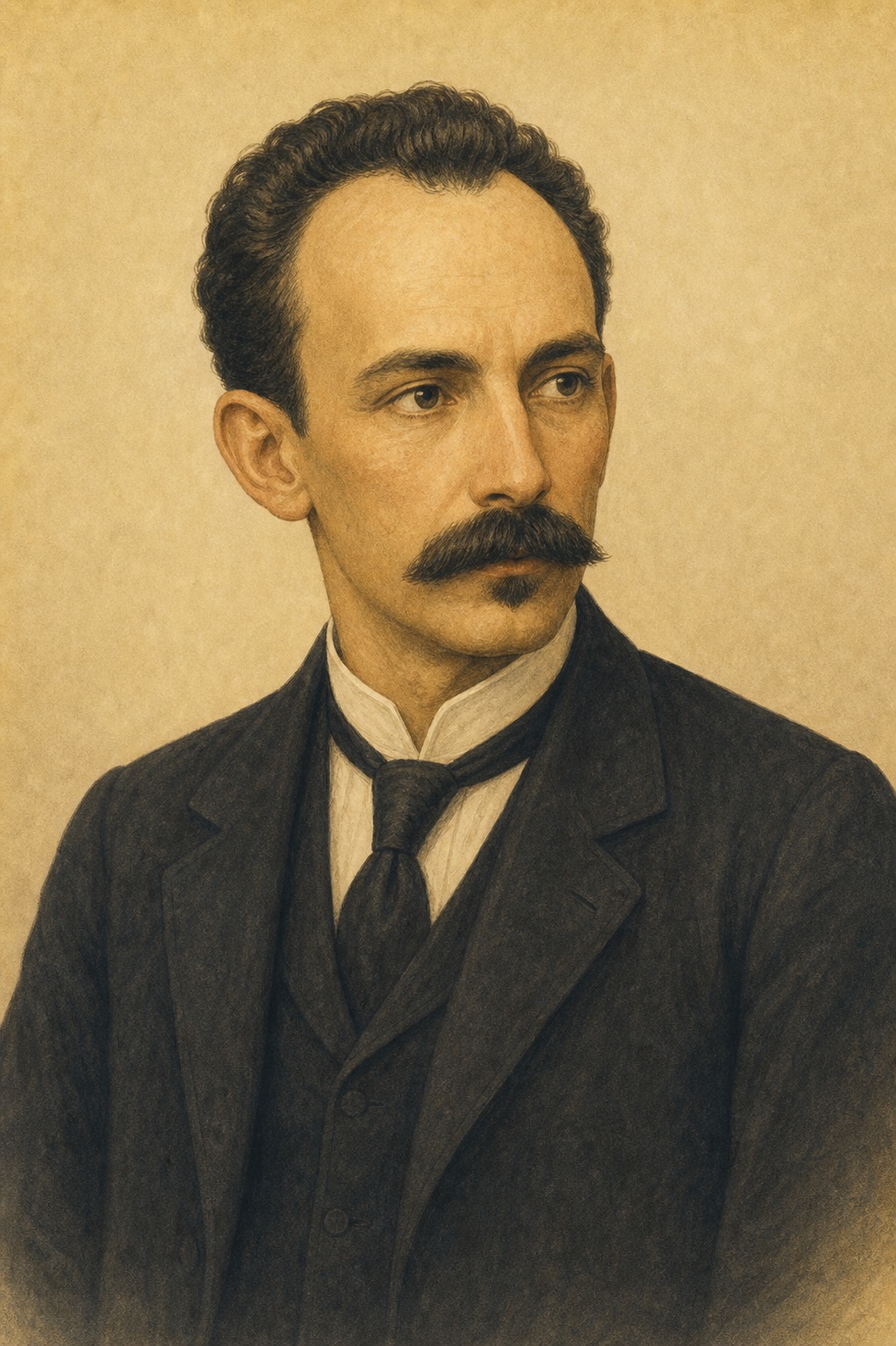
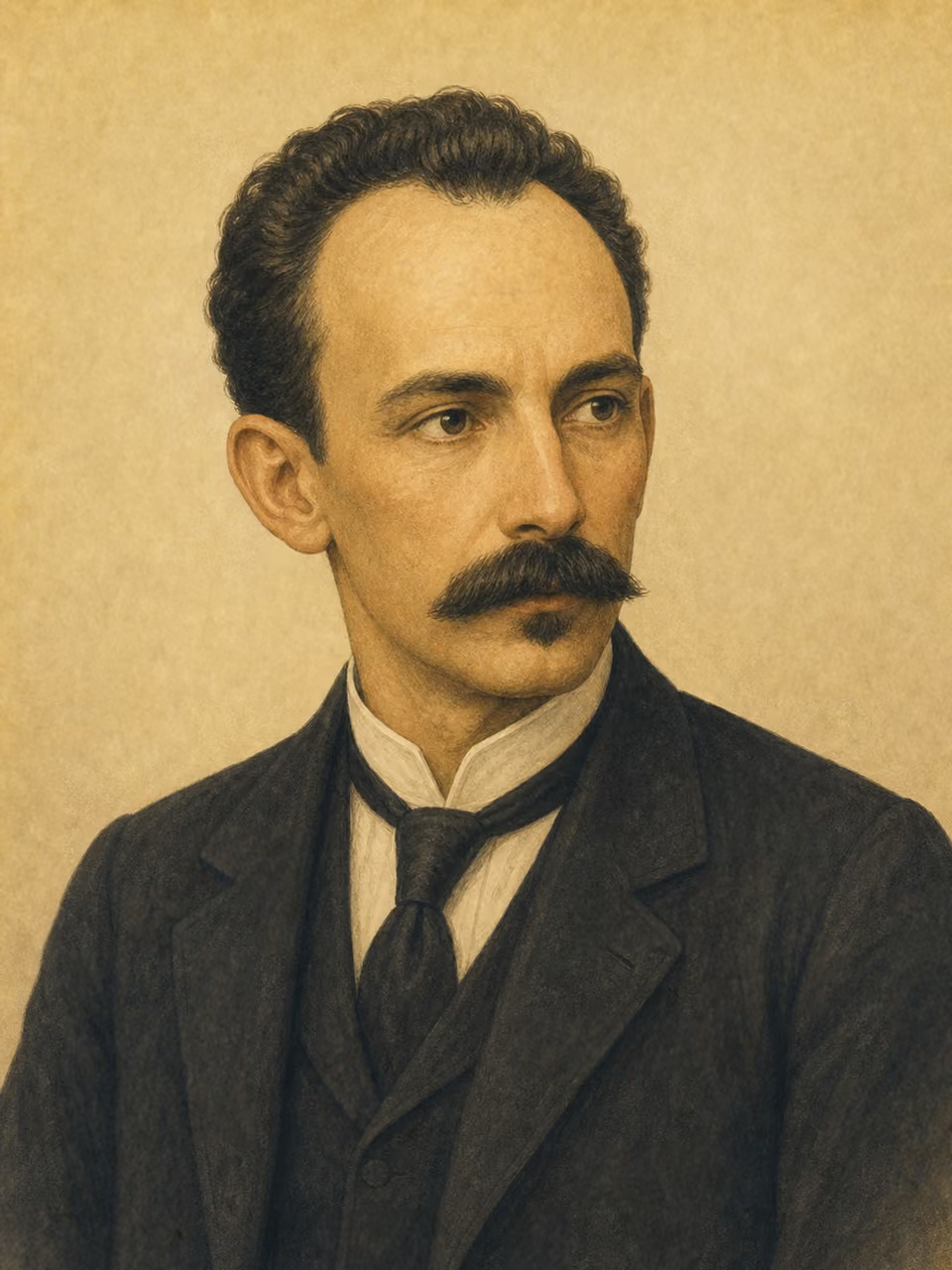
Jose Marti
historical figure in context
A Cuban poet, thinker, and independence activist who advocated for liberation from Spanish rule. He combined literature and political activism and represented anti-colonialism in Latin America. He is a central figure in the history of Cuban independence.
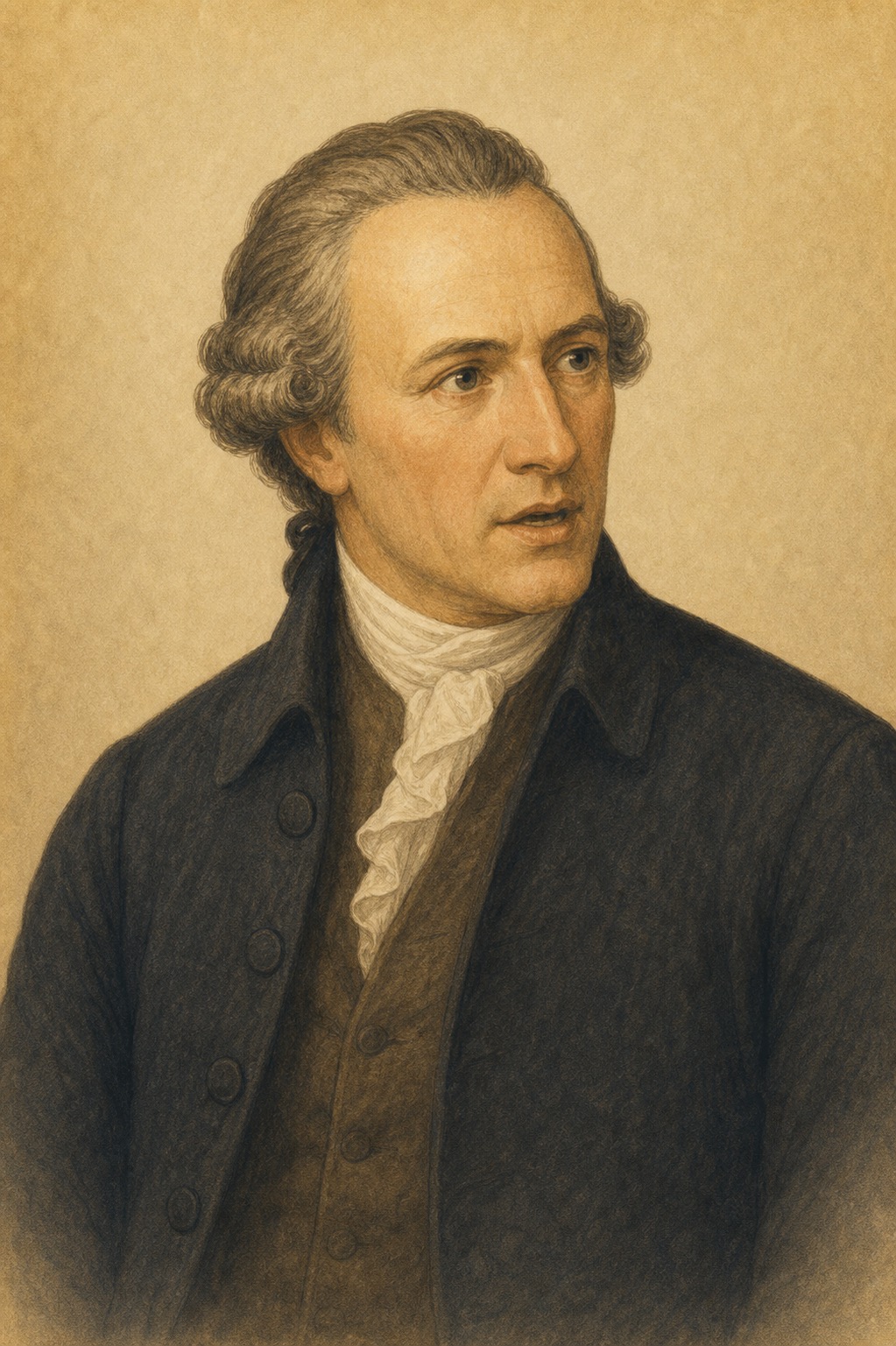
Patrick Henry
historical figure in context
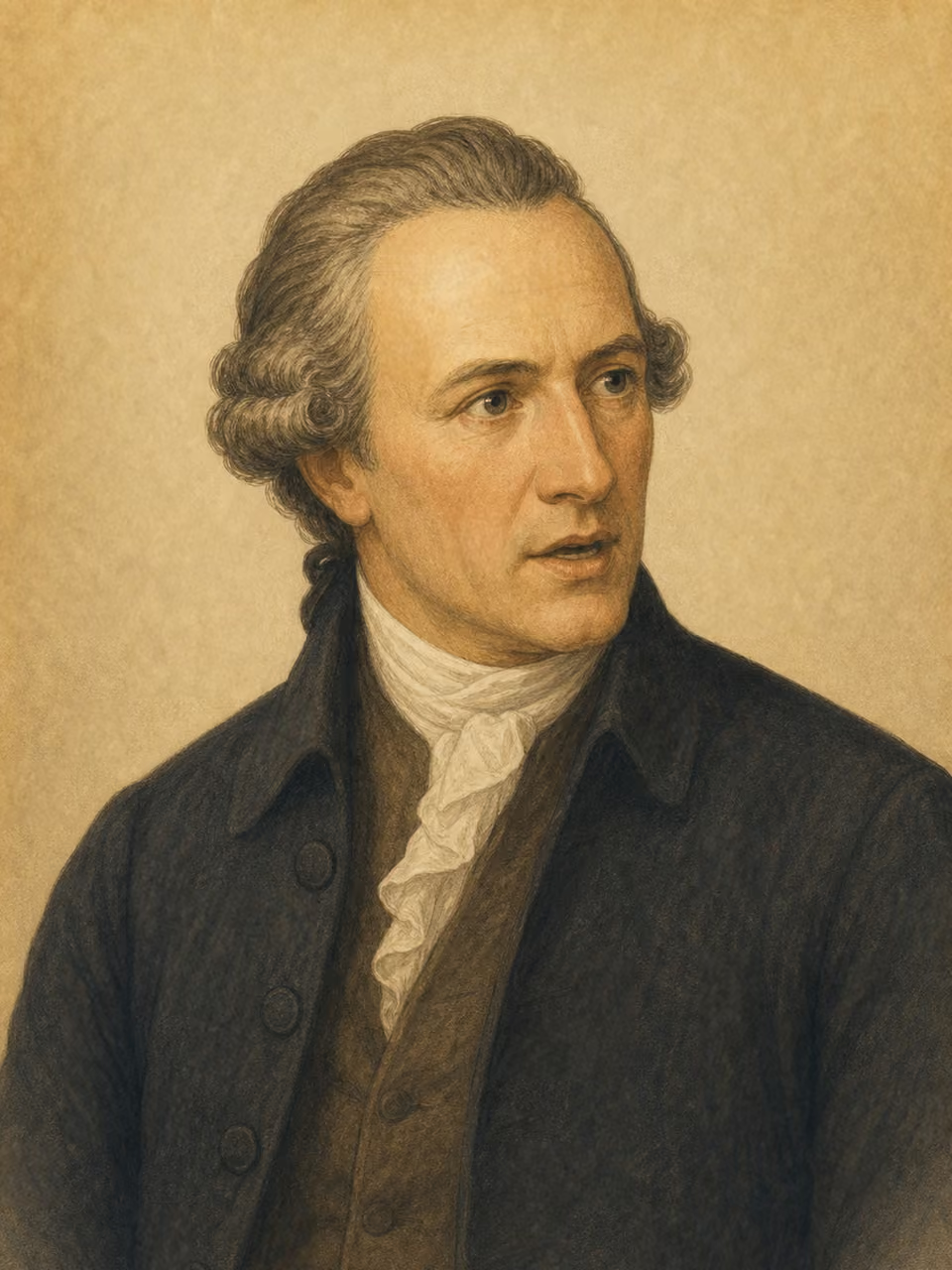
A politician during the American Revolution who strongly advocated freedom for the colonies. He is known for his ``Freedom or Death'' speech. He is an important figure in thinking about the formation of public opinion during the revolutionary period. You can also see the power of political speech.
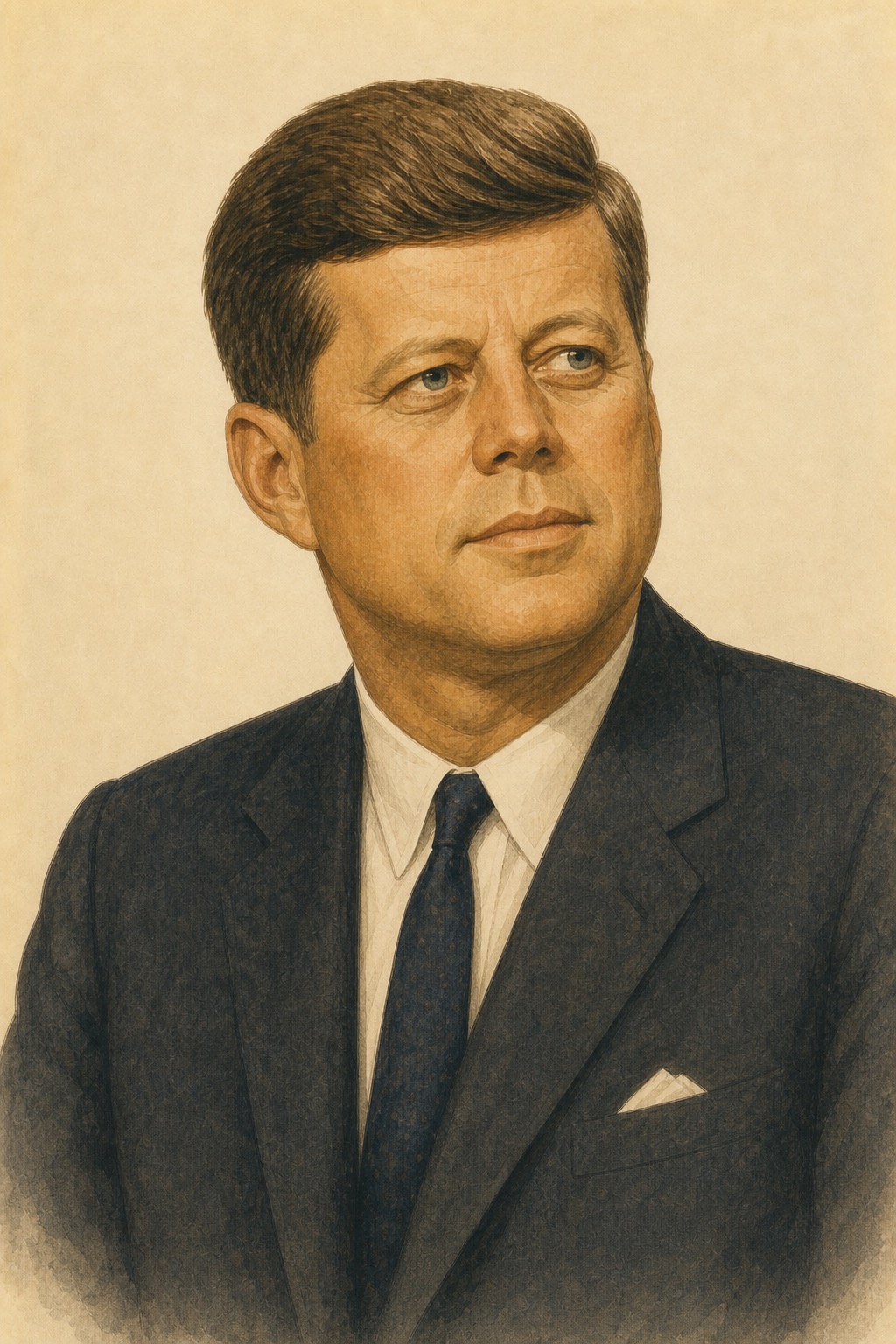
John F. Kennedy
historical figure in context
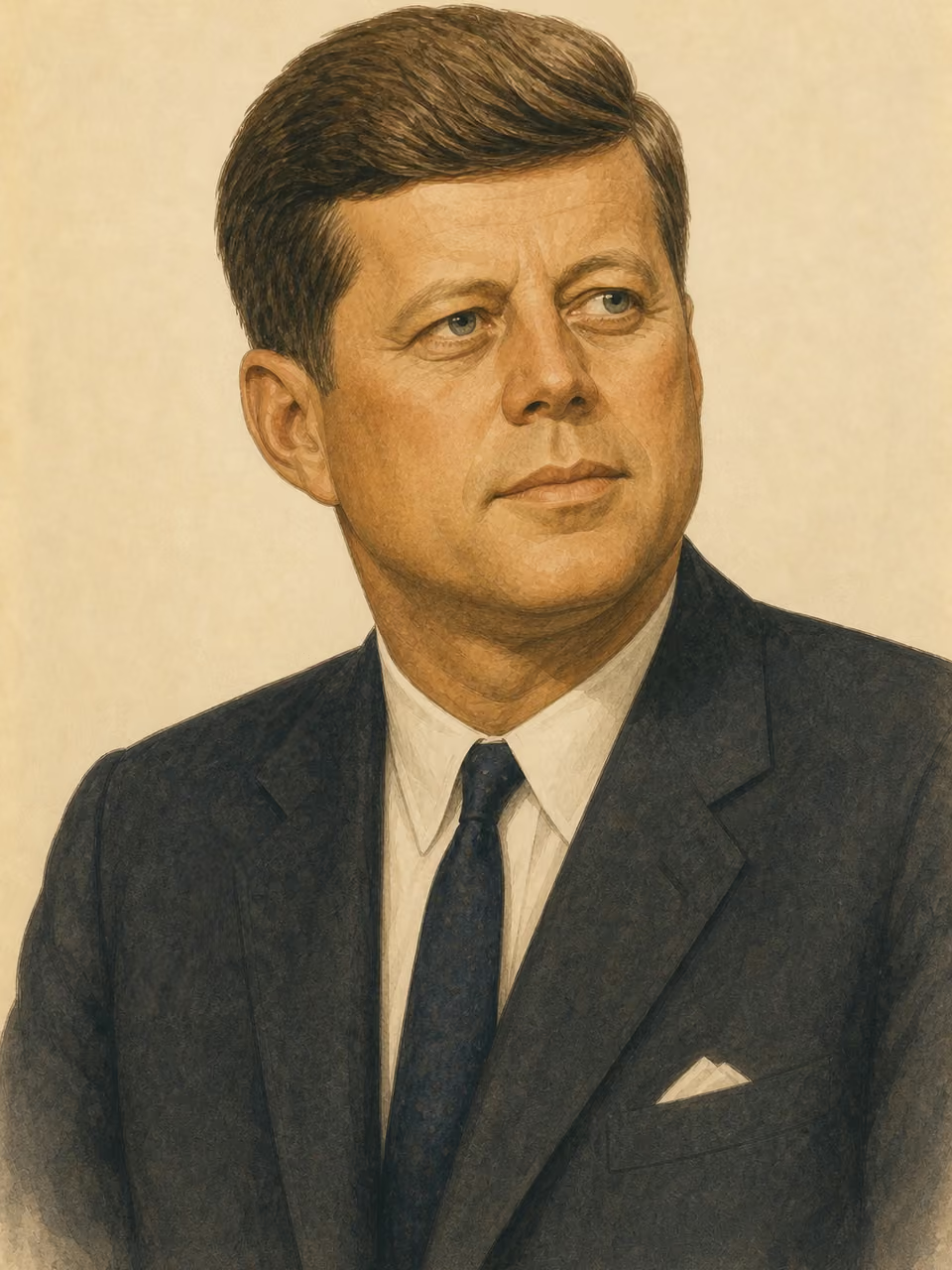
Thirty-fifth president of the United States. During the Cold War he faced the Cuban Missile Crisis and was also involved in space exploration and civil rights. He symbolizes both hope and crisis in postwar American politics.
Related events
1755
Prelude
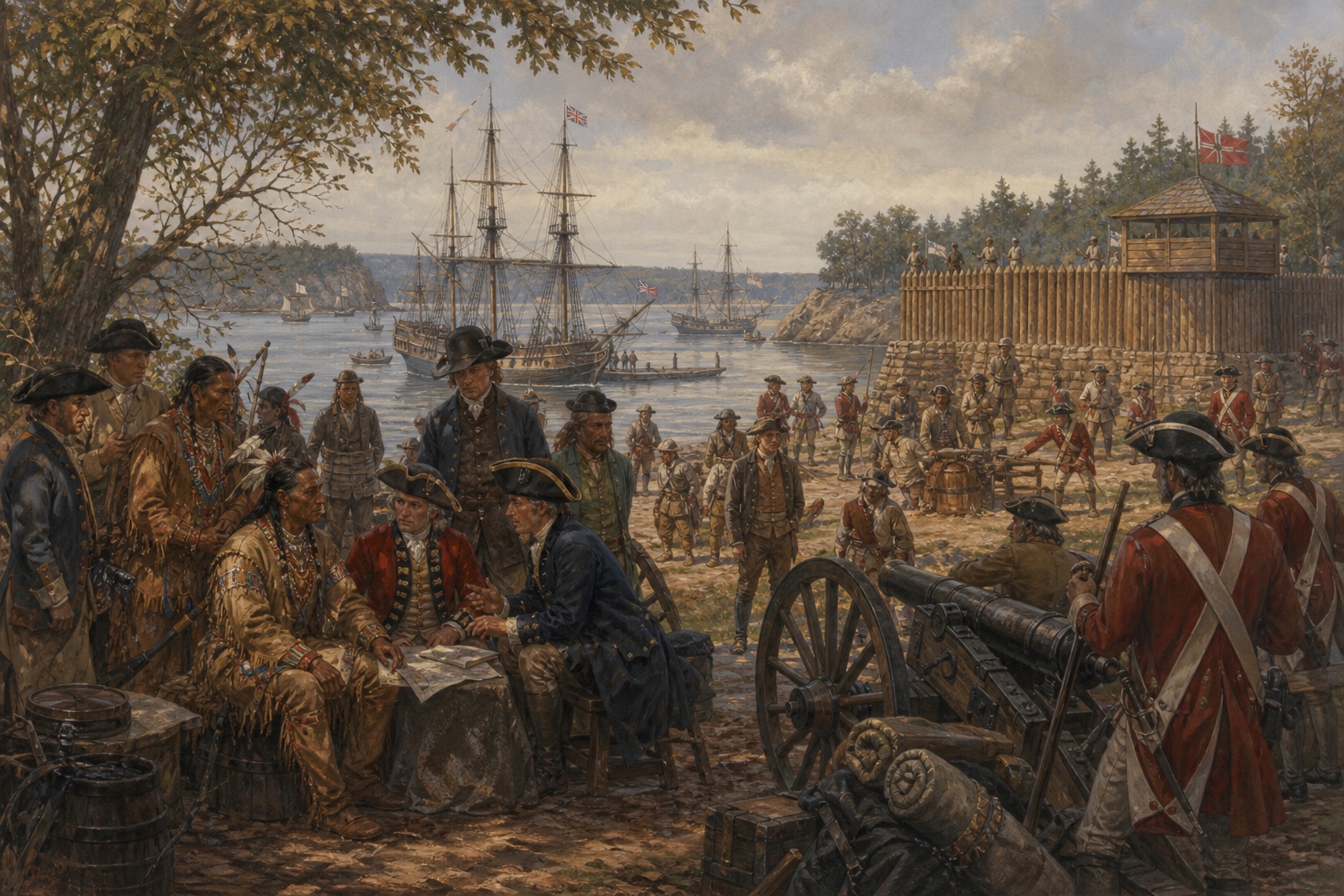
Prelude — Background: After the Seven Years' War, British efforts to raise revenue and tighten imperial administration met colonial resistance over taxation, representation, and political rights. Enlightenment languages of natural rights and consent shaped Patriot arguments, but constitutional practice, local interests, slavery, Indigenous diplomacy, and imperial rivalry also structured the crisis.
c. 1774
Rising tension
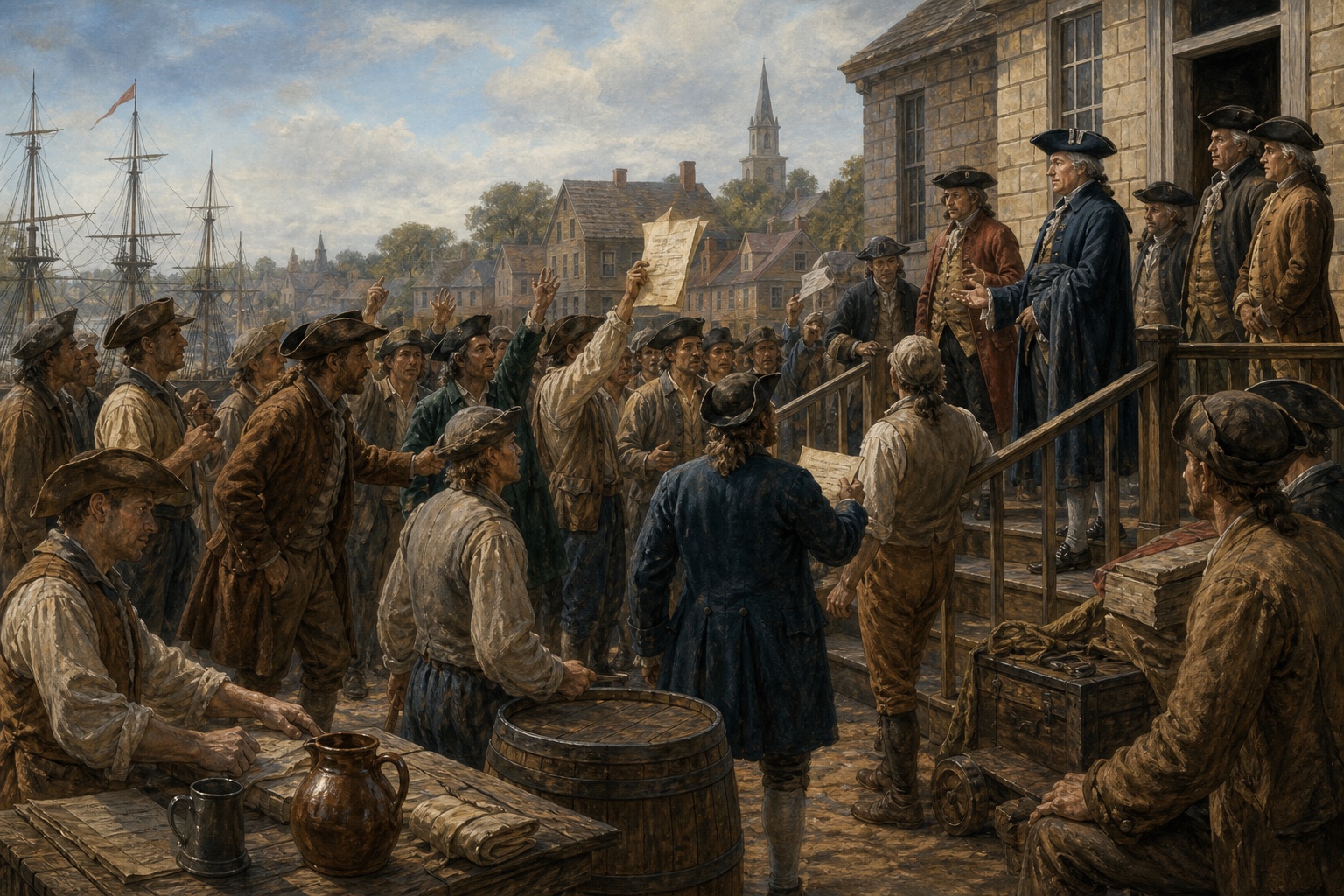
Rising tension — Build-up: Fighting began at Lexington and Concord in April 1775; Congress created a Continental Army under George Washington and declared independence in 1776. Victory at Saratoga helped secure a French alliance in 1778, making the war international; French forces and naval power were decisive in Cornwallis's surrender at Yorktown in 1781.
1775–1783
American Revolutionary War
Current event
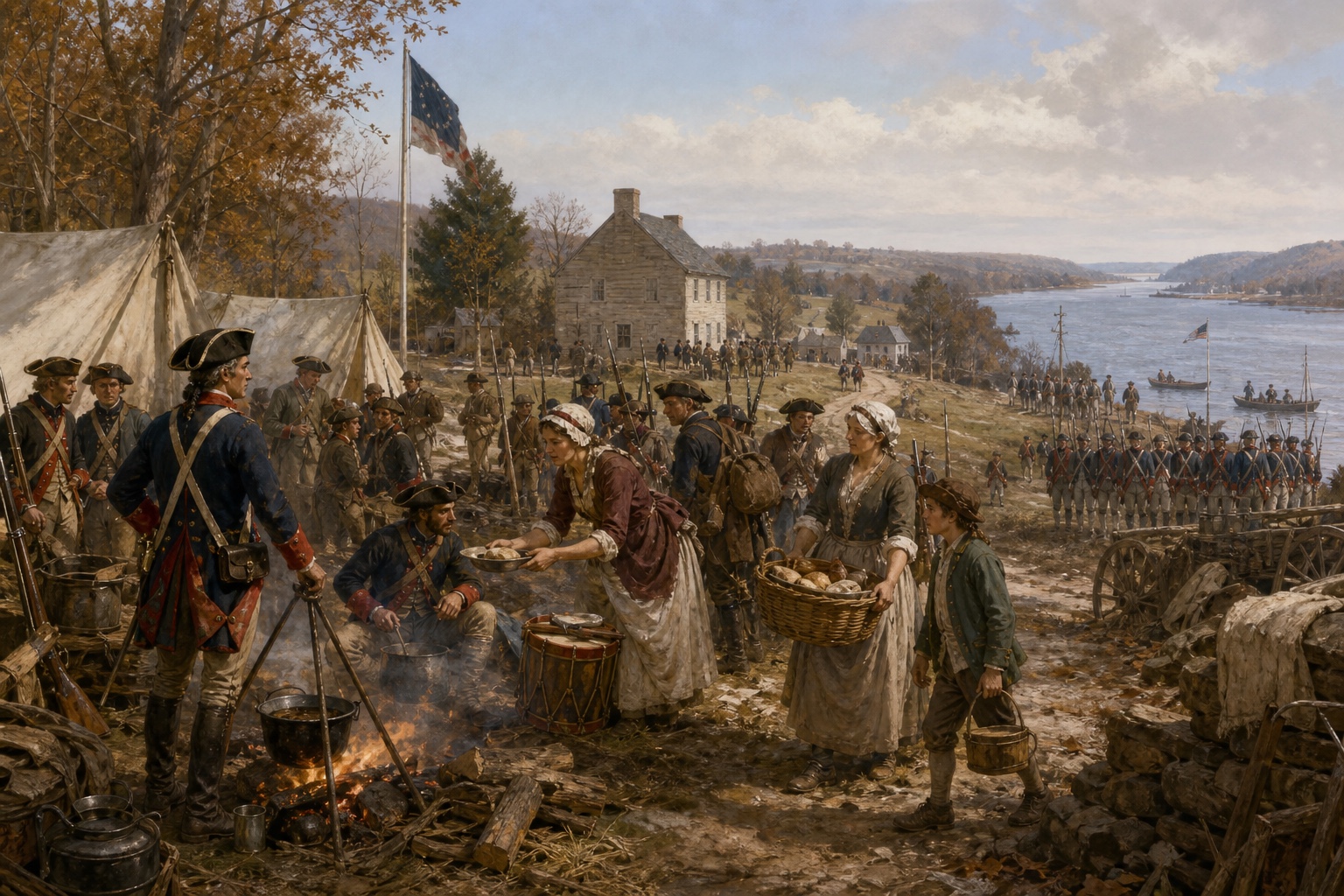
American Revolutionary War — Central transition: The 1775–1783 war in which thirteen British mainland colonies fought for and won independence as the United States, within a wider Atlantic conflict.
c. 1784
Immediate aftermath
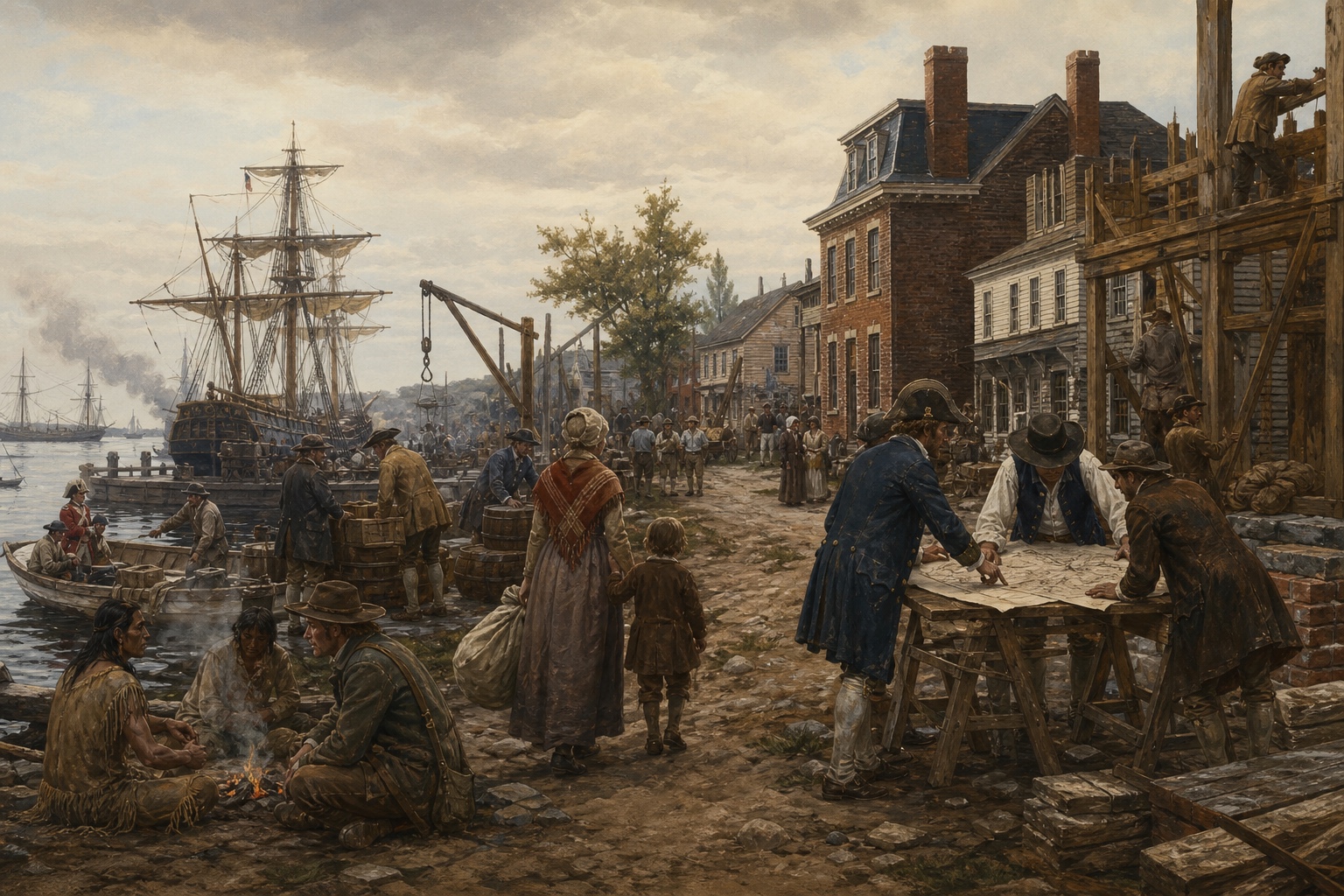
Immediate aftermath — Immediate result: The Treaty of Paris, signed on 3 September 1783, ended the war between Britain and the United States, recognized U.S. independence, and established extensive boundaries. Loyalists faced displacement, enslaved people pursued competing paths to freedom, and Indigenous nations confronted a republic claiming western lands without their consent.
c. 1793
Long-term significance
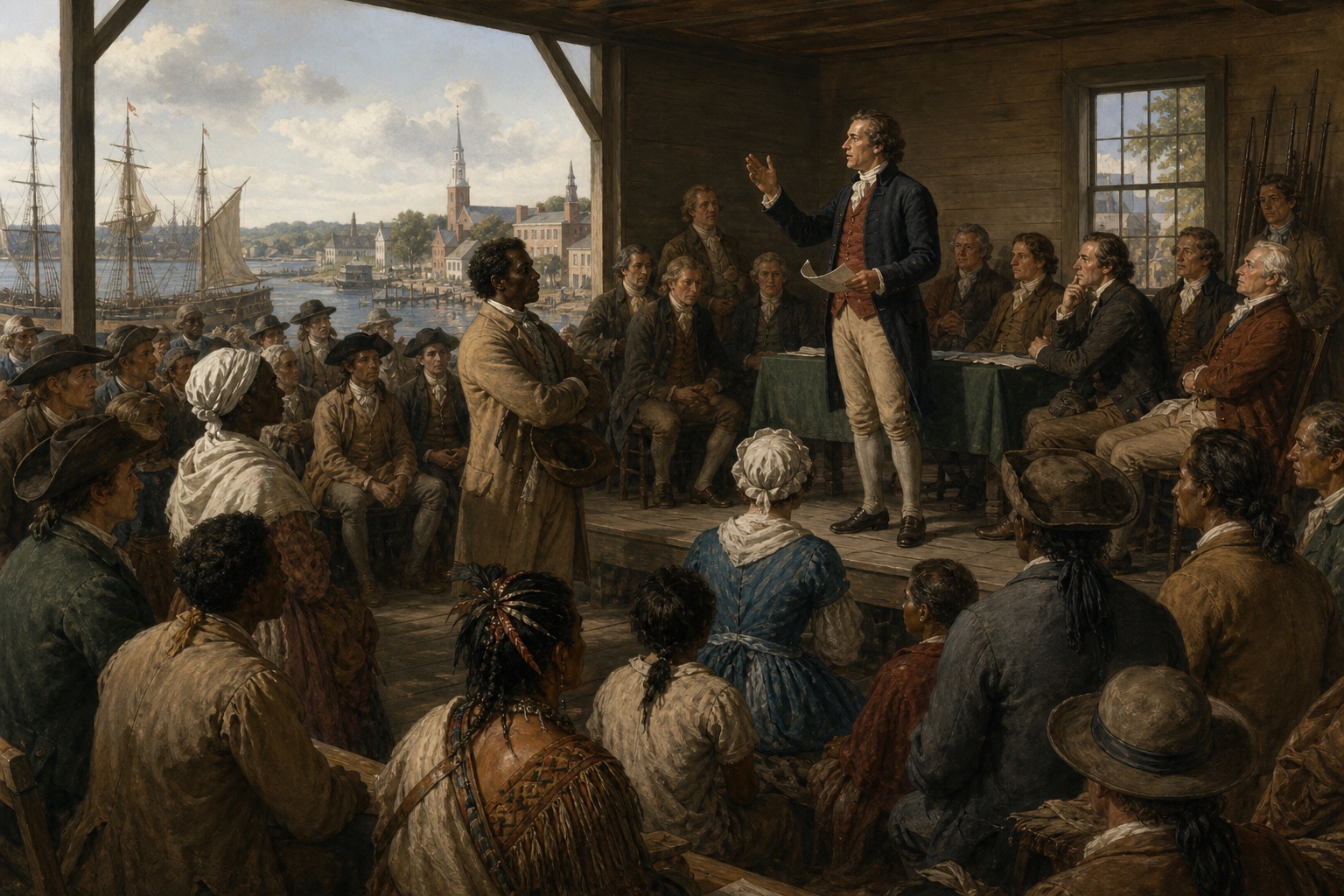
Long-term significance — Long-term significance: The Revolution created a republic and made Enlightenment claims about rights and government politically influential beyond North America. Its declarations of equality coexisted with slavery, restricted citizenship, and territorial expansion, contradictions that shaped subsequent constitutional conflict and later revolutionary movements.


Sources
- American Revolutionary War — Overview (Library of Congress)loc.govThis Library of Congress resource supports the chronology, setting, and course of American Revolutionary War.
- American Revolutionary War — Treaty Of Paris 0 (U.S. National Archives)archives.govThis U.S. National Archives resource supports the chronology, setting, and course of American Revolutionary War.
- American Revolutionary War — Americas Alliance With France (Library of Congress)loc.govThis Library of Congress resource supports the chronology, setting, and course of American Revolutionary War.