Battle of Ain Jalut
1260
Mamluk forces defeated a Mongol army at Ain Jalut in Palestine and halted its advance toward Egypt.

- Period
- 1260
- Kind
- Battle
- Regions
- Middle East
- Keywords
- Battle of Ain Jalut · Ain Jalut (present-day Israel) · medieval · background · turning point · impact
Follow the story · Four stages
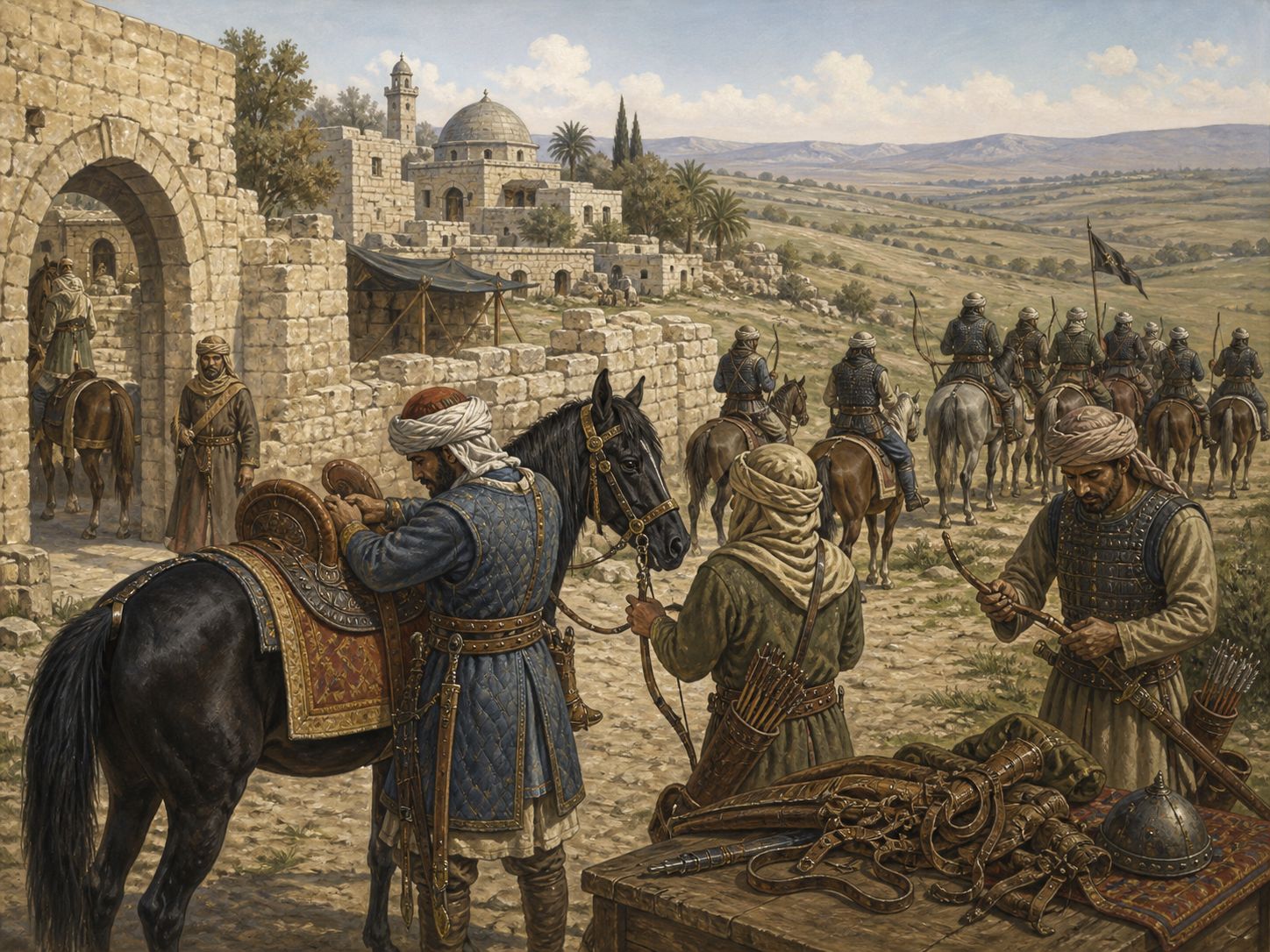
Background
Political, social, and commercial changes around Ain Jalut (present-day Israel) formed the setting: Mamluk forces defeated a Mongol army at Ain Jalut in Palestine and halted its advance toward Egypt.
- In and around Ain Jalut (present-day Israel), the setting took shape as Mamluk forces defeated a Mongol army at Ain Jalut in Palestine and halted its advance toward Egypt.
- Core event: Mamluk forces defeated a Mongol army at Ain Jalut in Palestine and halted its advance toward Egypt.
- Connection to the next stage: Mamluk forces defeated a Mongol army at Ain Jalut in Palestine and halted its advance toward Egypt. The change unfolded through decisions by rulers, institutions, and local communities.
Course
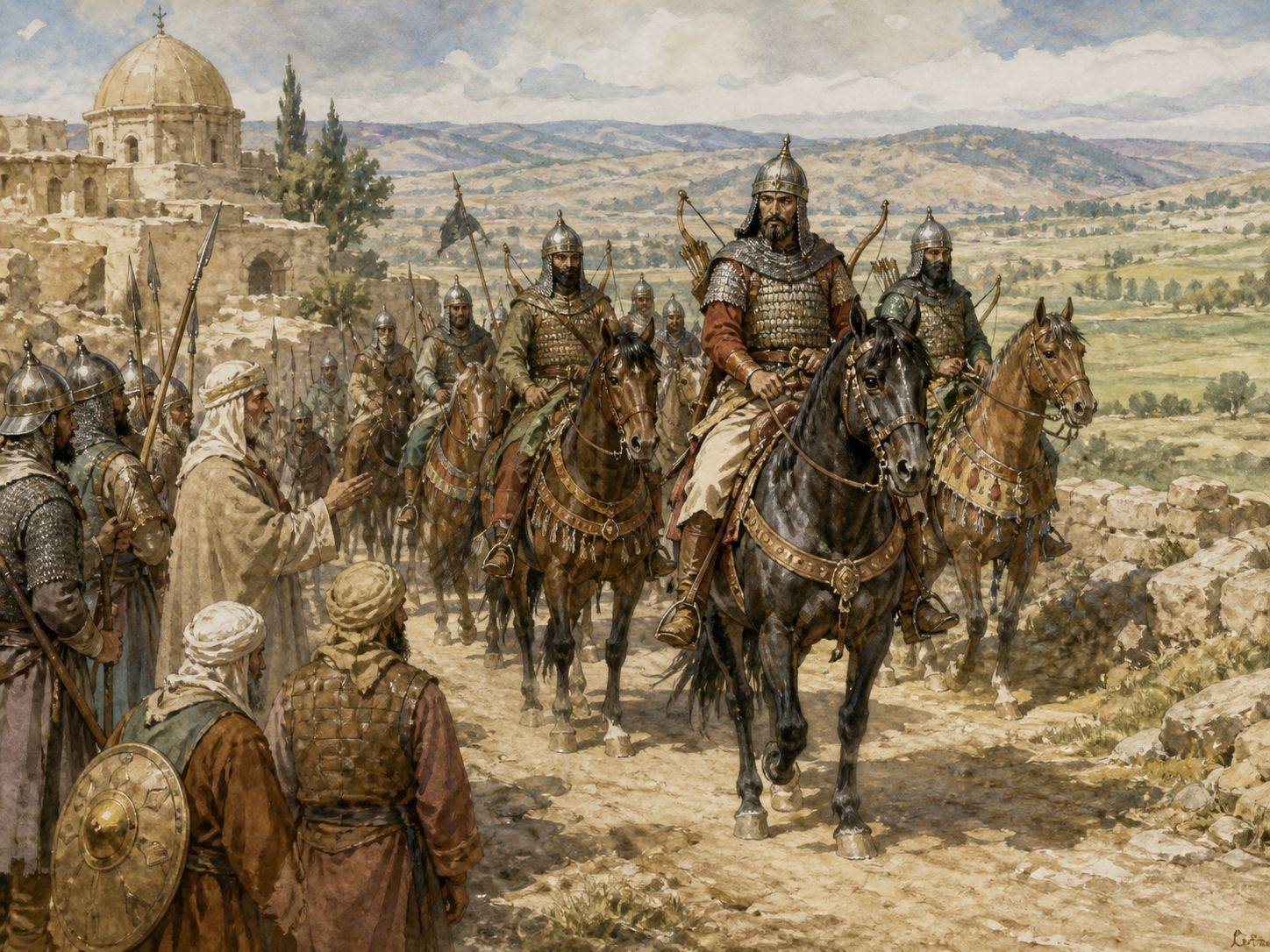
Mamluk forces defeated a Mongol army at Ain Jalut in Palestine and halted its advance toward Egypt. The choices of the participating powers and responses of local communities shaped the course.
- Mamluk forces defeated a Mongol army at Ain Jalut in Palestine and halted its advance toward Egypt.
- The change unfolded through decisions by rulers, institutions, and local communities.
- Conditions behind the action: In and around Ain Jalut (present-day Israel), the setting took shape as Mamluk forces defeated a Mongol army at Ain Jalut in Palestine and halted its advance toward Egypt.
Outcome
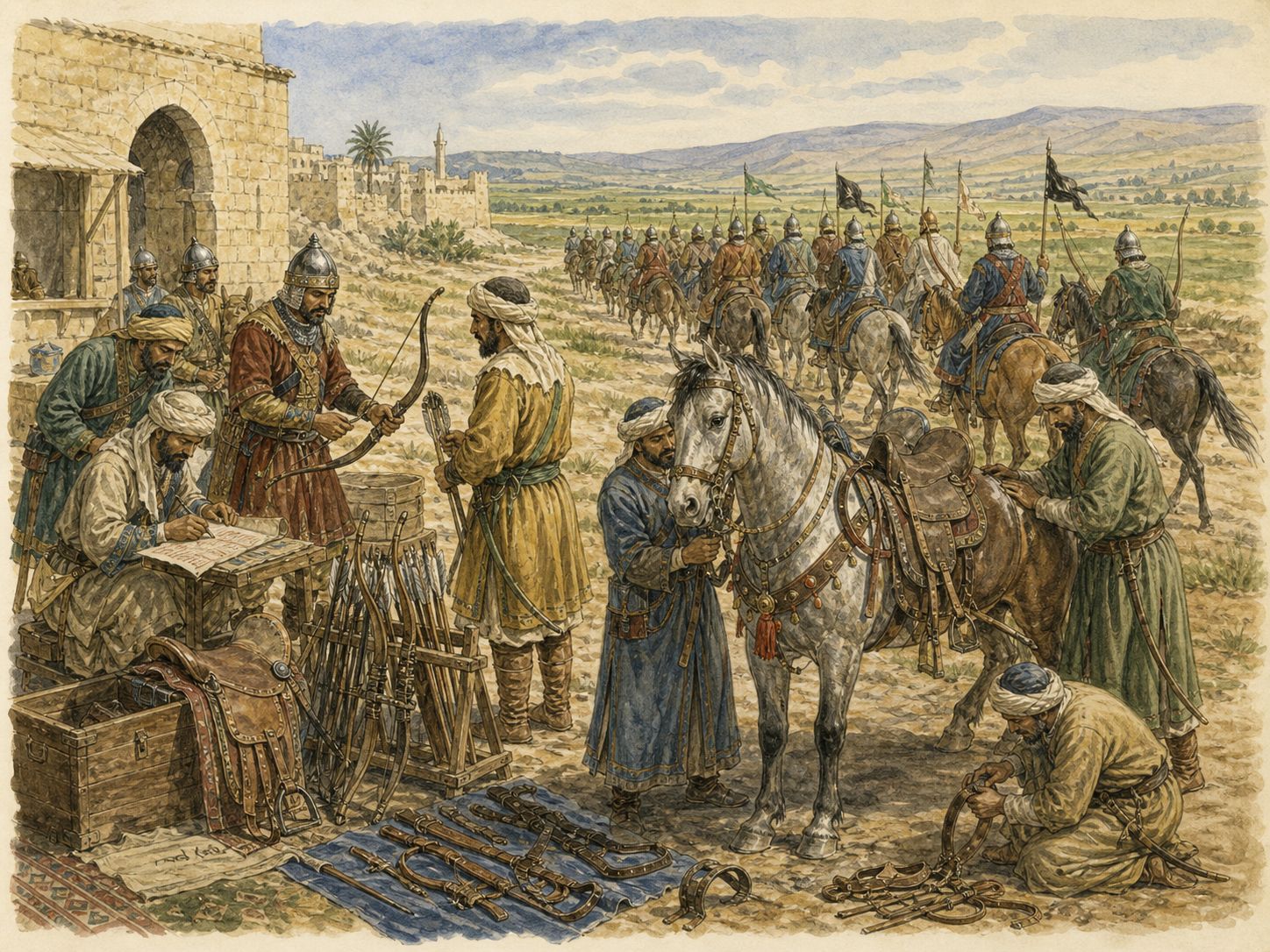
As a result, It became a turning point showing that the political order of the Middle East would not be determined by the Mongol Empire alone.
- It became a turning point showing that the political order of the Middle East would not be determined by the Mongol Empire alone.
- Process producing the result: Mamluk forces defeated a Mongol army at Ain Jalut in Palestine and halted its advance toward Egypt. The change unfolded through decisions by rulers, institutions, and local communities.
- Question carried forward: In the longer term, it became a turning point showing that the political order of the middle east would not be determined by the mongol empire alone.
Historical significance
The significance of this event lies in the fact that it became a turning point showing that the political order of the middle east would not be determined by the mongol empire alone.
- In the longer term, it became a turning point showing that the political order of the middle east would not be determined by the mongol empire alone.
- Immediate consequence: It became a turning point showing that the political order of the Middle East would not be determined by the Mongol Empire alone.
- Historical turning point: Mamluk forces defeated a Mongol army at Ain Jalut in Palestine and halted its advance toward Egypt.
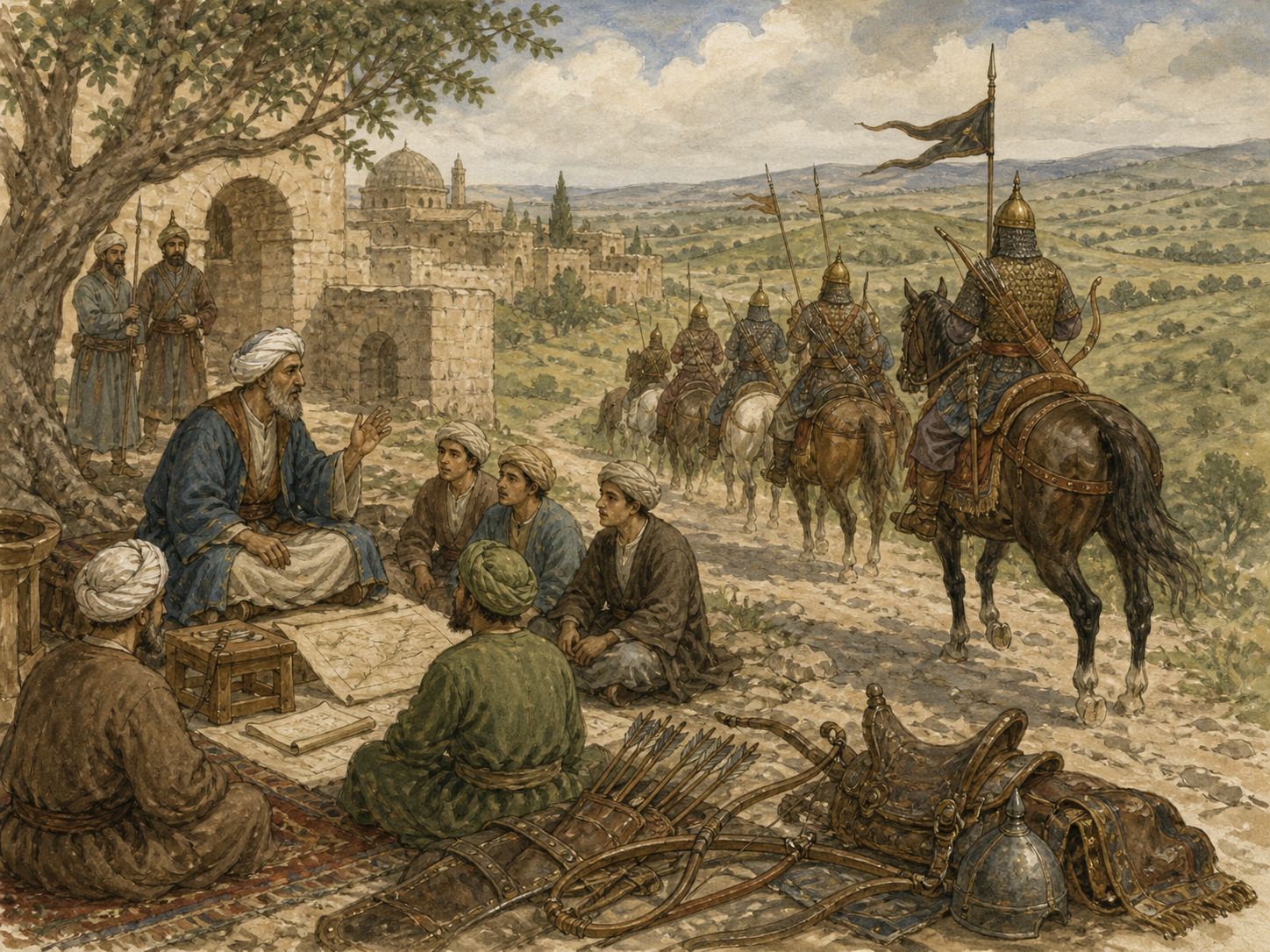


Related figures
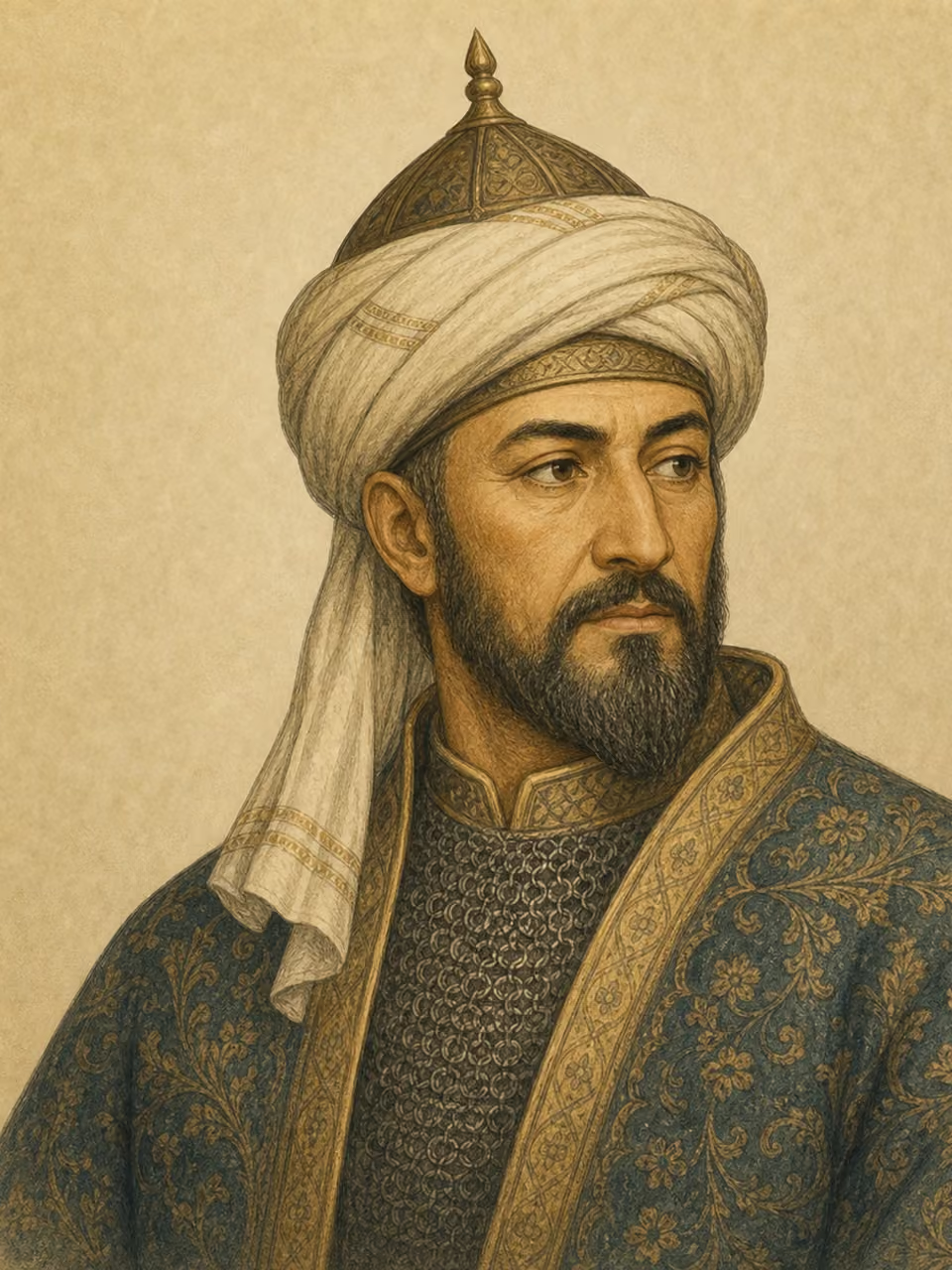
Related events
1258
Mongols capture Baghdad
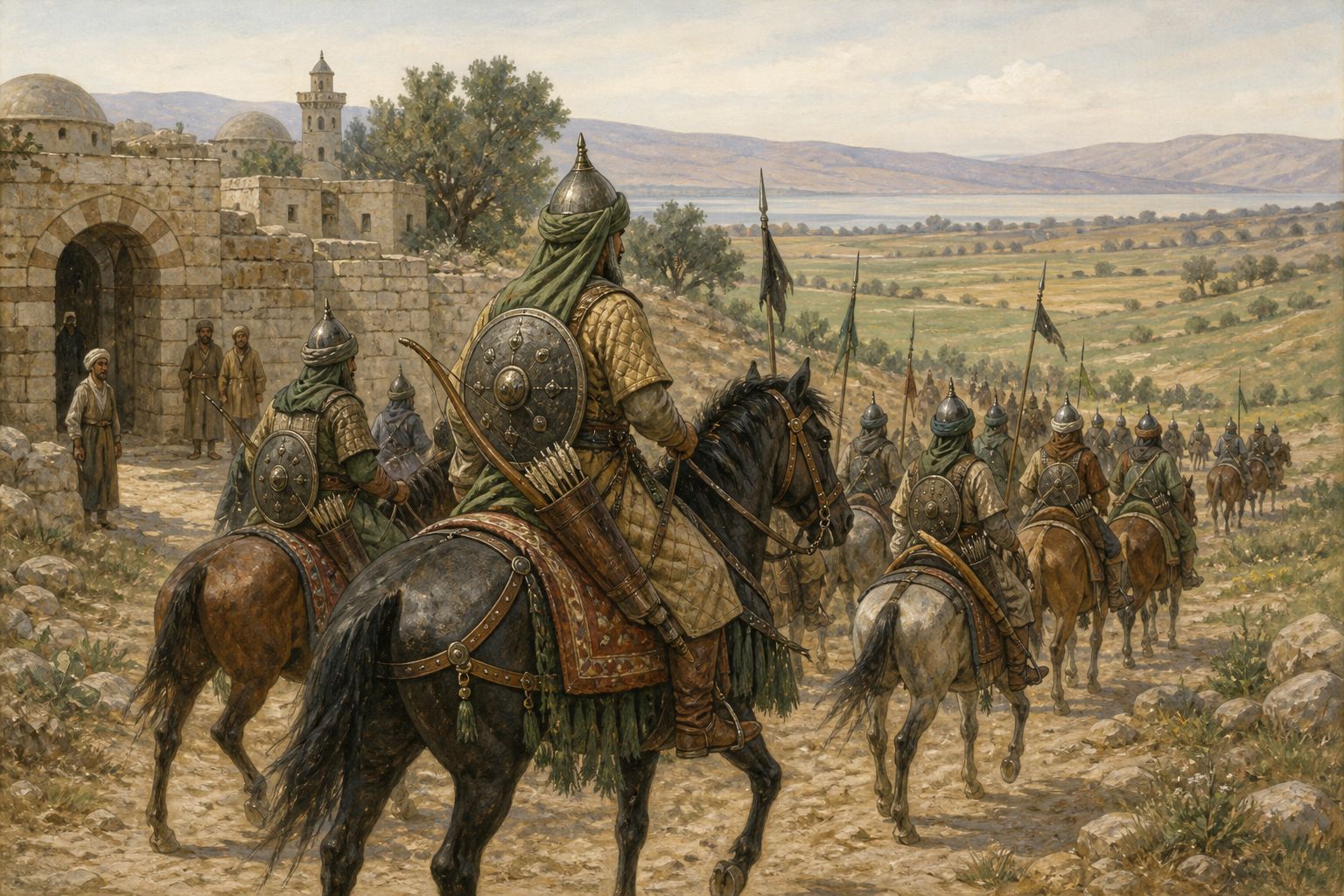
Mongols capture Baghdad — In and around Ain Jalut (present-day Israel), the setting took shape as Mamluk forces defeated a Mongol army at Ain Jalut in Palestine and halted its advance toward Egypt.
1260
Mongols enter Damascus
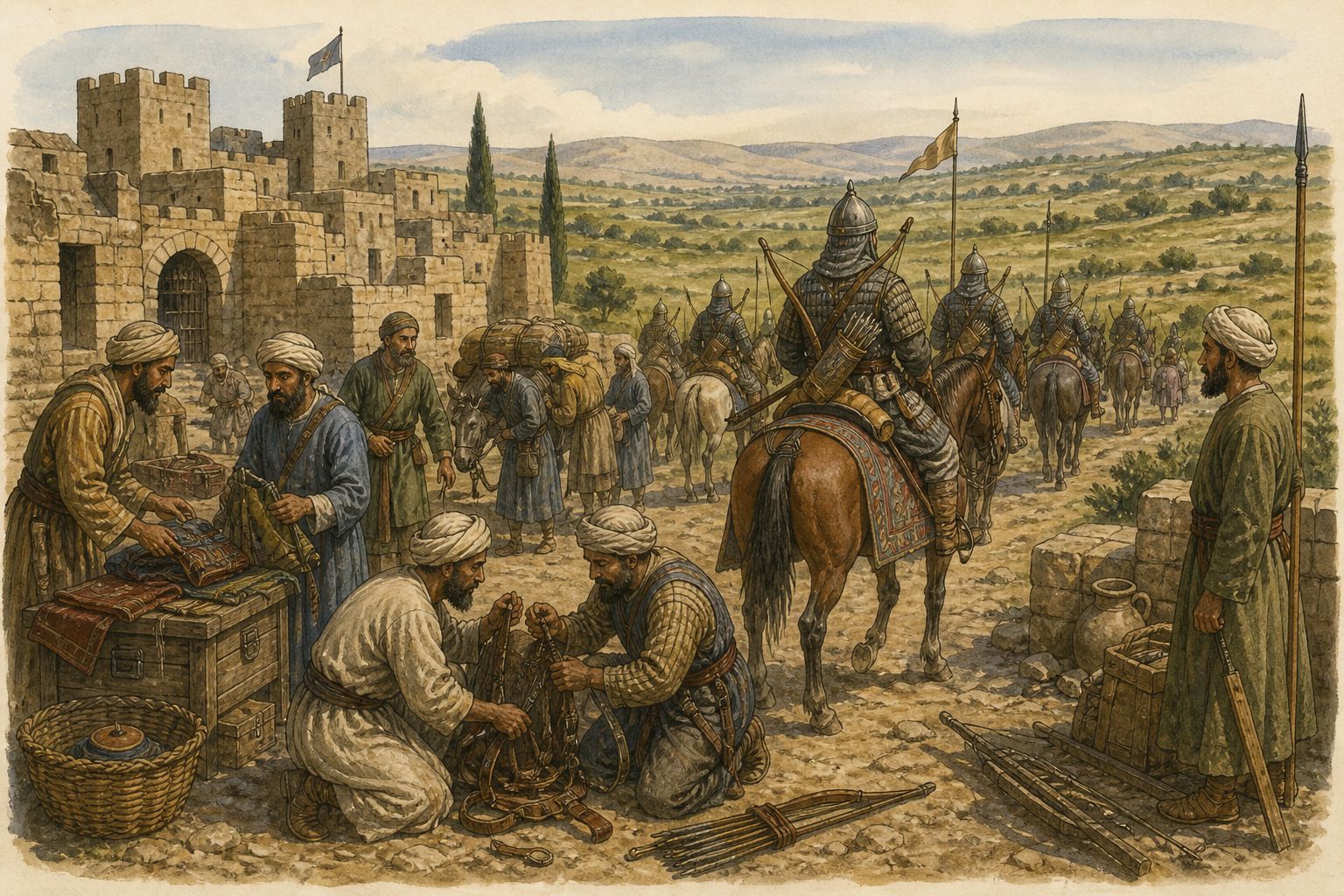
Mongols enter Damascus — Mamluk forces defeated a Mongol army at Ain Jalut in Palestine and halted its advance toward Egypt. The change unfolded through decisions by rulers, institutions, and local communities.
1260
Mamluks win at Ain Jalut
Current event
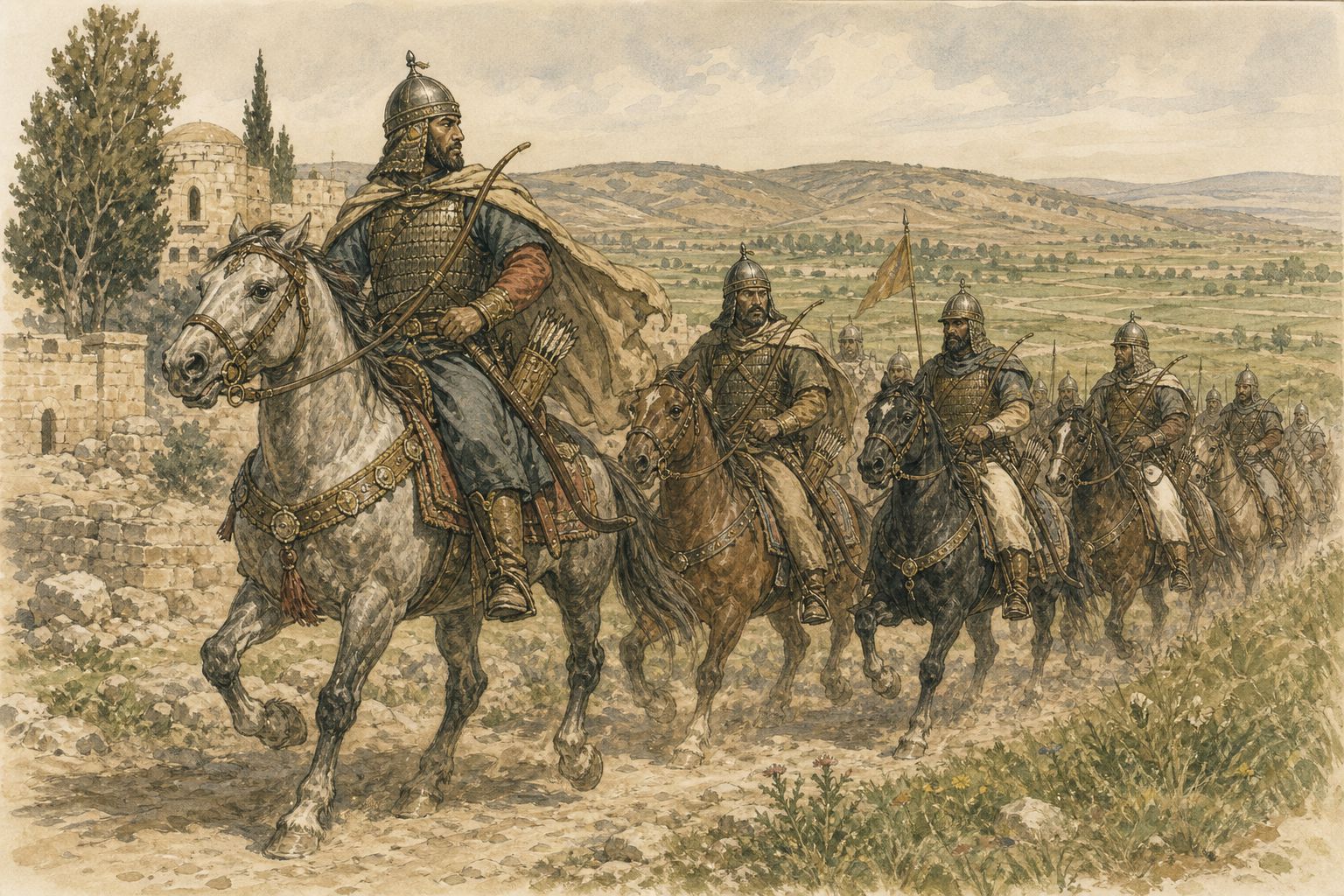
Mamluks win at Ain Jalut — Mamluk forces defeated a Mongol army at Ain Jalut in Palestine and halted its advance toward Egypt.
1261
Baybars consolidates Mamluk rule
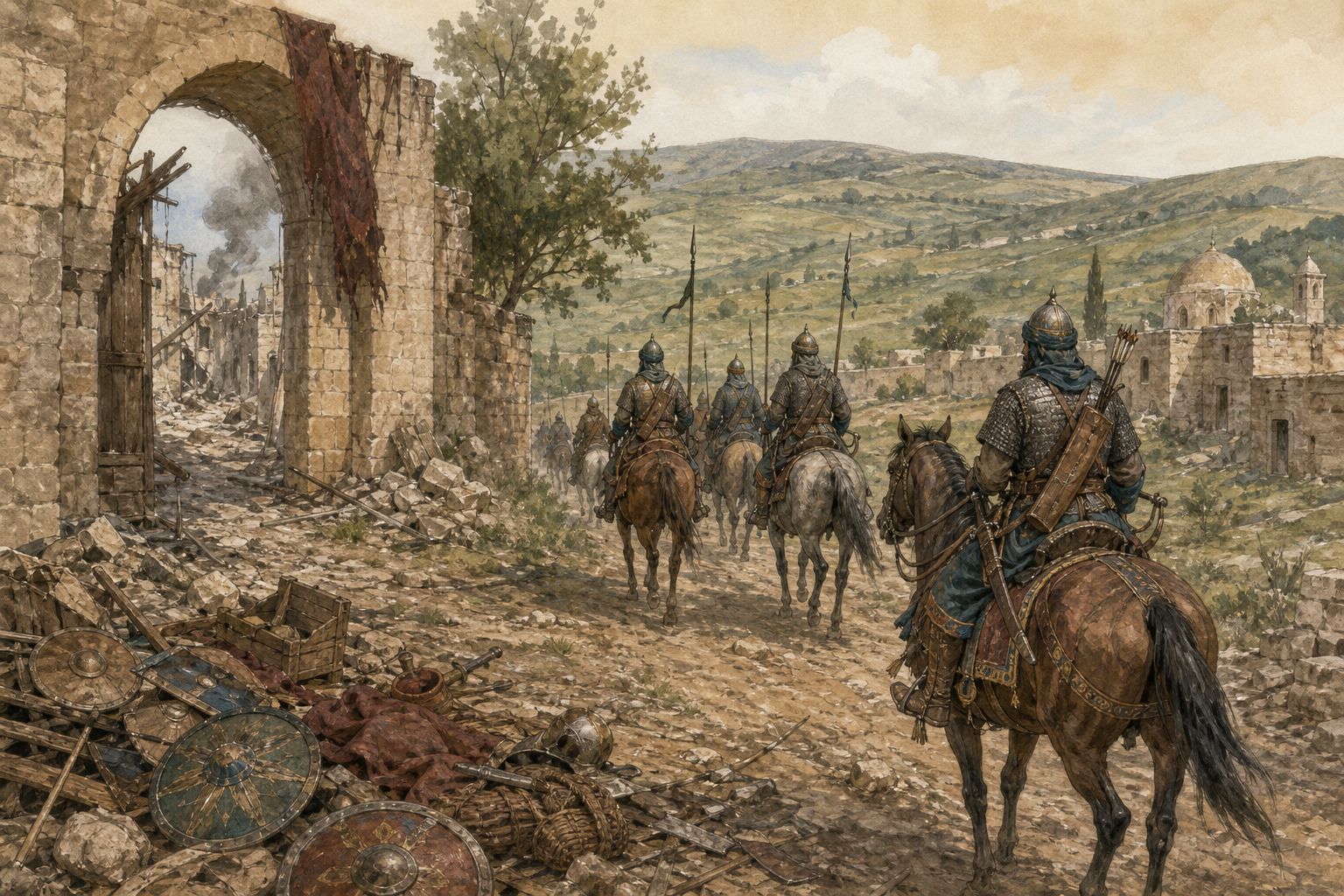
Baybars consolidates Mamluk rule — It became a turning point showing that the political order of the Middle East would not be determined by the Mongol Empire alone.
1291
Mamluks take Acre
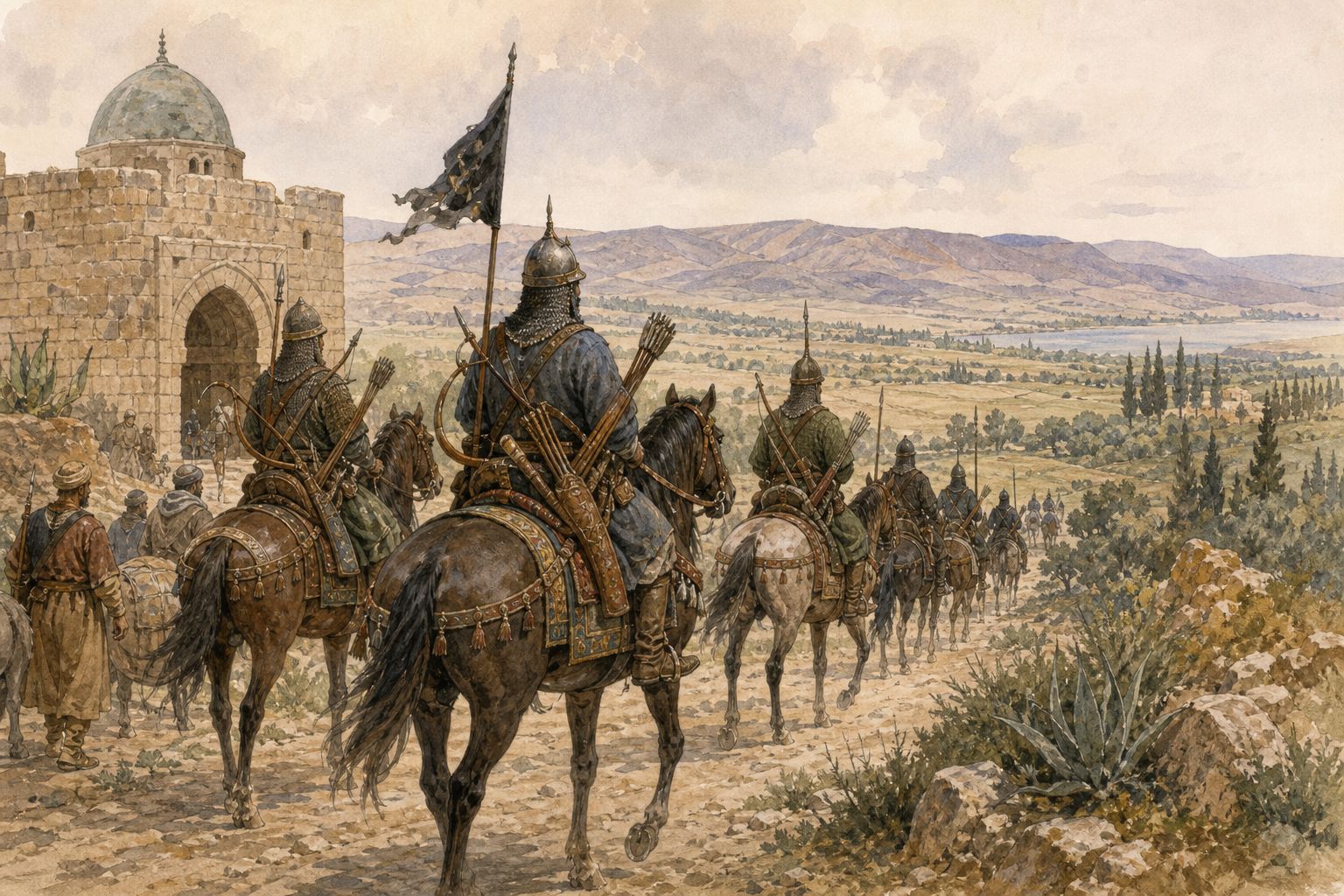
Mamluks take Acre — In the longer term, it became a turning point showing that the political order of the middle east would not be determined by the mongol empire alone.


Sources
- Battle of Ain Jalut — Timeline (Daiichi Gakushusha)www.daiichi-g.co.jpThis Daiichi Gakushusha resource supports the chronology, setting, and course of Battle of Ain Jalut.
- Battle of Ain Jalut — Battle Of Ain Jalut (Encyclopaedia Britannica)www.britannica.comThis Encyclopaedia Britannica resource supports the chronology, setting, and course of Battle of Ain Jalut.
- Battle of Ain Jalut — Battle Of Ain Jalut (Wikidata)www.wikidata.orgThis Wikidata resource supports the chronology, setting, and course of Battle of Ain Jalut.