
Chinese Revolution (1921–1949)
c. 1921–c. 1949
An editorially defined 1921–1949 scope for the Chinese Communist movement from the founding of the Chinese Communist Party to the proclamation of the People's Republic of China on the mainland.

- Period
- c. 1921–c. 1949
- Kind
- Revolution
- Regions
- East Asia
- Keywords
- Chinese Revolution (1921–1949) · background · course · outcome
Follow the story · Four stages
Background
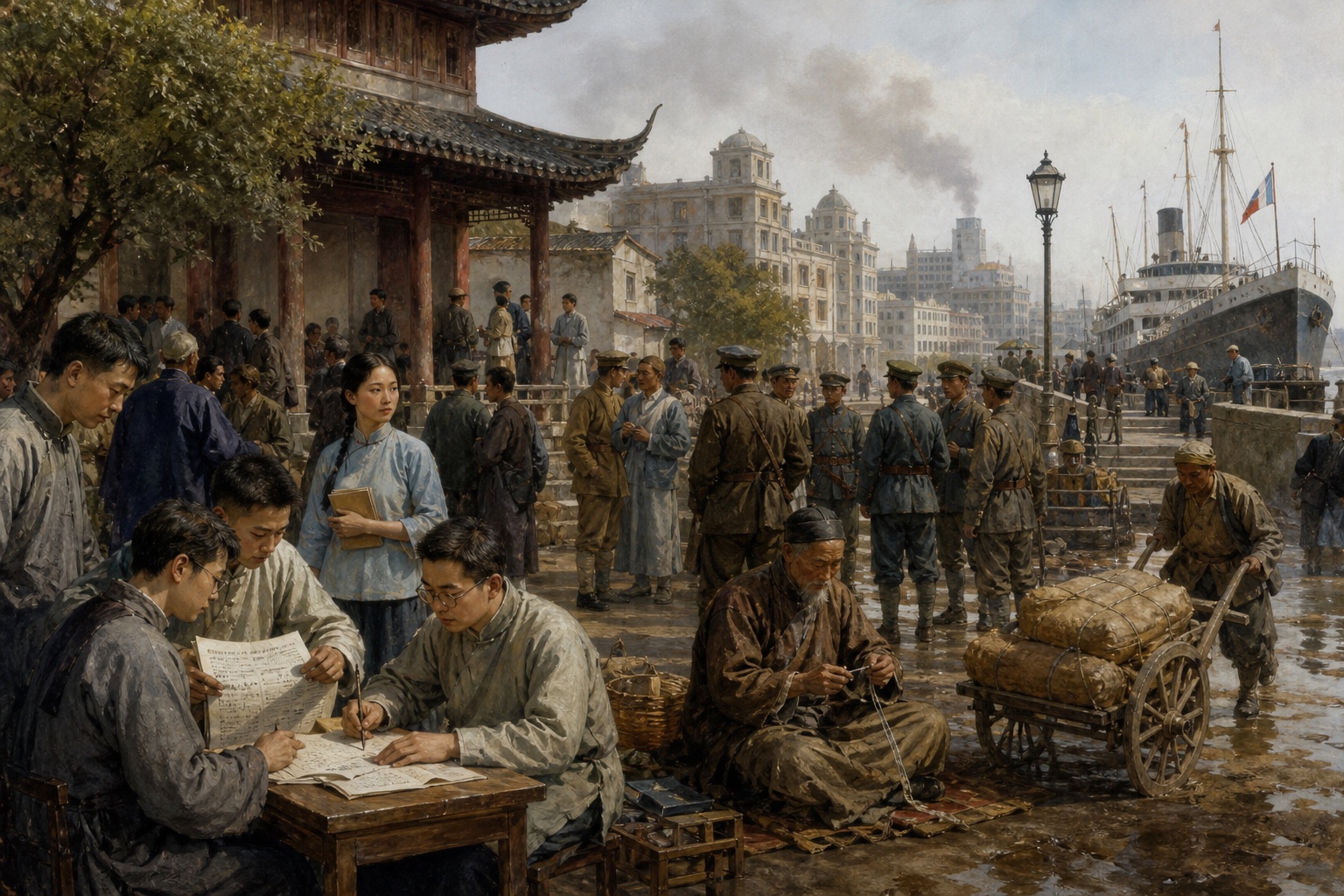
The Xinhai Revolution ended the Qing dynasty but left a fragmented republic, competing military governments, foreign privileges, and unresolved questions of sovereignty and social reform. The May Fourth era, Marxism, the Russian Revolution, and Comintern assistance shaped the Chinese Communist Party, founded in 1921, while the Nationalist Party pursued its own program of national unification.
- The Xinhai Revolution ended the Qing dynasty but left a fragmented republic, competing military governments, foreign privileges, and unresolved questions of sovereignty and social reform.
- The May Fourth era, Marxism, the Russian Revolution, and Comintern assistance shaped the Chinese Communist Party, founded in 1921, while the Nationalist Party pursued its own program of national unification.
- Core event: An editorially defined 1921–1949 scope for the Chinese Communist movement from the founding of the Chinese Communist Party to the proclamation of the People's Republic of China on the mainland.
Course
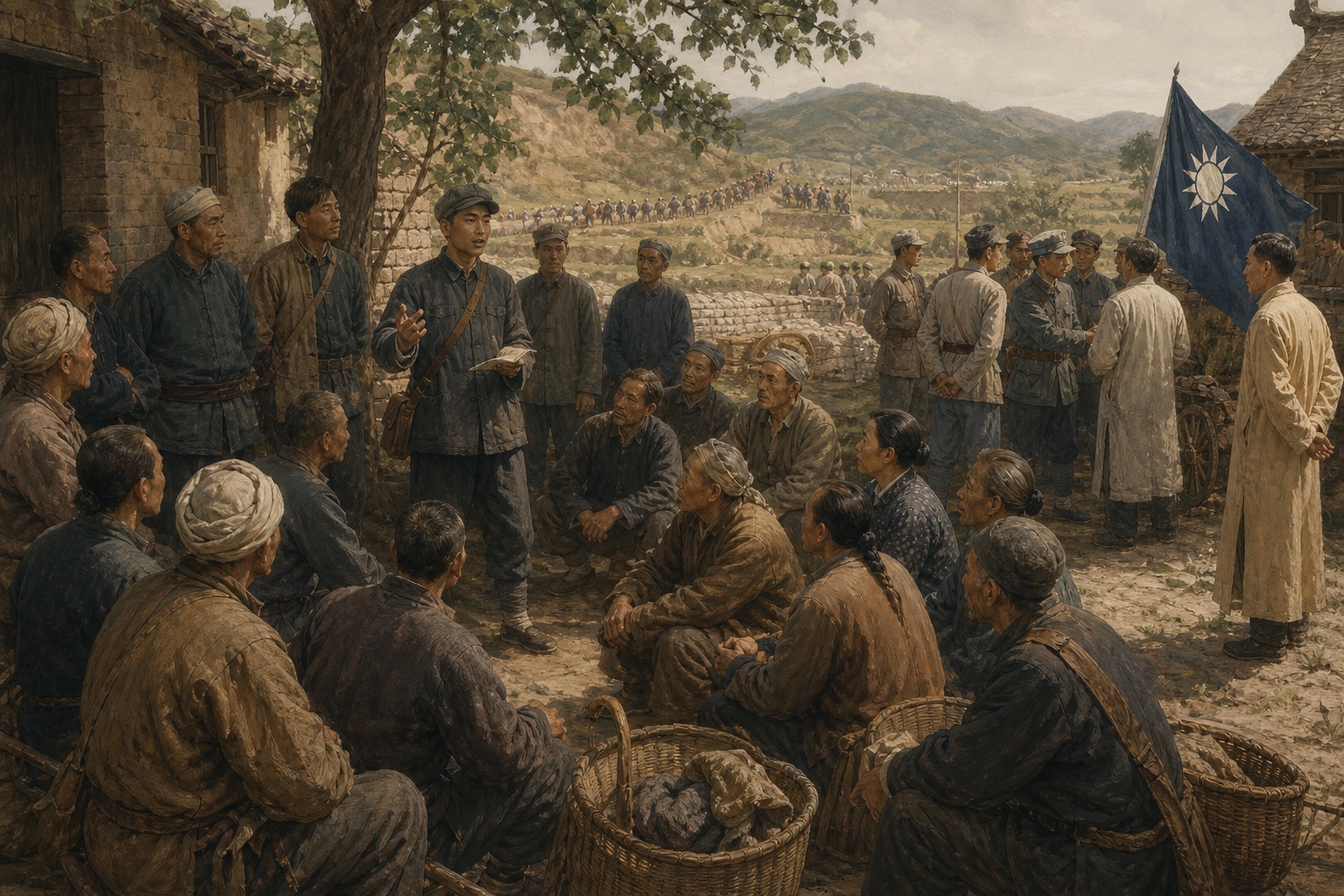
Communists and Nationalists first cooperated against warlords, then split violently in 1927. Communist organizers built rural bases, promoted land redistribution, survived Nationalist encirclement through the Long March, and established a center at Yan'an. A second united front against Japan after 1937 combined real resistance with continued rivalry; after Japan's 1945 defeat, negotiations failed and full civil war resumed, ending in Communist military victory on the mainland.
- Communists and Nationalists first cooperated against warlords, then split violently in 1927.
- Communist organizers built rural bases, promoted land redistribution, survived Nationalist encirclement through the Long March, and established a center at Yan'an.
- A second united front against Japan after 1937 combined real resistance with continued rivalry; after Japan's 1945 defeat, negotiations failed and full civil war resumed, ending in Communist military victory on the mainland.
Outcome
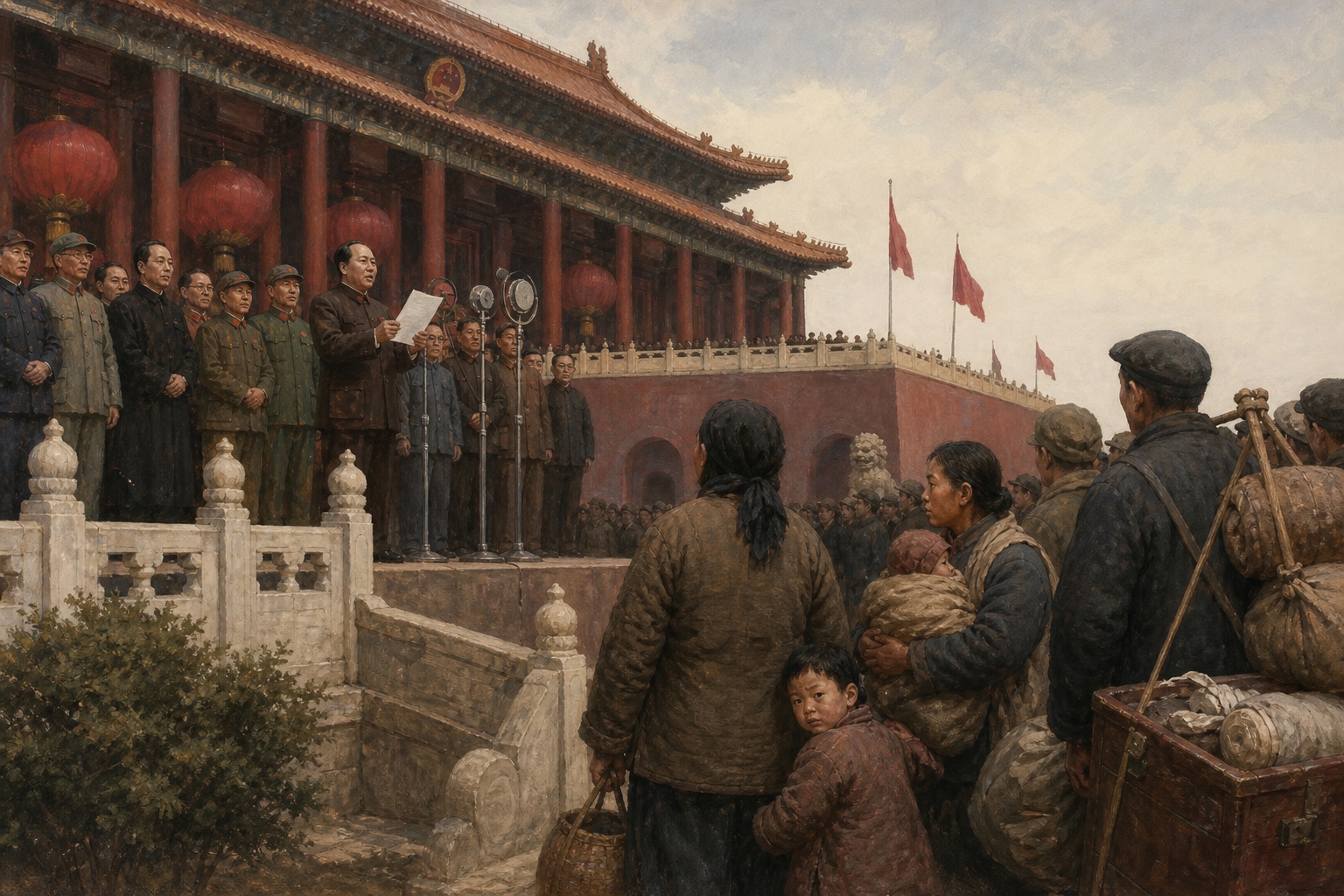
Mao Zedong proclaimed the People's Republic of China in Beijing on 1 October 1949. The Nationalist government and forces retreated to Taiwan, where the Republic of China continued; rival governments, displaced populations, and the unresolved cross-strait division show that 1949 was a decisive political settlement on the mainland, not the disappearance of every conflict produced by the civil war.
- Mao Zedong proclaimed the People's Republic of China in Beijing on 1 October 1949.
- The Nationalist government and forces retreated to Taiwan, where the Republic of China continued; rival governments, displaced populations, and the unresolved cross-strait division show that 1949 was a decisive political settlement on the mainland, not the disappearance of every conflict produced by the civil war.
- Process producing the result: Communists and Nationalists first cooperated against warlords, then split violently in 1927. Communist organizers built rural bases, promoted land redistribution, survived Nationalist encirclement through the Long March, and established a center at Yan'an. A second united front against Japan after 1937 combined real resistance with continued rivalry; after Japan's 1945 defeat, negotiations failed and full civil war resumed, ending in Communist military victory on the mainland.
Historical significance
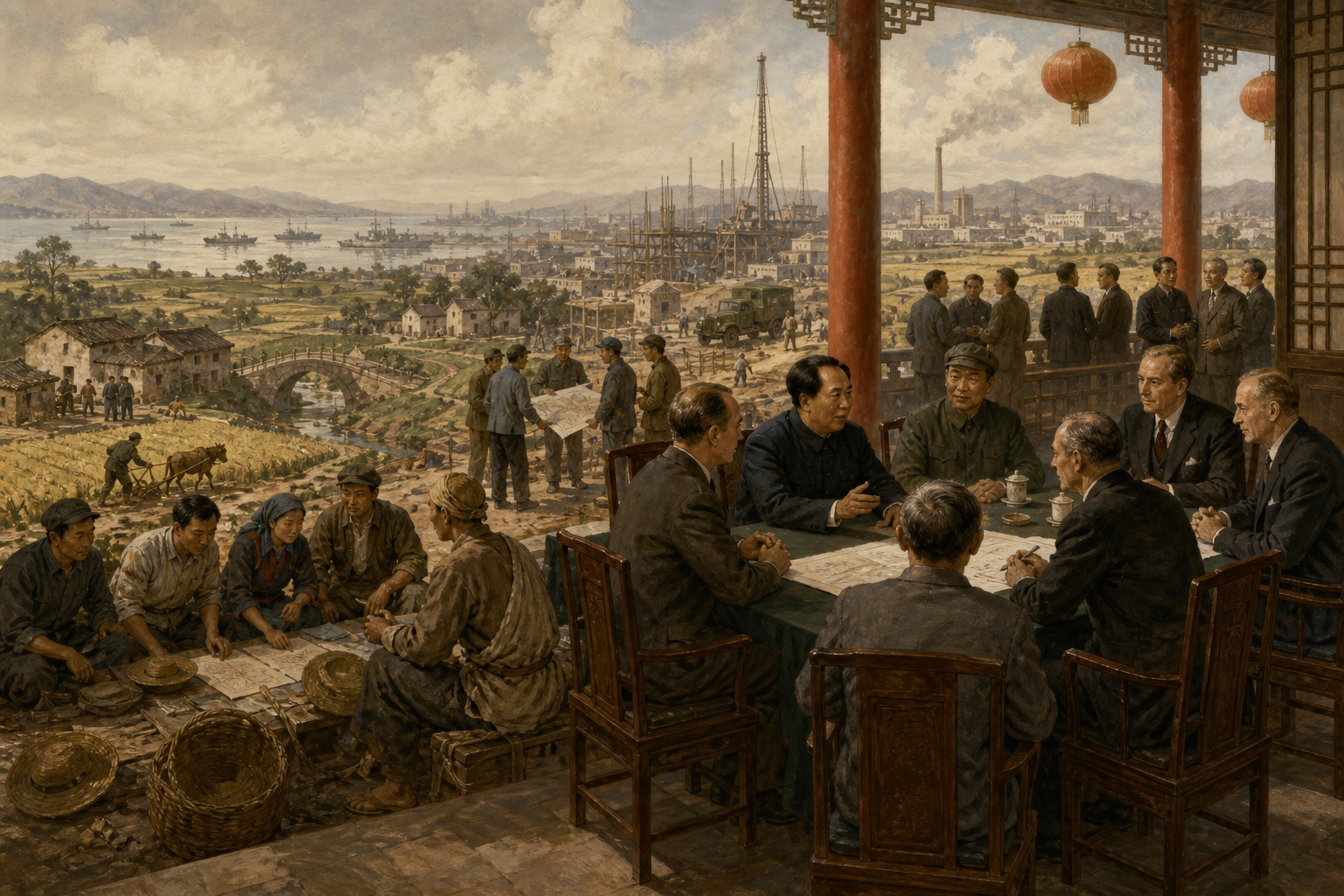
This record does not collapse all modern Chinese revolutions into one: its approximate boundaries begin with the party's 1921 founding and end with the 1949 mainland victory. It claimed to complete problems left by 1911, transformed Cold War alignments and land and state power in China, and brought a new Asian government to Bandung in 1955, where Zhou Enlai pursued coexistence and Afro-Asian diplomacy.
- This record does not collapse all modern Chinese revolutions into one: its approximate boundaries begin with the party's 1921 founding and end with the 1949 mainland victory.
- It claimed to complete problems left by 1911, transformed Cold War alignments and land and state power in China, and brought a new Asian government to Bandung in 1955, where Zhou Enlai pursued coexistence and Afro-Asian diplomacy.
- Immediate consequence: Mao Zedong proclaimed the People's Republic of China in Beijing on 1 October 1949. The Nationalist government and forces retreated to Taiwan, where the Republic of China continued; rival governments, displaced populations, and the unresolved cross-strait division show that 1949 was a decisive political settlement on the mainland, not the disappearance of every conflict produced by the civil war.


Related figures
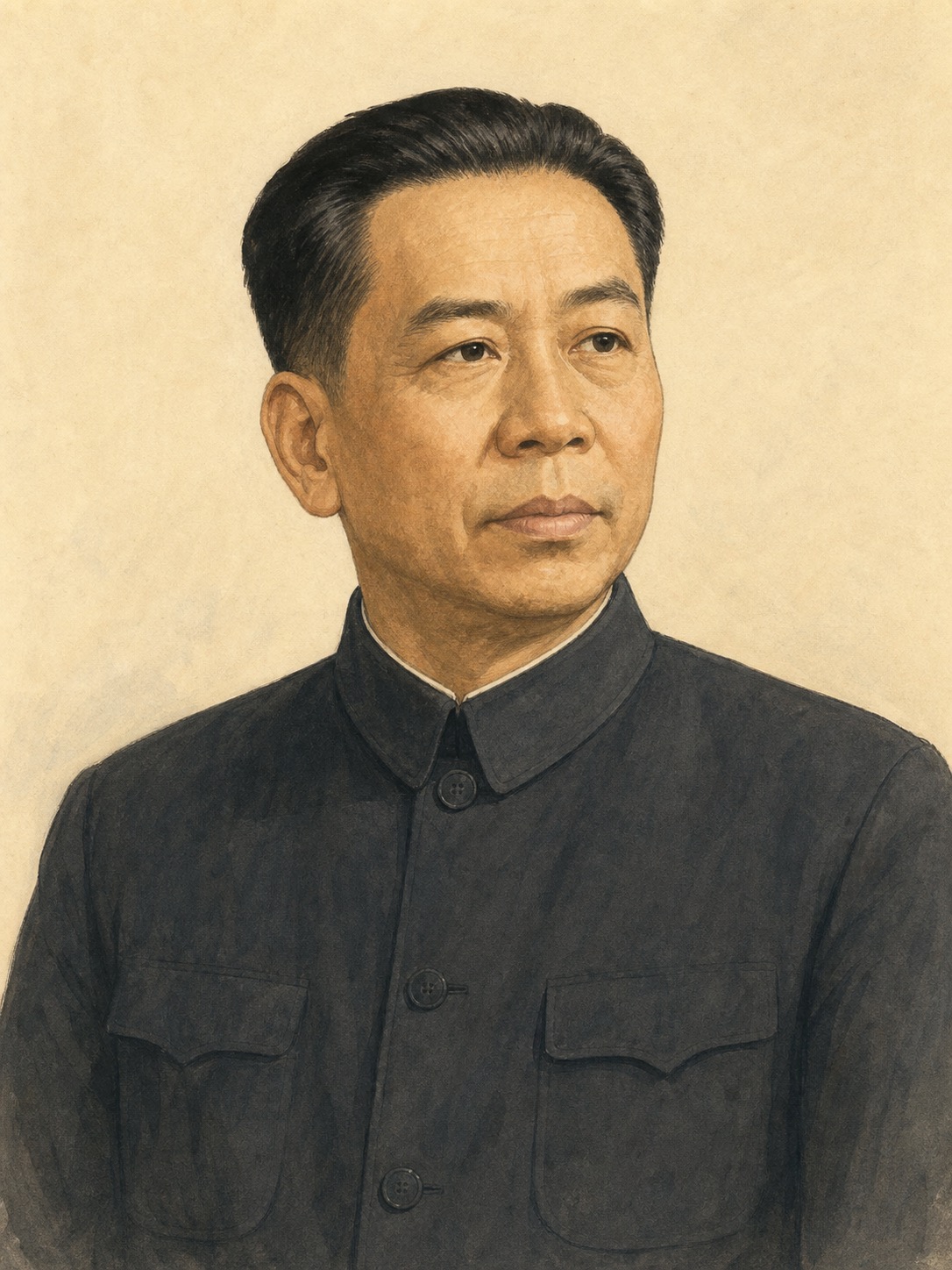
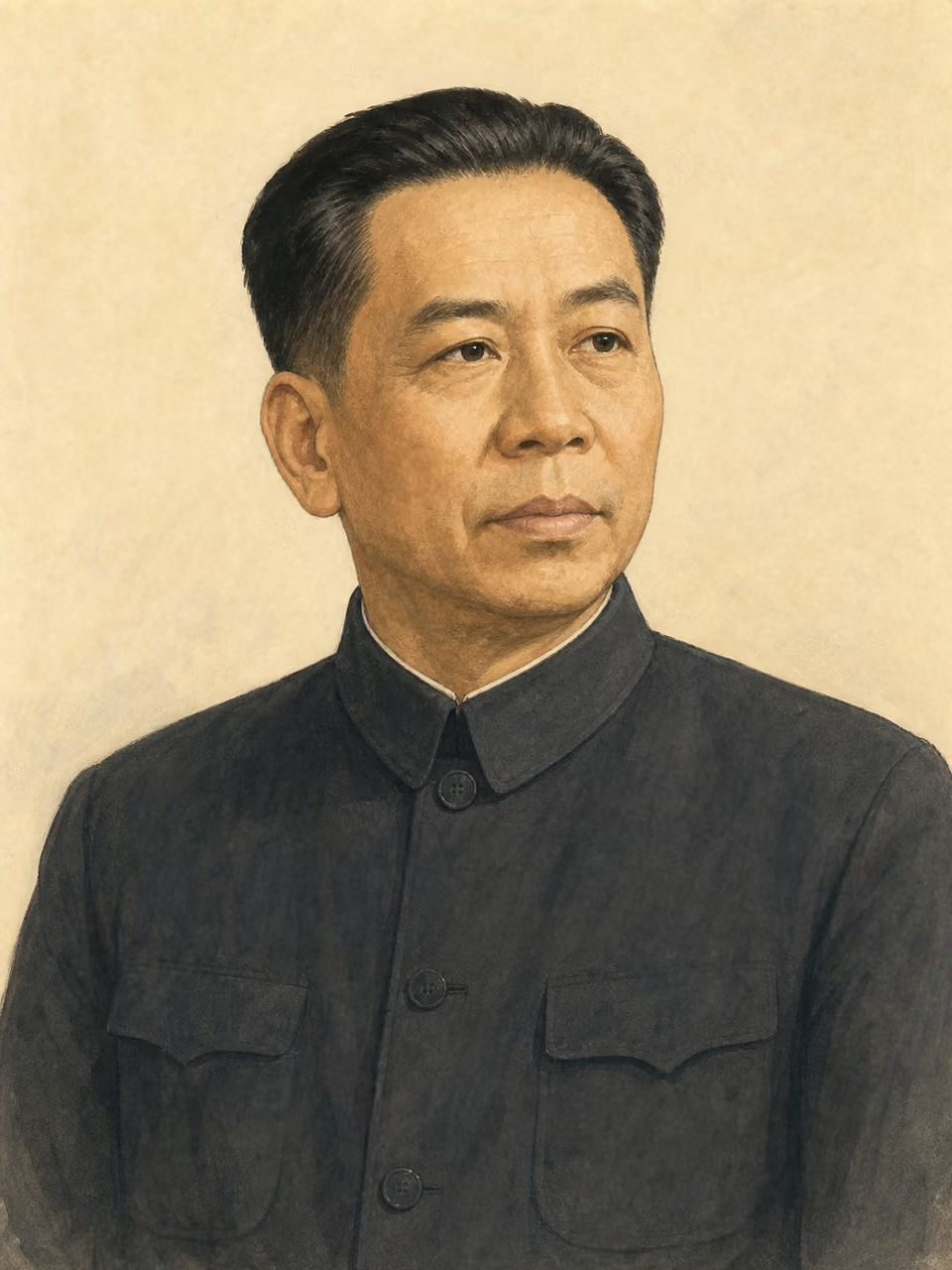
Liu Shaoqi
historical figure in context
A leader of the Chinese Communist Party and former president of the People's Republic of China. He supported the country's management and party organization, but was ousted during the Cultural Revolution. He is an important figure in understanding the power structure after the Chinese revolution.
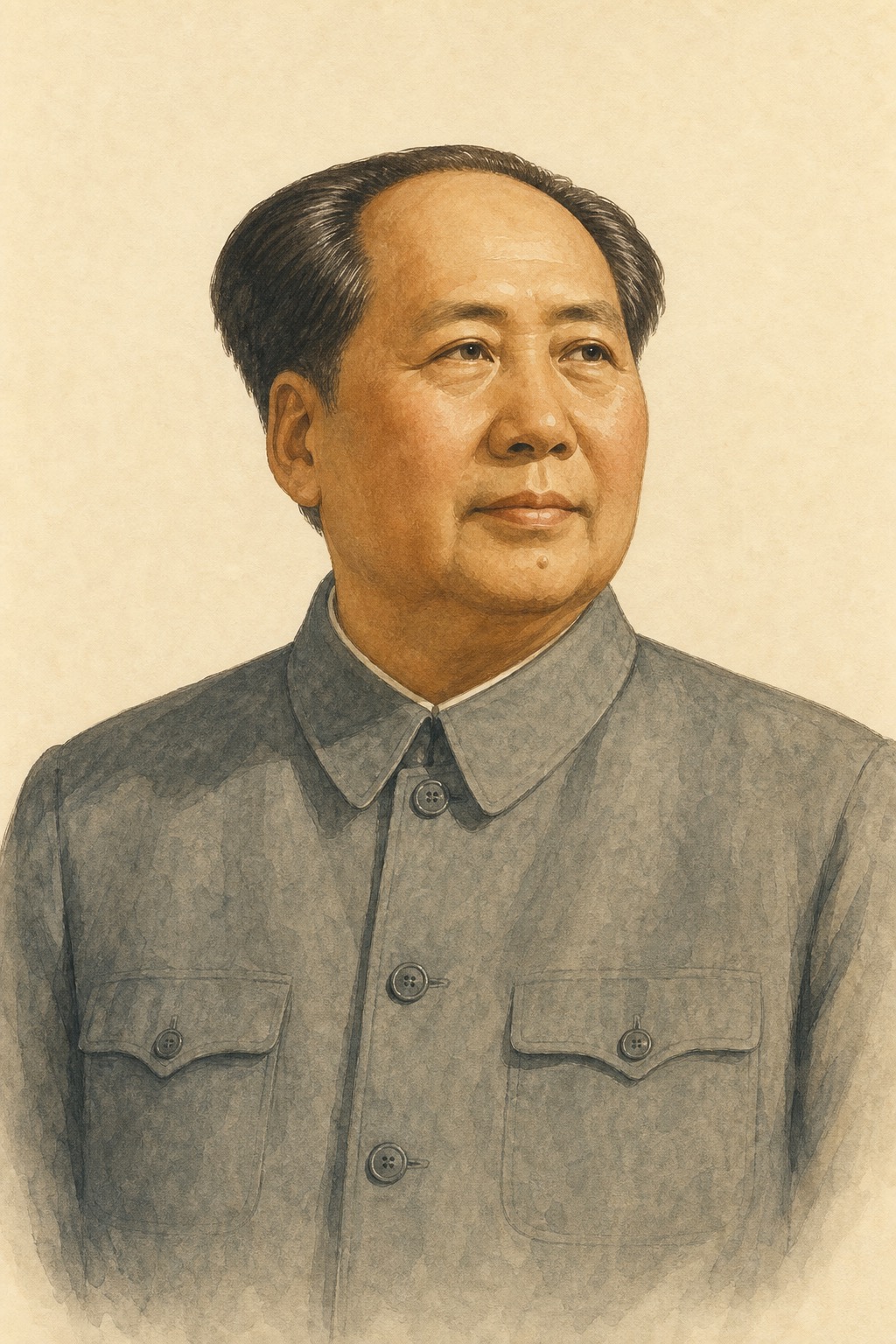
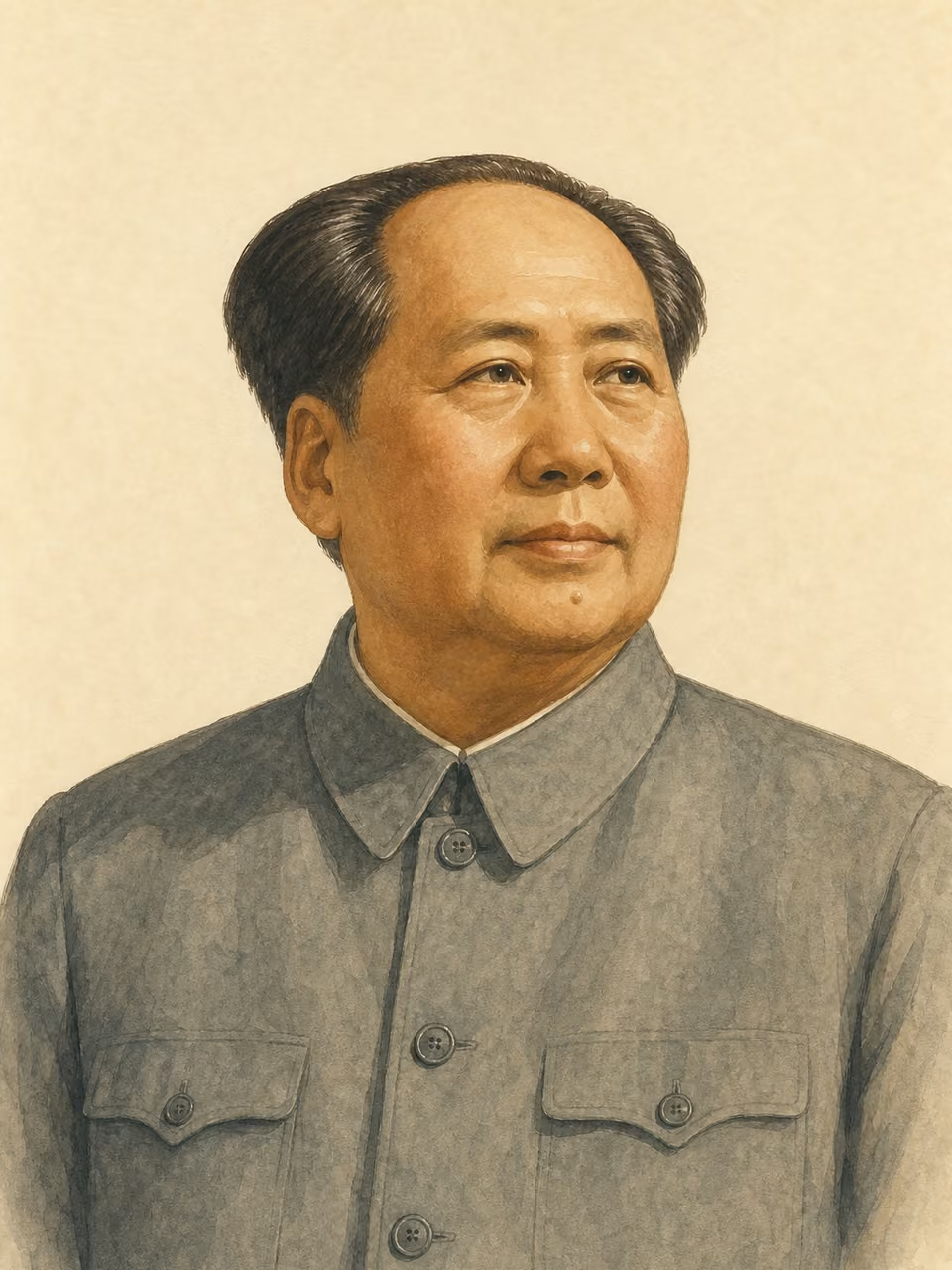
Mao Zedong
historical figure in context
Mao Zedong led the Chinese Communist Party to victory in the Chinese Civil War and proclaimed the People’s Republic of China in 1949. He promoted a revolutionary strategy centered on peasants and party organization, but campaigns such as the Great Leap Forward and the Cultural Revolution caused enormous upheaval and suffering.
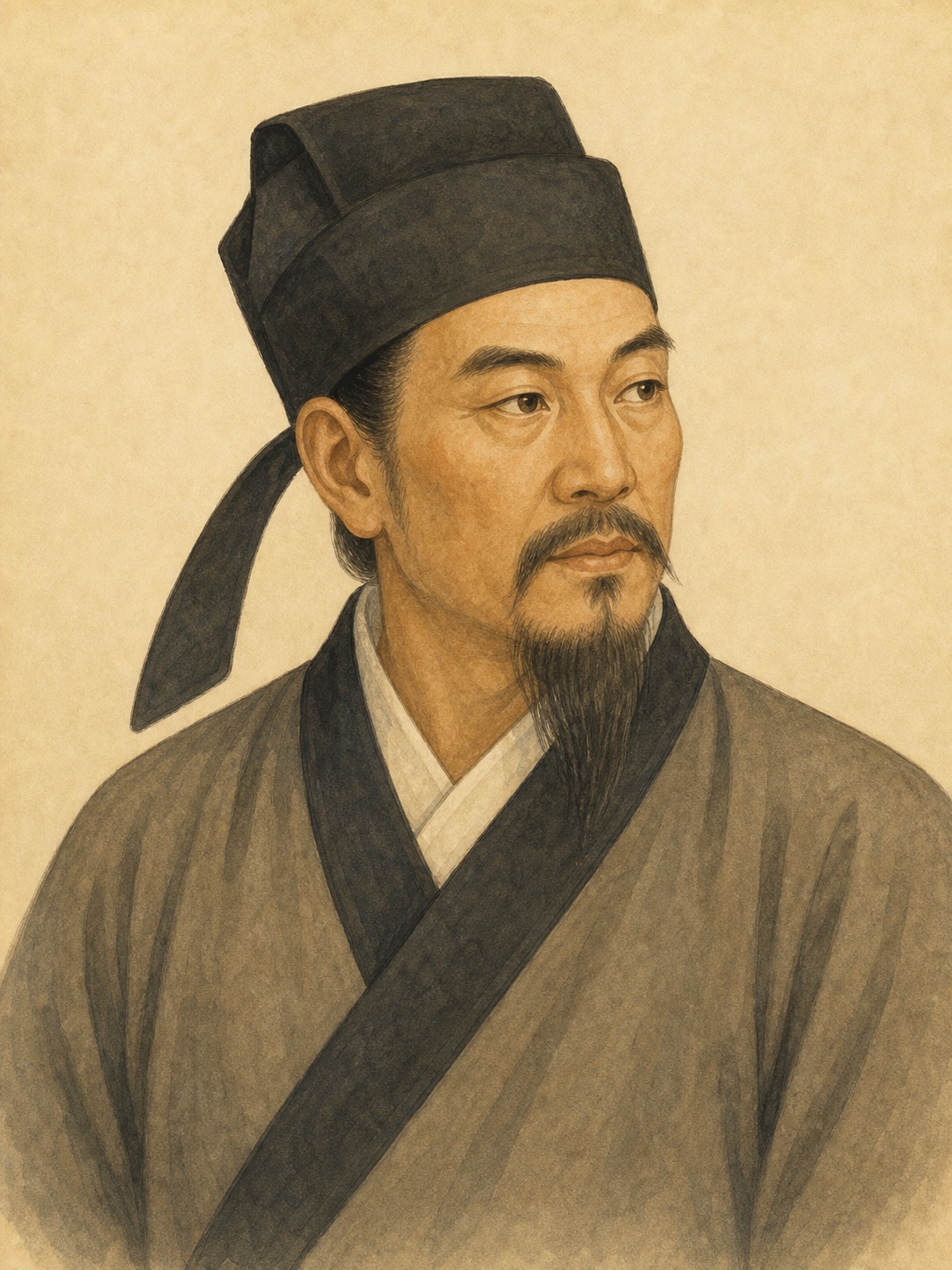
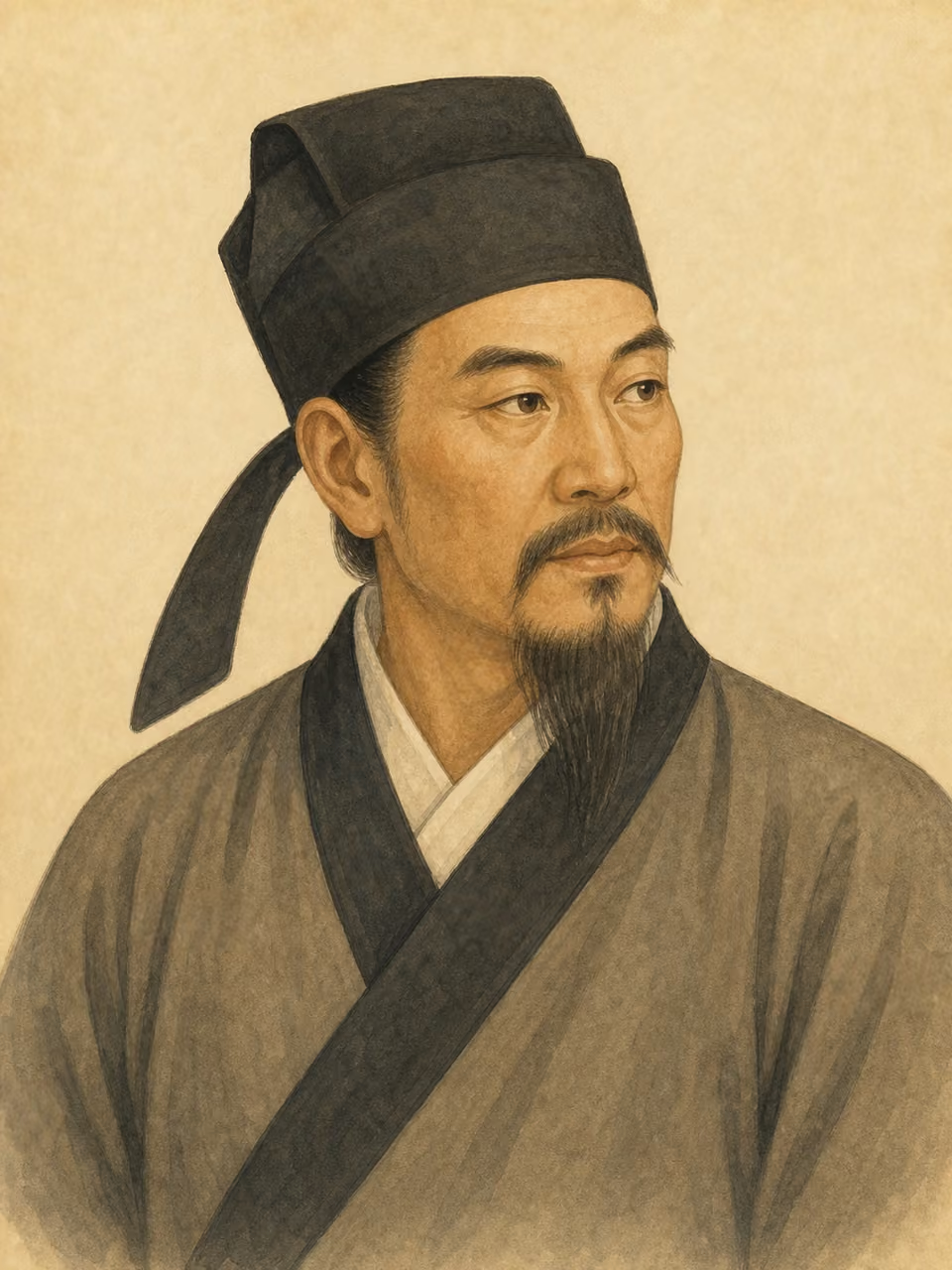
Han Yu
historical figure in context
Tang Dynasty literary figure and politician. He advocated the revival of ancient Japanese literature, criticized the four-six-year-old Chinese literature, and valued concise and powerful sentences. He is a person who understands the history of the Confucian revival and the Eight Great Dynasties of Tang and Song.
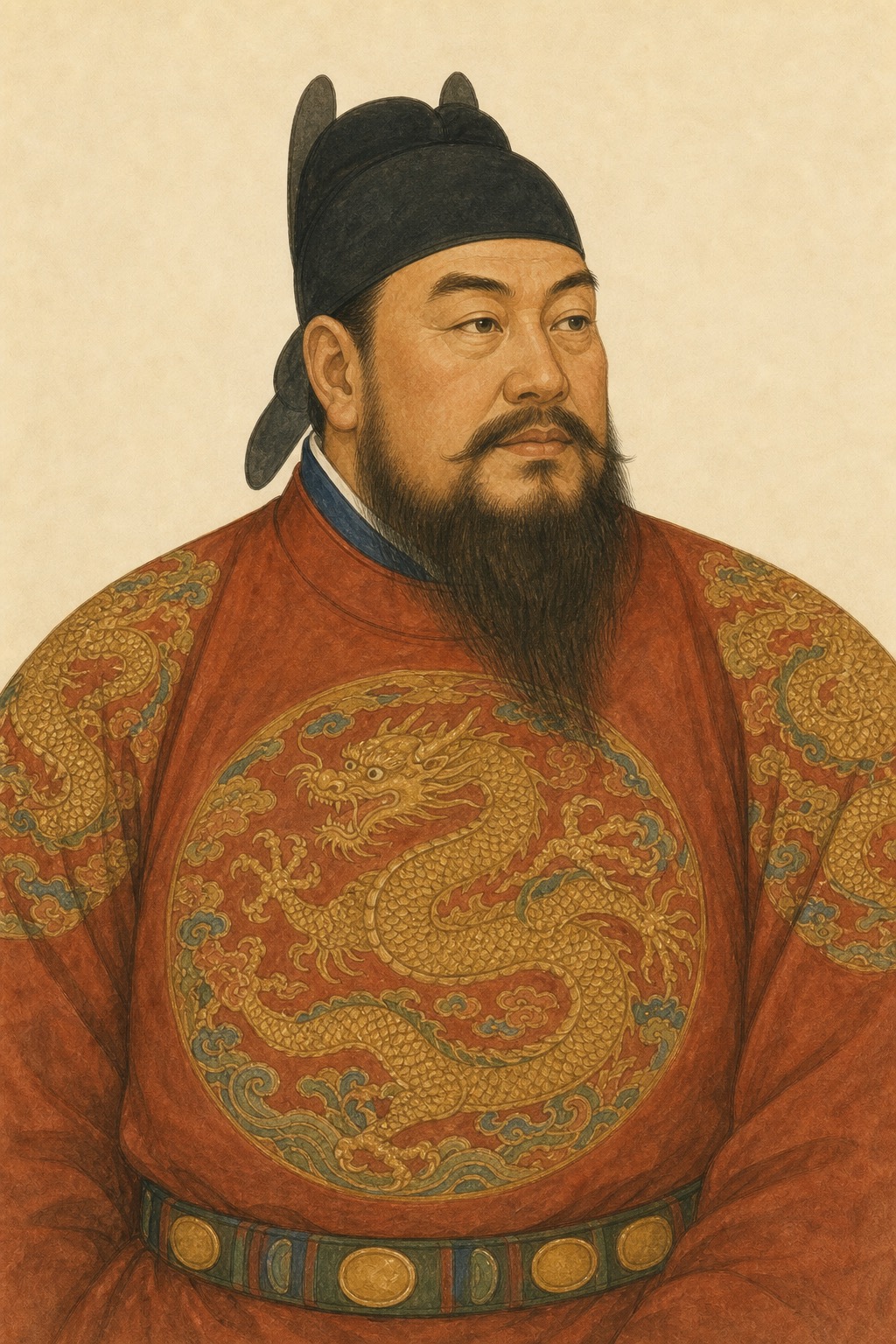
Yongle Emperor
historical figure in context
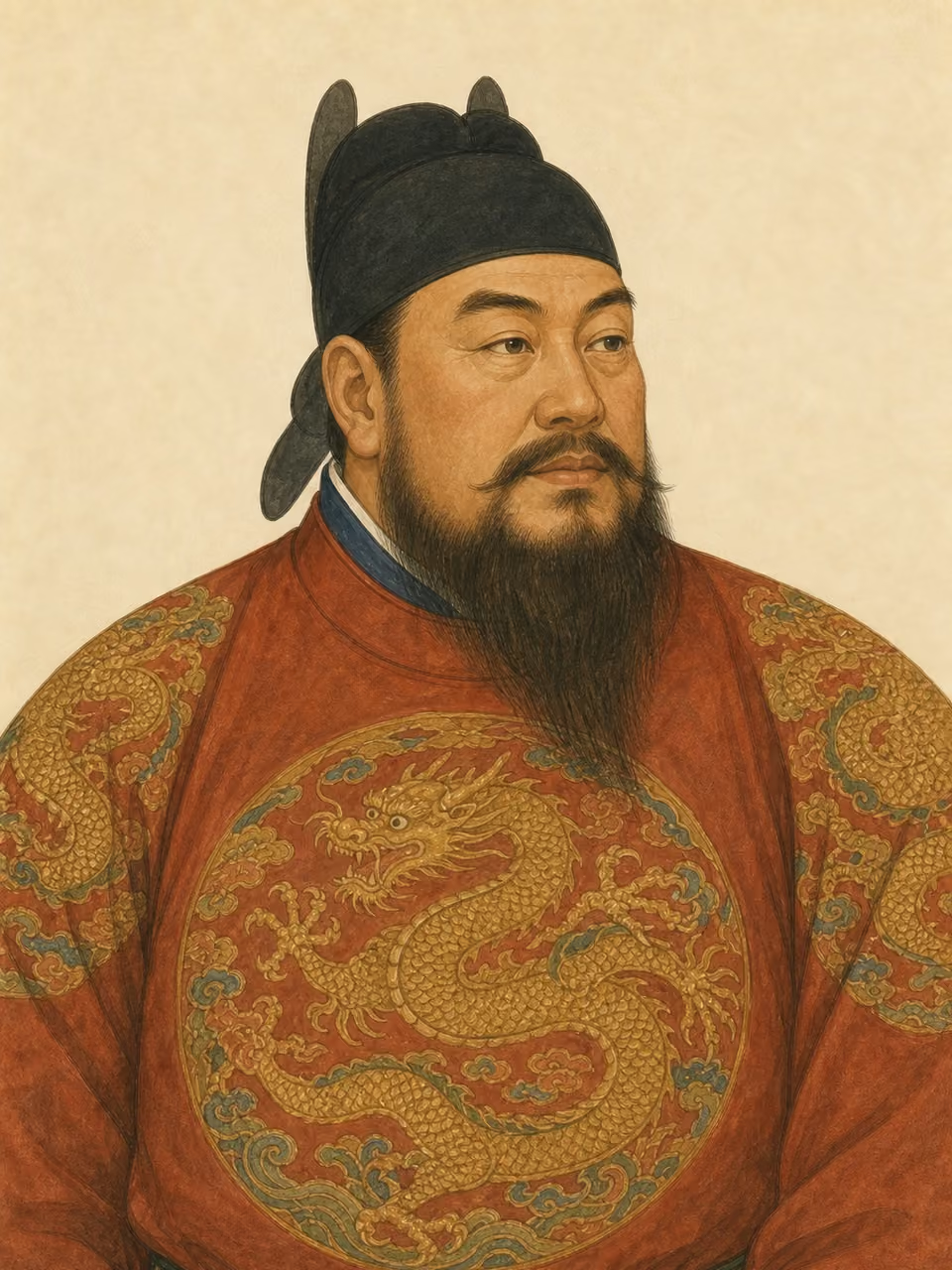
Third emperor of the Ming dynasty. He is known for moving the capital to Beijing, building the Forbidden City, and sponsoring Zheng He's expeditions. He symbolizes a period when the Ming Empire extended its power toward both inland administration and maritime exchange.
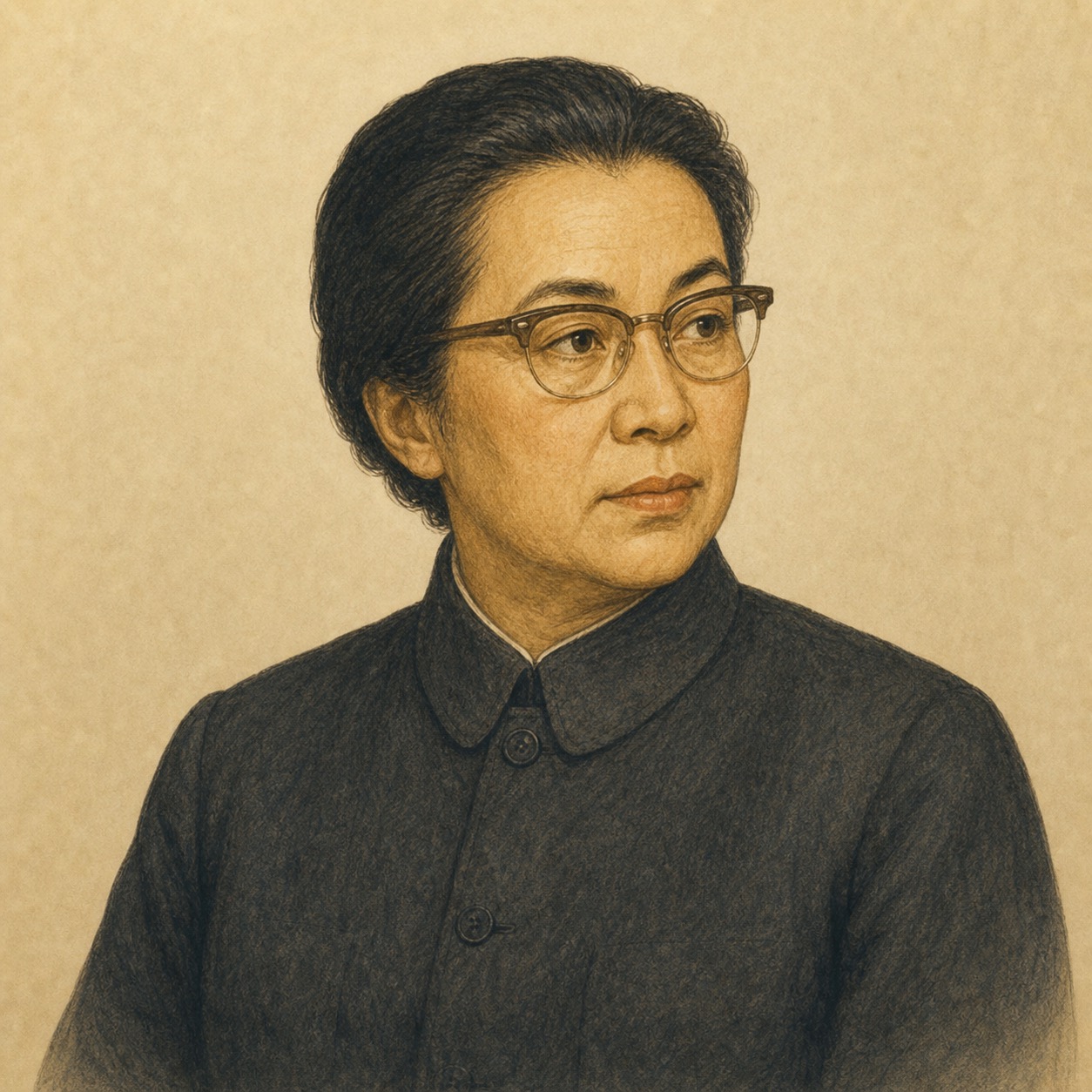
Jiang Qing
historical figure in context
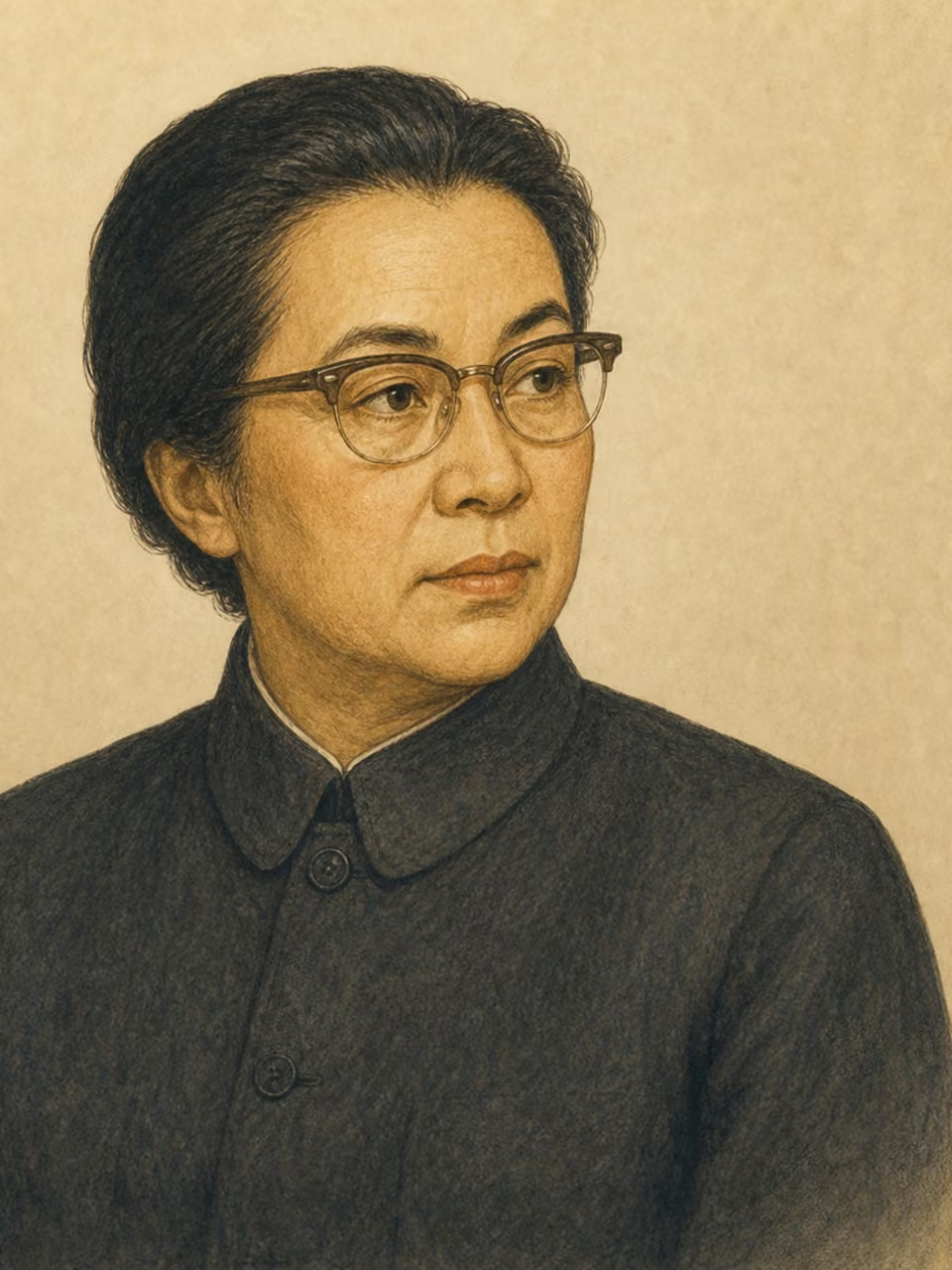
Chinese politician and former actor. She rose to prominence during the Cultural Revolution as Mao Zedong's wife, and was heavily involved in literary and political movements as one of the Gang of Four. He is a person who thinks about the power struggle in socialist China.
Related events
1901
Prelude
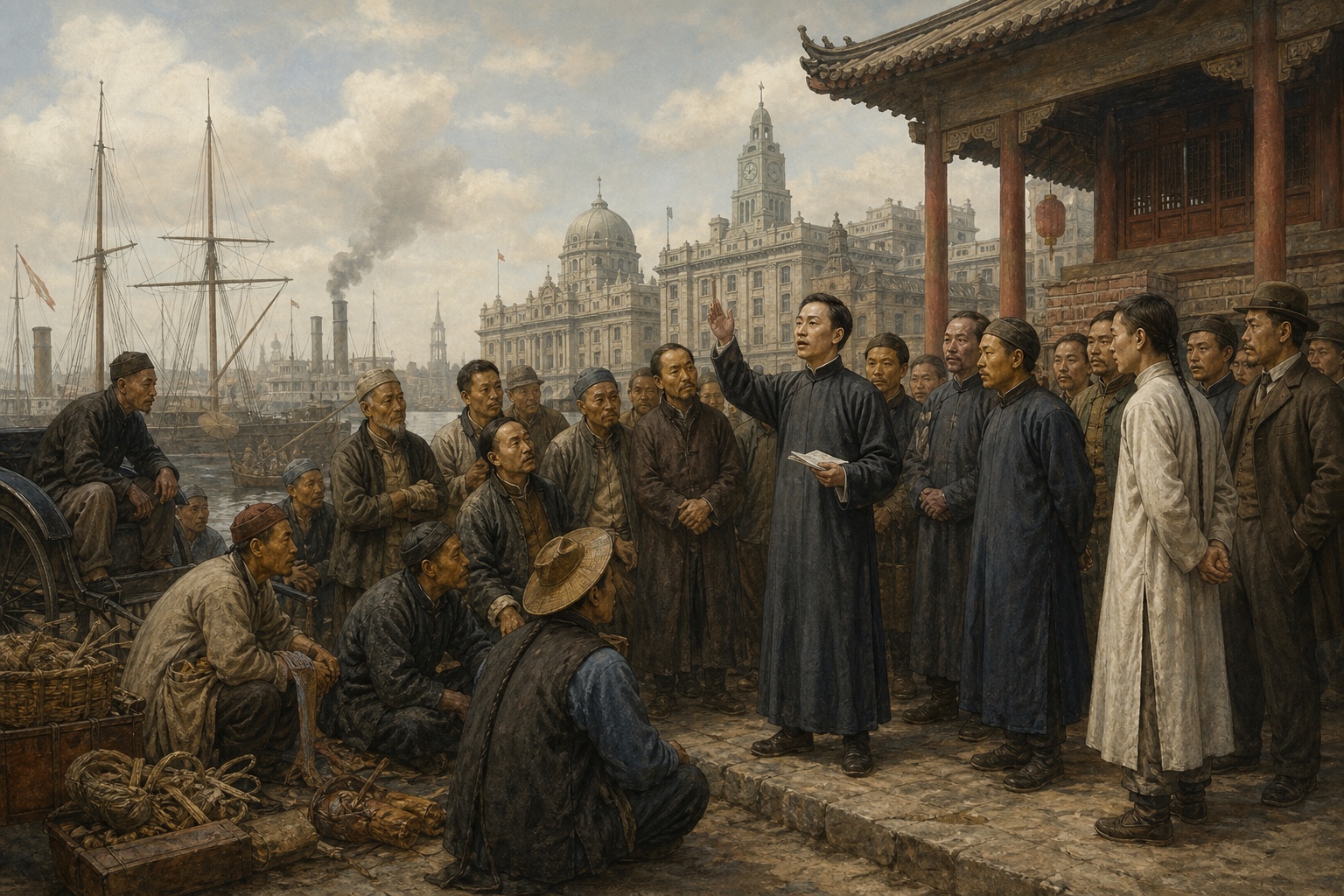
Prelude — Background: The Xinhai Revolution ended the Qing dynasty but left a fragmented republic, competing military governments, foreign privileges, and unresolved questions of sovereignty and social reform. The May Fourth era, Marxism, the Russian Revolution, and Comintern assistance shaped the Chinese Communist Party, founded in 1921, while the Nationalist Party pursued its own program of national unification.
c. 1920
Rising tension
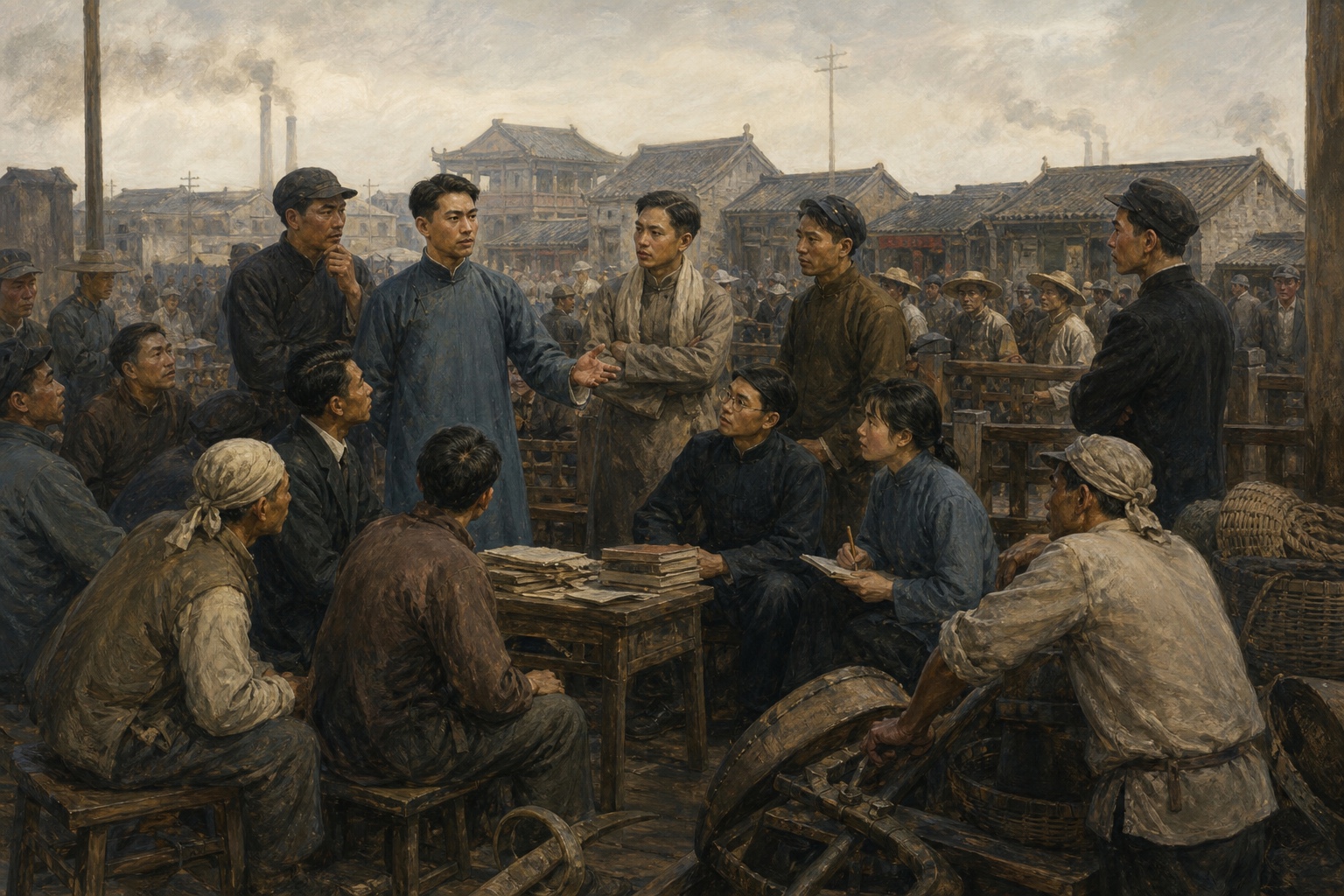
Rising tension — Build-up: Communists and Nationalists first cooperated against warlords, then split violently in 1927. Communist organizers built rural bases, promoted land redistribution, survived Nationalist encirclement through the Long March, and established a center at Yan'an. A second united front against Japan after 1937 combined real resistance with continued rivalry; after Japan's 1945 defeat, negotiations failed and full civil war resumed, ending in Communist military victory on the mainland.
c. 1921–c. 1949
Chinese Revolution (1921–1949)
Current event
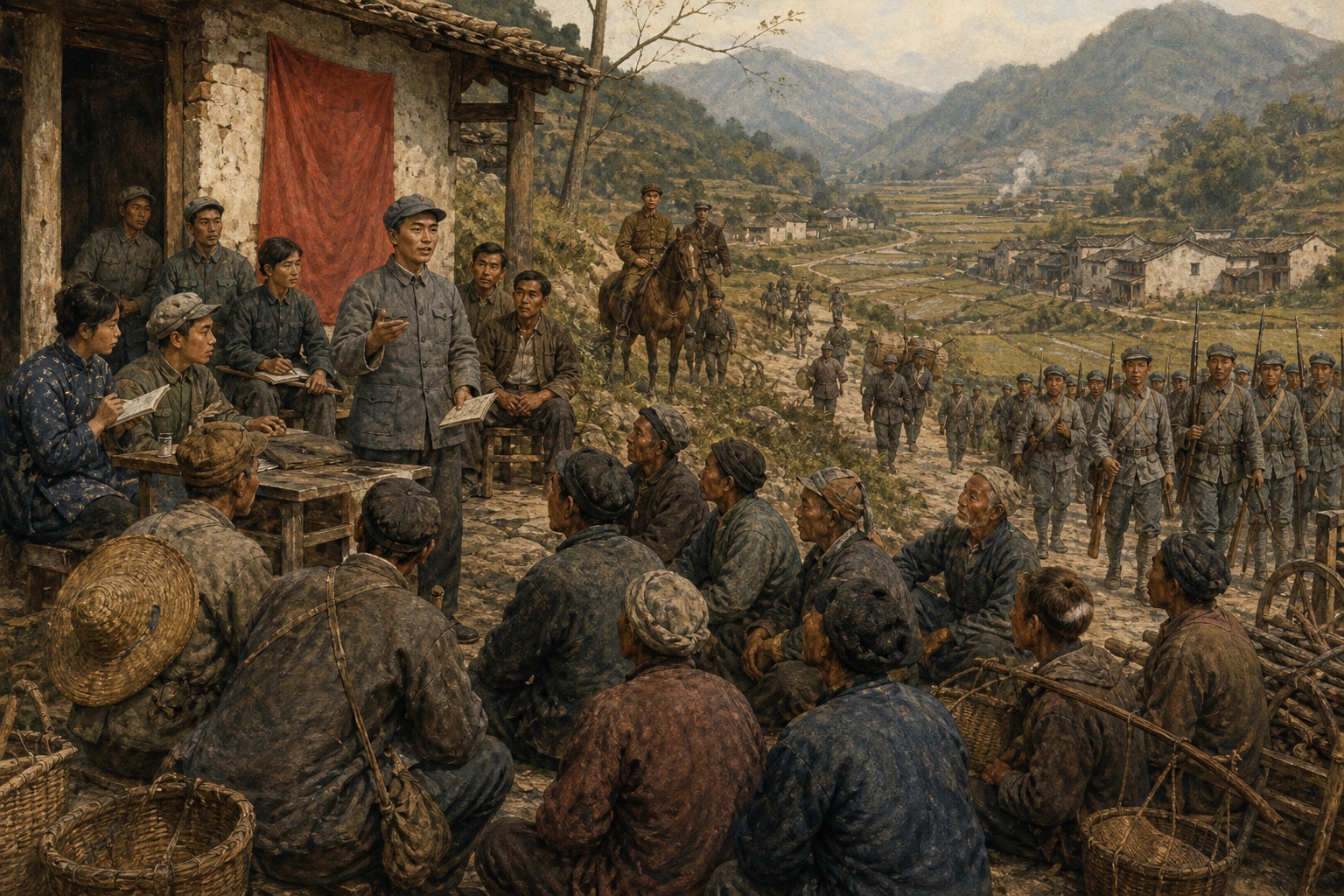
Chinese Revolution (1921–1949) — Central transition: An editorially defined 1921–1949 scope for the Chinese Communist movement from the founding of the Chinese Communist Party to the proclamation of the People's Republic of China on the mainland.
c. 1950
Immediate aftermath
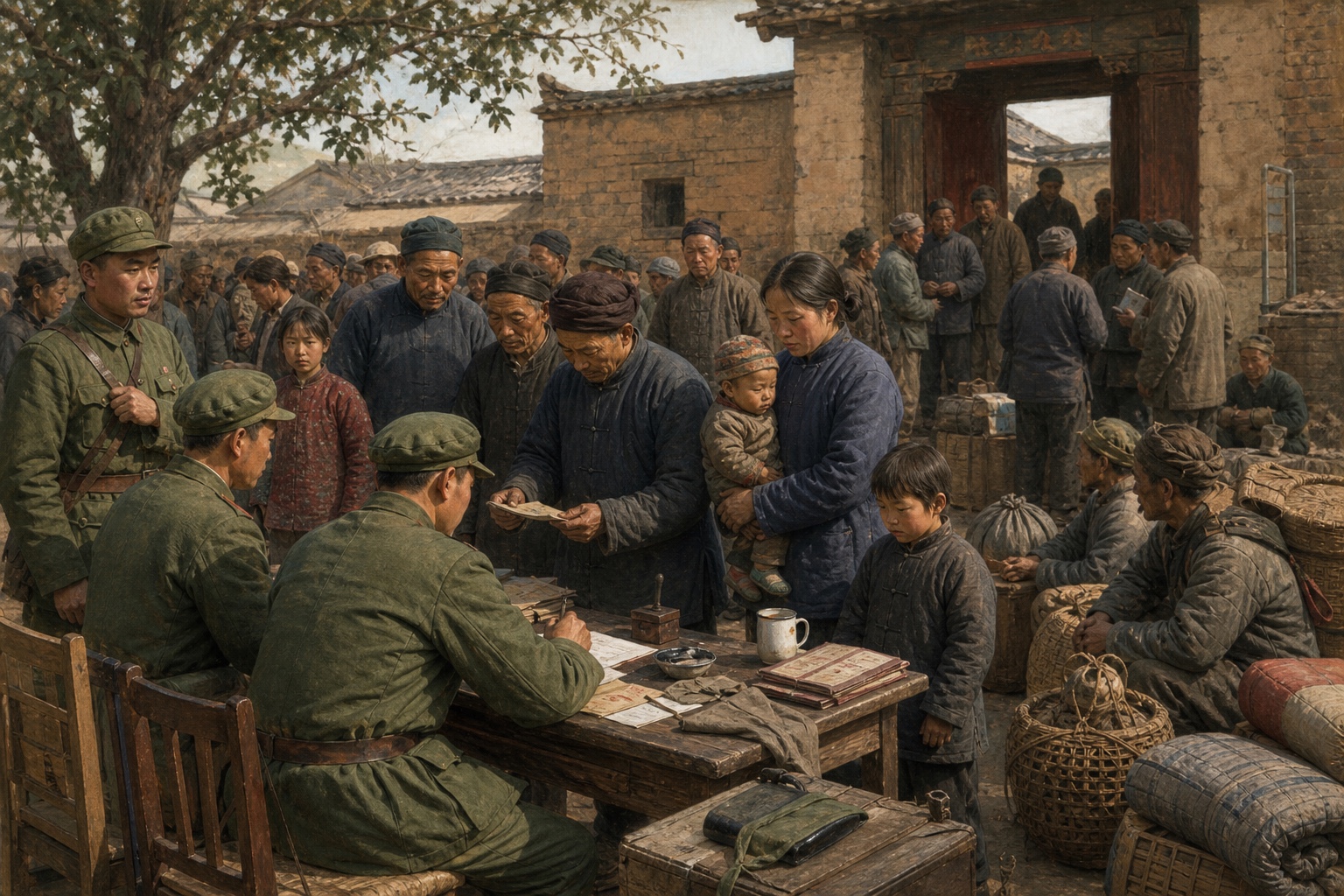
Immediate aftermath — Immediate result: Mao Zedong proclaimed the People's Republic of China in Beijing on 1 October 1949. The Nationalist government and forces retreated to Taiwan, where the Republic of China continued; rival governments, displaced populations, and the unresolved cross-strait division show that 1949 was a decisive political settlement on the mainland, not the disappearance of every conflict produced by the civil war.
c. 1959
Long-term significance
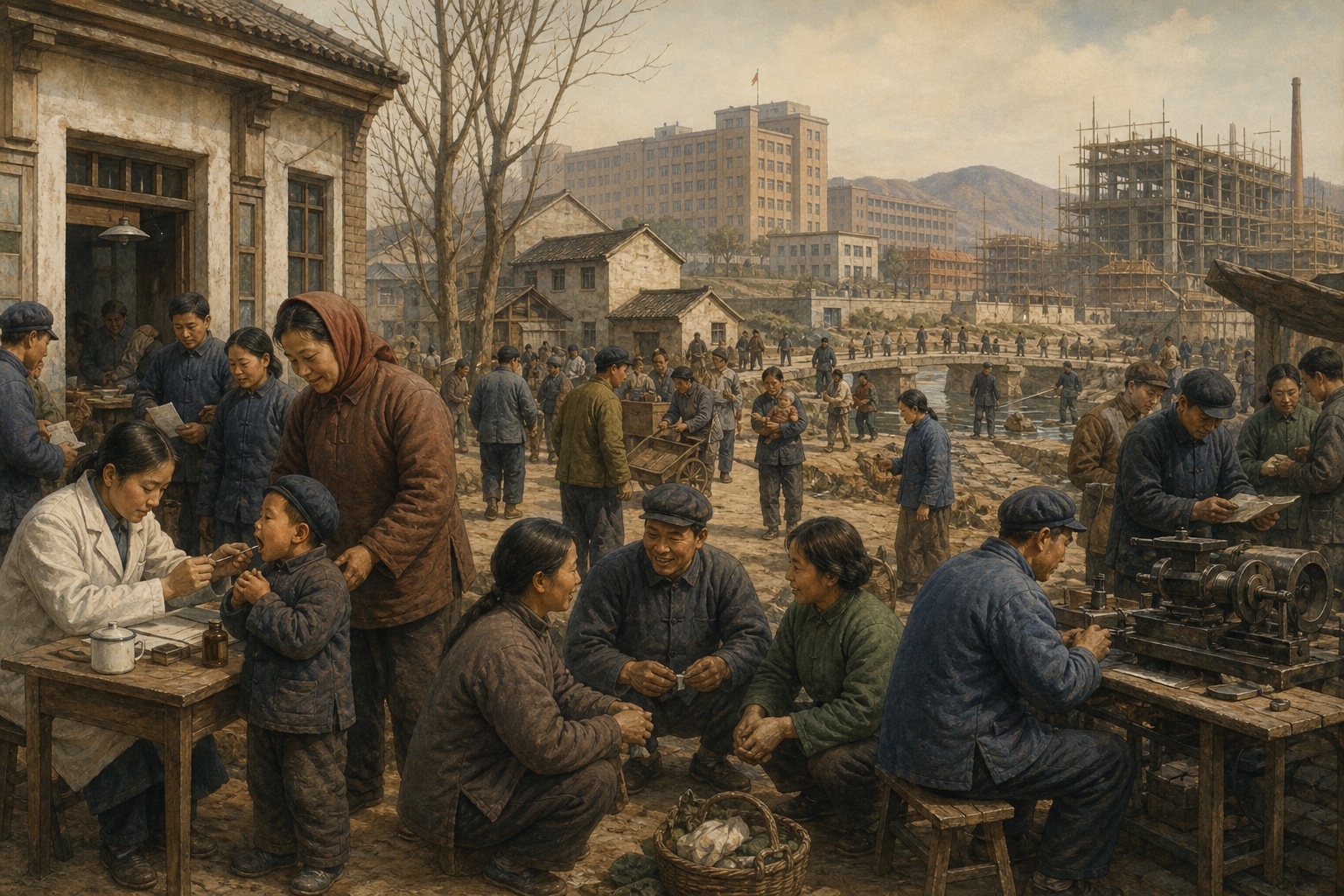
Long-term significance — Long-term significance: This record does not collapse all modern Chinese revolutions into one: its approximate boundaries begin with the party's 1921 founding and end with the 1949 mainland victory. It claimed to complete problems left by 1911, transformed Cold War alignments and land and state power in China, and brought a new Asian government to Bandung in 1955, where Zhou Enlai pursued coexistence and Afro-Asian diplomacy.


Sources
- Chinese Revolution (1921–1949) — Ct China (Afe)afe.easia.columbia.eduThis Afe resource supports the chronology, setting, and course of Chinese Revolution (1921–1949).
- Chinese Revolution (1921–1949) — Ps China Mao Peasant (Afe)afe.easia.columbia.eduThis Afe resource supports the chronology, setting, and course of Chinese Revolution (1921–1949).
- Chinese Revolution (1921–1949) — Chinese Rev (U.S. Office of the Historian)history.state.govThis U.S. Office of the Historian resource supports the chronology, setting, and course of Chinese Revolution (1921–1949).