Decembrist Revolt
1825
Some Russian officers rebelled soon after Nicholas I’s accession, demanding a constitution and reform of serfdom.

- Period
- 1825
- Kind
- Rebellion
- Regions
- Europe
- Keywords
- Decembrist Revolt · St. Petersburg · modern · background · turning point · impact
Follow the story · Four stages
Background
Political, social, and commercial changes around St. Petersburg formed the setting: Some Russian officers rebelled soon after Nicholas I’s accession, demanding a constitution and reform of serfdom.
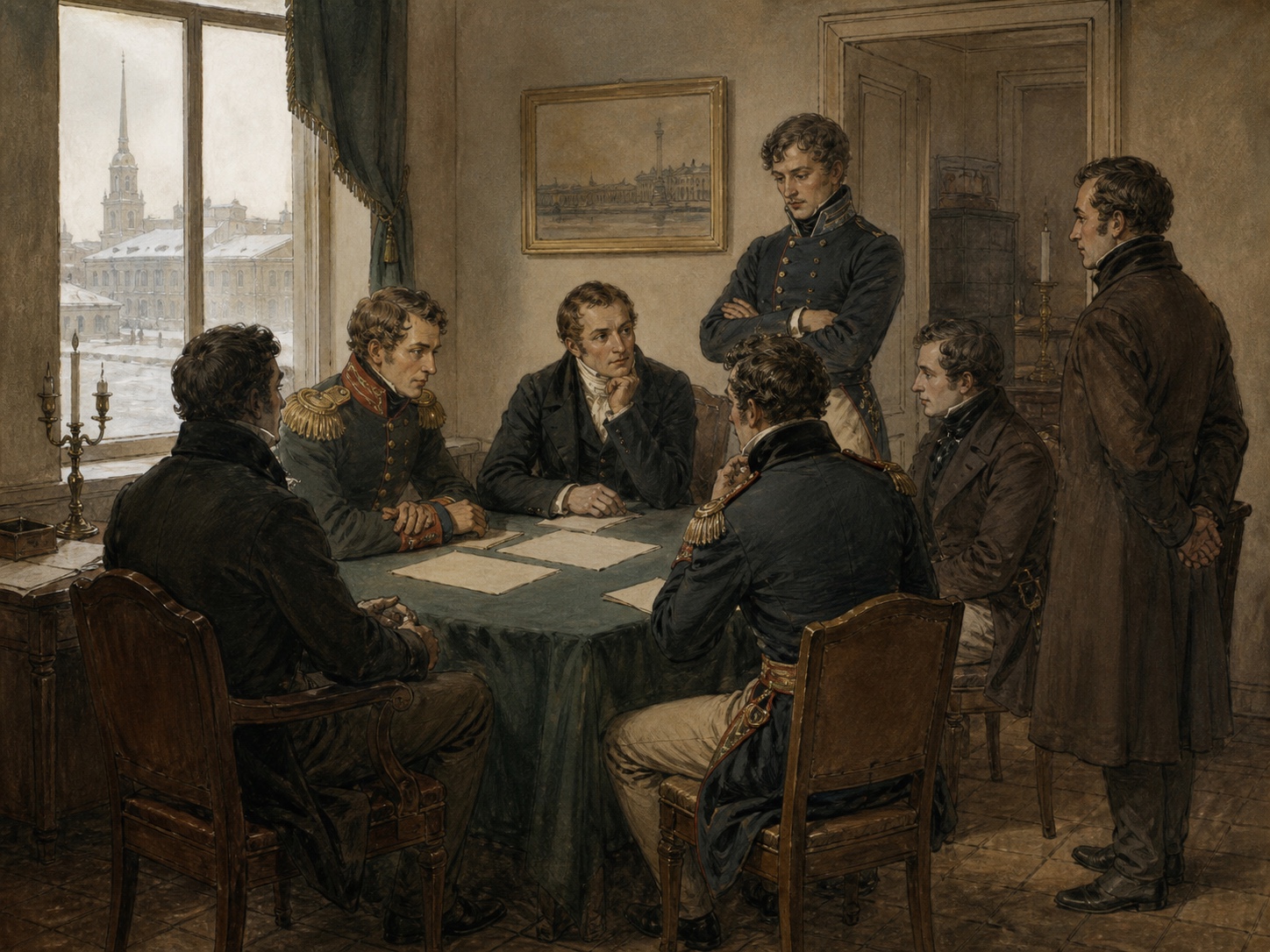
- Officers exposed to reformist ideas during the Napoleonic Wars formed secret societies that debated constitutional government and the abolition of serfdom.
- Alexander I’s sudden death produced a disputed succession, giving the conspirators a narrow opening in St. Petersburg.
- Core event: Some Russian officers rebelled soon after Nicholas I’s accession, demanding a constitution and reform of serfdom.
Course
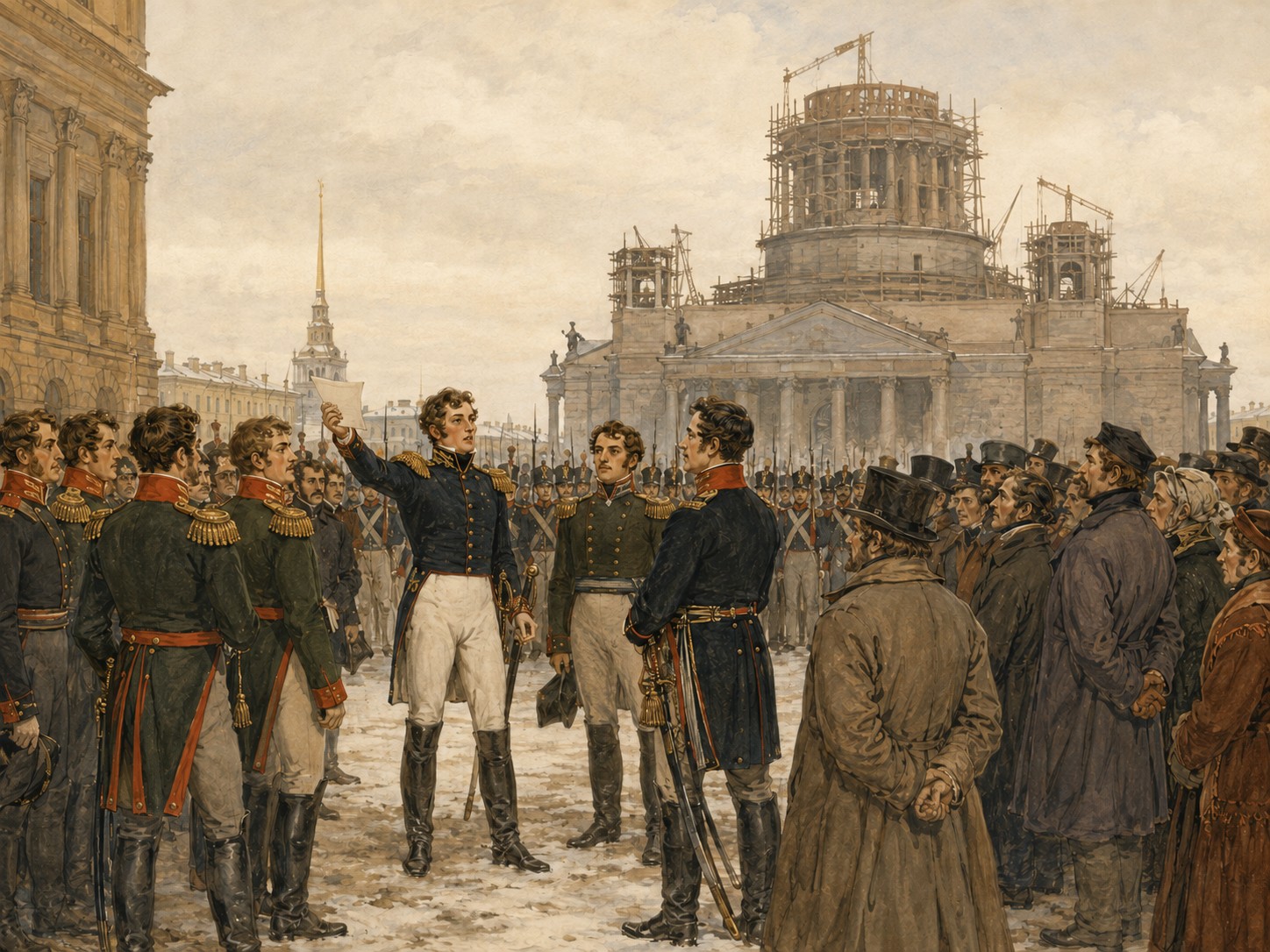
Some Russian officers rebelled soon after Nicholas I’s accession, demanding a constitution and reform of serfdom. The choices of the participating powers and responses of local communities shaped the course.
- Some Russian officers rebelled soon after Nicholas I’s accession, demanding a constitution and reform of serfdom.
- The change unfolded through decisions by rulers, institutions, and local communities.
- Conditions behind the action: In and around St. Petersburg, the setting took shape as Some Russian officers rebelled soon after Nicholas I’s accession, demanding a constitution and reform of serfdom.
Outcome
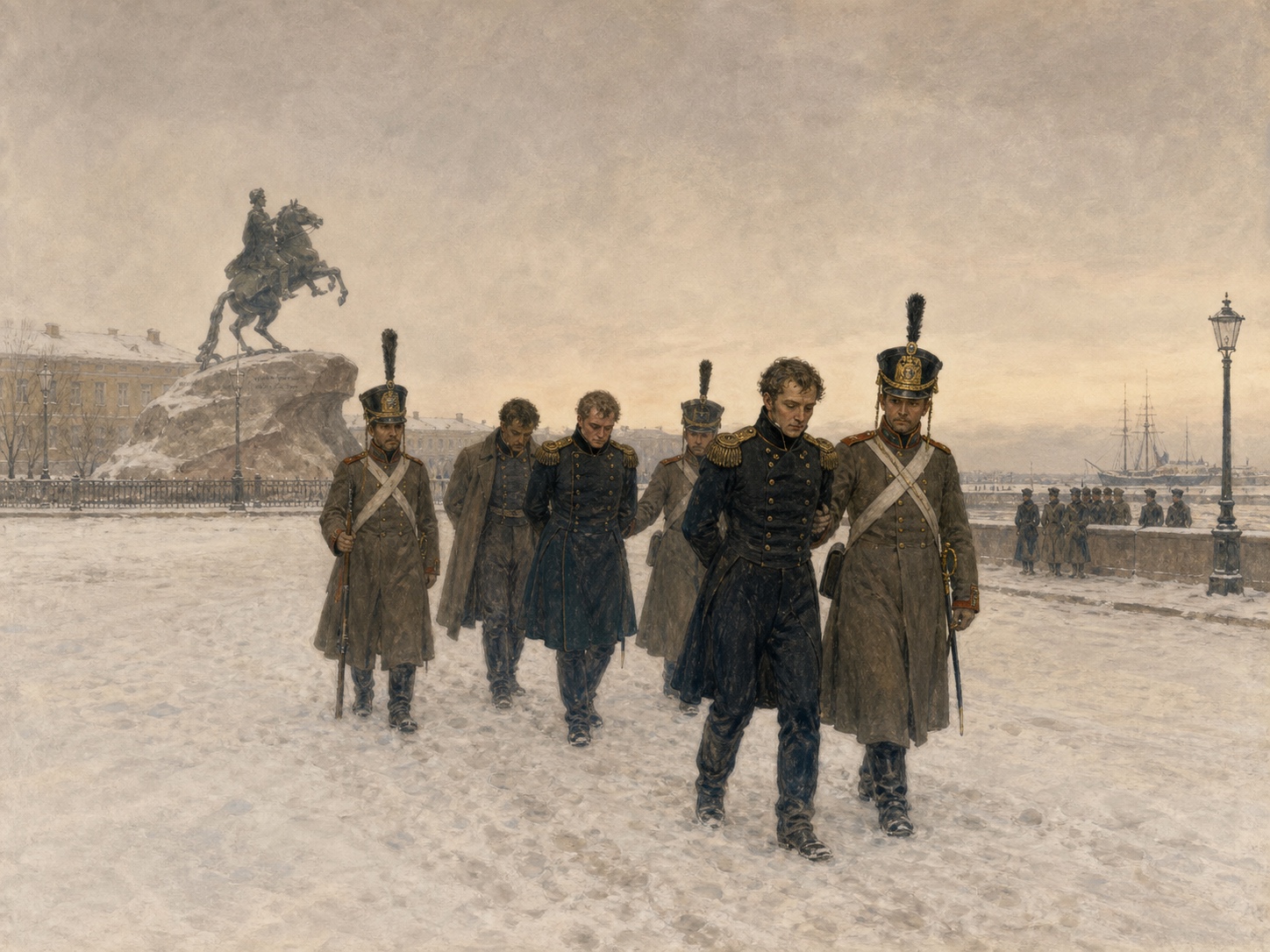
As a result, Although suppressed and followed by repression, the revolt became a symbol in the history of Russian revolutionary thought.
- Although suppressed and followed by repression, the revolt became a symbol in the history of Russian revolutionary thought.
- Process producing the result: Some Russian officers rebelled soon after Nicholas I’s accession, demanding a constitution and reform of serfdom. The change unfolded through decisions by rulers, institutions, and local communities.
- Question carried forward: In the longer term, although suppressed and followed by repression, the revolt became a symbol in the history of russian revolutionary thought.
Historical significance
The significance of this event lies in the fact that although suppressed and followed by repression, the revolt became a symbol in the history of russian revolutionary thought.
- In the longer term, although suppressed and followed by repression, the revolt became a symbol in the history of russian revolutionary thought.
- Immediate consequence: Although suppressed and followed by repression, the revolt became a symbol in the history of Russian revolutionary thought.
- Historical turning point: Some Russian officers rebelled soon after Nicholas I’s accession, demanding a constitution and reform of serfdom.
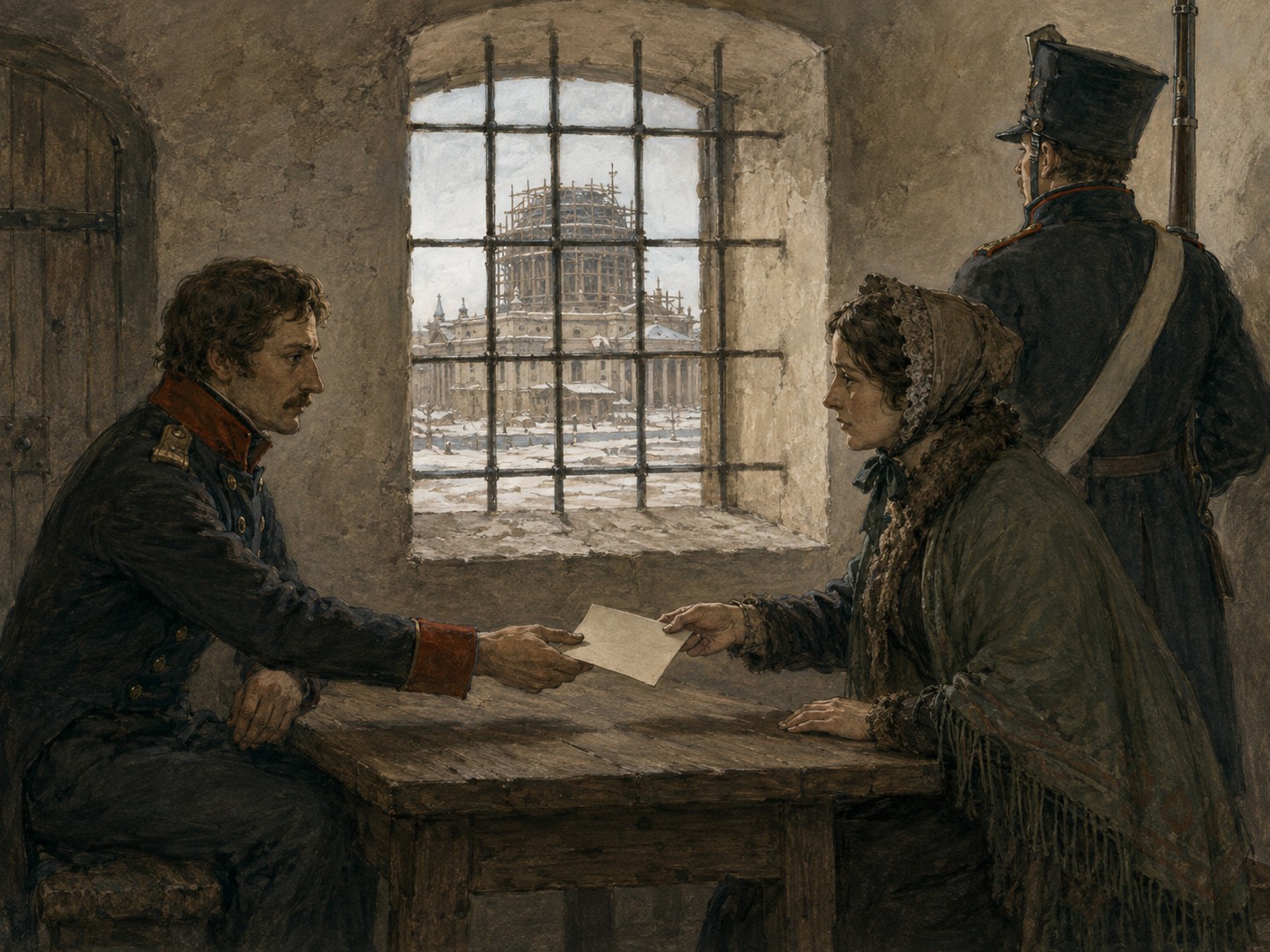


Related figures
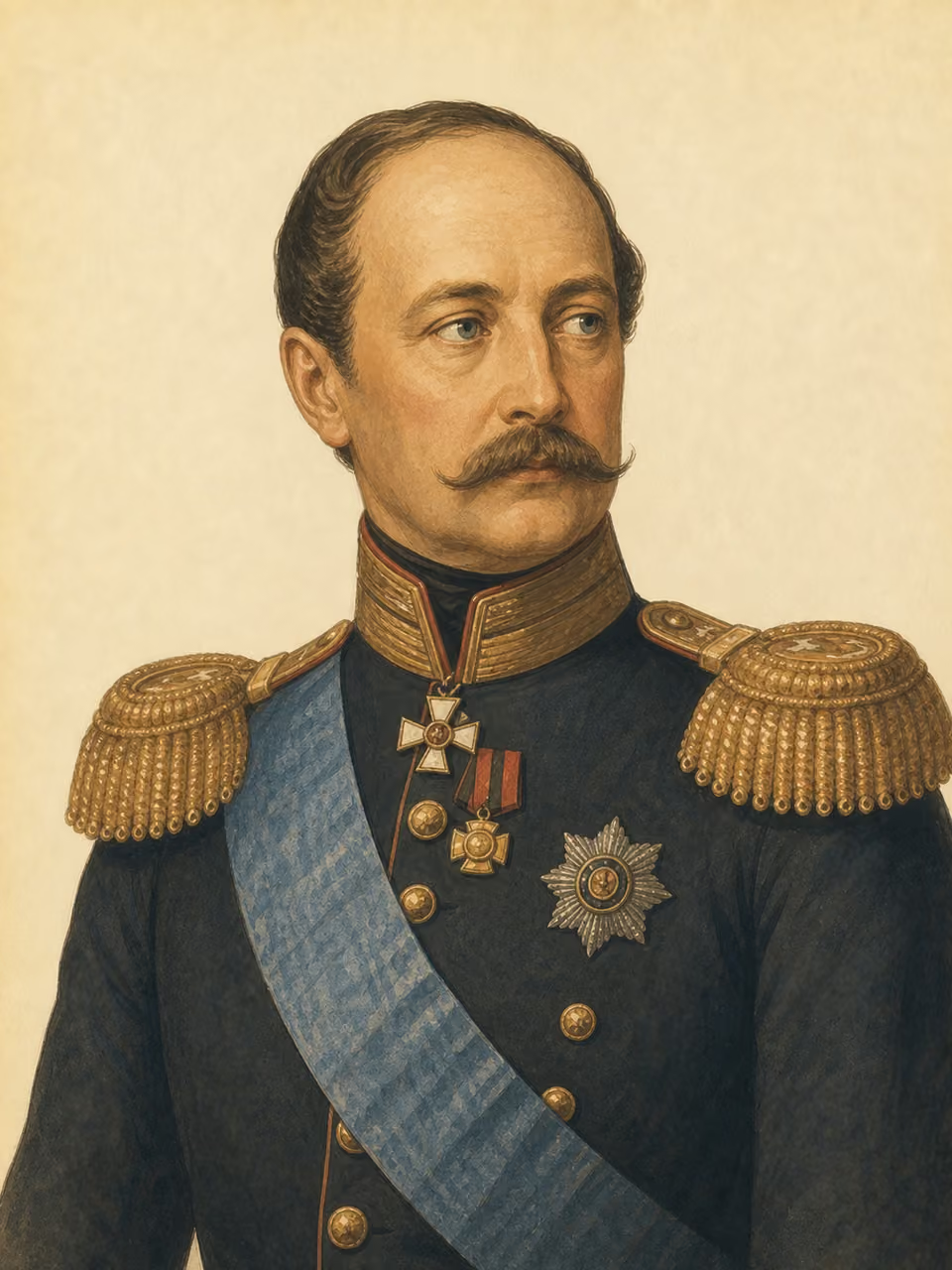
Related events
1816
Union of Salvation formed
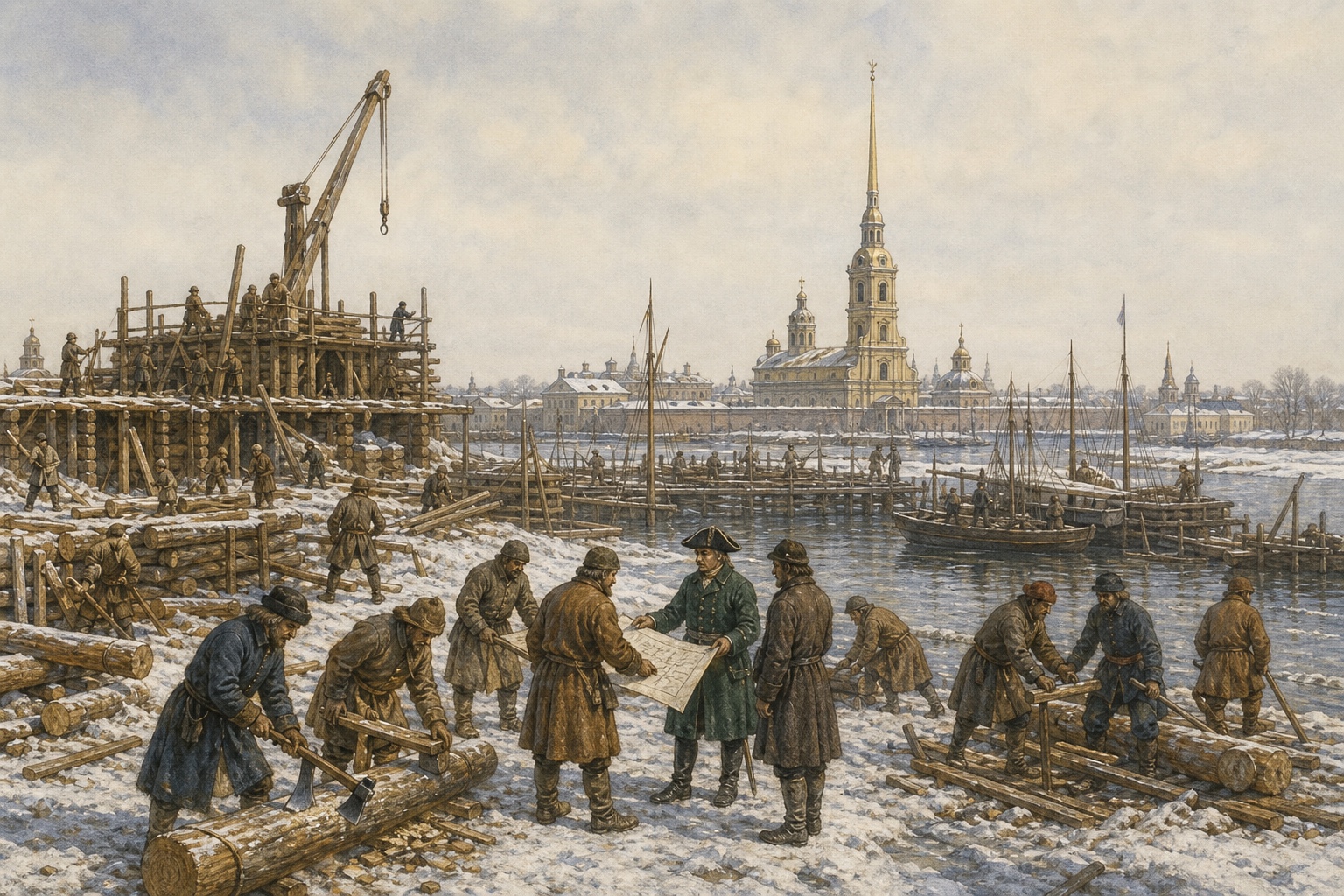
Union of Salvation formed — In and around St. Petersburg, the setting took shape as Some Russian officers rebelled soon after Nicholas I’s accession, demanding a constitution and reform of serfdom.
1821
Northern and Southern societies organize
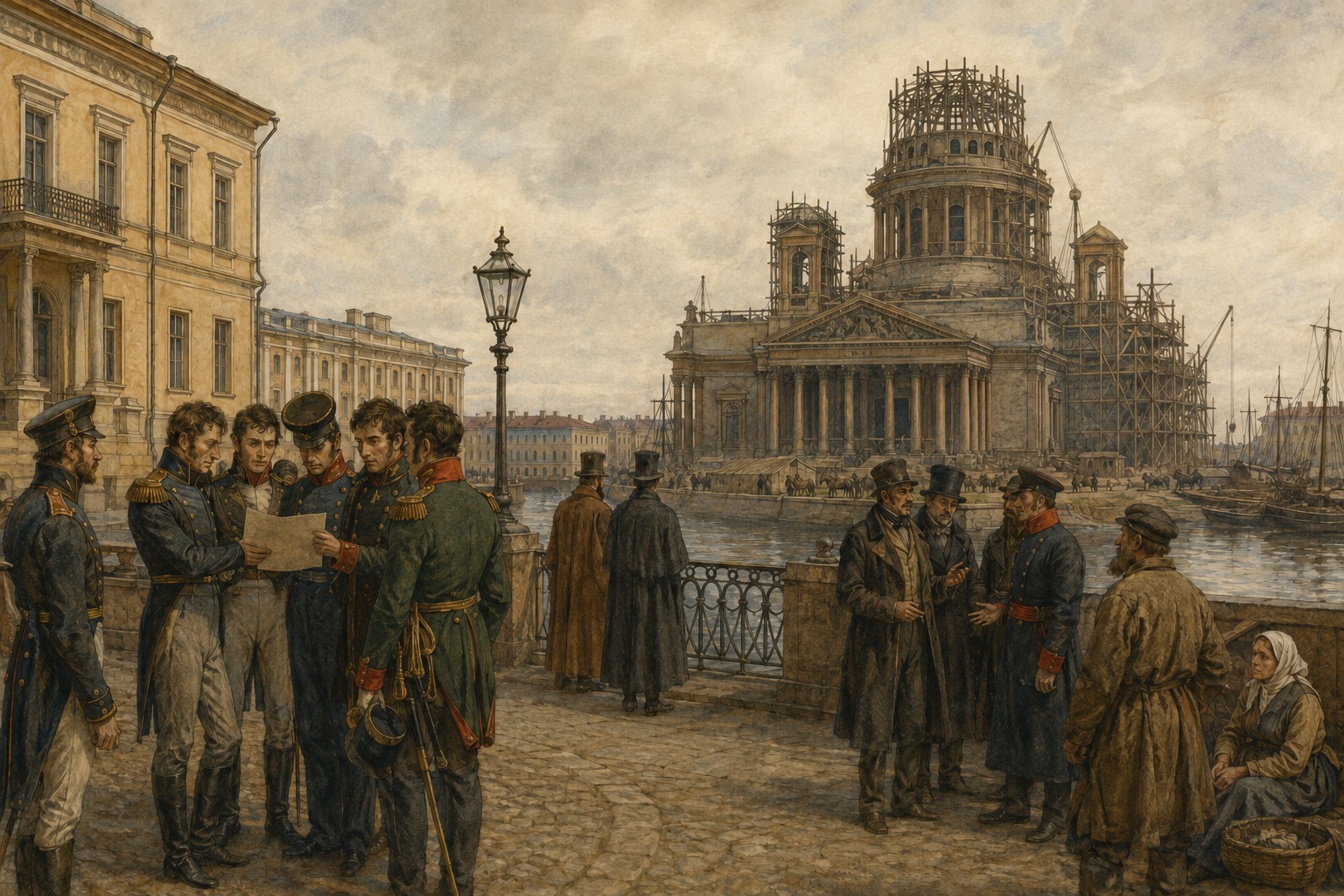
Northern and Southern societies organize — Some Russian officers rebelled soon after Nicholas I’s accession, demanding a constitution and reform of serfdom. The change unfolded through decisions by rulers, institutions, and local communities.
1825
Revolt in Senate Square
Current event
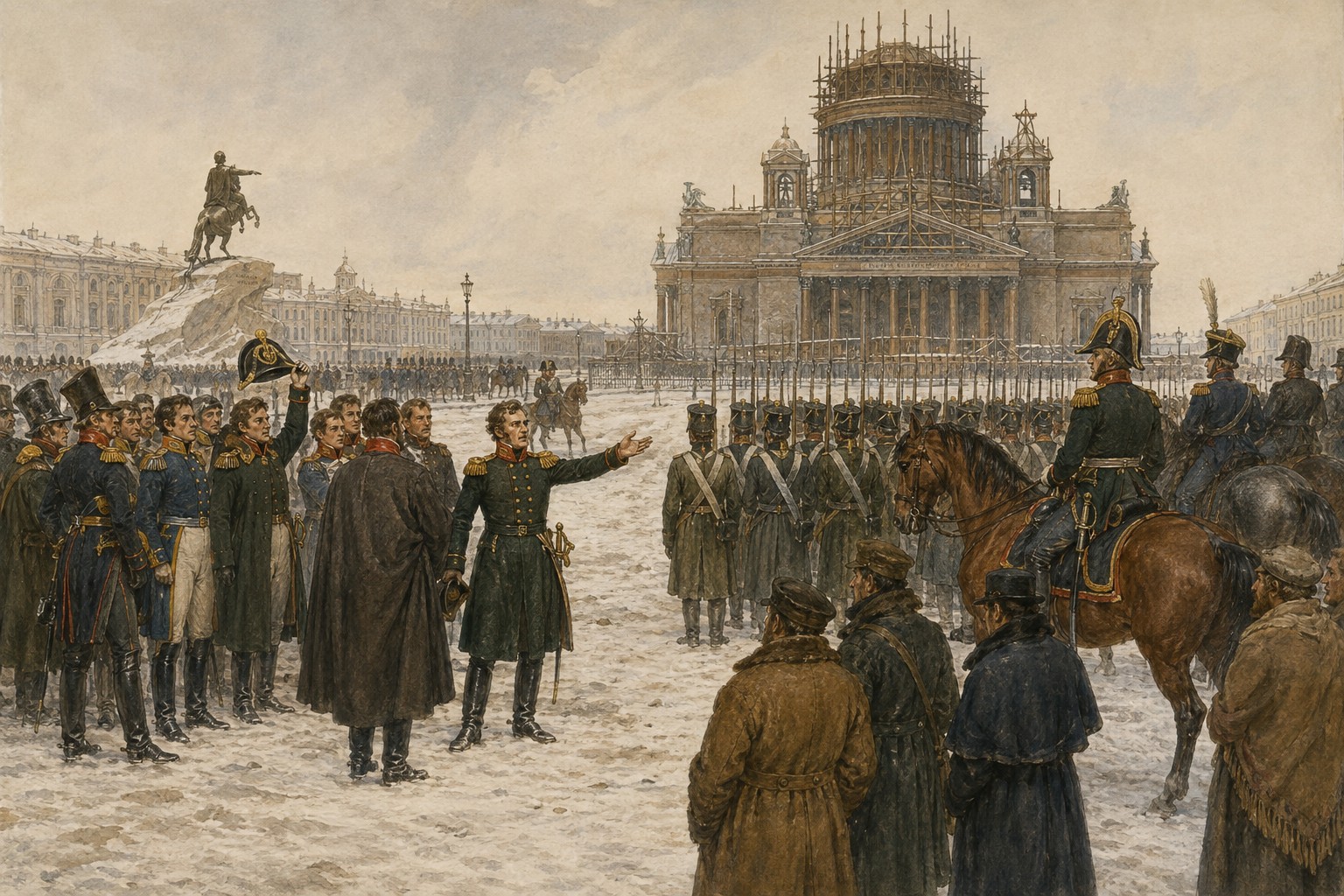
Revolt in Senate Square — Some Russian officers rebelled soon after Nicholas I’s accession, demanding a constitution and reform of serfdom.
1826
Leaders tried and exiled
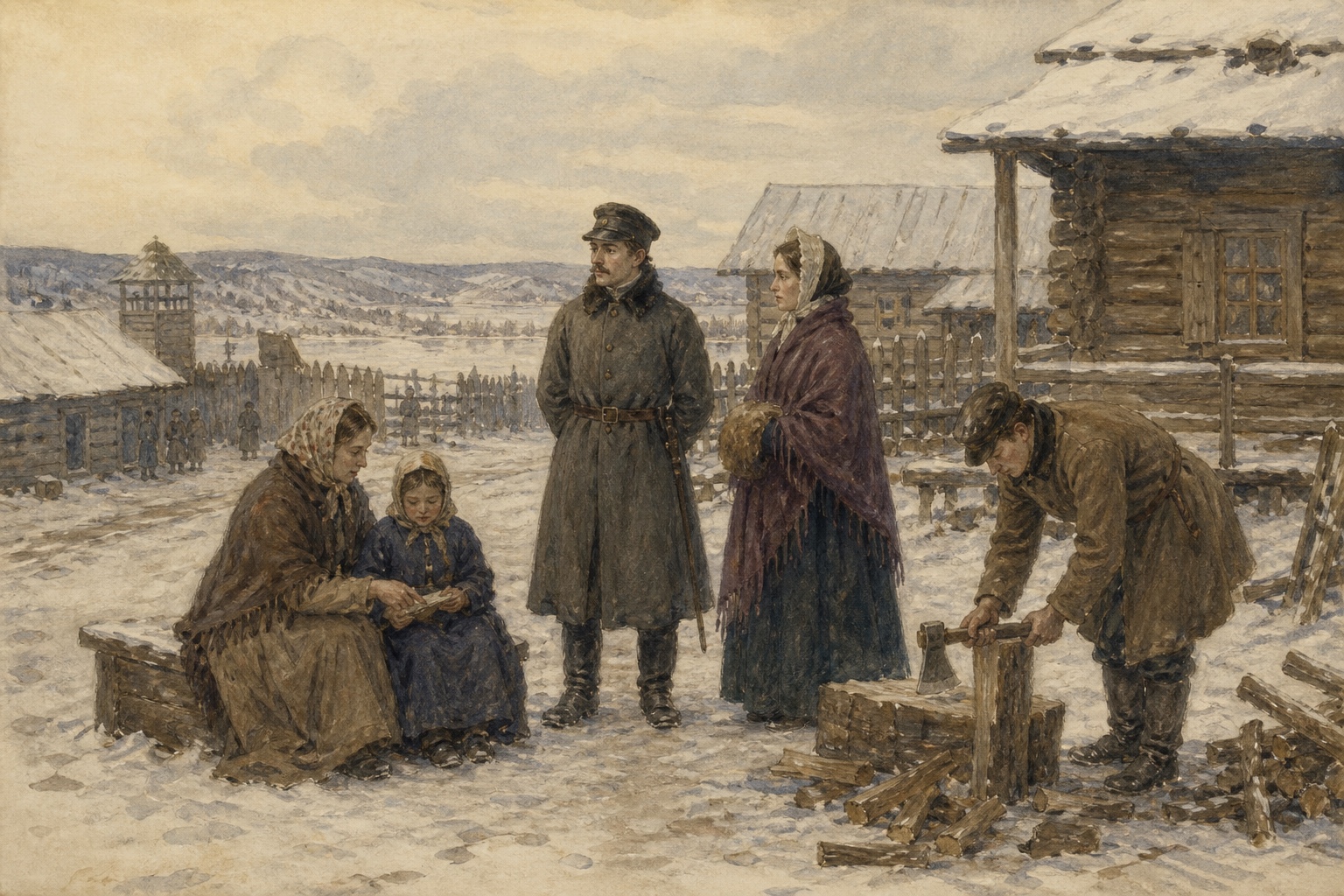
Leaders tried and exiled — Although suppressed and followed by repression, the revolt became a symbol in the history of Russian revolutionary thought.
1856
Surviving Decembrists receive amnesty
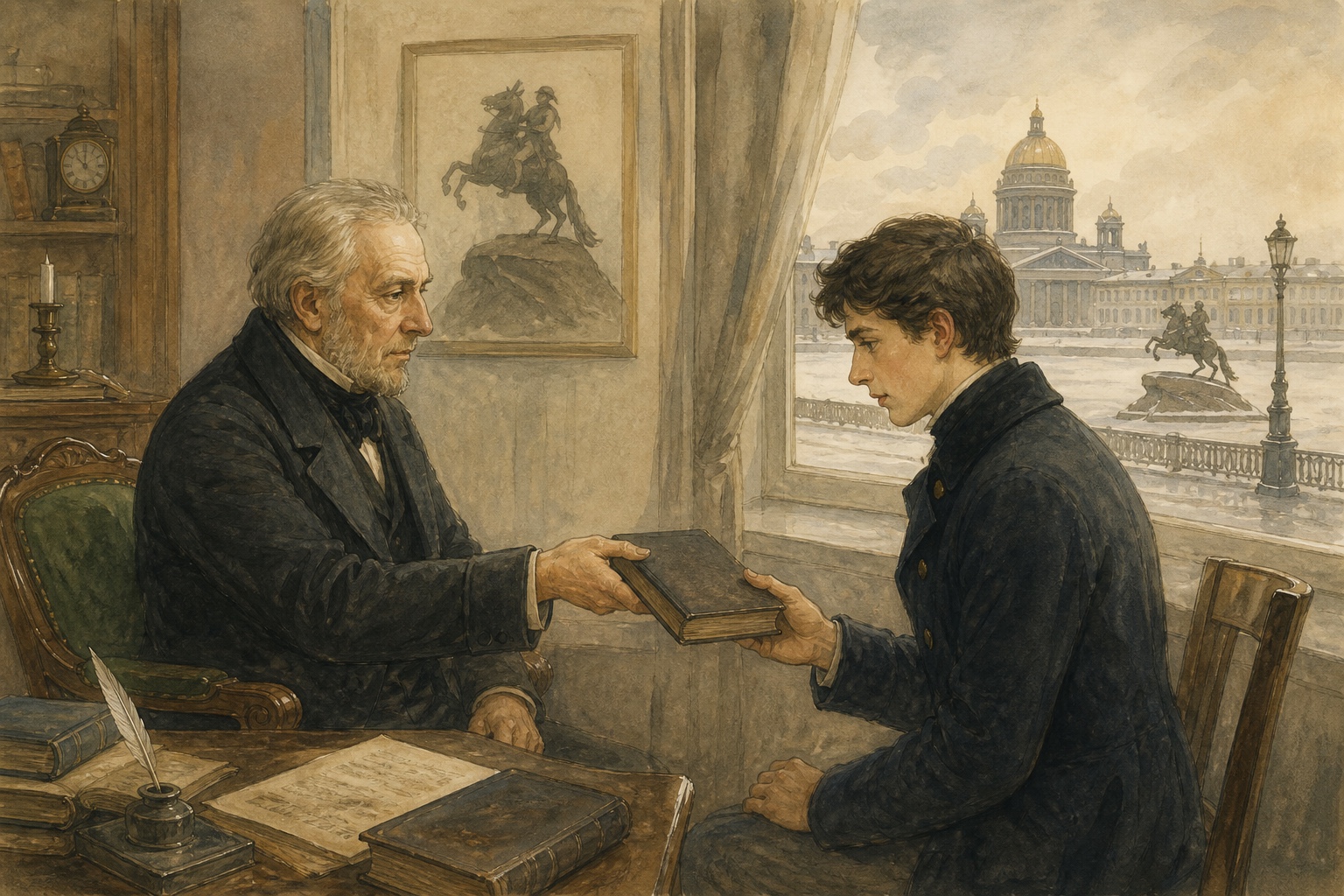
Surviving Decembrists receive amnesty — In the longer term, although suppressed and followed by repression, the revolt became a symbol in the history of russian revolutionary thought.


Sources
- Decembrist Revolt — Timeline (Daiichi Gakushusha)www.daiichi-g.co.jpThis Daiichi Gakushusha resource supports the chronology, setting, and course of Decembrist Revolt.
- Decembrist Revolt — Decembrist Revolt (Encyclopaedia Britannica)www.britannica.comThis Encyclopaedia Britannica resource supports the chronology, setting, and course of Decembrist Revolt.
- Decembrist Revolt — Decembrist Revolt (Wikidata)www.wikidata.orgThis Wikidata resource supports the chronology, setting, and course of Decembrist Revolt.