
Formation of the Early Muslim Community
610–632
The process from Muhammad's first revelations around 610 to his death in 632 through which believers centered on Mecca and Medina formed a religious, social, and political community.

- Period
- 610–632
- Kind
- Movement
- Regions
- Middle East
- Keywords
- Formation of the Early Muslim Community · background · course · outcome
Follow the story · Four stages
Background
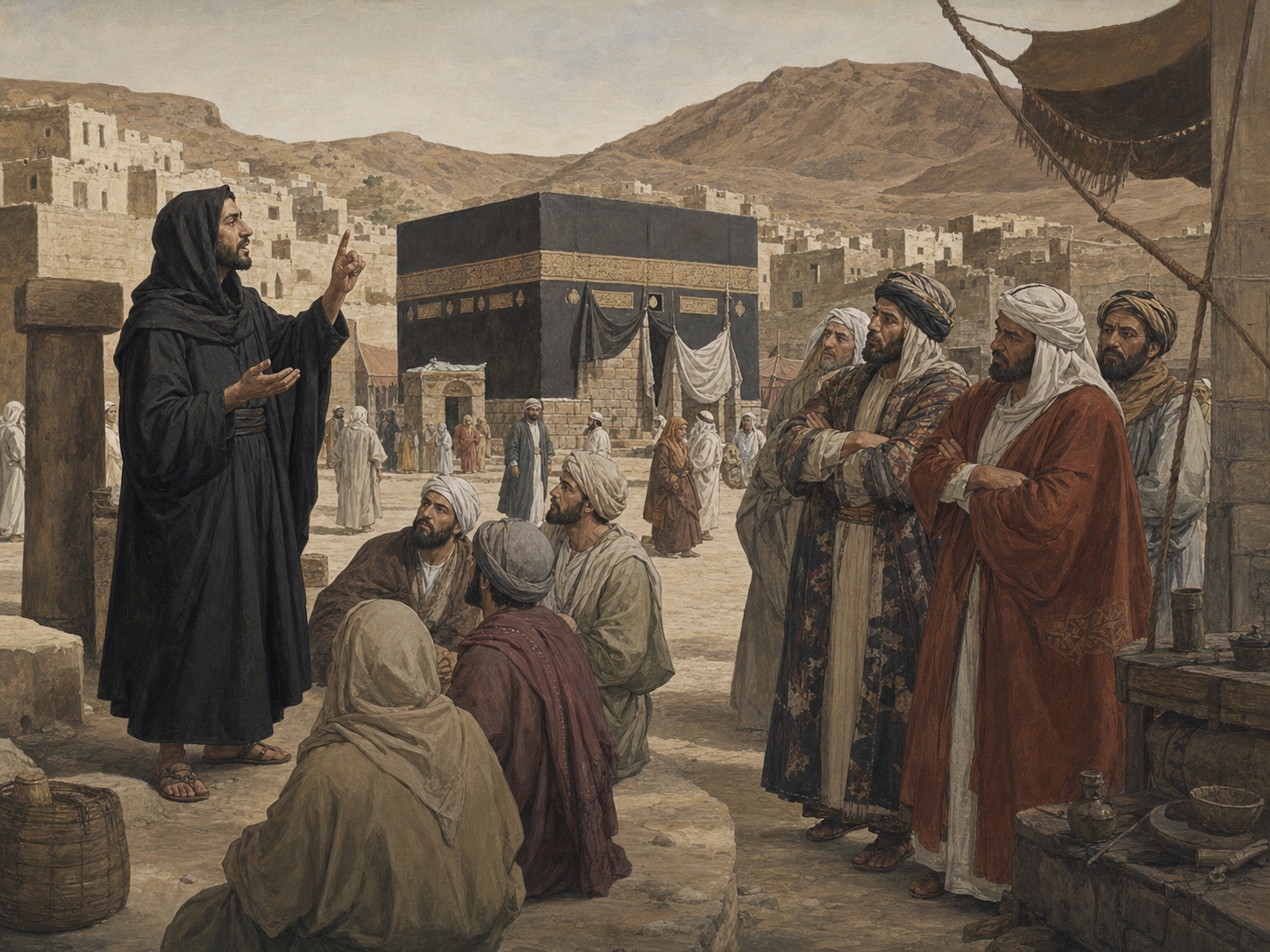
Muhammad preached devotion to one God and social responsibility in Mecca, but conflict with leading Quraysh families left his followers vulnerable. In 622 they migrated to Yathrib, later called Medina, where new alliances offered a basis for communal life.
- Muhammad preached devotion to one God and social responsibility in Mecca, but conflict with leading Quraysh families left his followers vulnerable.
- In 622 they migrated to Yathrib, later called Medina, where new alliances offered a basis for communal life.
- Core event: The process from Muhammad's first revelations around 610 to his death in 632 through which believers centered on Mecca and Medina formed a religious, social, and political community.
Course
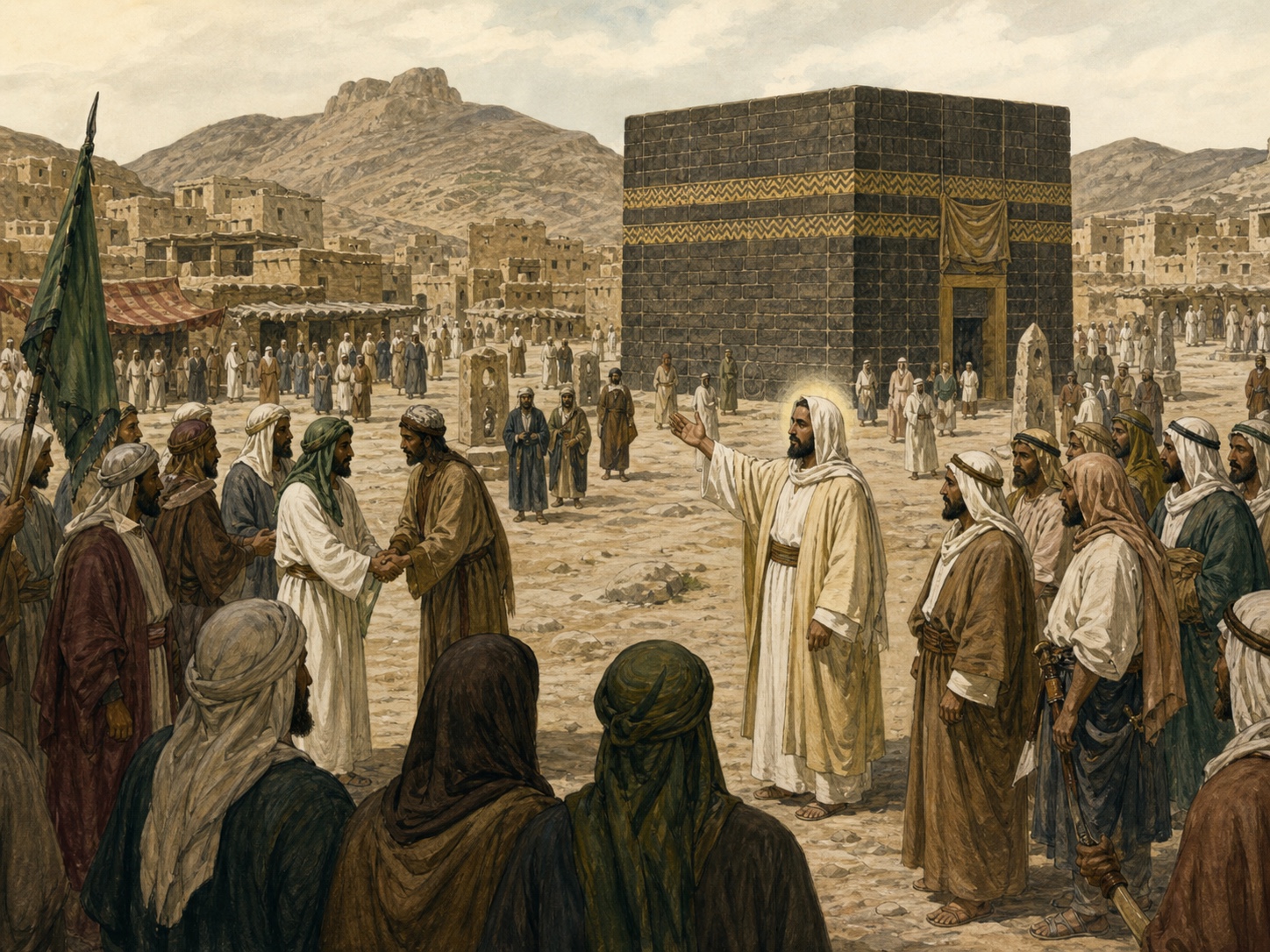
After the hijra, emigrants and Medinan supporters organized mutual obligations and made agreements with other local groups. Warfare and negotiation with Mecca followed; in 630 Muhammad entered the city and rededicated the Kaaba as the focus of Islamic worship.
- After the hijra, emigrants and Medinan supporters organized mutual obligations and made agreements with other local groups.
- Warfare and negotiation with Mecca followed; in 630 Muhammad entered the city and rededicated the Kaaba as the focus of Islamic worship.
- Conditions behind the action: Muhammad preached devotion to one God and social responsibility in Mecca, but conflict with leading Quraysh families left his followers vulnerable. In 622 they migrated to Yathrib, later called Medina, where new alliances offered a basis for communal life.
Outcome
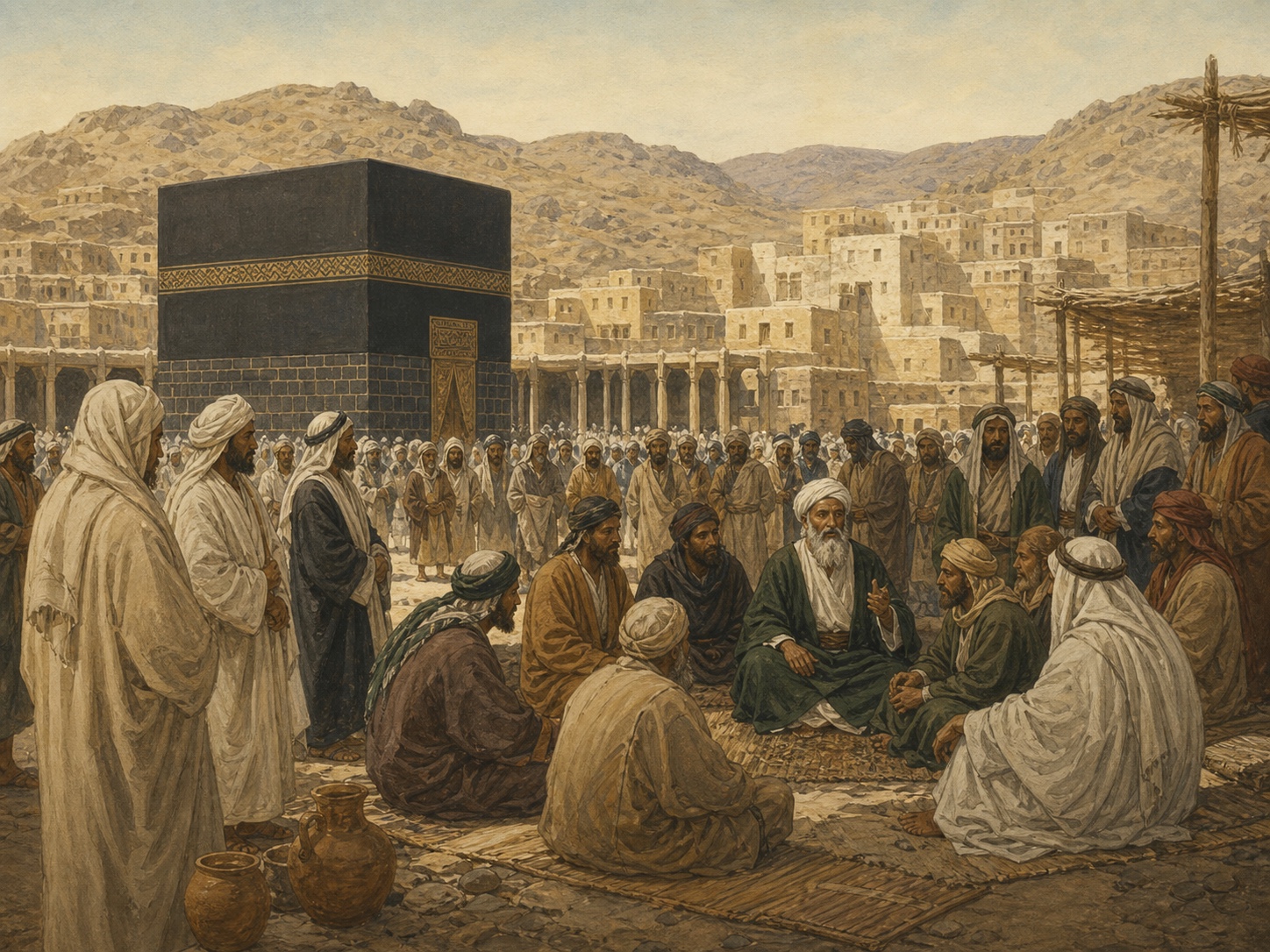
By 632, Muhammad's religious and political leadership was acknowledged across much of Arabia. His death opened questions of succession, while the community and the territory governed by its caliphs expanded rapidly in the following decades.
- By 632, Muhammad's religious and political leadership was acknowledged across much of Arabia.
- His death opened questions of succession, while the community and the territory governed by its caliphs expanded rapidly in the following decades.
- Process producing the result: After the hijra, emigrants and Medinan supporters organized mutual obligations and made agreements with other local groups. Warfare and negotiation with Mecca followed; in 630 Muhammad entered the city and rededicated the Kaaba as the focus of Islamic worship.
Historical significance
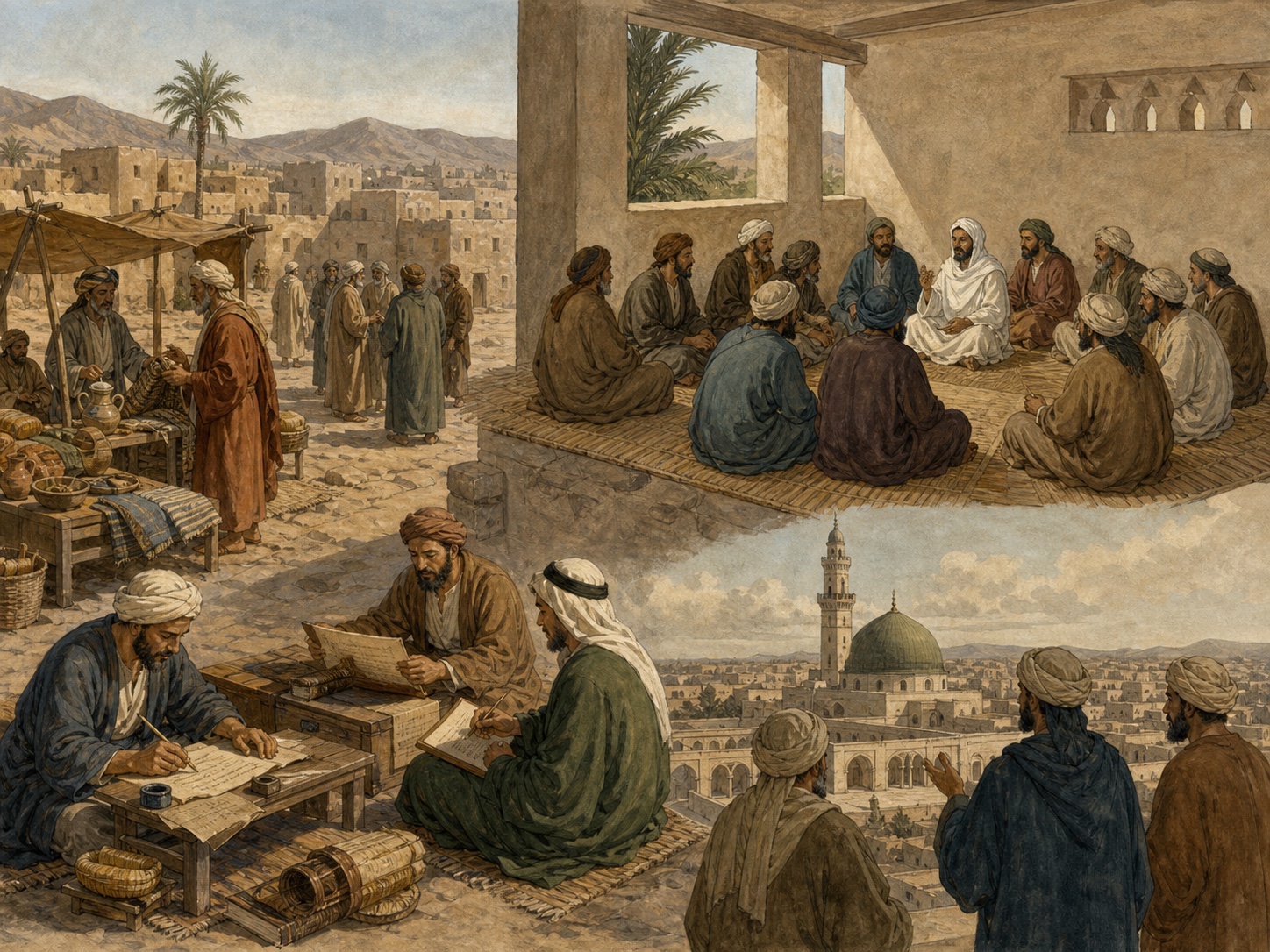
The idea of the ummah linked worship, social duties, and political belonging in ways that shaped later Muslim societies. The Medinan documents are crucial but textually composite, and the early community should not be projected backward as a fully developed institution of later centuries.
- The idea of the ummah linked worship, social duties, and political belonging in ways that shaped later Muslim societies.
- The Medinan documents are crucial but textually composite, and the early community should not be projected backward as a fully developed institution of later centuries.
- Immediate consequence: By 632, Muhammad's religious and political leadership was acknowledged across much of Arabia. His death opened questions of succession, while the community and the territory governed by its caliphs expanded rapidly in the following decades.


Related figures
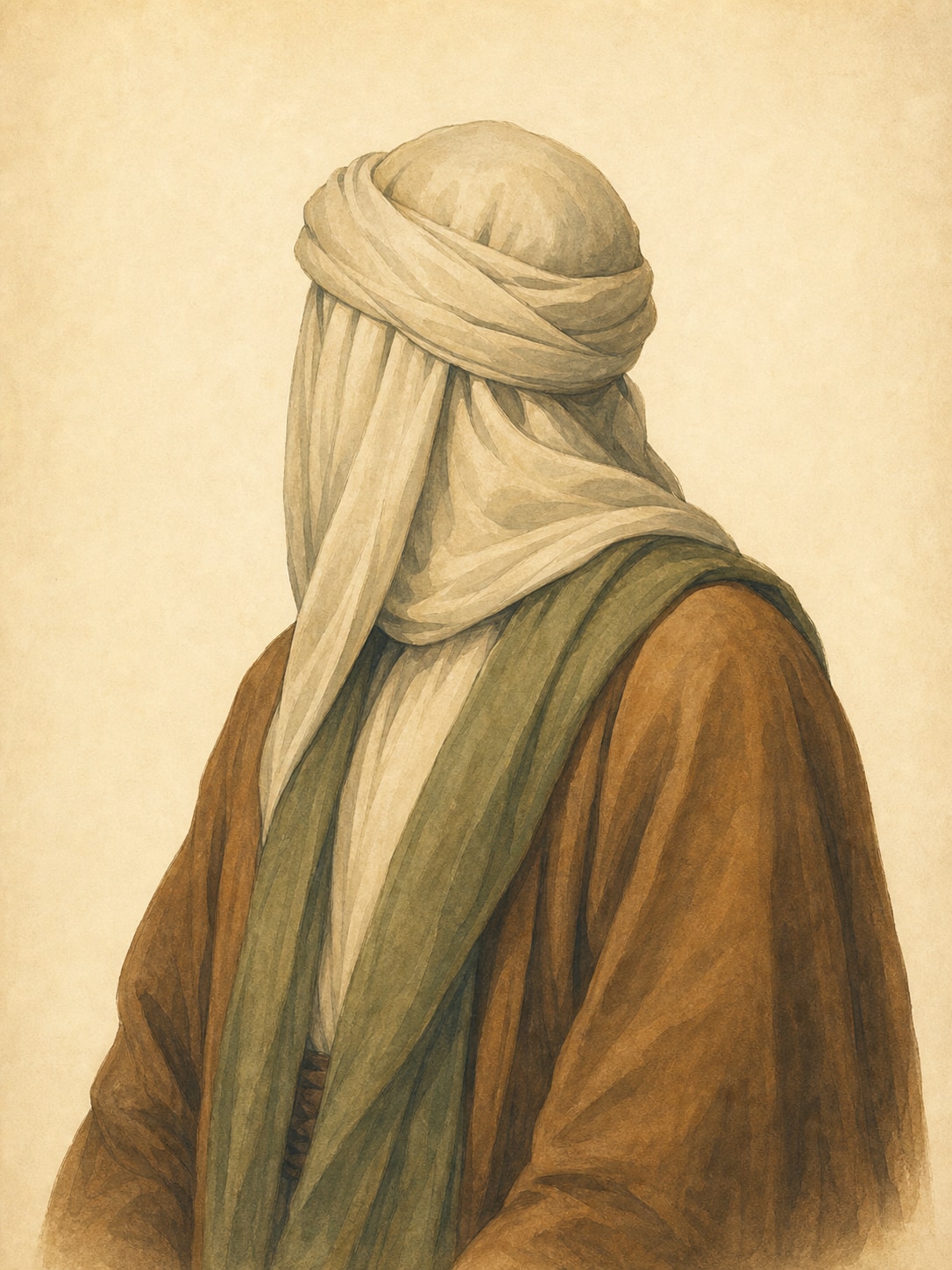
Muhammad
historical figure in context
Religious leader who founded Islam. It united the tribal societies of the Arabian Peninsula into new religious communities and brought about major changes in medieval world history. It connects local history and world history and provides clues for deciphering changes during the same era.
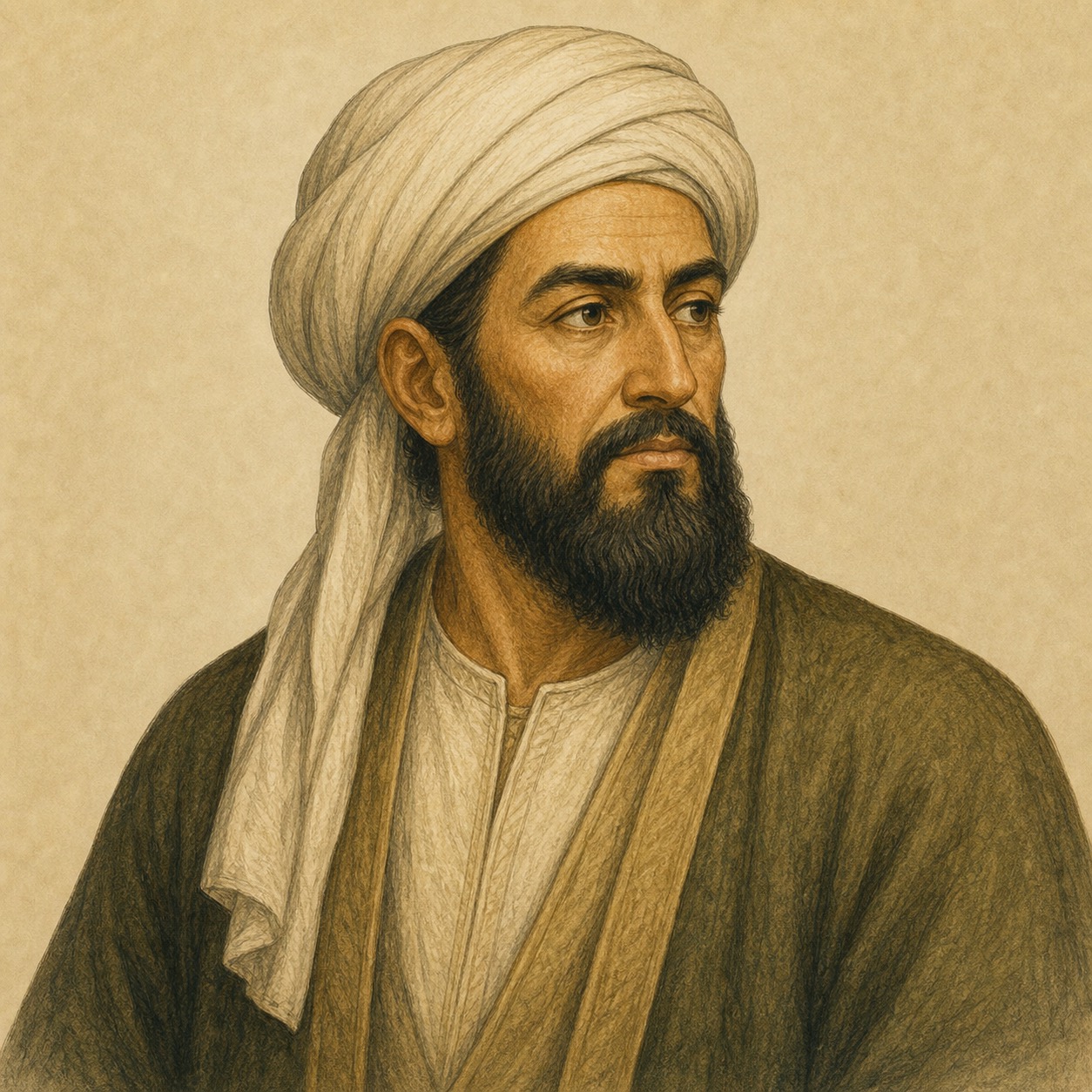
Ali ibn Abi Talib
historical figure in context
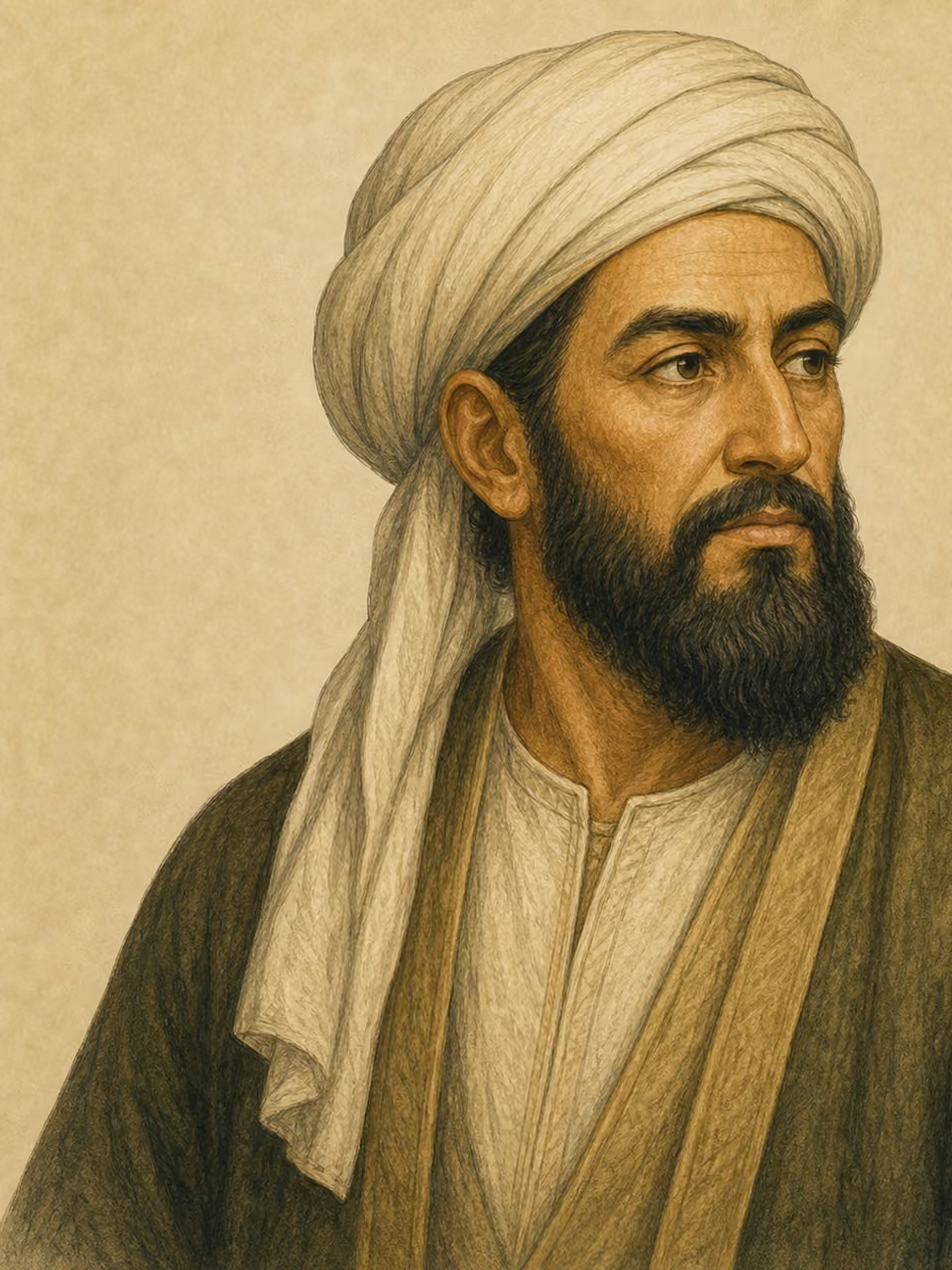
The fourth orthodox caliph of the Islamic community. He is respected as Muhammad's cousin and son-in-law, and is considered the first Imam of the Shia sect. He is a person who thinks about politics and faith in the early days of Islam.
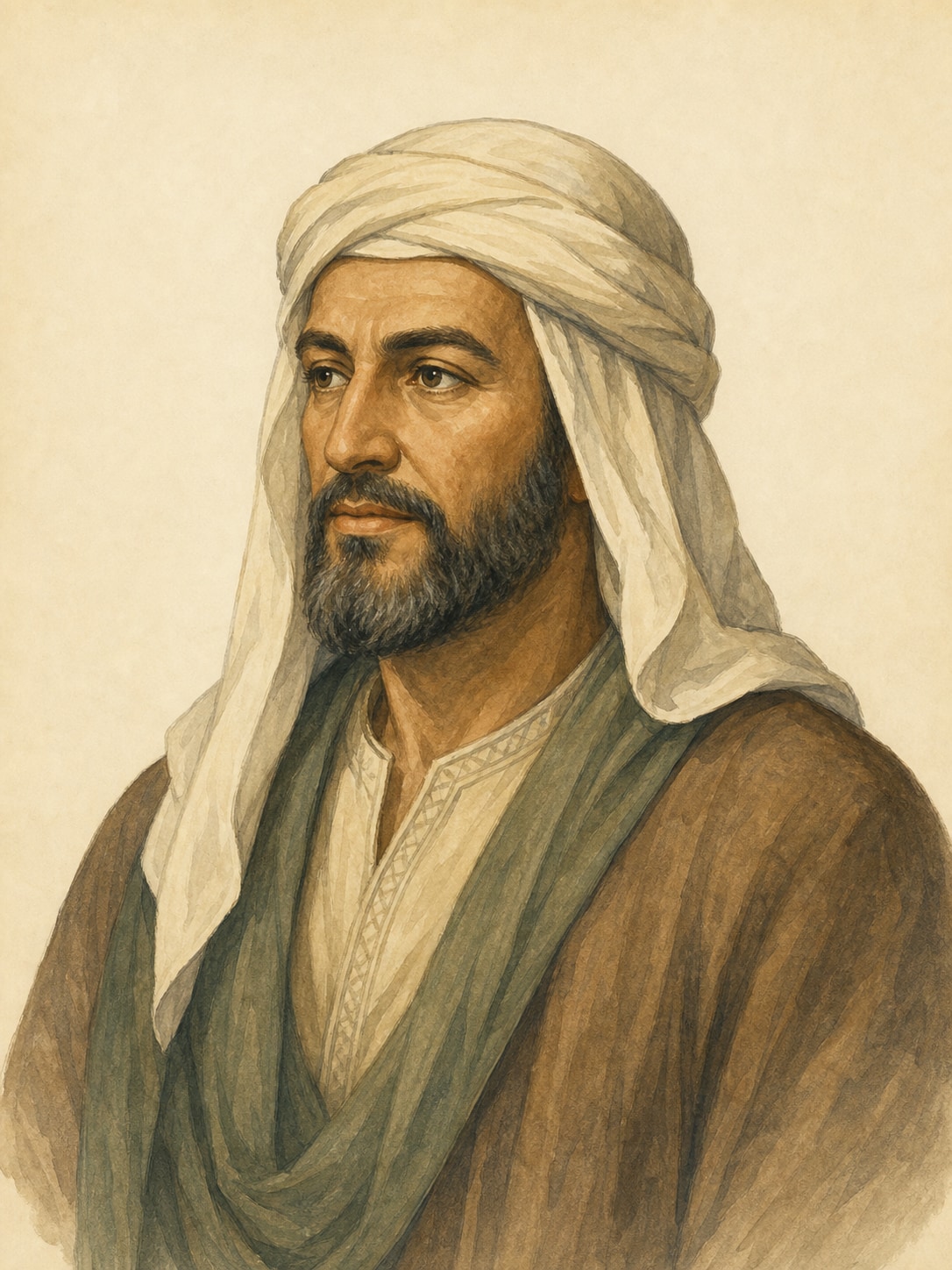
Mu'awiya I
historical figure in context
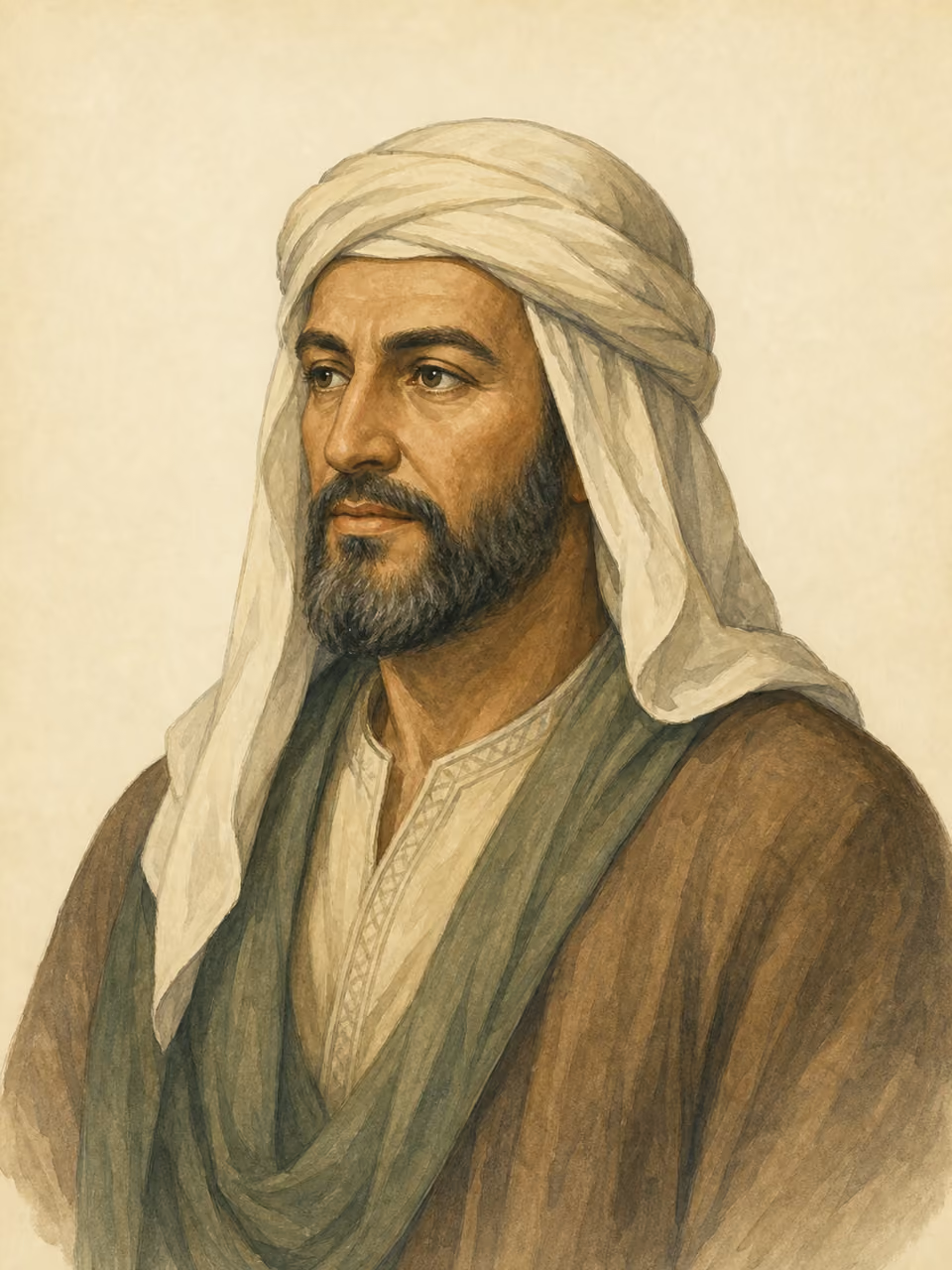
Caliph who founded the Umayyad dynasty. He was the person who transformed the Islamic community into dynastic rule after the civil war that followed the period of the orthodox caliphate. It connects local history and world history and provides clues for deciphering changes during the same era.
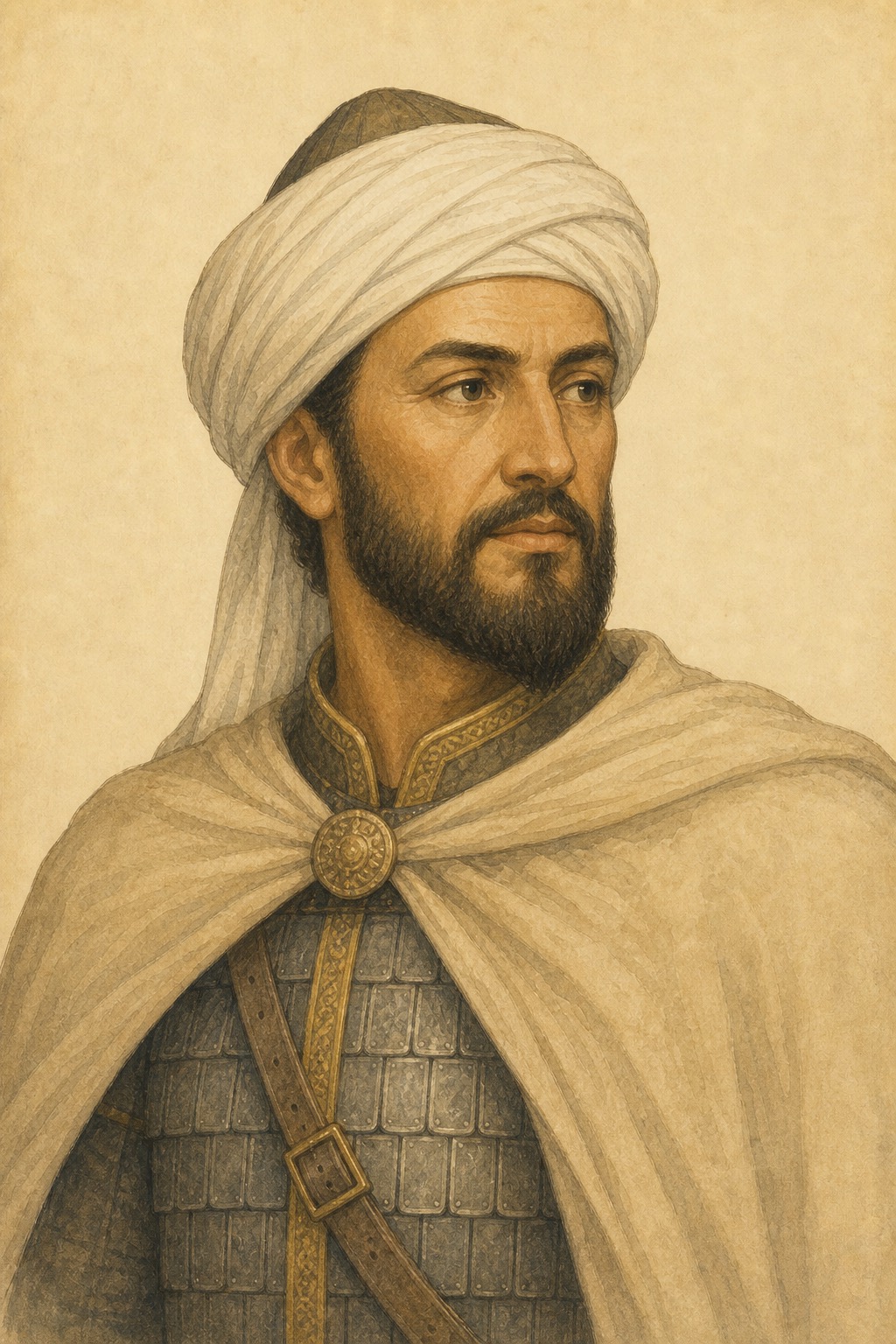
Saladin
historical figure in context
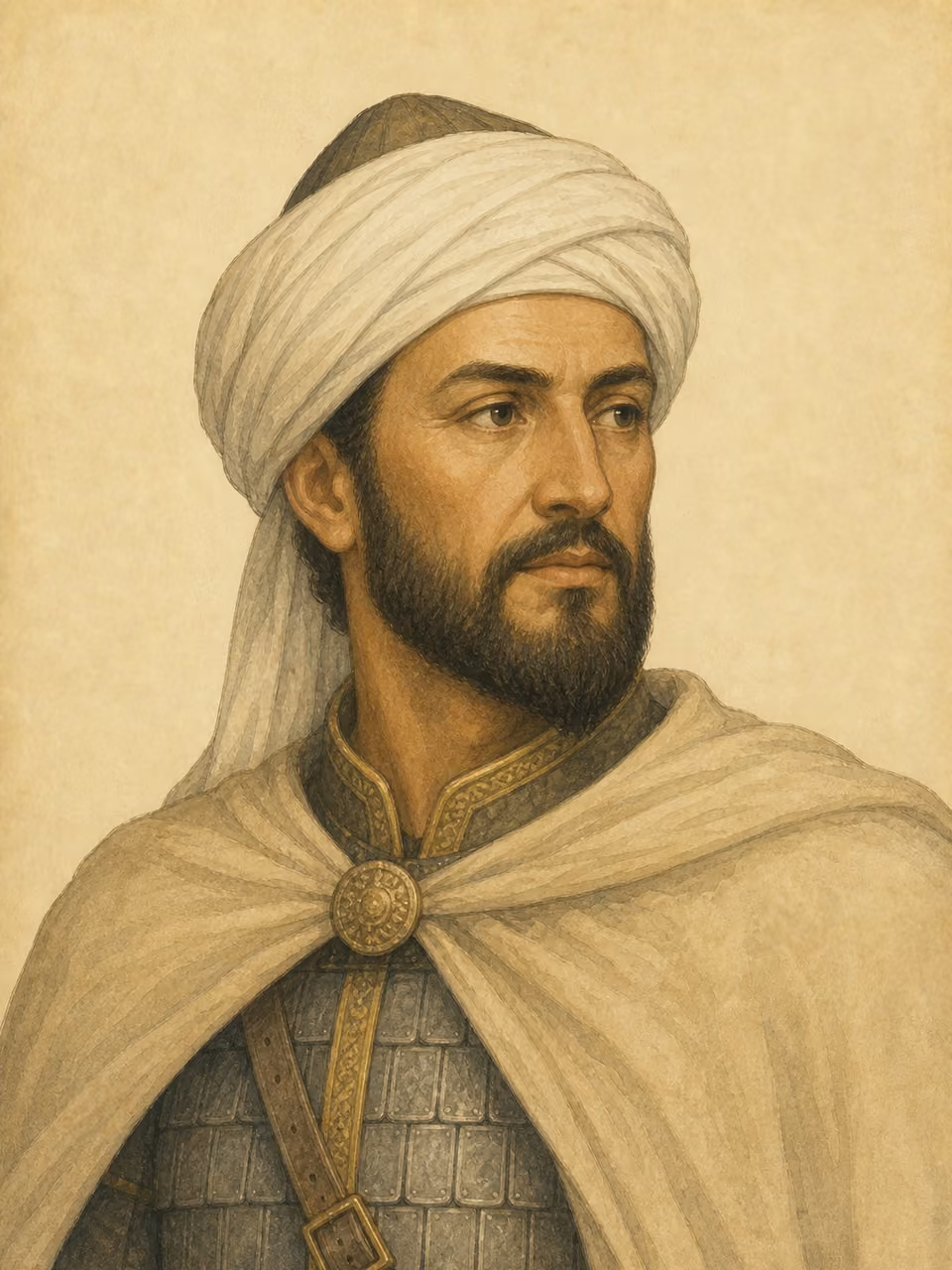
Saladin's career reached its most famous moment when victory at Hattin opened the way to the recovery of Jerusalem, but that triumph rested on years of coalition-building across Egypt, Syria, and neighboring regions. He was not simply a battlefield hero; he was also a ruler who had to finance war, secure loyalties, and hold together a politically diverse realm.
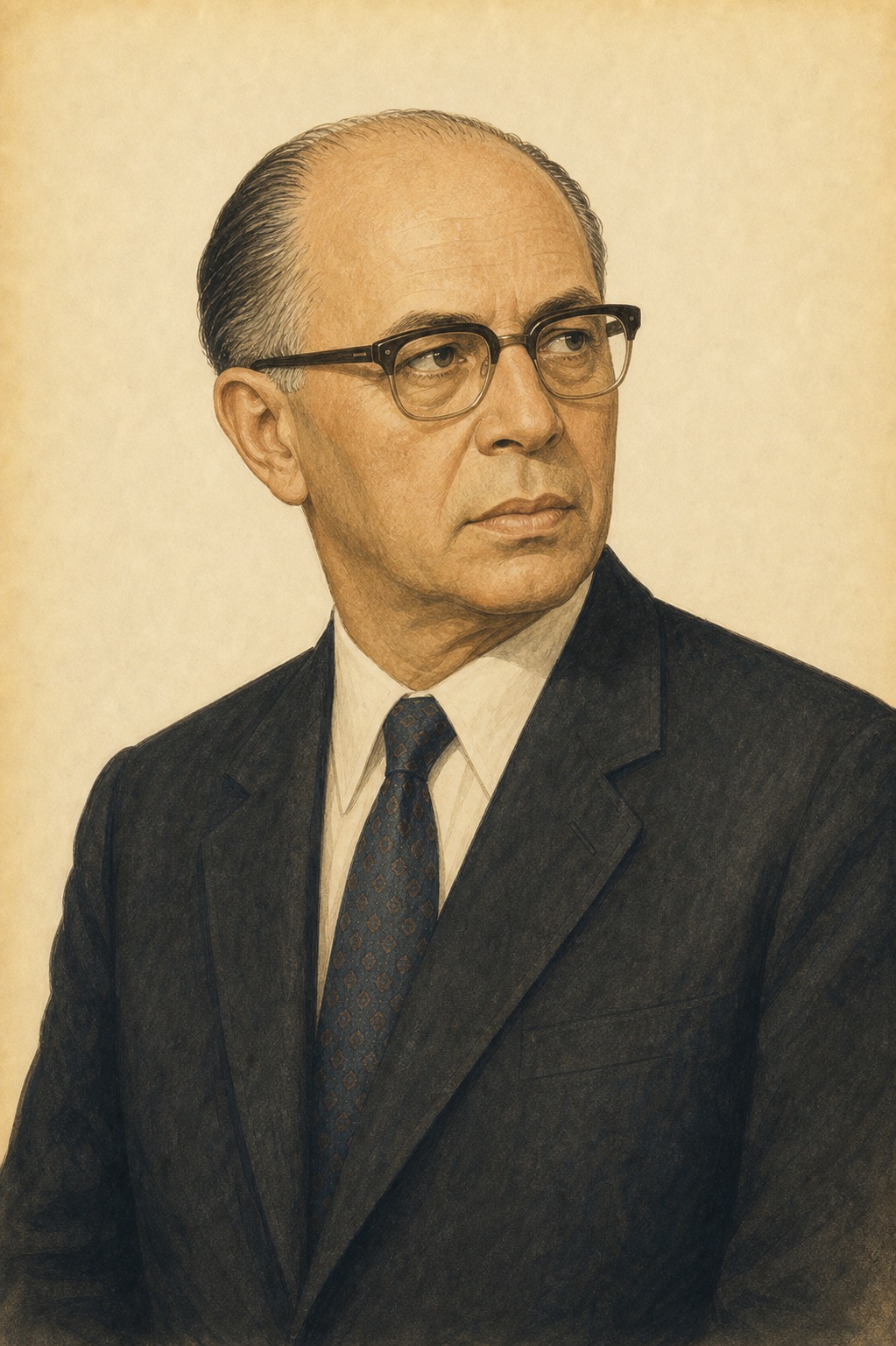
Menachem Begin
historical figure in context
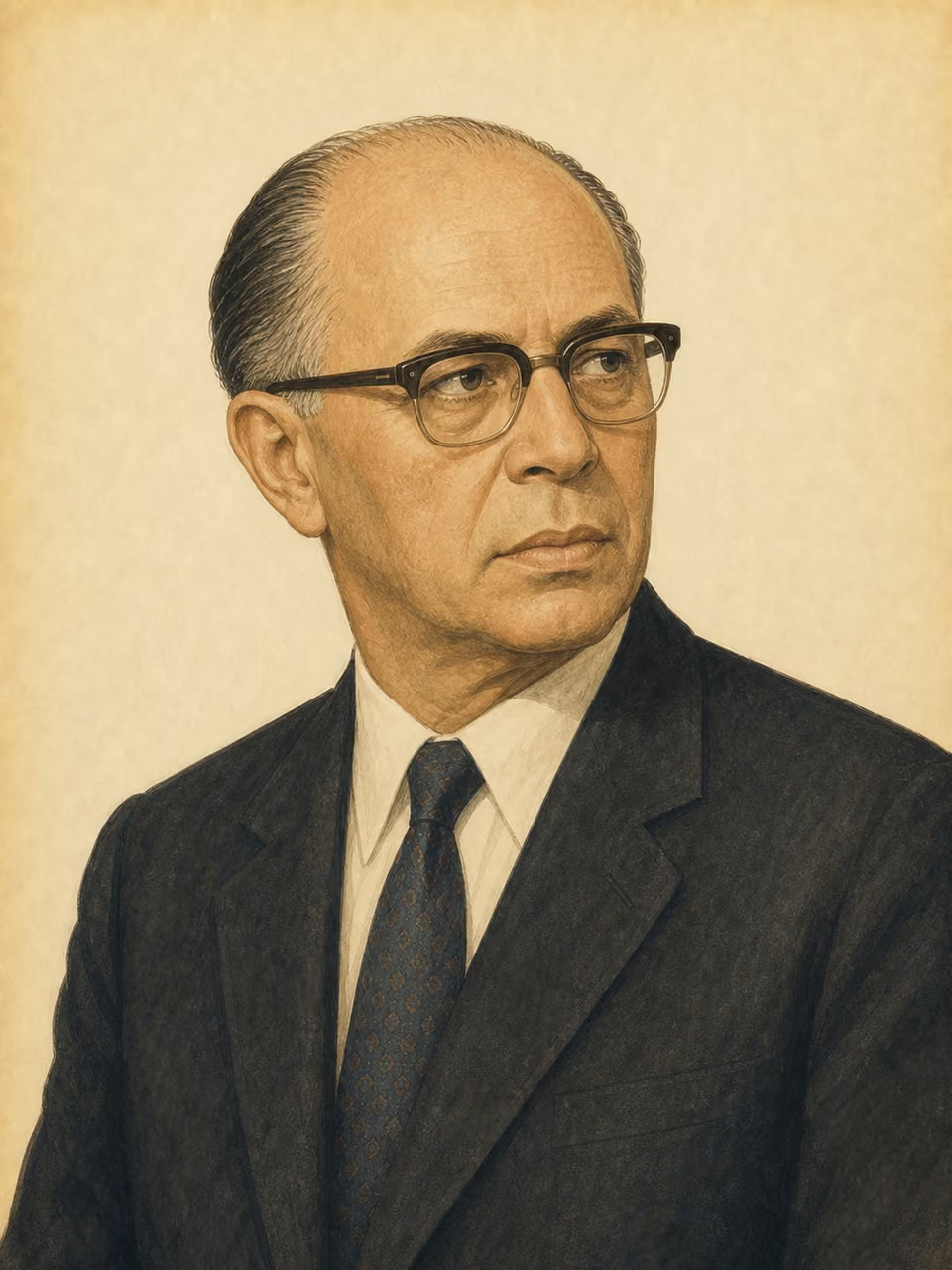
Israeli politician. He led the right-wing Likud party, became prime minister, and achieved peace with Egypt. He is a person who thinks about peace and nationalist politics after the Middle East war.
Related events
590
Prelude
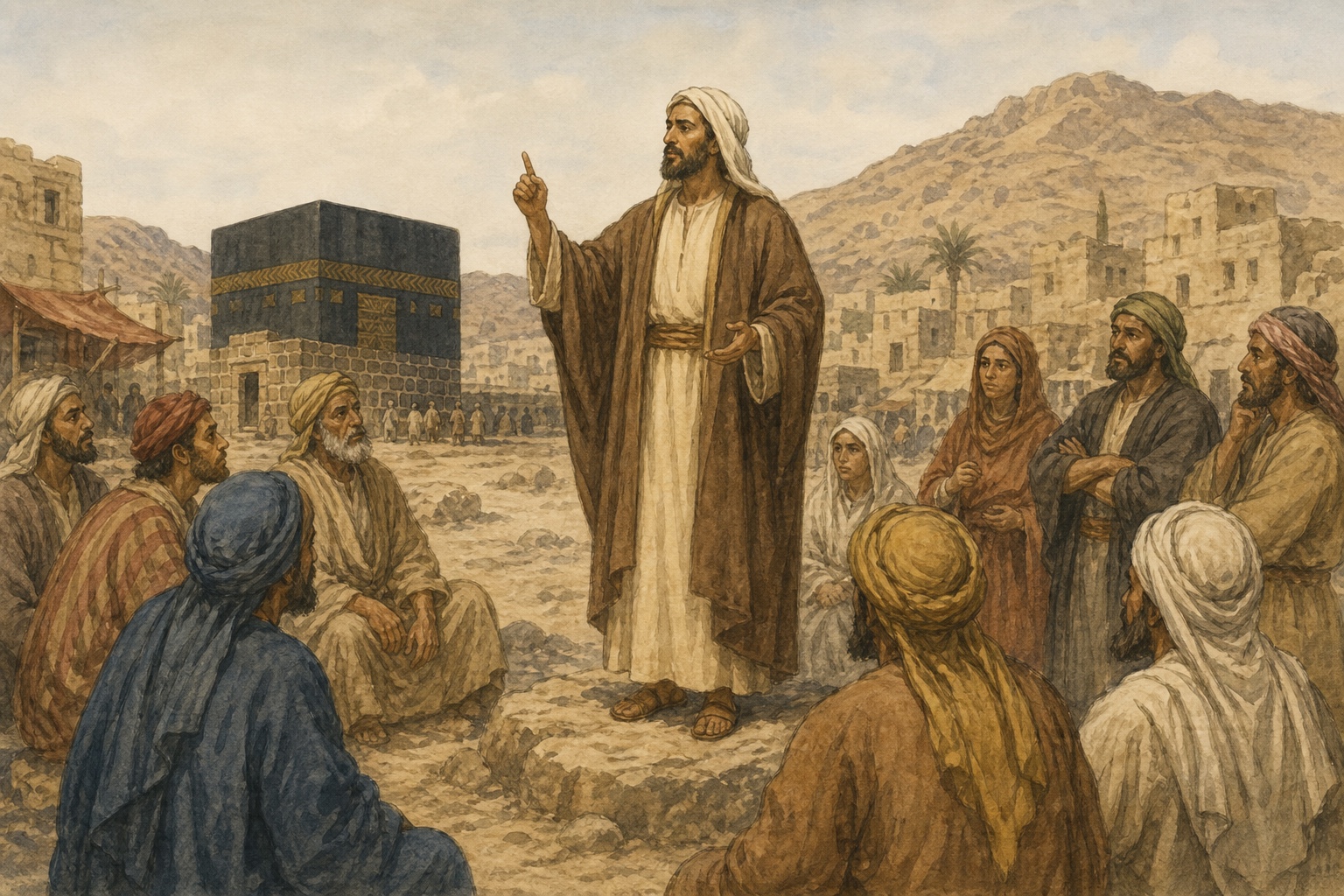
Prelude — Background: Muhammad preached devotion to one God and social responsibility in Mecca, but conflict with leading Quraysh families left his followers vulnerable. In 622 they migrated to Yathrib, later called Medina, where new alliances offered a basis for communal life.
c. 609
Rising tension
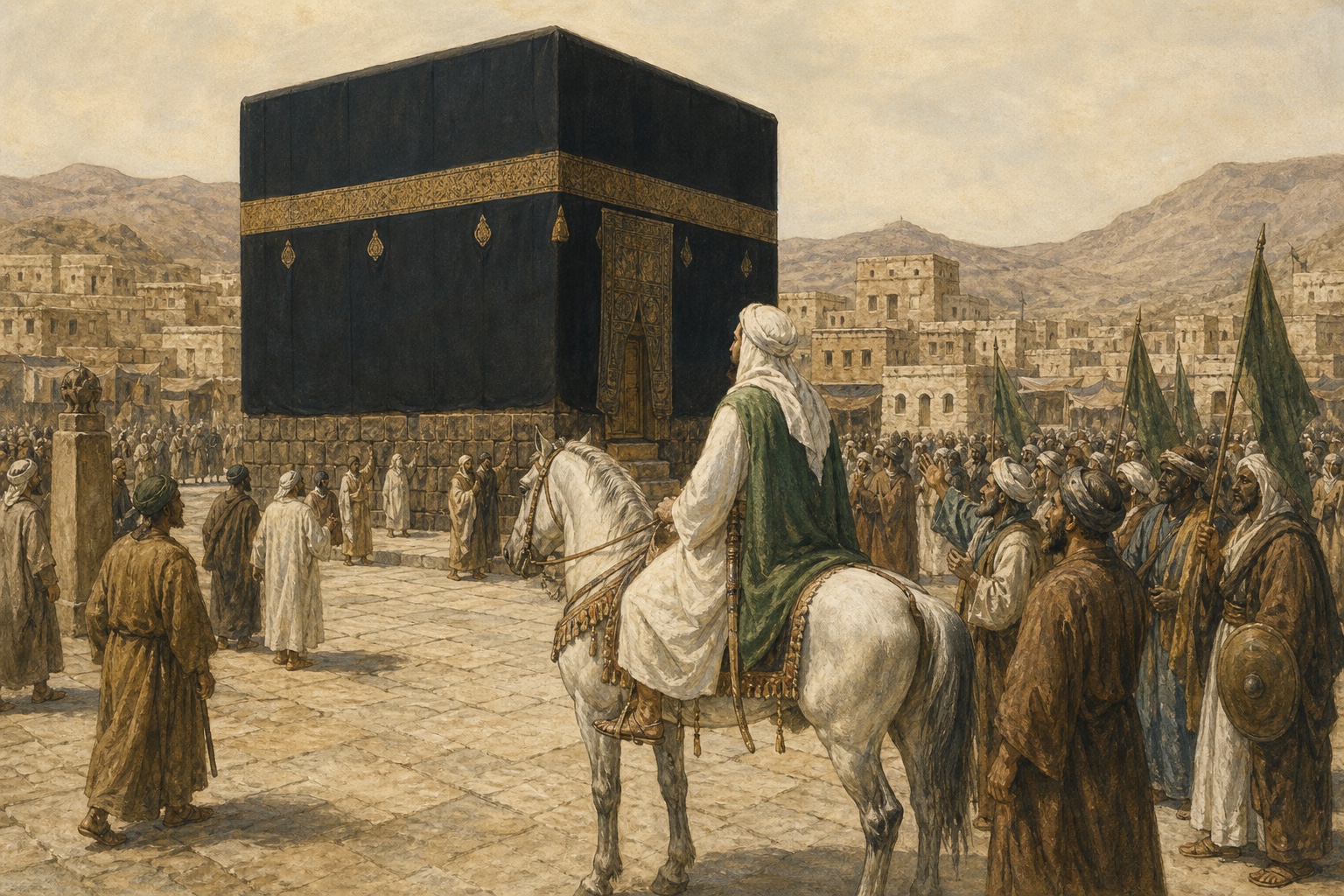
Rising tension — Build-up: After the hijra, emigrants and Medinan supporters organized mutual obligations and made agreements with other local groups. Warfare and negotiation with Mecca followed; in 630 Muhammad entered the city and rededicated the Kaaba as the focus of Islamic worship.
610–632
Formation of the Early Muslim Community
Current event
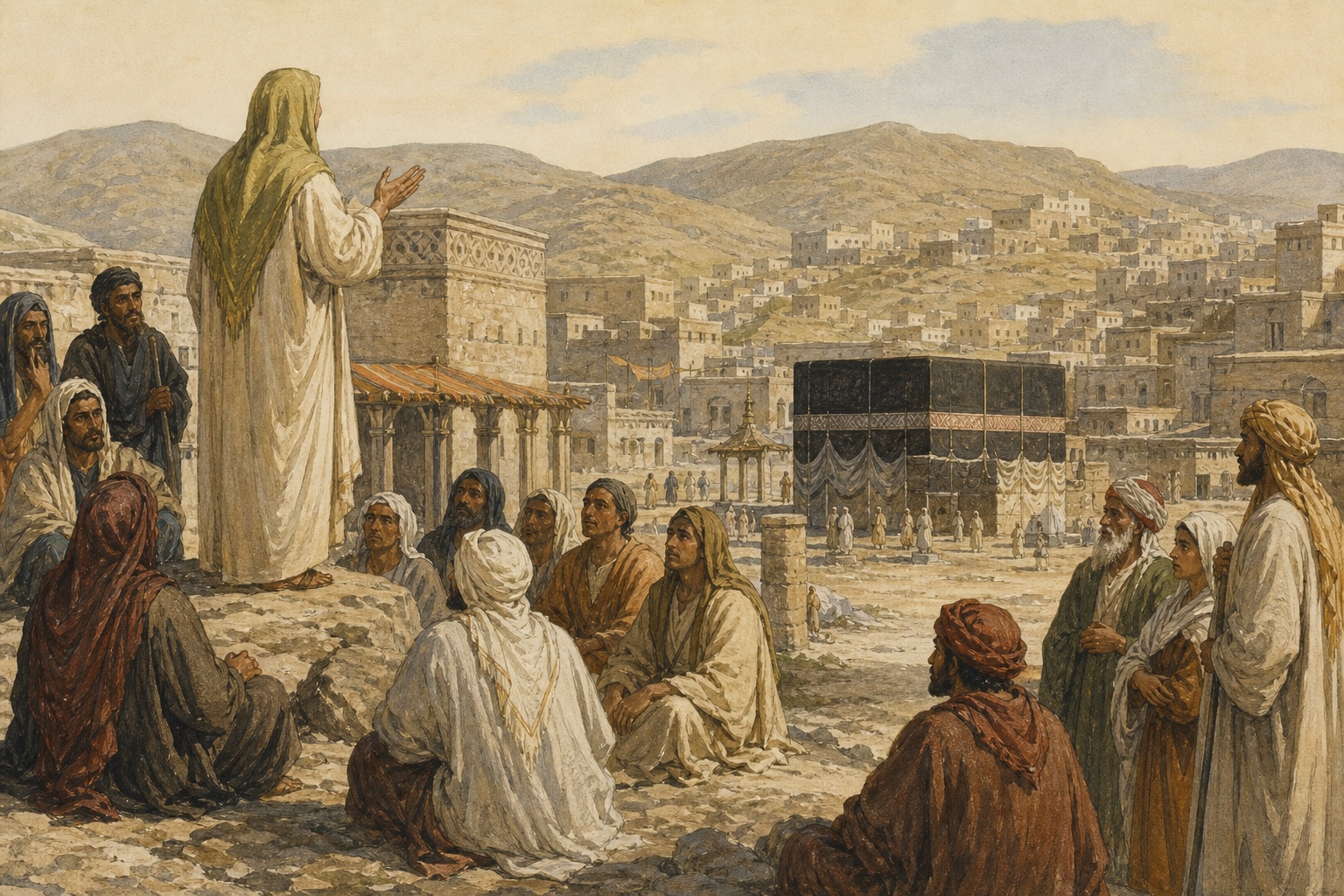
Formation of the Early Muslim Community — Central transition: The process from Muhammad's first revelations around 610 to his death in 632 through which believers centered on Mecca and Medina formed a religious, social, and political community.
c. 633
Immediate aftermath
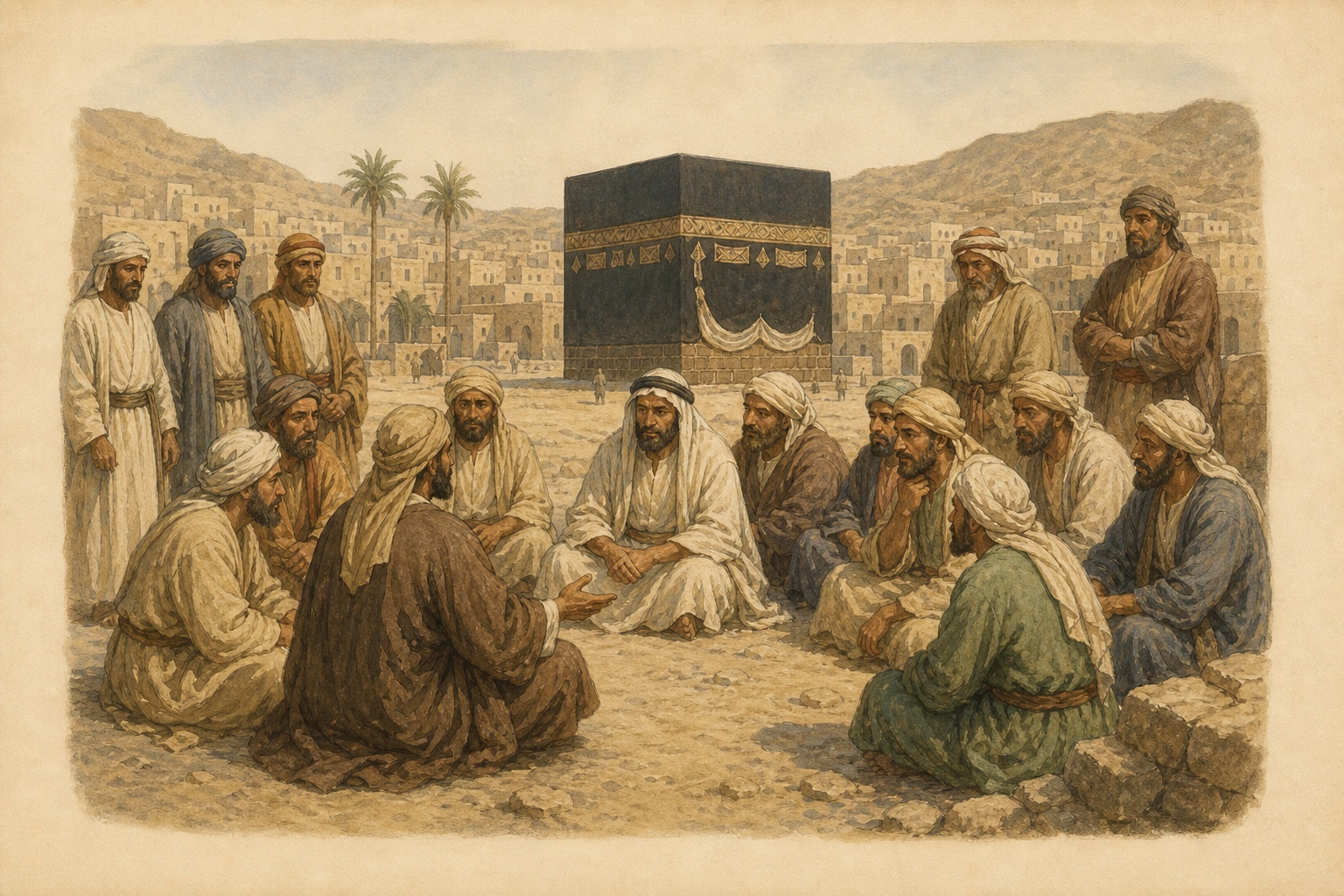
Immediate aftermath — Immediate result: By 632, Muhammad's religious and political leadership was acknowledged across much of Arabia. His death opened questions of succession, while the community and the territory governed by its caliphs expanded rapidly in the following decades.
c. 642
Long-term significance
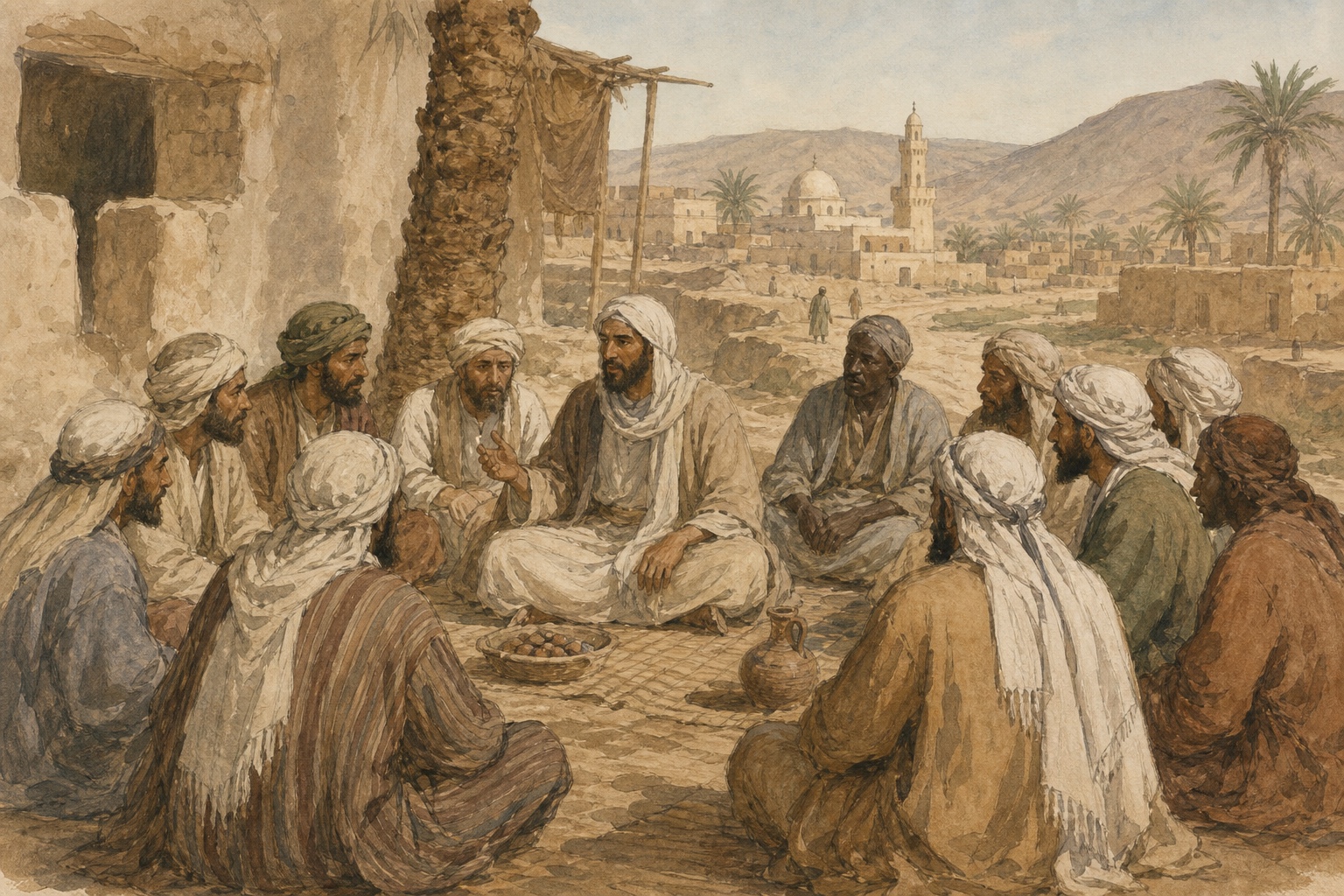
Long-term significance — Long-term significance: The idea of the ummah linked worship, social duties, and political belonging in ways that shaped later Muslim societies. The Medinan documents are crucial but textually composite, and the early community should not be projected backward as a fully developed institution of later centuries.


Sources
- Formation of the Early Muslim Community — The Birth Of Islam (The Metropolitan Museum of Art)metmuseum.orgThis The Metropolitan Museum of Art resource supports the chronology, setting, and course of Formation of the Early Muslim Community.
- Formation of the Early Muslim Community — 244CE1507A7C425A388949E545C1F019 (Cambridge University Press)cambridge.orgThis Cambridge University Press resource supports the chronology, setting, and course of Formation of the Early Muslim Community.
- Formation of the Early Muslim Community — 8CED59AC00F571302E610A016042EC4B (Cambridge University Press)cambridge.orgThis Cambridge University Press resource supports the chronology, setting, and course of Formation of the Early Muslim Community.