
End of Apartheid
c. 1990–c. 1994
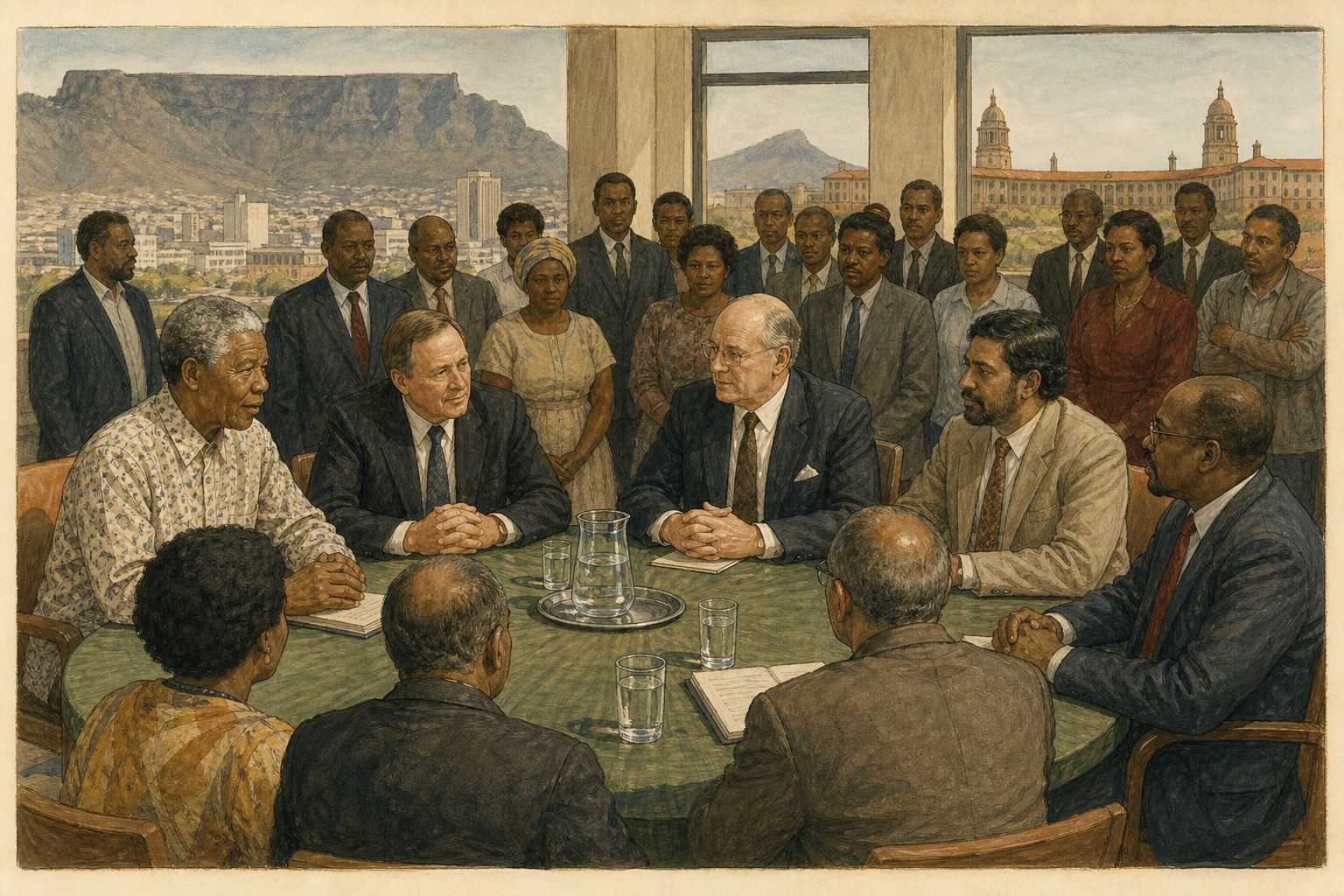
The 1990–1994 transition in South Africa in which liberation movements were legalized, negotiations advanced, and the first nonracial election ended apartheid’s legal and political order.

- Period
- c. 1990–c. 1994
- Kind
- Conference
- Regions
- Oceania
- Keywords
- apartheid · Mandela · ANC · negotiation · democratization
Follow the story · Four stages
Background
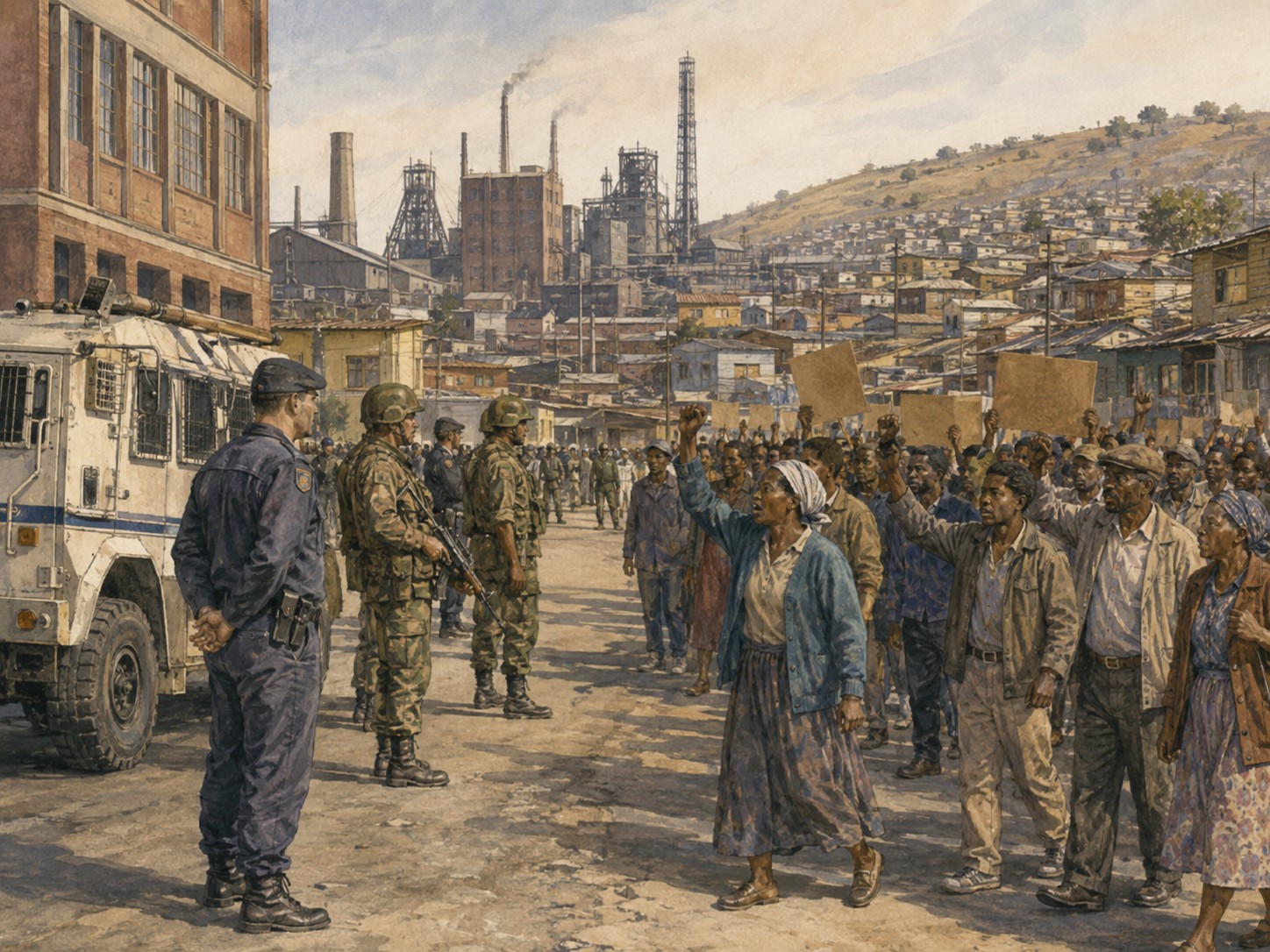
Racial segregation since 1948, unequal land and labor systems, mass resistance, international sanctions, the end of the Cold War, and economic crisis pushed the regime toward negotiation.
- Racial segregation since 1948, unequal land and labor systems, mass resistance, international sanctions, the end of the Cold War, and economic crisis pushed the regime toward negotiation.
- Core event: The 1990–1994 transition in South Africa in which liberation movements were legalized, negotiations advanced, and the first nonracial election ended apartheid’s legal and political order.
- Connection to the next stage: Nelson Mandela was released in 1990 and the ANC and other movements were legalized. Government and liberation organizations negotiated an interim constitutional order amid political violence and institutional disputes.
Course
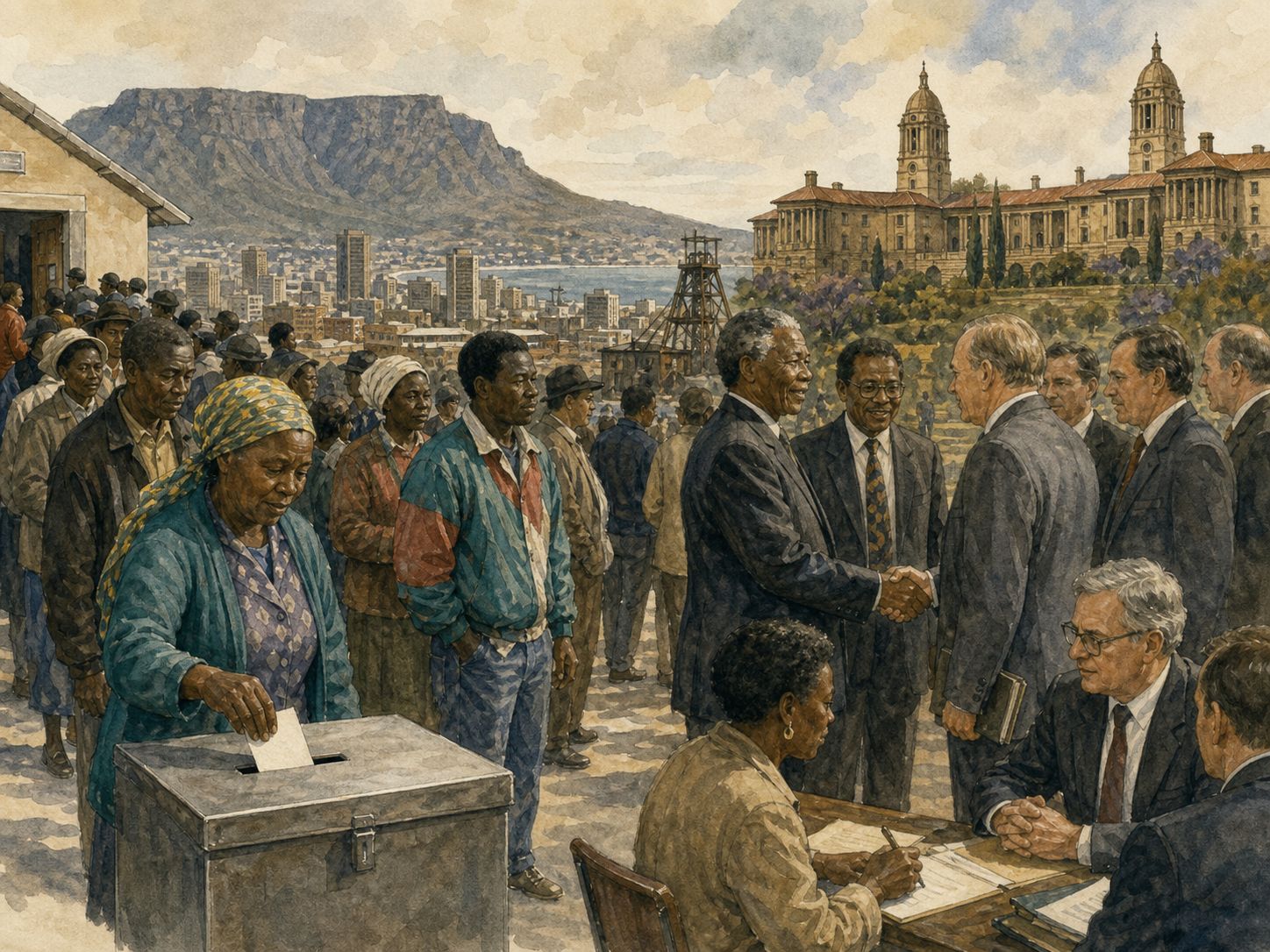
Nelson Mandela was released in 1990 and the ANC and other movements were legalized. Government and liberation organizations negotiated an interim constitutional order amid political violence and institutional disputes.
- Nelson Mandela was released in 1990 and the ANC and other movements were legalized.
- Government and liberation organizations negotiated an interim constitutional order amid political violence and institutional disputes.
- Conditions behind the action: Racial segregation since 1948, unequal land and labor systems, mass resistance, international sanctions, the end of the Cold War, and economic crisis pushed the regime toward negotiation.
Outcome
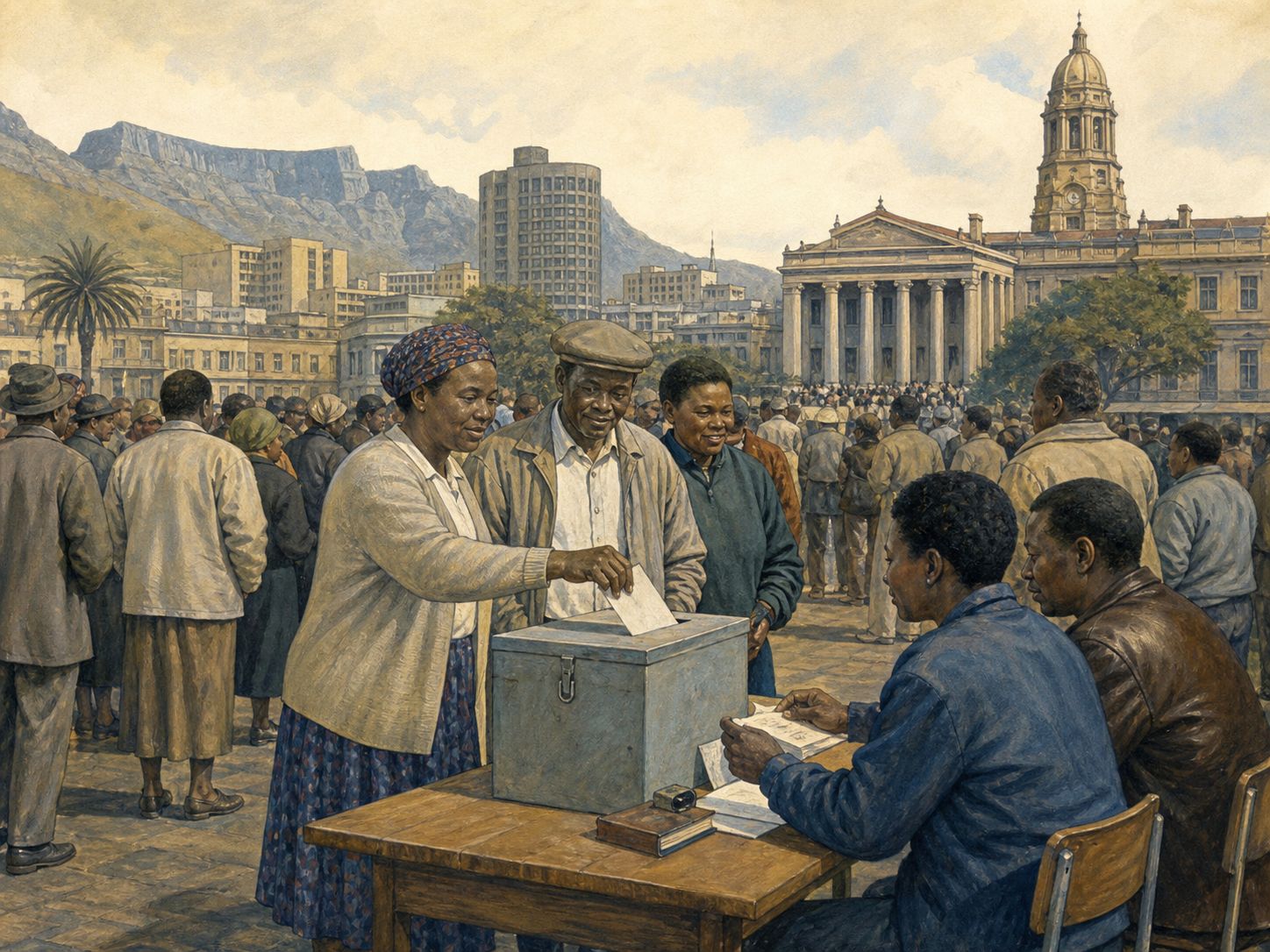
The April 1994 election with universal participation brought the ANC to power and made Mandela president. Legal discrimination ended, while inequalities in land, wealth, education, and housing persisted.
- The April 1994 election with universal participation brought the ANC to power and made Mandela president.
- Legal discrimination ended, while inequalities in land, wealth, education, and housing persisted.
- Process producing the result: Nelson Mandela was released in 1990 and the ANC and other movements were legalized. Government and liberation organizations negotiated an interim constitutional order amid political violence and institutional disputes.
Historical significance
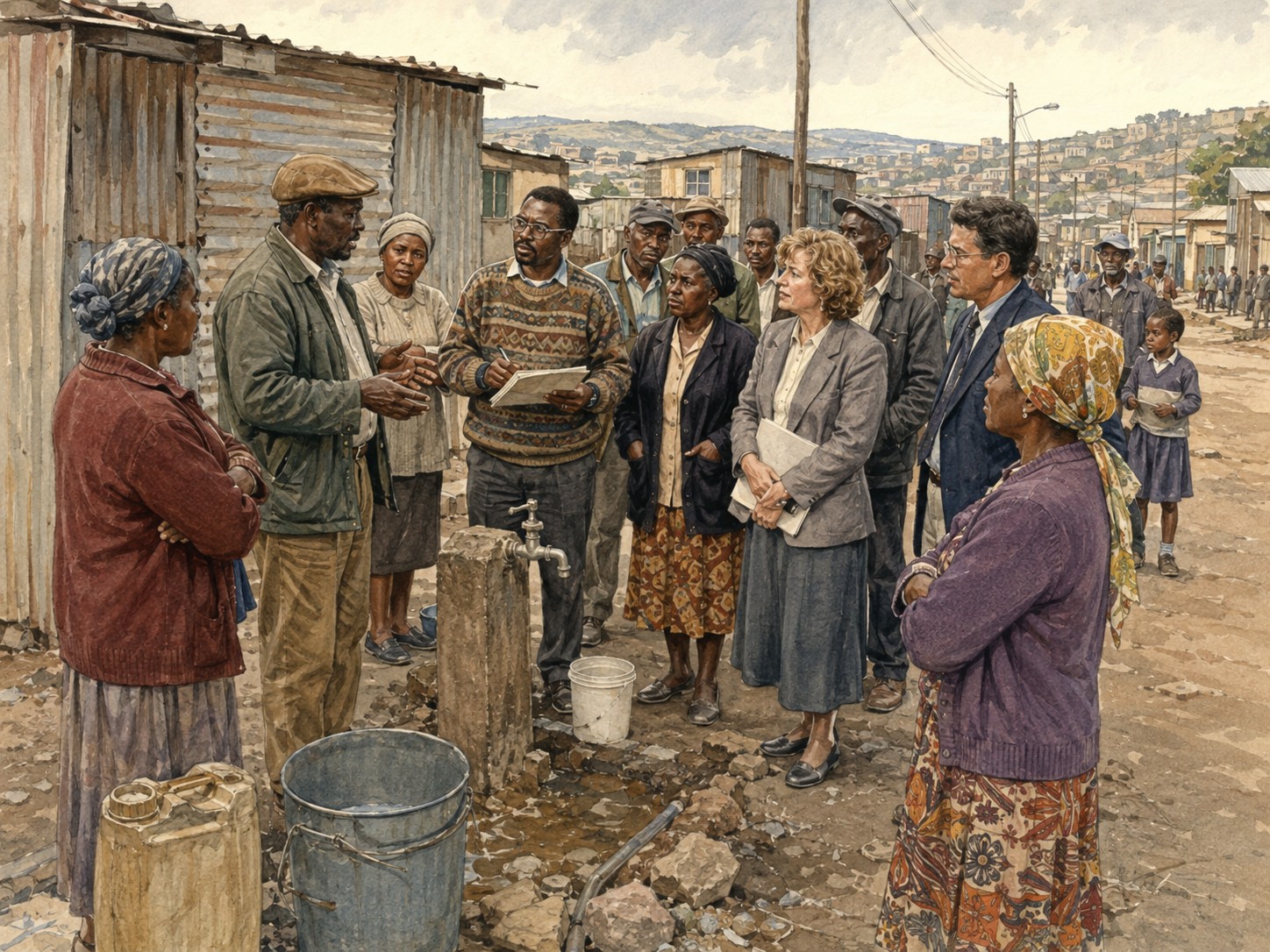
The transition joined long resistance, international solidarity, economic pressure, negotiation, and voting; it also shows why legal equality and social equality are not the same achievement.
- The transition joined long resistance, international solidarity, economic pressure, negotiation, and voting; it also shows why legal equality and social equality are not the same achievement.
- Immediate consequence: The April 1994 election with universal participation brought the ANC to power and made Mandela president. Legal discrimination ended, while inequalities in land, wealth, education, and housing persisted.
- Historical turning point: The 1990–1994 transition in South Africa in which liberation movements were legalized, negotiations advanced, and the first nonracial election ended apartheid’s legal and political order.


Related events
c. 1980–c. 1989
Crisis of apartheid
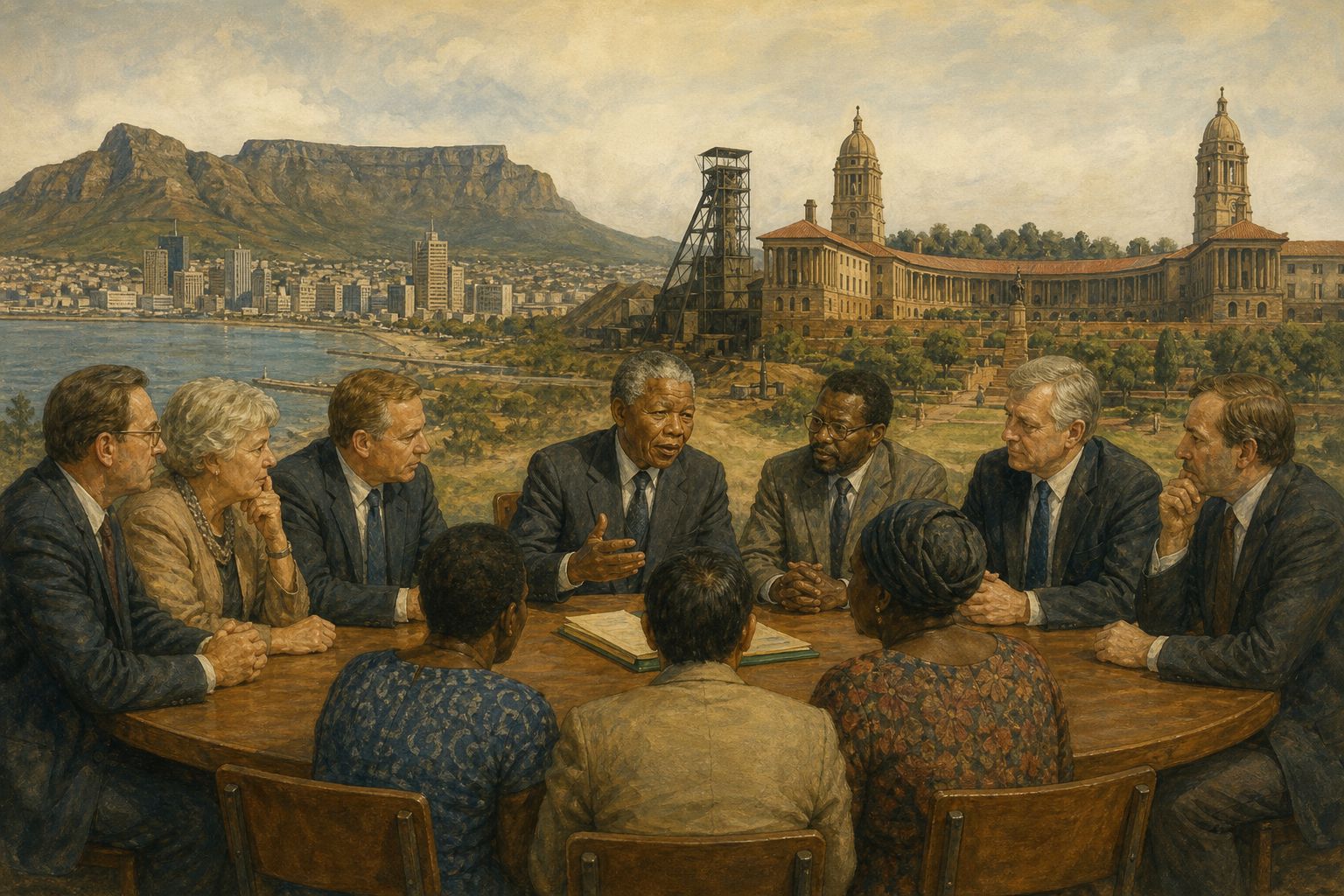
Crisis of apartheid — Background: Racial segregation since 1948, unequal land and labor systems, mass resistance, international sanctions, the end of the Cold War, and economic crisis pushed the regime toward negotiation.
1990
Mandela’s release
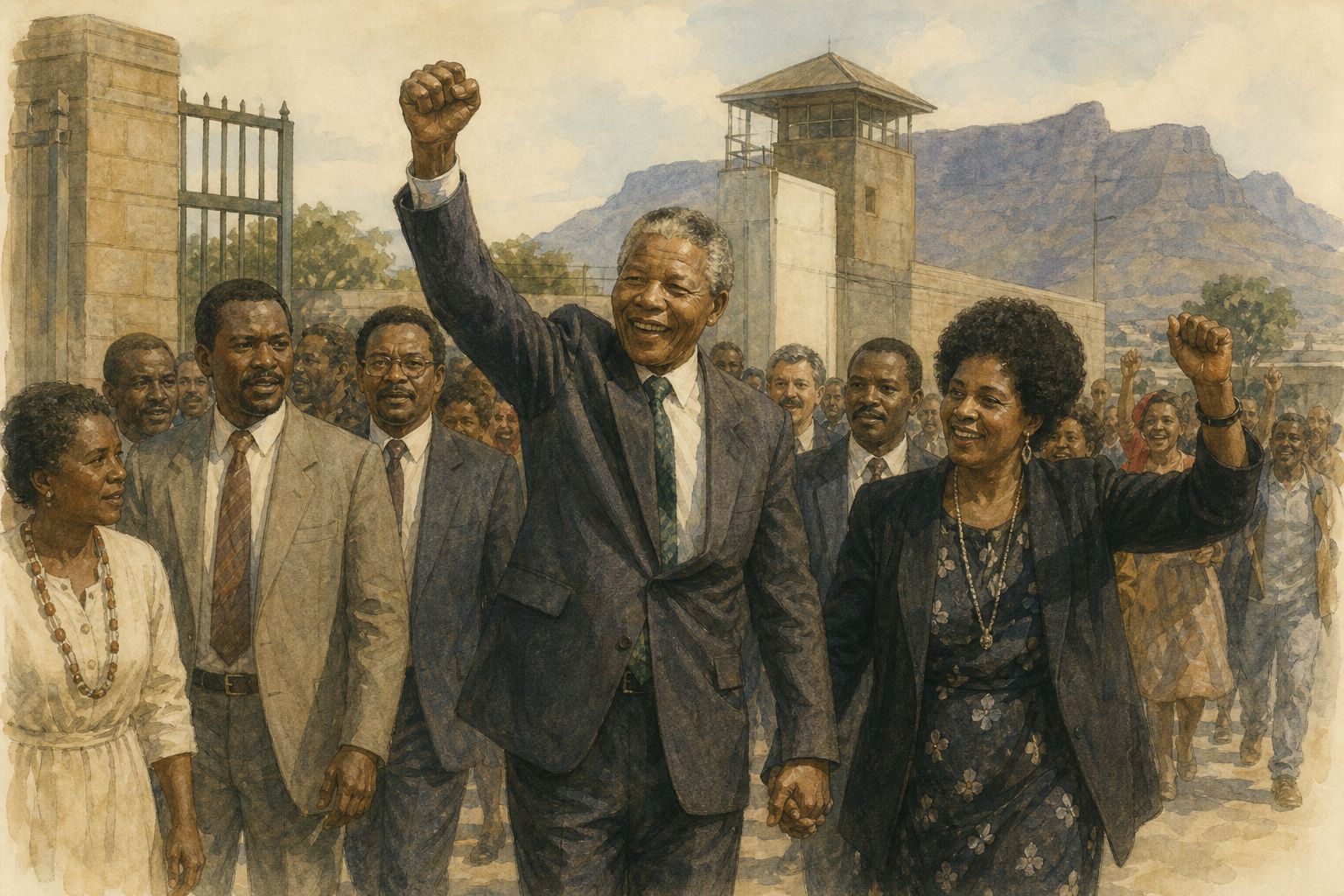
Mandela’s release — Build-up: Nelson Mandela was released in 1990 and the ANC and other movements were legalized. Government and liberation organizations negotiated an interim constitutional order amid political violence and institutional disputes.
1991–1993
Negotiation and transition
Current event
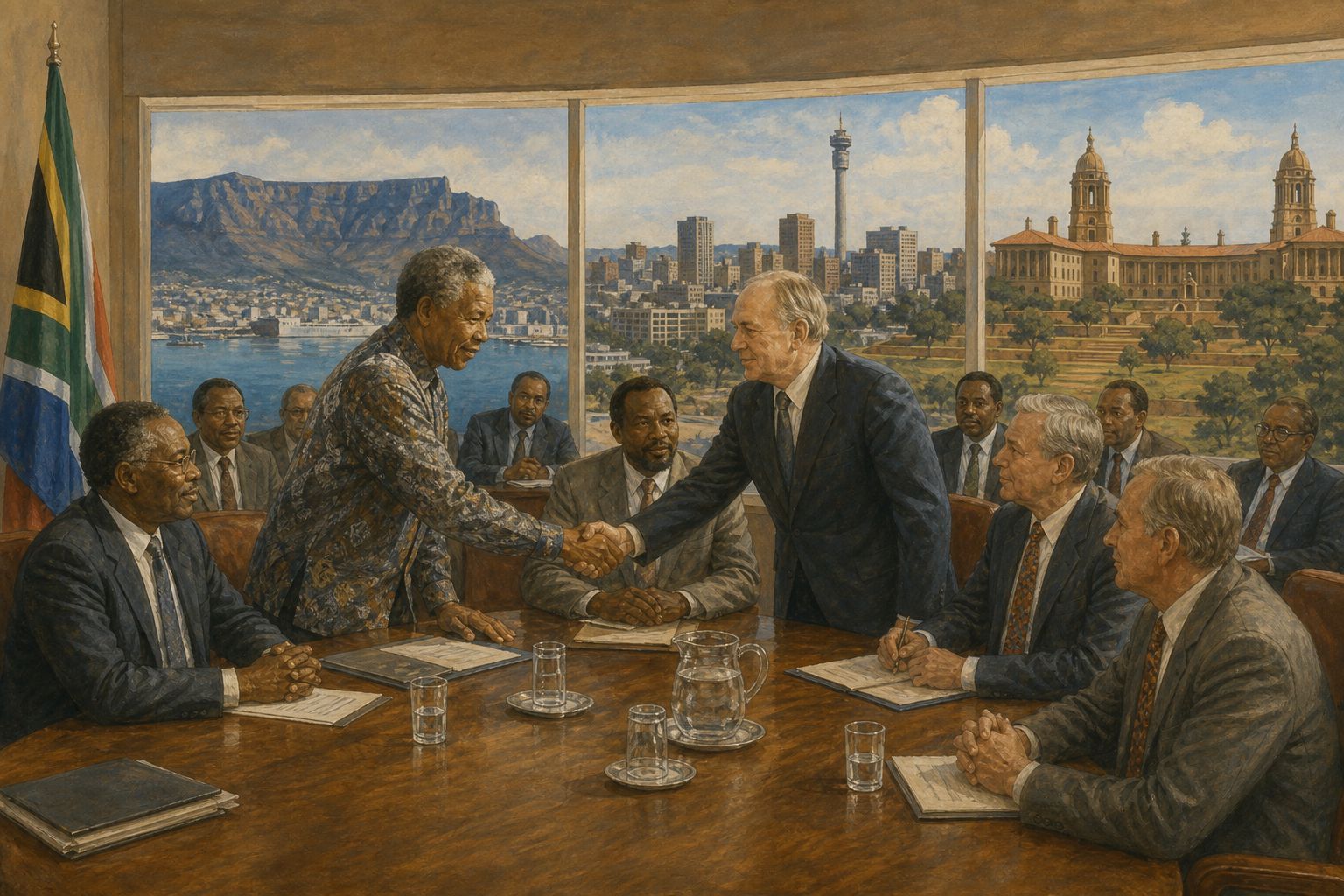
Negotiation and transition — Central transition: The 1990–1994 transition in South Africa in which liberation movements were legalized, negotiations advanced, and the first nonracial election ended apartheid’s legal and political order.
1994
The 1994 election
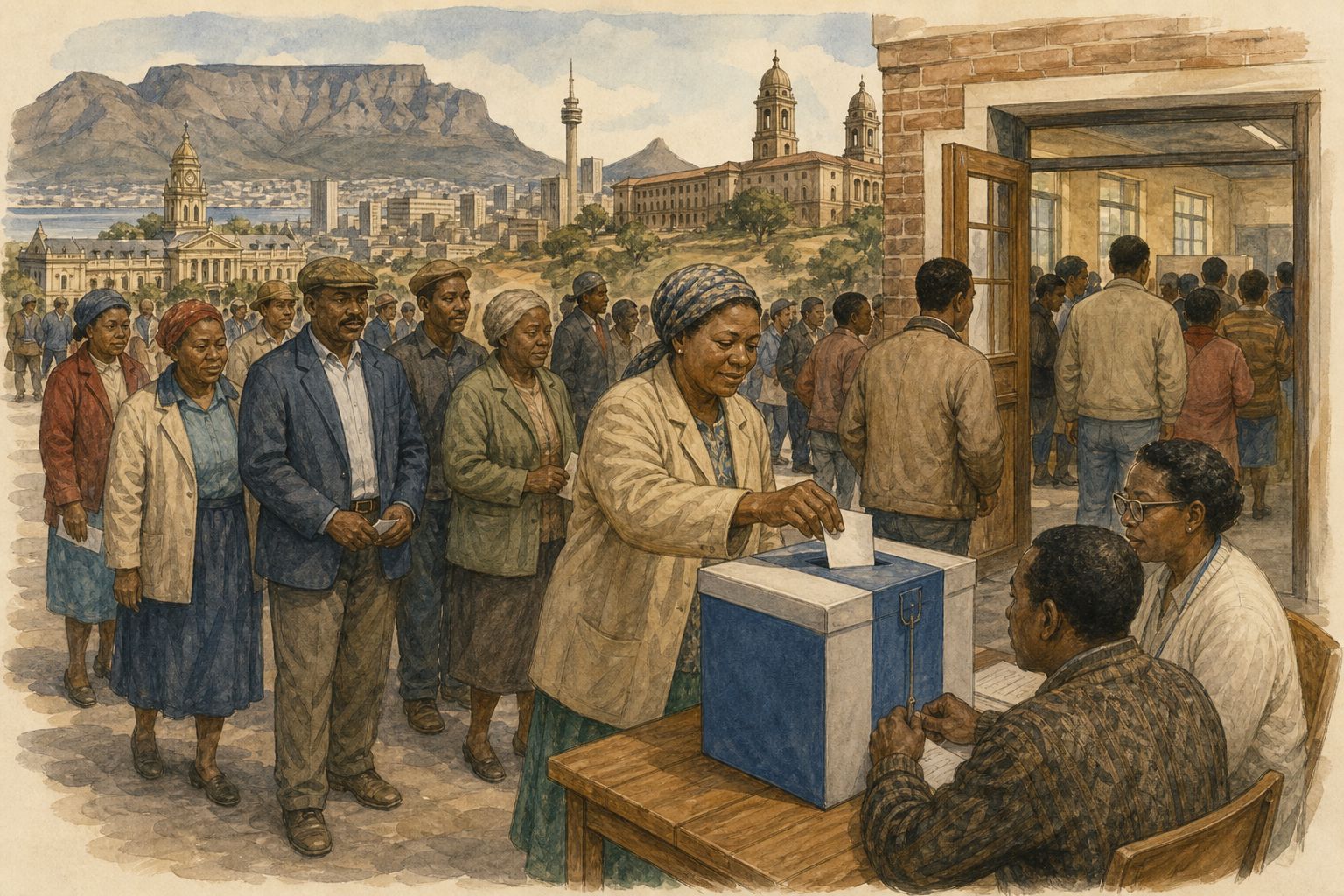
The 1994 election — Immediate result: The April 1994 election with universal participation brought the ANC to power and made Mandela president. Legal discrimination ended, while inequalities in land, wealth, education, and housing persisted.
c. 1994–c. 2004
Democratic memory
Democratic memory — Long-term significance: The transition joined long resistance, international solidarity, economic pressure, negotiation, and voting; it also shows why legal equality and social equality are not the same achievement.


Sources
- End of Apartheid — End Of Apartheid (Encyclopaedia Britannica)www.britannica.comThis Encyclopaedia Britannica resource supports the chronology, setting, and course of End of Apartheid.
- End of Apartheid — Hd End Of Apartheid (The Metropolitan Museum of Art)www.metmuseum.orgThis The Metropolitan Museum of Art resource supports the chronology, setting, and course of End of Apartheid.
- End of Apartheid — End Of Apartheid (World History Encyclopedia)www.worldhistory.orgThis World History Encyclopedia resource supports the chronology, setting, and course of End of Apartheid.