
English Bill of Rights
1689
Parliament adopted a declaration affirming limits on royal power, parliamentary liberties, and the right to petition.

- Period
- 1689
- Kind
- Treaty
- Regions
- Europe
- Keywords
- English Bill of Rights · Westminster · early-modern · background · turning point · impact
Follow the story · Four stages
Background
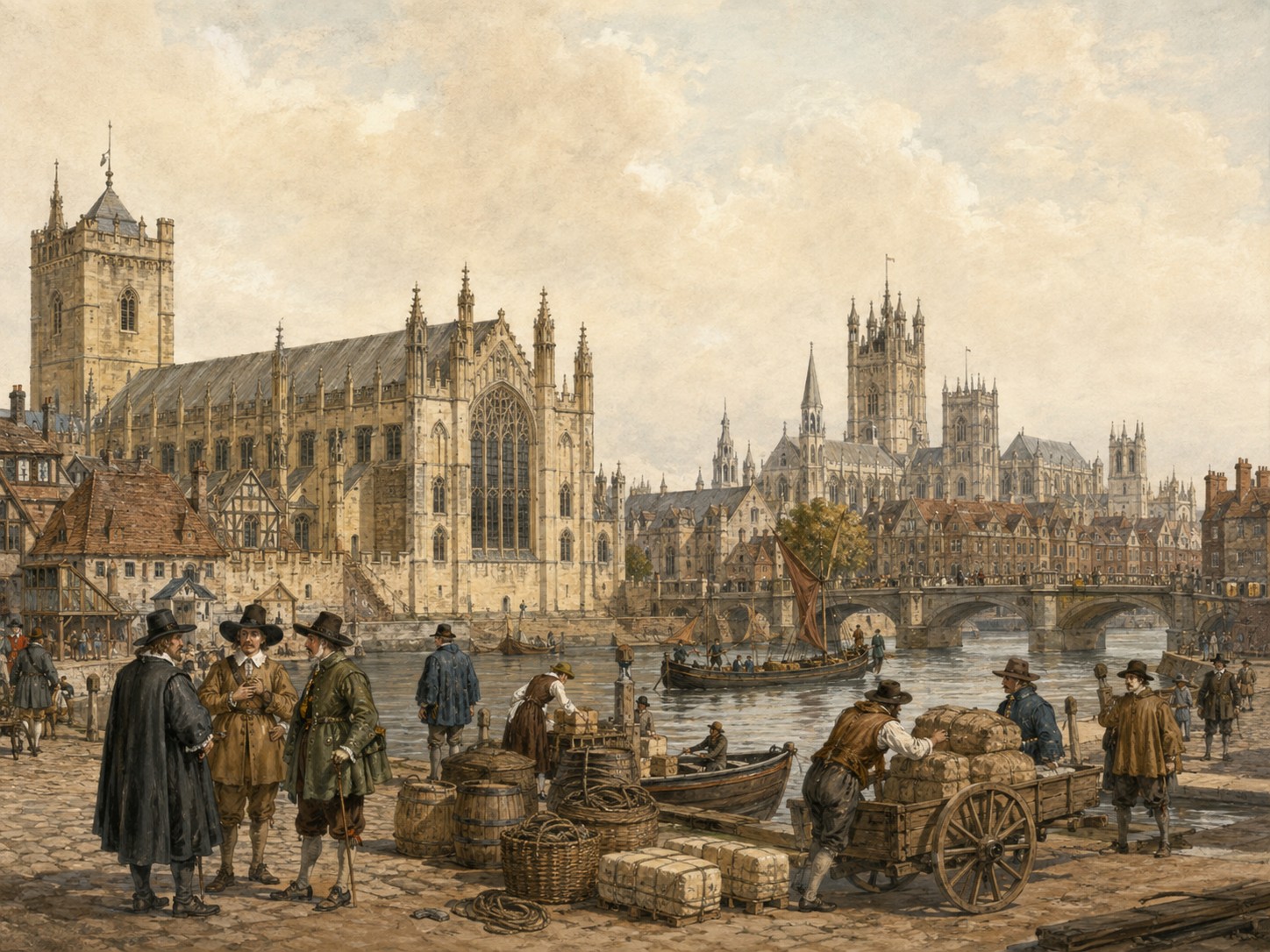
Political, social, and commercial changes around Westminster formed the setting: Parliament adopted a declaration affirming limits on royal power, parliamentary liberties, and the right to petition.
- In and around Westminster, the setting took shape as Parliament adopted a declaration affirming limits on royal power, parliamentary liberties, and the right to petition.
- Core event: Parliament adopted a declaration affirming limits on royal power, parliamentary liberties, and the right to petition.
- Connection to the next stage: Parliament adopted a declaration affirming limits on royal power, parliamentary liberties, and the right to petition. The change unfolded through decisions by rulers, institutions, and local communities.
Course
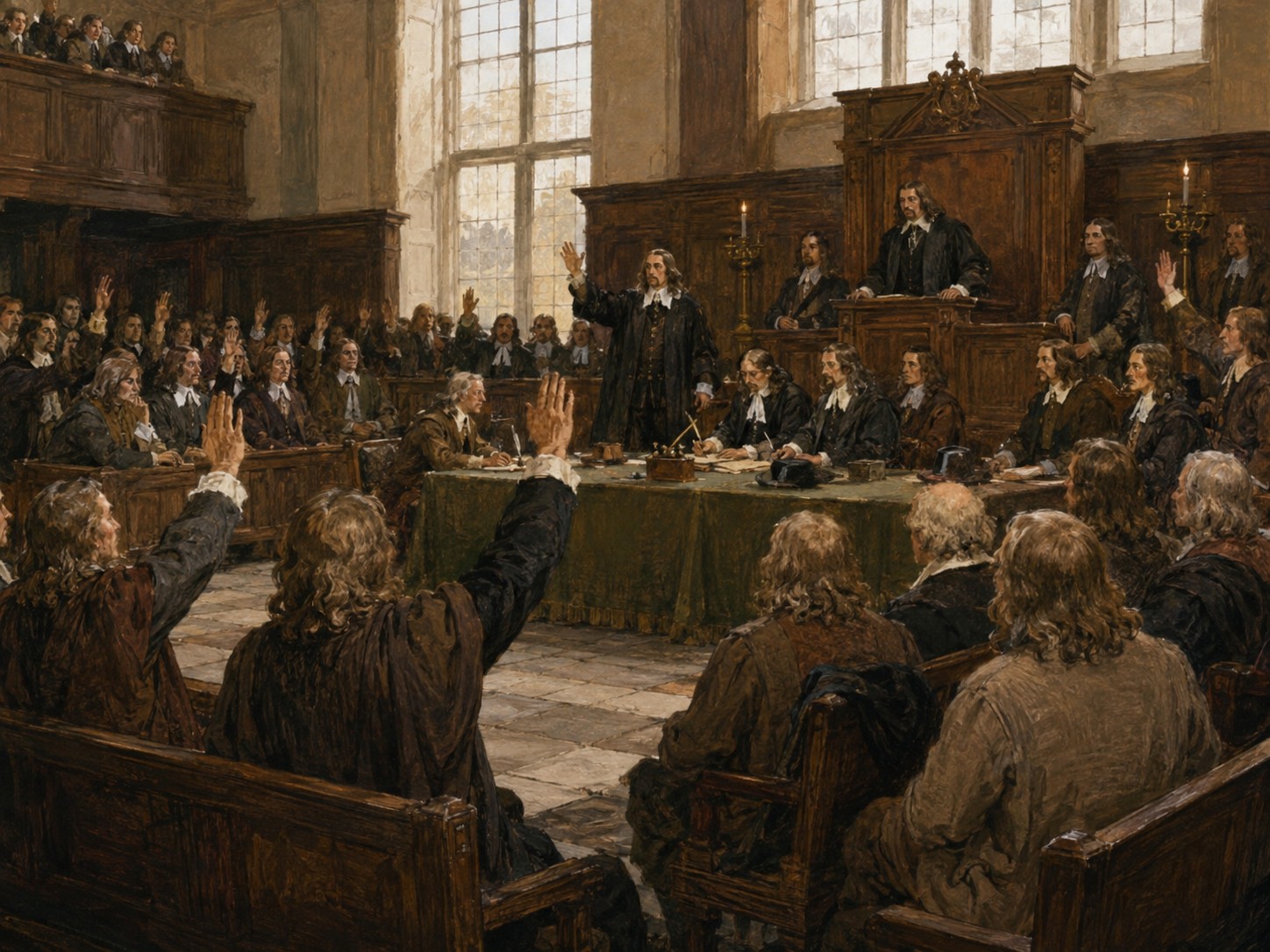
Parliament adopted a declaration affirming limits on royal power, parliamentary liberties, and the right to petition. The choices of the participating powers and responses of local communities shaped the course.
- Parliament adopted a declaration affirming limits on royal power, parliamentary liberties, and the right to petition.
- The change unfolded through decisions by rulers, institutions, and local communities.
- Conditions behind the action: In and around Westminster, the setting took shape as Parliament adopted a declaration affirming limits on royal power, parliamentary liberties, and the right to petition.
Outcome
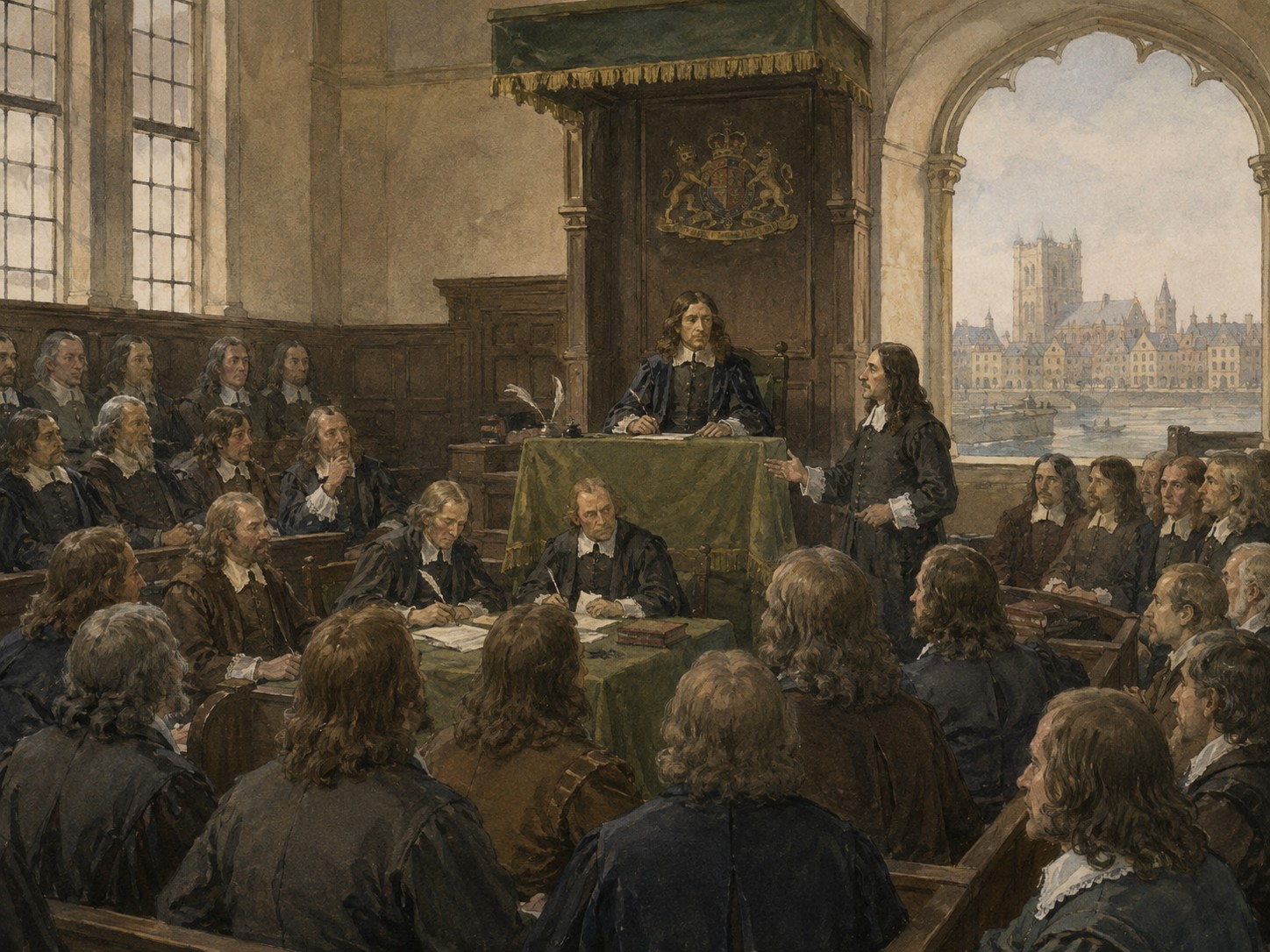
As a result, It became a foundational document for modern British parliamentary government and rights protections.
- It became a foundational document for modern British parliamentary government and rights protections.
- Process producing the result: Parliament adopted a declaration affirming limits on royal power, parliamentary liberties, and the right to petition. The change unfolded through decisions by rulers, institutions, and local communities.
- Question carried forward: In the longer term, it became a foundational document for modern british parliamentary government and rights protections.
Historical significance
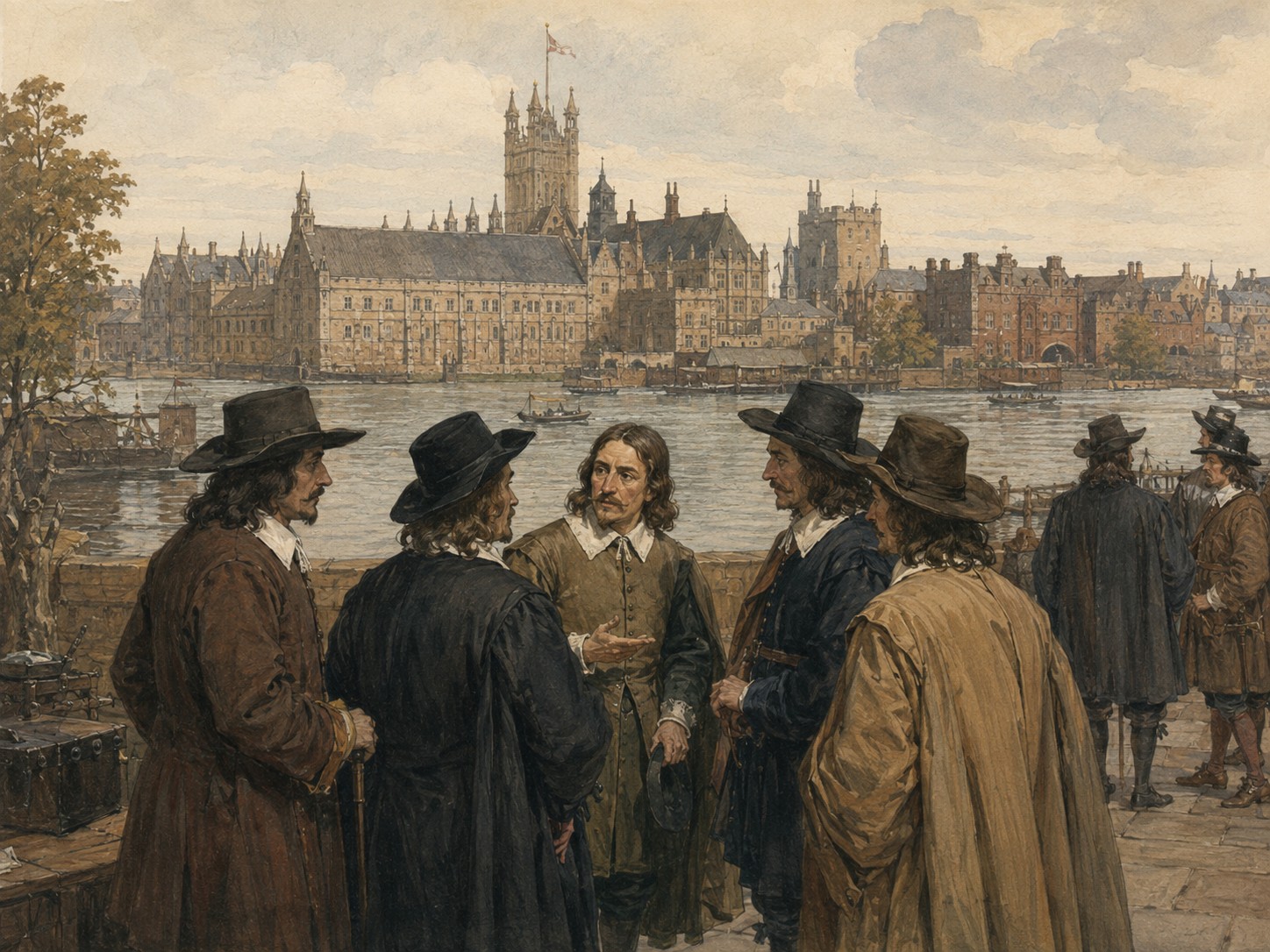
The significance of this event lies in the fact that it became a foundational document for modern british parliamentary government and rights protections.
- In the longer term, it became a foundational document for modern british parliamentary government and rights protections.
- Immediate consequence: It became a foundational document for modern British parliamentary government and rights protections.
- Historical turning point: Parliament adopted a declaration affirming limits on royal power, parliamentary liberties, and the right to petition.


Related figures
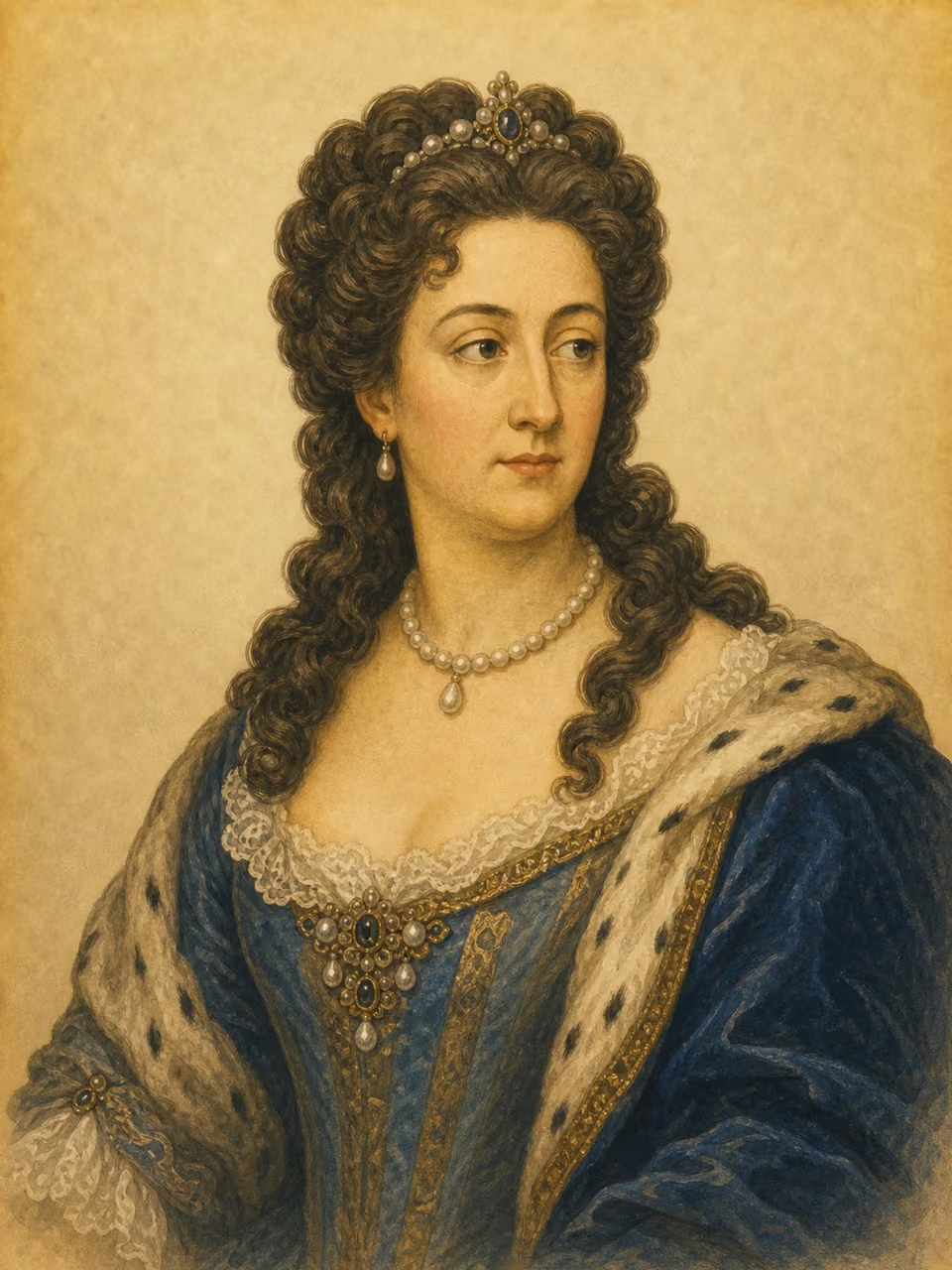
Related events
1685
James II challenges parliamentary limits
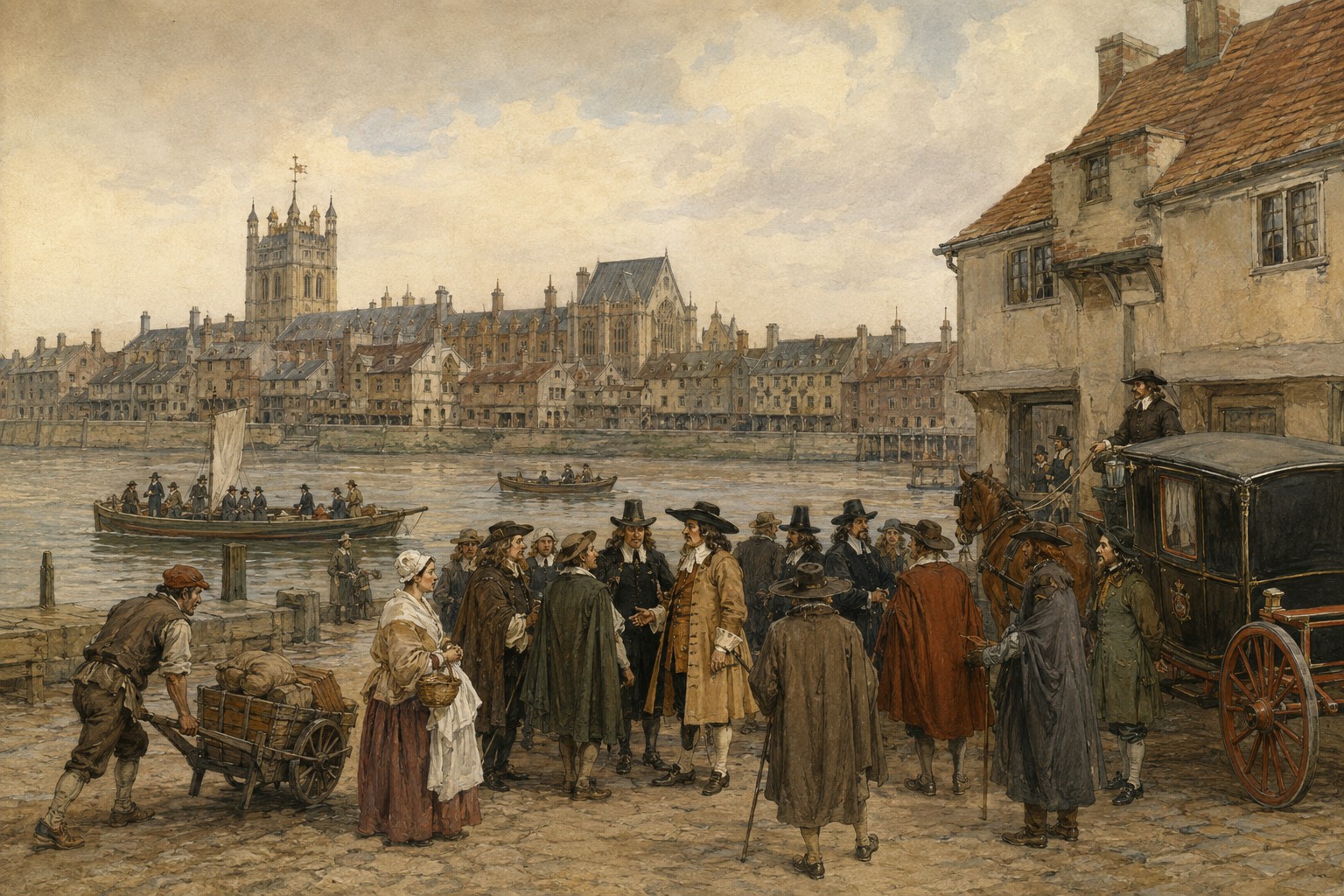
James II challenges parliamentary limits — In and around Westminster, the setting took shape as Parliament adopted a declaration affirming limits on royal power, parliamentary liberties, and the right to petition.
1688
Glorious Revolution changes the monarchy
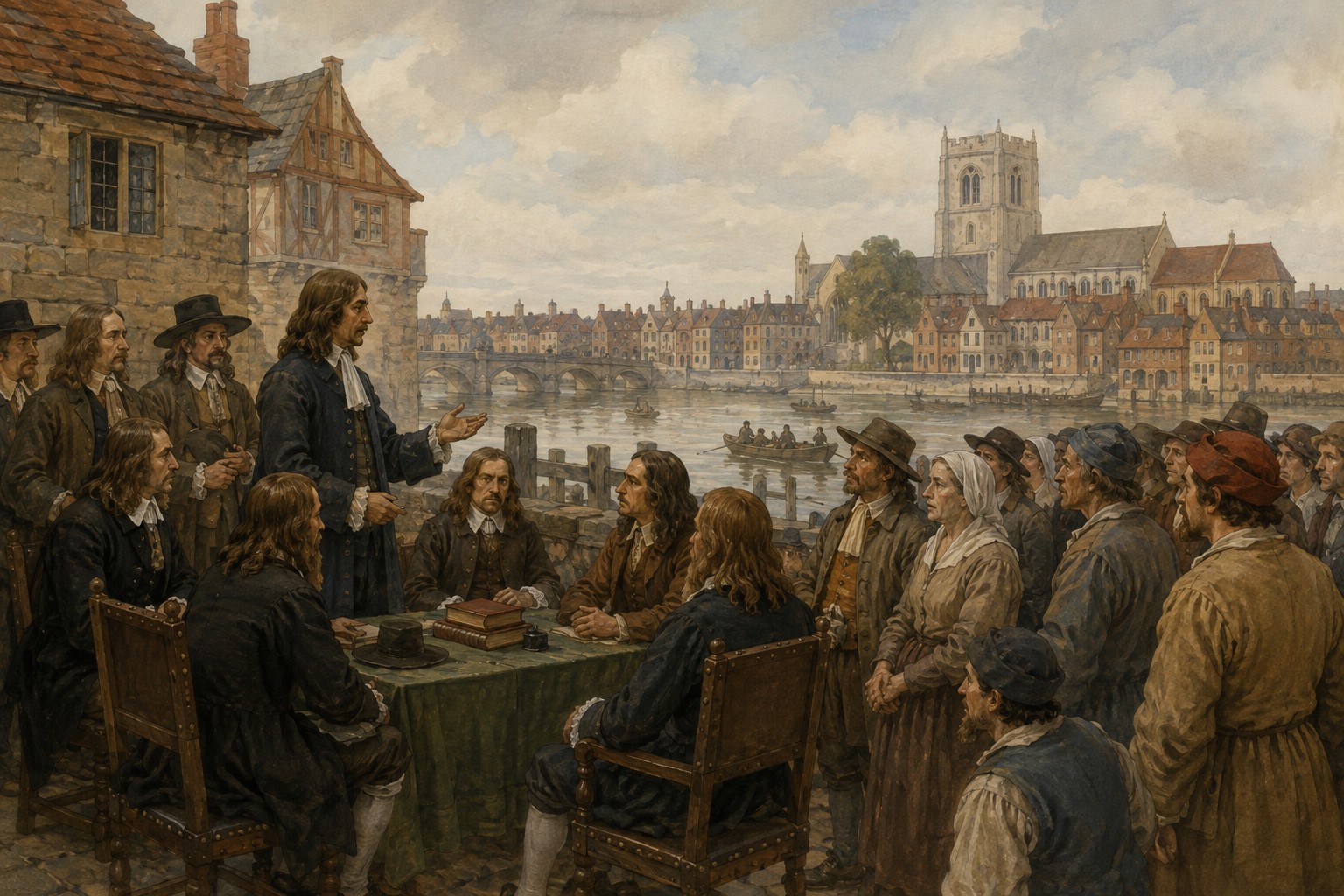
Glorious Revolution changes the monarchy — Parliament adopted a declaration affirming limits on royal power, parliamentary liberties, and the right to petition. The change unfolded through decisions by rulers, institutions, and local communities.
1689
Convention presents the Declaration of Rights
Current event
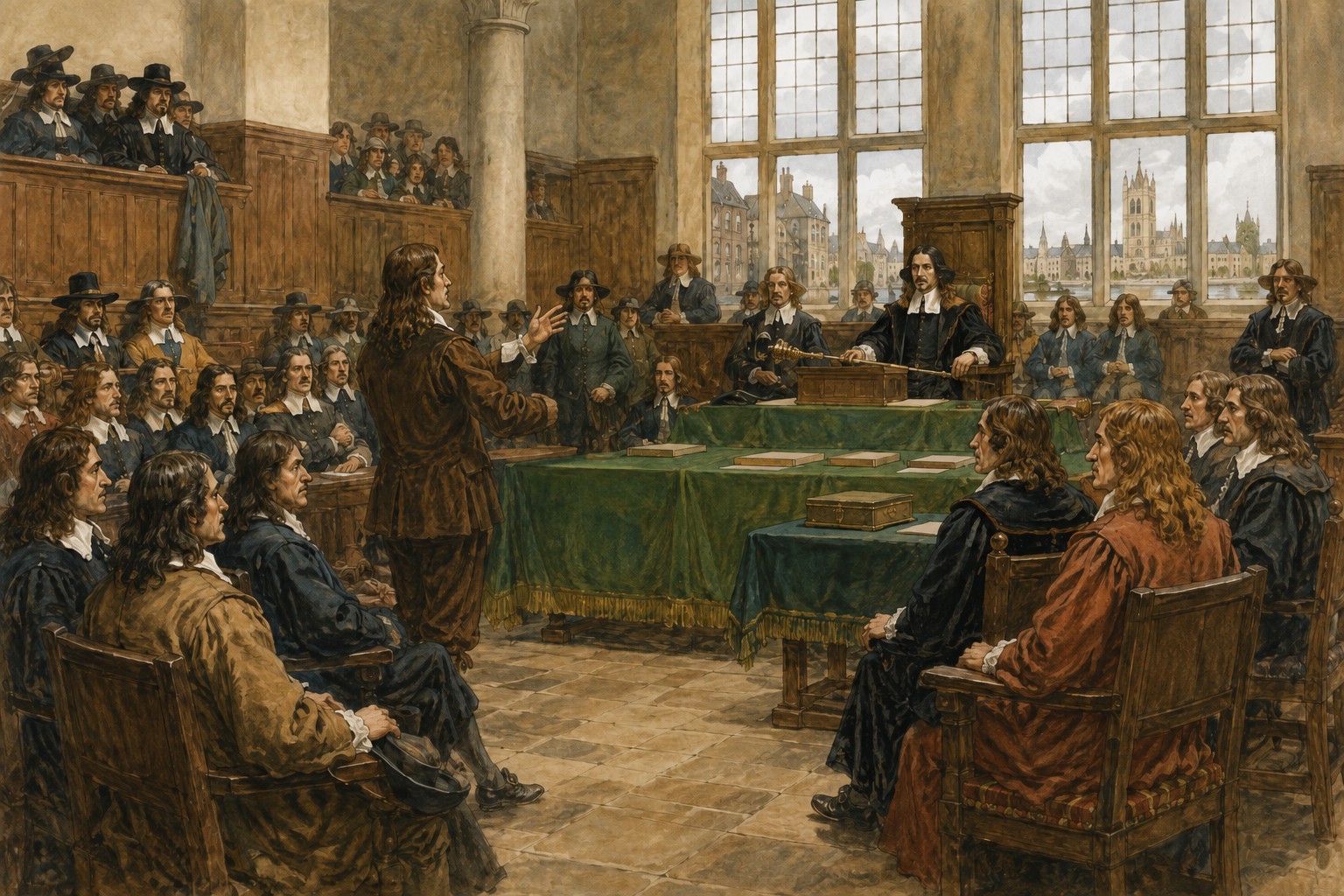
Convention presents the Declaration of Rights — Parliament adopted a declaration affirming limits on royal power, parliamentary liberties, and the right to petition.
1689
Bill of Rights receives royal assent
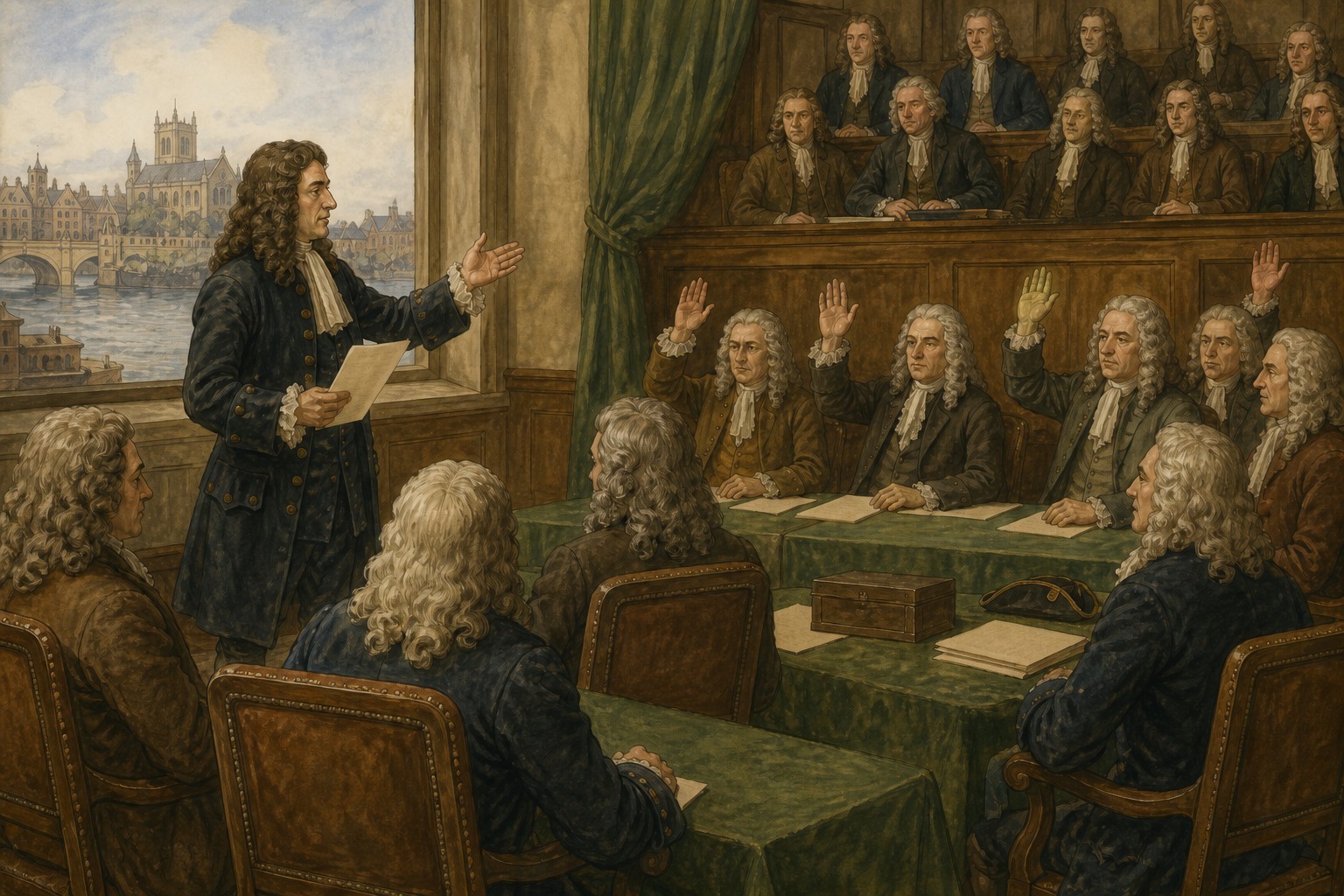
Bill of Rights receives royal assent — It became a foundational document for modern British parliamentary government and rights protections.
1701
Act of Settlement extends the settlement
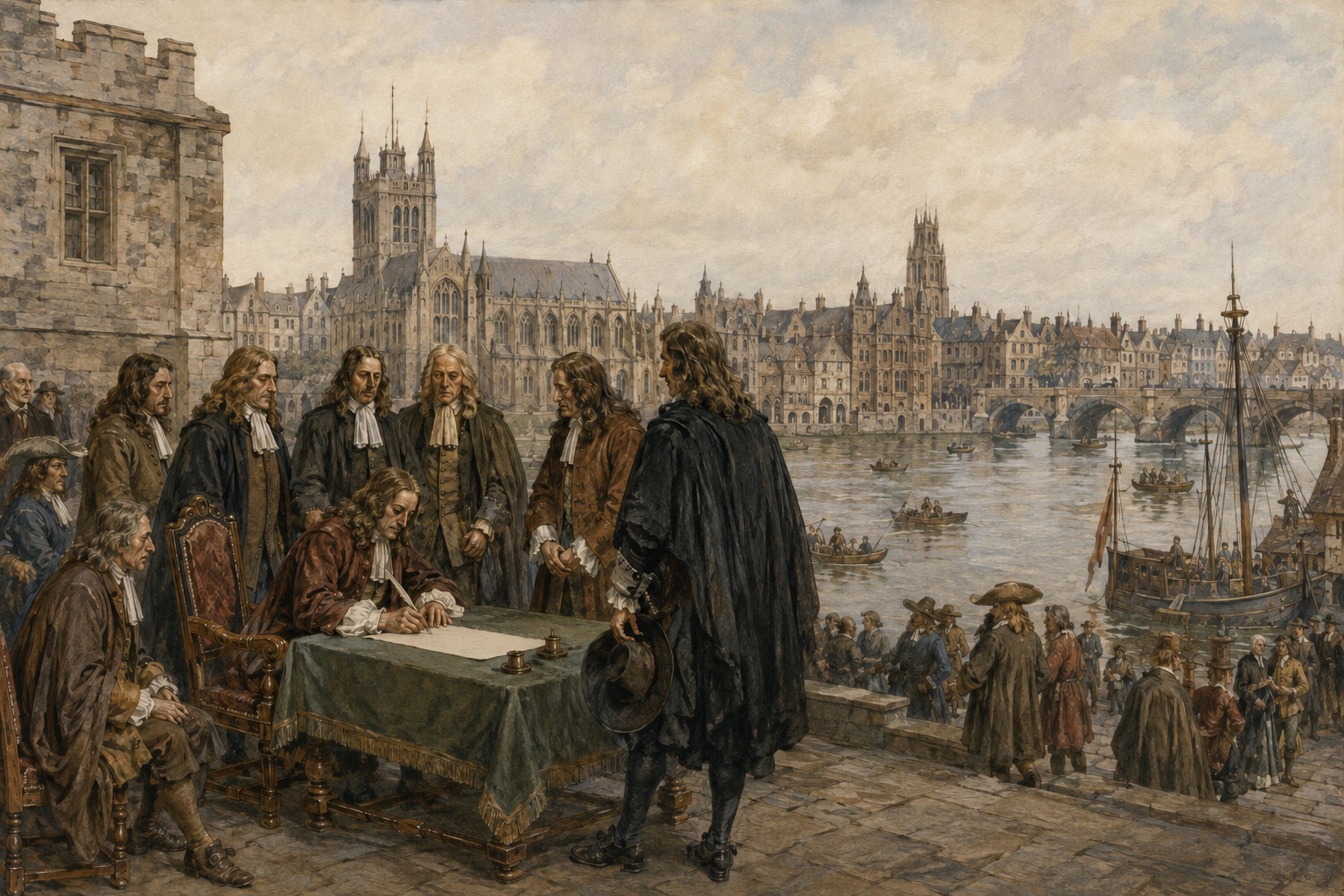
Act of Settlement extends the settlement — In the longer term, it became a foundational document for modern british parliamentary government and rights protections.


Sources
- English Bill of Rights — Timeline (Daiichi Gakushusha)www.daiichi-g.co.jpThis Daiichi Gakushusha resource supports the chronology, setting, and course of English Bill of Rights.
- English Bill of Rights — English Bill Of Rights (Encyclopaedia Britannica)www.britannica.comThis Encyclopaedia Britannica resource supports the chronology, setting, and course of English Bill of Rights.
- English Bill of Rights — English Bill Of Rights (Wikidata)www.wikidata.orgThis Wikidata resource supports the chronology, setting, and course of English Bill of Rights.