
Foundation of the Mughal Empire
c. 1526
In 1526, the Timurid ruler Babur defeated the Lodi dynasty at Panipat and began a new dynasty's rule in northern India from a base in Kabul.

- Period
- c. 1526
- Kind
- Political event
- Regions
- South Asia, Central Asia
- Keywords
- Babur · Panipat · Kabul · Lodi Sultanate · Mughal Empire
Follow the story · Four stages
Background
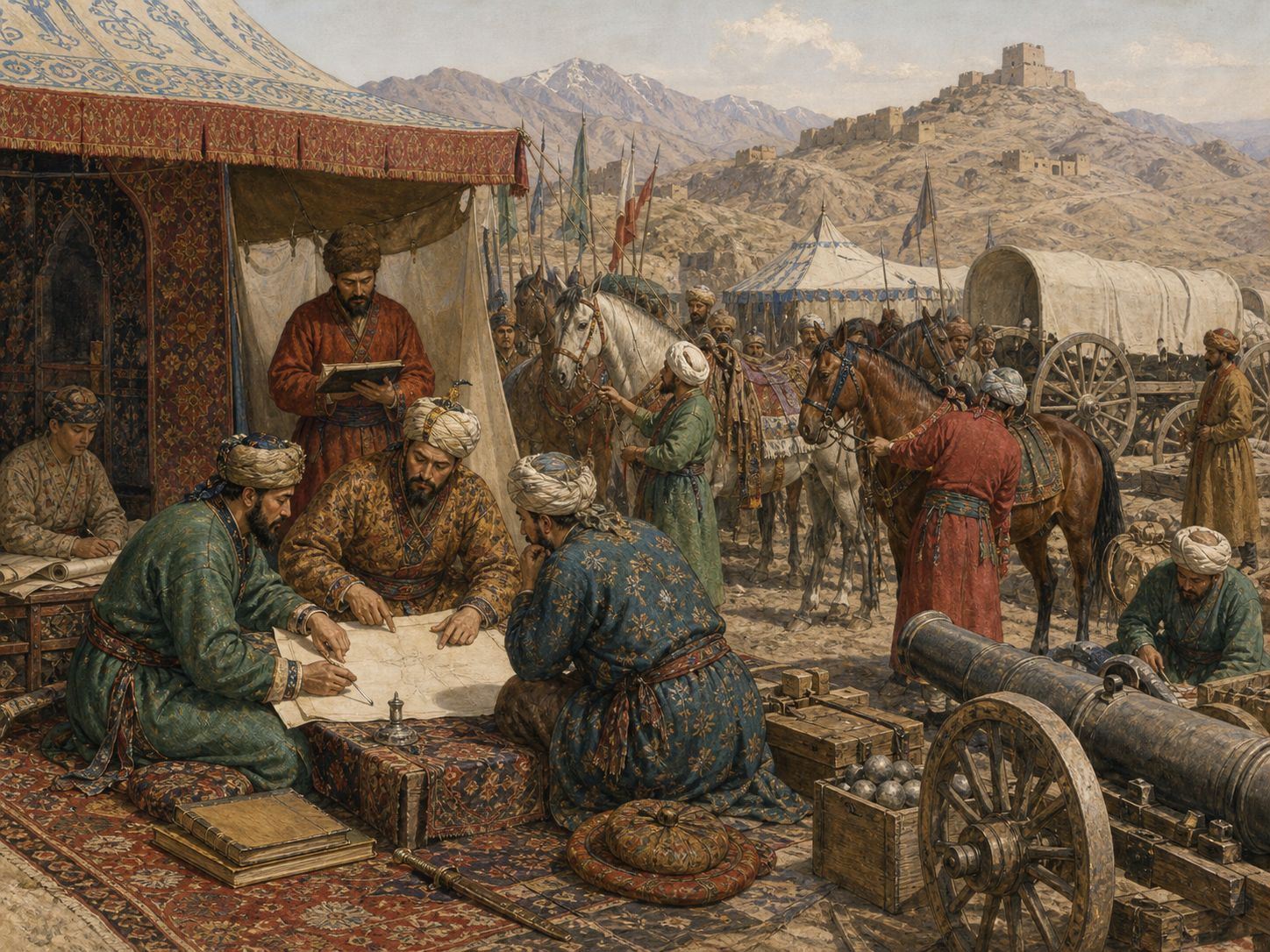
After losing territories in Central Asia, Babur used Kabul as a base and repeatedly intervened in Punjab. Factional conflict within the Delhi-based Lodi dynasty created an opening for invasion.
- Timurid prince Babur made Kabul his base
- The Lodi sultanate was under strain in northern India
- A new combination of firearms and cavalry was spreading
Course
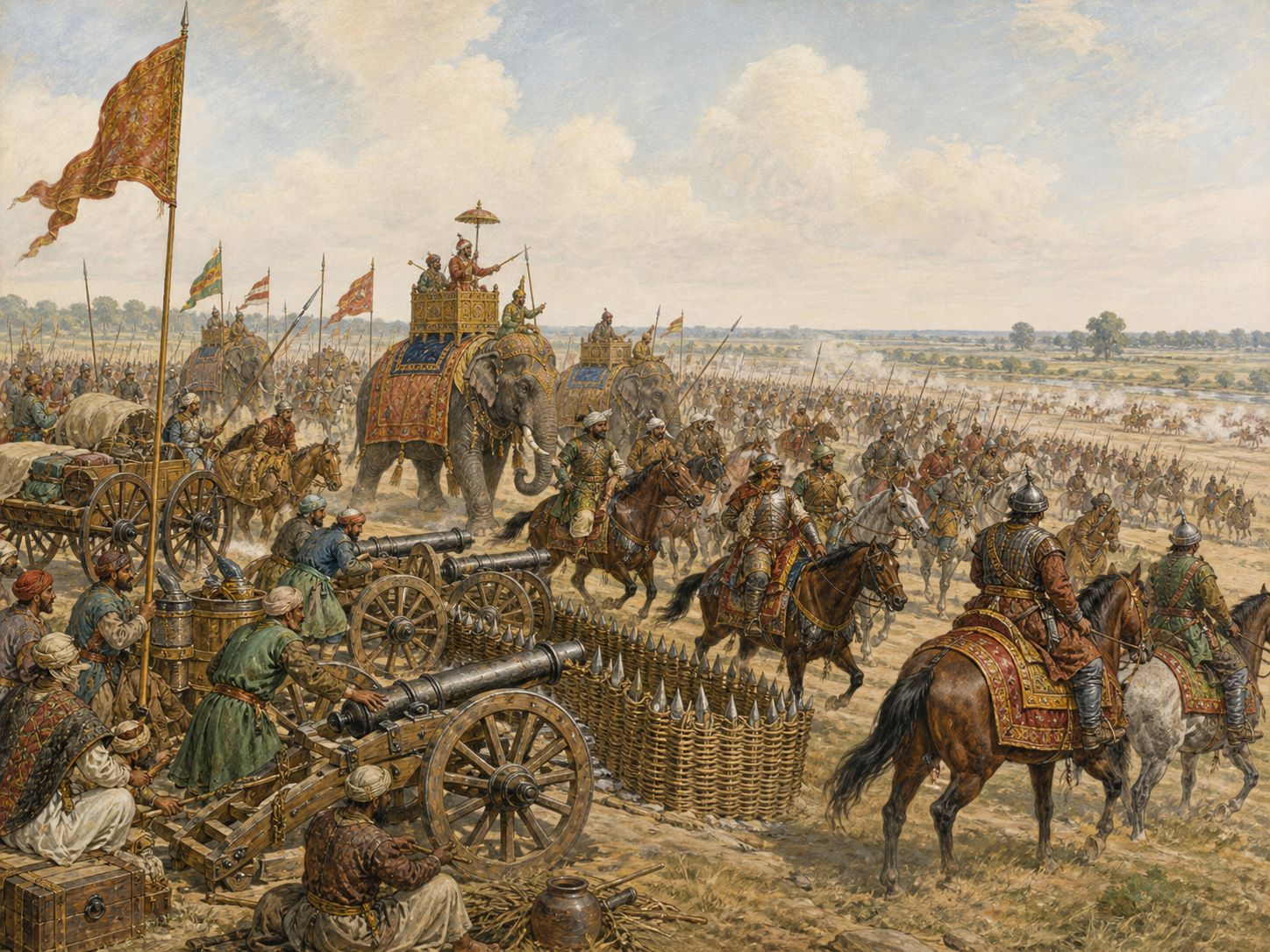
Babur combined firearms, artillery, and cart defenses to defeat Ibrahim Lodi at Panipat. He secured Delhi and Agra, then worked with princes including Humayun to consolidate a foothold in northern India.
- Babur advanced through the Punjab
- He won the First Battle of Panipat in 1526
- Delhi and Agra became the foundation of his North Indian foothold
Outcome
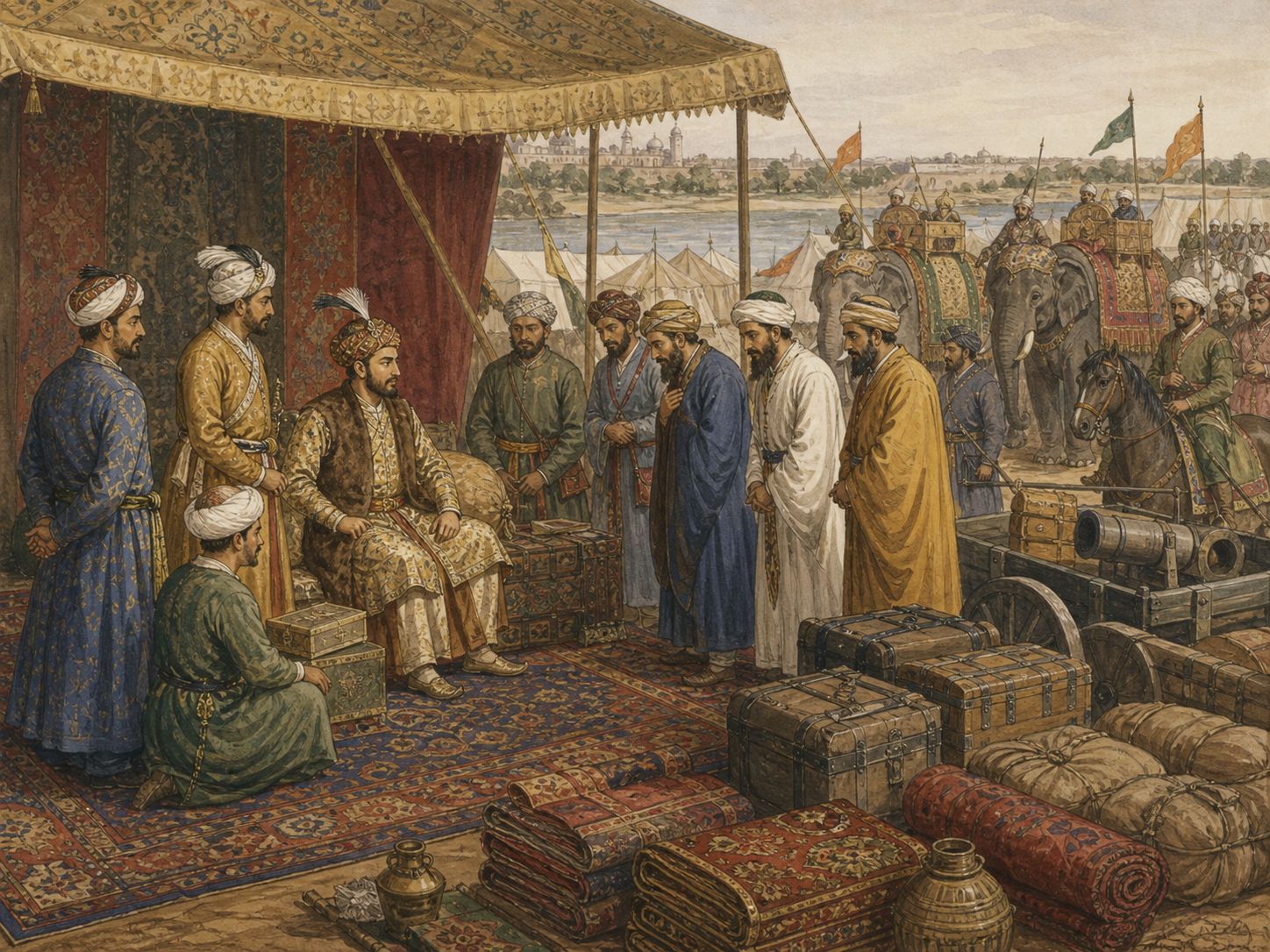
The victory removed the Lodi center and gave Babur's regime a fiscal base in northern India. Resistance and political reorganization continued, but the platform for the Mughal Empire was established.
- Mughal rule in northern India began
- Competition with Rajput powers continued
- A short conquest led to new arrangements of court, land, and warfare
Historical significance
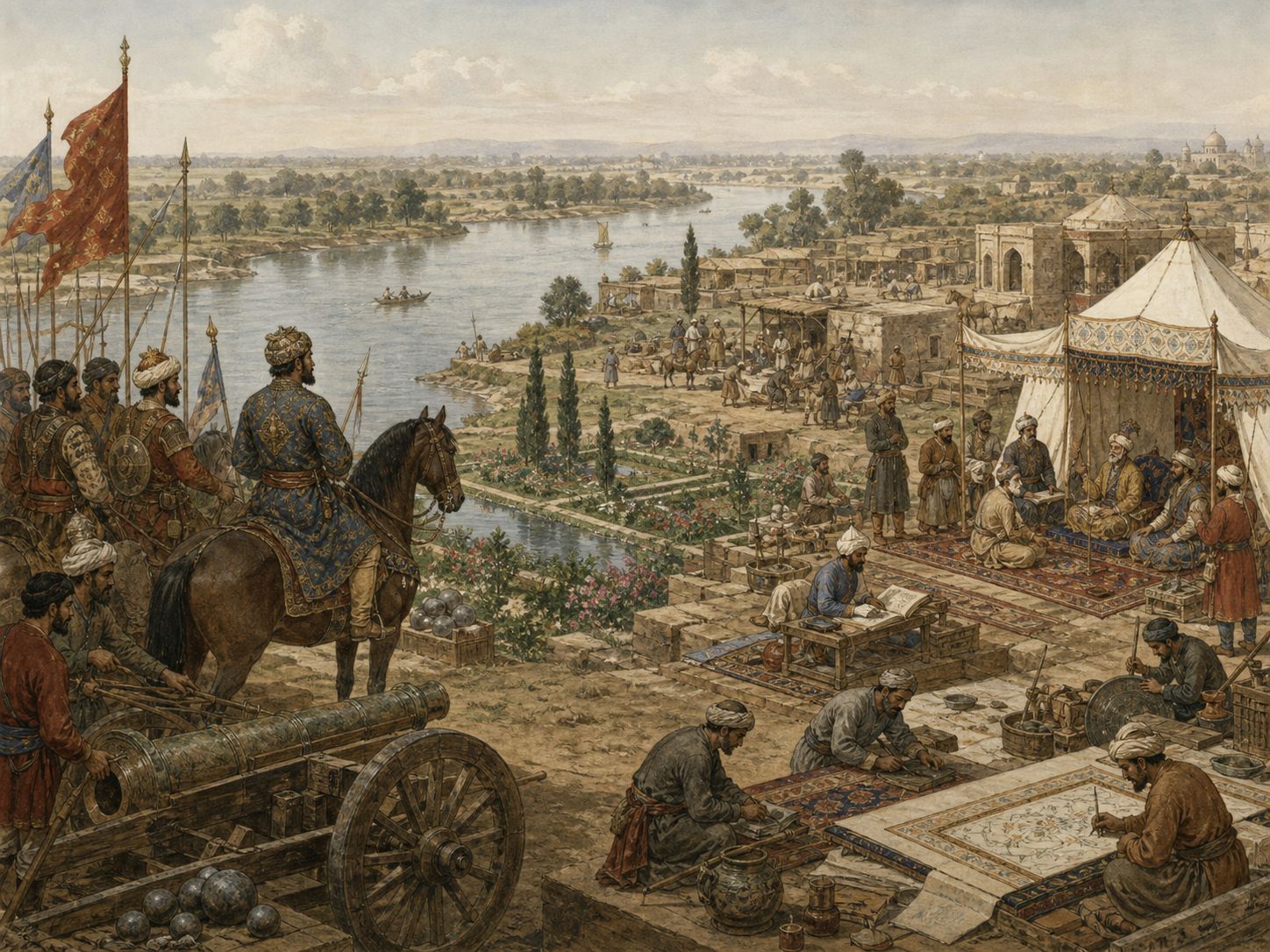
The foundation joined Timurid dynastic claims, Central Asian military practice, and North Indian political competition. Babur's own record preserves the experience of movement, warfare, and early rule.
- An empire linking Central and South Asia took shape
- The combination of guns, artillery, and cavalry reshaped political power
- The platform for Akbar’s later empire was established


Related figures
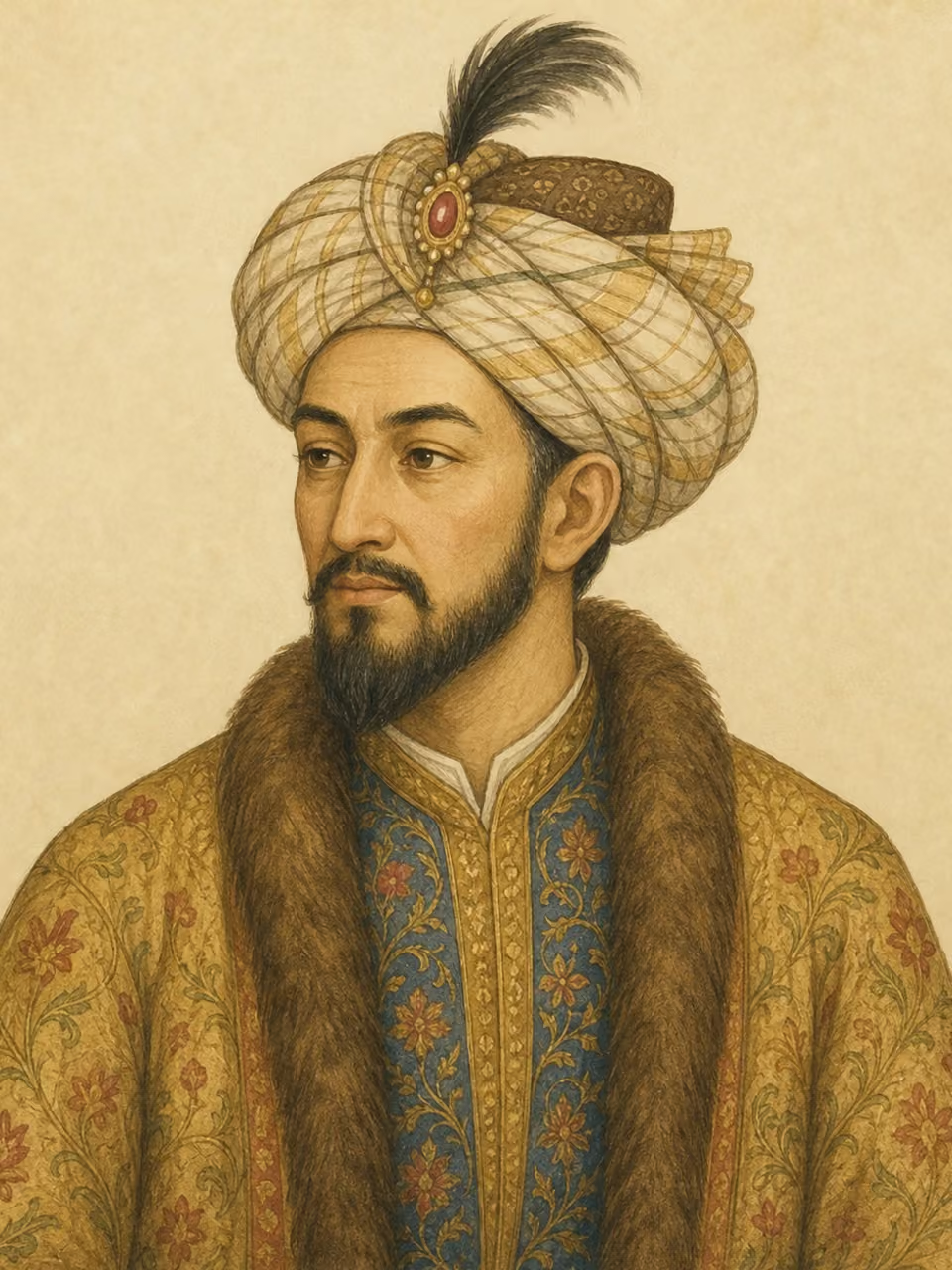
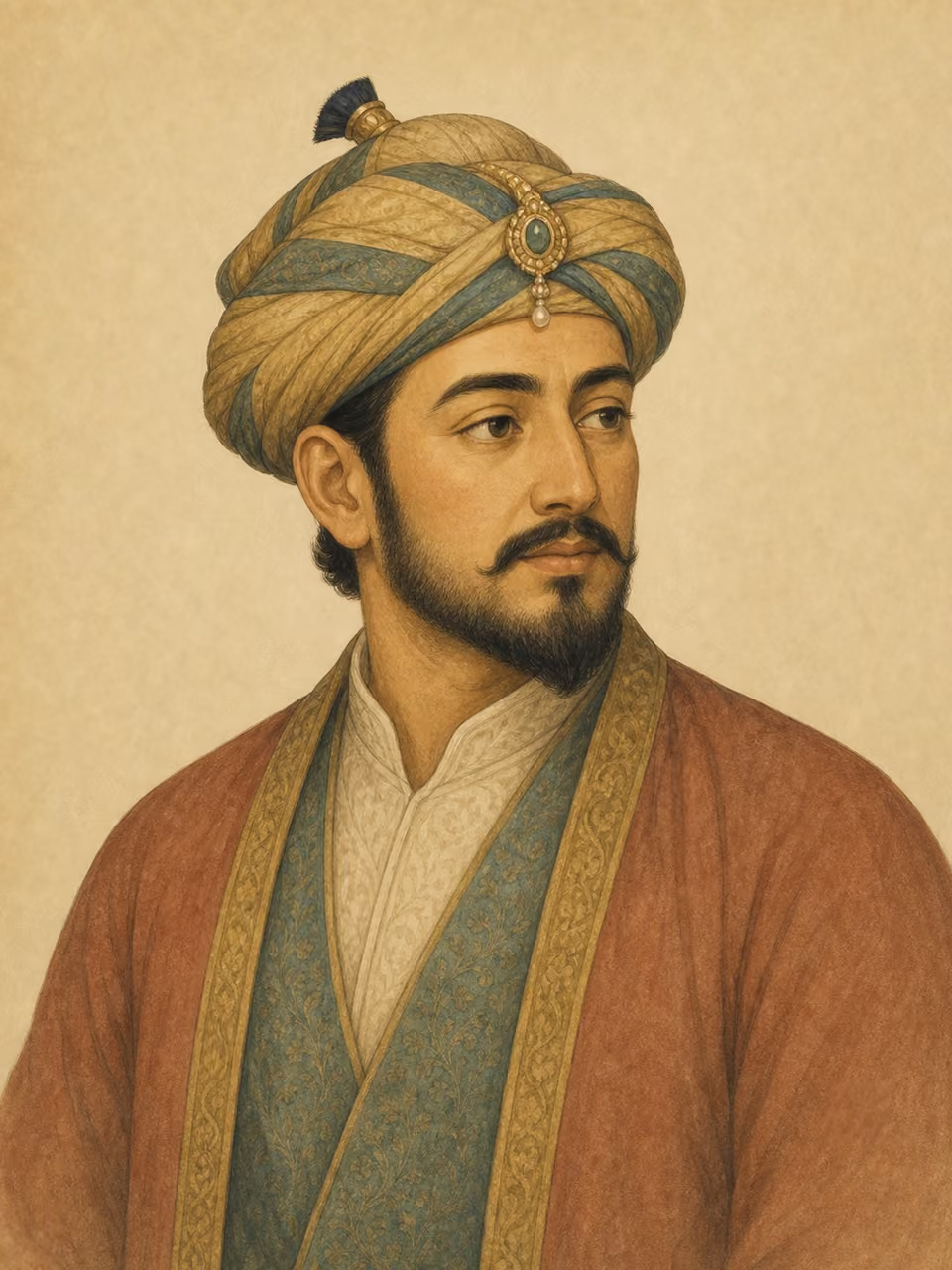
Related events
1504
Kabul becomes a base
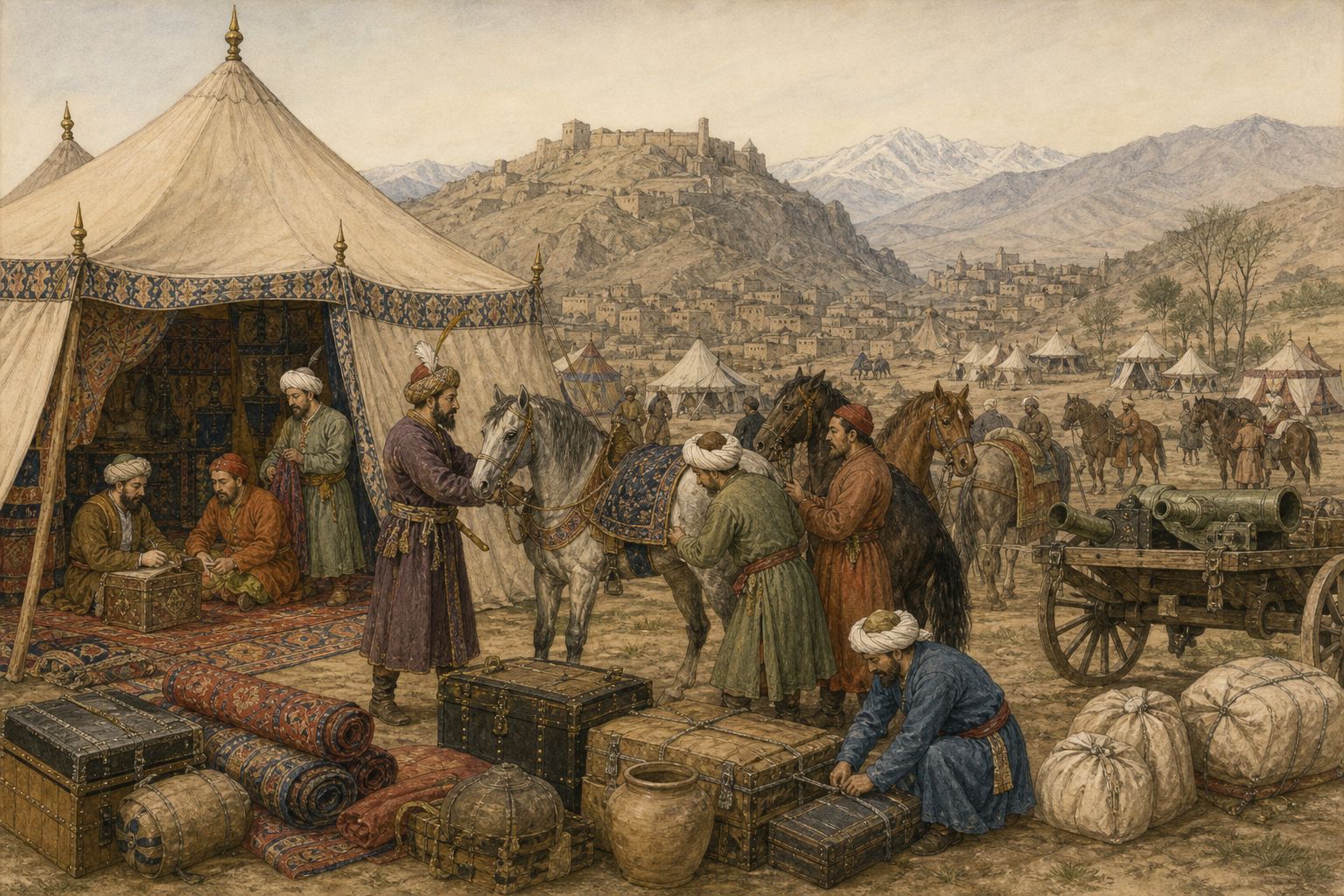
Babur secured Kabul and prepared a platform for campaigns connecting Central Asia and India.
1525
Punjab campaign
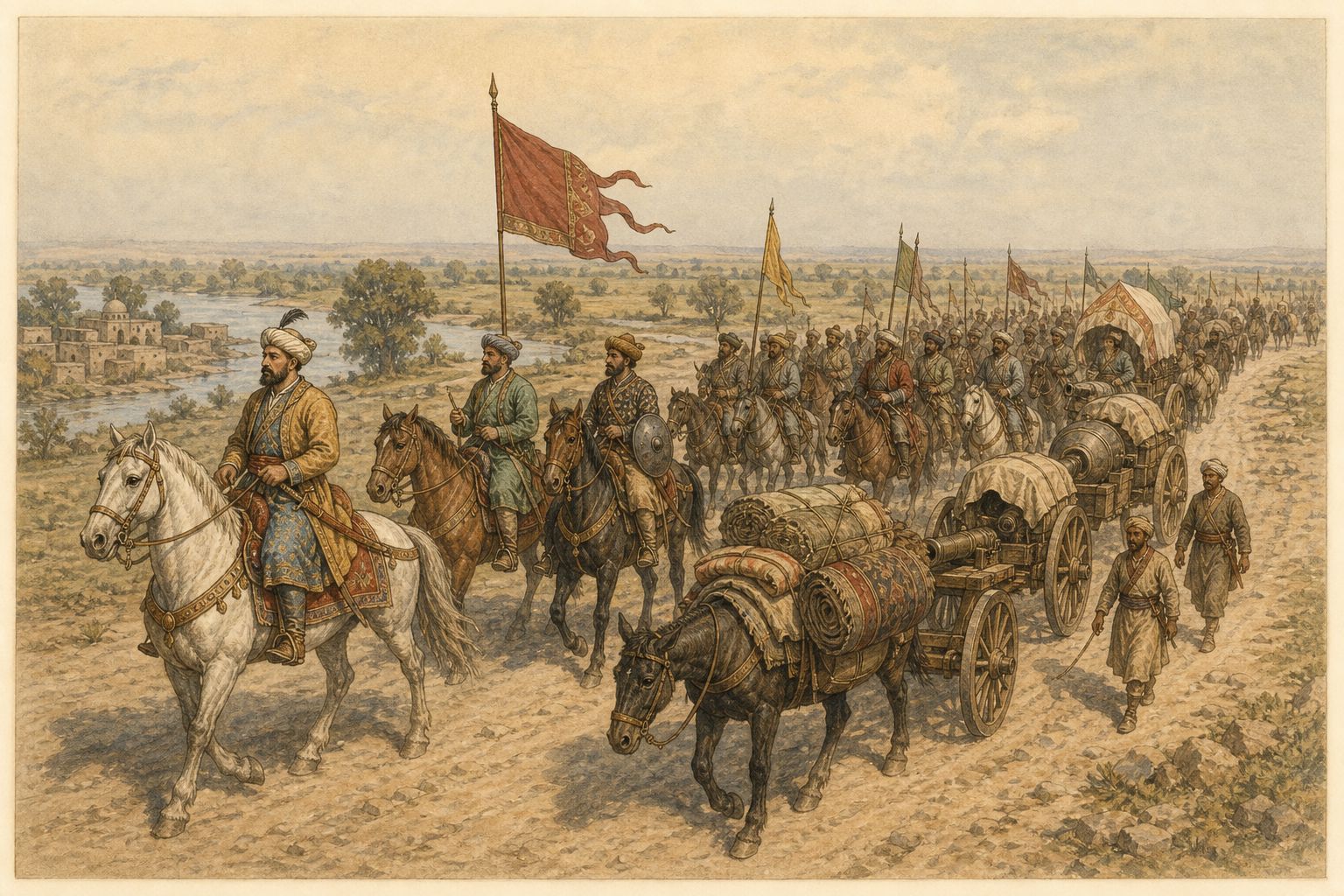
Babur crossed the Indus and entered northern India as the Lodi state weakened.
c. 1526
First Battle of Panipat
Current event
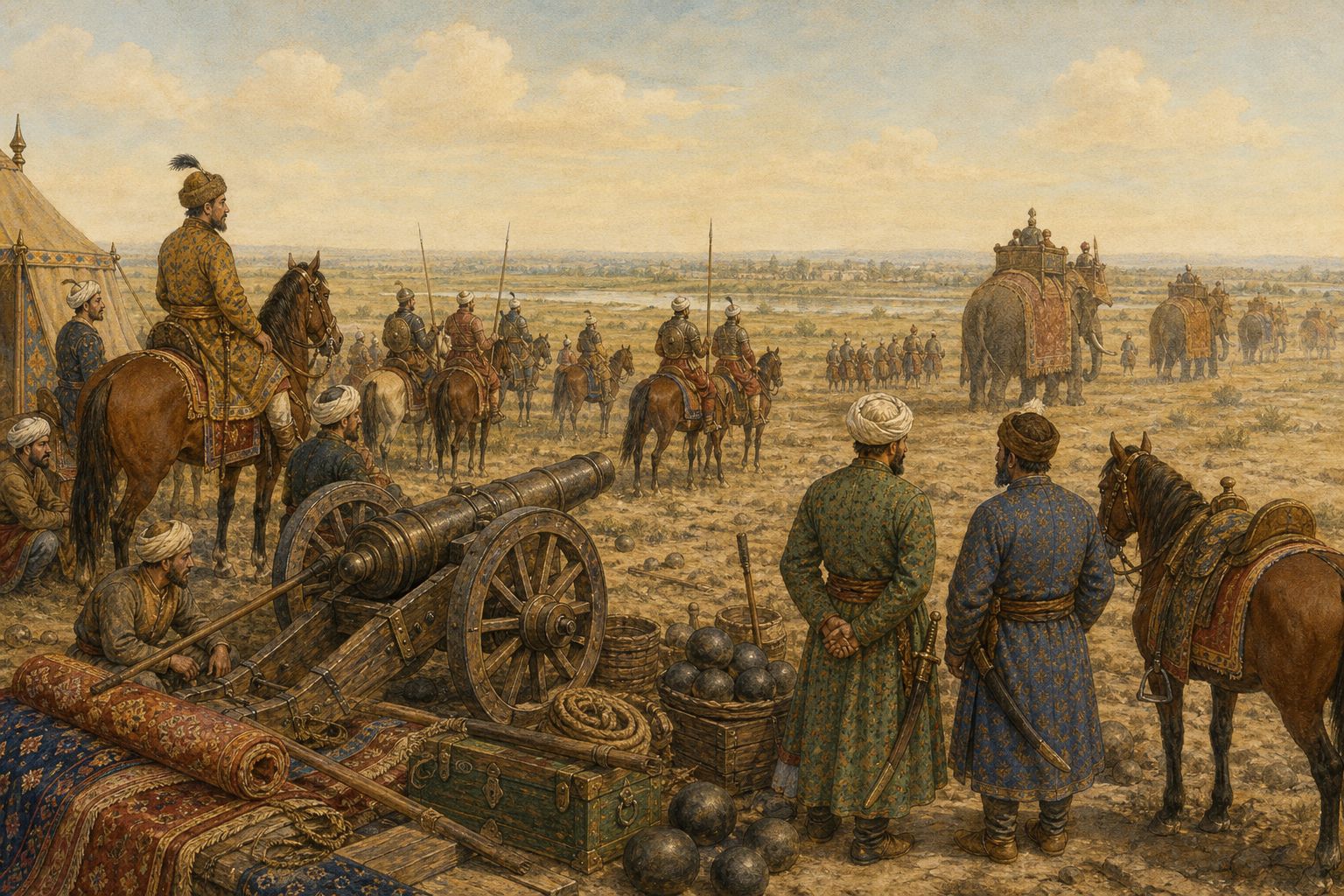
Babur’s artillery and field fortifications defeated Ibrahim Lodi’s much larger army.
c. 1526
Delhi and Agra
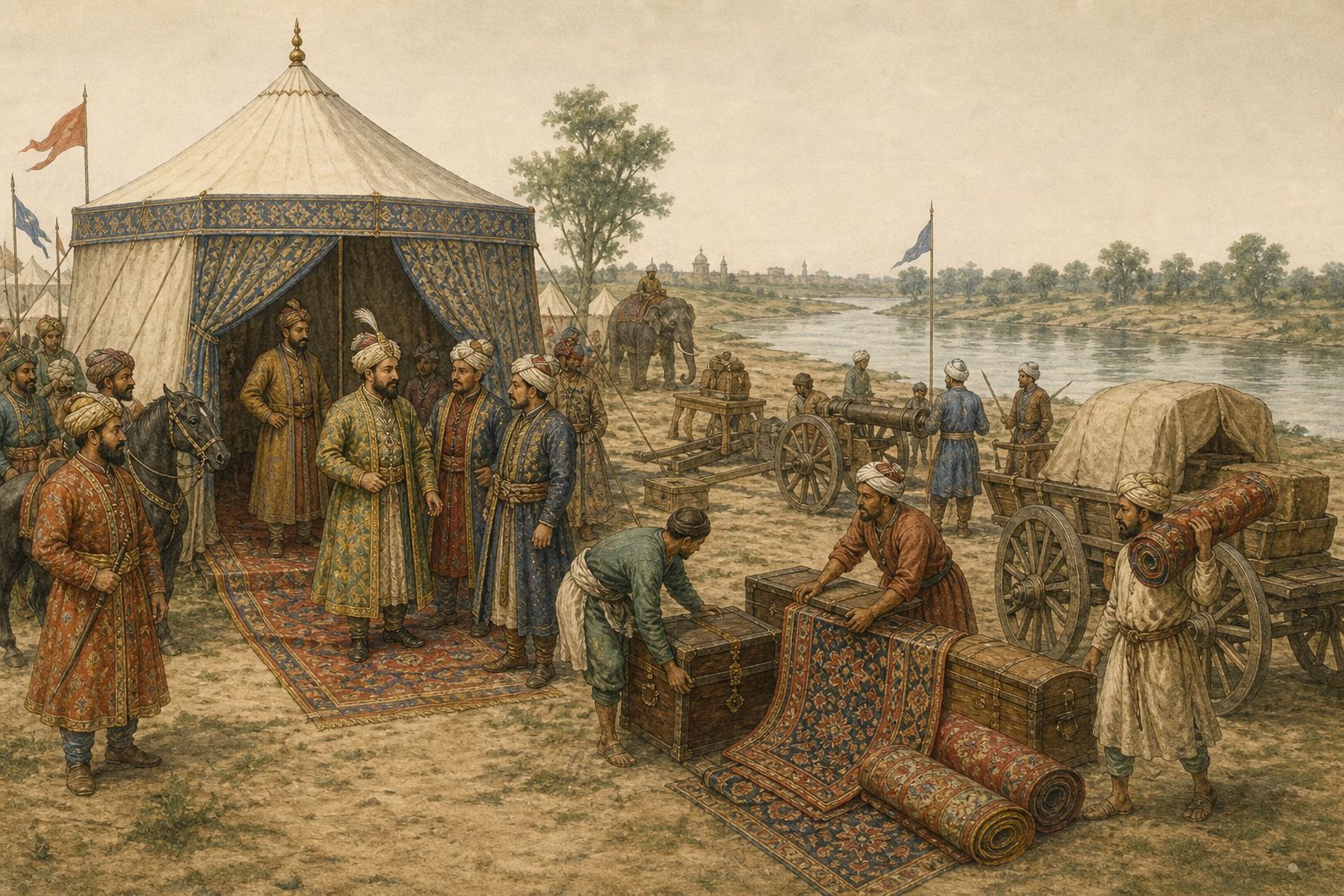
After victory, Babur secured Delhi and Agra as centers of finance and court.
c. 1527
A Mughal foothold
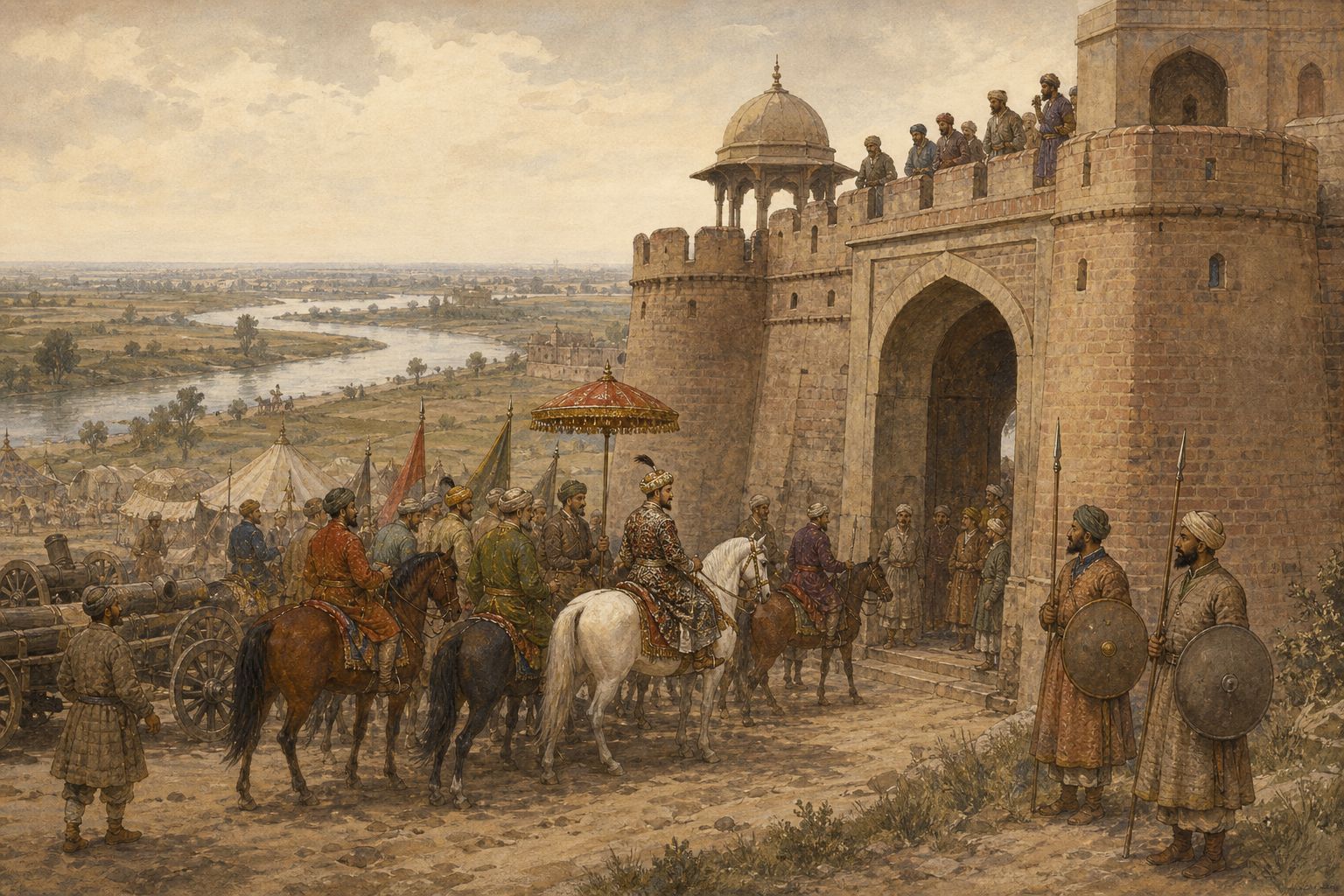
Further fighting turned a temporary expedition into the beginning of dynastic rule.


Sources
- BaburEncyclopaedia BritannicaBiographical overview of Babur and the founding of Mughal rule.
- The Art of the Mughals before 1600The Metropolitan Museum of ArtEssay on early Mughal court culture and its Central and South Asian connections.
- The BaburnamaBritish LibraryIntroduction to Babur’s memoir and its manuscript tradition.