Founding of the United Nations
1941–1946
From 1941 to 1946, wartime cooperation and great-power bargaining produced the United Nations Charter, followed by the General Assembly and Security Council beginning work.

- Period
- 1941–1946
- Kind
- Conference
- Regions
- North America, Europe
- Keywords
- United Nations · United Nations Charter · San Francisco Conference · collective security · veto
Follow the story · Four stages
Background
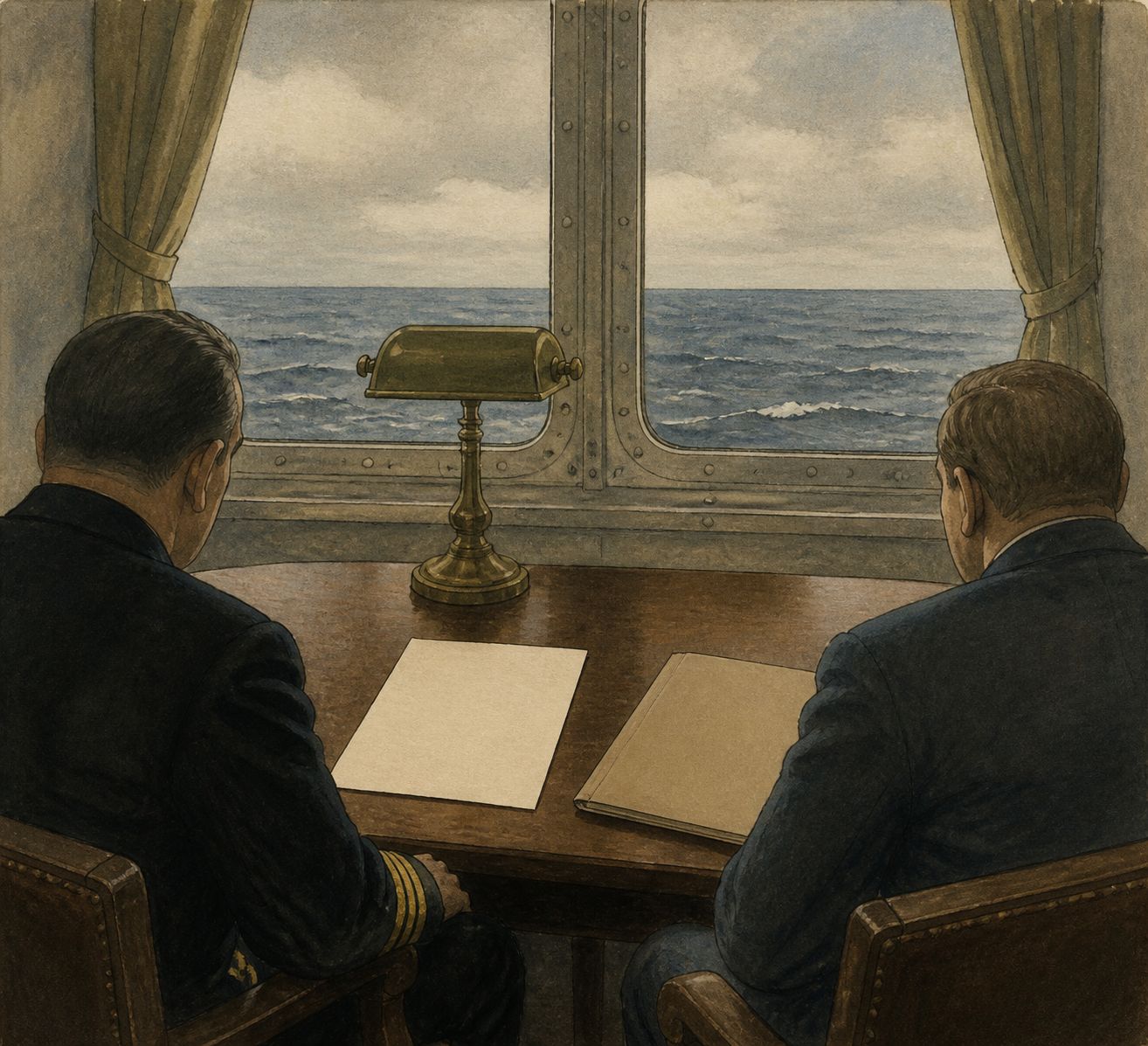
In 1941 Roosevelt and Churchill set out principles for a postwar order in the Atlantic Charter, and in 1942 twenty-six states signed the Declaration by United Nations.
- The League of Nations had been imagined after the First World War as a standing mechanism to restrain aggression, but it faced weak enforcement and incomplete participation. The Second World War created demand for a new framework.
- In August 1941 Franklin Roosevelt and Winston Churchill set out principles for a postwar order in the Atlantic Charter. It was a political joint statement, not yet a constitutional charter for an international organization.
- In January 1942, twenty-six states joined the Declaration by United Nations and pledged to prosecute the war together. The name United Nations connected the wartime coalition to a future system of cooperation.
Course
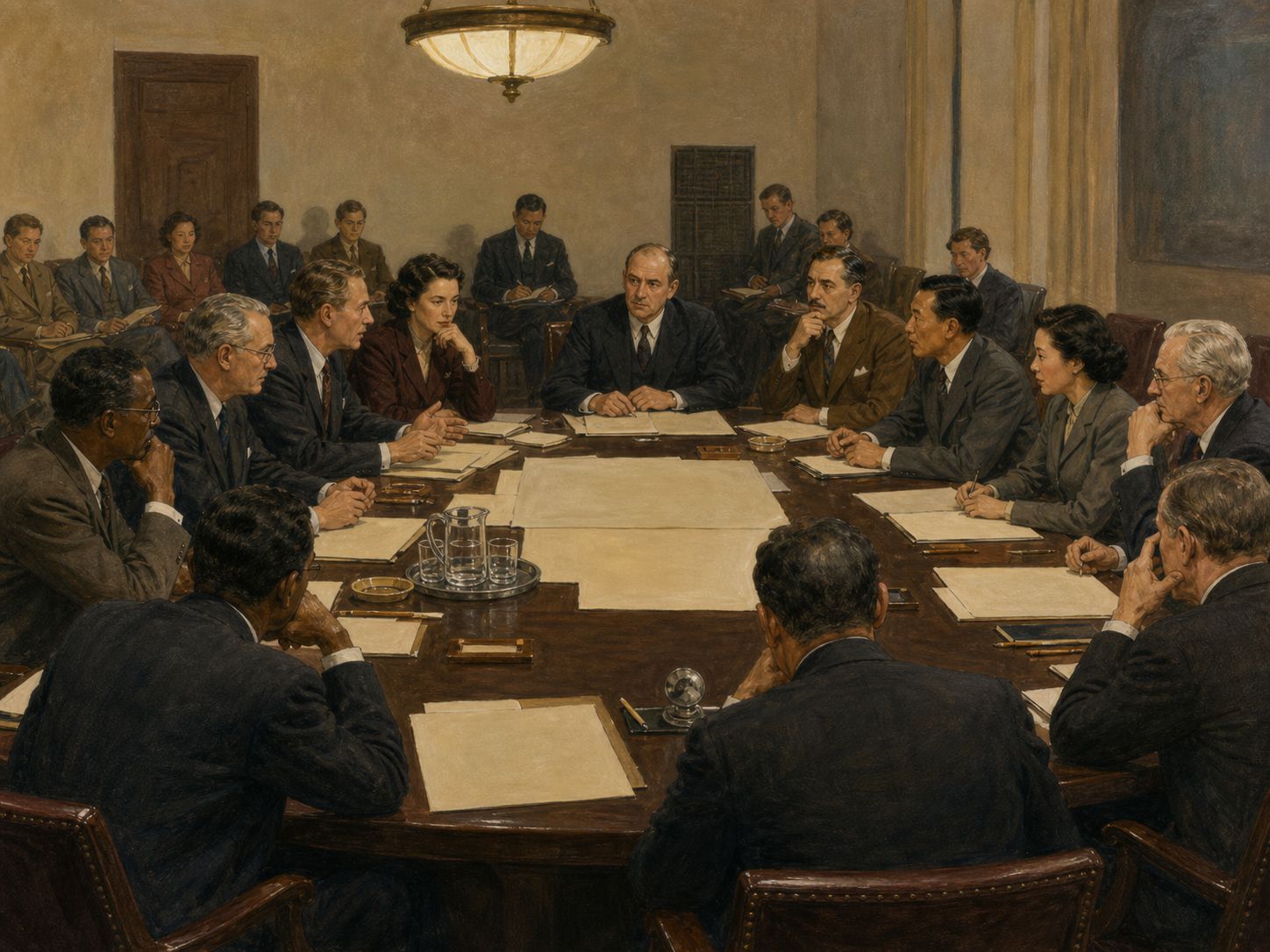
The 1944 Dumbarton Oaks proposals and the 1945 Yalta agreement linked institutional design to great-power voting. Delegates from fifty countries debated the plan in San Francisco and signed the Charter on 26 June.
- The 1943 Moscow Declaration affirmed the need for a general international organization, and the 1944 Dumbarton Oaks talks developed structures for an Assembly, Security Council, and Secretariat.
- At Yalta in February 1945, the major powers reached an understanding on voting in the Security Council. The design prioritized great-power agreement, combining a claim to effectiveness with permanent privilege.
- From April to June 1945, delegates from fifty countries debated the draft in San Francisco. After amendments and bargaining, representatives signed the United Nations Charter on 26 June.
Outcome
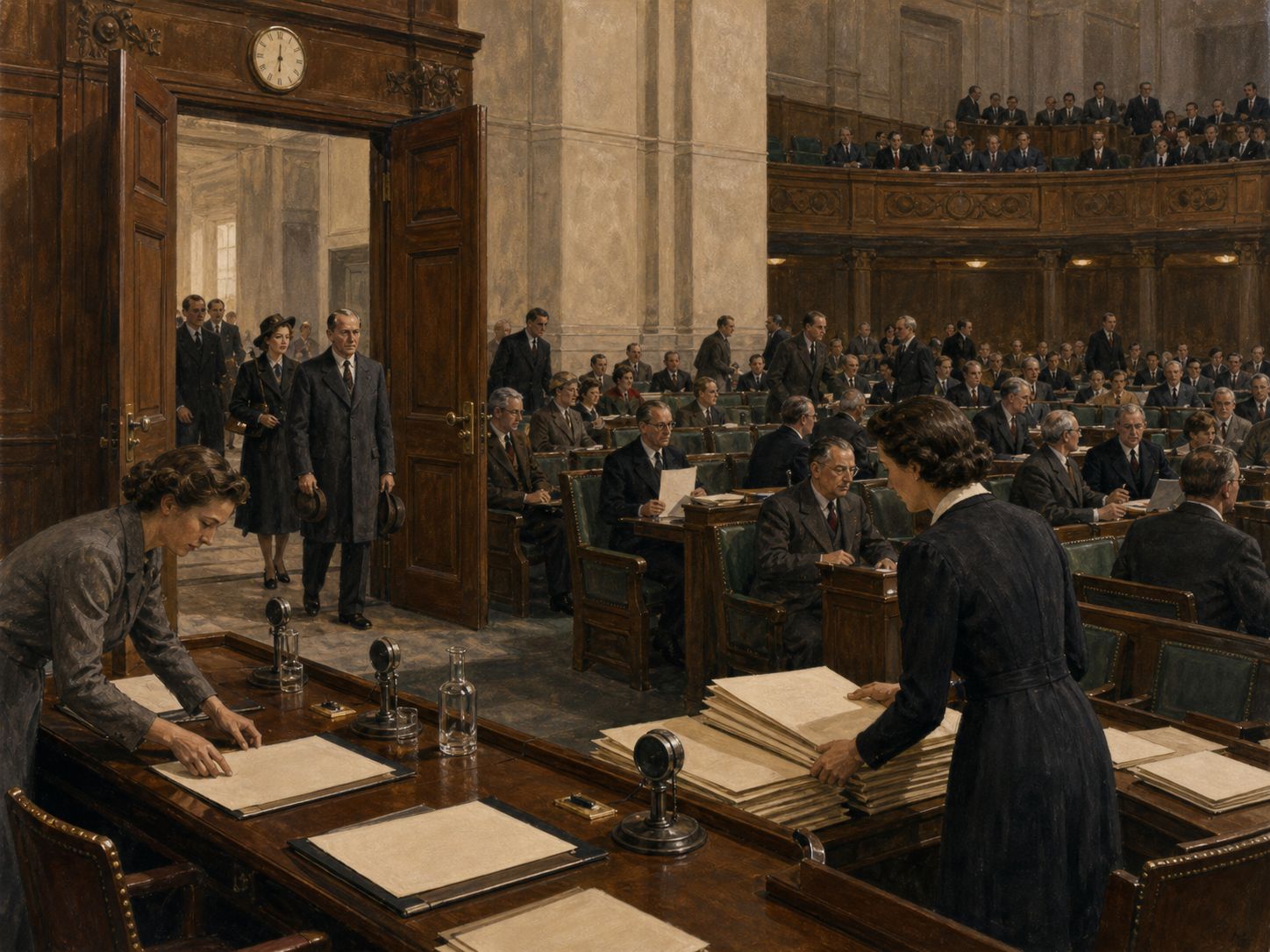
After the required ratifications, the Charter entered into force on 24 October 1945. In January 1946, the General Assembly opened its first session and the Security Council held its first meetings in London.
- After ratification by the required states, including the United States, United Kingdom, Soviet Union, China, and France, the Charter entered into force on 24 October 1945. The date later became United Nations Day.
- In January 1946, the first session of the General Assembly opened in London and the Security Council held its first meetings. A standing institution for conferences, administration, and resolutions began to operate.
- The UN became a forum for peace, security, human rights, and economic and social cooperation, while inequalities around colonial rule, representation, and the great-power veto were embedded from its foundation.
Historical significance
The UN created a standing forum for peace and international cooperation, but representation and influence at its founding were unequal. A system premised on great-power unanimity immediately faced Cold War rivalry and the veto.
- The founding of the United Nations moved international consultation from exceptional wartime conferences toward a permanent institution. A shared structure for large and small states widened the common ground of international politics.
- The permanent members and veto were a compromise intended to keep the major powers inside the system, but they also fixed asymmetry in decision-making. Cold War rivalry exposed that tension immediately.
- The UN was not a finished system that simply implemented its founding design. The Assembly, specialized agencies, peace operations, and human-rights norms developed within the framework, making the distance between Charter and practice essential to study.
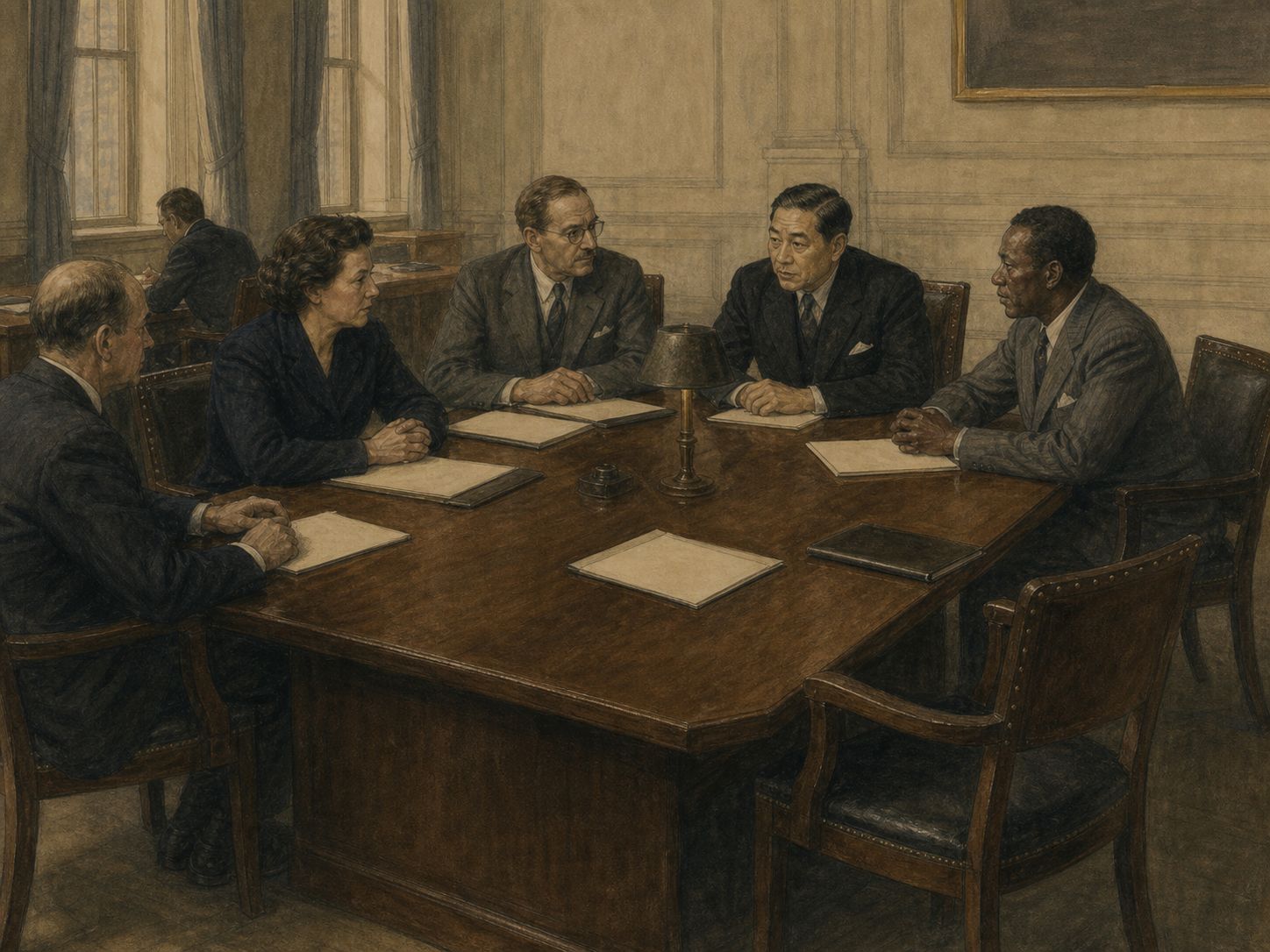


Related figures
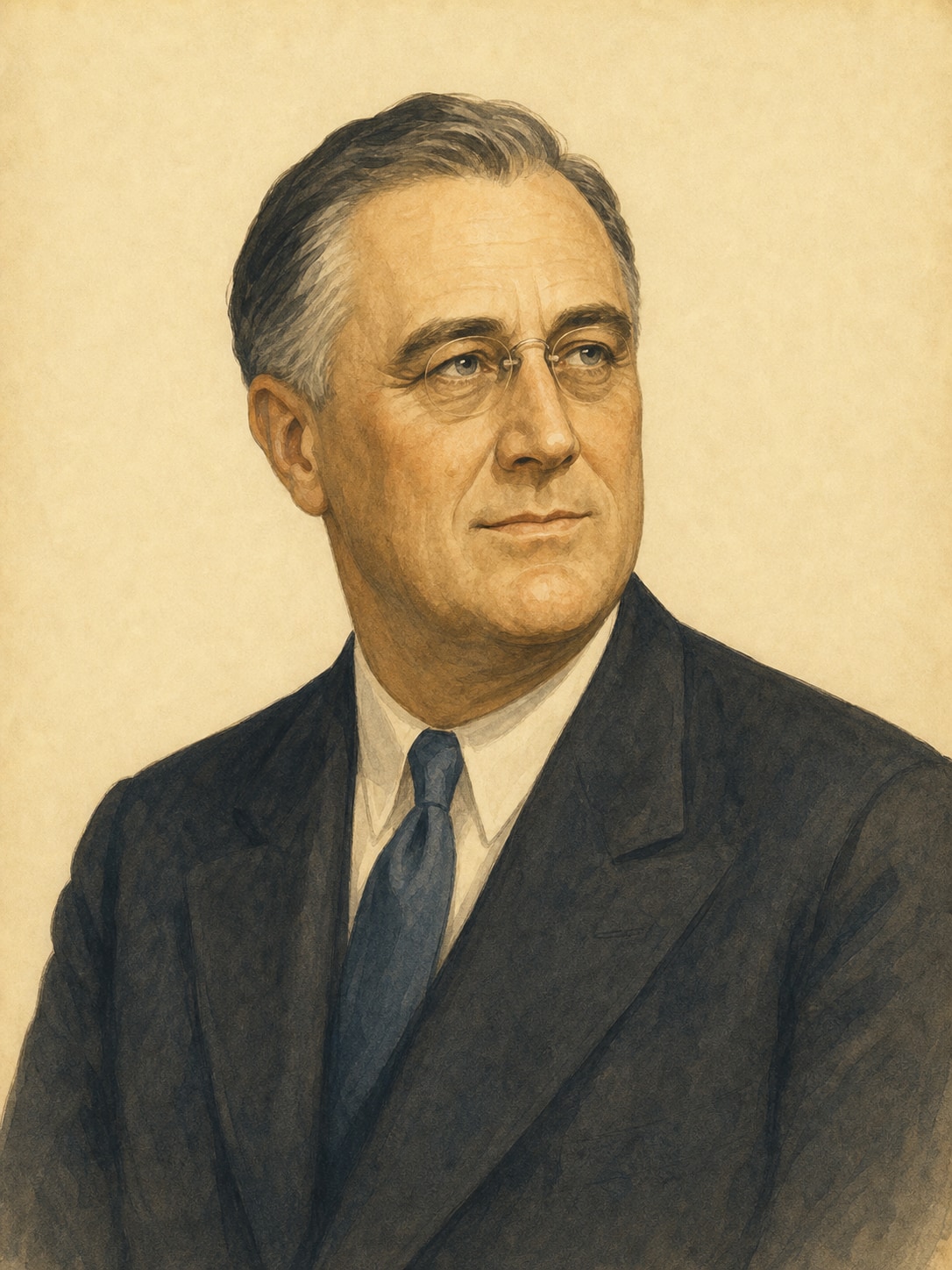
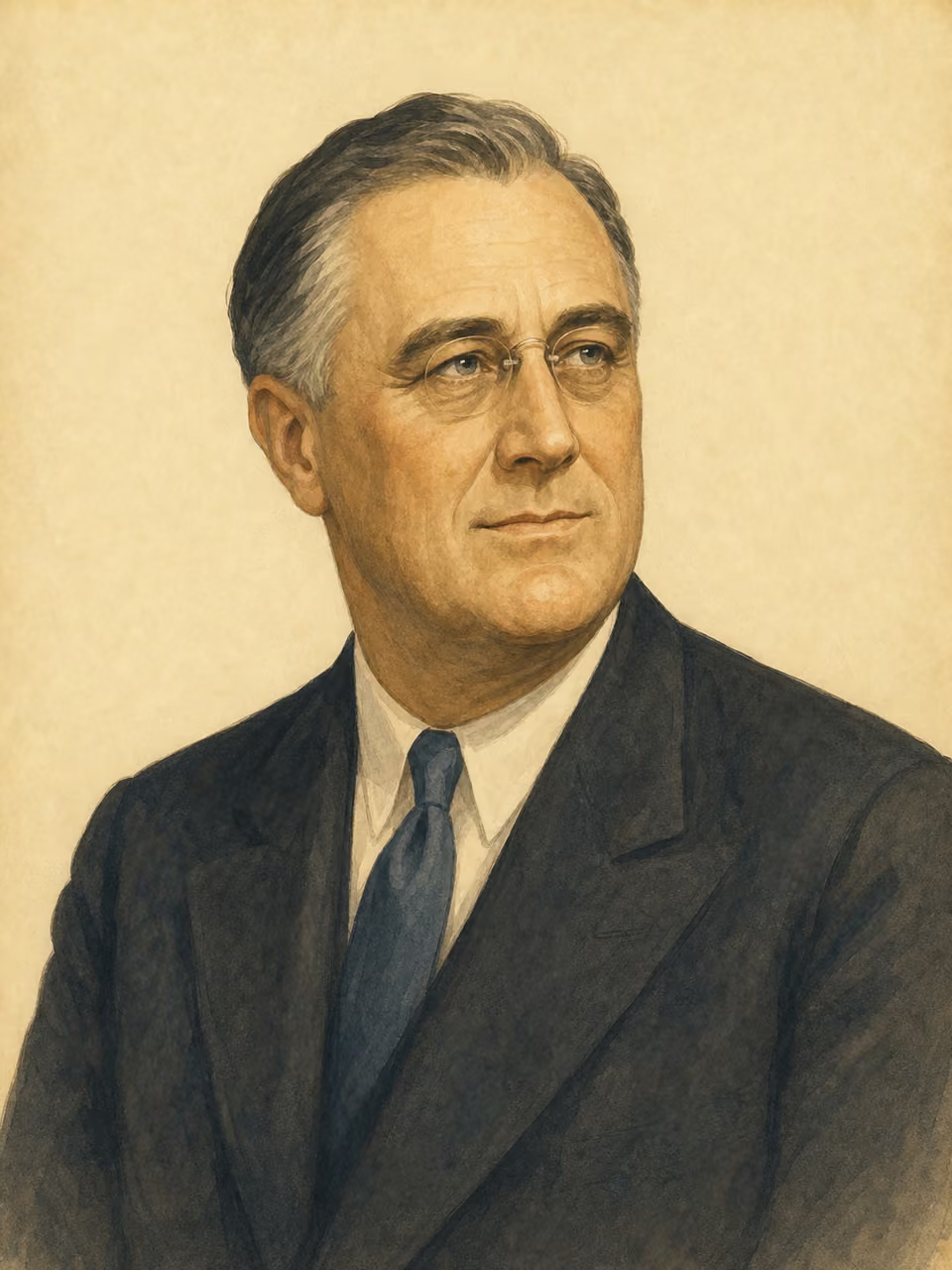
Franklin Delano Roosevelt
U.S. president and Allied leader
Roosevelt set out principles for a postwar order through the Atlantic Charter and sought to connect the wartime alliance to broader international cooperation. He died before the UN opened.
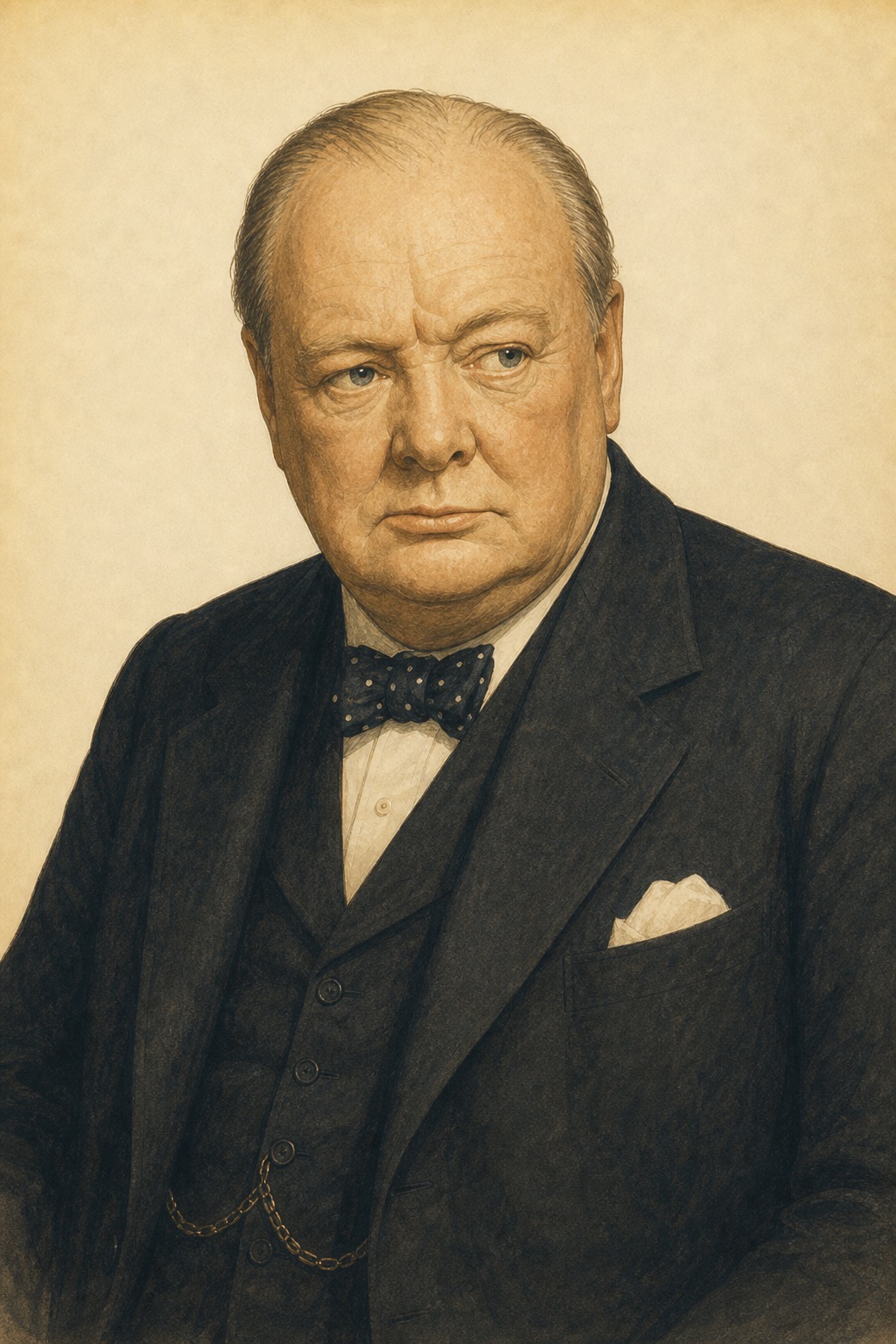
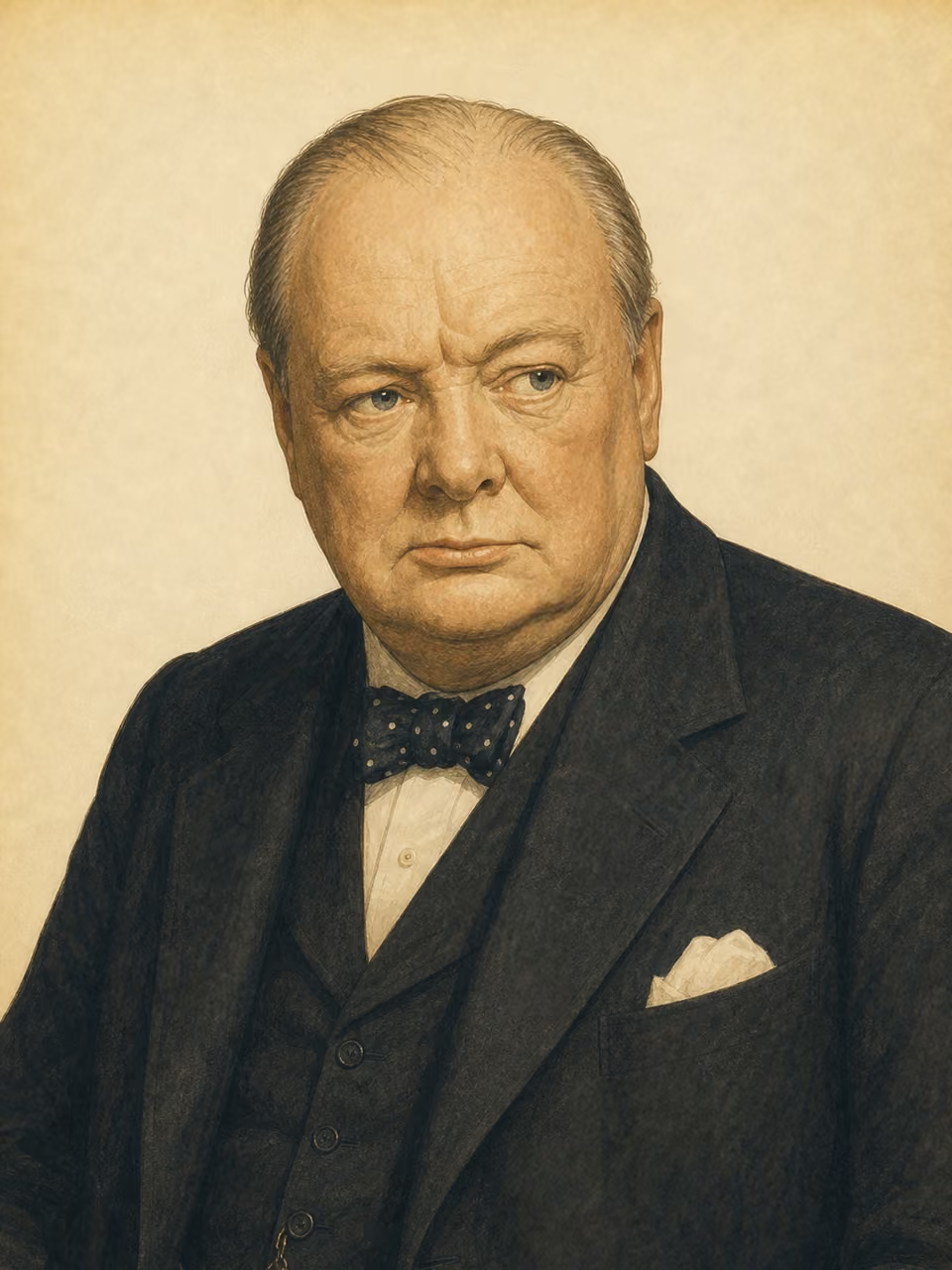
Winston Churchill
British prime minister and wartime leader
Churchill supported the Atlantic Charter and Allied declarations with Roosevelt and led wartime cooperation through the defeat of Germany. His internationalism coexisted with a commitment to empire.
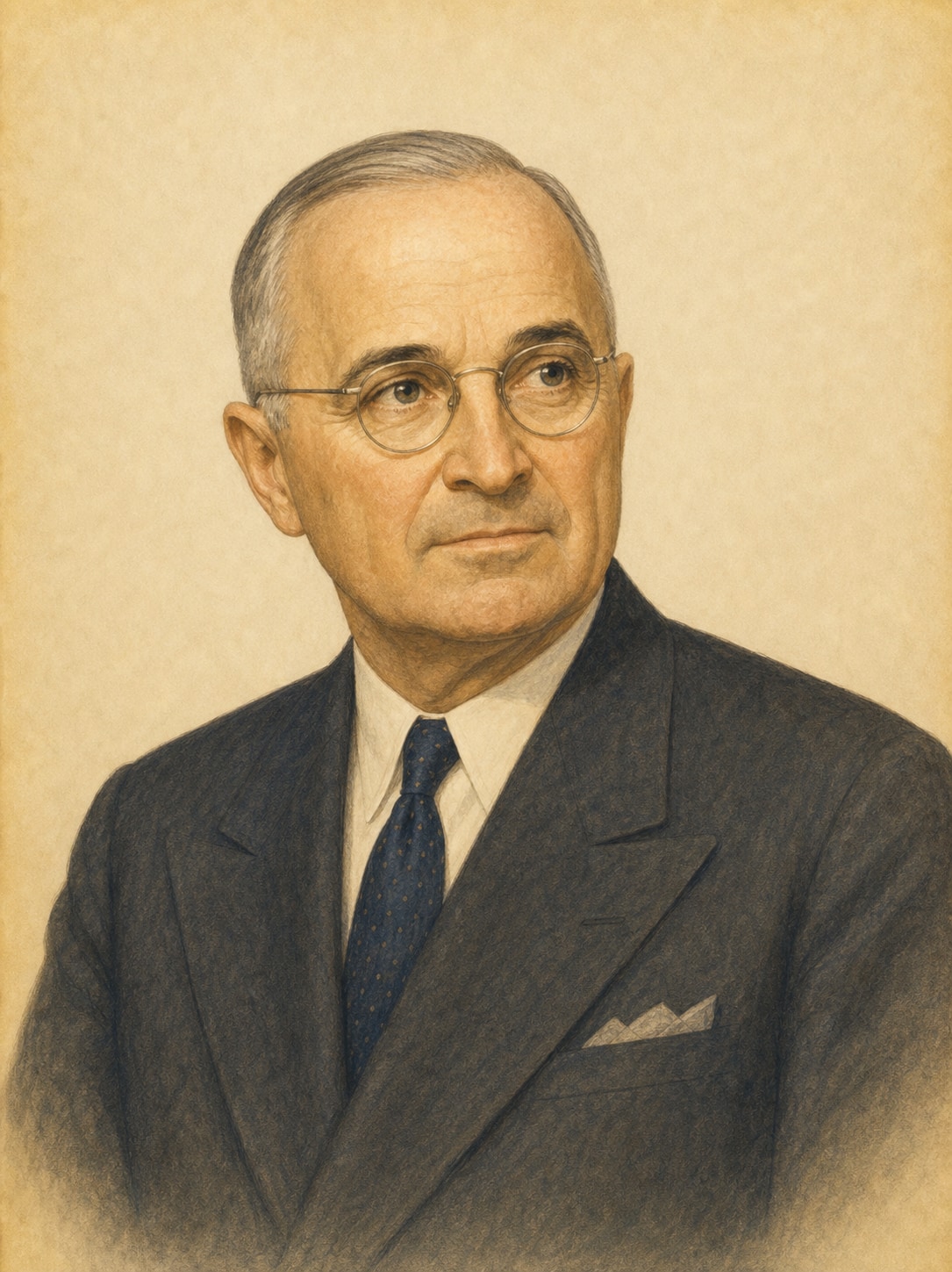
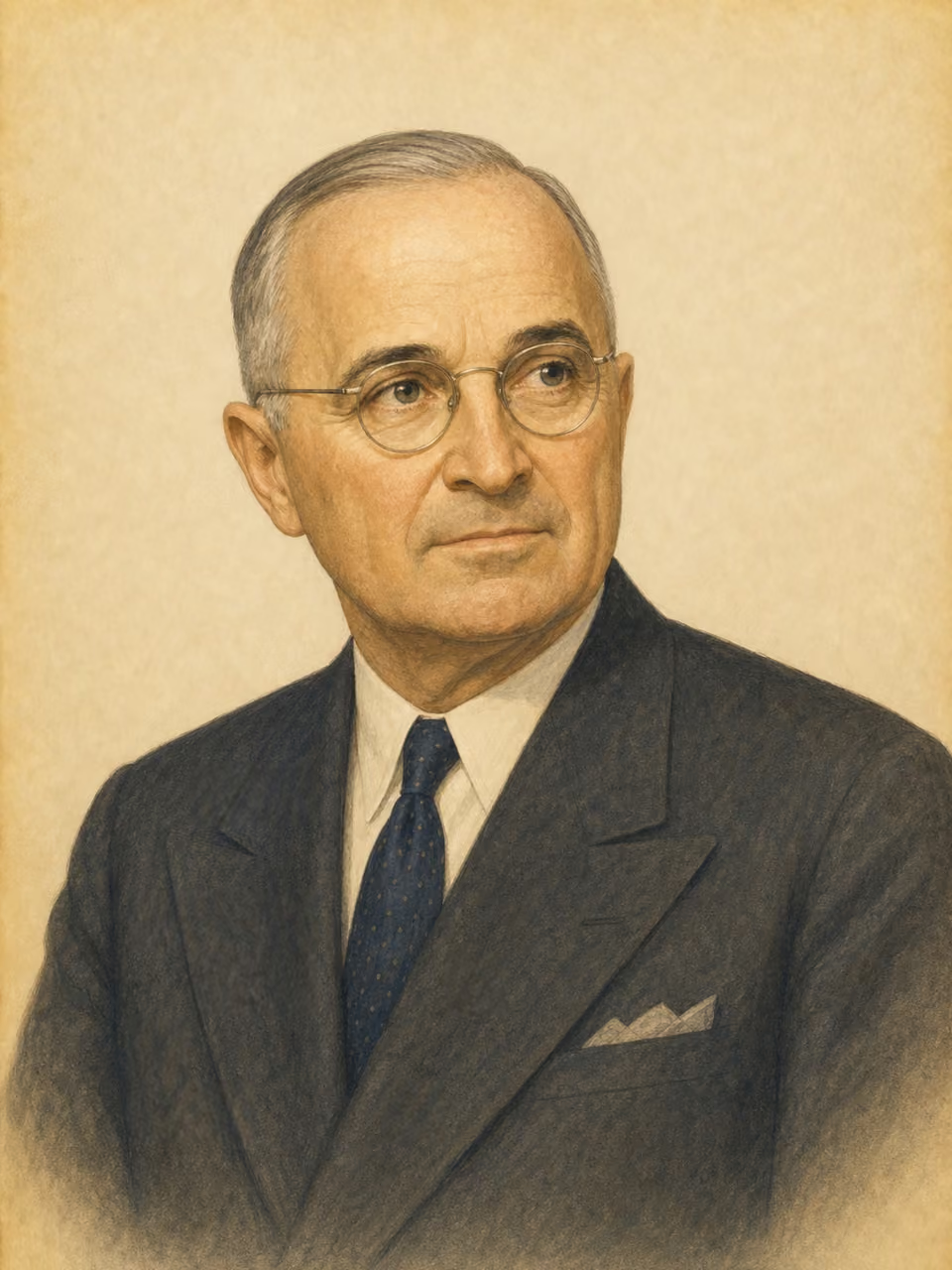
Harry S. Truman
U.S. president during Charter ratification
Truman became president after Roosevelt's death and supported the San Francisco Conference and ratification of the UN Charter. His administration represented the United States when the Charter entered into force.
Related events
1941
The Atlantic Charter
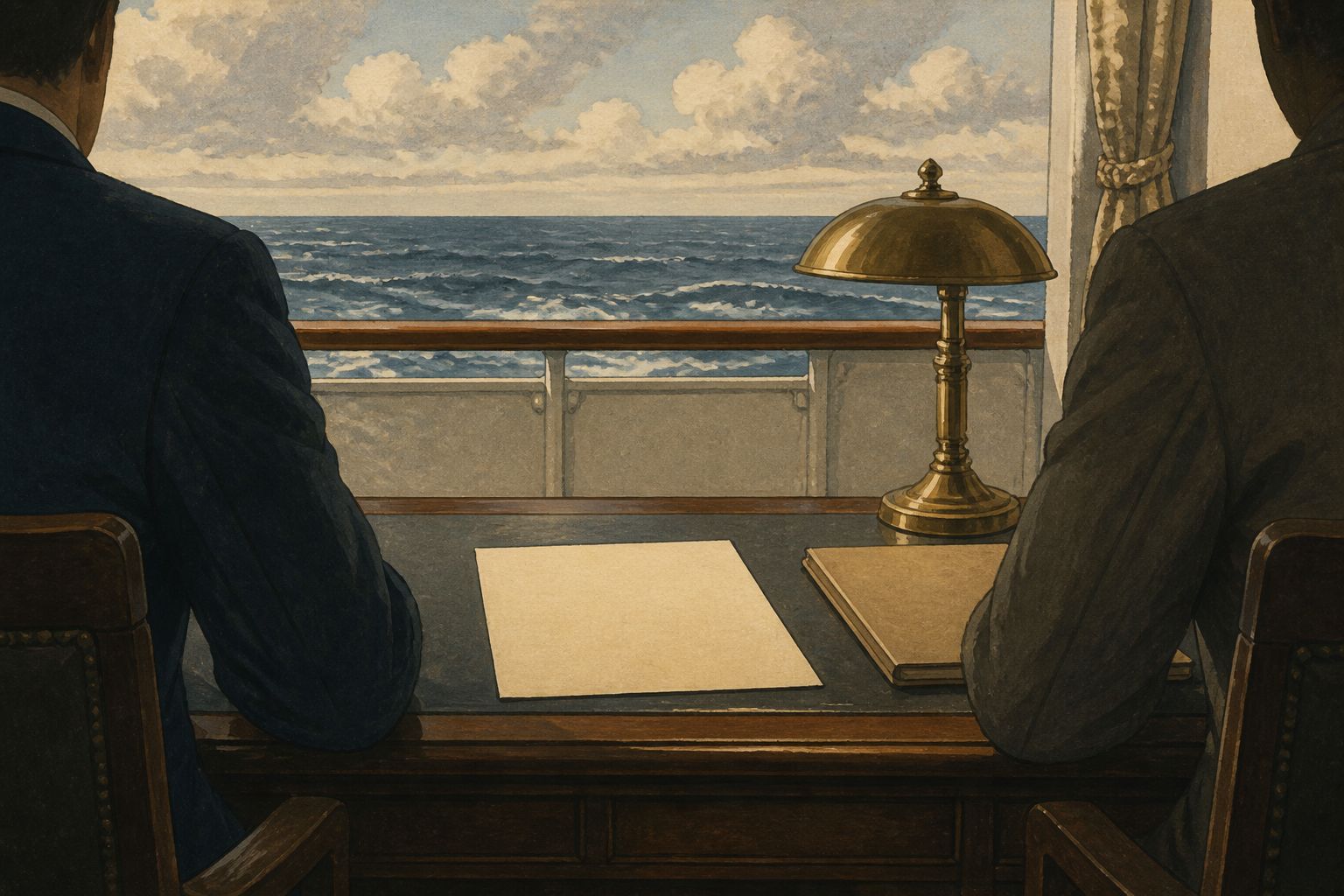
In August 1941 Roosevelt and Churchill announced principles concerning self-determination, trade, and peace after the war. The statement helped orient later international cooperation.
1942
The Declaration by United Nations
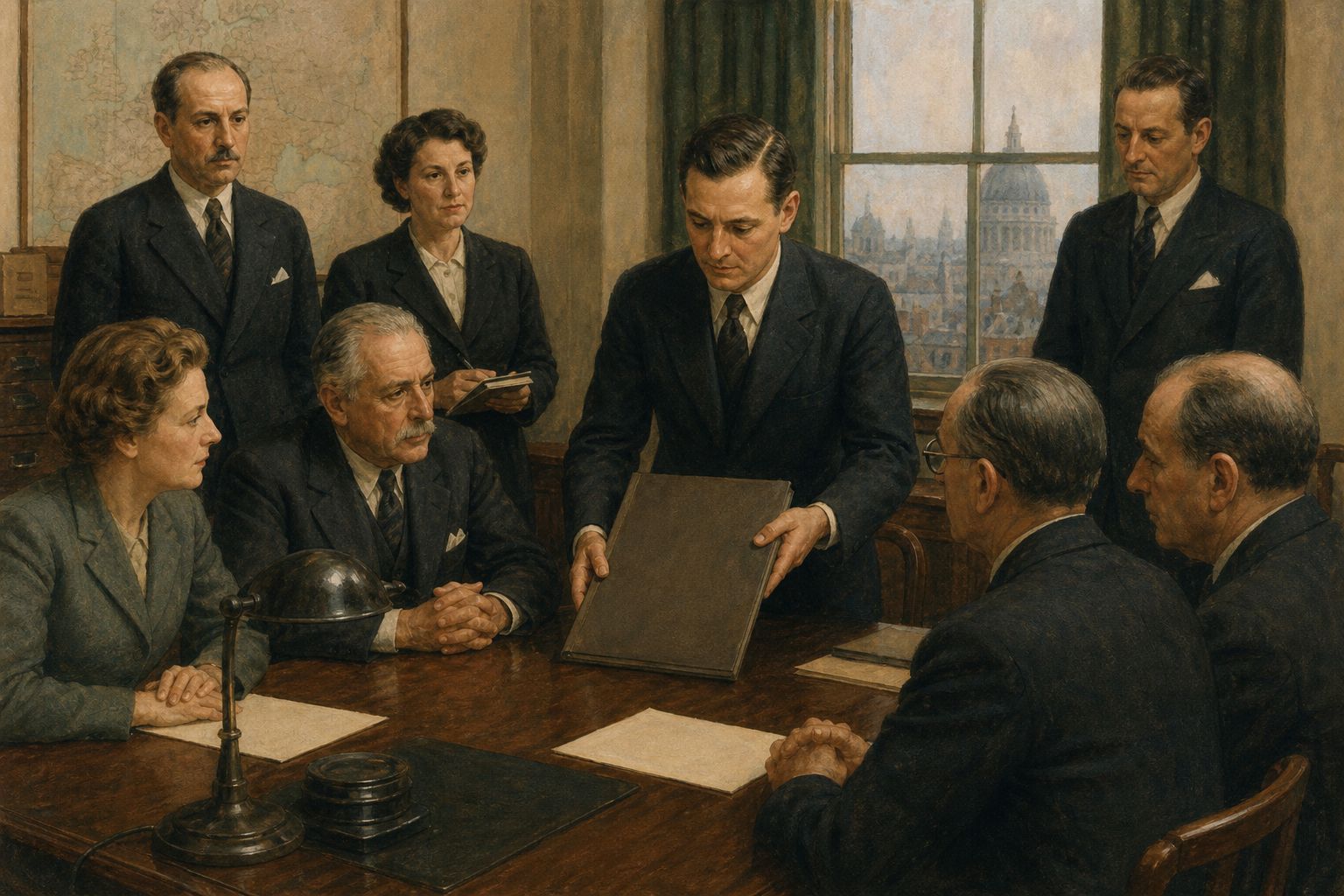
In January 1942, twenty-six states pledged to prosecute the war against the Axis together and not make separate peace. The name United Nations became attached to the wartime coalition.
1944–1945
Designing and signing the Charter
Current event
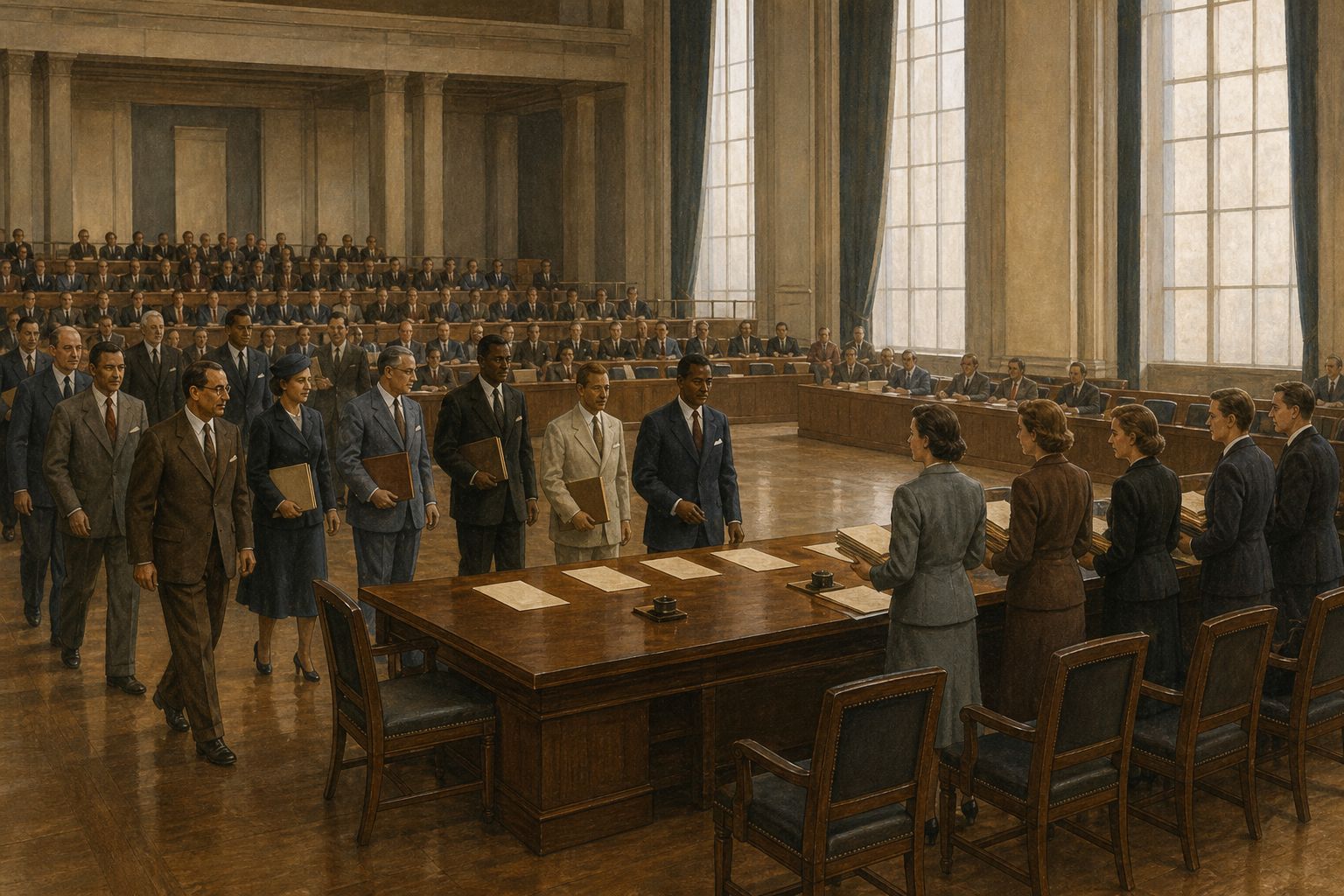
Dumbarton Oaks and Yalta organized the institutional plan and great-power voting formula. At San Francisco in 1945, fifty countries debated and signed the Charter.
1946
Standing institutions begin
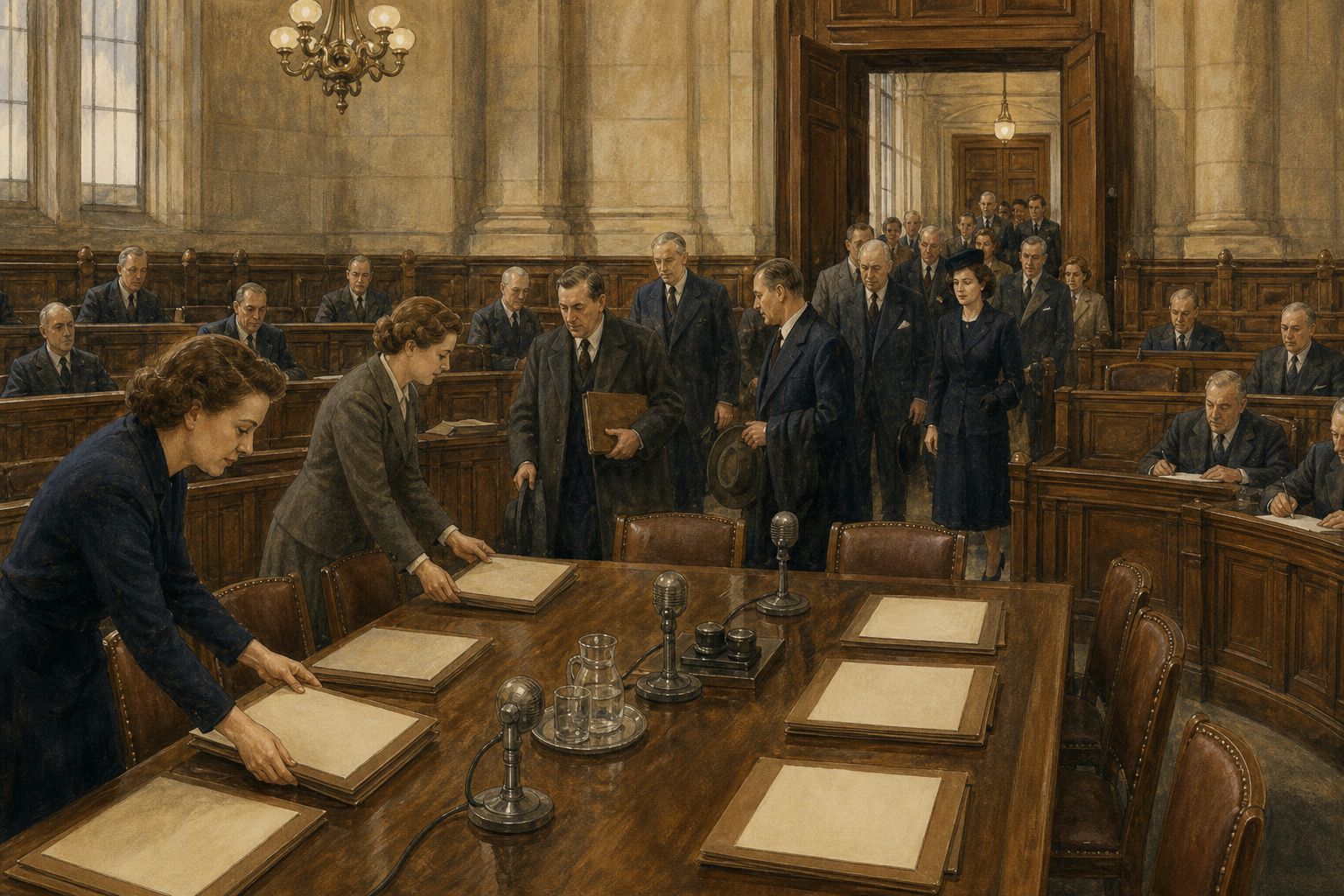
The Charter entered into force on 24 October 1945, and the first General Assembly session and Security Council meetings opened in London in January 1946.
1946–1947
The first Cold War test
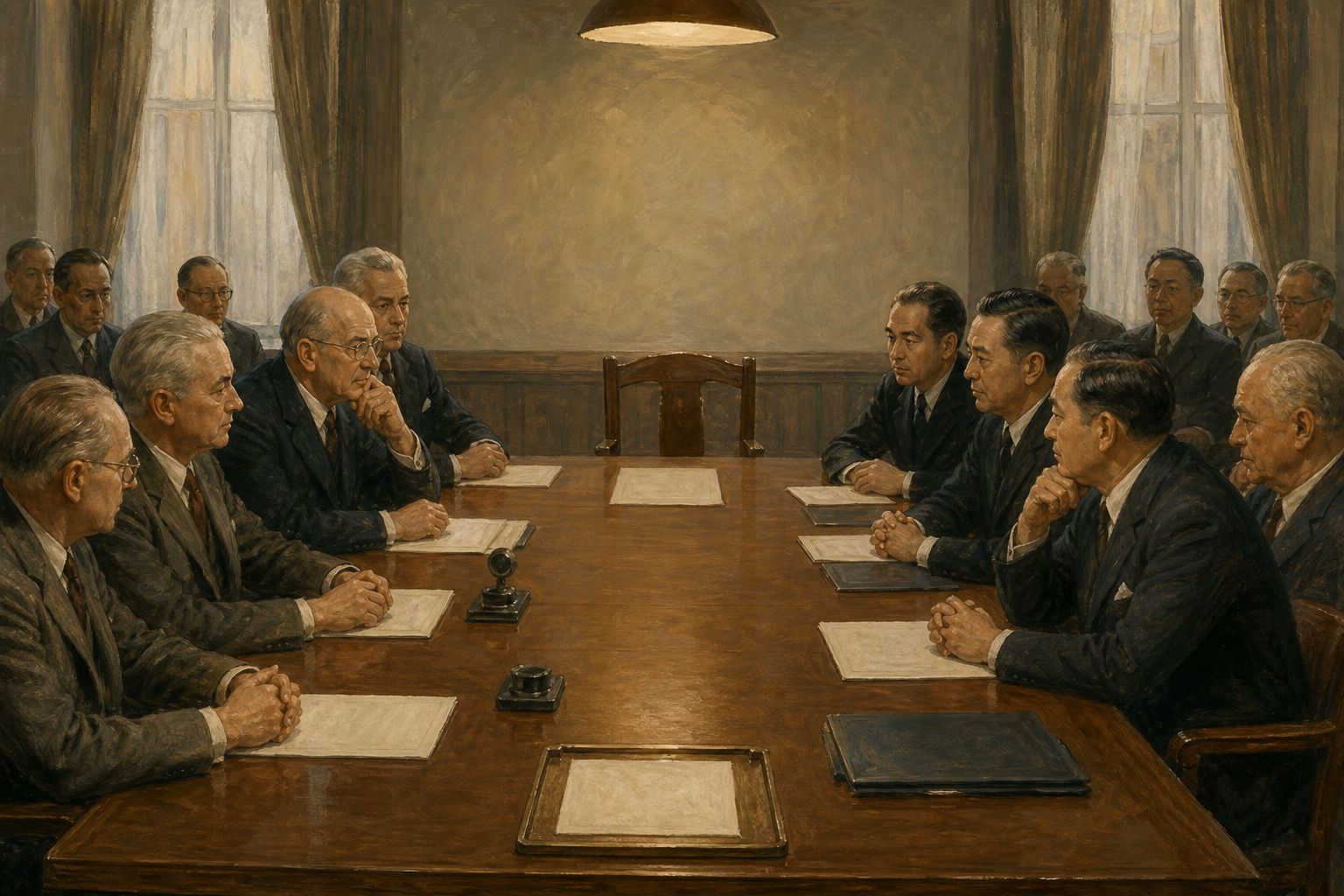
The Security Council confronted vetoes and great-power rivalry, showing that the institutional design had to contain competing forces as well as postwar cooperation.


Sources
- History of the United NationsUnited NationsConfirms the overall founding process and the launch of the UN institutions.
- The Preparatory YearsUnited NationsCovers the Atlantic Charter and the wartime preparation conferences.
- The 1945 San Francisco ConferenceUnited NationsConfirms the San Francisco Conference, participating states, and Charter signing.
- United Nations CharterUnited NationsConfirms the Charter's institutional structure and principles.
- The United NationsU.S. Department of State, Office of the HistorianProvides diplomatic history of the founding process and great-power negotiations.
- United Nations CharterHarry S. Truman Presidential LibraryConfirms the Charter and its place in the Truman administration.
- United Nations CharterU.S. National ArchivesProvides the Charter as a foundational historical document.
- General Assembly: First SessionUnited Nations Research GuideConfirms the first session of the General Assembly in 1946.
- Security Council: Meetings in 1946United Nations Research GuideConfirms the Security Council's early meetings.
- Security Council VetoUnited Nations Research GuideConfirms the institutional role of the veto and its implications.