
French Wars of Religion
1562–1598
A sequence of civil wars from 1562 to 1598 in which Catholic–Huguenot conflict intersected with dynastic succession, noble rivalry, and foreign intervention. It was not one uninterrupted battle but repeated warfare separated by truces.

- Period
- 1562–1598
- Kind
- War
- Regions
- Europe
- Keywords
- Huguenots · Catholic League · Henry IV · Edict of Nantes · civil war
Follow the story · Four stages
Background
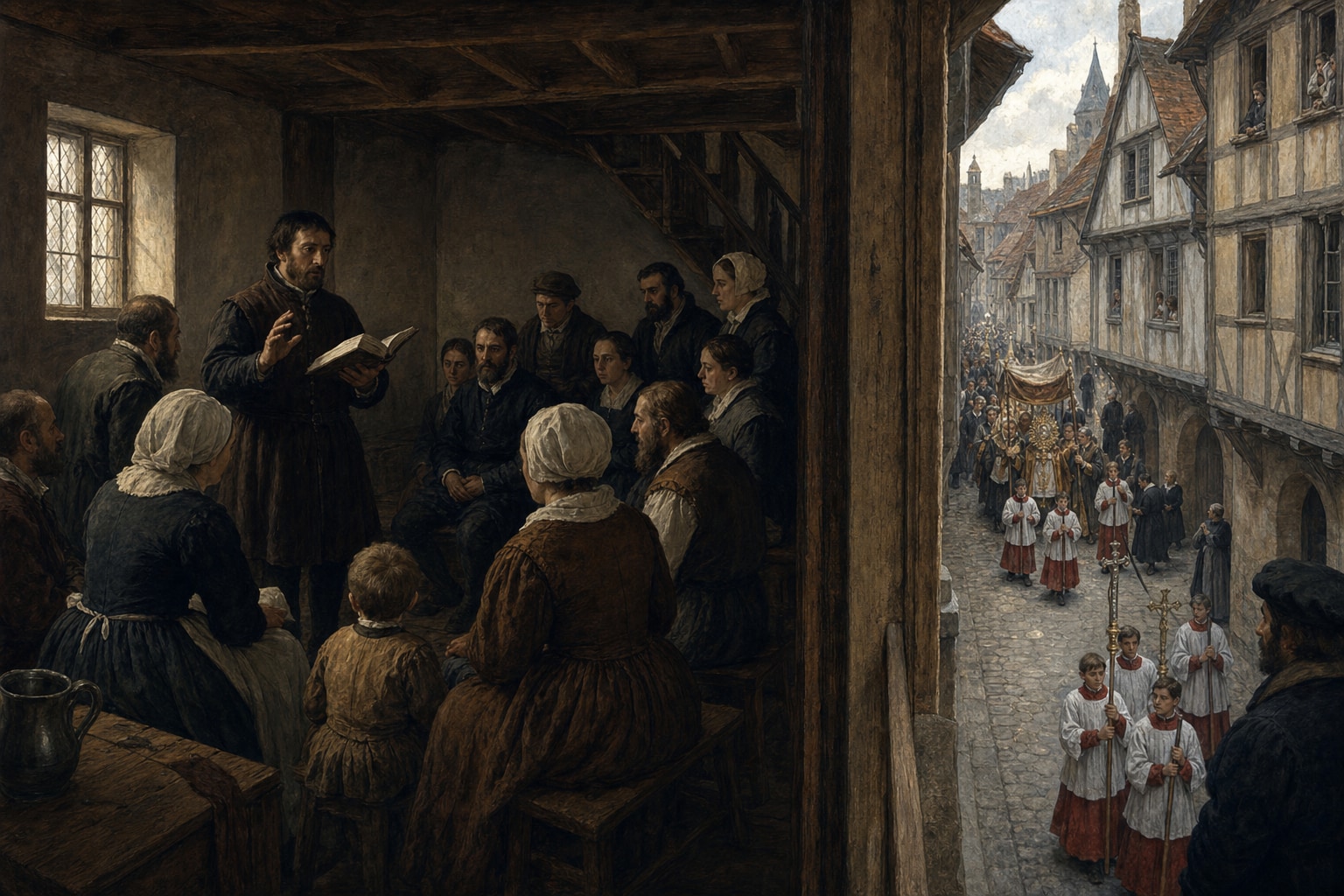
The Reformation divided confessional communities, while Catherine de' Medici helped sustain royal government during minorities. Weakened monarchy, aristocratic factions, succession disputes, and powers including Spain militarized religious tensions.
- The spread of Protestant reform divided communities that had long shared Catholic institutions.
- The 1534 Affair of the Placards hardened royal policy, while the Valois monarchy struggled to contain rival noble factions.
- Catherine de' Medici pursued compromise and royal authority, but the killing at Vassy in 1562 helped turn tension into war.
Course
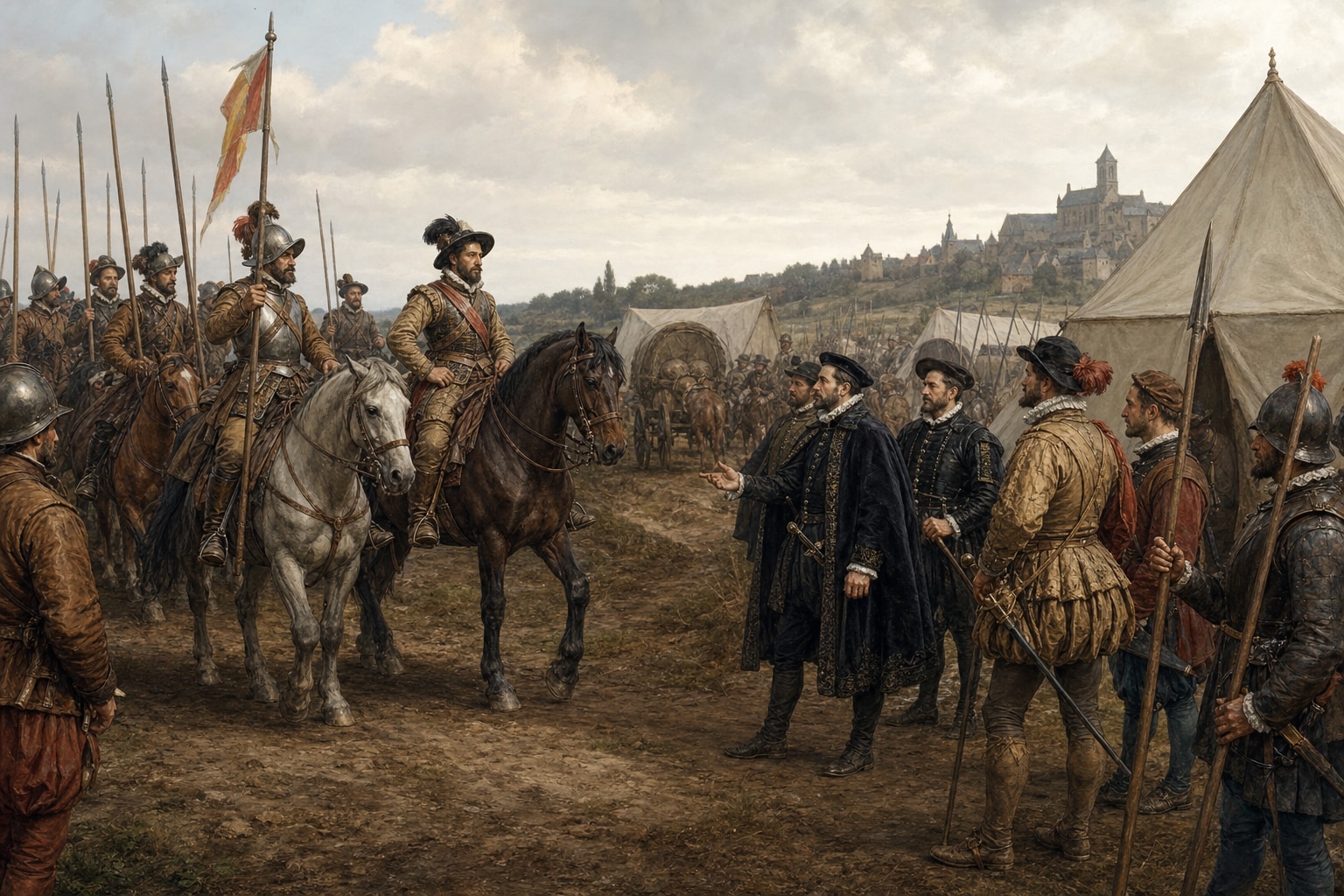
War followed the violence at Vassy and developed through battles, sieges, massacres, and the conflict of the Three Henrys. Bodin opposed renewed war finance, Montaigne worked for conciliation and supported Henry of Navarre, and Philip II intervened for the Catholic side.
- Eight wars followed in uneven cycles of fighting, truces, and renewed violence between Huguenot and Catholic forces.
- Urban massacres, sieges, and shifting noble alliances made the conflict political as well as confessional.
- Philip II's support for the Catholic League and other foreign interventions widened the struggle beyond France's internal factions.
Outcome
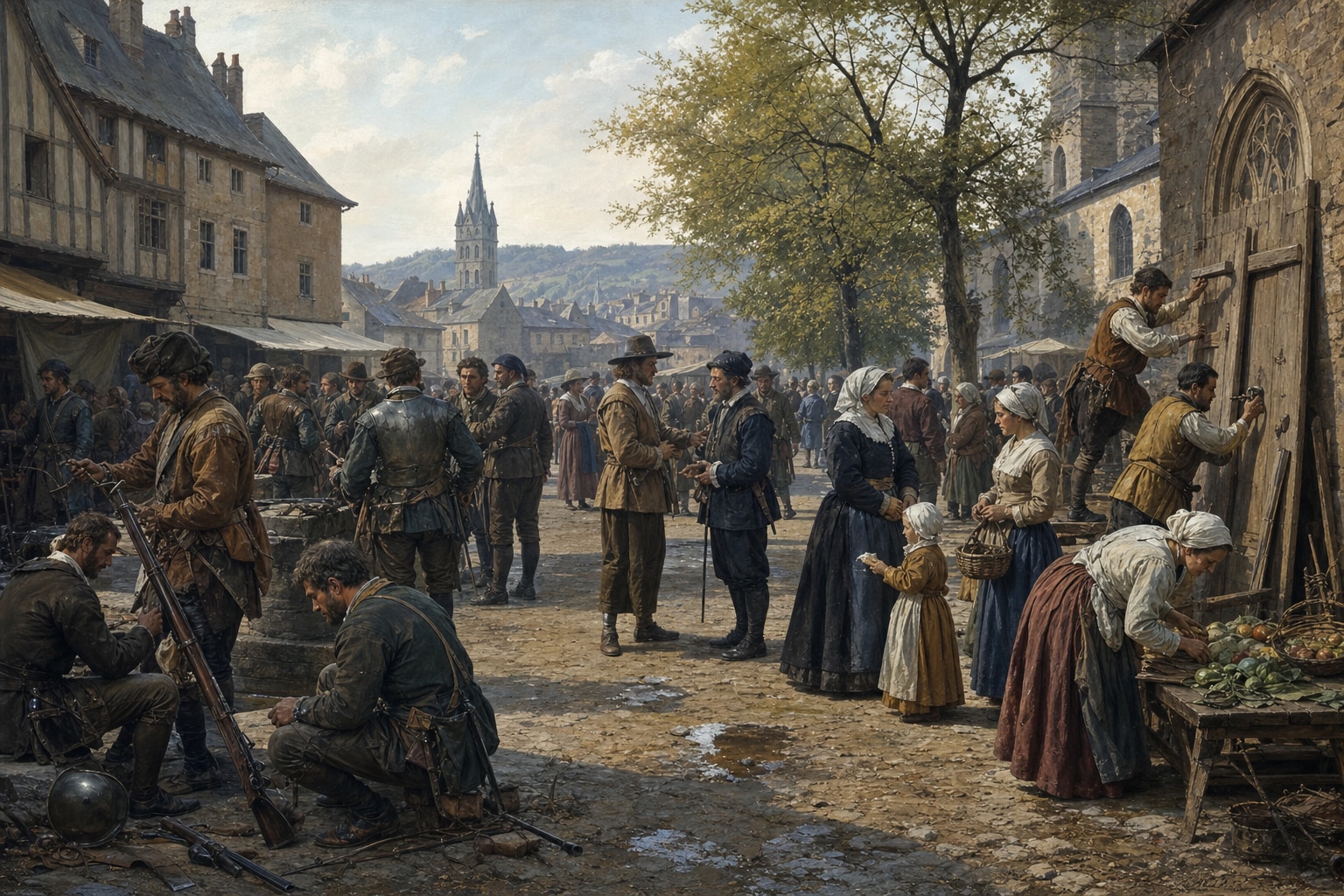
Henry IV secured the crown through conversion and military success, and the Edict of Nantes in 1598 established limited confessional coexistence. Open war ended, but religious inequality and tension remained.
- Henry of Navarre secured the Bourbon claim after converting to Catholicism and entered Paris as Henry IV in 1594.
- He defeated or reconciled remaining opponents while restoring royal control over towns and provinces.
- The Edict of Nantes in 1598 granted Huguenots limited rights and brought the cycle of civil wars to a close.
Historical significance
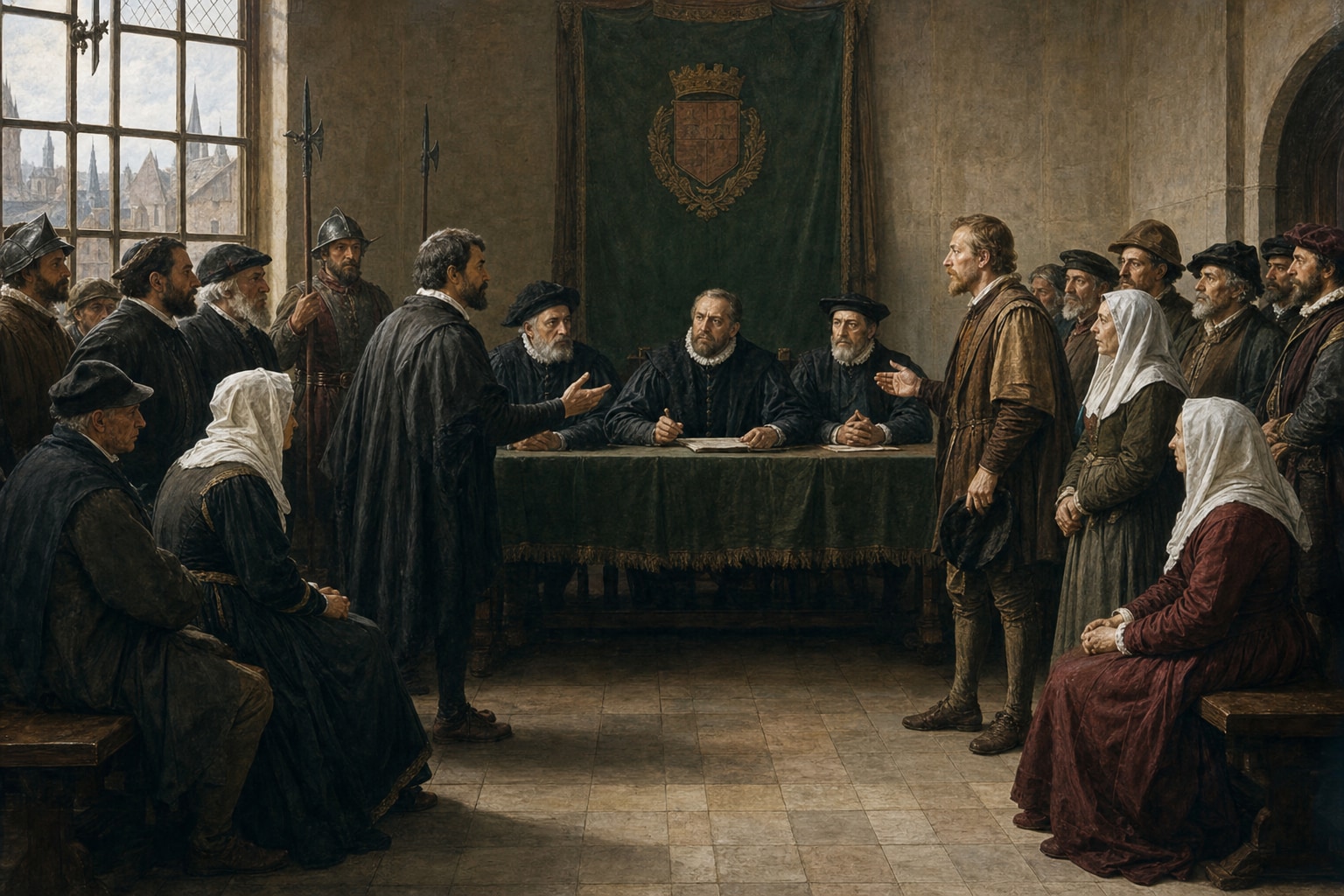
The wars reveal how religion, dynasty, and state formation interacted in early modern politics. They encouraged Bourbon reconstruction and toleration while exposing how compromise depended on royal authority rather than permanent equal rights.
- The settlement created a practical but unequal framework for two confessions to coexist under one crown.
- Thinkers such as Jean Bodin and Michel de Montaigne responded to wartime fracture by defending order, moderation, or conciliation.
- The peace did not erase confessional hostility, and the protections granted in 1598 remained dependent on royal power.


Related figures
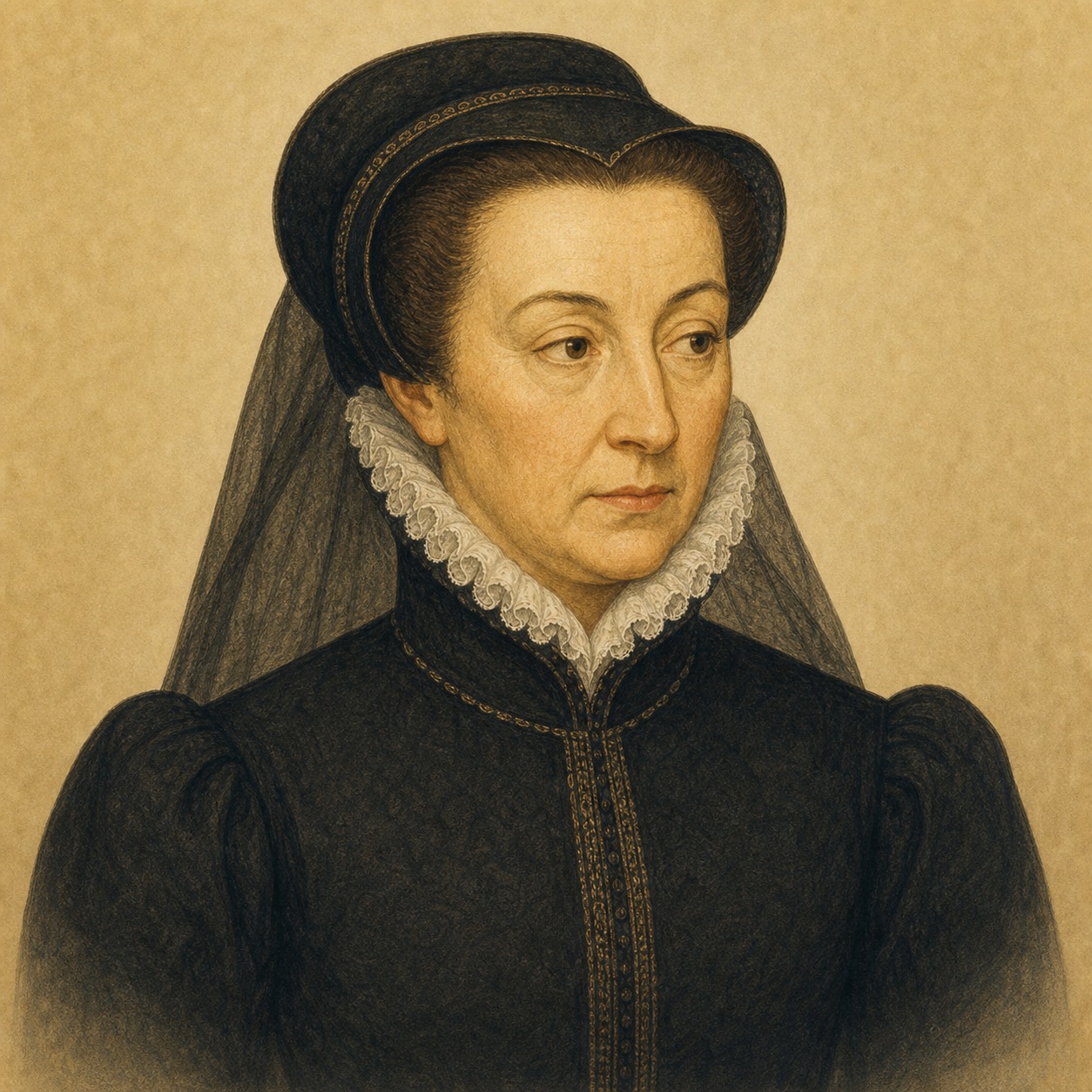
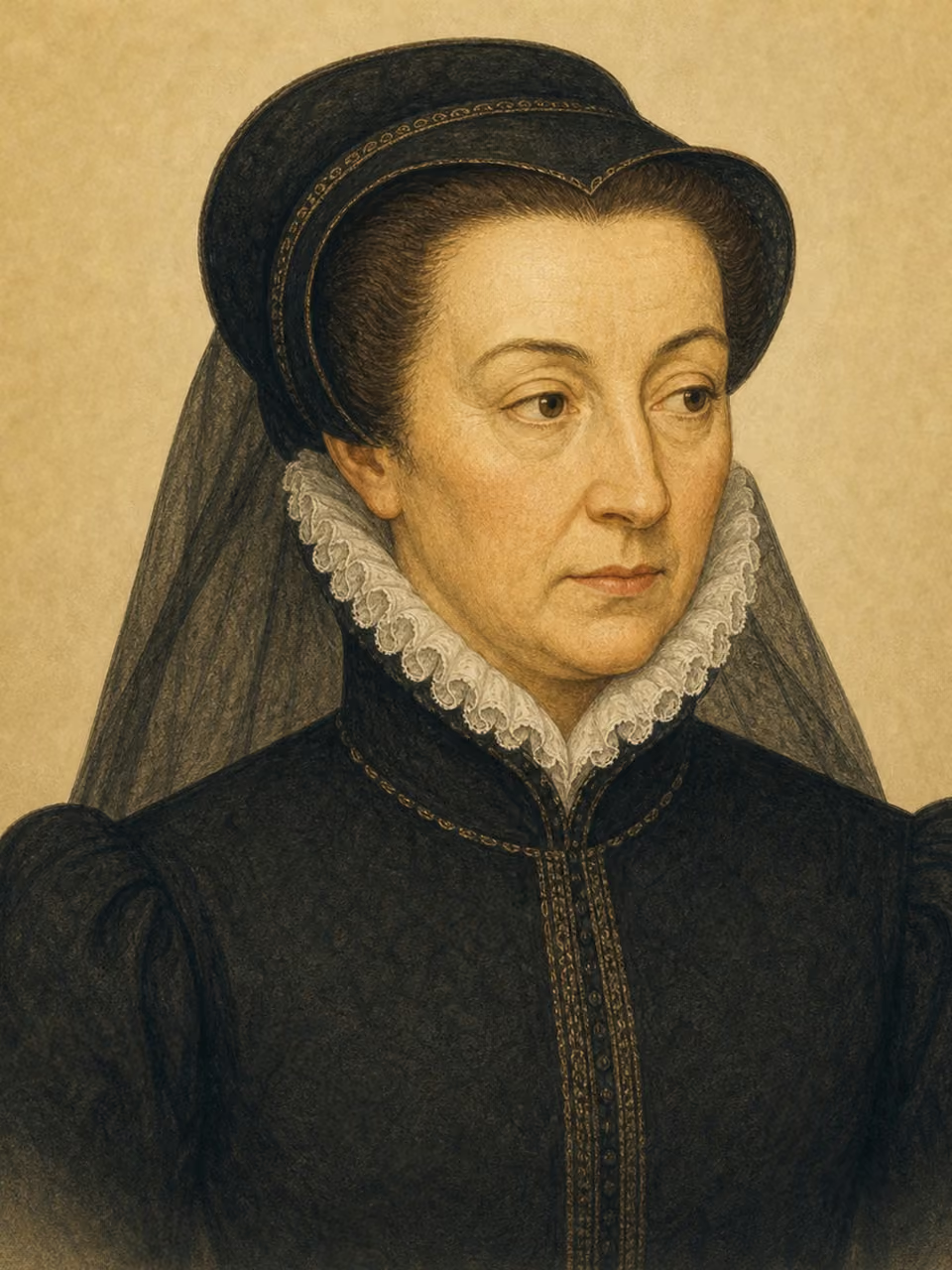
Catherine de' Medici
Royal mediator
As queen mother and regent, she pursued confessional compromise while defending Valois authority.
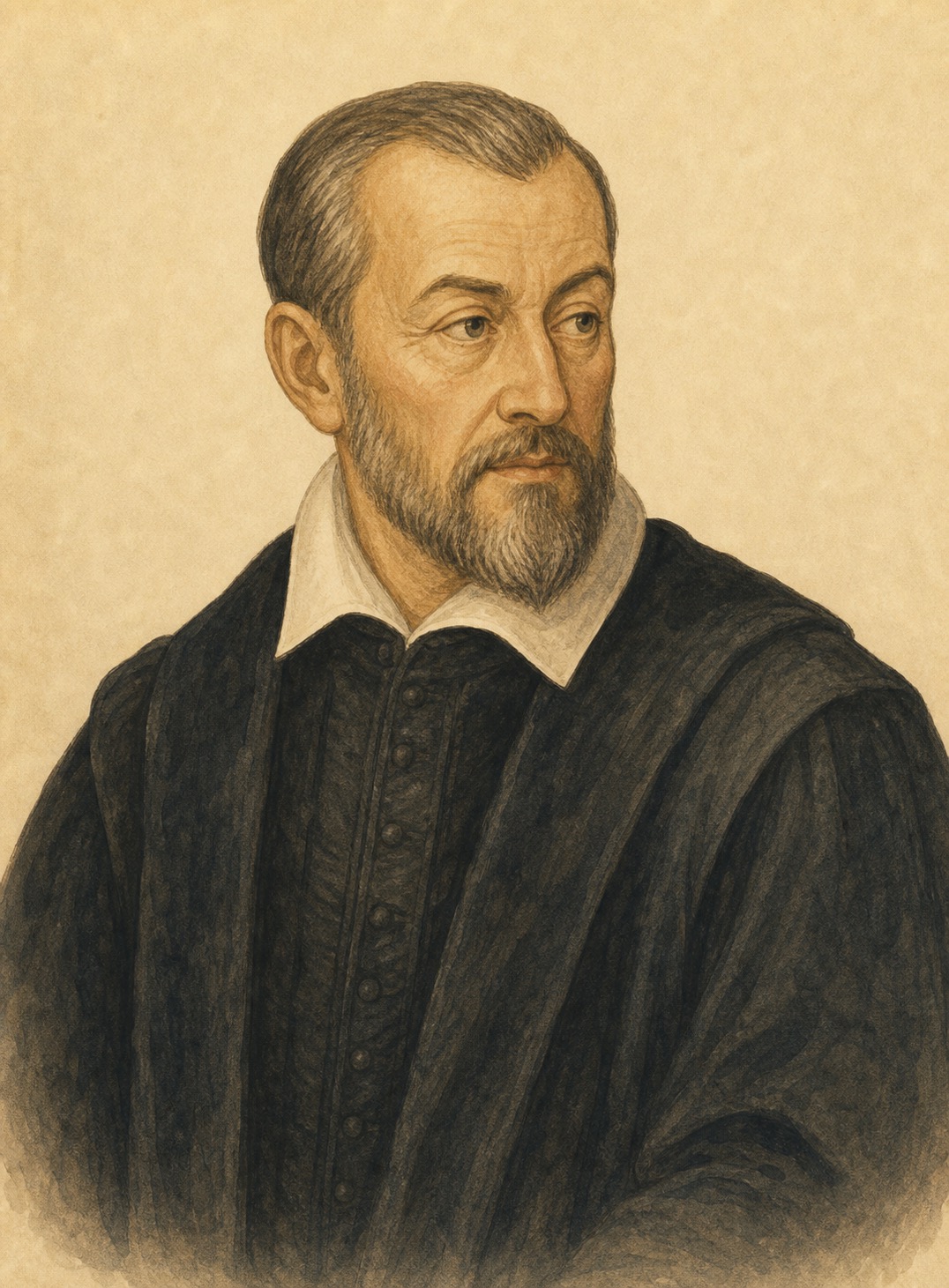
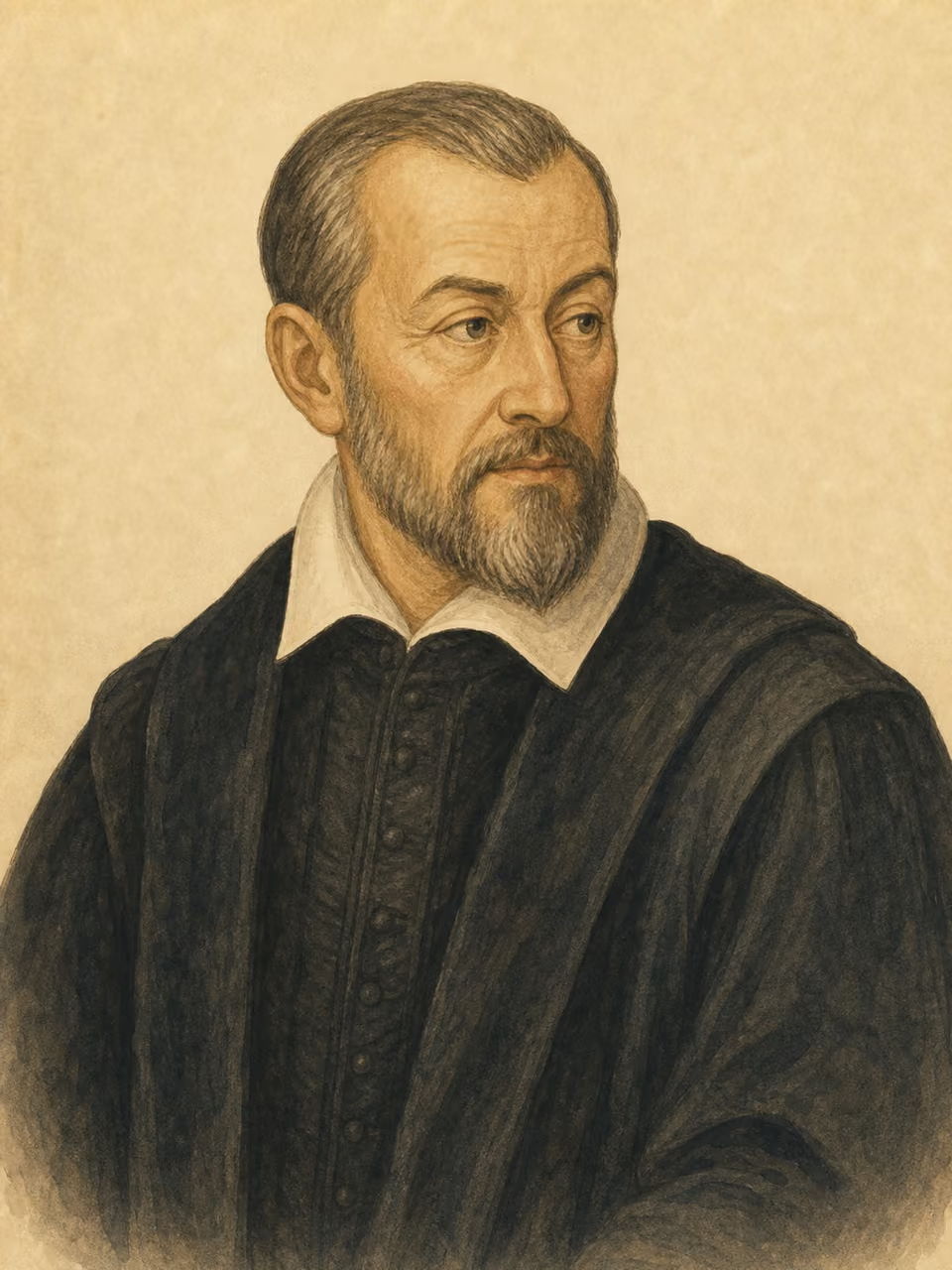
Jean Bodin
Political theorist
As a Third Estate deputy at Blois, he opposed financing another round of religious war.
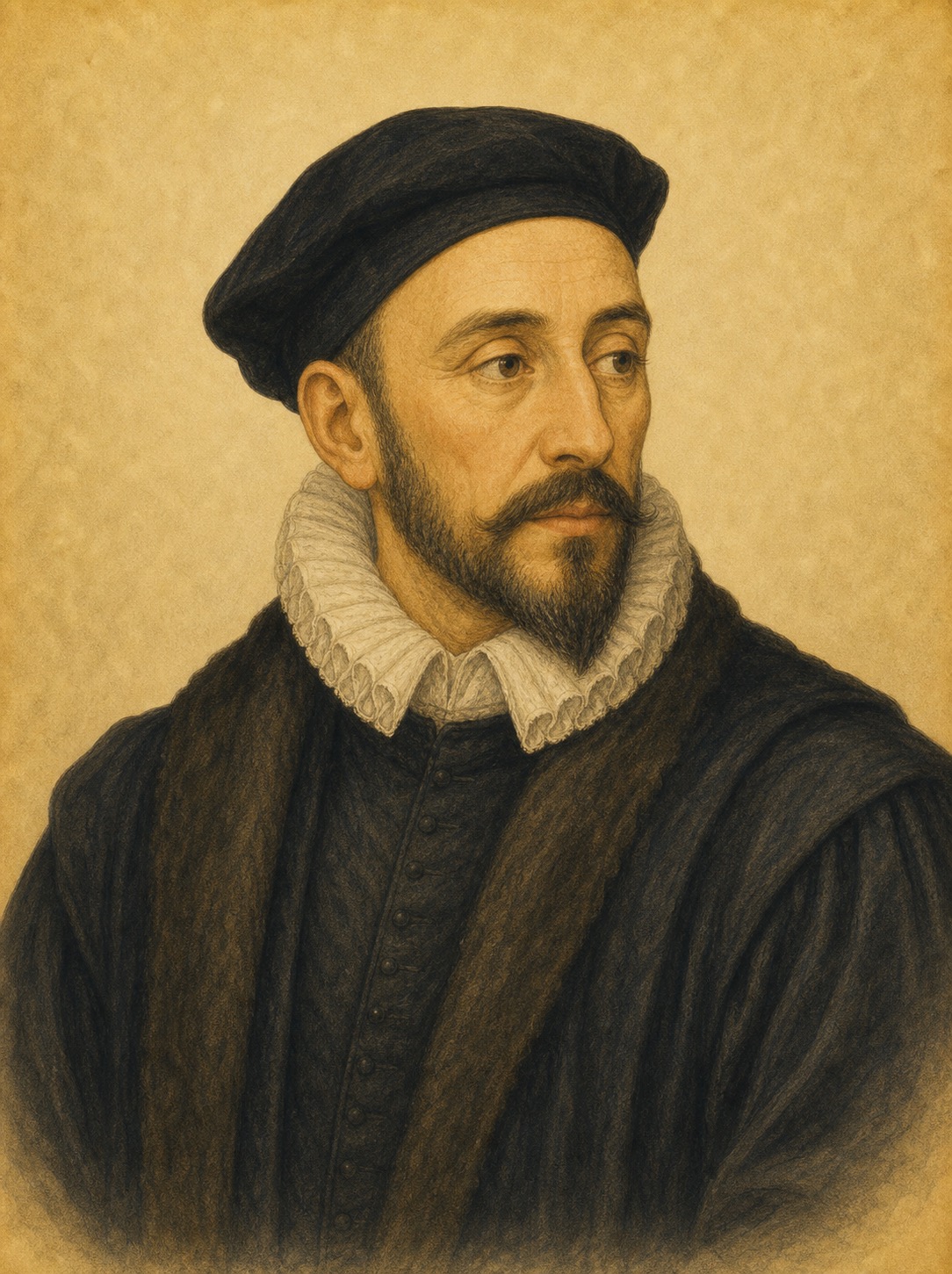
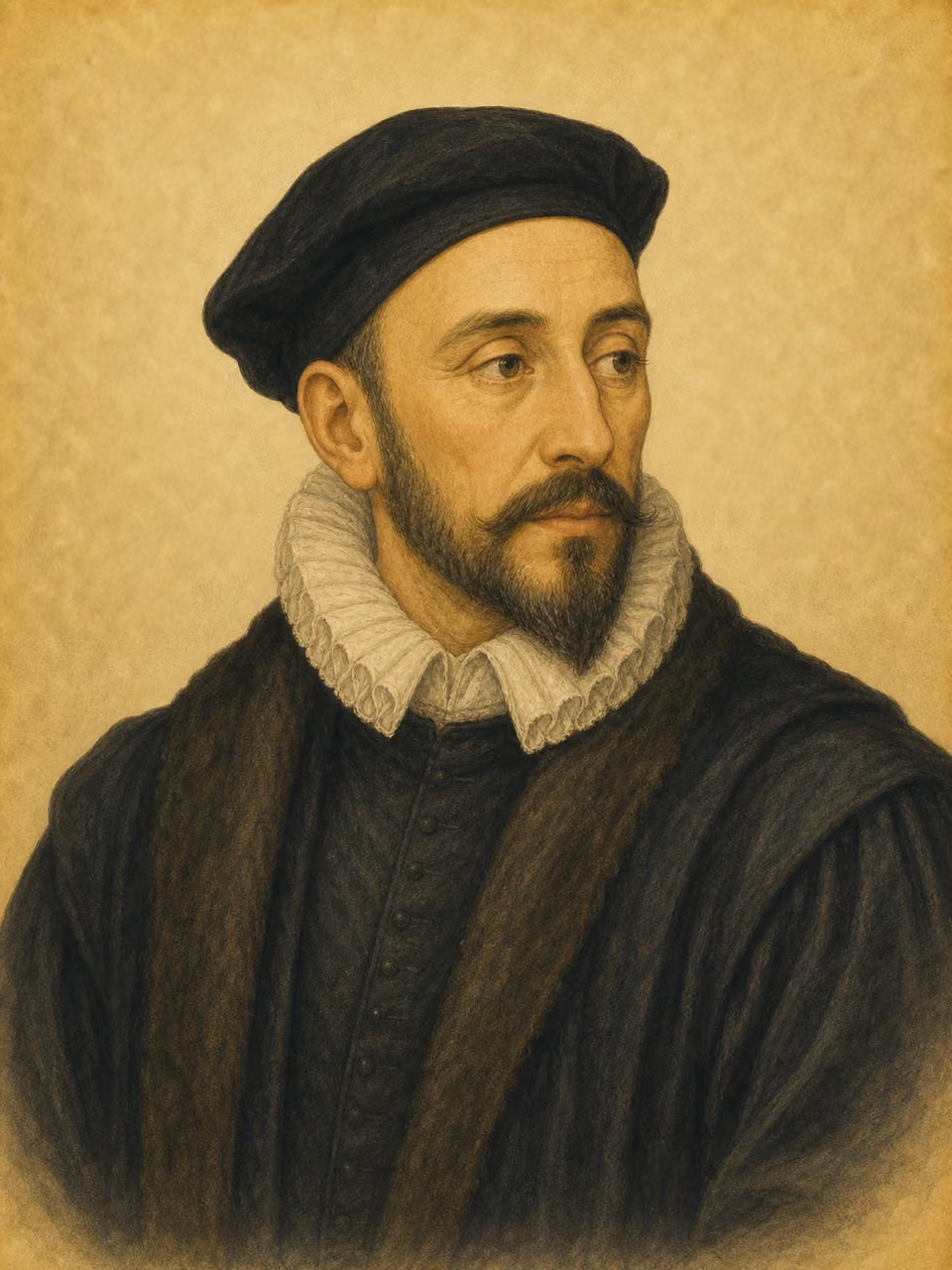
Michel de Montaigne
Conciliator
He advocated moderation and supported Henry of Navarre as Bordeaux mayor and intermediary.
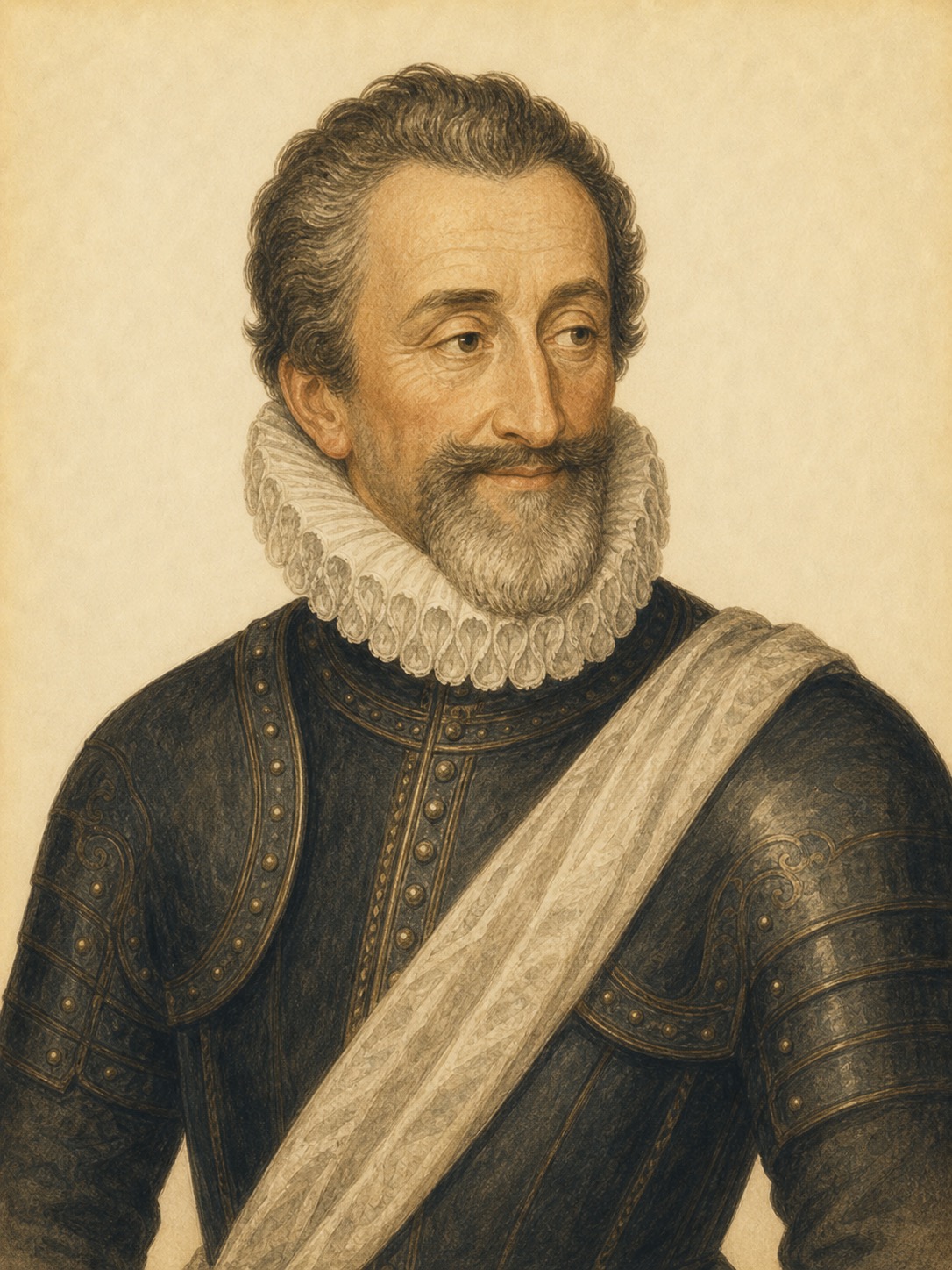
Henry IV of France
Bourbon victor
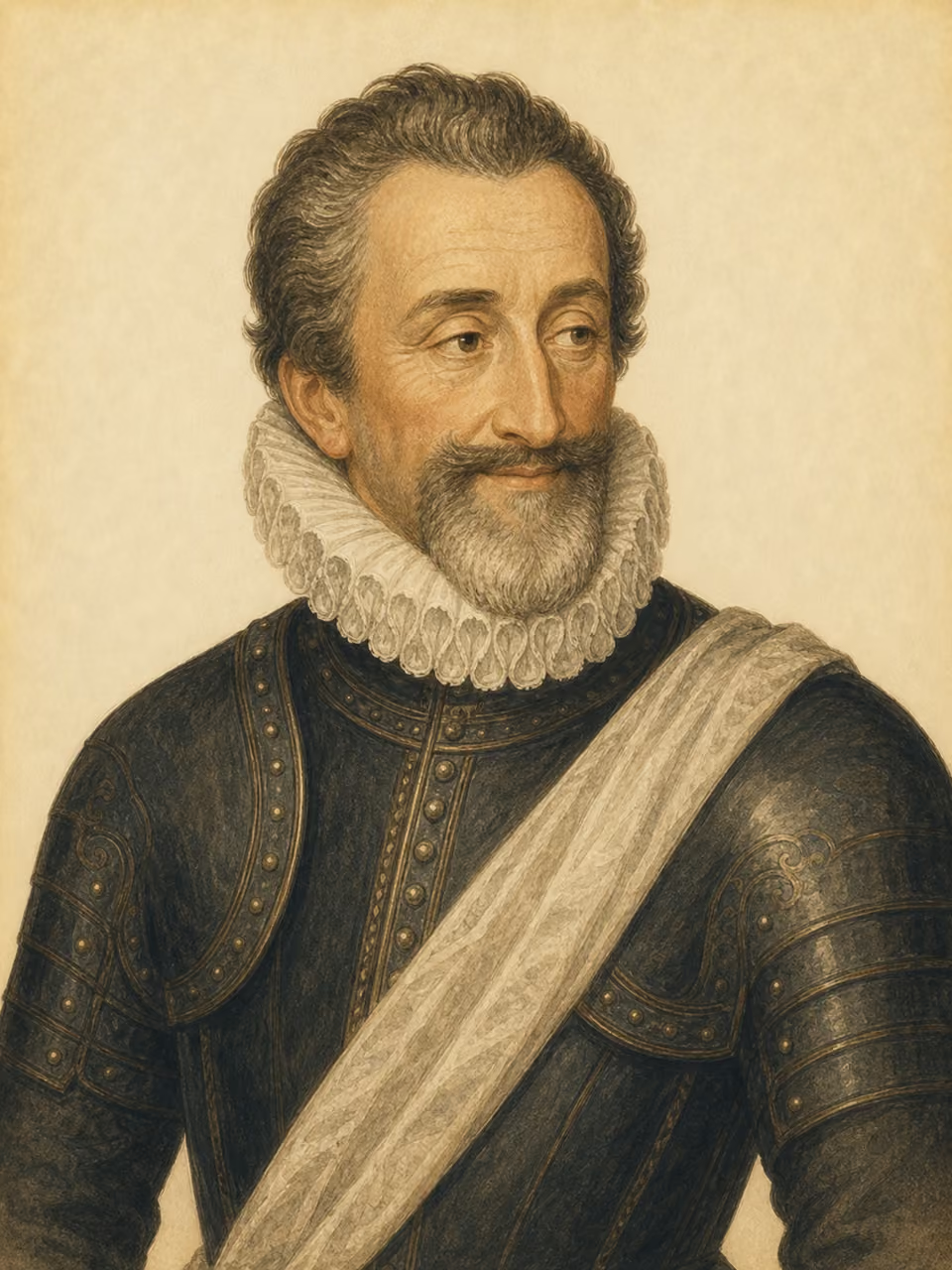
He fought as king of Navarre, secured the crown, and ended the wars through the Edict of Nantes.
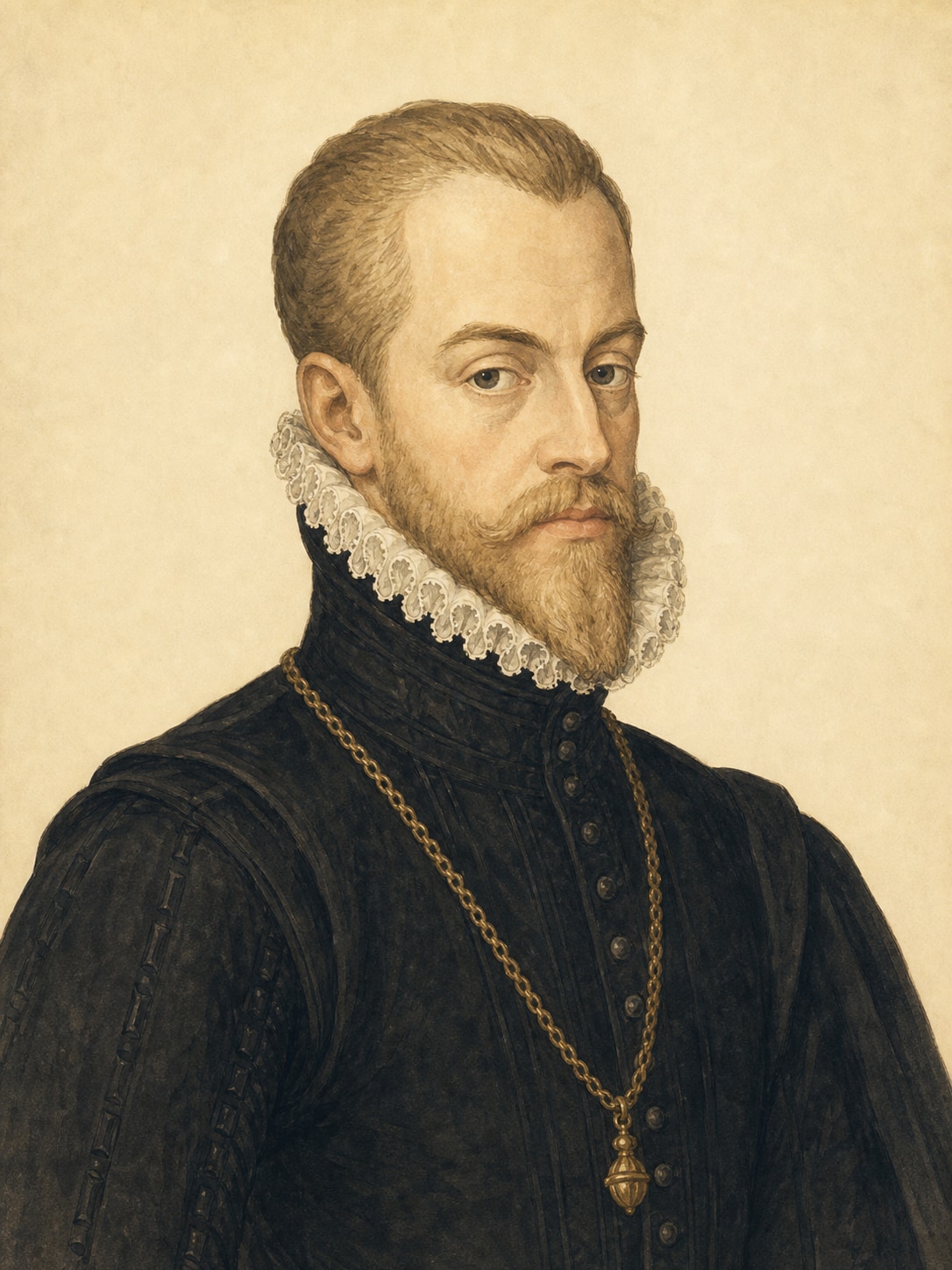
Philip II of Spain
Foreign intervener
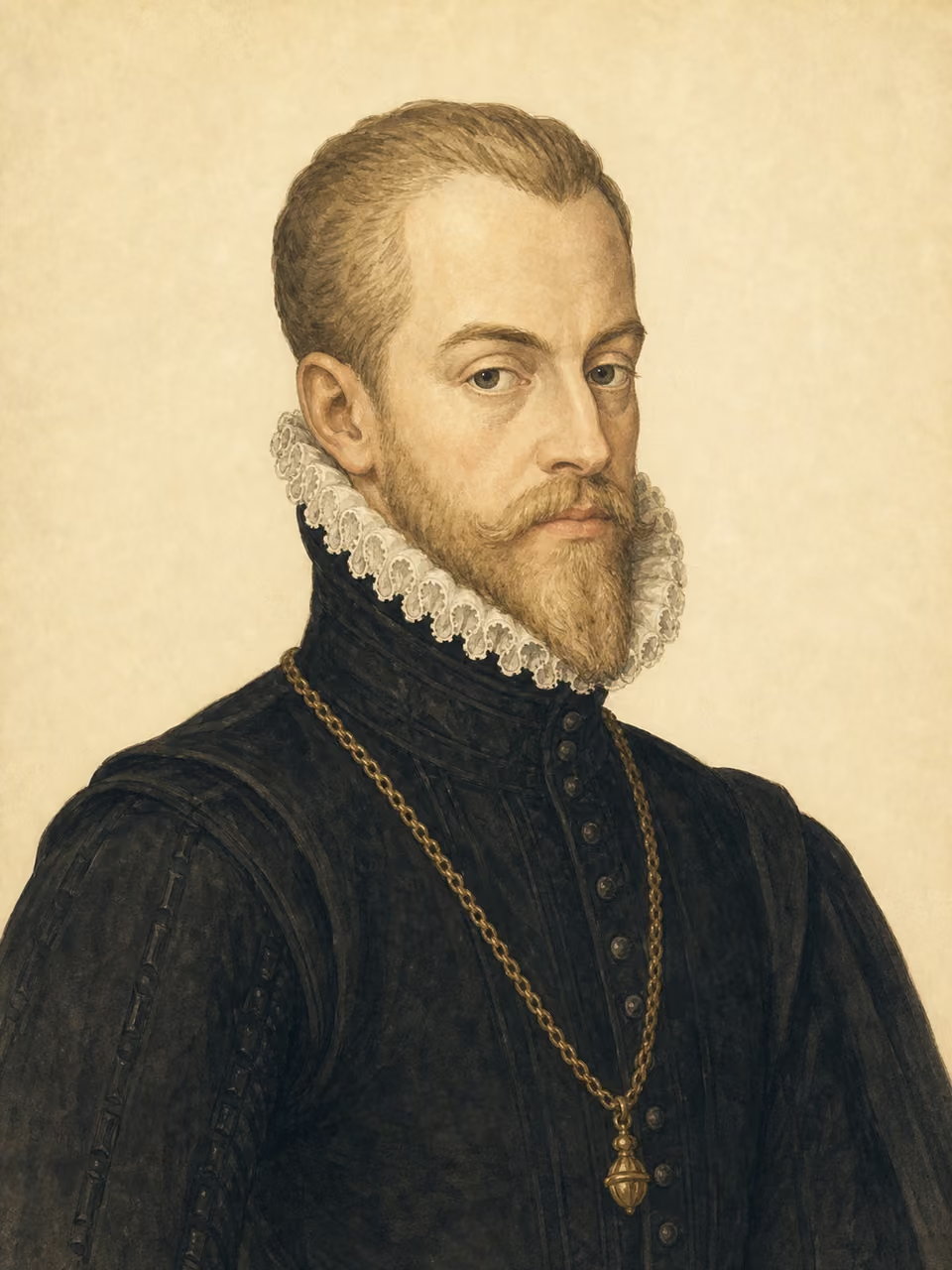
He supported the Catholic League against Henry IV and extended the conflict's international dimension.
Related events
1534
Affair of the Placards

Anti-Catholic placards appeared in several cities, provoking sharper royal repression of Protestants.
1562
Massacre of Vassy
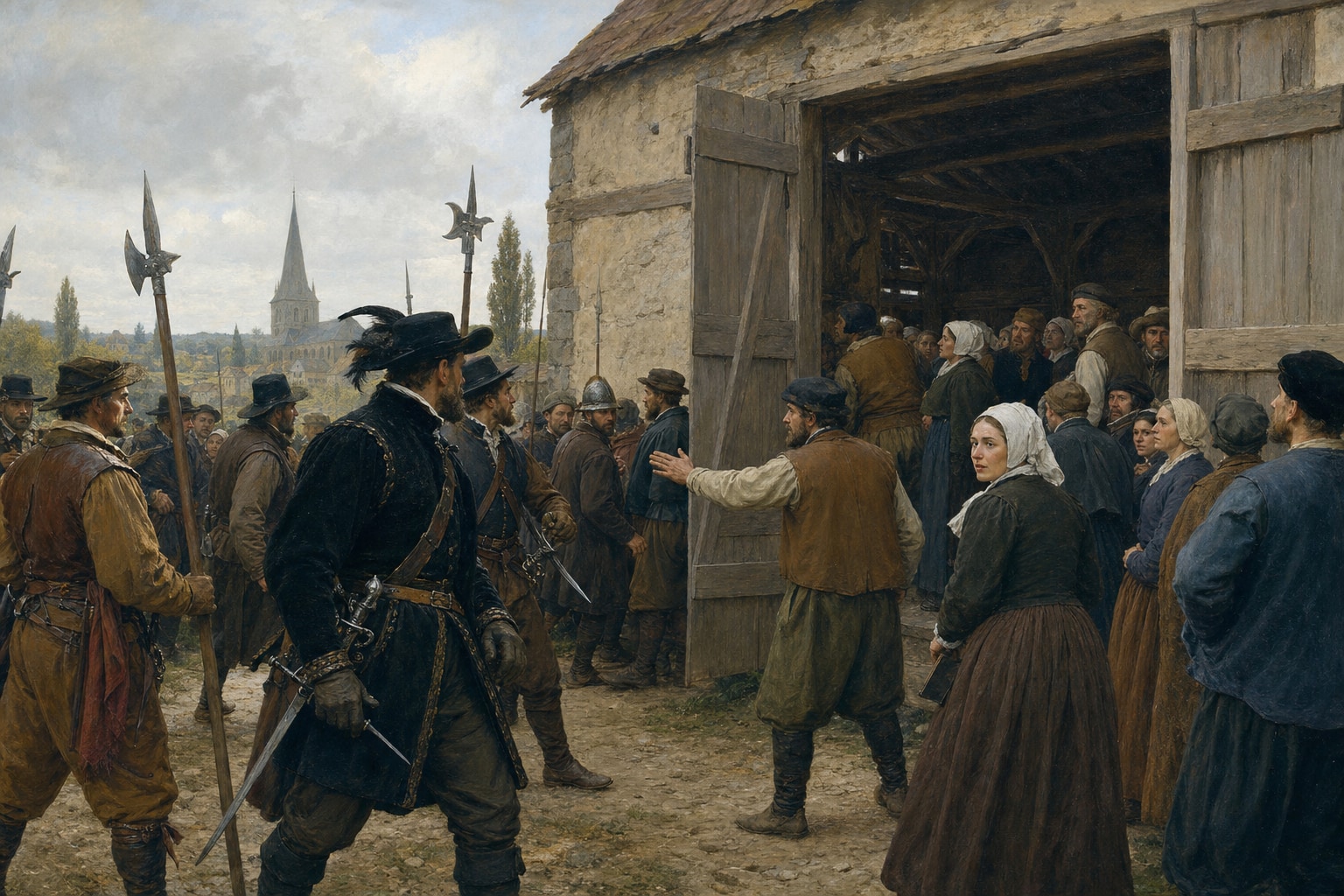
The Duke of Guise's followers attacked a Protestant congregation, helping ignite the first war.
1562–1598
French Wars of Religion
Current event

Eight civil wars repeatedly pitted confessional and political factions against one another.
1594
Henry IV enters Paris
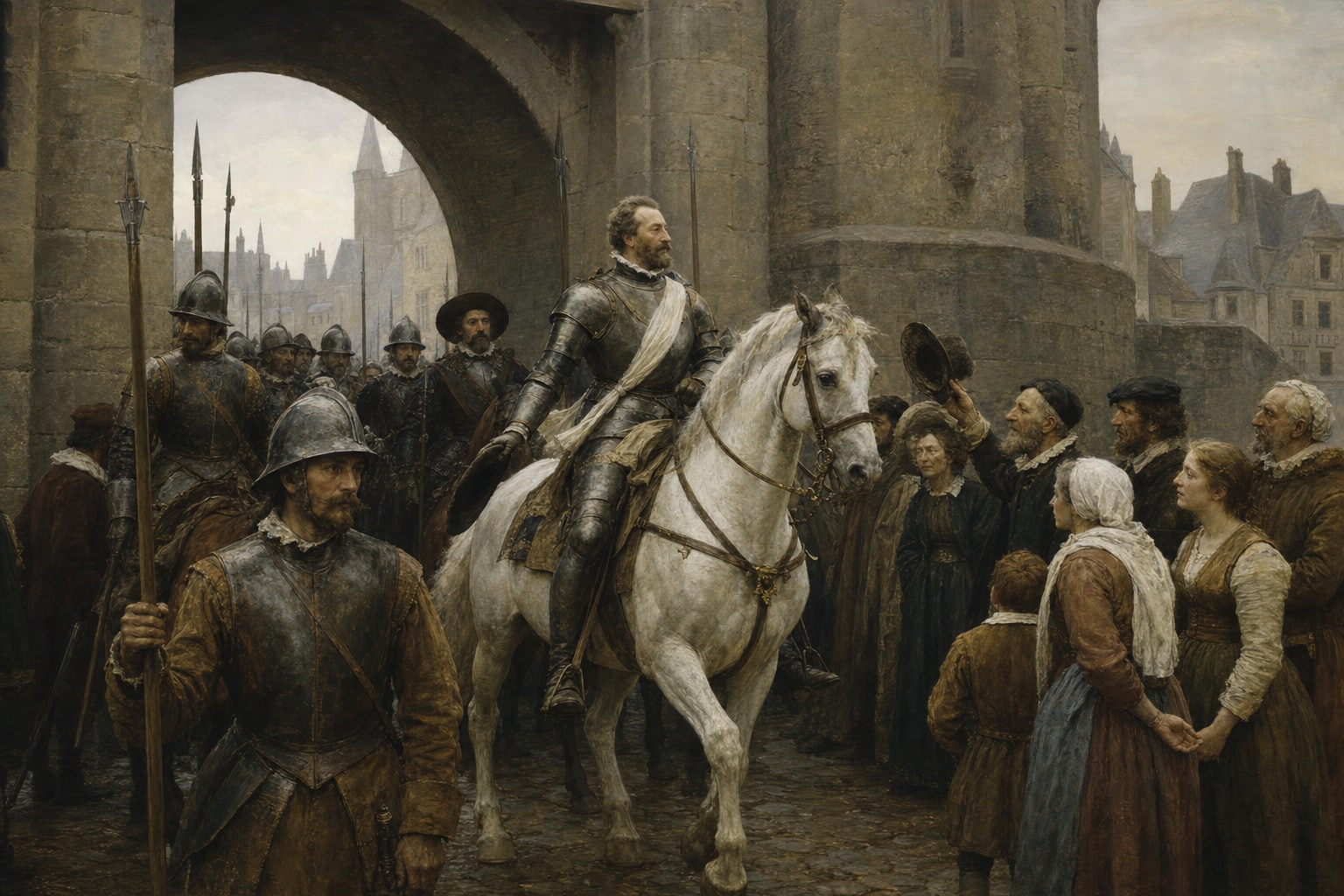
The converted Bourbon king entered the capital and moved closer to securing the realm.
1598
Edict of Nantes
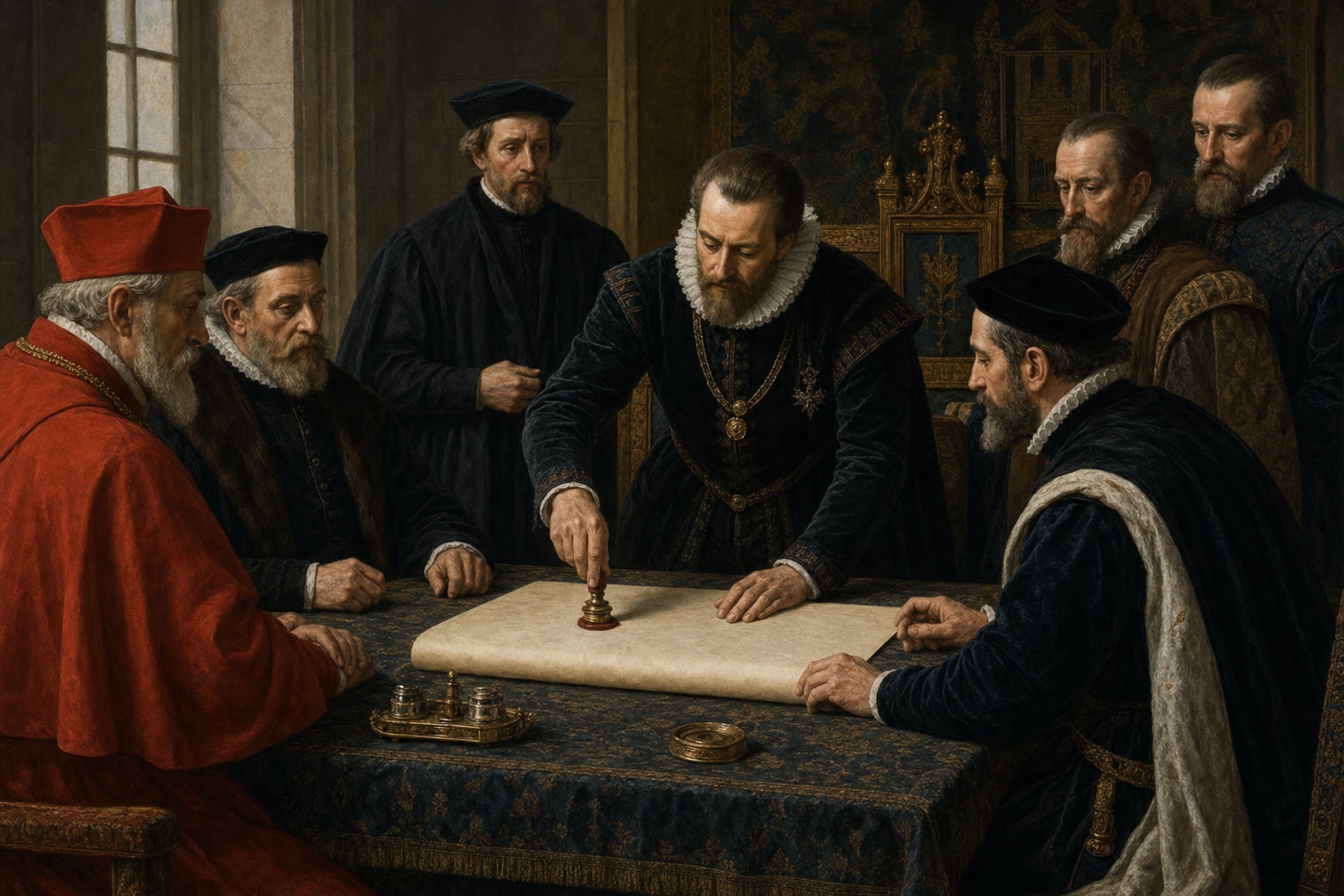
Henry IV granted Huguenots limited civil and religious protections within a Catholic kingdom.


Sources
- The Eight Wars of ReligionMusée protestantAn overview of the eight wars, their factions, chronology, and principal settlements.
- The Edict of NantesMusée protestantA reference for the 1598 settlement and the rights and limits it established.
- ProtestantismeBibliothèque nationale de FranceA historical teaching resource covering the Reformation in France and the Affair of the Placards.
- Jean BodinStanford Encyclopedia of PhilosophyA scholarly account of Bodin's political thought and conduct during the religious wars.
- The Entourage of Henry IVMusée protestantA guide to Henry IV's circle, including Montaigne, and the consolidation of his rule.
- Foreign WarMusée protestantA reference for Spanish intervention, the Catholic League, and the war's international phase.