Greek War of Independence
1821–1829
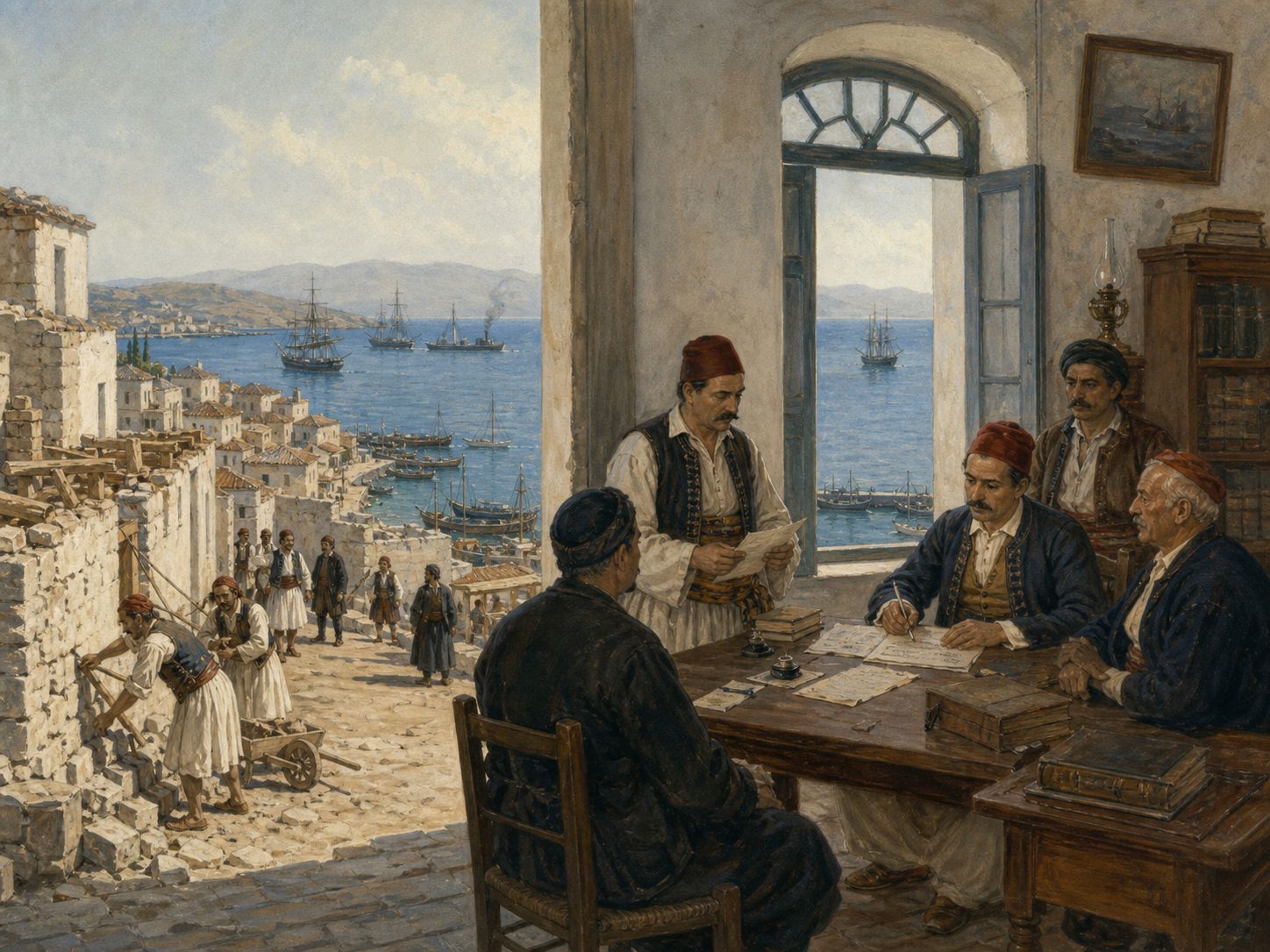
From 1821 to 1829, Greek forces rebelled within the Ottoman Empire and, through civil conflict, Egyptian intervention, and great-power action, established an independent state.

- Period
- 1821–1829
- Kind
- War
- Regions
- Europe, Middle East
- Keywords
- Greek independence · Ottoman Empire · Filiki Eteria · Navarino · Great-power diplomacy
Follow the story · Four stages
Background
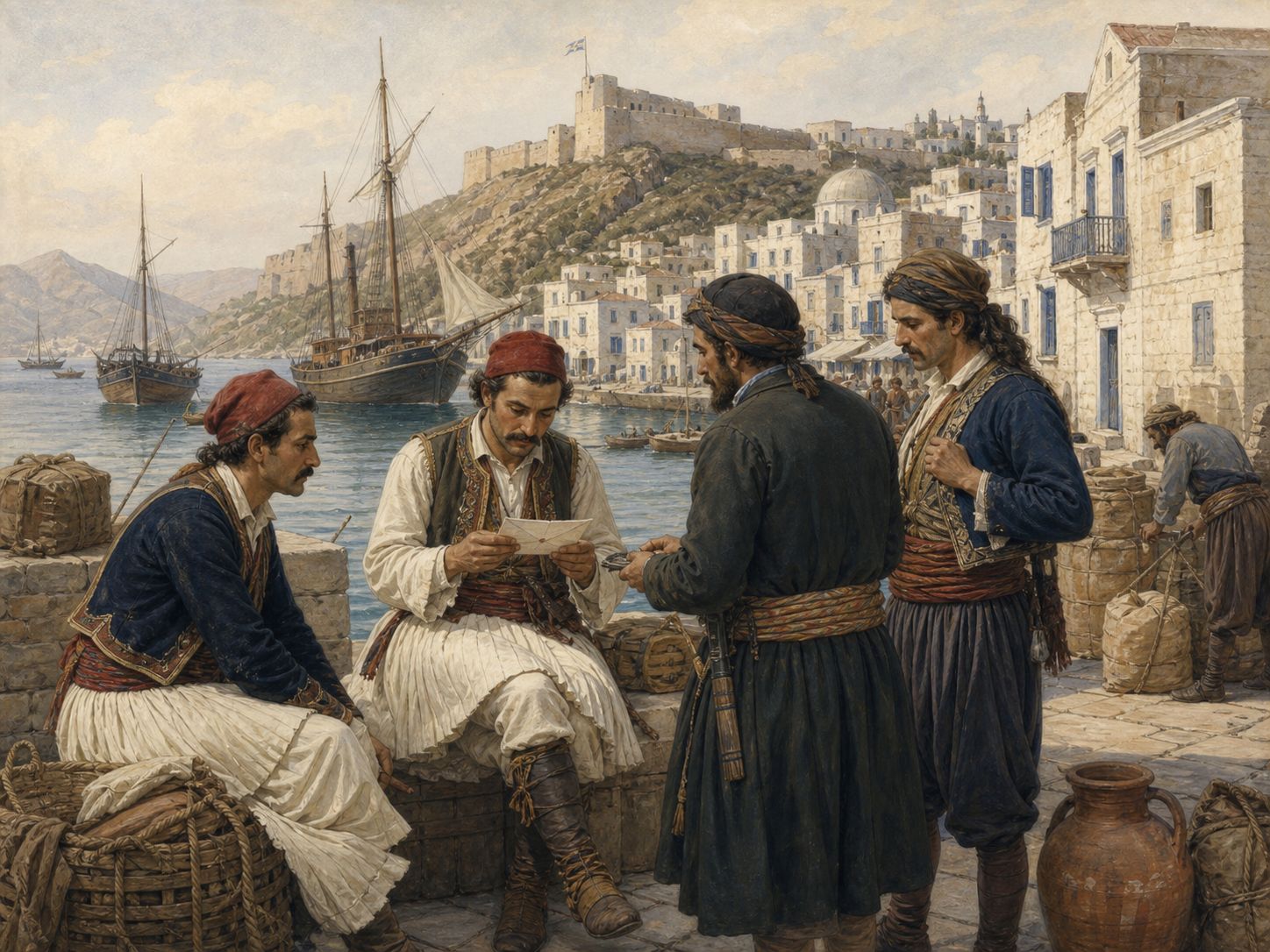
Commercial and educational networks, Orthodox communities, and Enlightenment-era national ideas supported independence projects. Filiki Eteria prepared revolt while the Ottoman Empire faced regional strains.
- Greek-speaking merchants and intellectuals built networks across the Ottoman world
- Enlightenment ideas and Orthodox memory supported visions of autonomy
- Great-power intervention turned a regional revolt into an international issue
Course
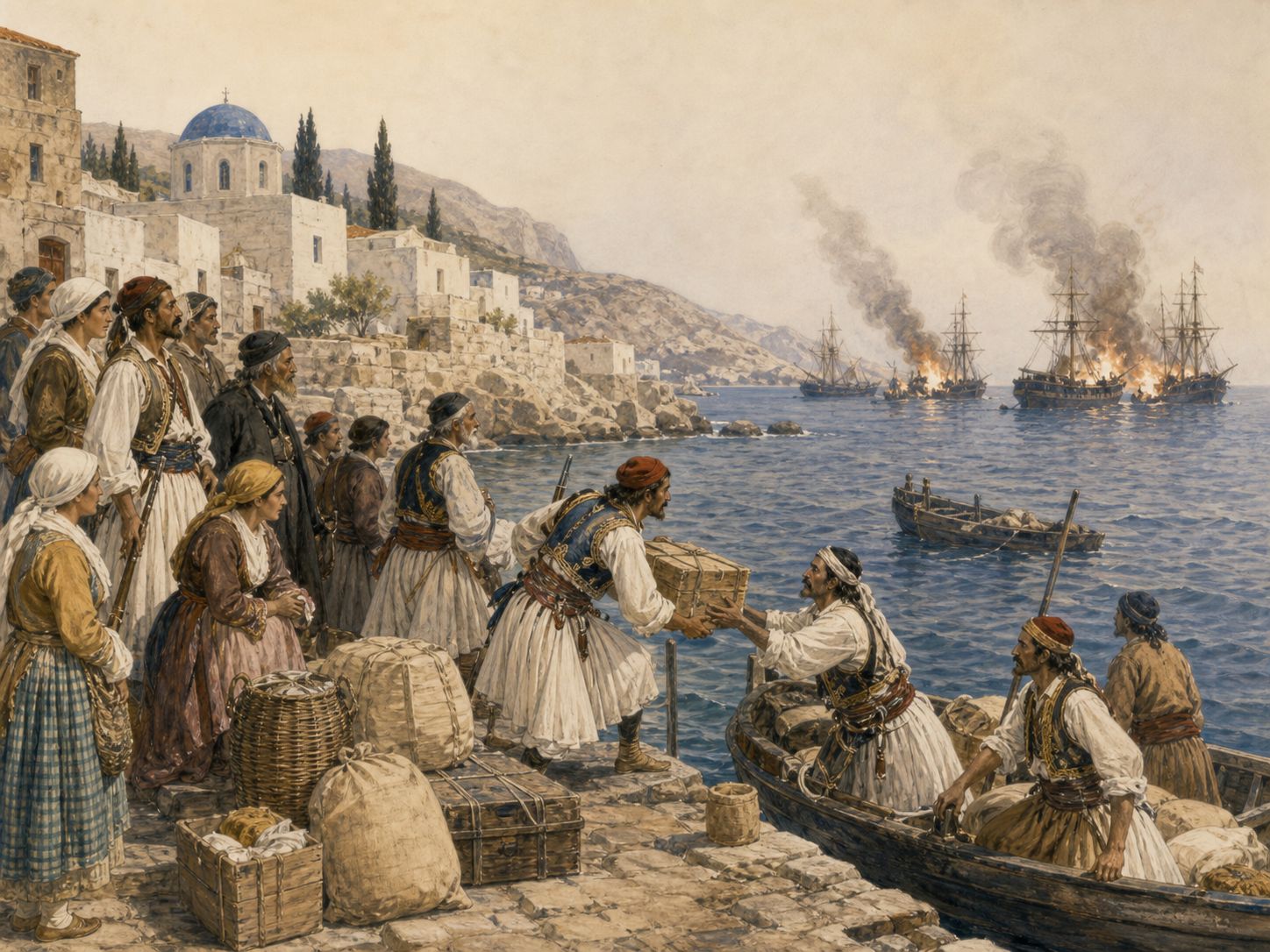
Uprisings spread through the Peloponnese and elsewhere in 1821, followed by the fall of Tripolitsa and civil war among Greek factions. Muhammad Ali's army intervened, but the naval battle of Navarino intensified great-power pressure.
- The Filiki Eteria prepared an uprising
- Revolt spread through the Peloponnese and the islands in 1821
- Naval warfare, sieges, and civil conflict tested the revolution
Outcome
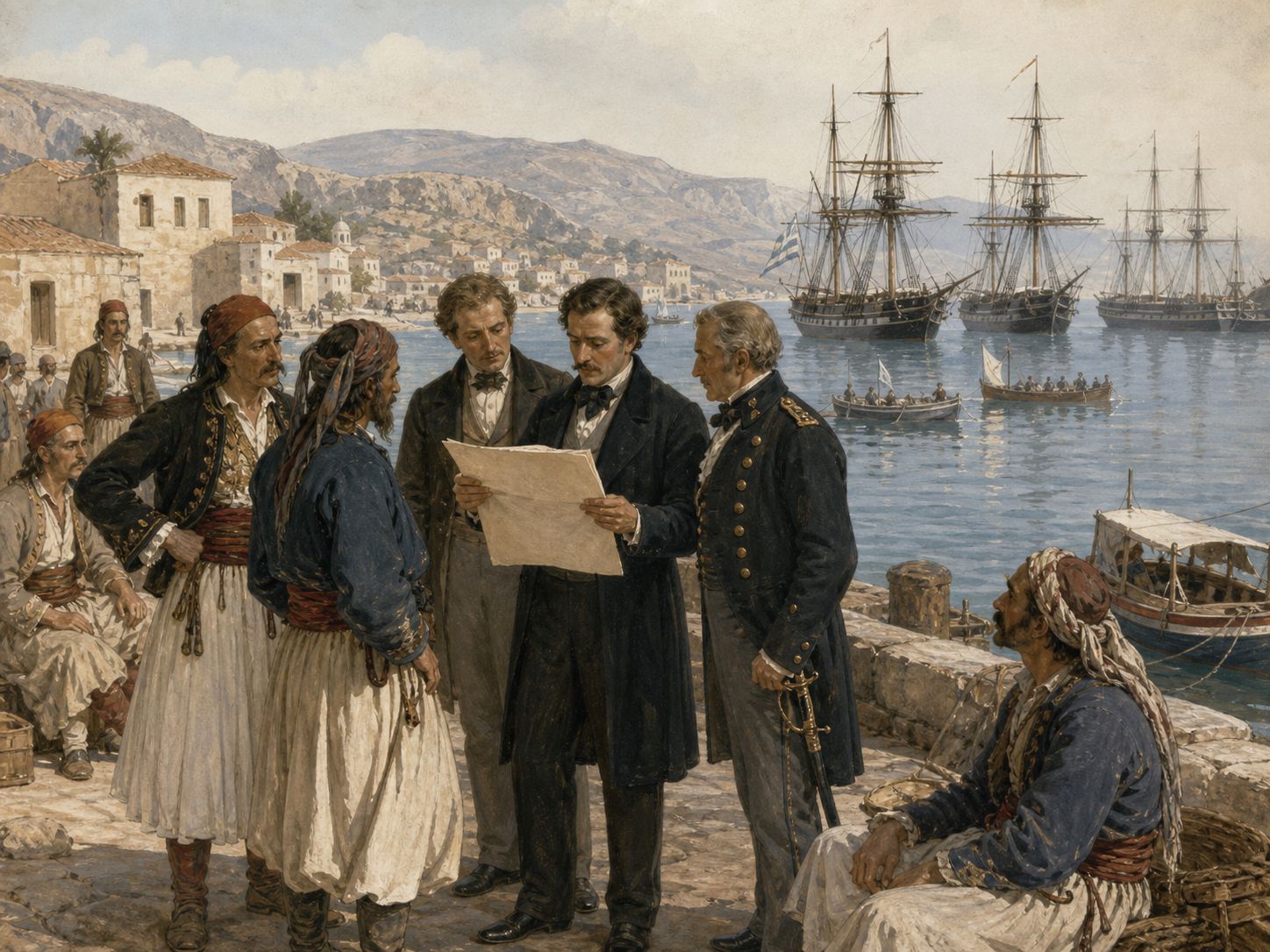
The Treaty of Adrianople in 1829 and subsequent protocols moved the settlement toward Greek autonomy and independence. The 1830 protocol established international recognition, followed by kingdom-building.
- The Battle of Navarino made an Ottoman reconquest difficult
- Great-power diplomacy shifted the path from autonomy toward a state
- Greek independence received international recognition in 1830
Historical significance
Independence resulted from the interaction of a national movement, Ottoman administration, Egyptian military power, and Russian, British, and French strategy. War constrained the new state's borders and institutions.
- It linked national autonomy to great-power diplomacy
- Philhellenism moved public opinion across Europe
- It reshaped the political order of the eastern Mediterranean


Related figures
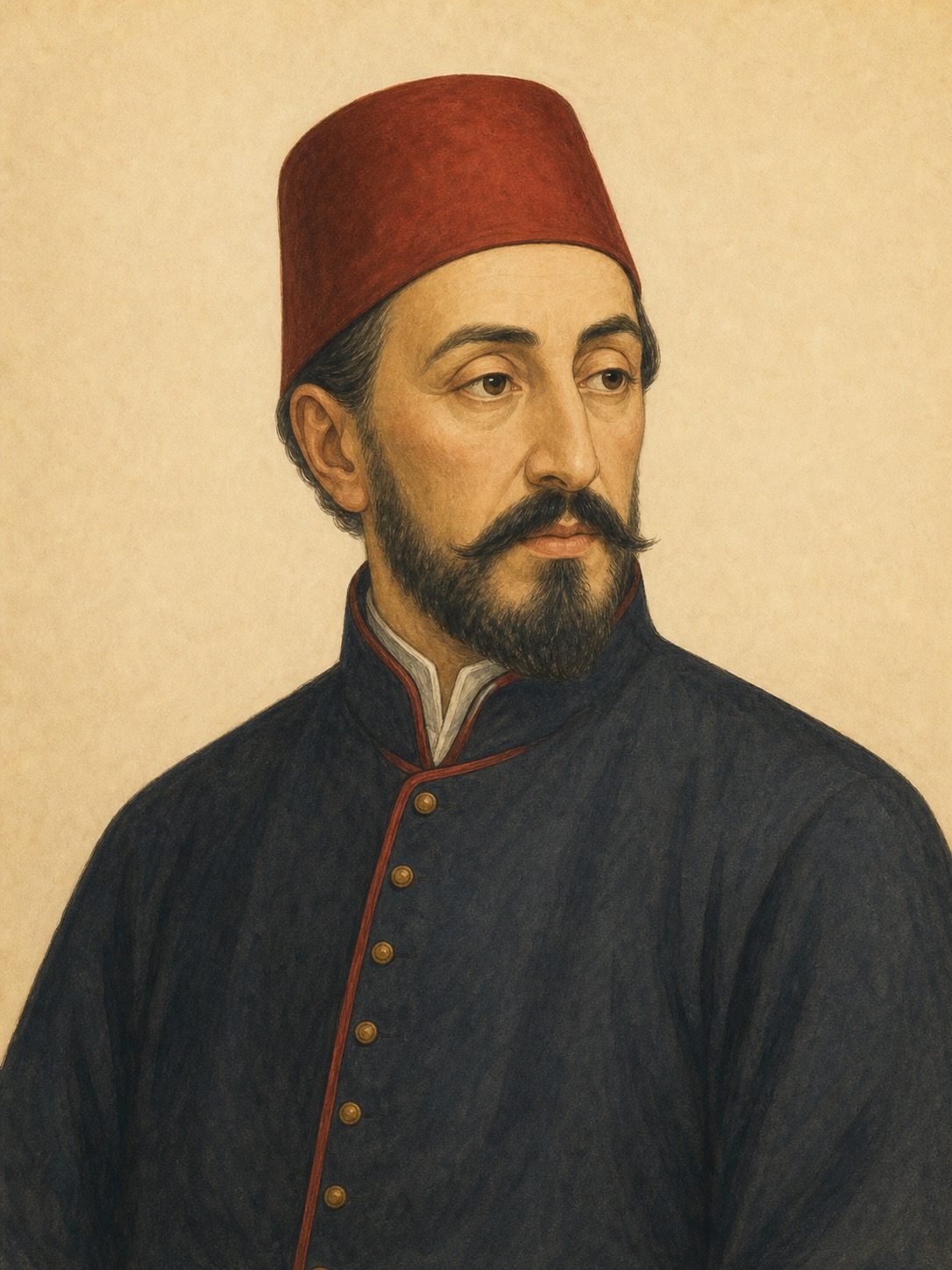
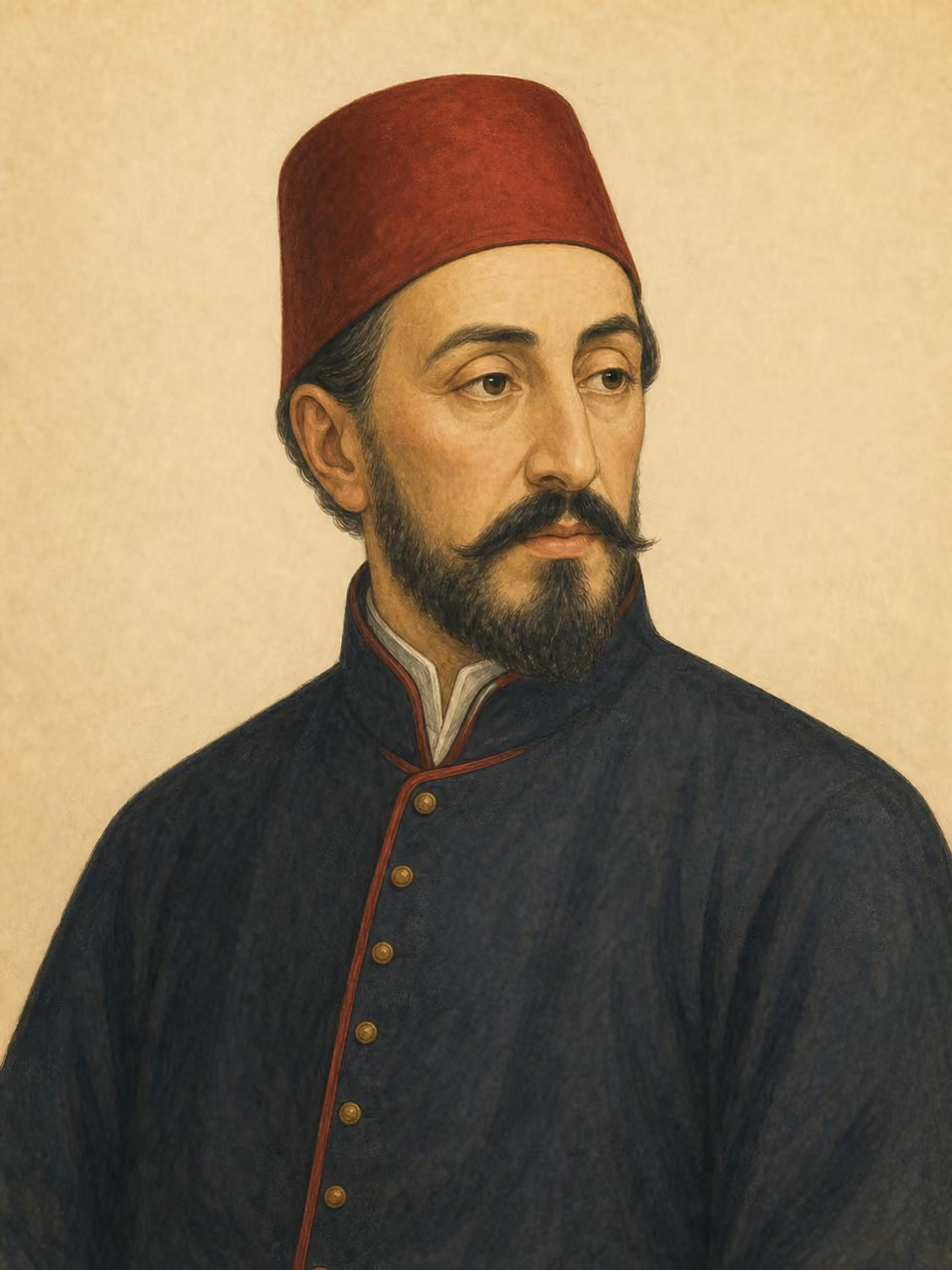
Mahmud II
Ottoman sultan
He confronted the revolt while pursuing centralization and attempting to reform imperial military and administration.
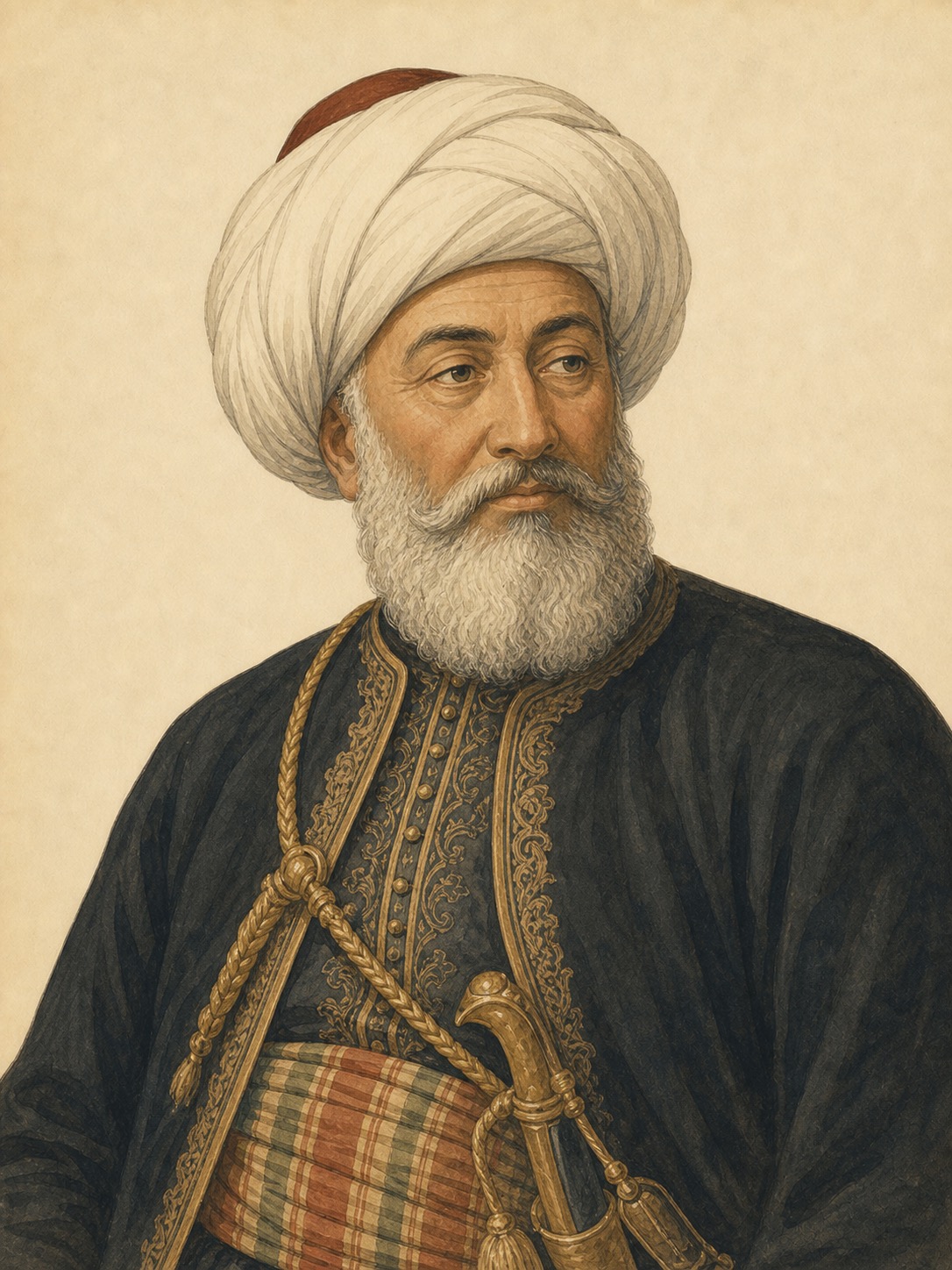
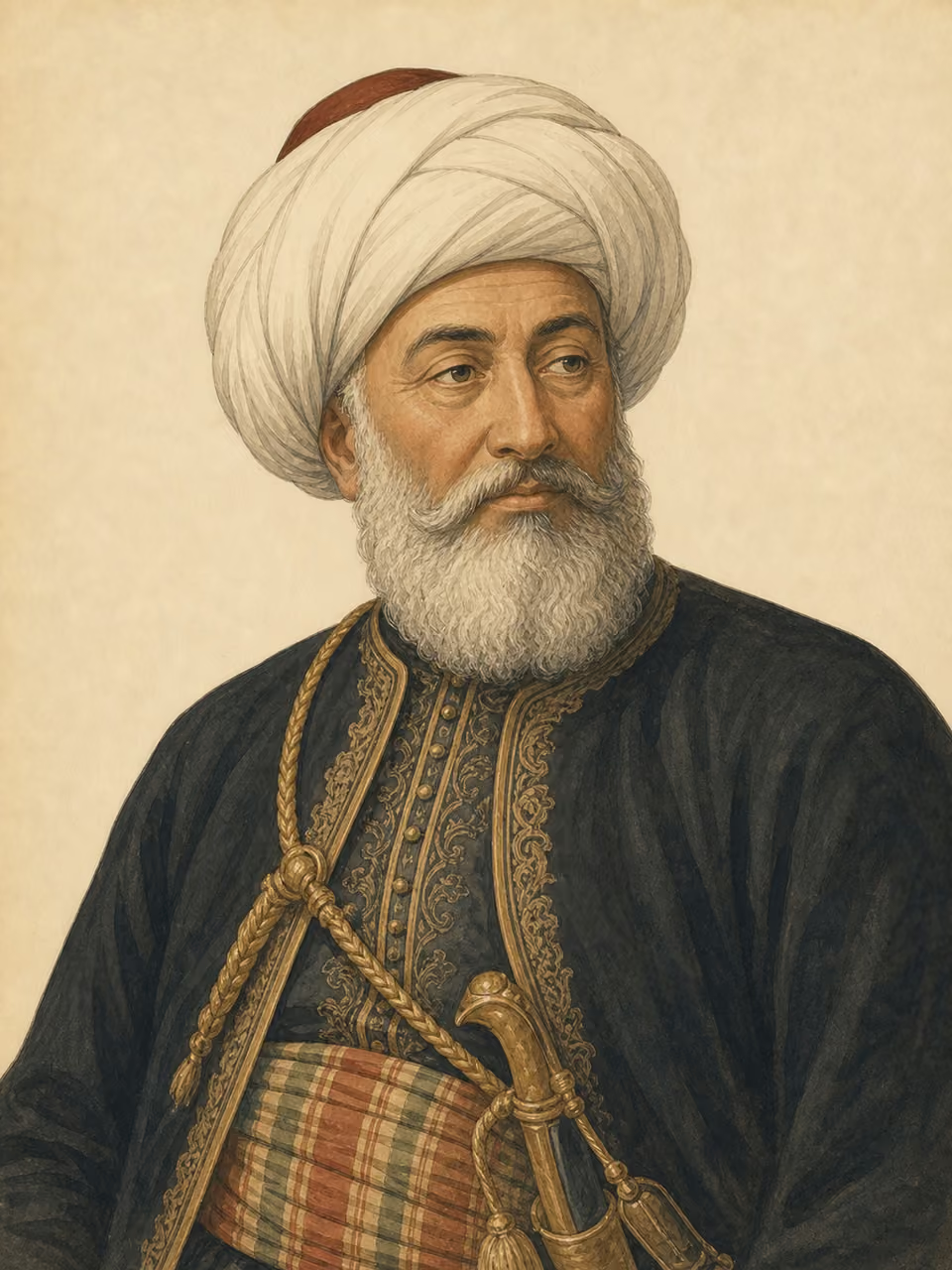
Muhammad Ali
Governor of Egypt
He sent troops and a fleet to support the sultan, turning the war into a contest for eastern Mediterranean power.
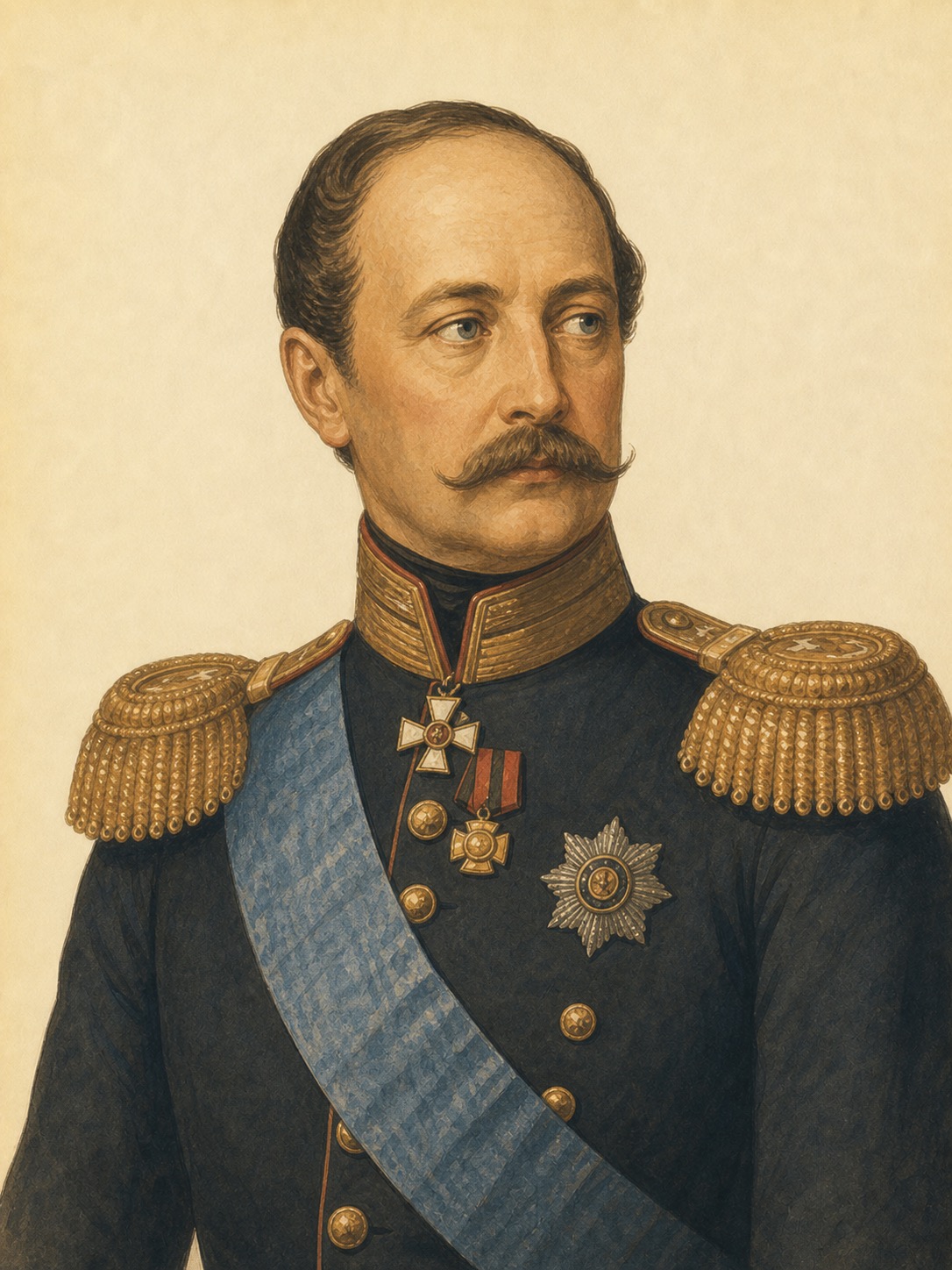
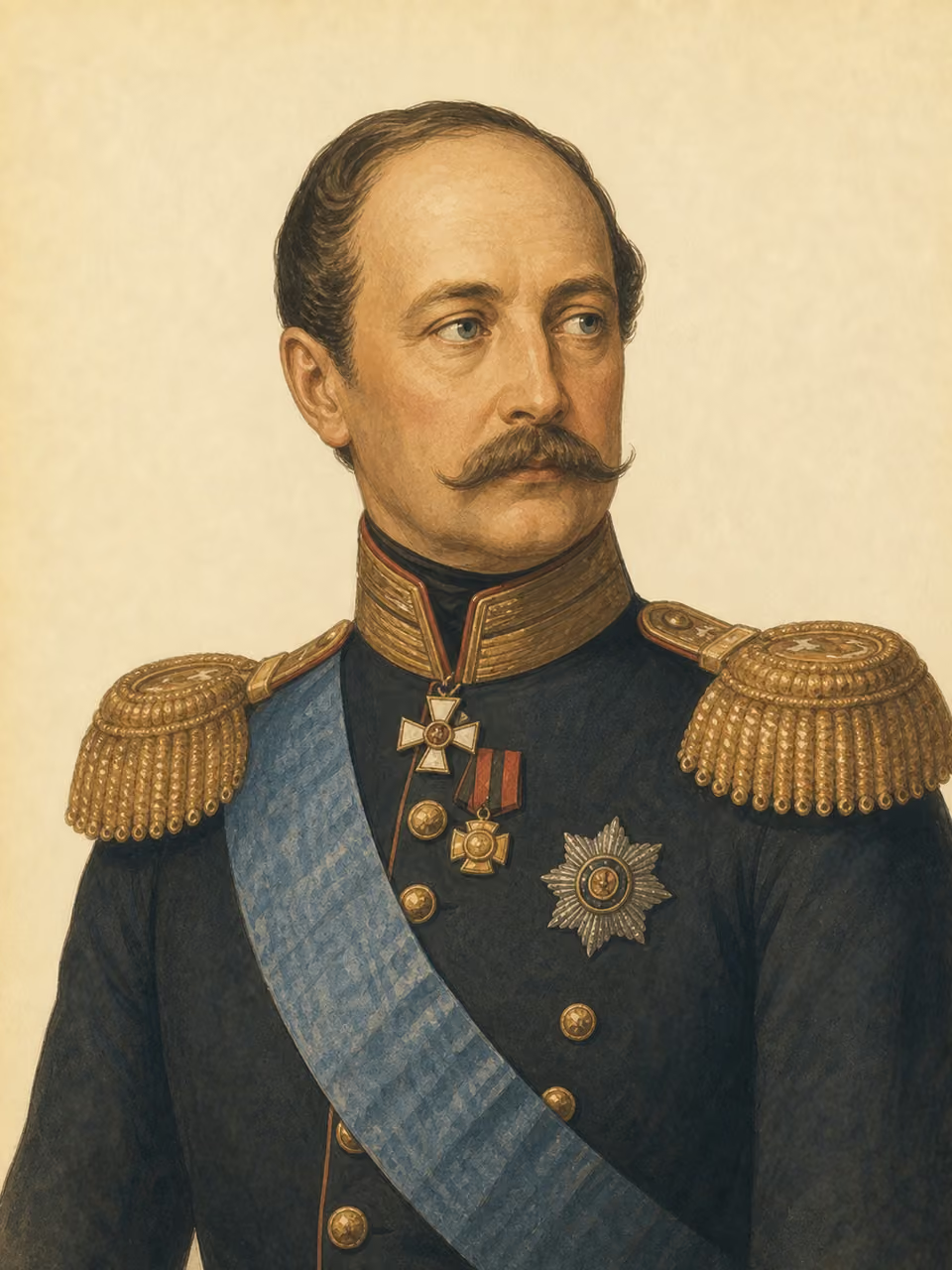
Nicholas I of Russia
Russian emperor
He navigated Orthodox protection and concert diplomacy, helping make the Greek question international.
Related events
1814
Networks across borders
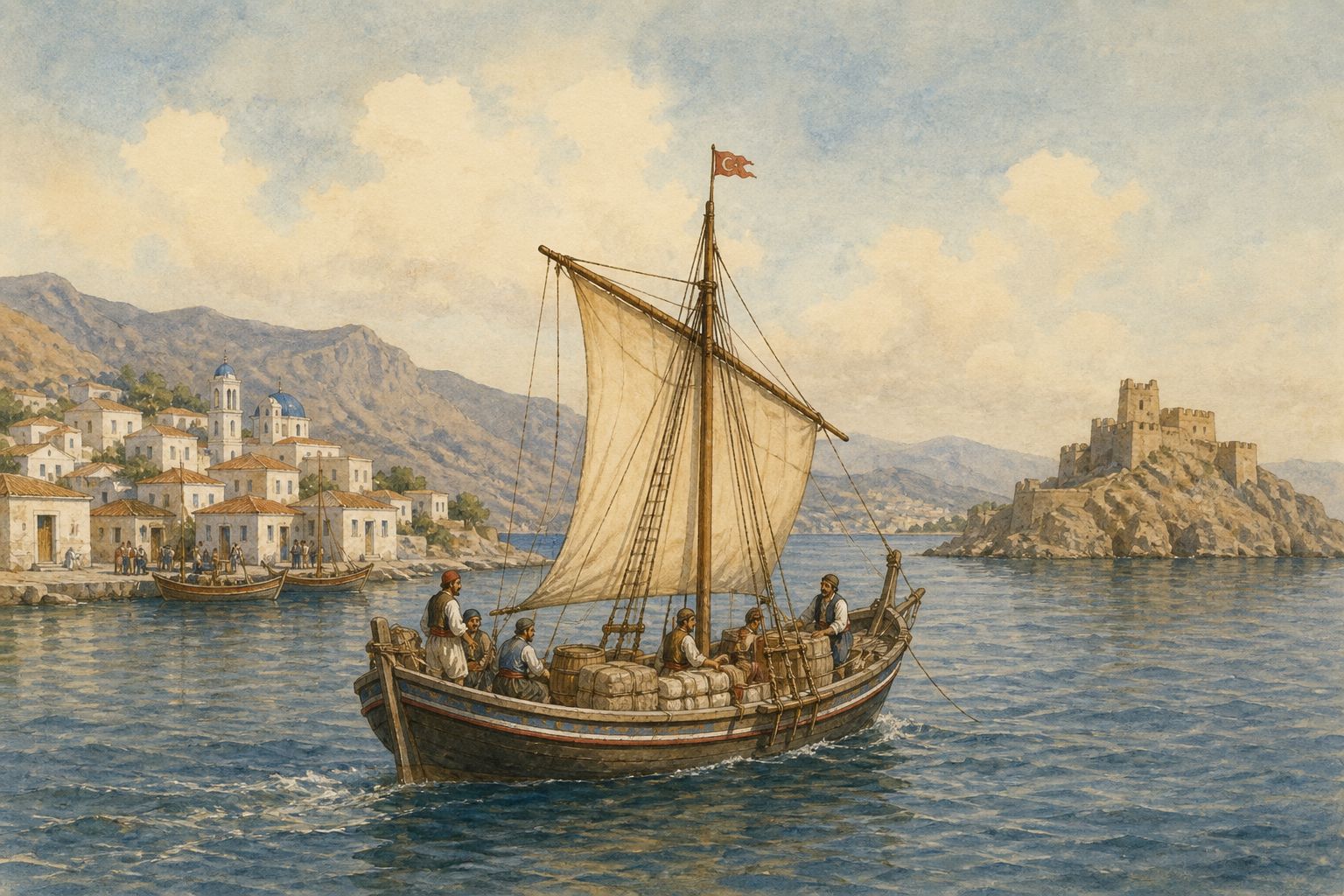
The movement of merchants, sailors, and intellectuals created spaces to debate autonomy and national futures.
1814–1821
The Filiki Eteria
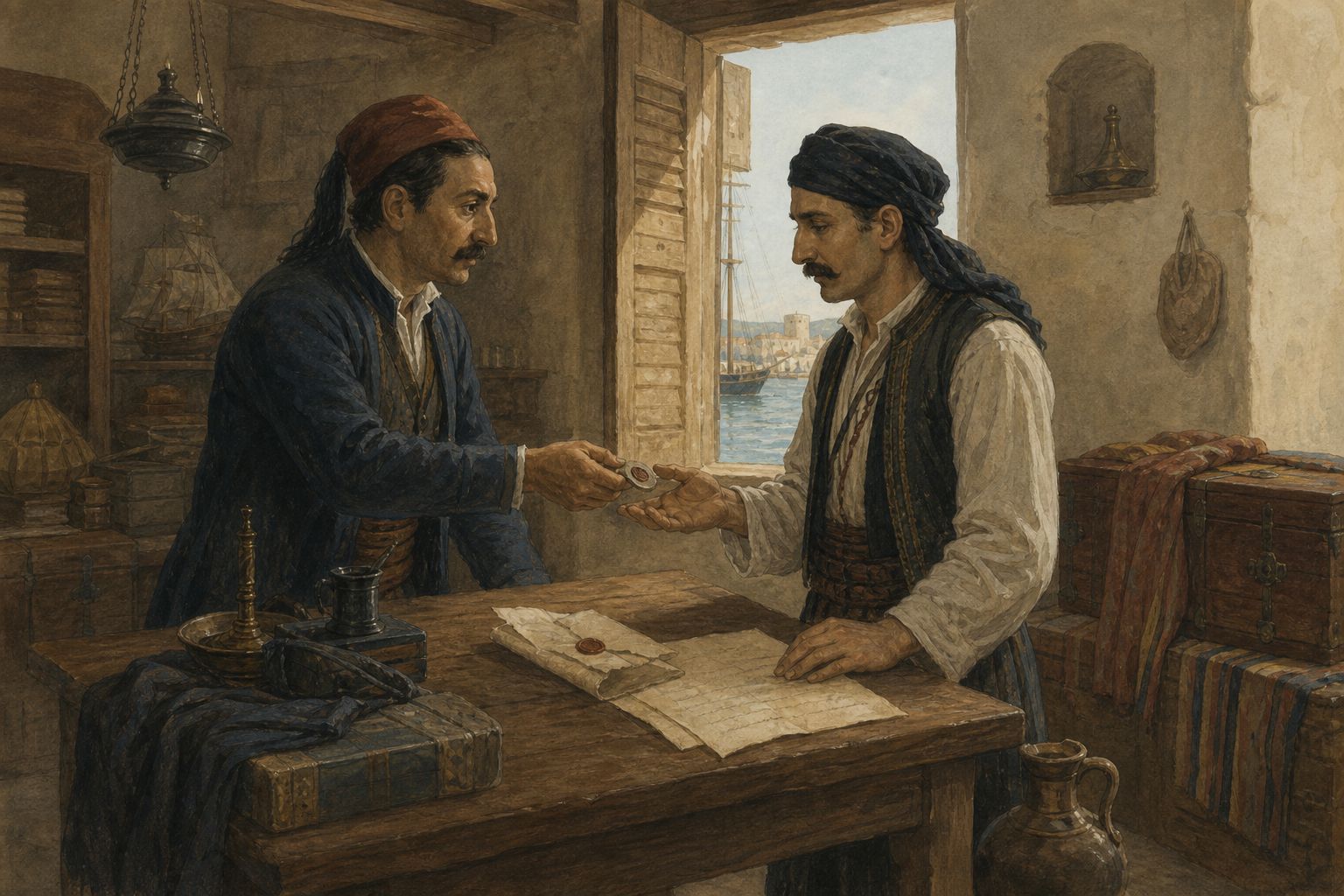
The secret society connected the diaspora to the Peloponnese and prepared the uprising.
1821–1827
Uprising and war
Current event
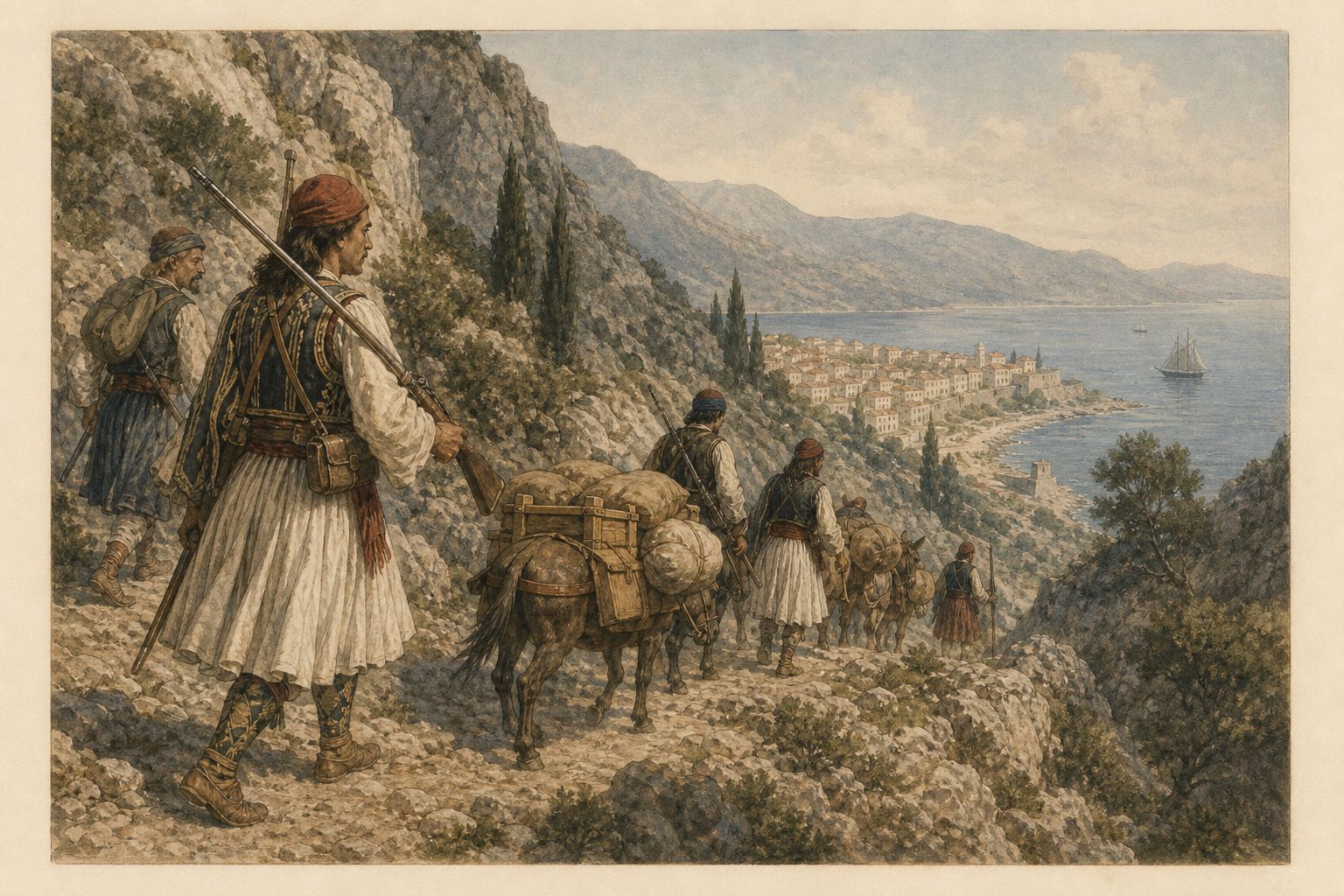
After 1821, revolt became a war for fortresses and islands while the revolution’s politics also fractured.
1827
Navarino and autonomy
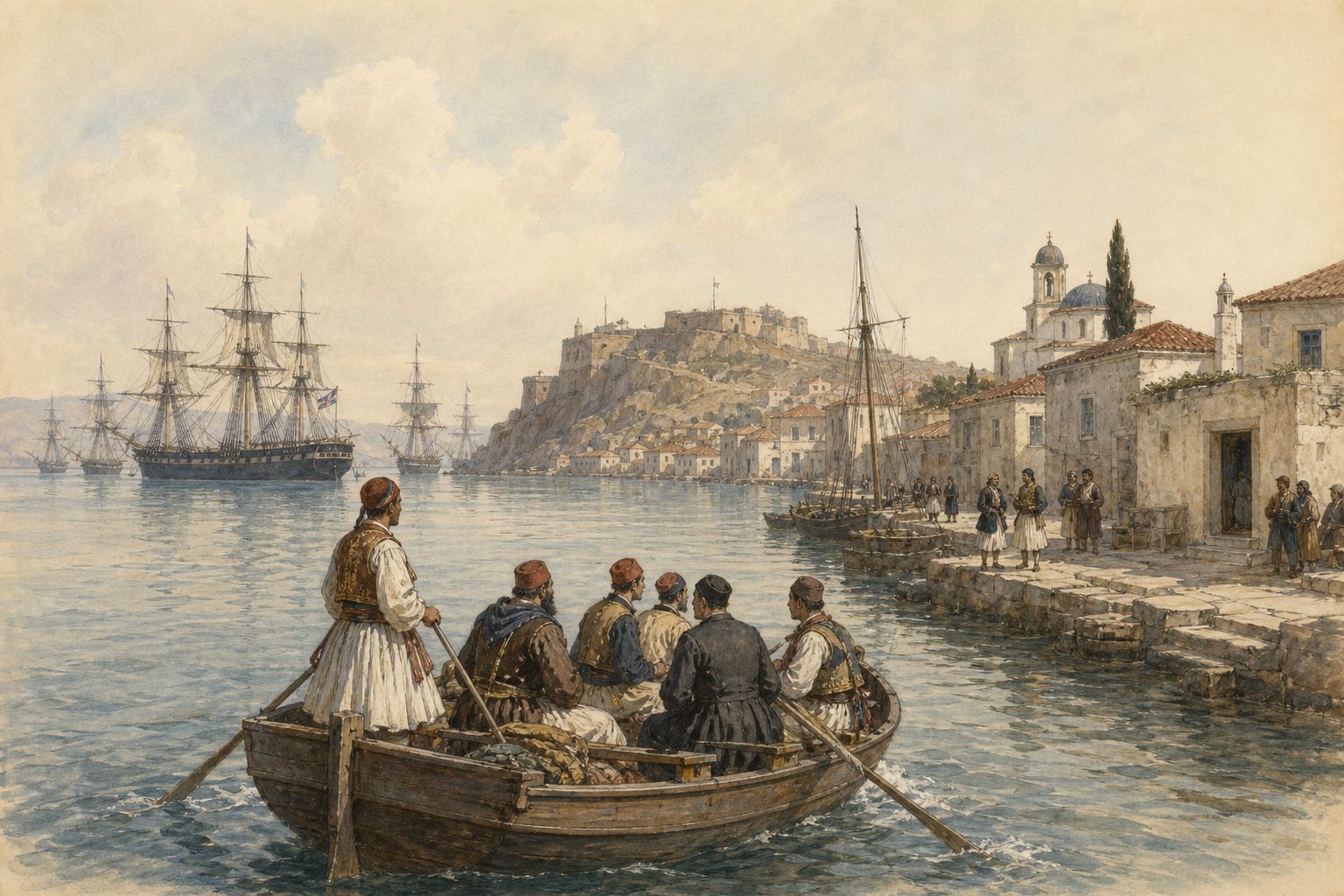
Great-power fleets and diplomacy blocked an Ottoman reconquest and opened a path to autonomy.
1830
An independent state
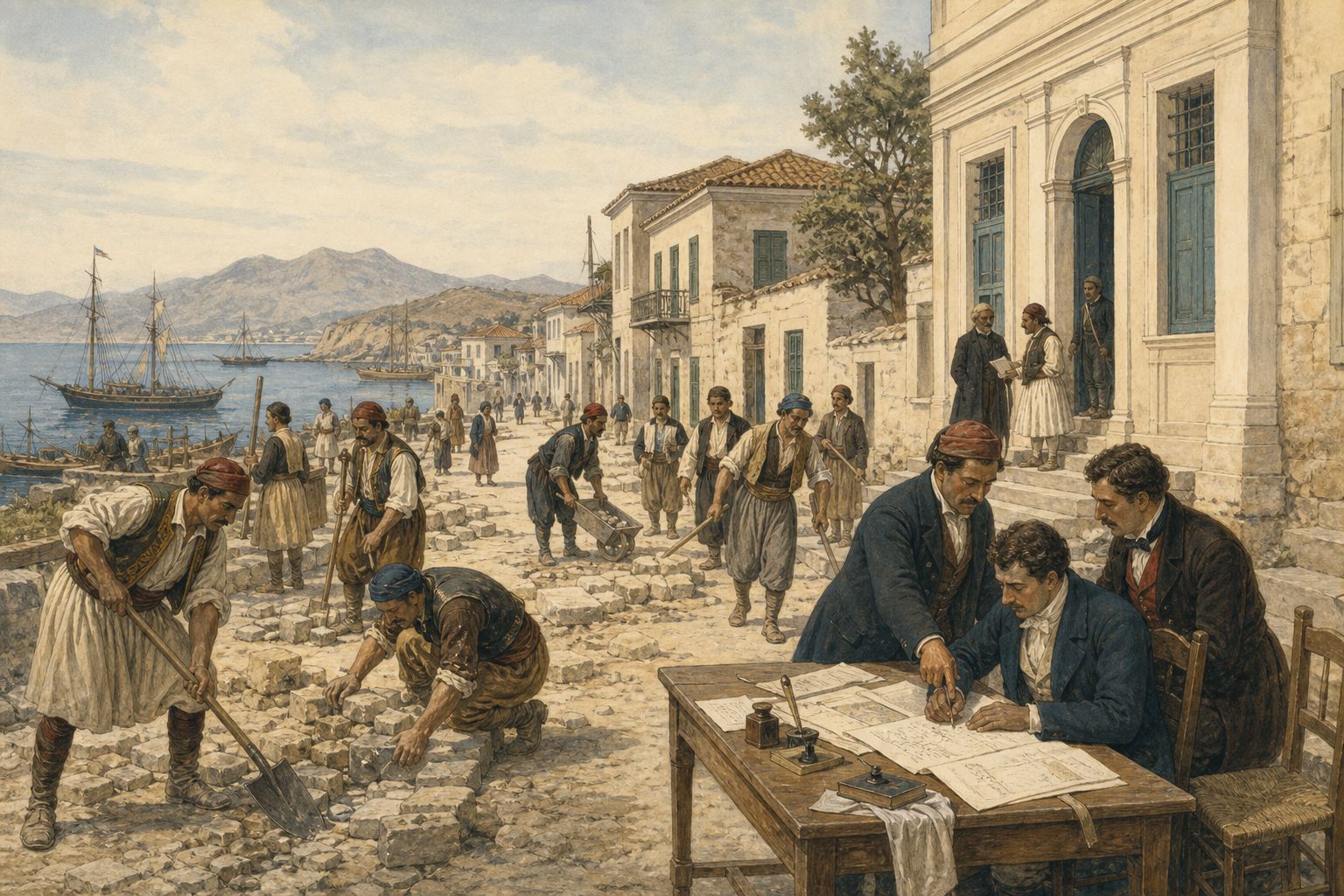
An agreement among the powers incorporated Greece as a sovereign state into the international order.


Sources
- War of Greek IndependenceEncyclopaedia BritannicaOverview of the war and intervention by the great powers.
- The Greek War of Independence, 1821–1827National Historical Museum of GreeceMuseum source introducing exhibits and records of the war.
- Foreign Policy, 1821–1833Foundation of the Hellenic WorldChronological account of great-power diplomacy around independence.