Expansion of the Hittite Empire
c. 1650 BC–c. 1200 BC
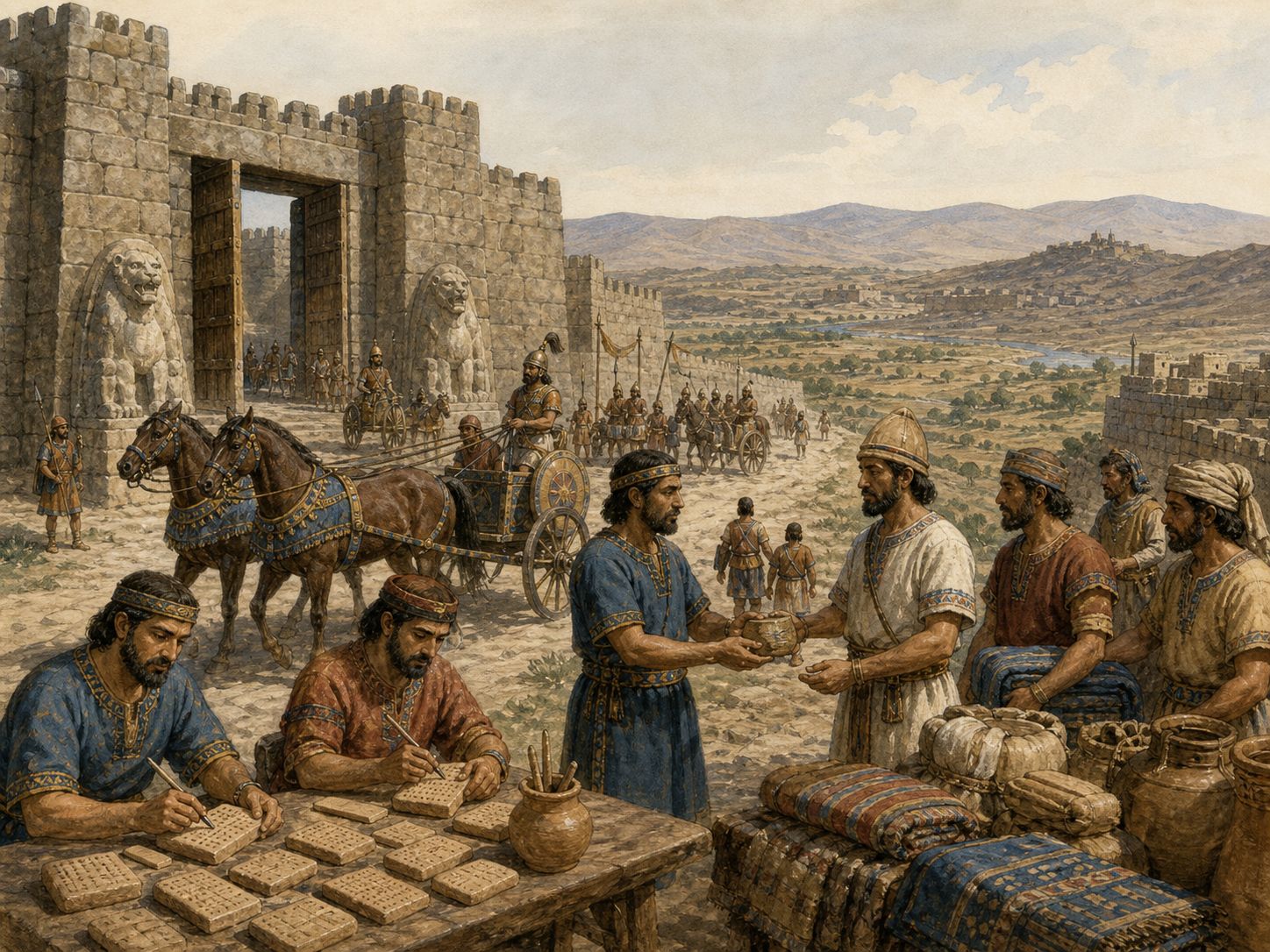
From the seventeenth through the thirteenth century BCE, the Hittite kingdom centered at Hattusa expanded from Anatolia into northern Syria.

- Period
- c. 1650 BC–c. 1200 BC
- Kind
- Cultural event
- Regions
- East Asia
- Keywords
- Anatolia · kingdom · diplomacy · chariots · Bronze Age
Follow the story · Four stages
Background
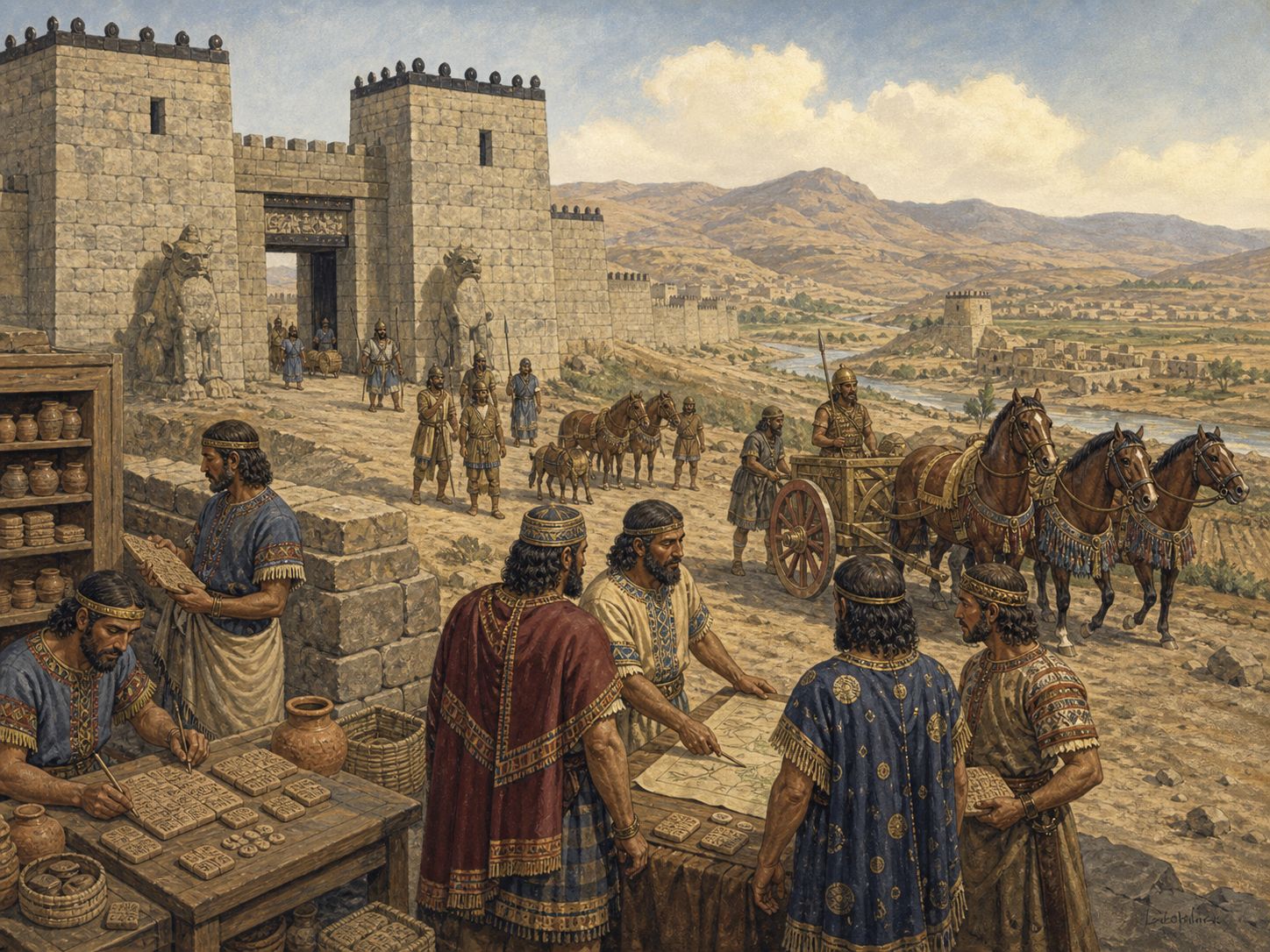
Anatolian kings combined chariots, fortresses, treaties, and vassal relationships amid competition for cities and trade routes.
- Anatolian kingdoms consolidated around Hattusa
- Chariots and metal resources supported military power
- Syrian cities and trade routes became a field of rivalry
Course
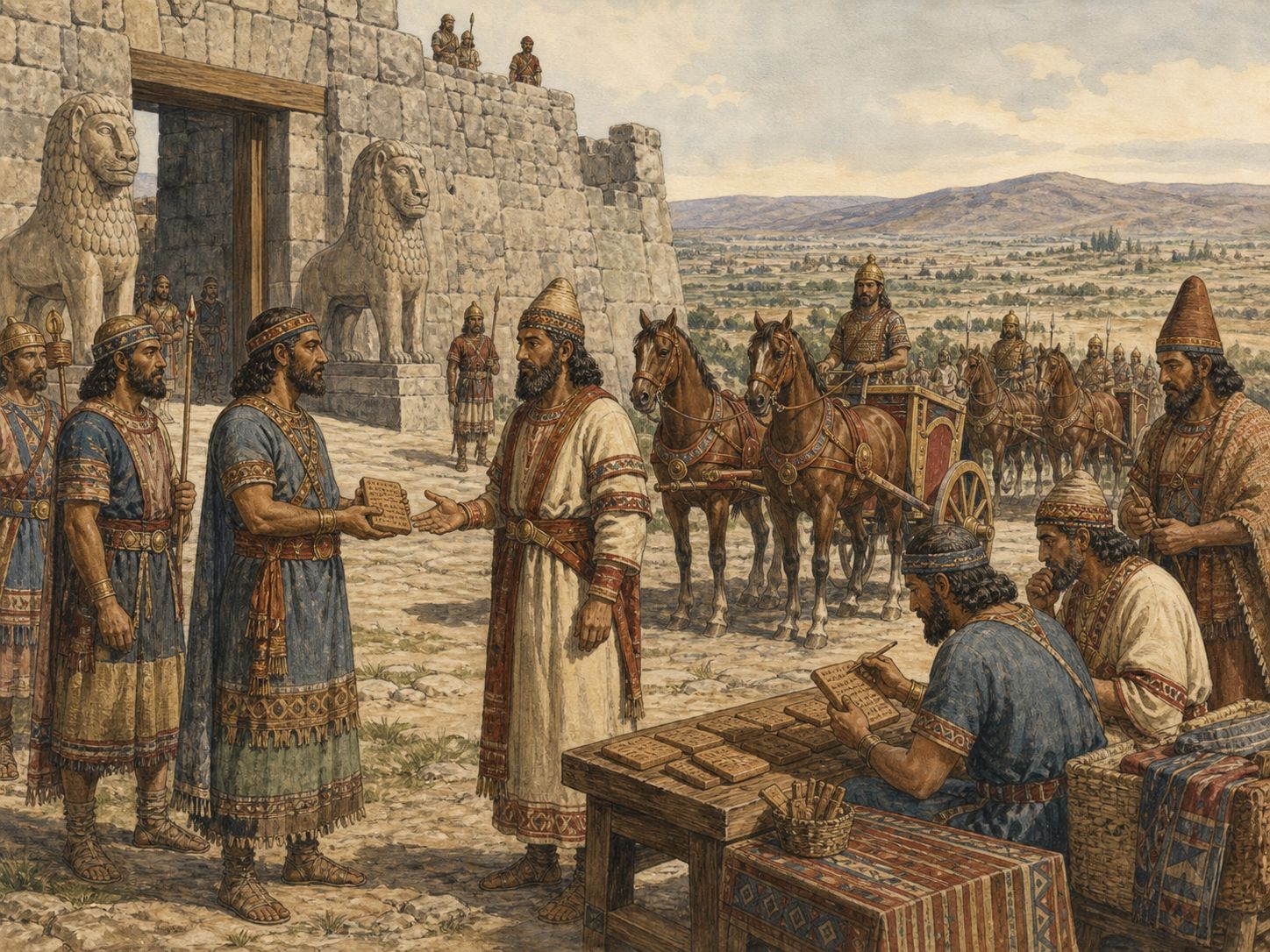
The campaigns of Mursili I, Suppiluliuma I’s Syrian conquests, and rivalry with Egypt around Kadesh extended the empire’s sphere of influence.
- Campaigns extended influence into northern Syria
- Egypt and the Hittites clashed around Kadesh
- War and diplomacy shaped an interstate order
Outcome
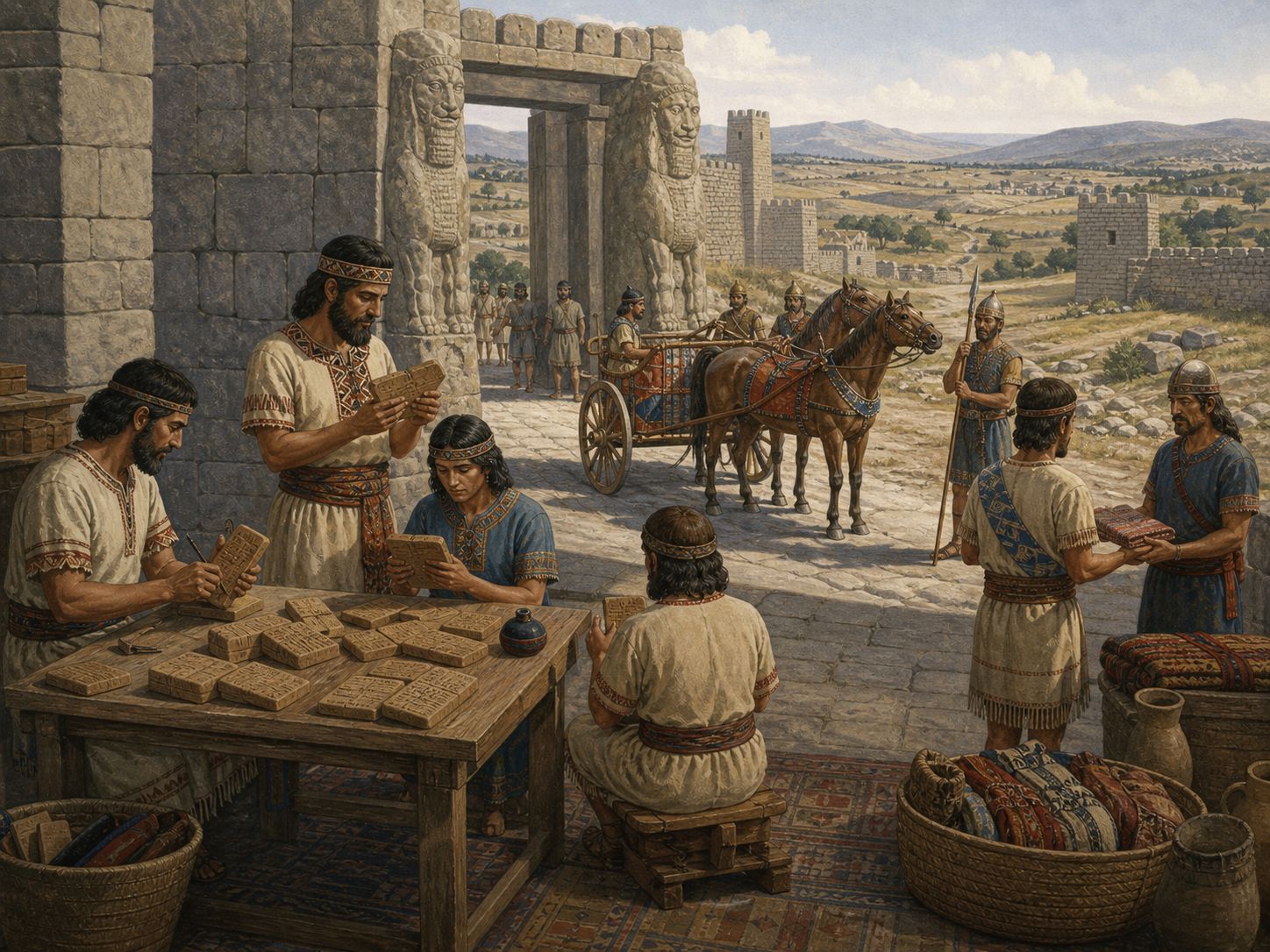
The Hittites became a regional power across Anatolia and northern Syria and left diplomatic records such as a peace treaty with Egypt, before their core collapsed early in the twelfth century BCE.
- Treaties and marriages moderated rivalry
- Palace and temple administration expanded
- A crisis around 1200 BCE disrupted the system
Historical significance
Hittite history reveals not only conquest but also vassal rule, diplomacy, multilingual cuneiform administration, and the international relations of the Bronze Age.
- It reveals international relations in the Bronze Age
- It preserves an imperial politics of both war and treaty
- Texts and ruins make ancient states recoverable


Related figures
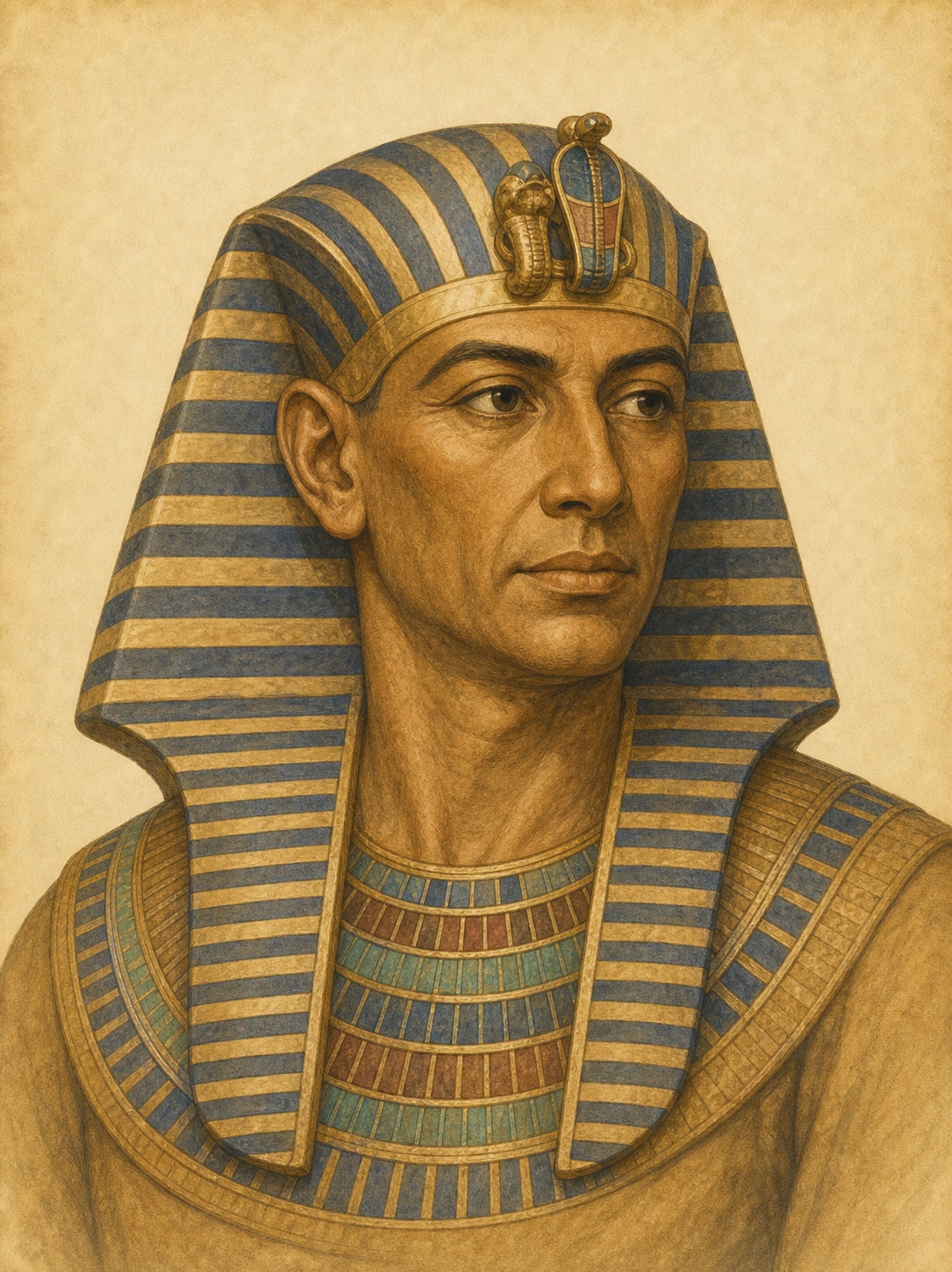
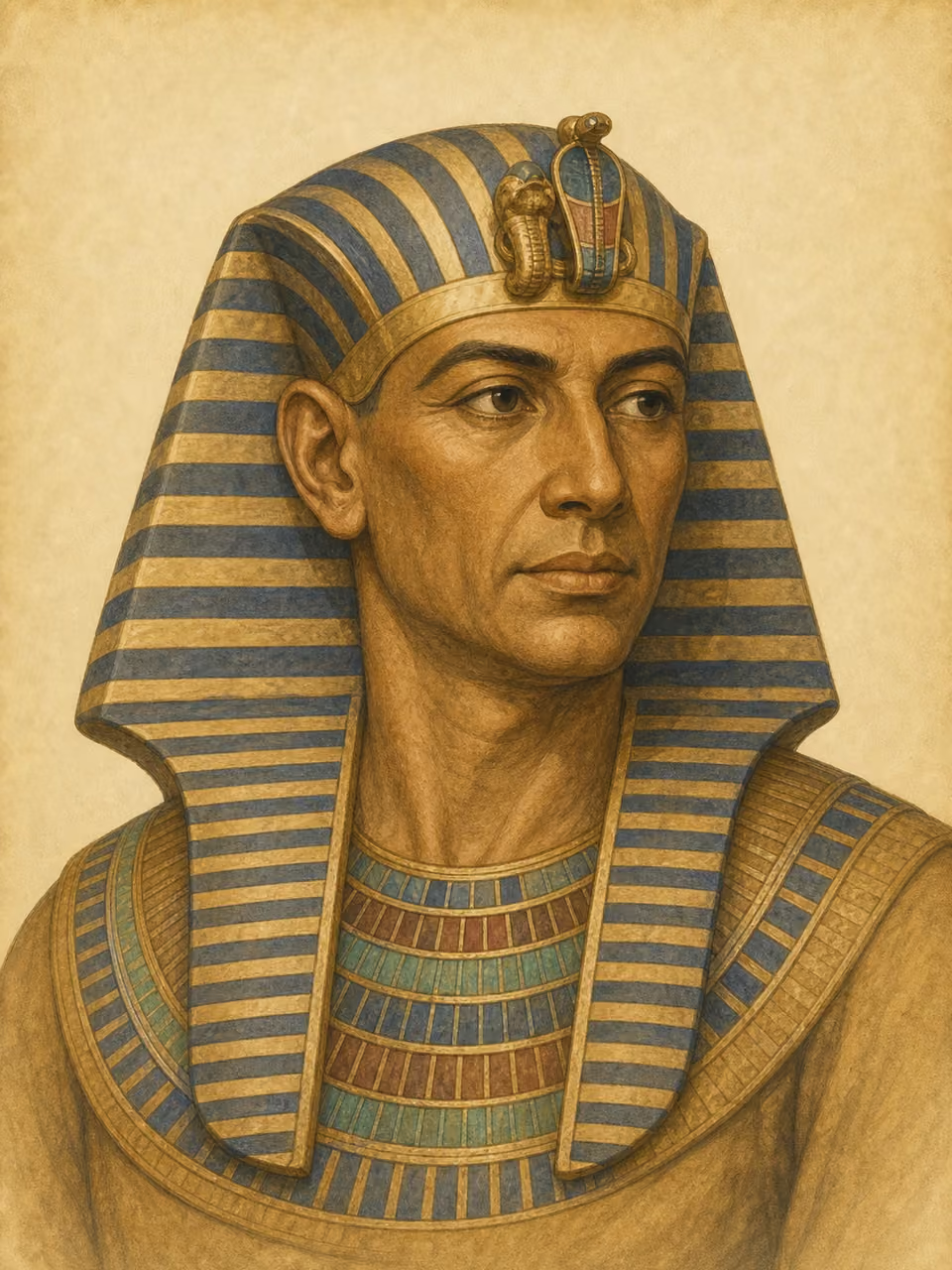
Ramesses II
Egyptian kingdom
The king who confronted the Hittites at Kadesh and later reached a treaty with them.
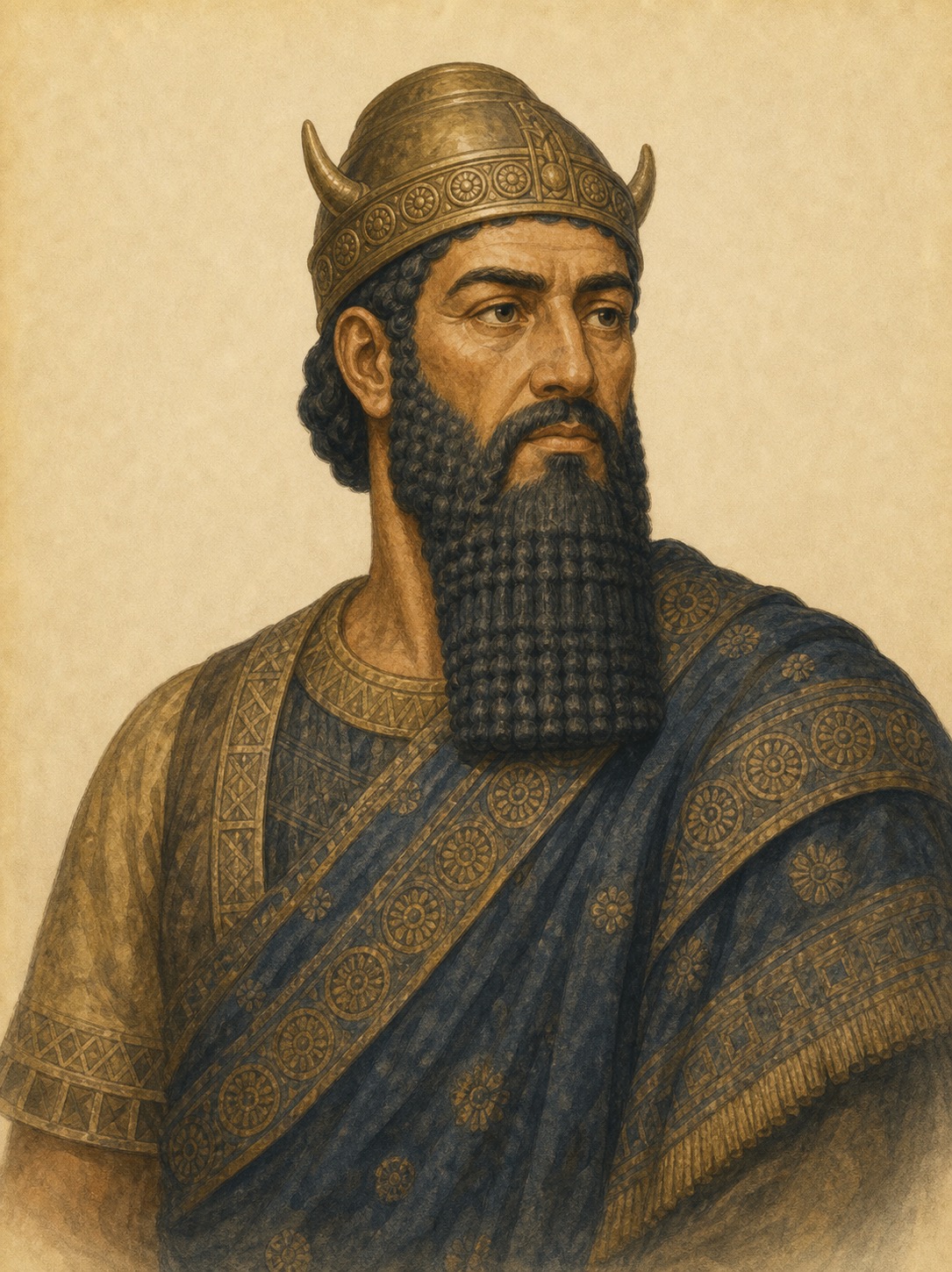
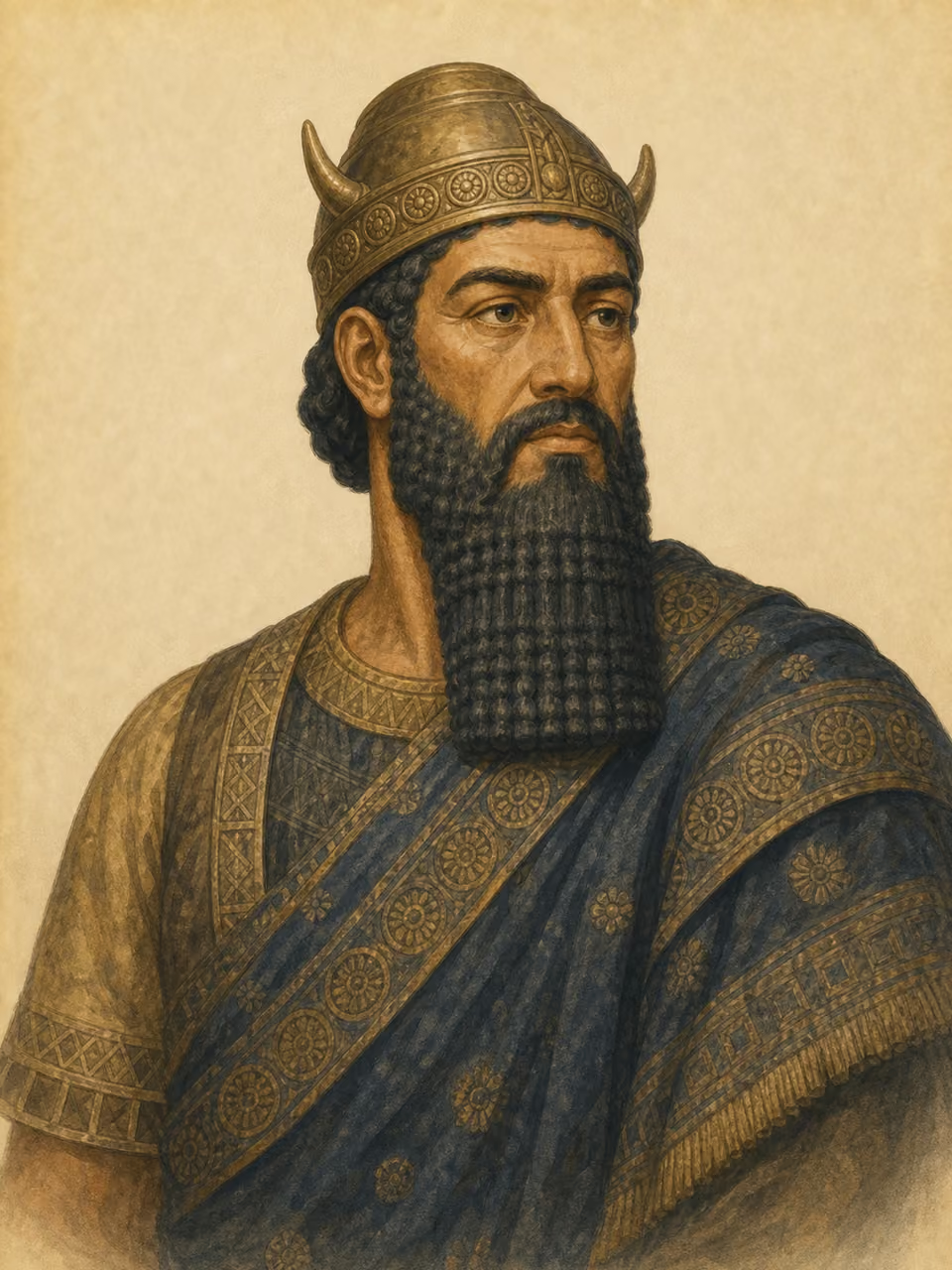
Hammurabi
Mesopotamian kingship
A ruler known for law and administration who illustrates an early West Asian model of kingship.
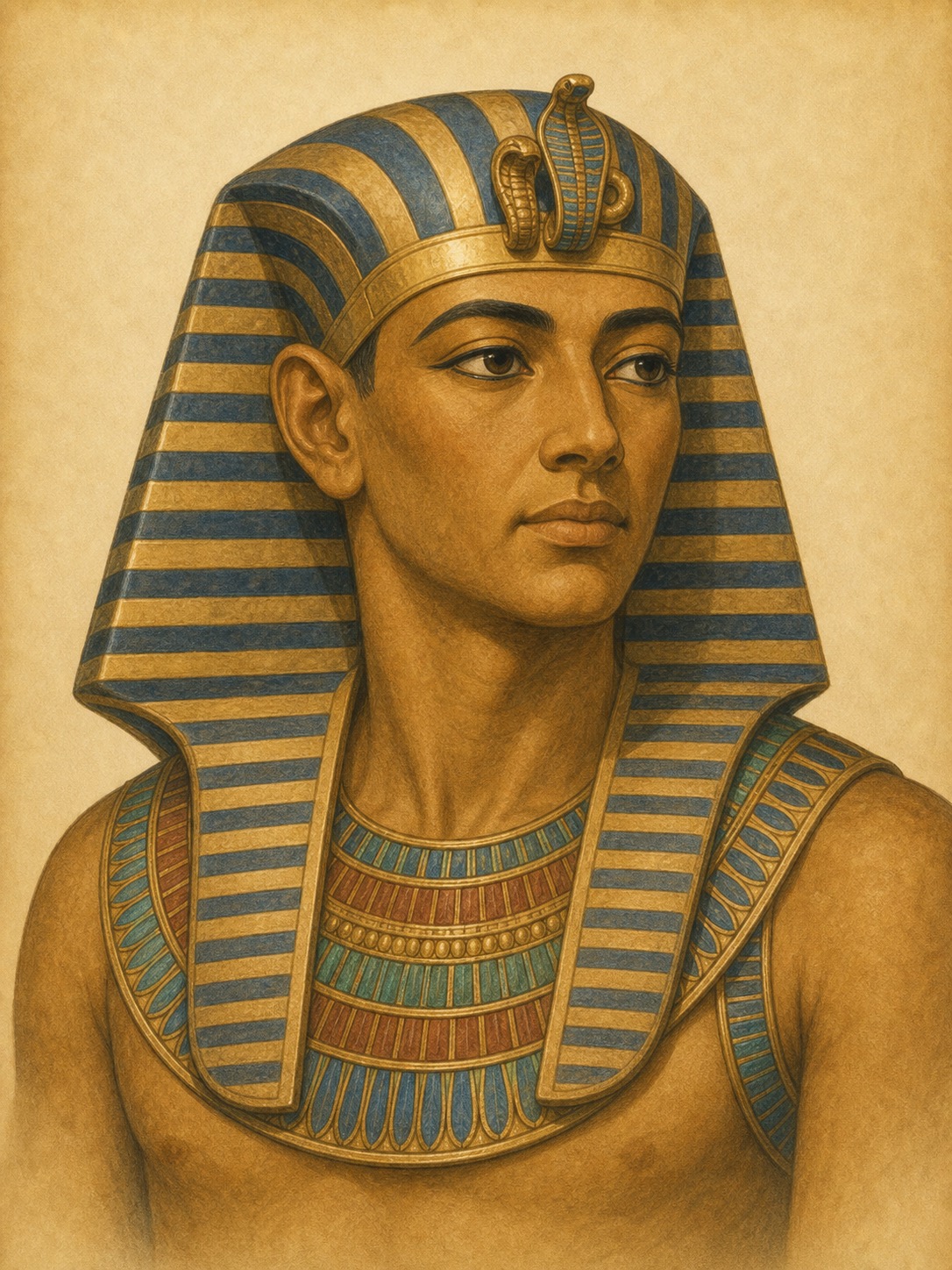
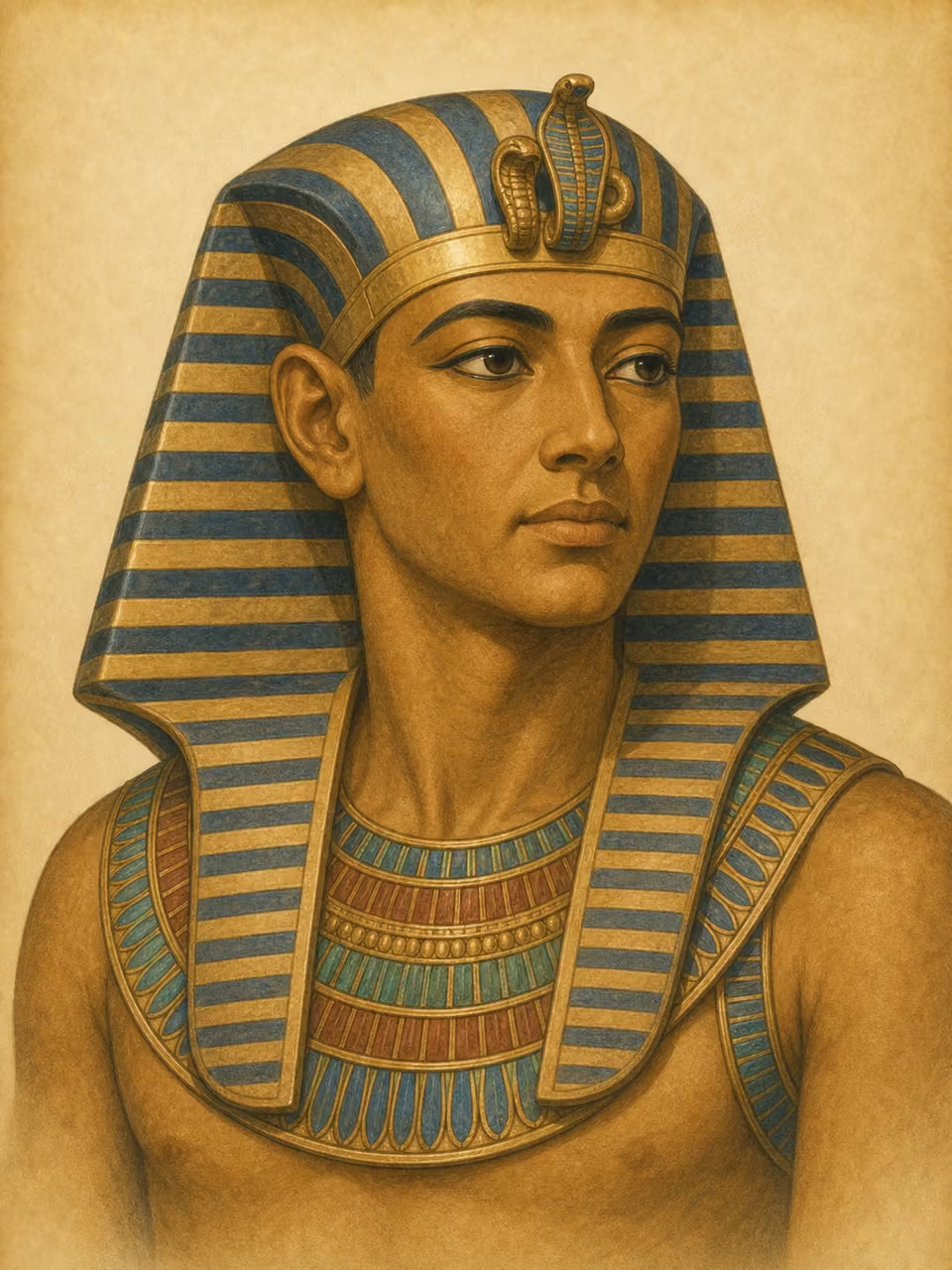
Thutmose III
Egyptian empire
A king whose campaigns in Syria-Palestine formed part of the regional competition.
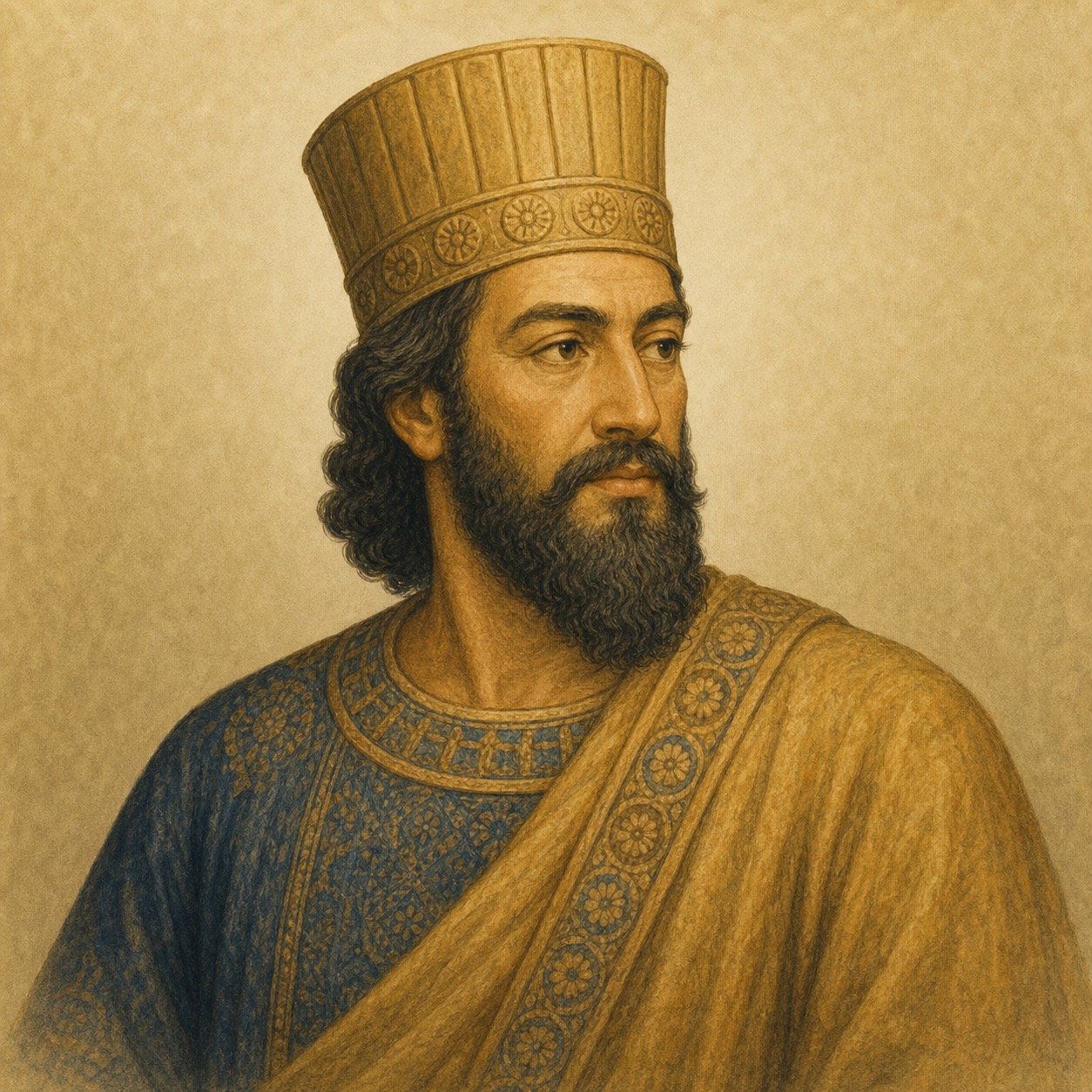
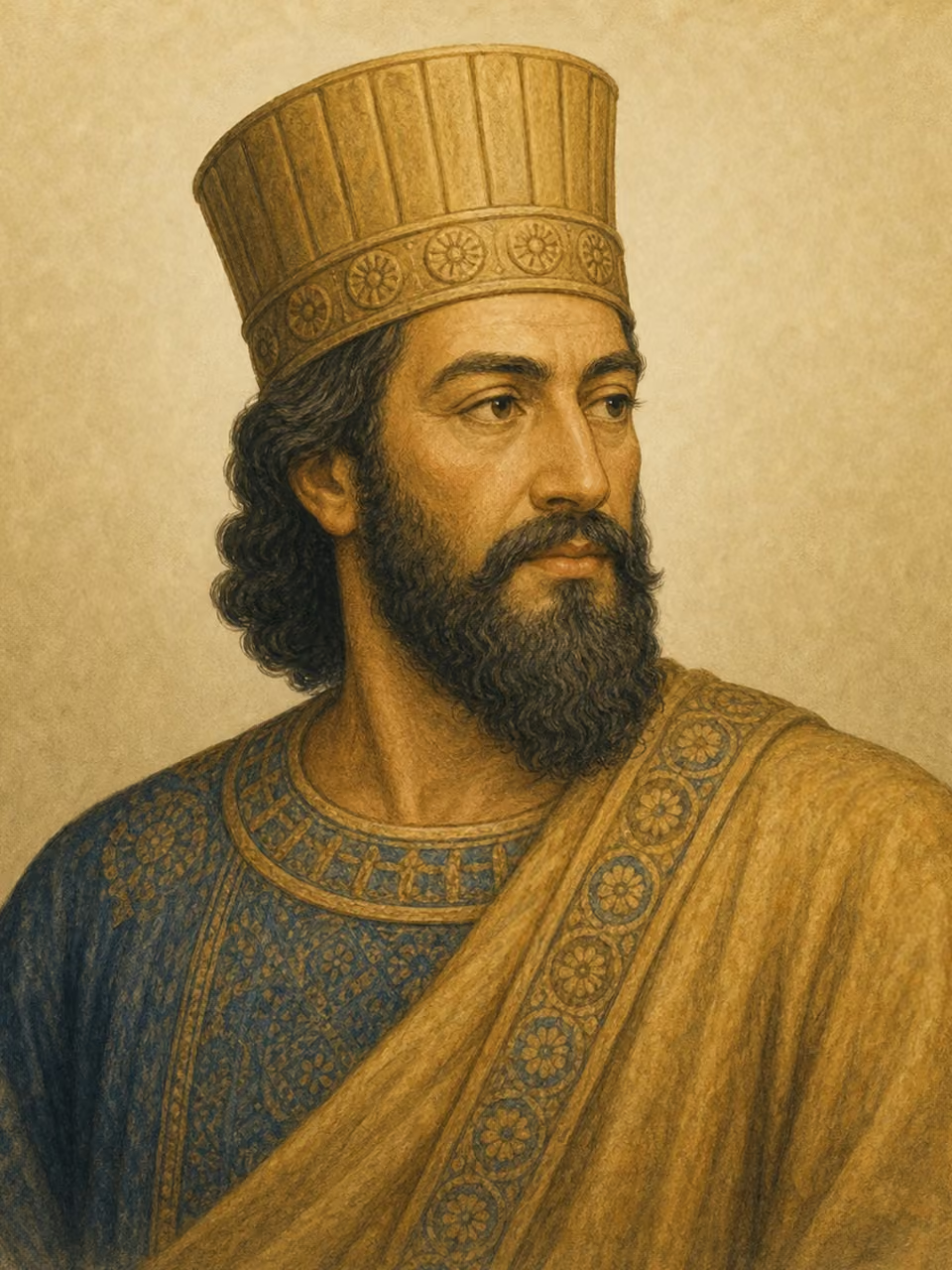
Cyrus the Great
Iranian empire
A later comparison for the multi-regional rule and administrative inheritance of West Asian empires.
Related events
c. 1650 BC
The Hattusa state
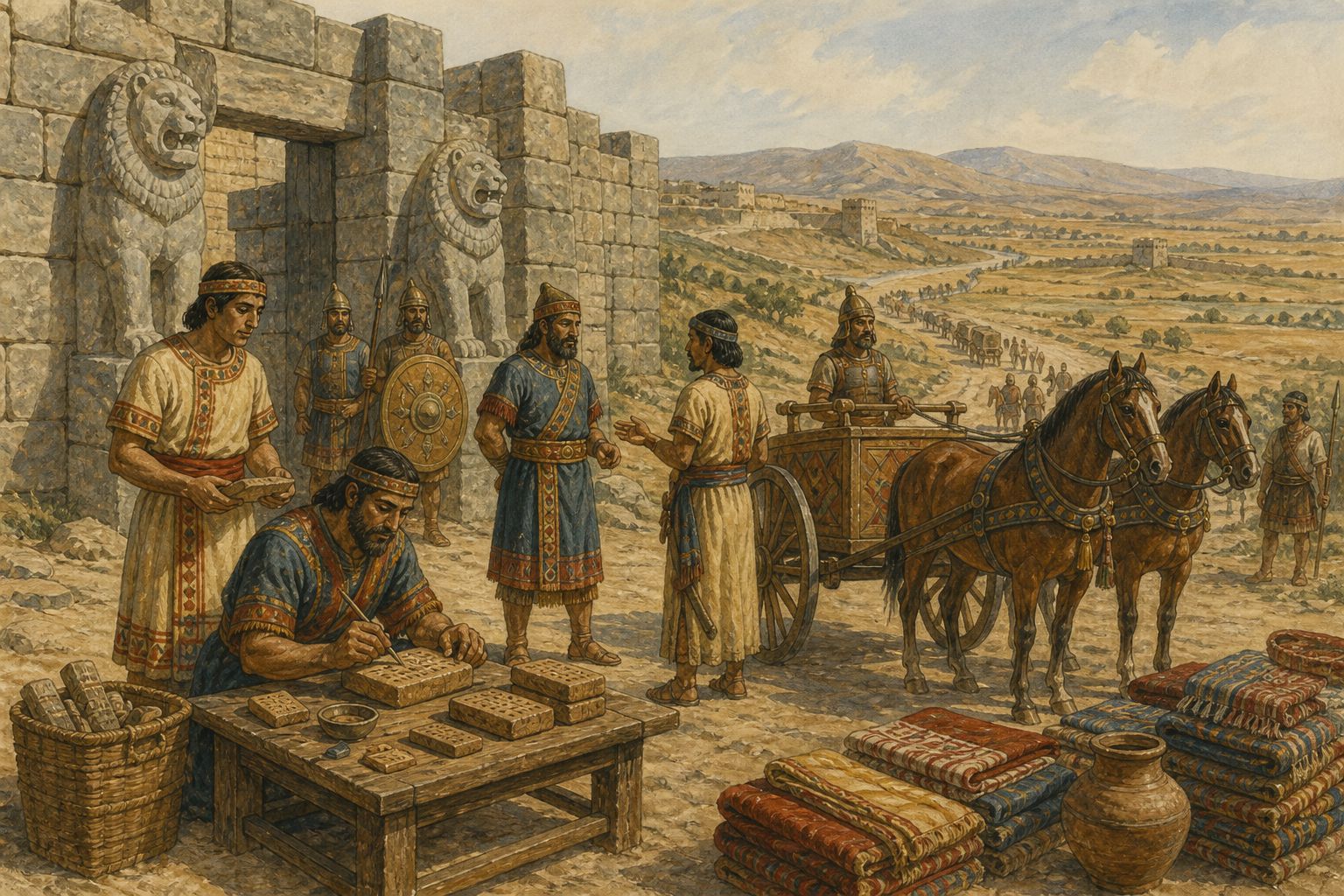
A kingdom formed in central Anatolia with palaces, temples, and fortified approaches.
c. 1595 BC
Mursili’s campaigns
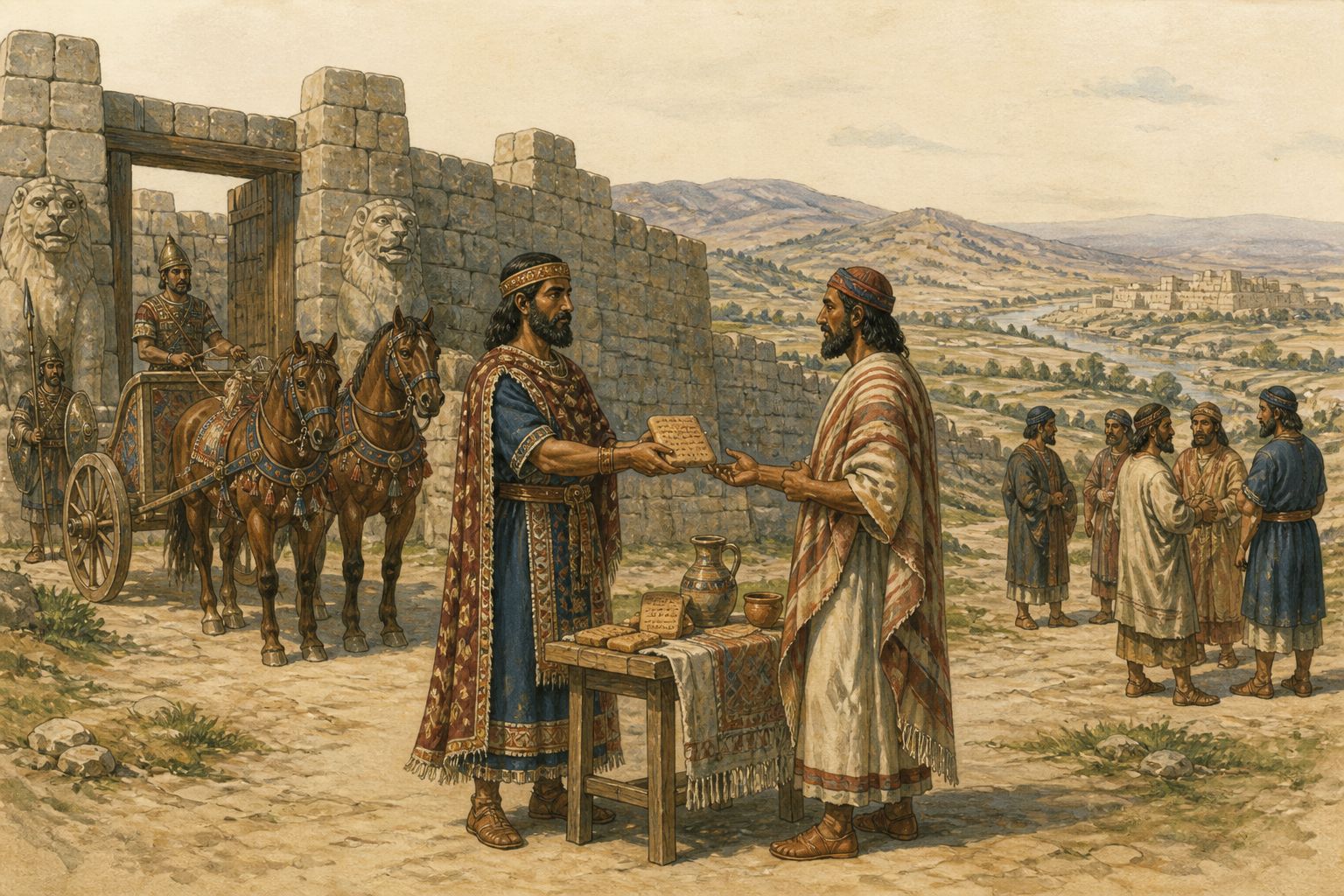
Armies moved south, extending Hittite influence toward the Syrian cities.
c. 1400 BC–c. 1300 BC
Expansion into Syria
Current event
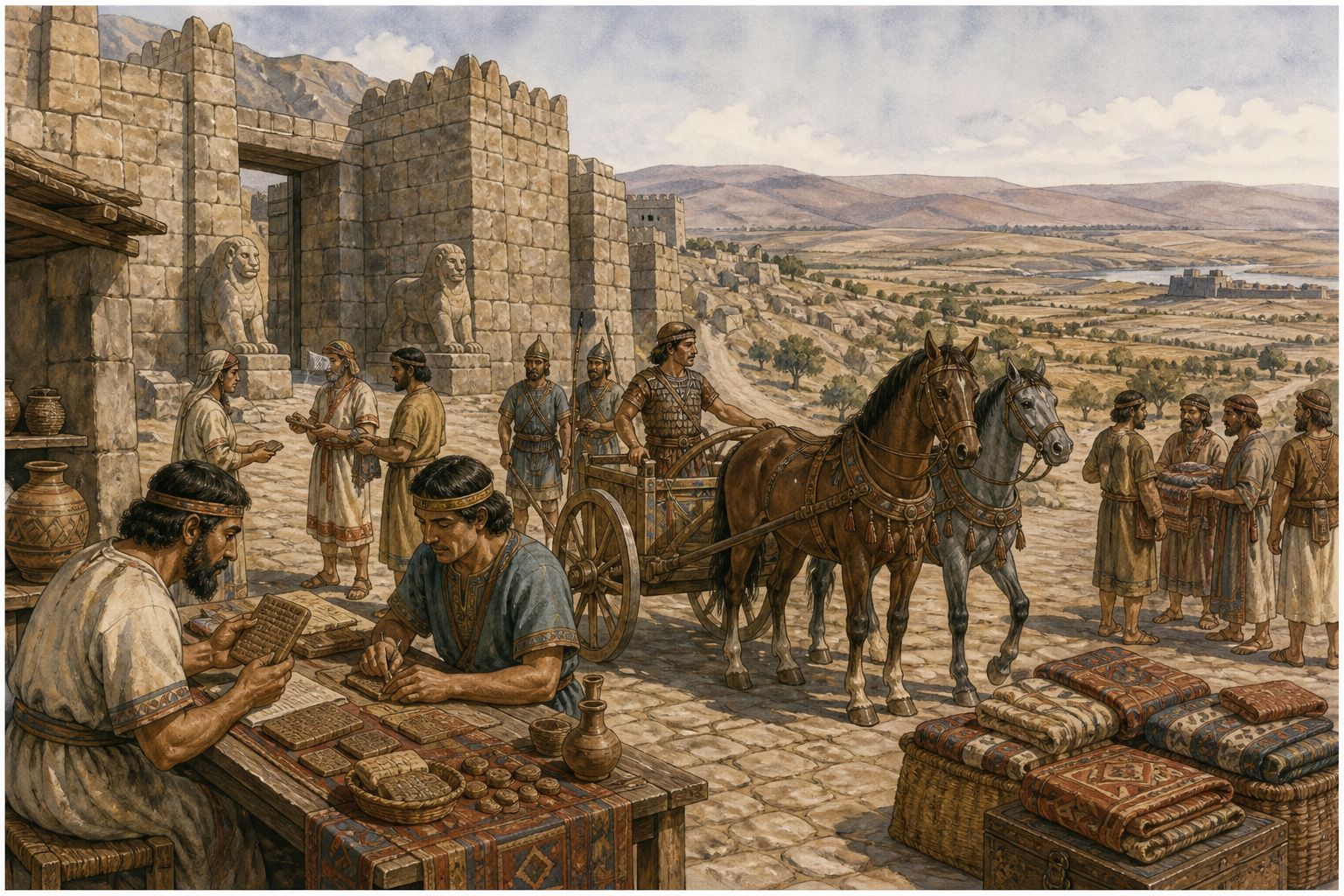
Competition for cities and trade routes brought Hittite and Egyptian power into contact.
c. 1274 BC
Kadesh diplomacy
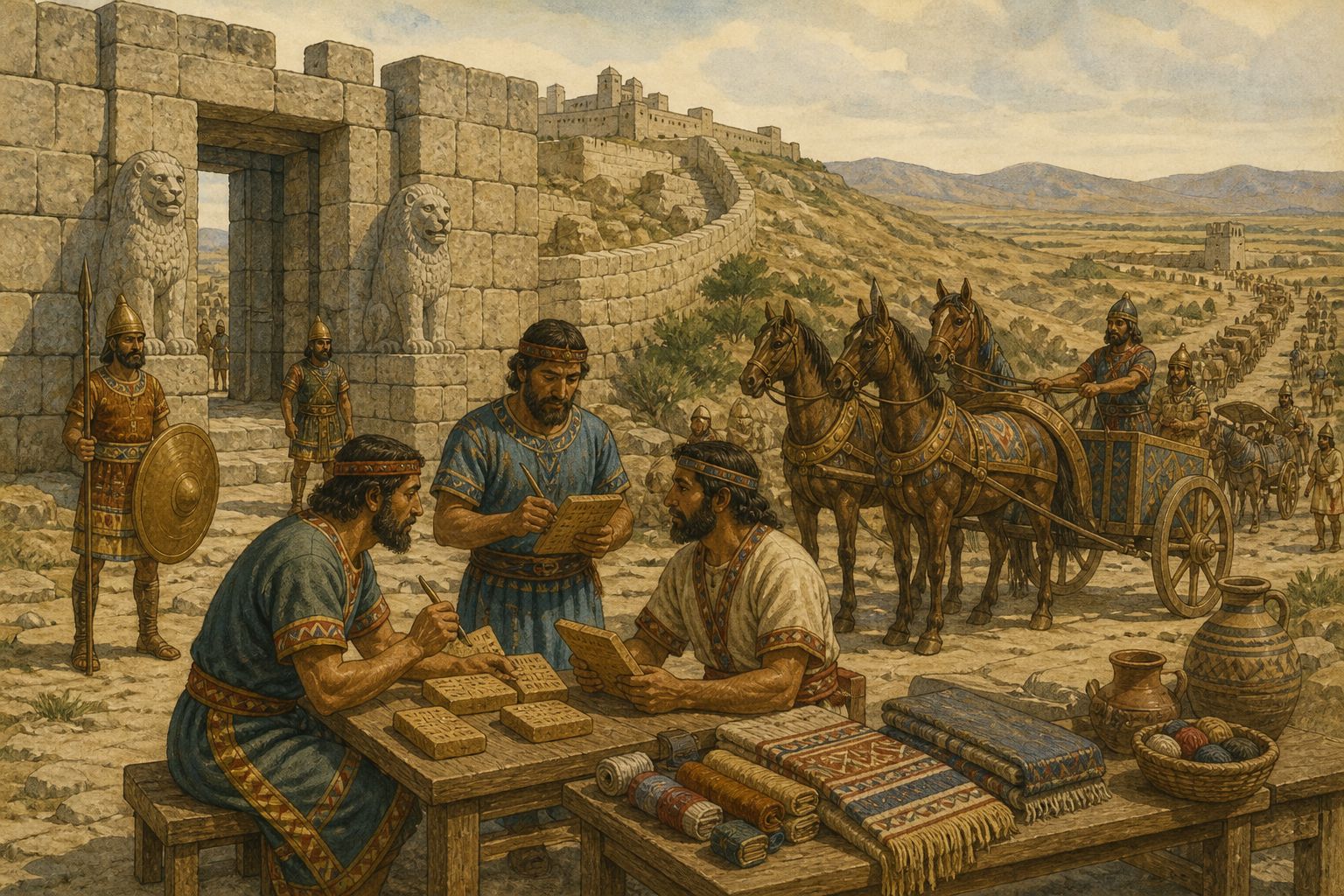
Conflict eventually created a setting in which the two kingdoms adjusted relations by treaty.
c. 1200 BC
The Bronze Age crisis
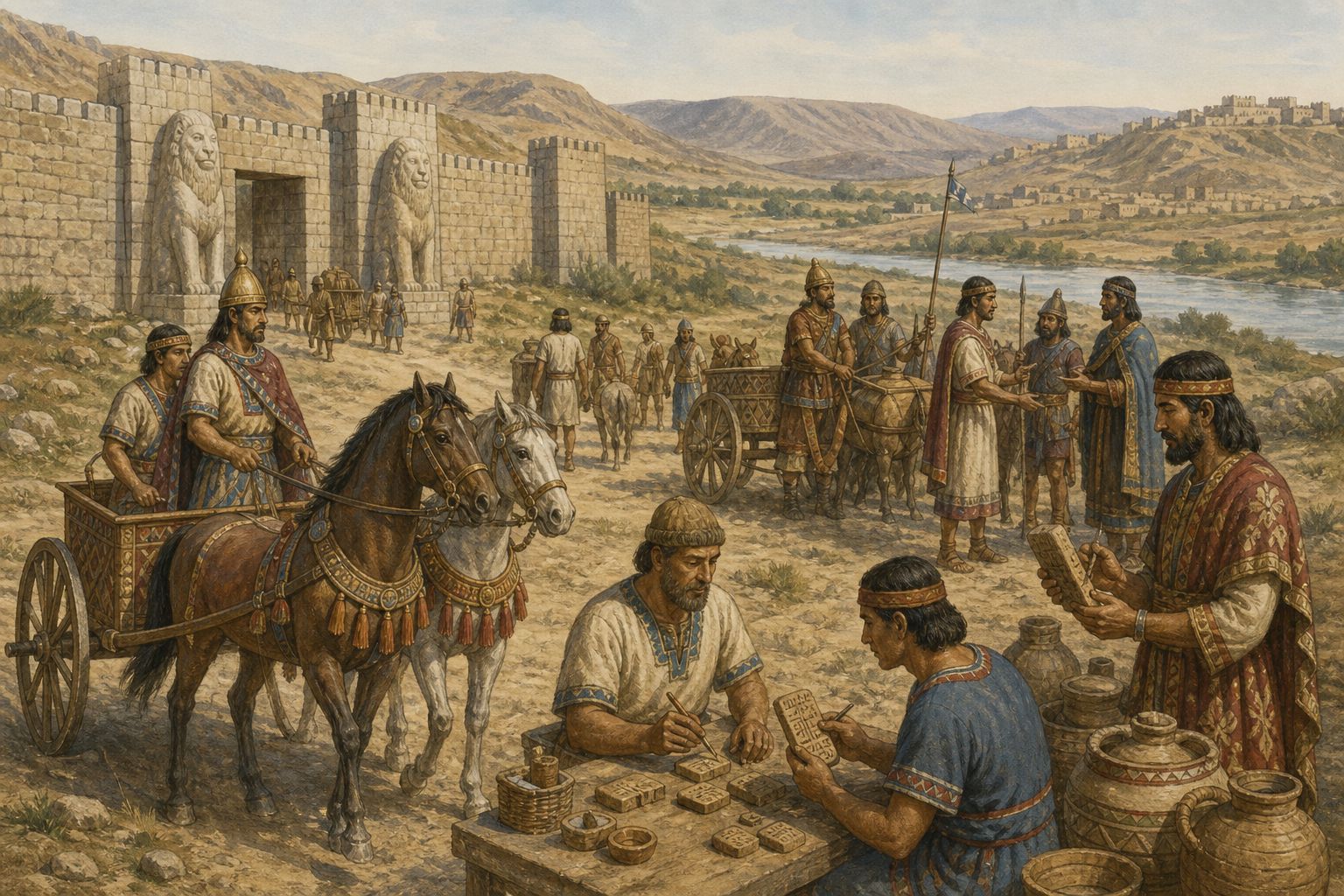
Migration and political instability shook the palace-centered networks of the region.


Sources
- Hittite EmpireEncyclopaedia BritannicaA reference overview of Hittite state formation, expansion, diplomacy, and decline.
- The HittitesThe Metropolitan Museum of ArtAn art-historical view of Hittite reliefs, ritual objects, and imperial culture.
- Hittite EmpireWorld History EncyclopediaA chronological account of Hattusa, Syrian campaigns, Kadesh, and the Late Bronze Age crisis.