Hundred Years' War
1337–1453
From 1337 to 1453, English claims to the French crown and disputes over lands and homage drove a long war interrupted by truces.

- Period
- 1337–1453
- Kind
- War
- Regions
- Europe
- Keywords
- Anglo-French war · royal succession · longbow · Joan of Arc · Calais · Wars of the Roses
Follow the story · Four stages
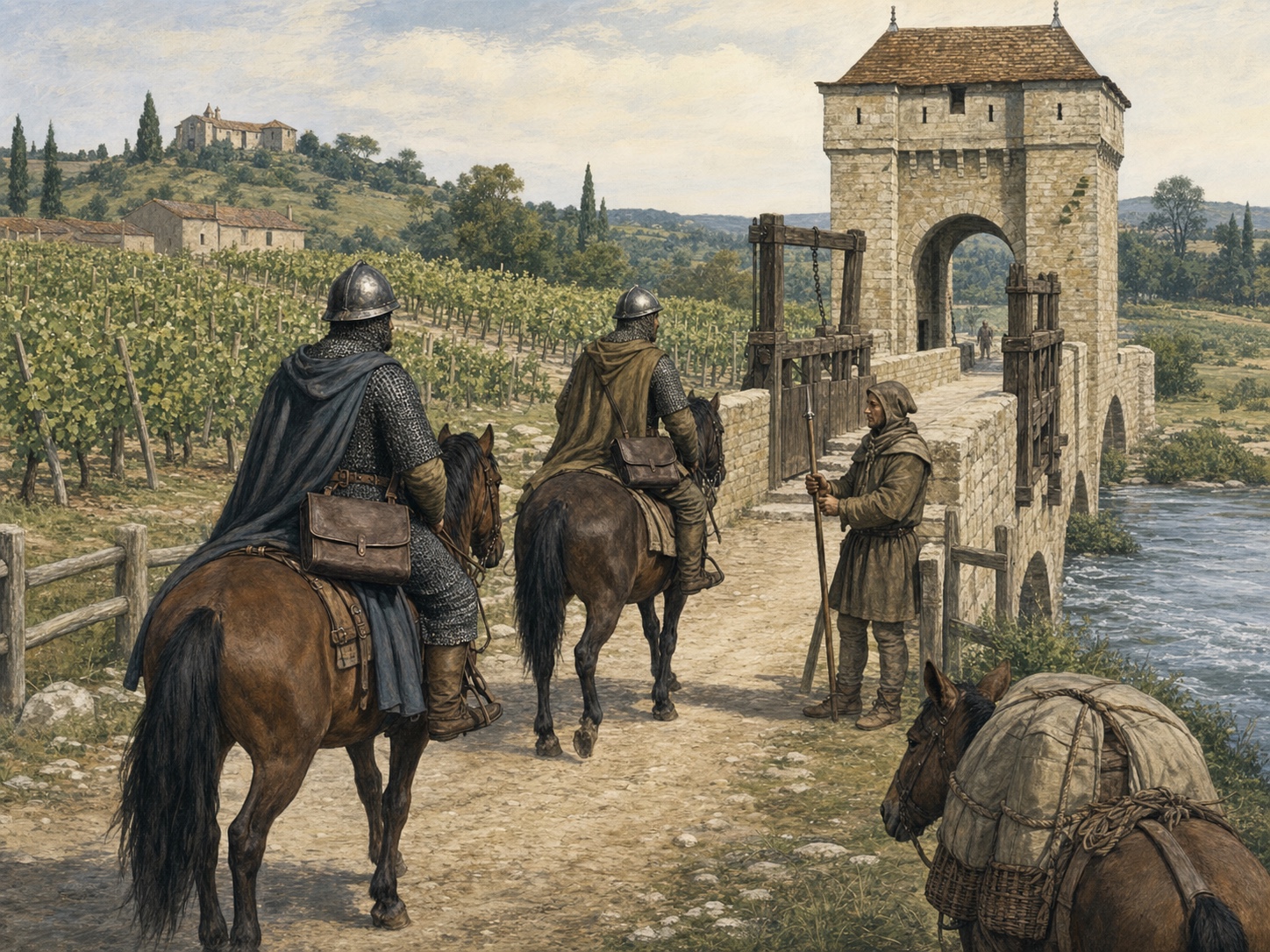
Background
The succession dispute of 1328 combined with the confiscation of Aquitaine and Edward III's claim to the French crown as war began in 1337.
- The French succession crisis of 1328
- Disputes over Aquitaine, landholding, and homage
- Edward III's claim to the French crown
Course
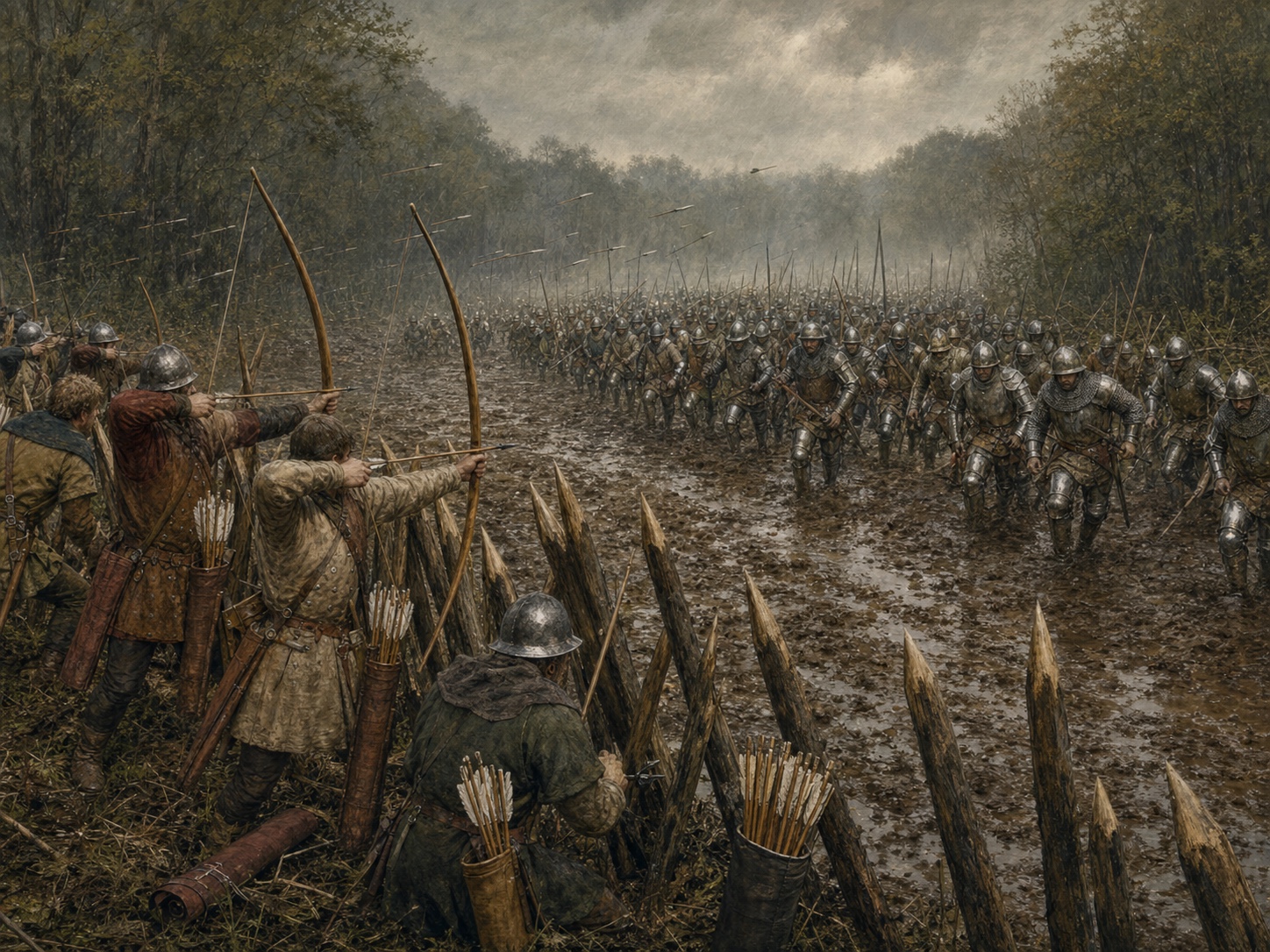
England gained major victories such as Crécy, while Emperor Sigismund attempted mediation in 1416; after Joan of Arc's intervention, Charles VII's side recovered.
- Intermittent warfare separated by truces
- Early English advantages at battles such as Crécy
- French recovery after the relief of Orléans
Outcome
French forces recovered Bordeaux in 1453, leaving Calais as England's only remaining possession in France.
- Bordeaux recovered by France in 1453
- Territorial consolidation under the French monarchy
- Calais left as England's only French possession
Historical significance
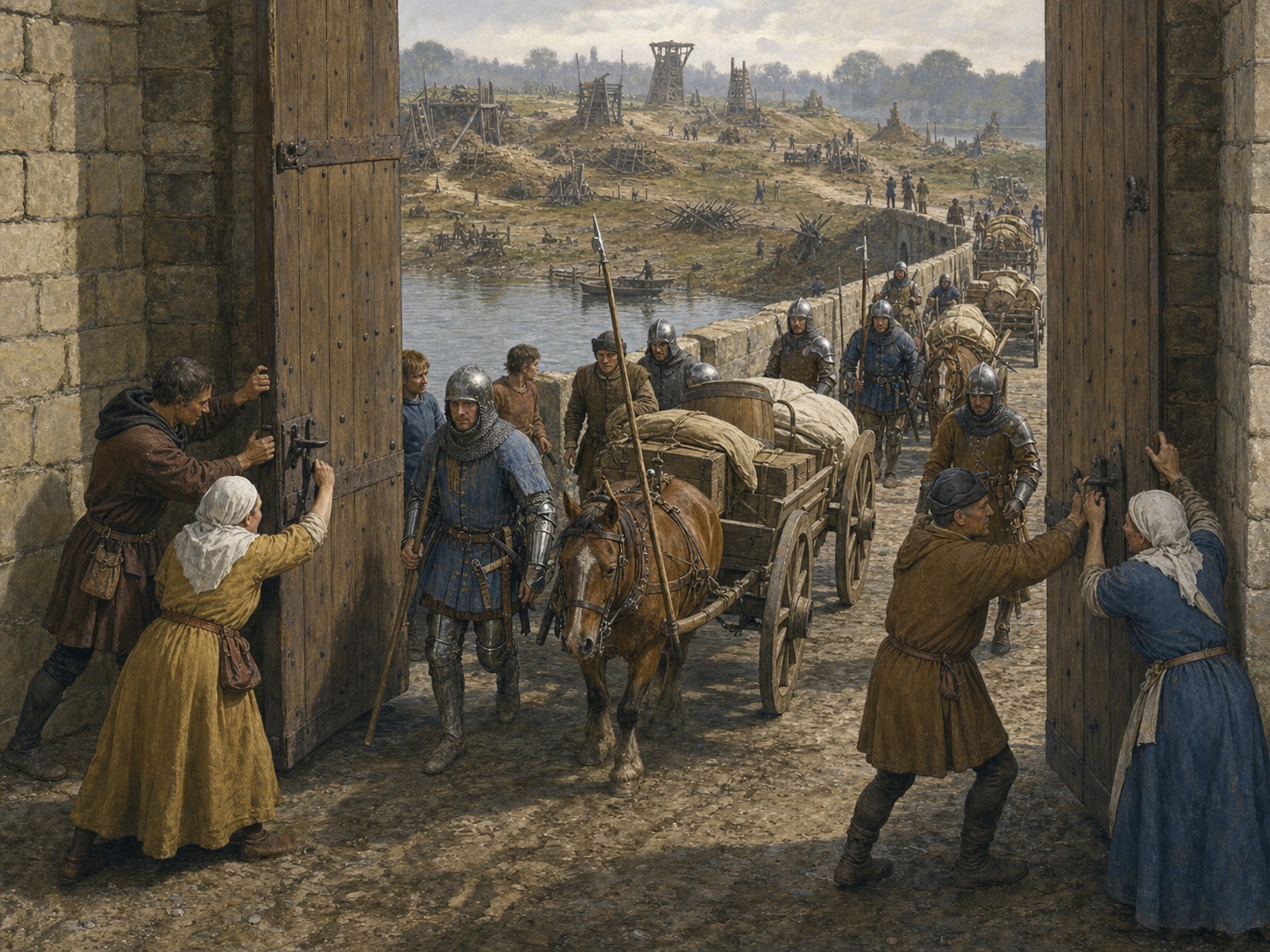
Taxation and military service operated through Parliament during the long war. Failure in France and domestic unrest encouraged English factionalism before the Wars of the Roses began in 1455.
- Taxation and military service organized through Parliament
- Long-term changes in royal and military organization
- Defeat and unrest feeding English factional conflict
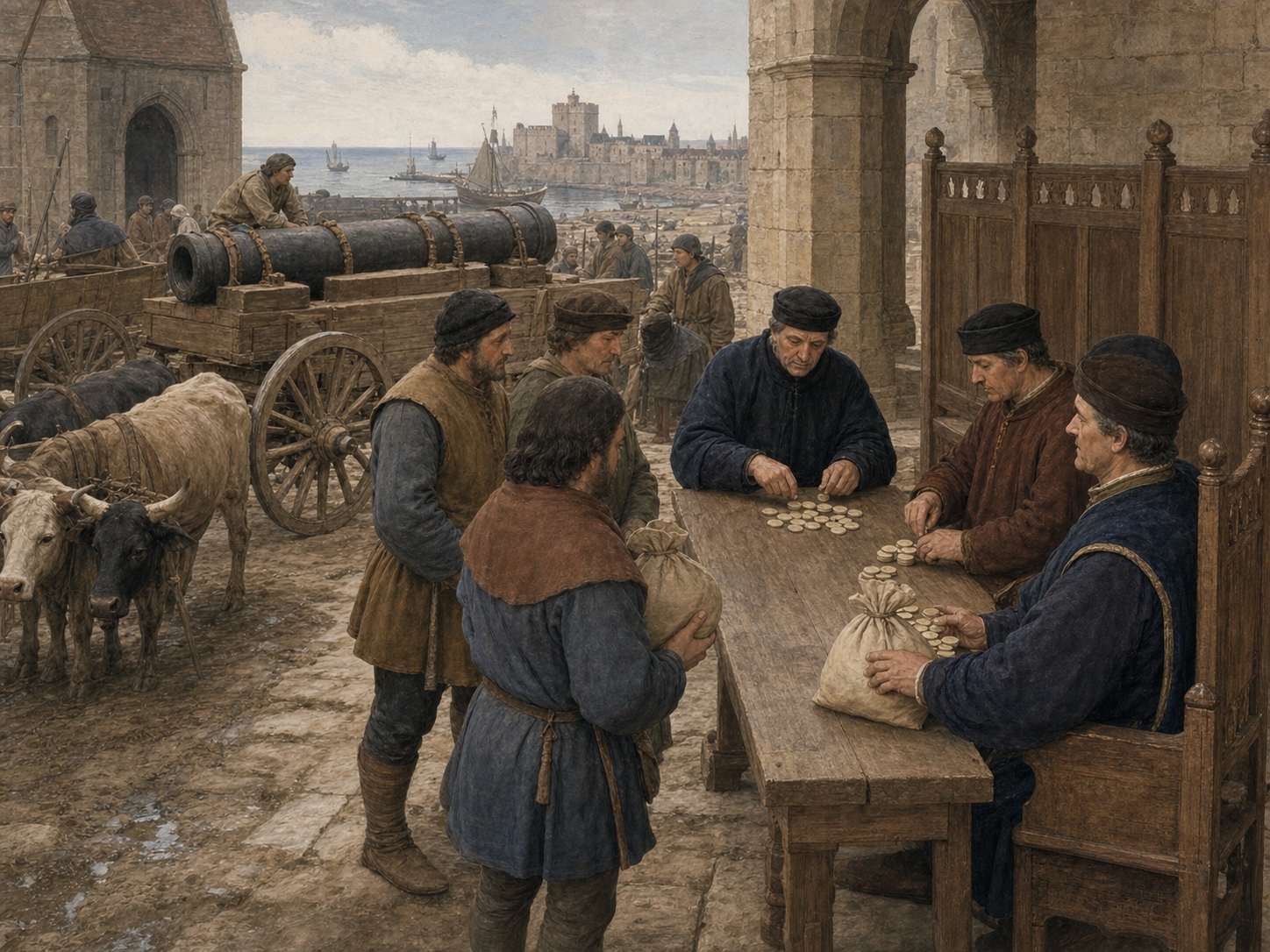


Related figures
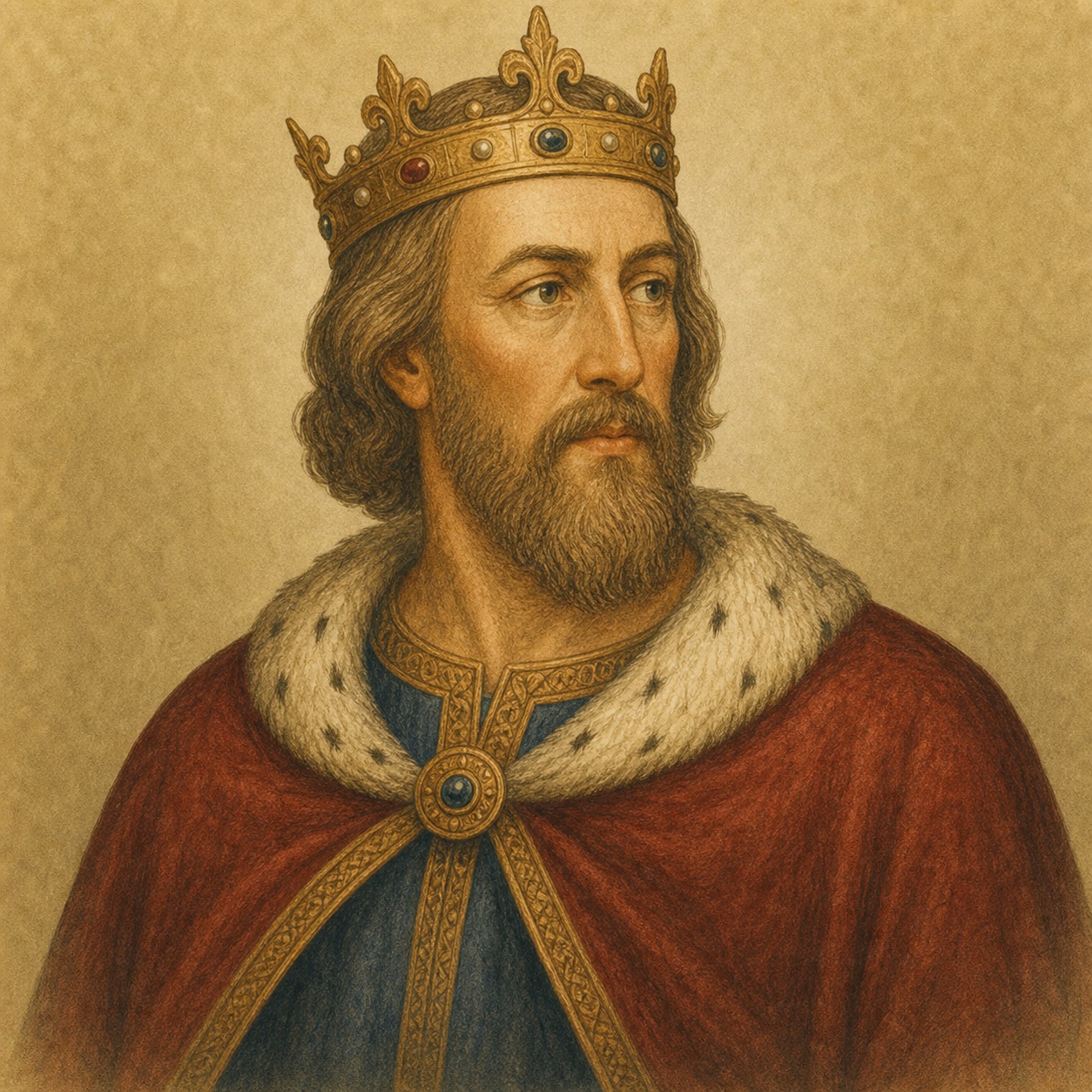
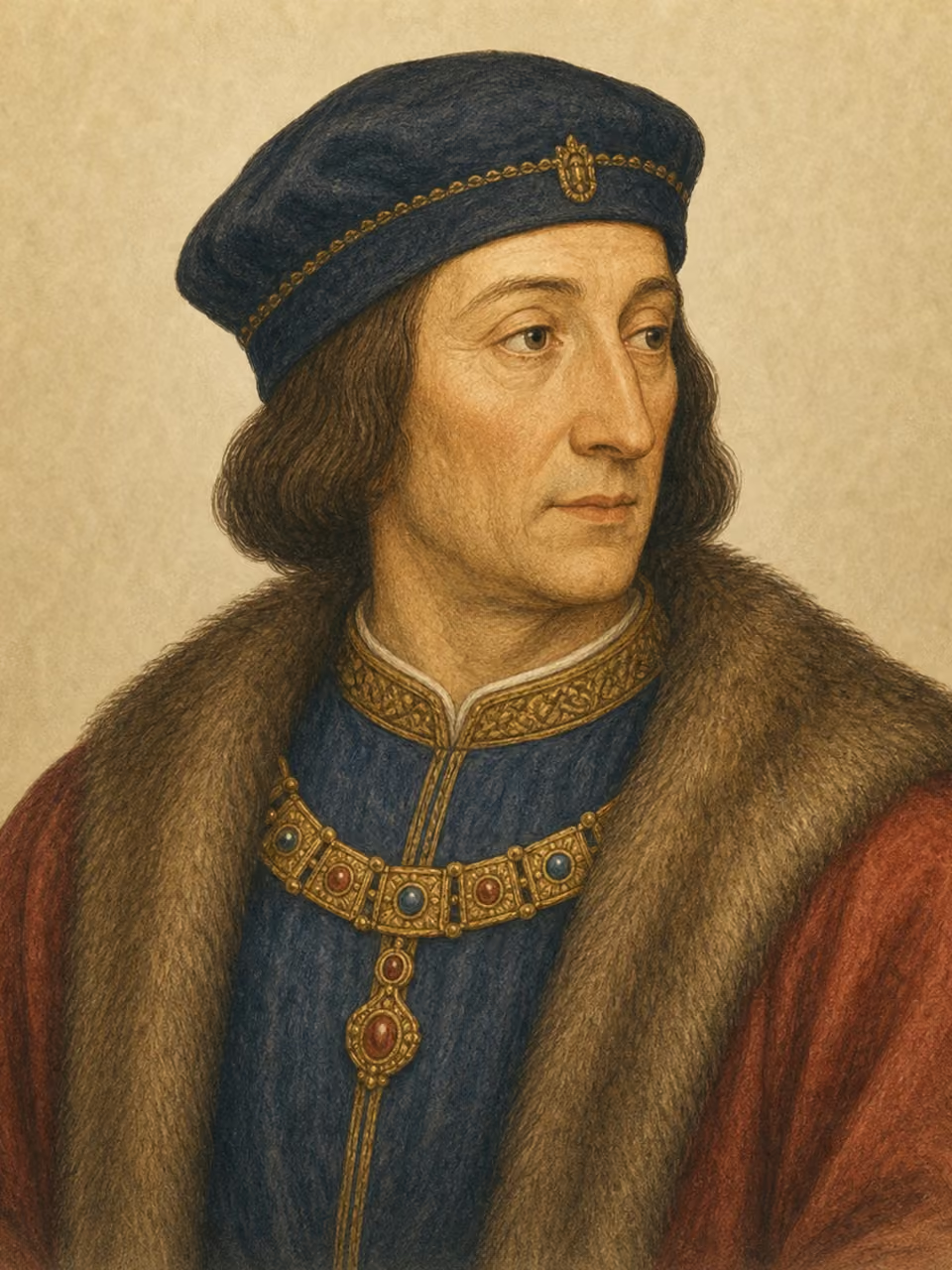
Edward III of England
English king and claimant
He claimed the French crown and led England in the war's opening phase, building early advantages at Sluys and Crécy.
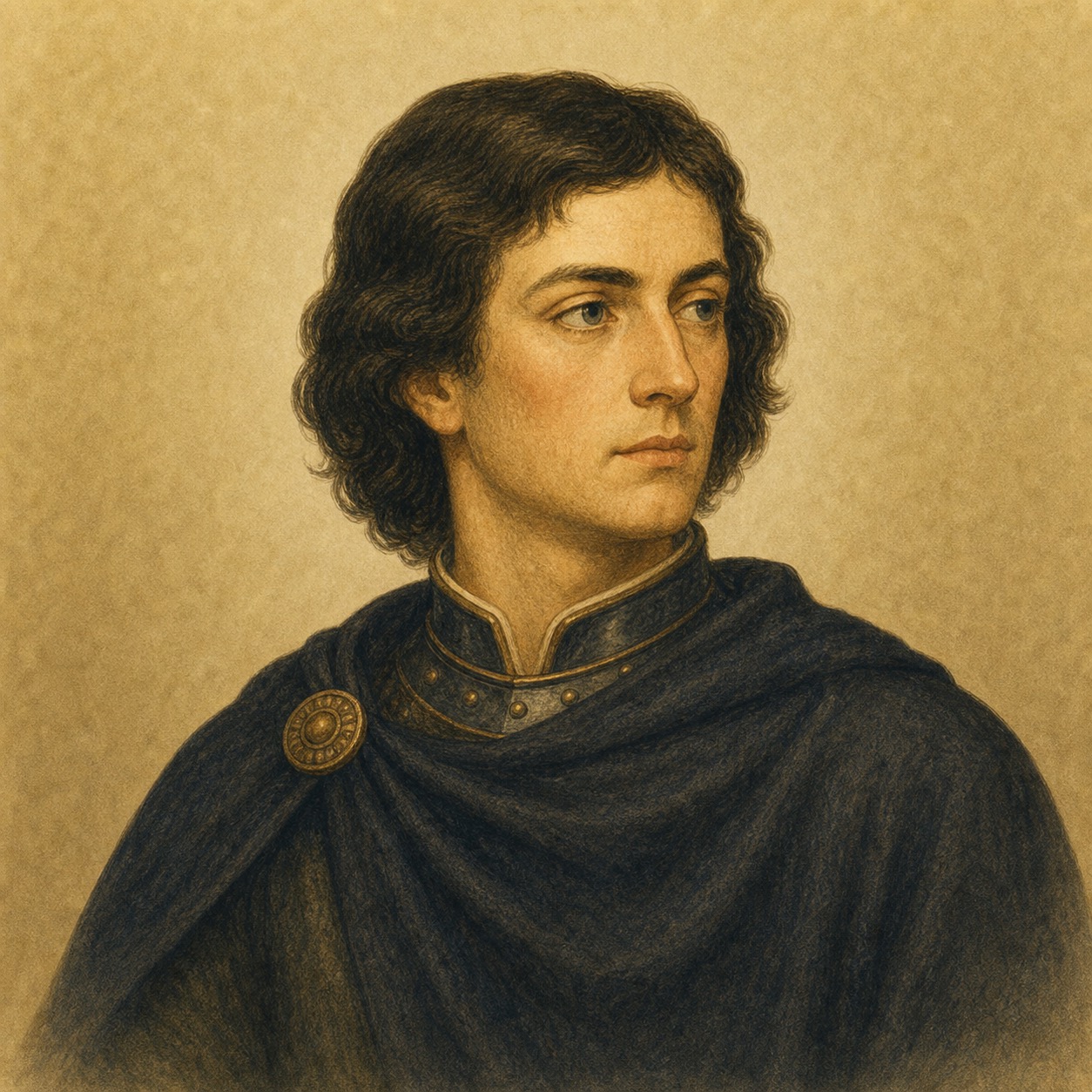
Edward, the Black Prince
English prince and commander
A major English military leader who fought at Crécy and later commanded the victorious army at Poitiers.
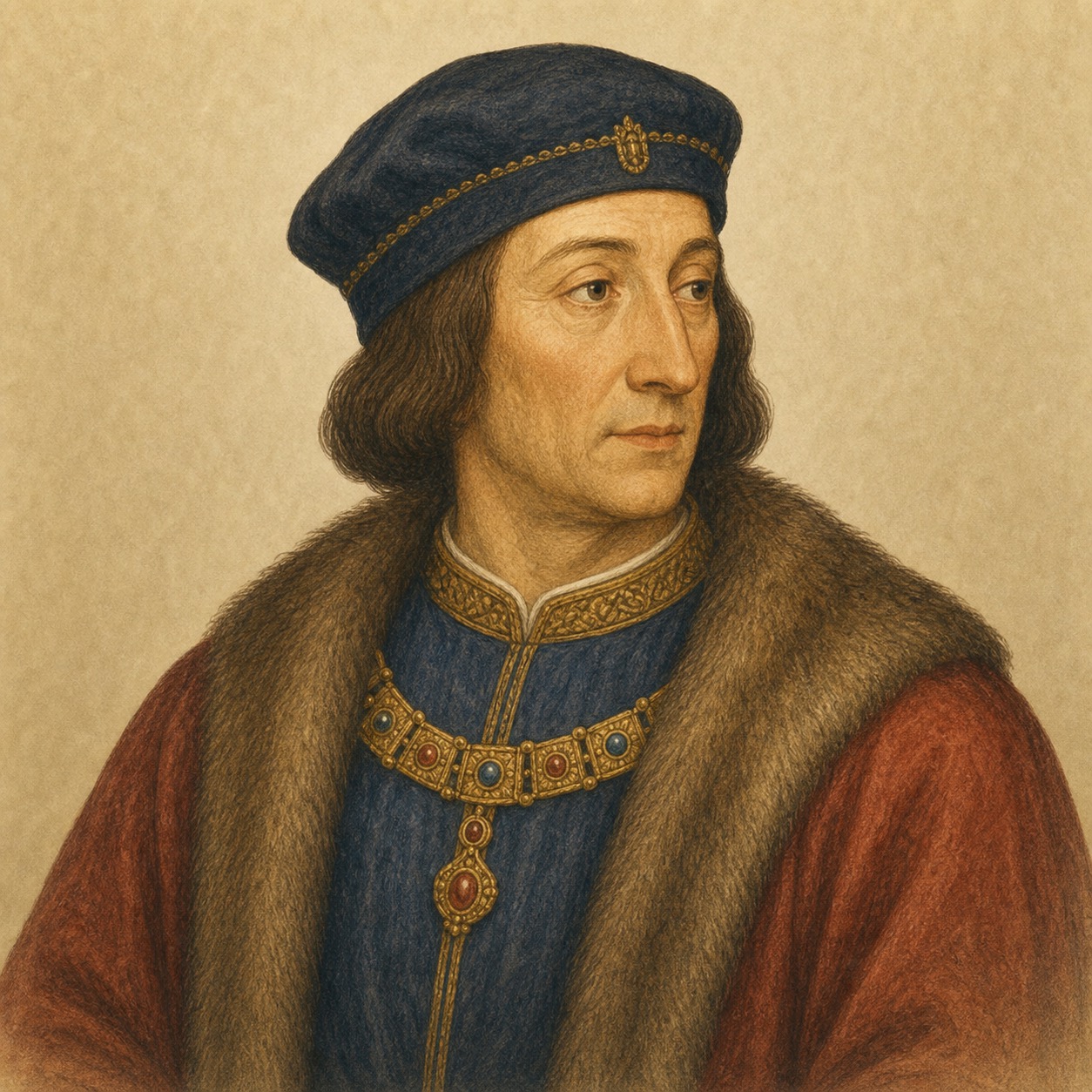
Charles VII of France
French king and recovery leader
He survived a succession crisis, was crowned at Reims in 1429, and led the French recovery that culminated at Bordeaux in 1453.
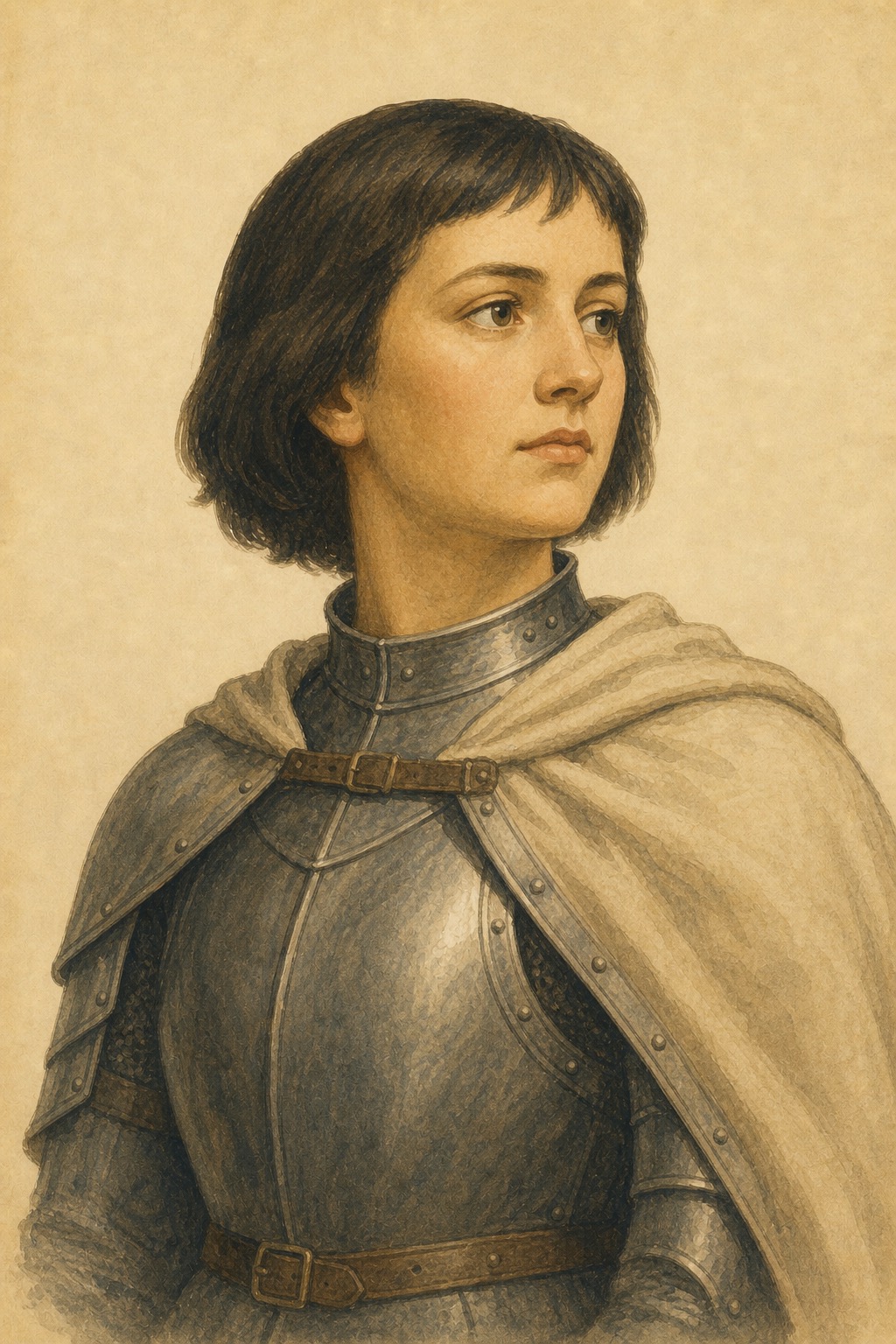
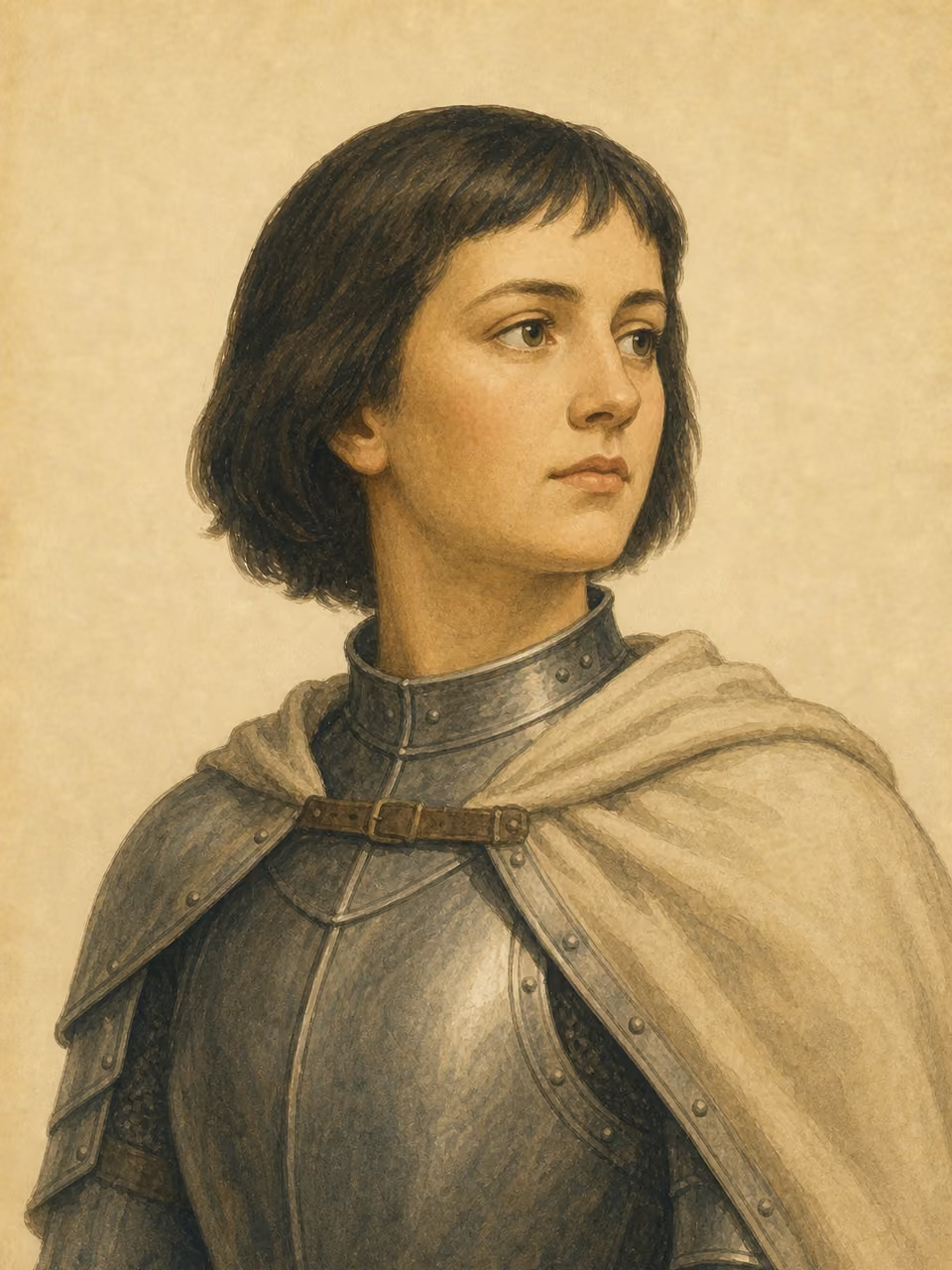
Joan of Arc
French participant and rallying figure
She took part in the relief of Orléans in 1429 and helped revive the military and political position of Charles VII.
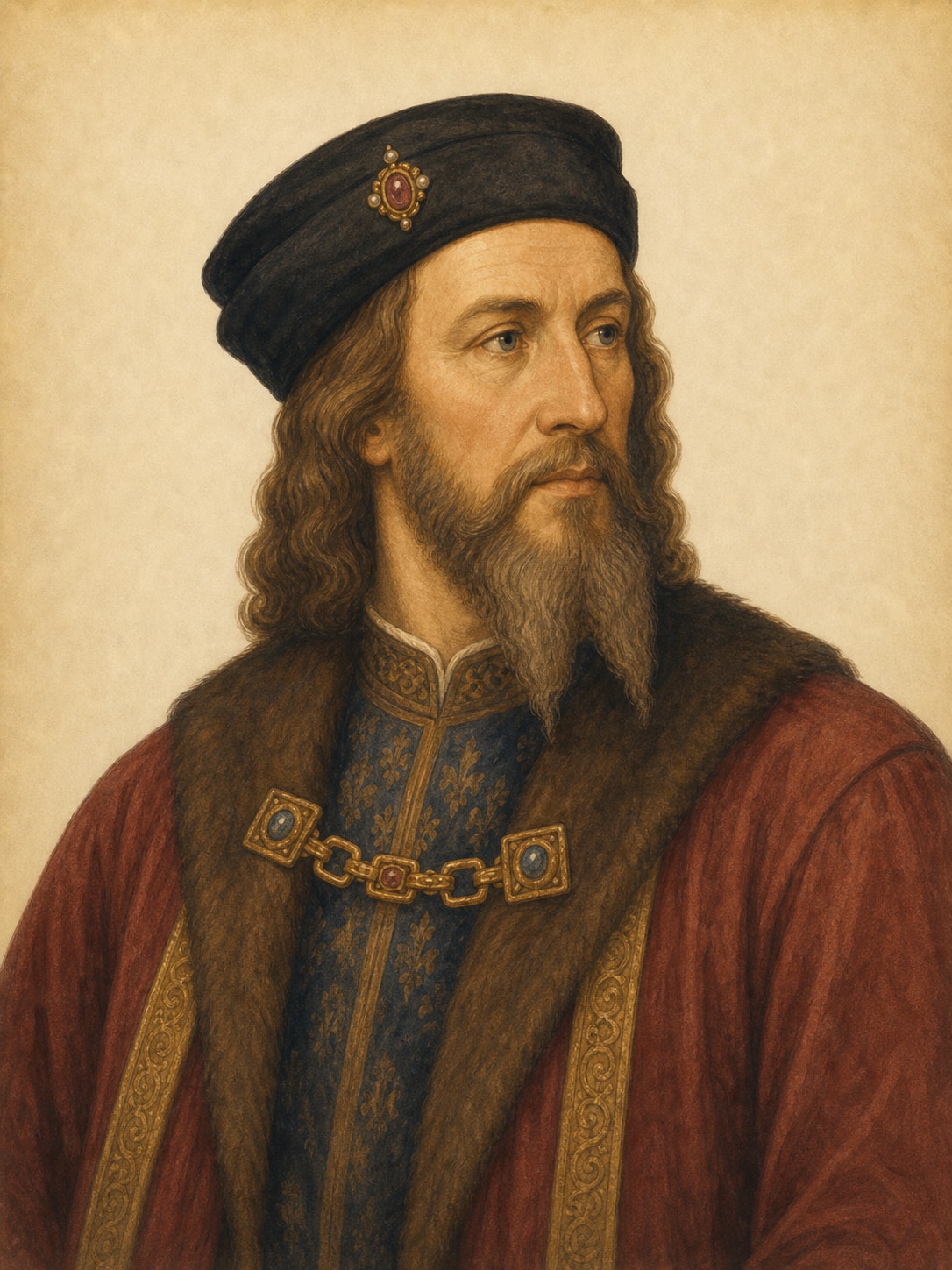
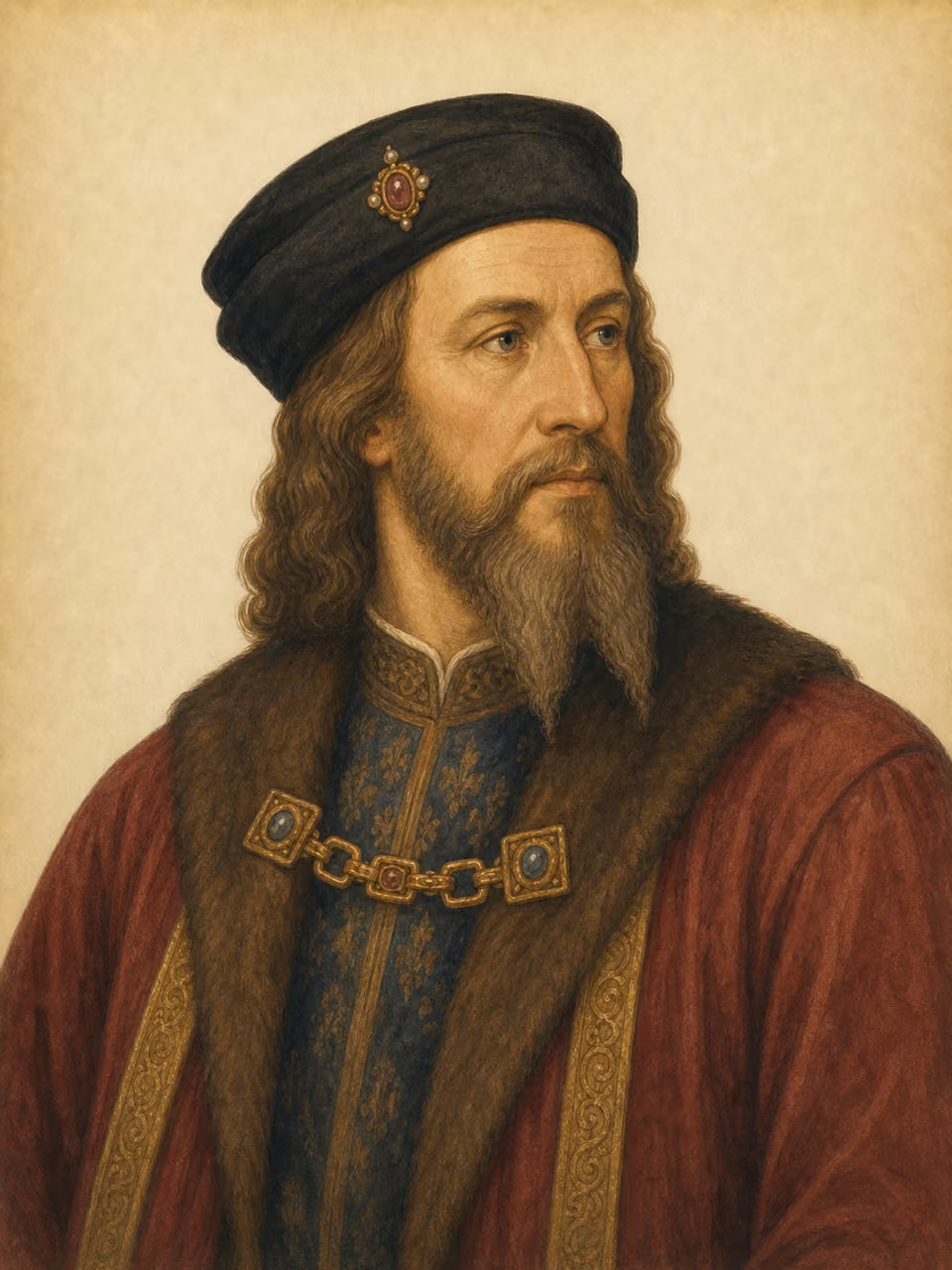
Sigismund
Emperor and diplomatic mediator
As Holy Roman emperor, he attempted mediation between England and France in 1416, participating in the conflict through diplomacy.
Related events
1328
The Capetian succession dispute
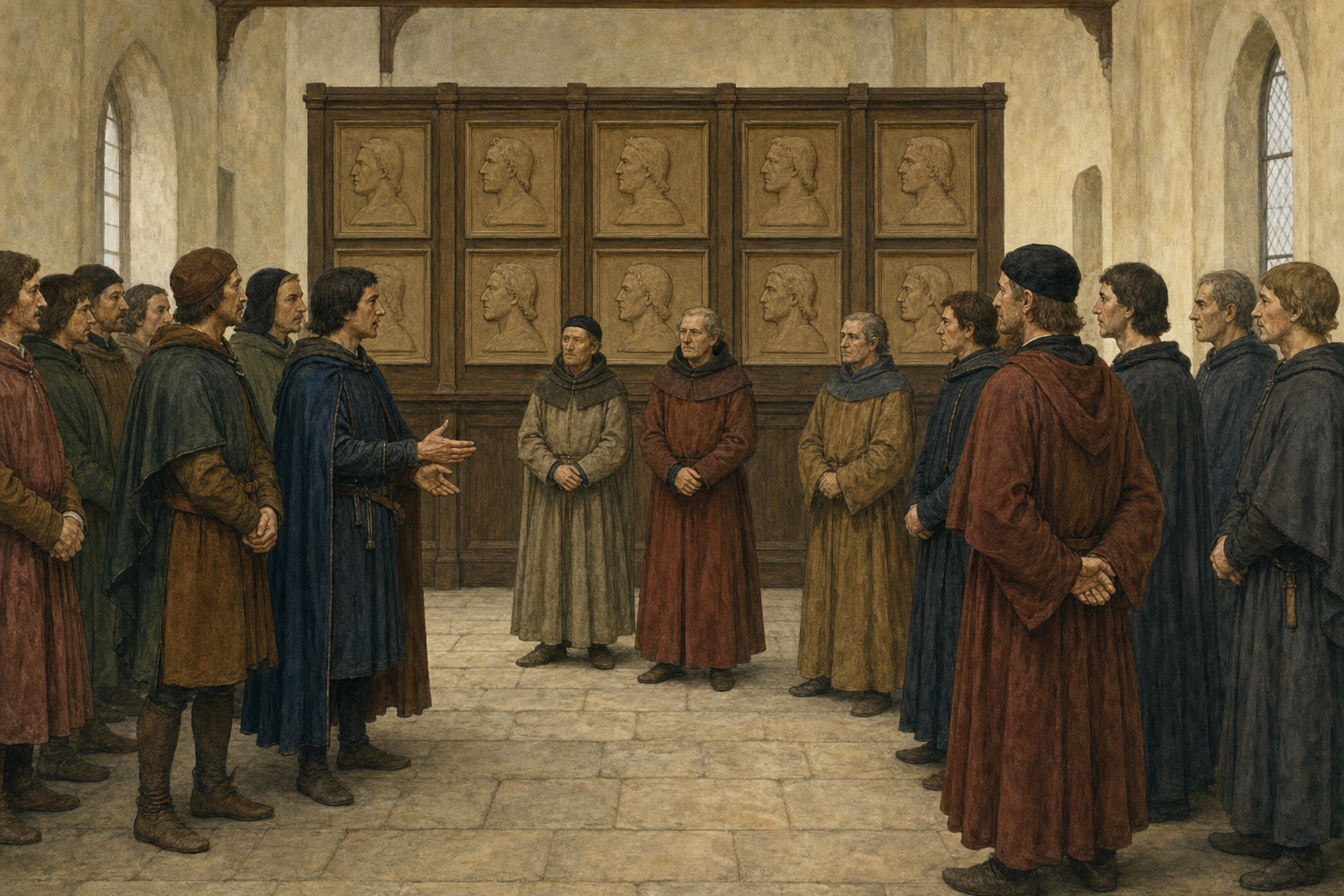
In 1328, the end of the direct Capetian line brought competing claims associated with Philip VI and Edward III into the open.
1329–1337
Gascony and feudal conflict
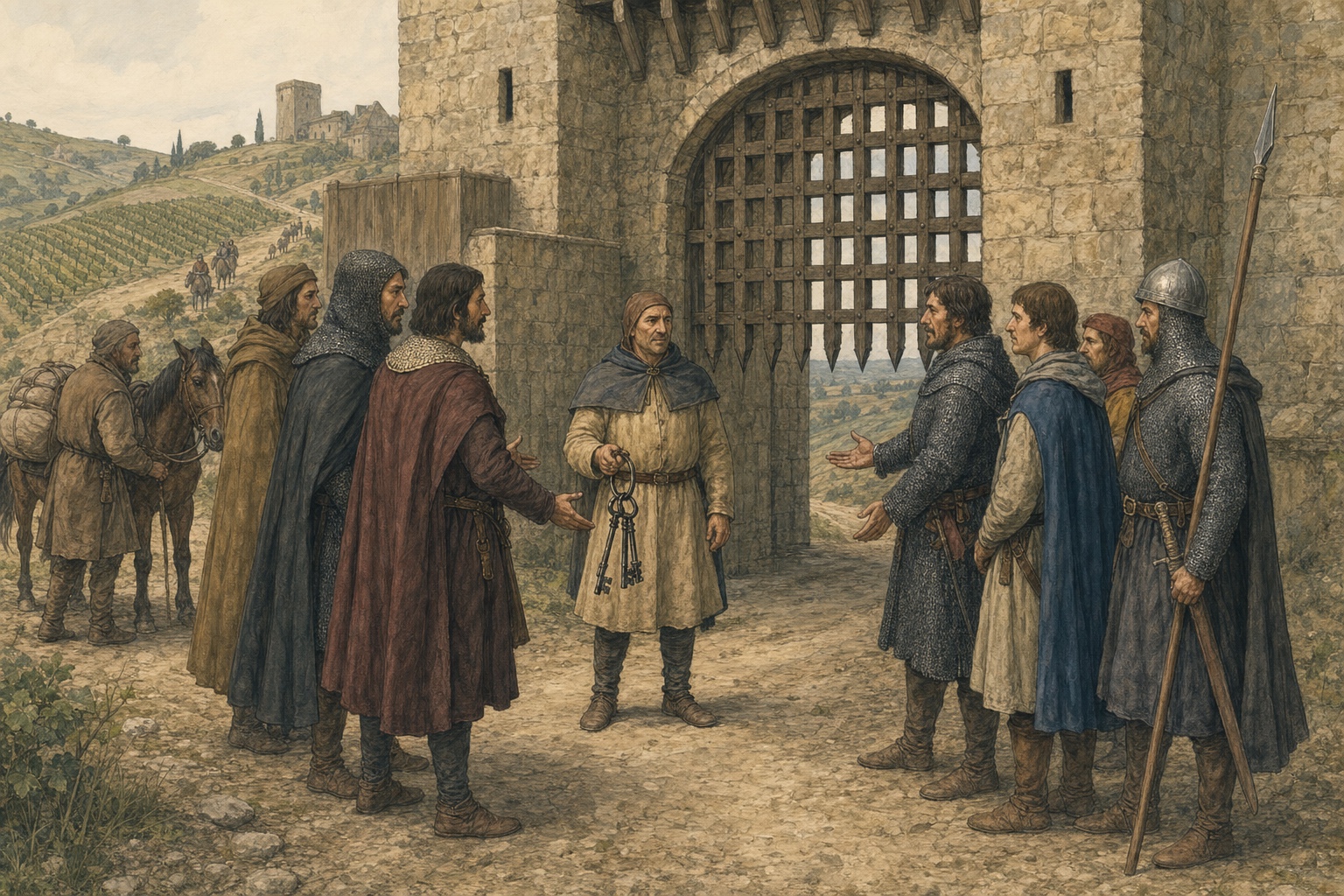
From 1329 to 1337, disputes over homage and possession of Gascony deepened while warfare in Scotland also shaped Anglo-French relations.
1337–1453
The Hundred Years' War
Current event
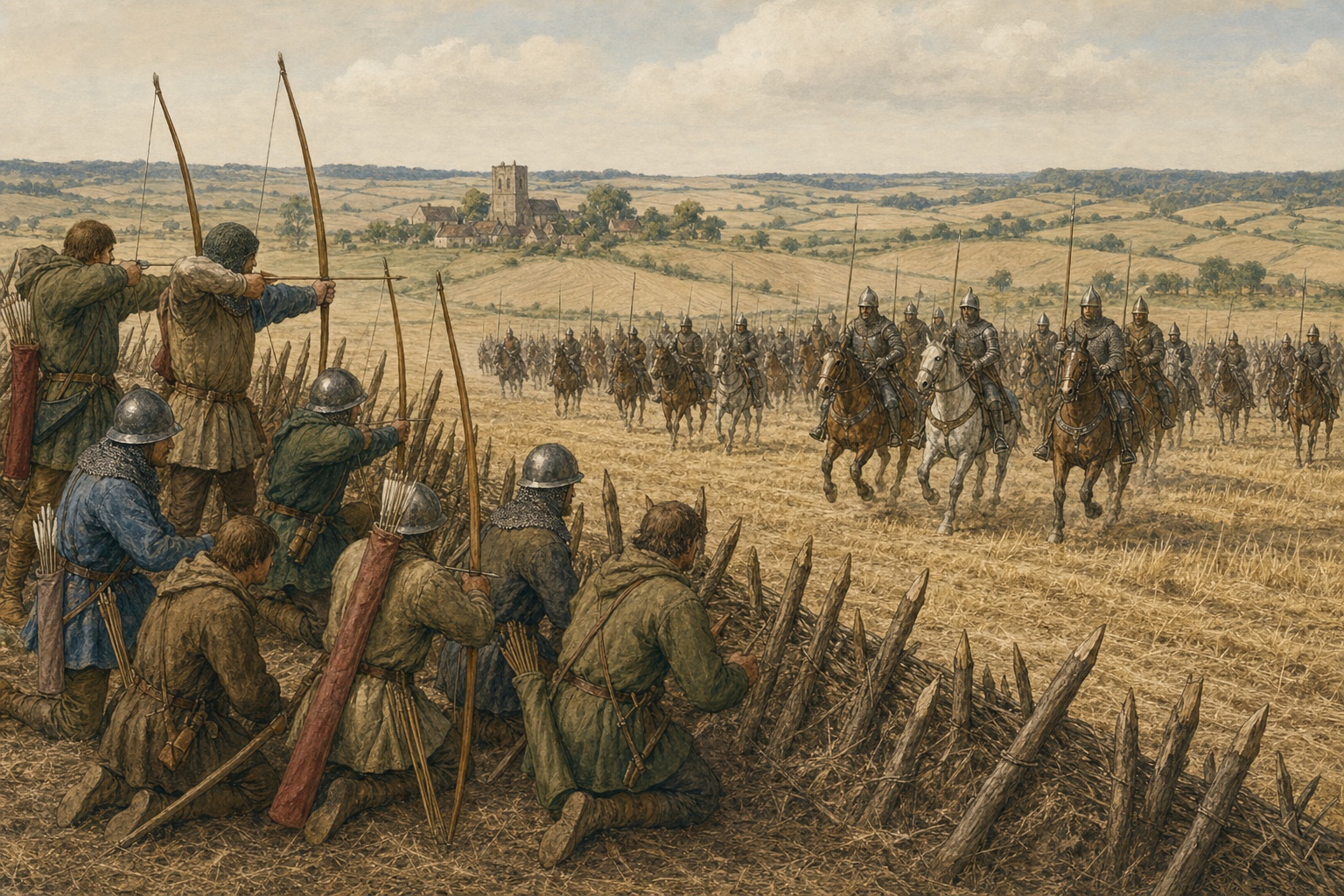
From 1337 to 1453, English advances and French recoveries alternated across truces until France retook Bordeaux.
1453–1558
English possession of Calais
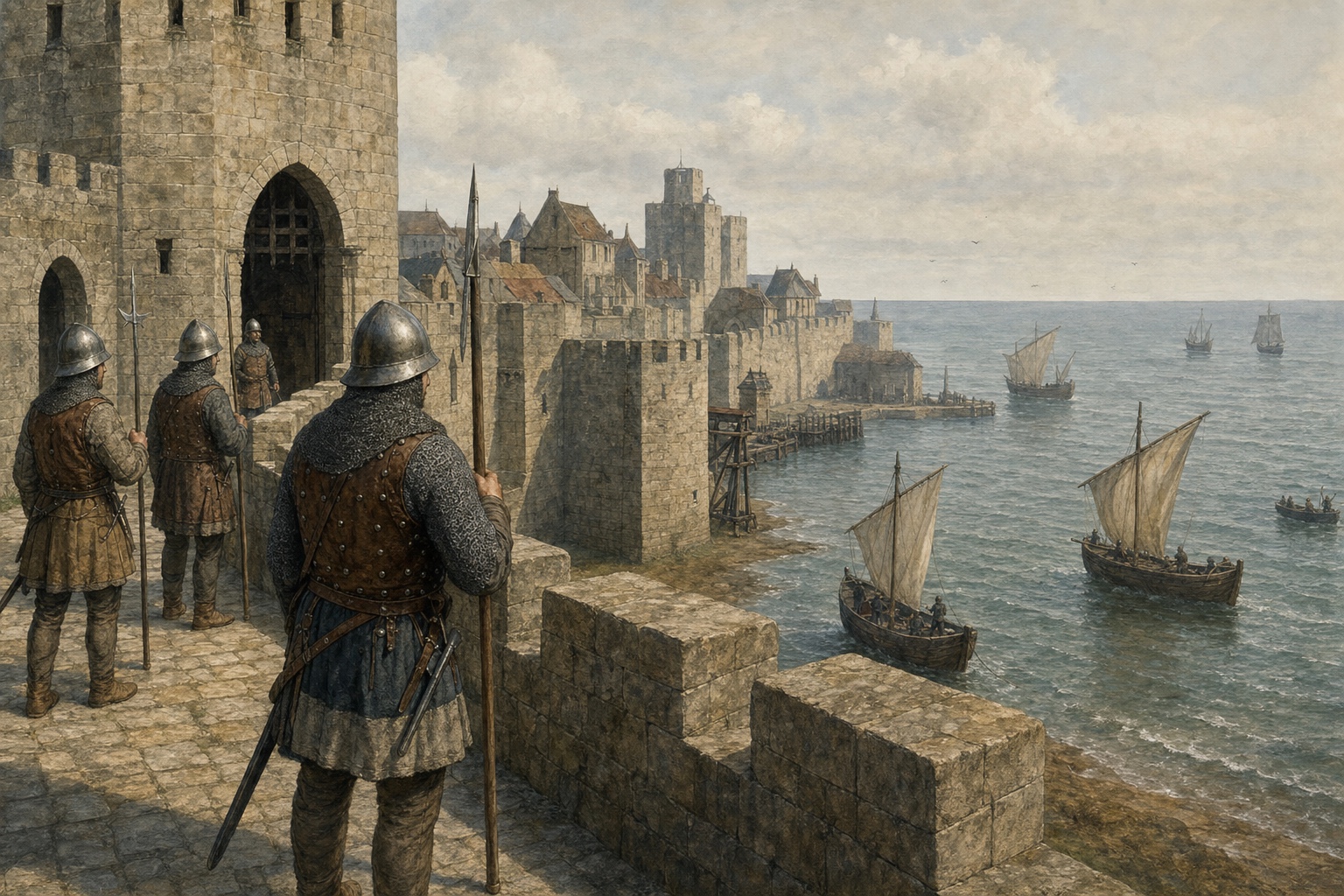
After Bordeaux was lost in 1453, Calais remained England's sole possession in France until 1558.
1453–1455
Factional strain after defeat
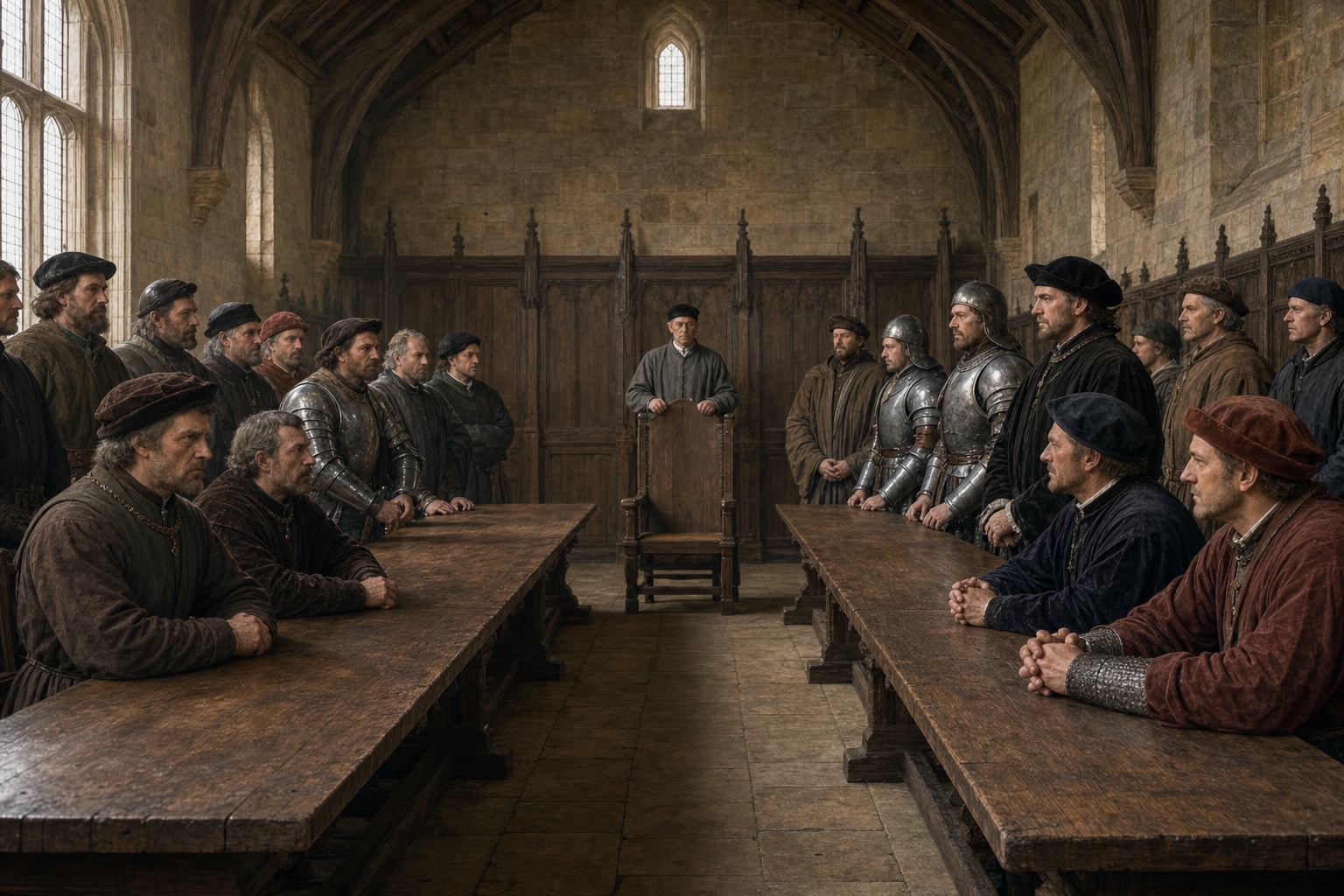
From 1453 to 1455, the loss of English rule in France and domestic unrest encouraged factional conflict before the Wars of the Roses.


Sources
- La guerre de Cent AnsBibliothèque nationale de FranceAn overview of the 1337–1453 boundary, succession dispute, and the French recovery associated with Joan of Arc and Charles VII.
- Edward IIIThe Royal FamilyA Royal account of Edward III's French claim and the early campaigns including Sluys and Crécy.
- Jean Froissart: On the Hundred Years WarFordham University Internet Medieval SourcebookA translated contemporary narrative for major Anglo-French campaigns including Crécy.
- Did the Hundred Years War strengthen English national identity?University of Oxford Faculty of HistoryA historical discussion of the dynastic and territorial war, Parliament, taxation, and military service.
- Henry VIThe Royal FamilyA Royal account connecting the loss of English rule in France and domestic unrest with factional conflict and war in 1455.