
Kalinga War
261 BC
Mauryan ruler Ashoka conquered Kalinga in eastern India and later recorded the human cost of the war in inscriptions.

- Period
- 261 BC
- Kind
- War
- Regions
- South Asia
- Keywords
- Kalinga War · Kalinga (present-day Odisha) · ancient · background · turning point · impact
Follow the story · Four stages
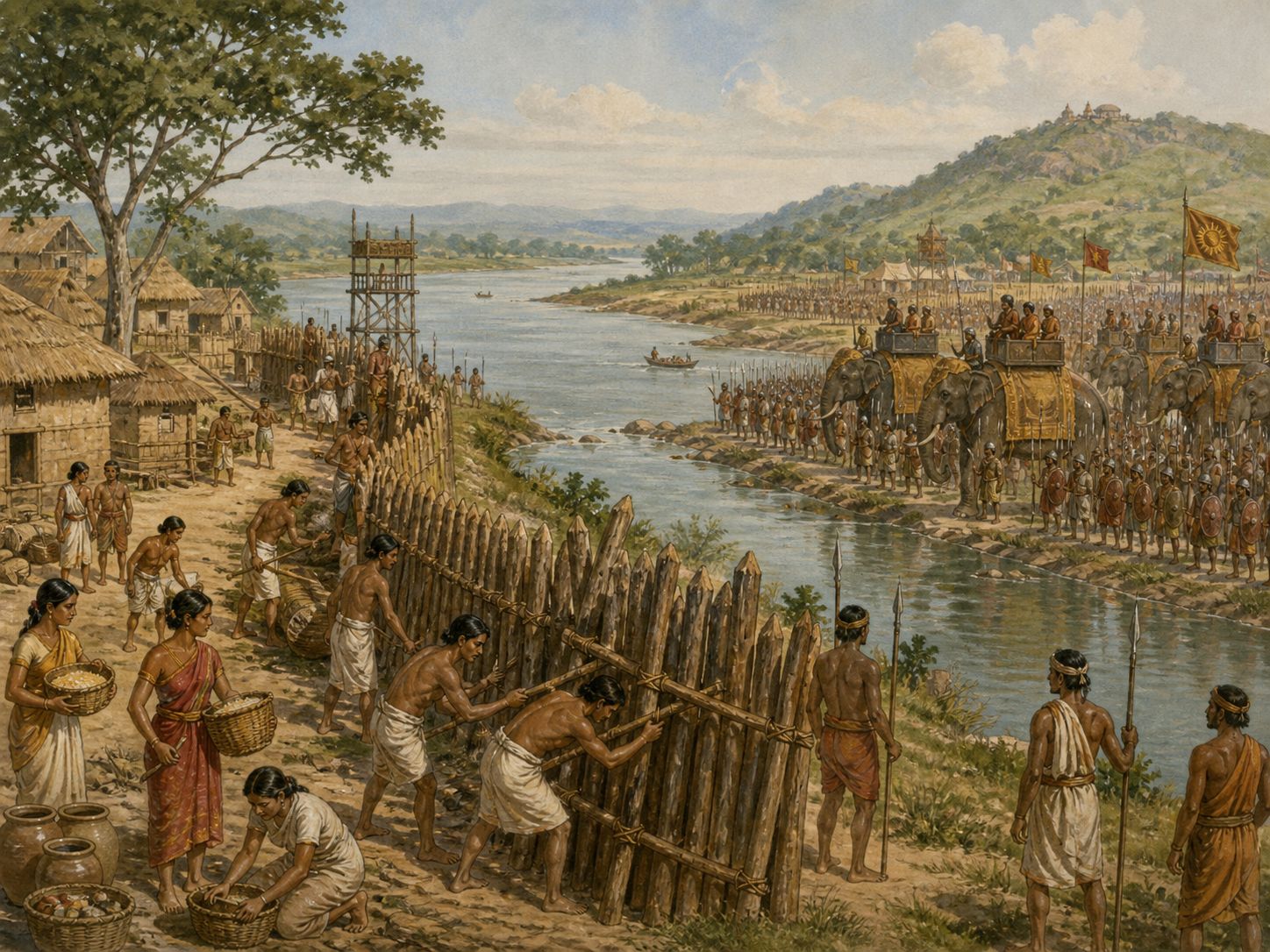
Background
Political, social, and commercial changes around Kalinga (present-day Odisha) formed the setting: Mauryan ruler Ashoka conquered Kalinga in eastern India and later recorded the human cost of the war in inscriptions.
- In and around Kalinga (present-day Odisha), the setting took shape as Mauryan ruler Ashoka conquered Kalinga in eastern India and later recorded the human cost of the war in inscriptions.
- Core event: Mauryan ruler Ashoka conquered Kalinga in eastern India and later recorded the human cost of the war in inscriptions.
- Connection to the next stage: Mauryan ruler Ashoka conquered Kalinga in eastern India and later recorded the human cost of the war in inscriptions. The change unfolded through decisions by rulers, institutions, and local communities.
Course
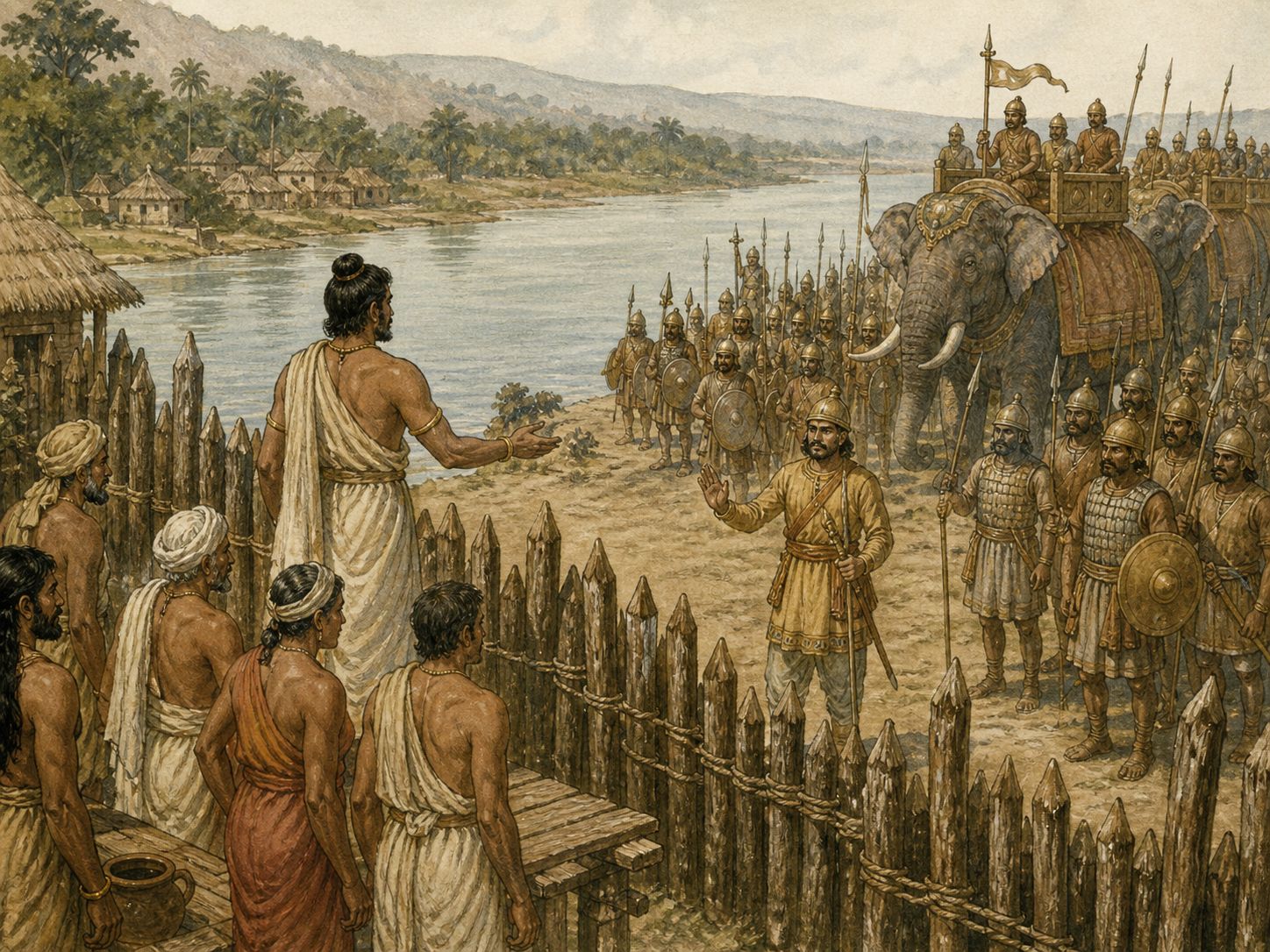
Mauryan ruler Ashoka conquered Kalinga in eastern India and later recorded the human cost of the war in inscriptions. The choices of the participating powers and responses of local communities shaped the course.
- Mauryan ruler Ashoka conquered Kalinga in eastern India and later recorded the human cost of the war in inscriptions.
- The change unfolded through decisions by rulers, institutions, and local communities.
- Conditions behind the action: In and around Kalinga (present-day Odisha), the setting took shape as Mauryan ruler Ashoka conquered Kalinga in eastern India and later recorded the human cost of the war in inscriptions.
Outcome
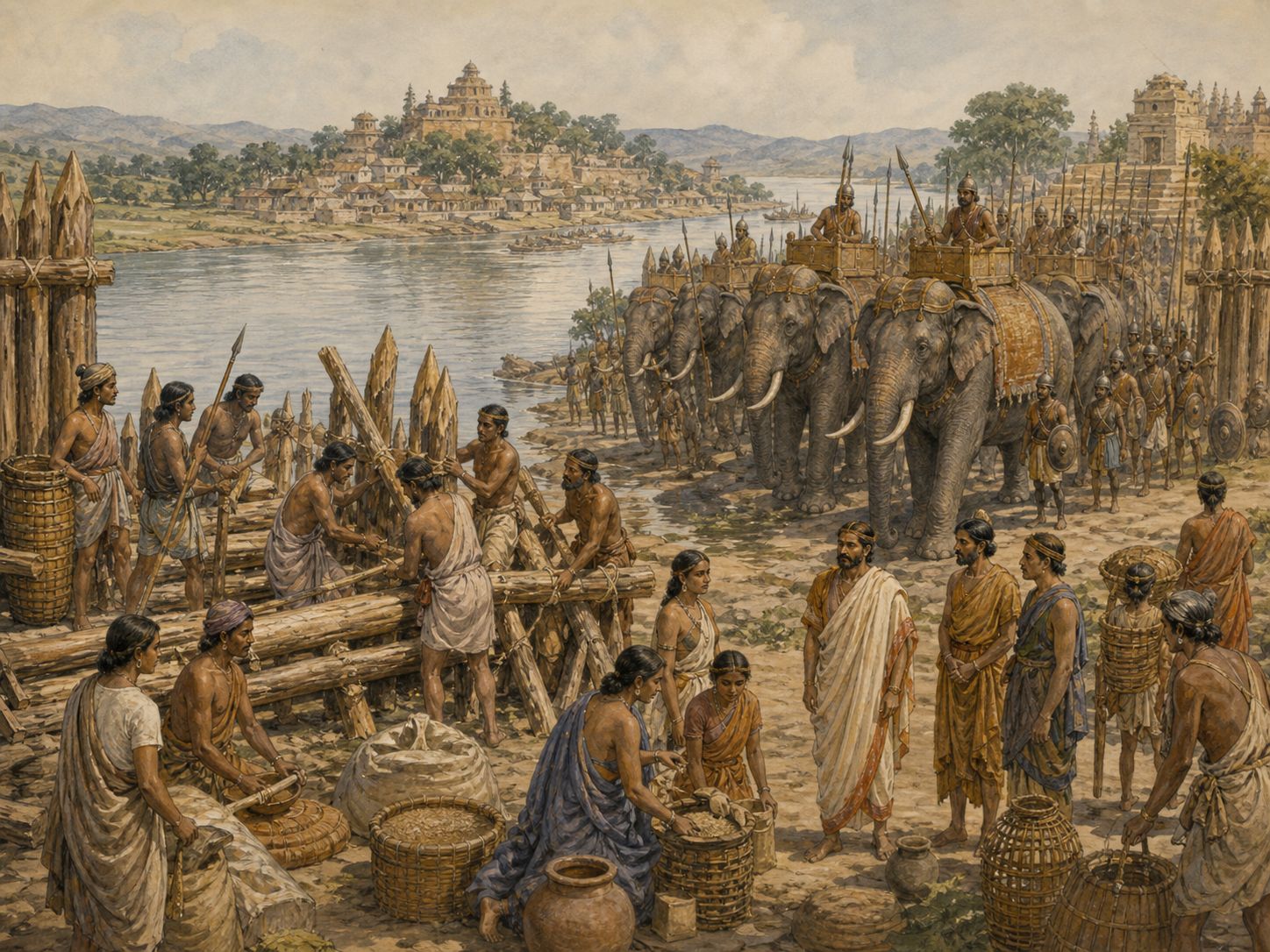
As a result, The war is a key source for understanding Ashoka’s change in political ideals and patronage of Buddhism.
- The war is a key source for understanding Ashoka’s change in political ideals and patronage of Buddhism.
- Process producing the result: Mauryan ruler Ashoka conquered Kalinga in eastern India and later recorded the human cost of the war in inscriptions. The change unfolded through decisions by rulers, institutions, and local communities.
- Question carried forward: In the longer term, the war is a key source for understanding ashoka’s change in political ideals and patronage of buddhism.
Historical significance
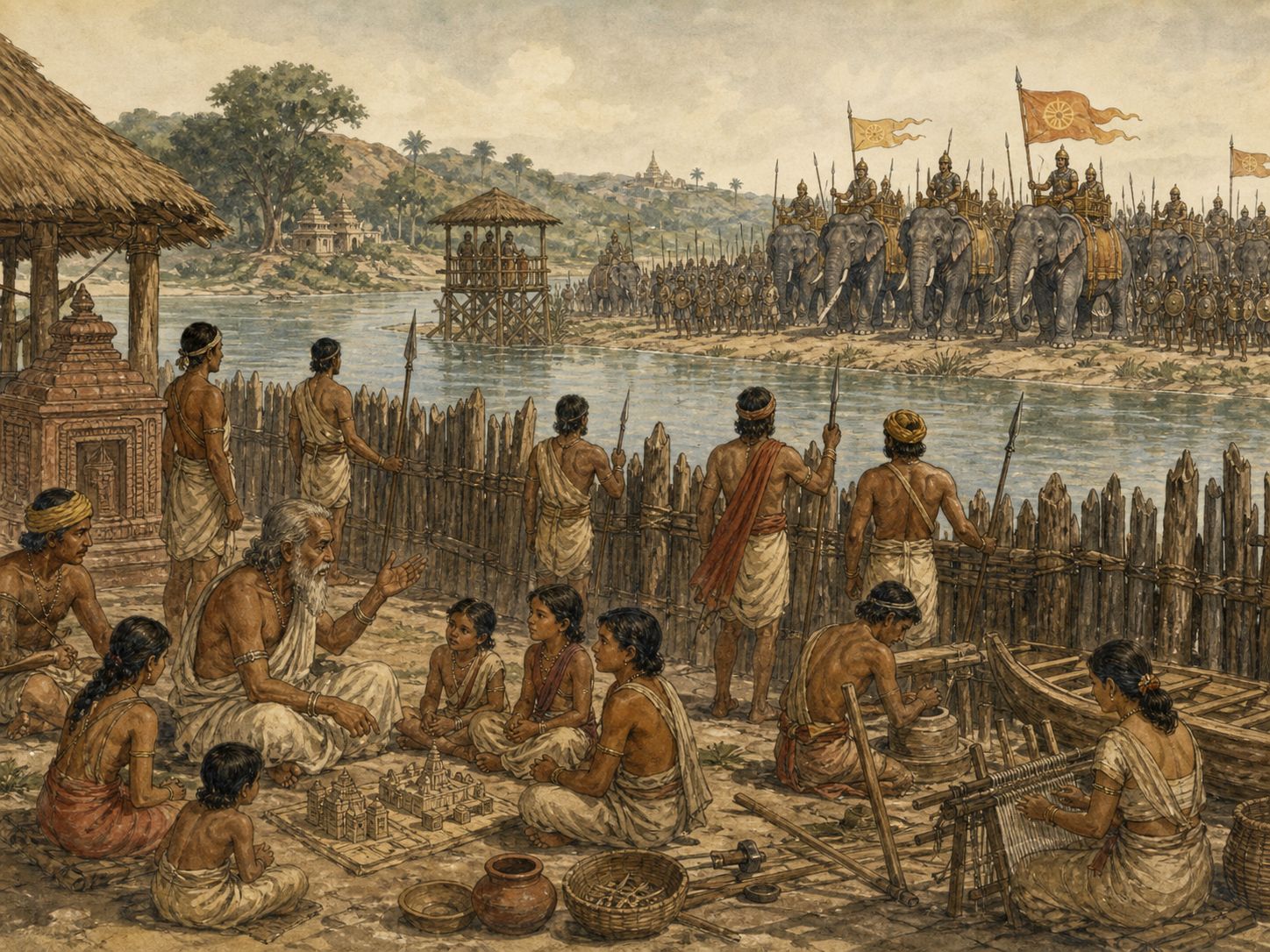
The significance of this event lies in the fact that the war is a key source for understanding ashoka’s change in political ideals and patronage of buddhism.
- In the longer term, the war is a key source for understanding ashoka’s change in political ideals and patronage of buddhism.
- Immediate consequence: The war is a key source for understanding Ashoka’s change in political ideals and patronage of Buddhism.
- Historical turning point: Mauryan ruler Ashoka conquered Kalinga in eastern India and later recorded the human cost of the war in inscriptions.


Related figures
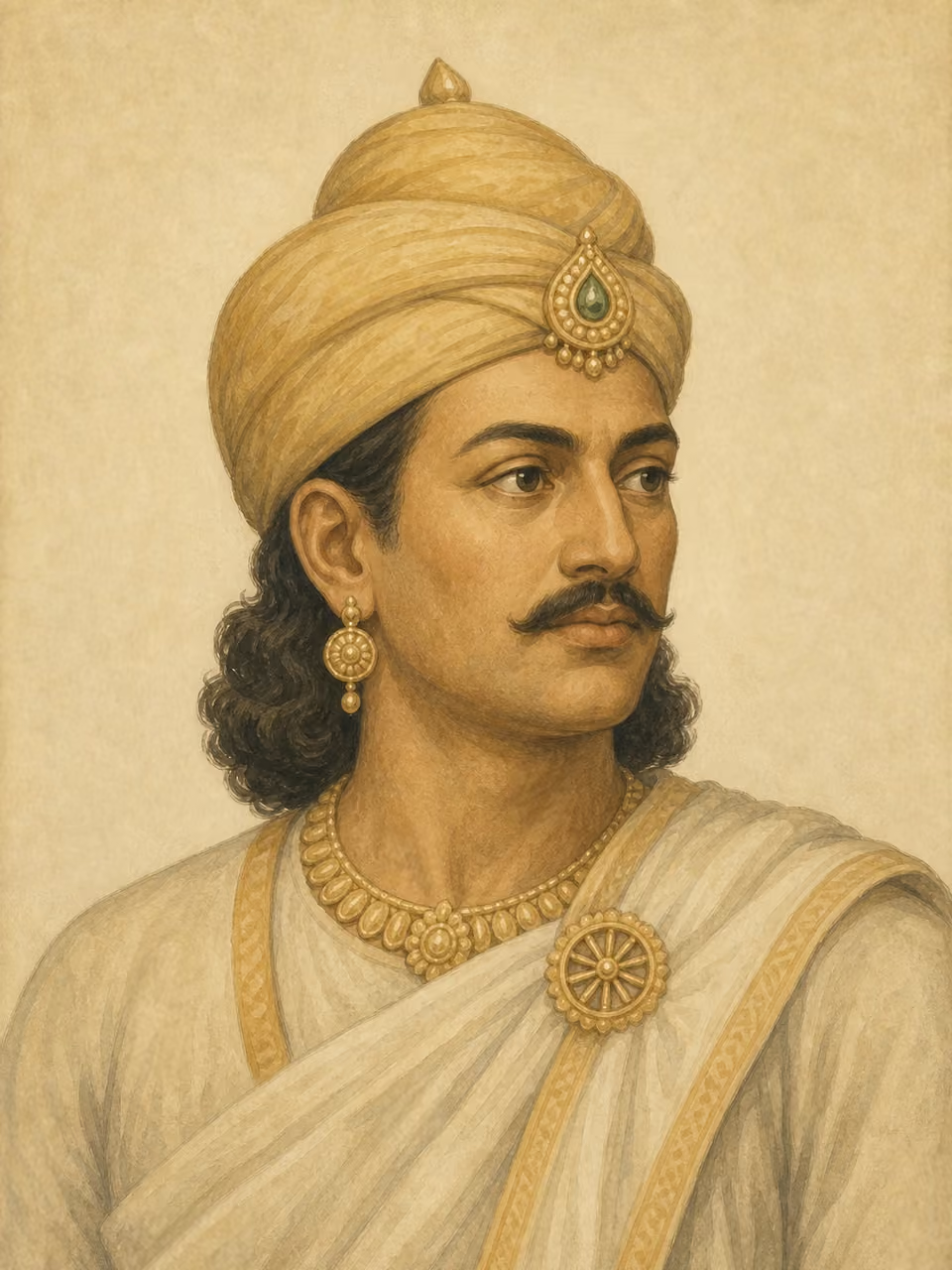
Related events
c. 268 BC
Ashoka succeeds to Mauryan rule
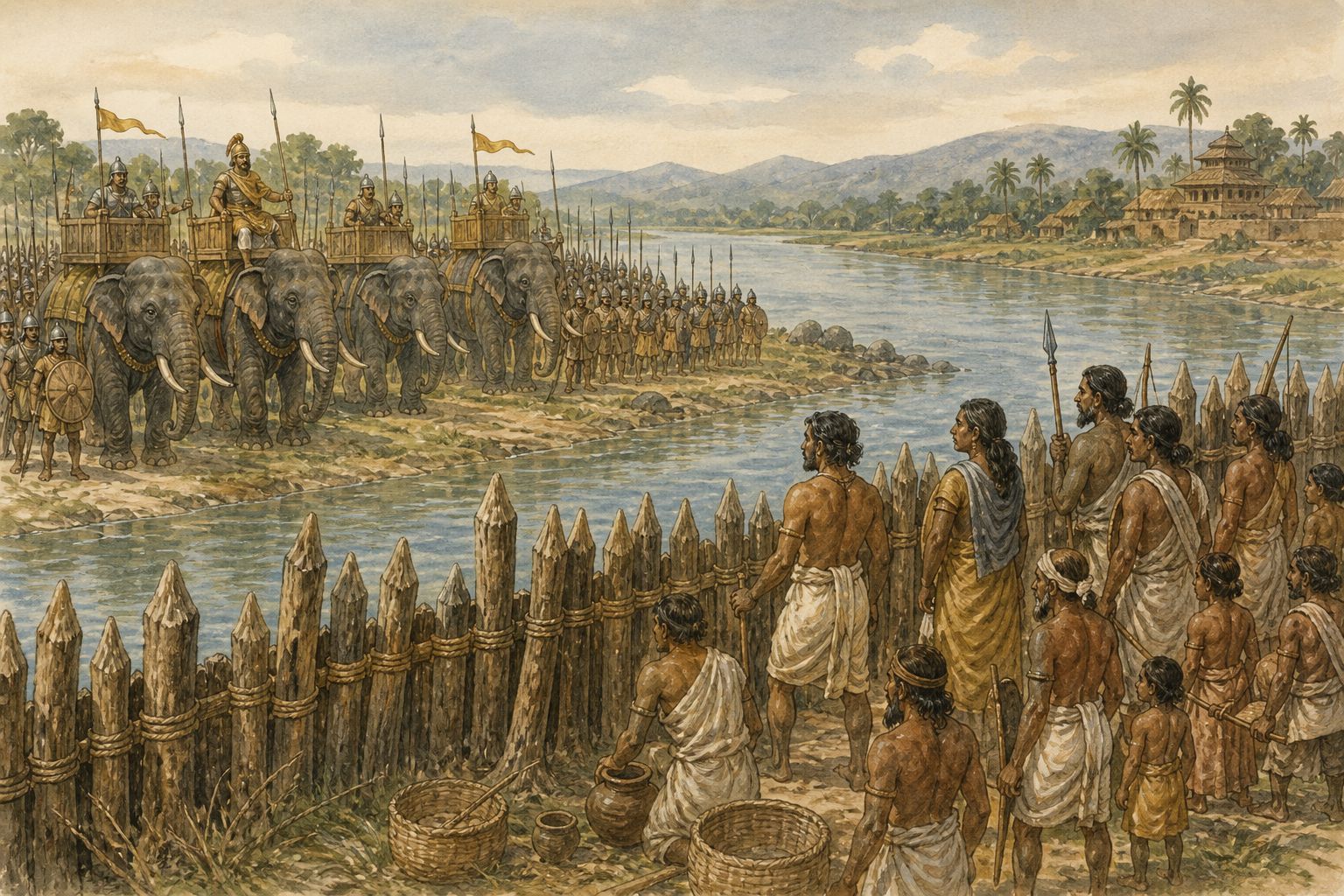
Ashoka succeeds to Mauryan rule — In and around Kalinga (present-day Odisha), the setting took shape as Mauryan ruler Ashoka conquered Kalinga in eastern India and later recorded the human cost of the war in inscriptions.
c. 262 BC
Mauryan armies approach Kalinga
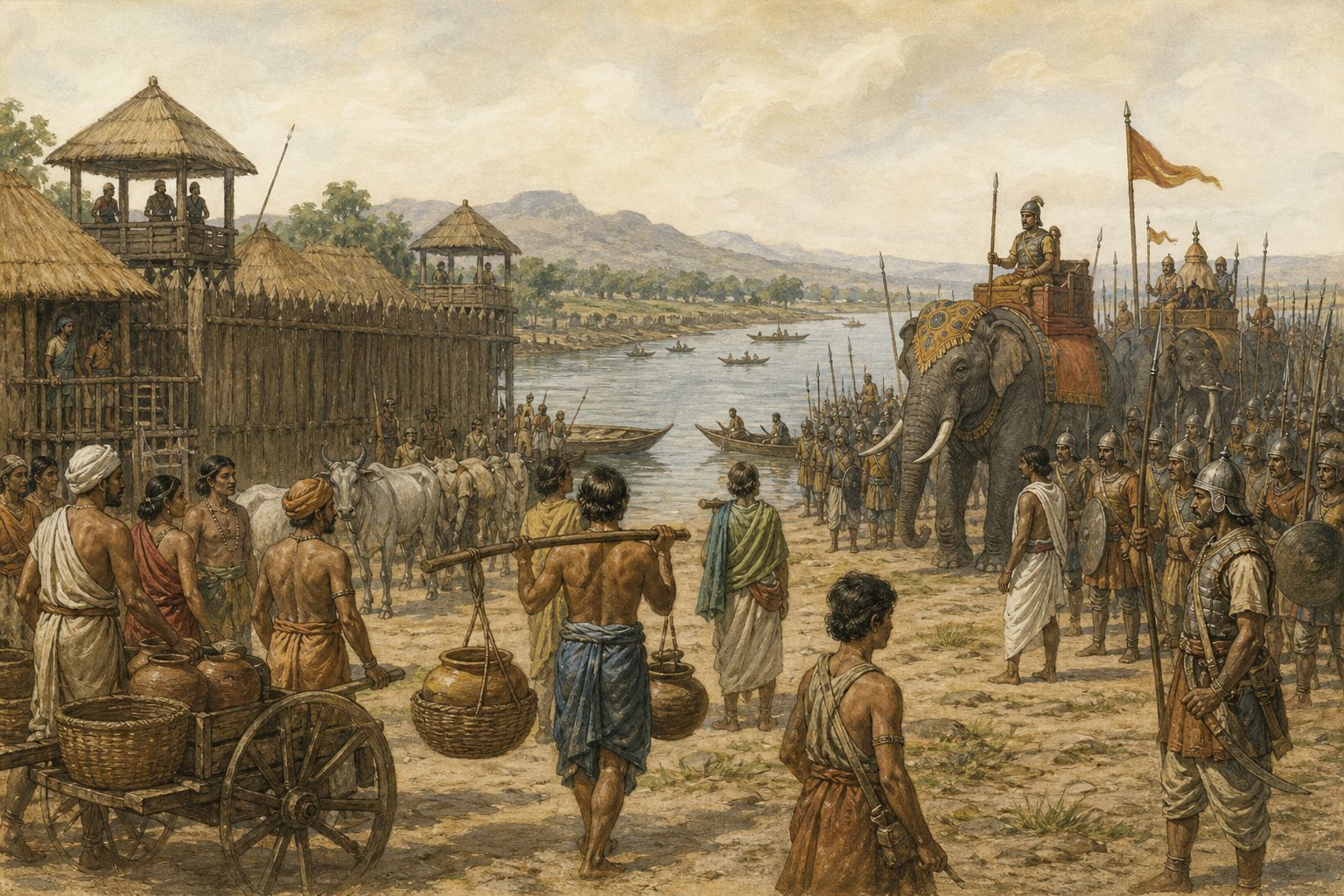
Mauryan armies approach Kalinga — Mauryan ruler Ashoka conquered Kalinga in eastern India and later recorded the human cost of the war in inscriptions. The change unfolded through decisions by rulers, institutions, and local communities.
c. 261 BC
Conquest of Kalinga
Current event
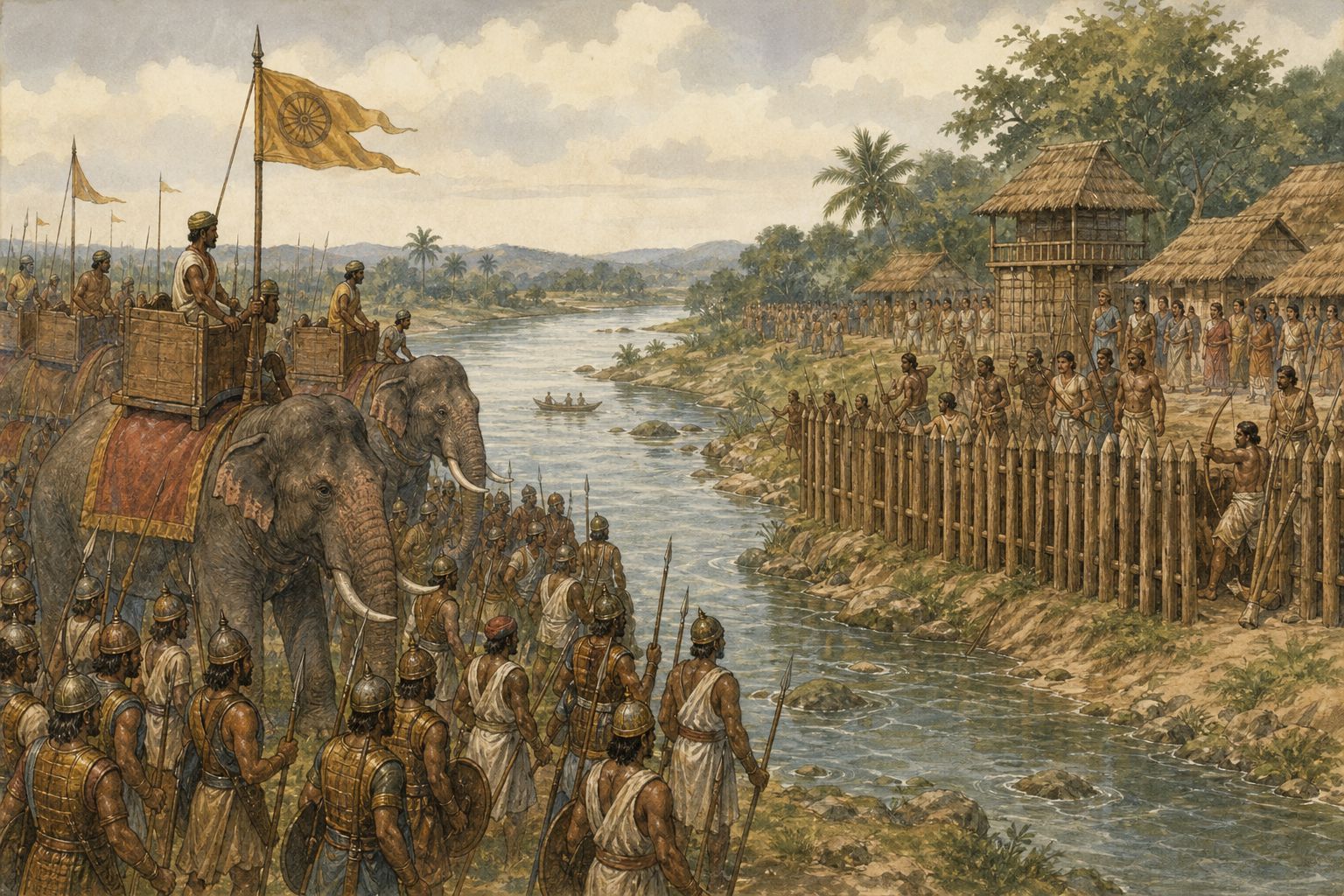
Conquest of Kalinga — Mauryan ruler Ashoka conquered Kalinga in eastern India and later recorded the human cost of the war in inscriptions.
c. 260 BC
The human cost reshapes royal policy
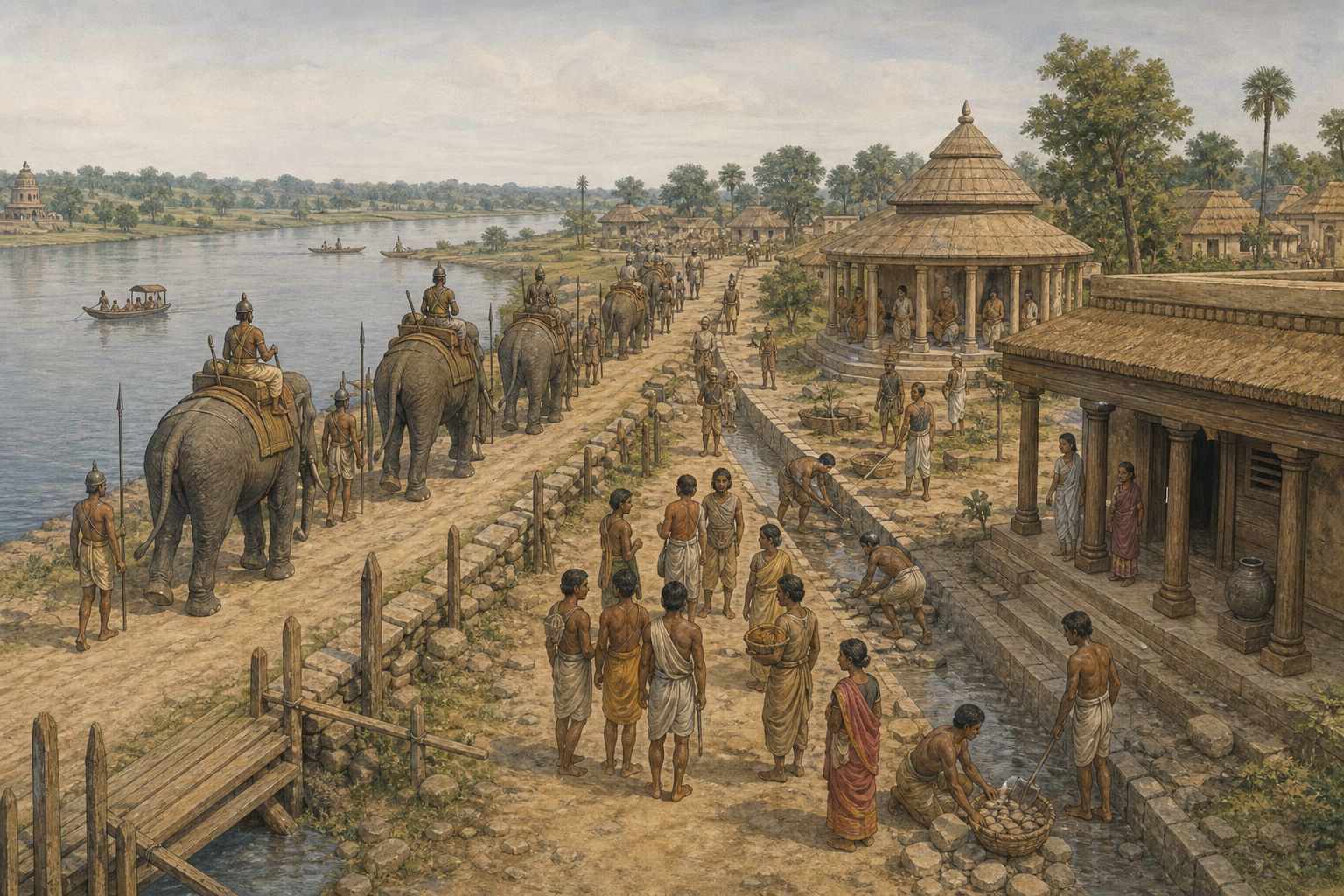
The human cost reshapes royal policy — The war is a key source for understanding Ashoka’s change in political ideals and patronage of Buddhism.
c. 257 BC
Rock edicts proclaim dhamma
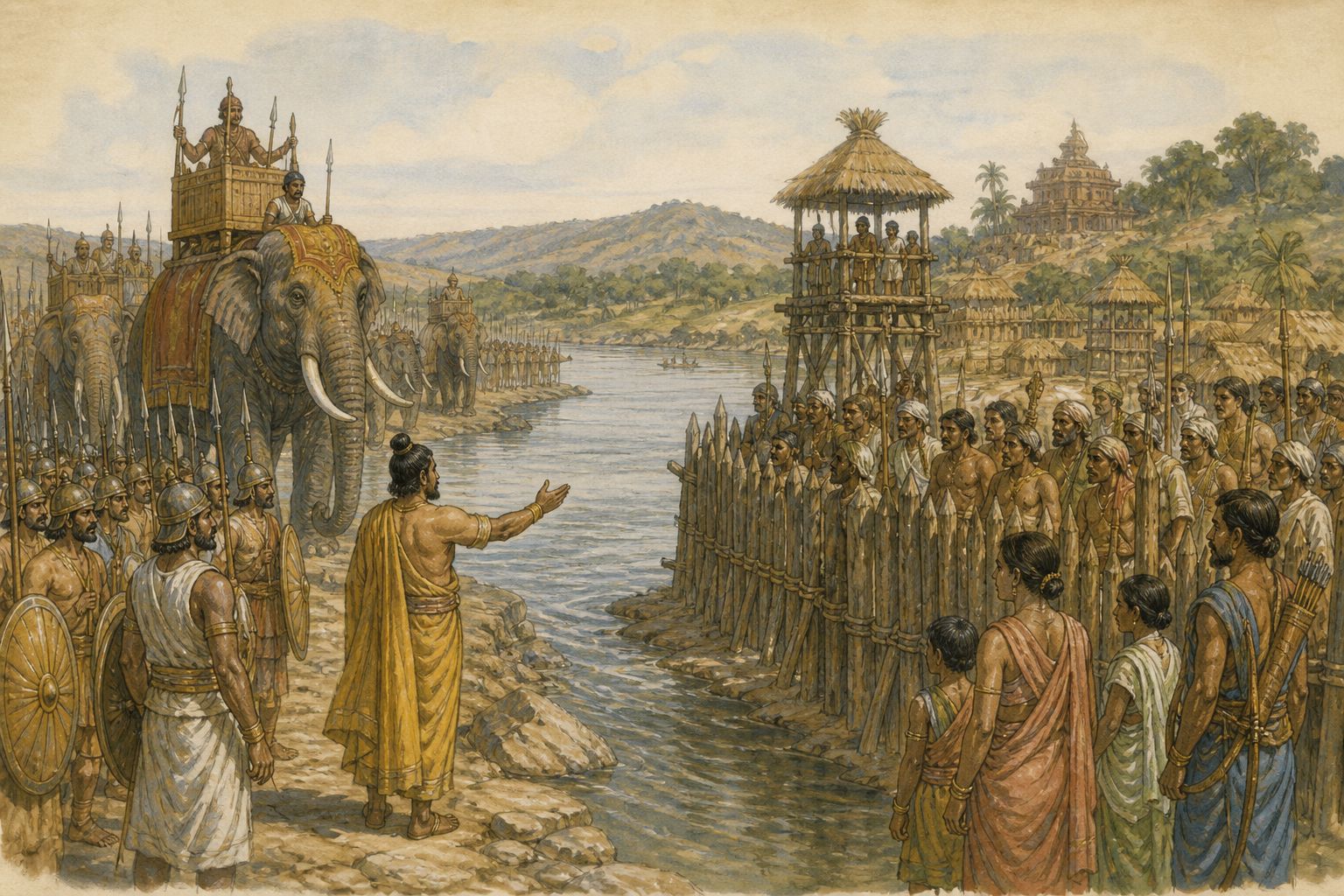
Rock edicts proclaim dhamma — In the longer term, the war is a key source for understanding ashoka’s change in political ideals and patronage of buddhism.


Sources
- Kalinga War — Timeline (Daiichi Gakushusha)www.daiichi-g.co.jpThis Daiichi Gakushusha resource supports the chronology, setting, and course of Kalinga War.
- Kalinga War — Kalinga War (Encyclopaedia Britannica)www.britannica.comThis Encyclopaedia Britannica resource supports the chronology, setting, and course of Kalinga War.
- Kalinga War — Kalinga War (Wikidata)www.wikidata.orgThis Wikidata resource supports the chronology, setting, and course of Kalinga War.