
Migration Period and the Fall of Western Rome
375–476
From about 375 to 476, Hunnic expansion, migrations and warfare, civil conflict, and weakening fiscal and political control converged as the western imperial office disappeared.

- Period
- 375–476
- Kind
- Movement
- Regions
- Europe
- Keywords
- Migration Period · Western Roman Empire · Goths · Huns · successor kingdoms
Follow the story · Four stages
Background
Civil wars and military costs had strained the empire since the third century, while recruitment, trade, diplomacy, and group settlement long coexisted along the Rhine and Danube frontiers.
- Civil wars, short reigns, and rising military costs had strained imperial finances and governing capacity since the third century. Along the Rhine and Danube, conflict long coexisted with trade, diplomacy, military service, and group settlement.
- Late Roman armies incorporated people from beyond the empire and members of migrant communities as allies and soldiers. A fixed opposition between Romans and 'barbarians' cannot describe these mixed military and political relationships.
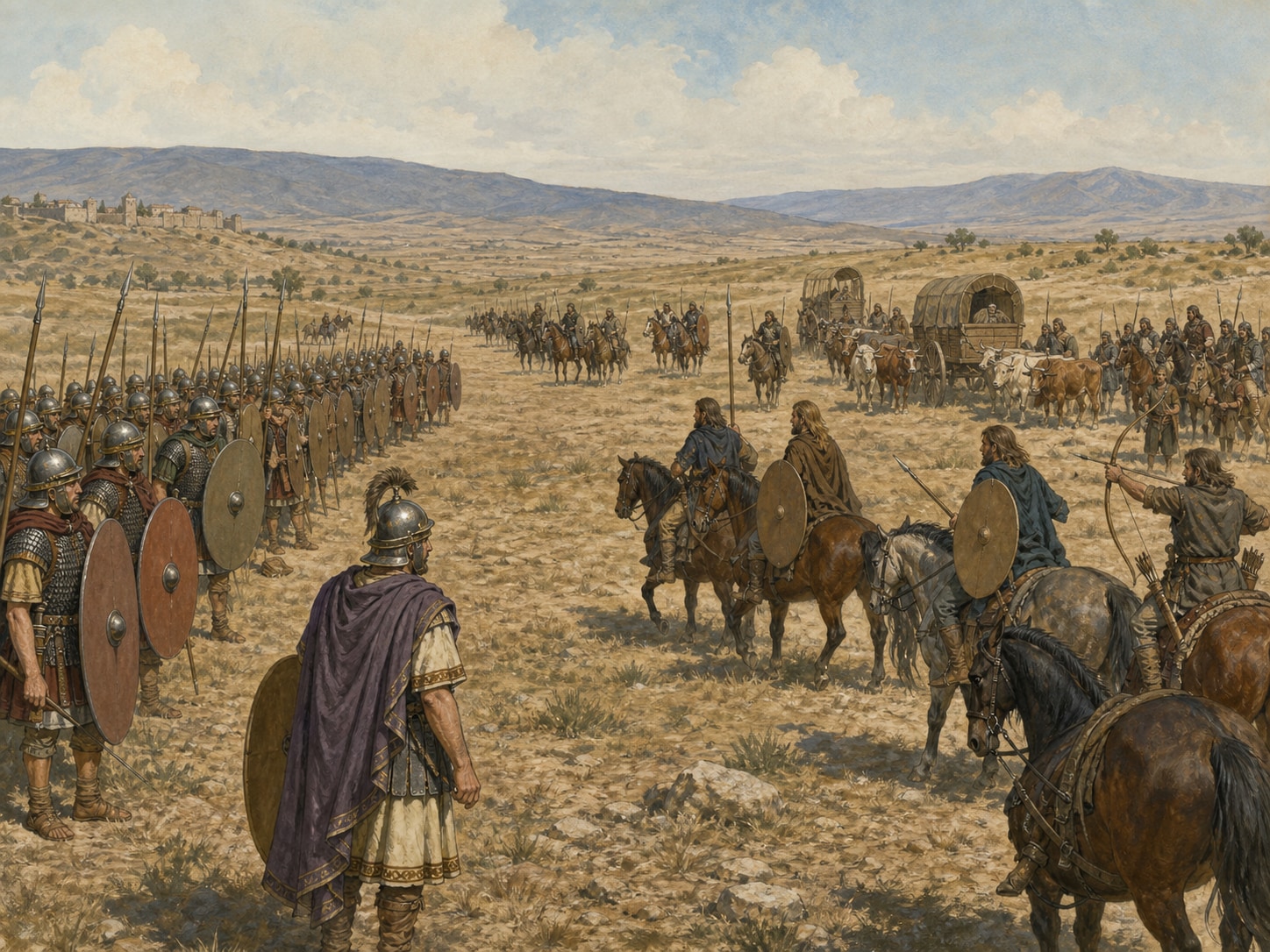
- In the 370s, Gothic groups displaced by Hunnic expansion crossed the Danube and sought admission to Roman territory. Failures in settlement administration and supply deepened conflict and culminated at Adrianople in 378.
Course
Hunnic expansion pushed Gothic groups across the Danube in the 370s, followed by Adrianople in 378, Alaric's sack of Rome in 410, the coalition against Attila in 451, and the Vandal occupation of Rome in 455.
- After the defeat of 378, migrant groups participated in Roman politics not only as invaders but as negotiating partners, allied troops, and regional rulers. Imperial power struggles and frontier change shaped one another.
- Alaric's Visigothic forces campaigned through the Balkans and Italy and sacked Rome in 410. The event exposed weakened western imperial authority, but neither the city nor Roman institutions disappeared at that moment.
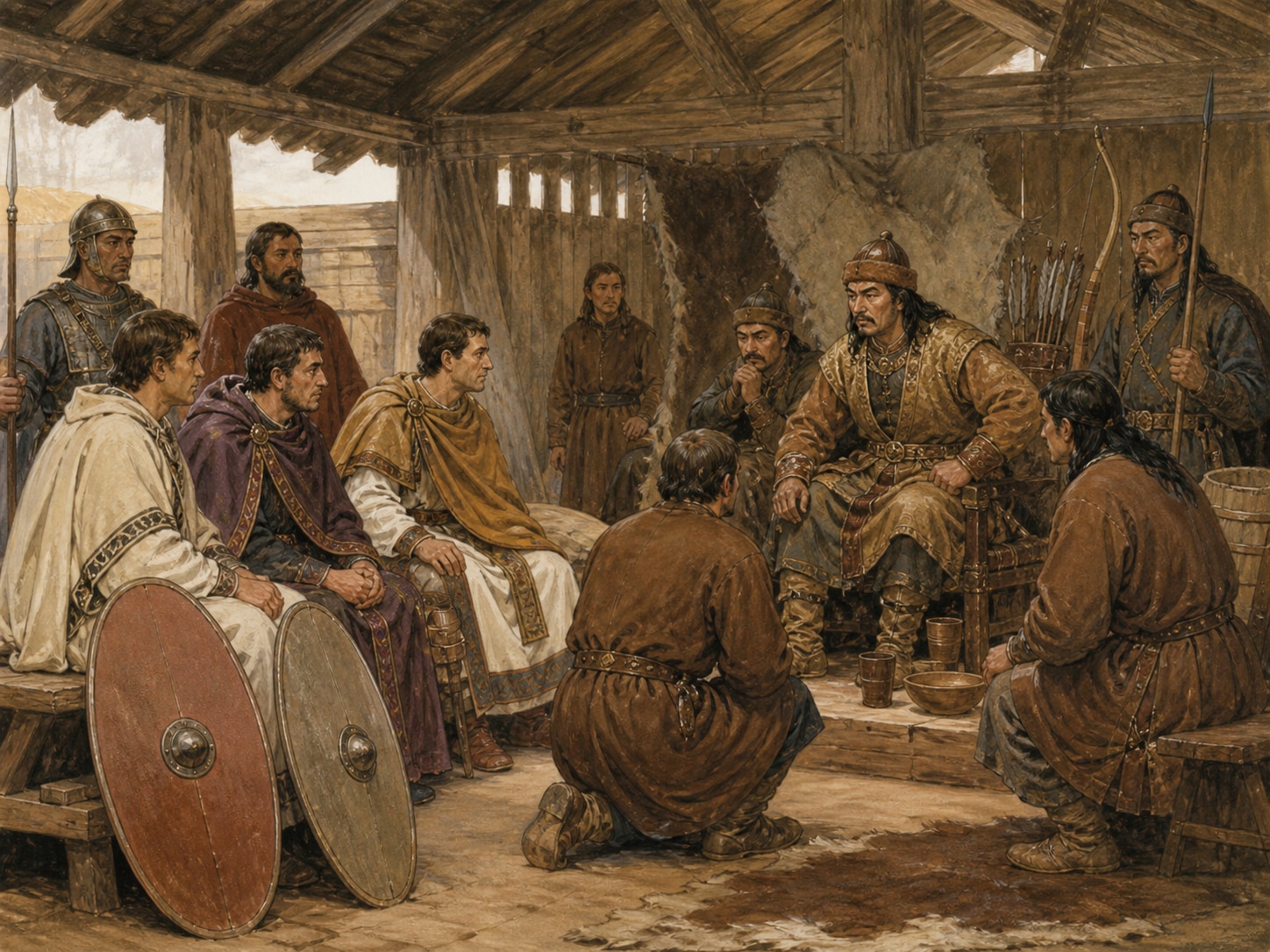
- Attila's pressure reshaped the diplomacy and alliances of both Roman empires and neighboring peoples. In Gaul in 451, Roman and allied forces including Gothic contingents fought together, not as uniform national armies.
Outcome
Western territorial control contracted toward Italy, and Odoacer deposed Romulus Augustulus in 476. Successor kingdoms emerged in the west while the Eastern Roman emperor and polity continued.
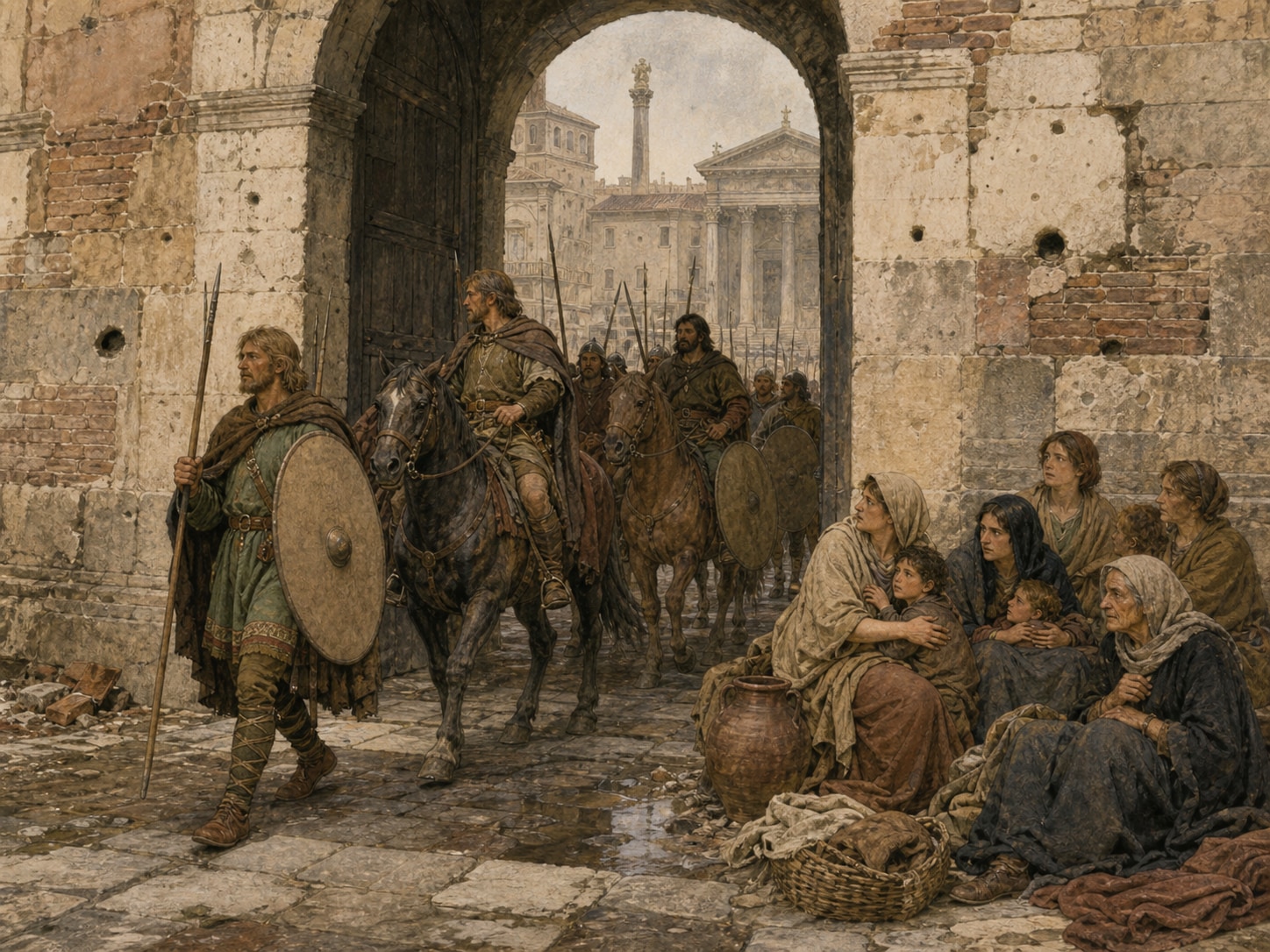
- In 455, Vandal forces based in North Africa occupied and plundered Rome. The western government lost major provinces and revenues as its effective territorial control contracted toward Italy.
- In 476, the military leader Odoacer deposed the young emperor Romulus Augustulus. The western imperial office ended, while Odoacer governed Italy in a continuing relationship with the eastern emperor.
- Successor kingdoms formed in Gaul, Hispania, North Africa, and Italy. Their rulers selectively retained Roman administrators, law, taxation, and cities while recombining political authority.
Historical significance
The year 476 marks the end of the western imperial office, not an overnight disappearance of Roman administration, law, or urban society. Roman institutions and migrant-led polities were recombined in the kingdoms of medieval western Europe.
- The year 476 is a useful marker for the end of the western imperial office, not the overnight disappearance of administration, law, urban life, or Christian institutions. Political rupture and institutional continuity must be read together.
- Western Roman contraction resulted not from one migration or battle but from the convergence of civil war, fiscal strain, military change, negotiated settlement, invasion, and provincial loss over many decades.
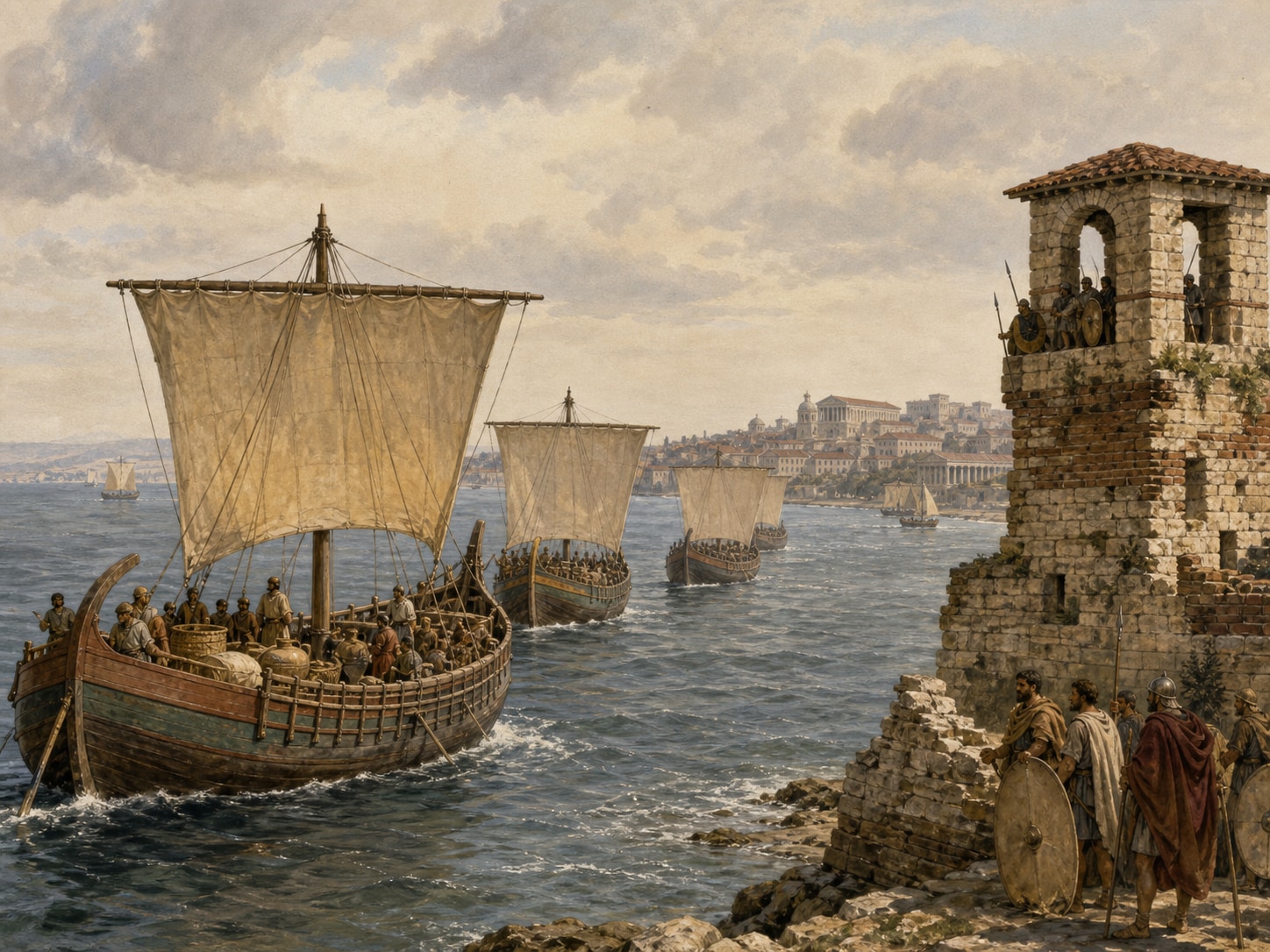
- The emperor and state at Constantinople survived after 476 and developed relations with western kingdoms. Eastern Roman continuity and the successor kingdoms reveal multiple paths from late antiquity into the medieval world.


Related figures
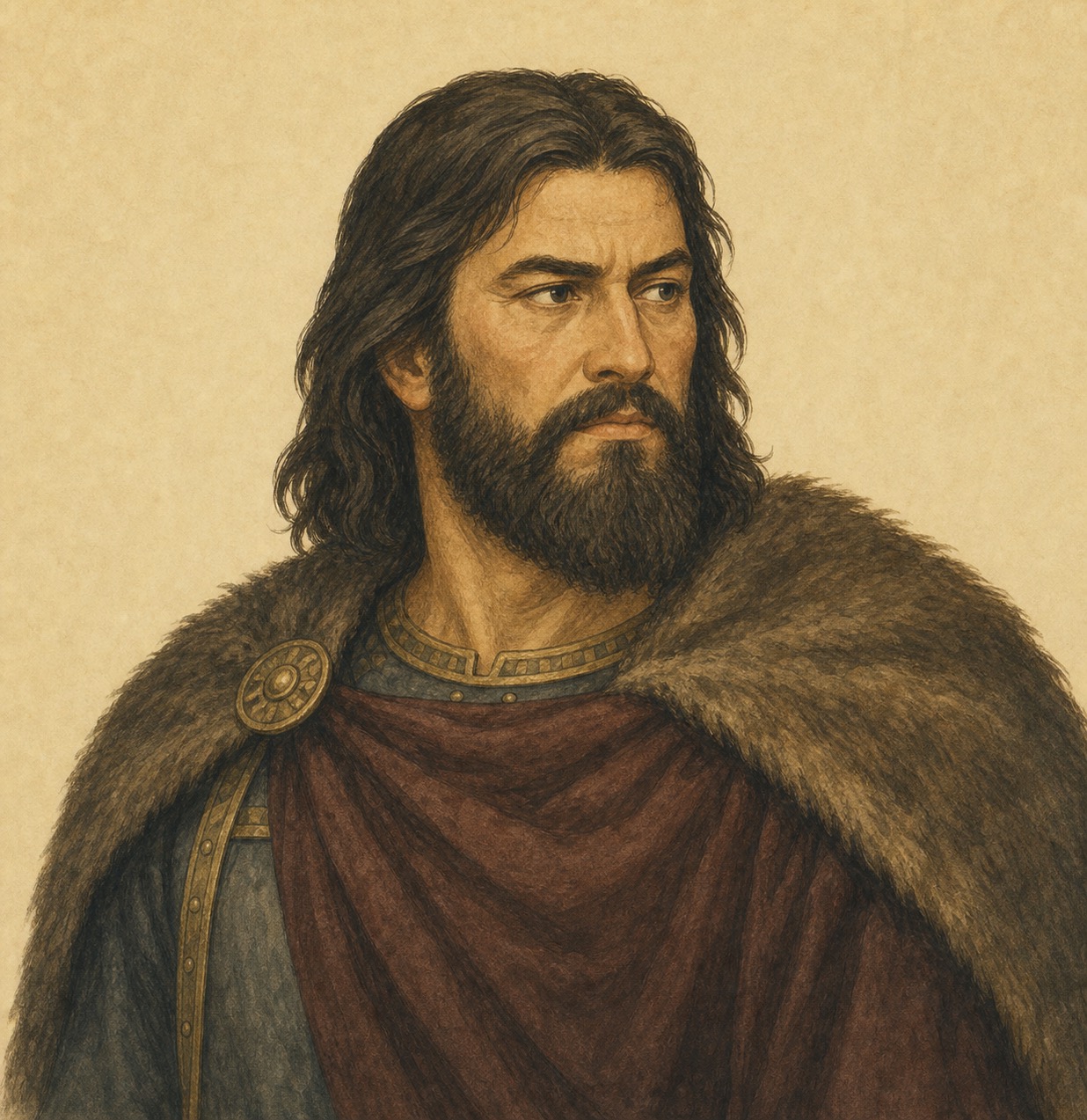
Alaric I
Visigothic military leader
Alaric led Visigothic forces through the Balkans and Italy and captured Rome in 410. His career within Roman military and alliance systems also shows why the period cannot be reduced to a simple foreign invasion.
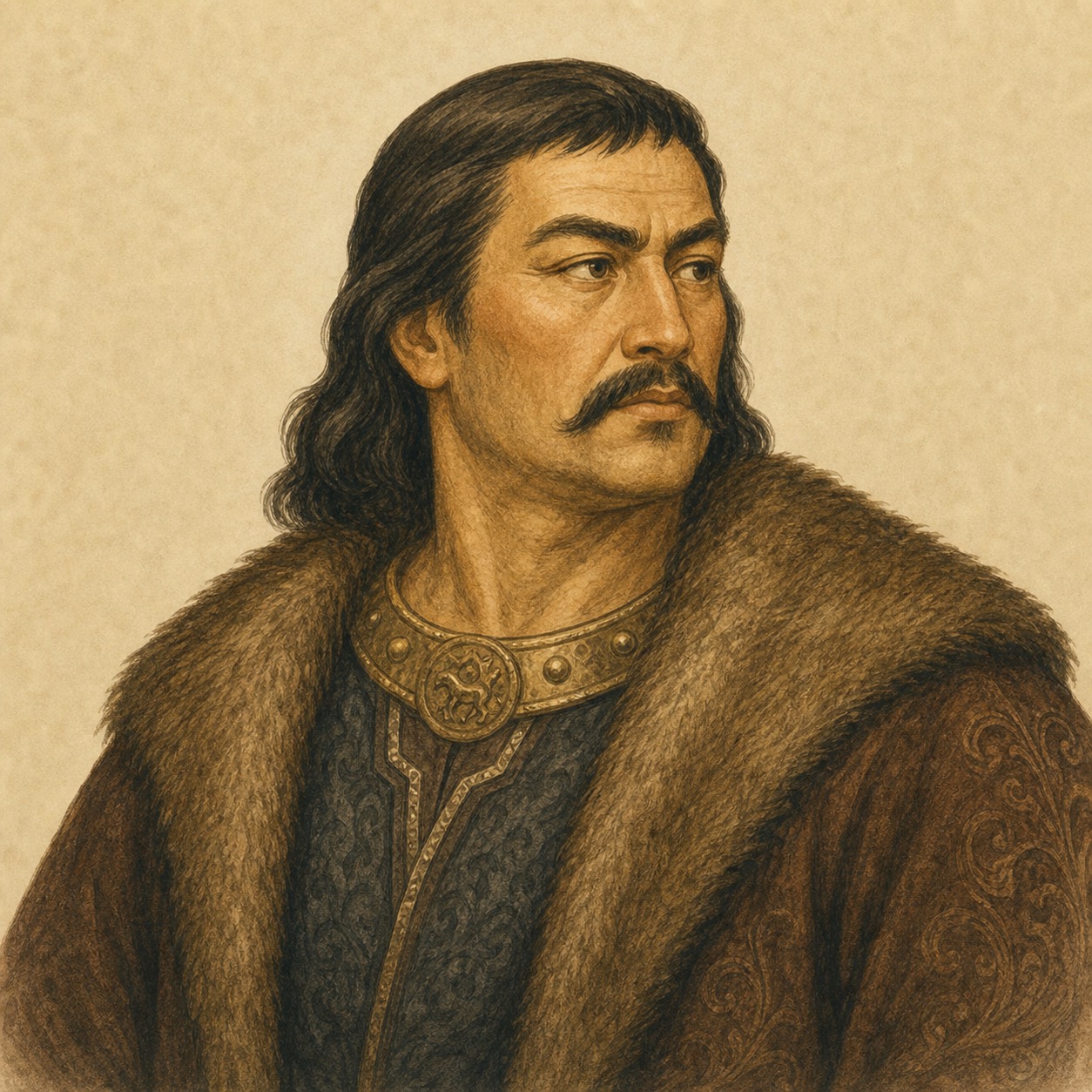
Attila
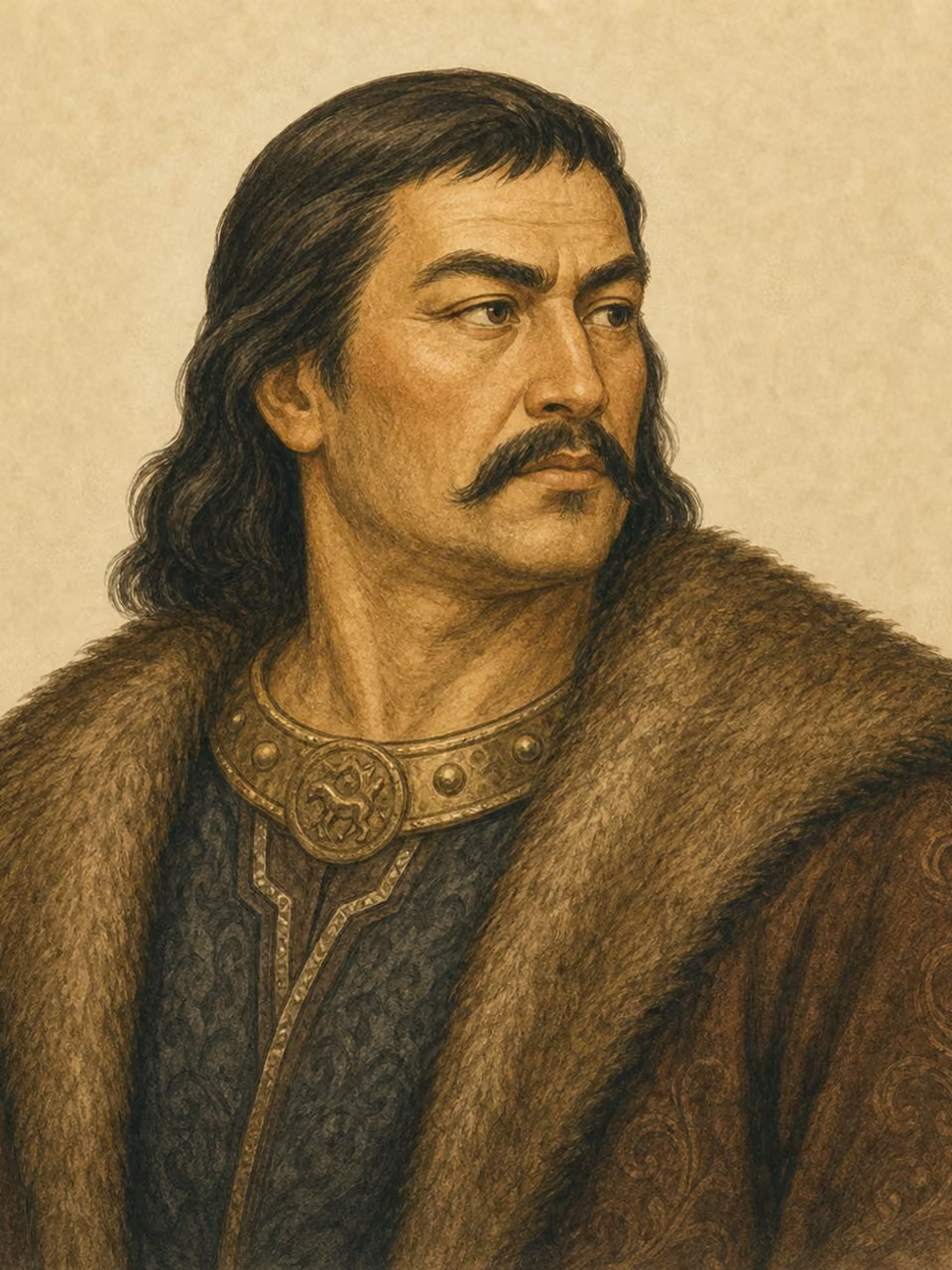
Hunnic king and military leader
Attila exerted military and diplomatic pressure on both Roman empires and invaded Gaul in 451. The army opposing him also combined Roman and allied forces, reflecting the period's complex political ties.
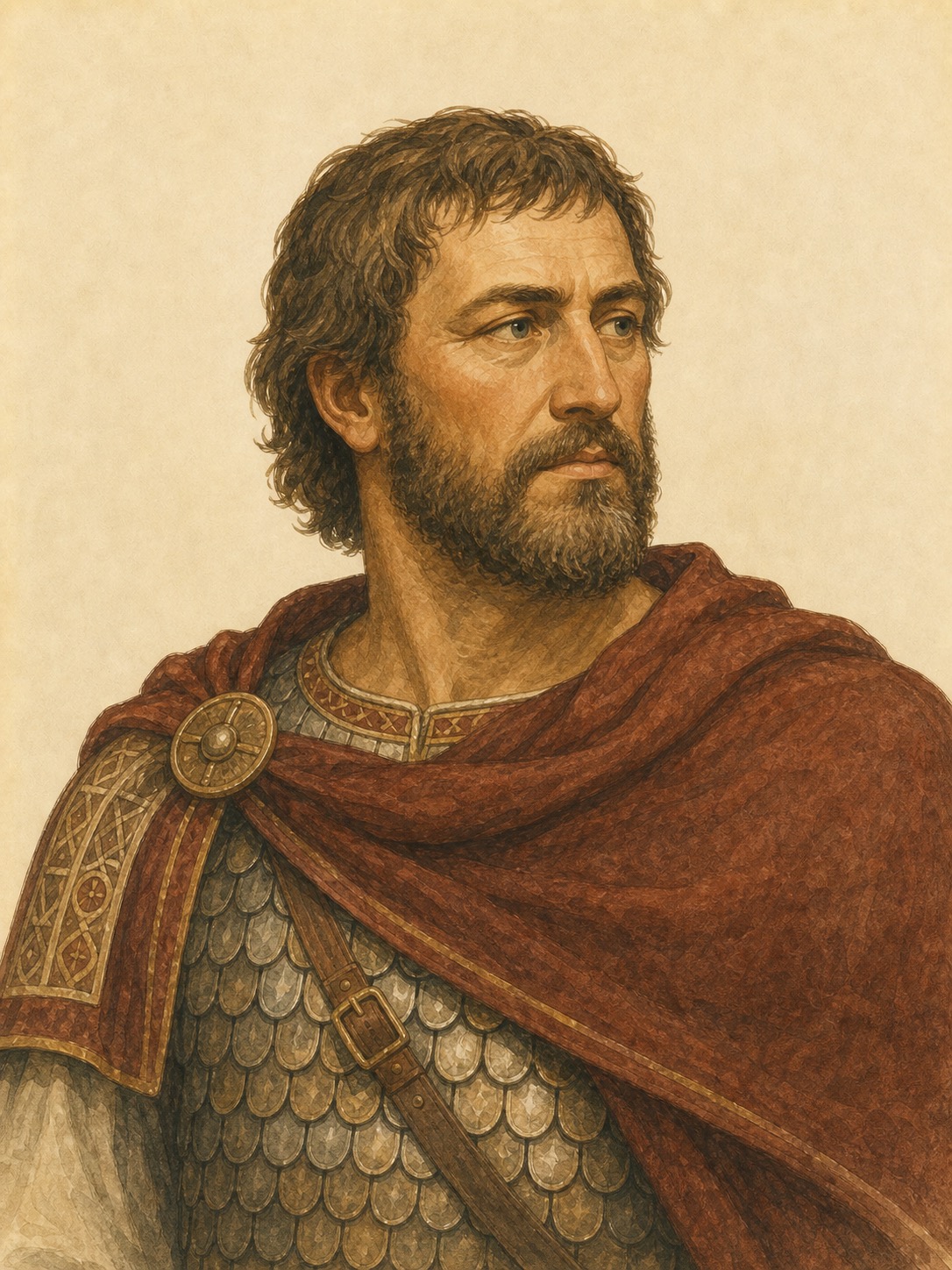
Odoacer
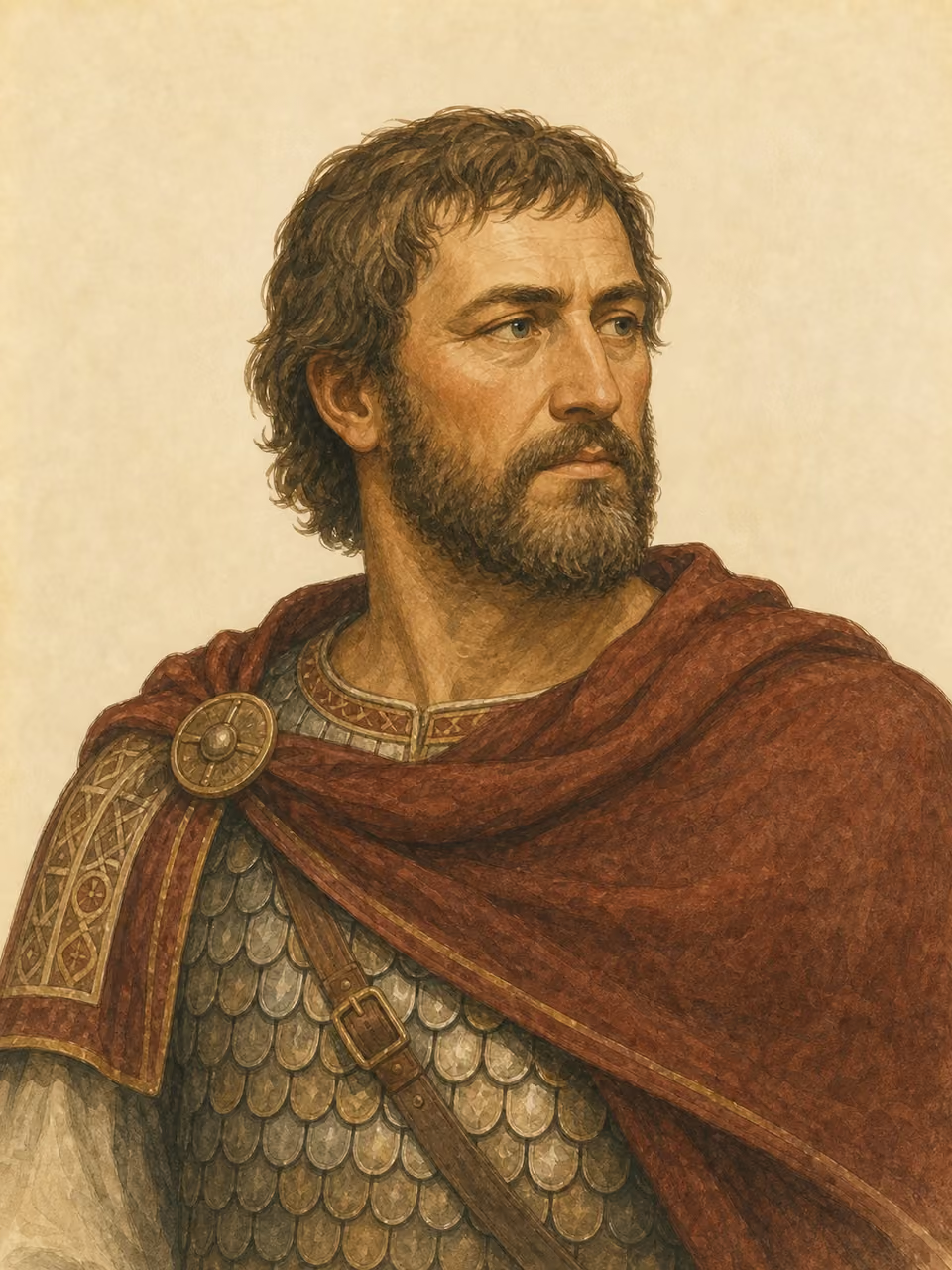
ruler of Italy after 476
Odoacer rose as a leader of soldiers incorporated into the Roman military and deposed Romulus Augustulus in 476. He governed Italy without a western emperor while retaining a relationship with the eastern emperor.
Related events
235–375
Late Roman civil and frontier strain
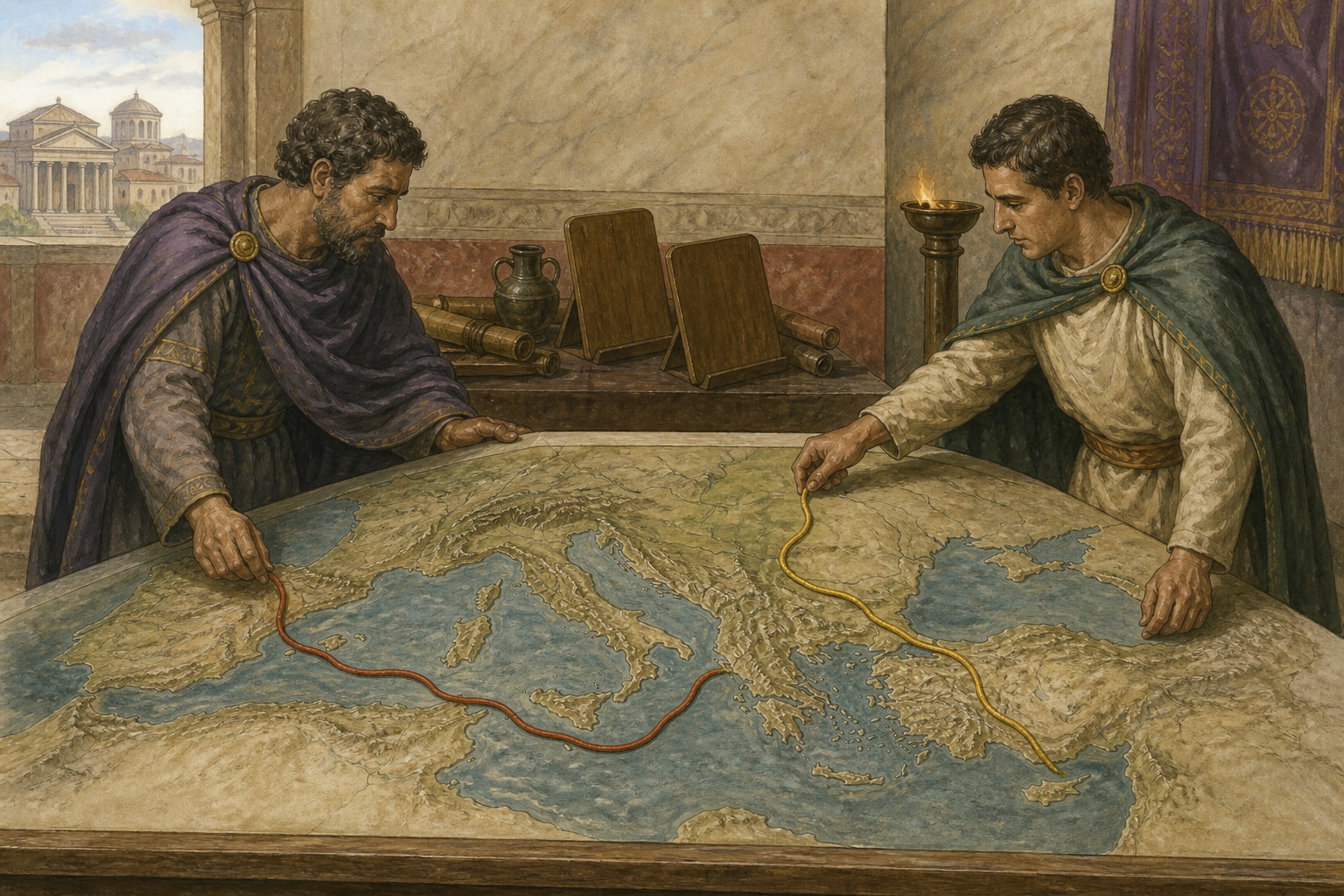
Short reigns, military costs, and shifting provincial power reduced governing capacity while migration, service, trade, and conflict coexisted on the Rhine and Danube frontiers.
370–378
Hunnic pressure and the Gothic Danube crossing
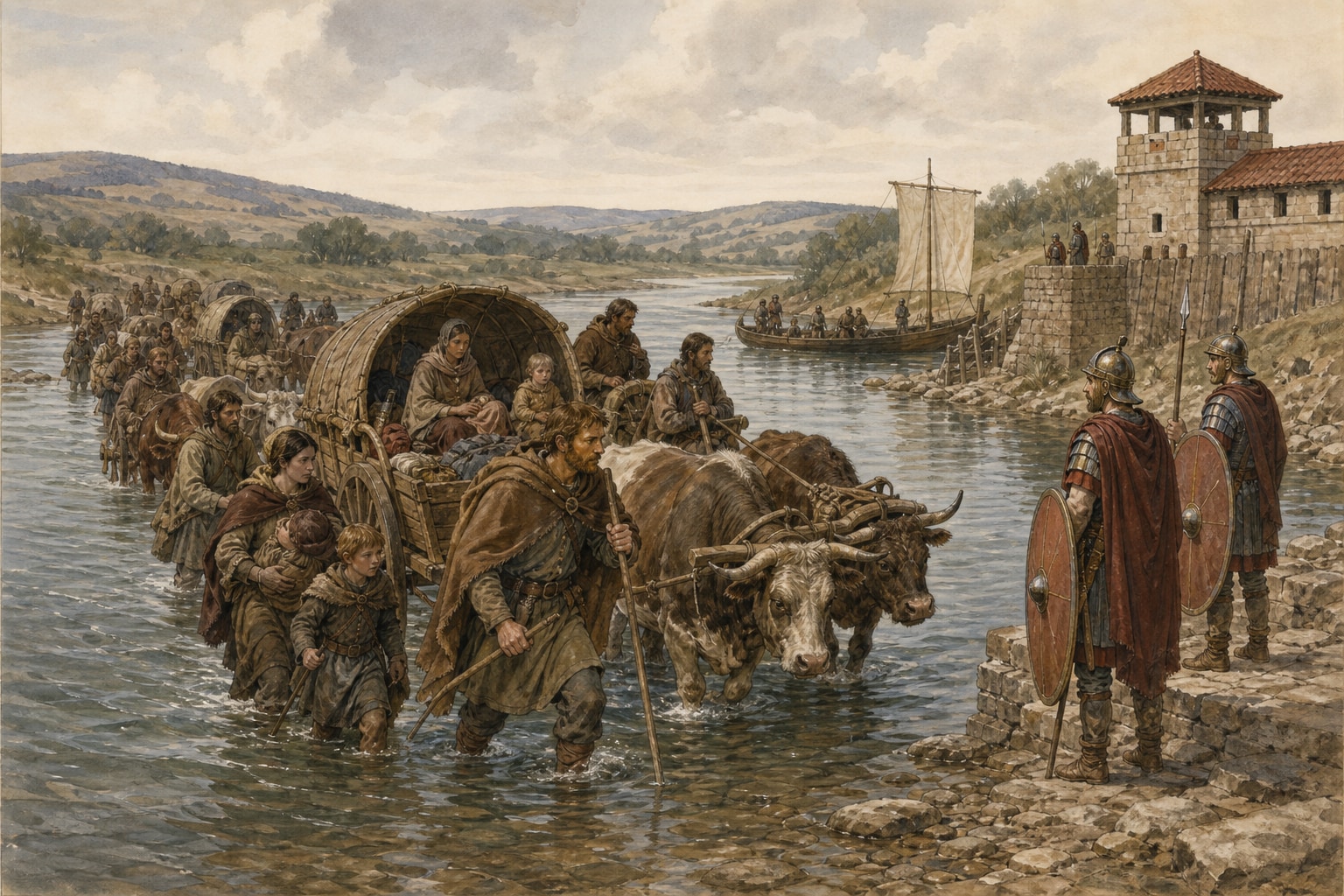
Hunnic movement drove Gothic groups to seek entry into Roman territory; failures of settlement management and rising conflict culminated at Adrianople in 378.
375–476
Migration and the end of the western imperial office
Current event
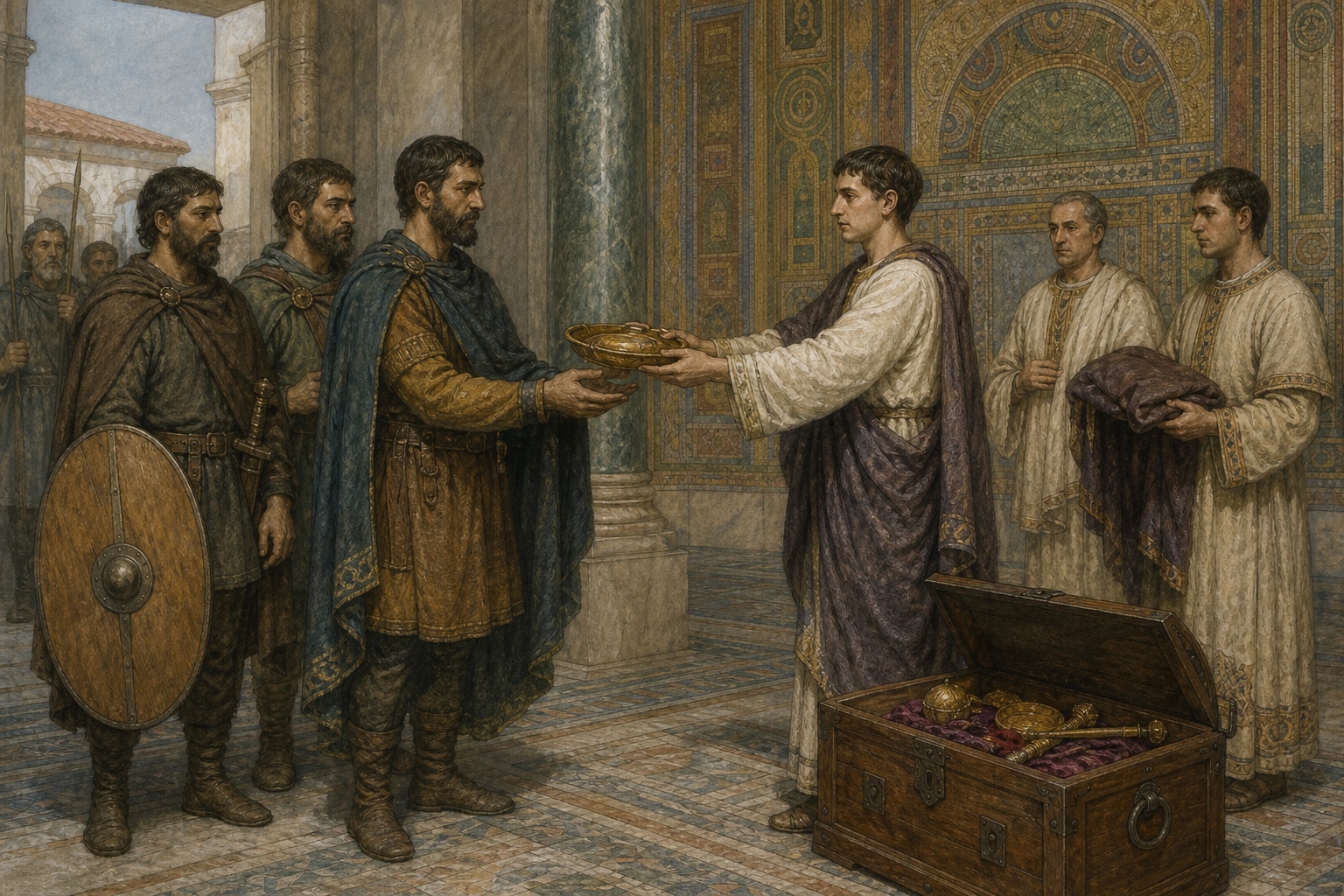
Migration, alliance, revolt, invasion, civil conflict, and provincial loss overlapped as western Roman control contracted and its imperial office ended in 476.
476–568
Western successor kingdoms
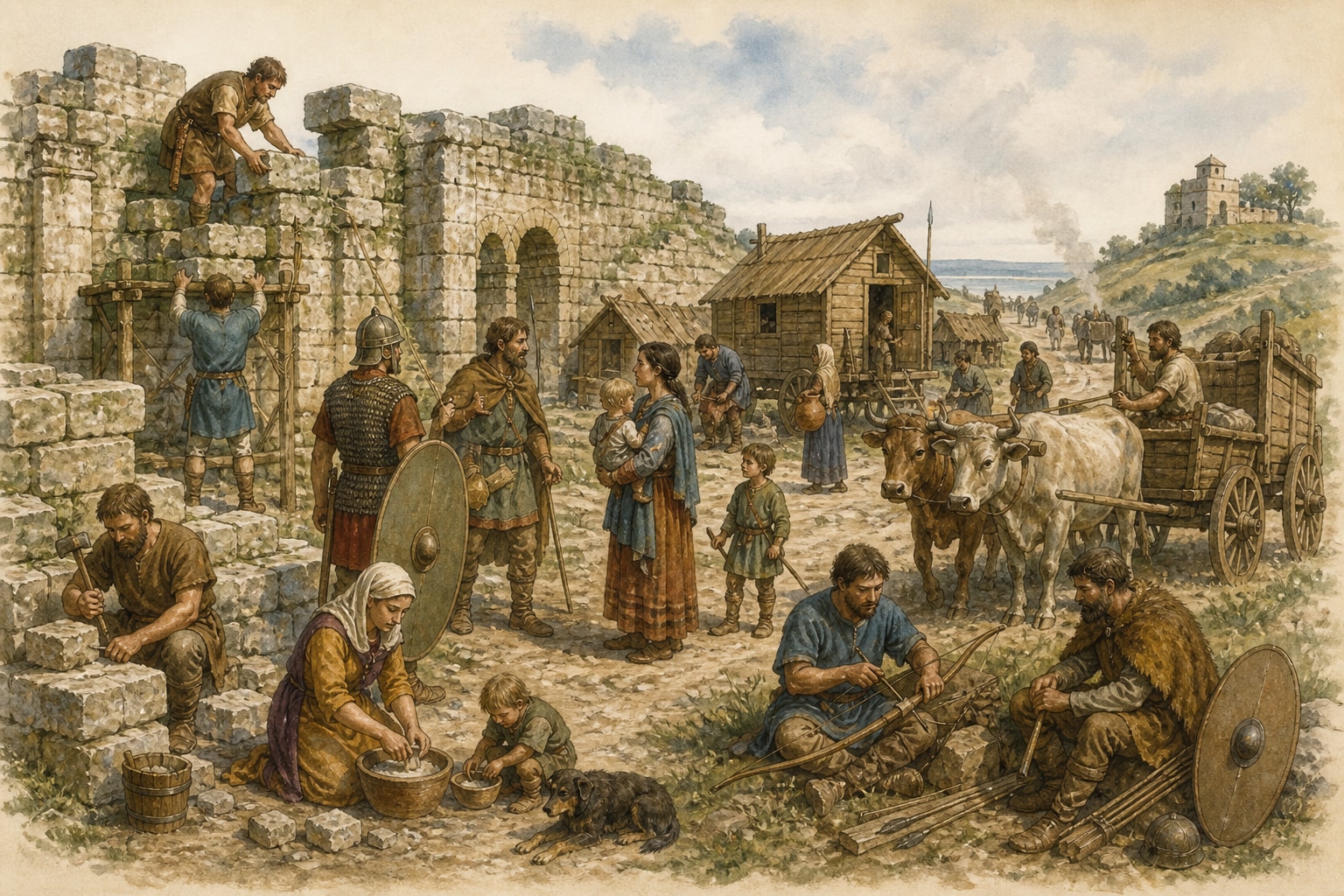
In Italy, Gaul, Hispania, and North Africa, migrant-led rulers selectively retained Roman personnel, law, taxation, and cities within new kingdoms.
476–1453
Eastern Roman continuity
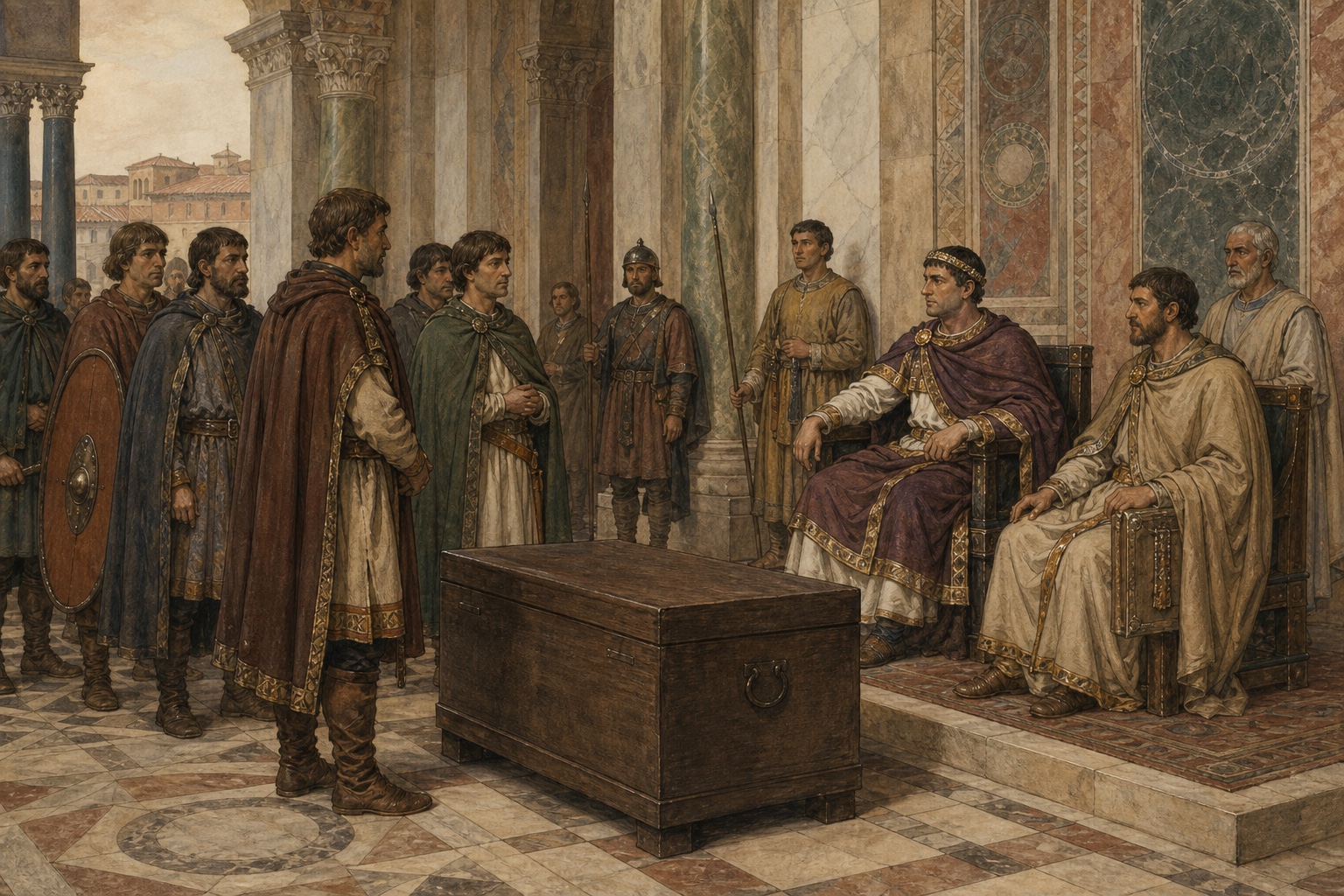
The emperor and state at Constantinople survived 476, asserted authority in relation to western kingdoms, and continued along a distinct historical course.


Sources
- The Roman Empire (27 B.C.–393 A.D.)The Metropolitan Museum of ArtChecks late-imperial reorganization, the Gothic Danube crossing, the turning points of 378 and 410, the deposition of 476, and Eastern Roman survival.
- Barbarians and RomansThe Metropolitan Museum of ArtChecks military service, trade, diplomacy, settlement, and mixed Roman and non-Roman material culture along the Rhine and Danube frontiers.
- The Novels of Justinian: A Complete Annotated English Translation, introduction excerptCambridge University PressChecks the loss of western provinces, the deposition in 476, autonomous successor kingdoms, and the continuing eastern emperor.
- Administrative Shifts of Competence under TheodericCambridge University Press / TraditioChecks administrative continuity under Odoacer and Theoderic after 476.
- Where are the Romans? What Attila's War Reveals about Barbarian Integration in the Late Roman EmpirePrinceton UniversityChecks Attila's invasion of Gaul in 451, the mixed Roman and allied forces, and the limits of simple identity categories.
- Rome after the 455 Vandal OccupationCambridge University PressChecks the Vandal occupation and plunder of 455 and the urban and governmental activity that continued afterward.