
Napoleonic Wars
1803–1815
The 1803–1815 series of wars between France under Napoleon and shifting coalitions of European powers, fought on land and sea and across imperial theaters.

- Period
- 1803–1815
- Kind
- War
- Regions
- Europe
- Keywords
- coalitions · Trafalgar · Austerlitz · Russian campaign · Waterloo
Follow the story · Four stages
Background
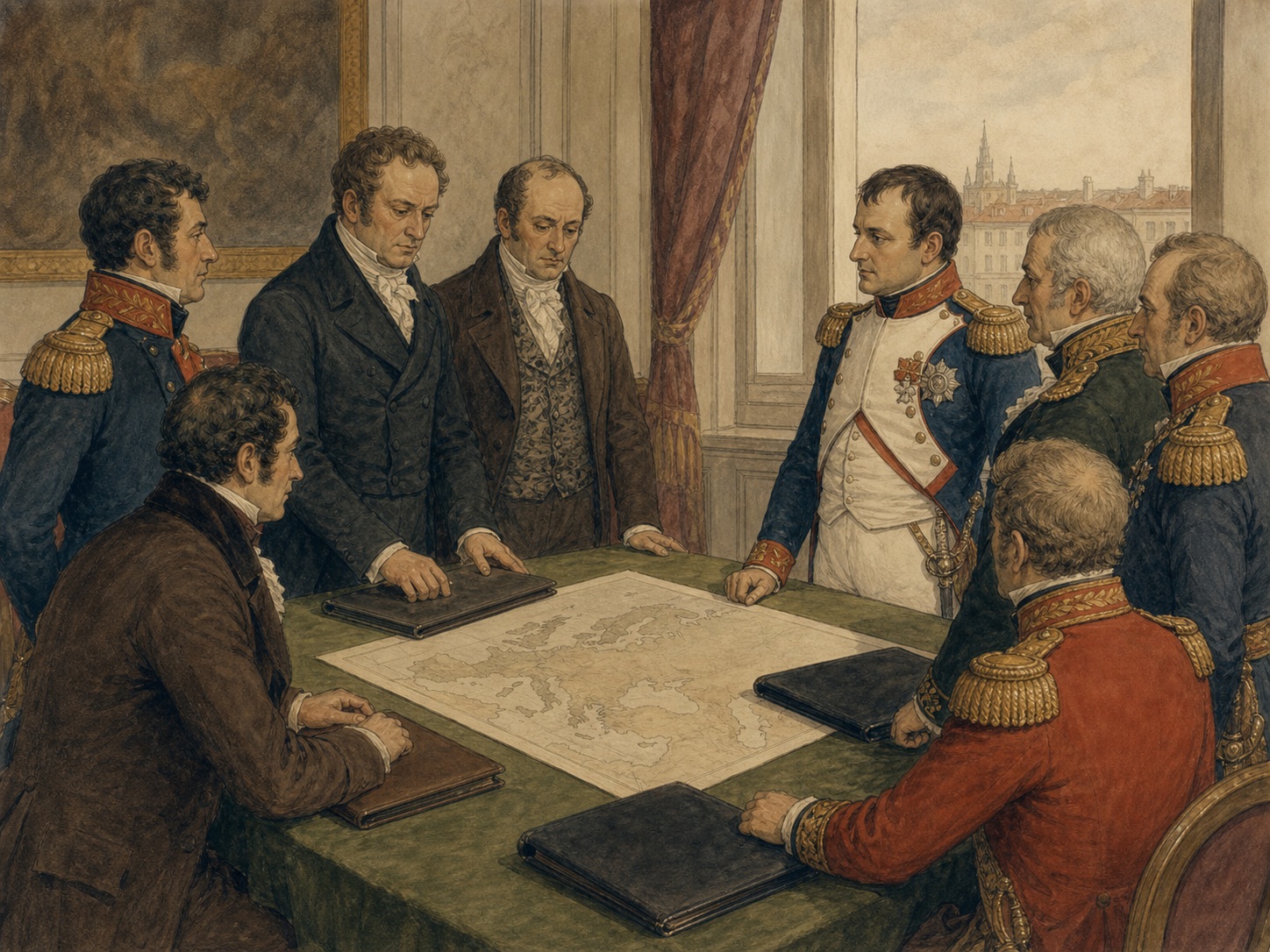
The collapse of the Peace of Amiens brought French expansion after the Revolution, maritime and commercial rivalry with Britain, and dynastic security into renewed conflict. Napoleon's imperial coronation and territorial reorganization repeatedly drew Austria, Russia, Prussia, and other powers into coalitions.
- The Peace of Amiens collapsed, and Britain and France resumed war in 1803.
- French territorial expansion and maritime and commercial rivalry with Britain renewed post-revolutionary conflict.
- Napoleon's empire and reorganization of Europe repeatedly brought Austria, Russia, Prussia, and other powers into coalitions.
Course
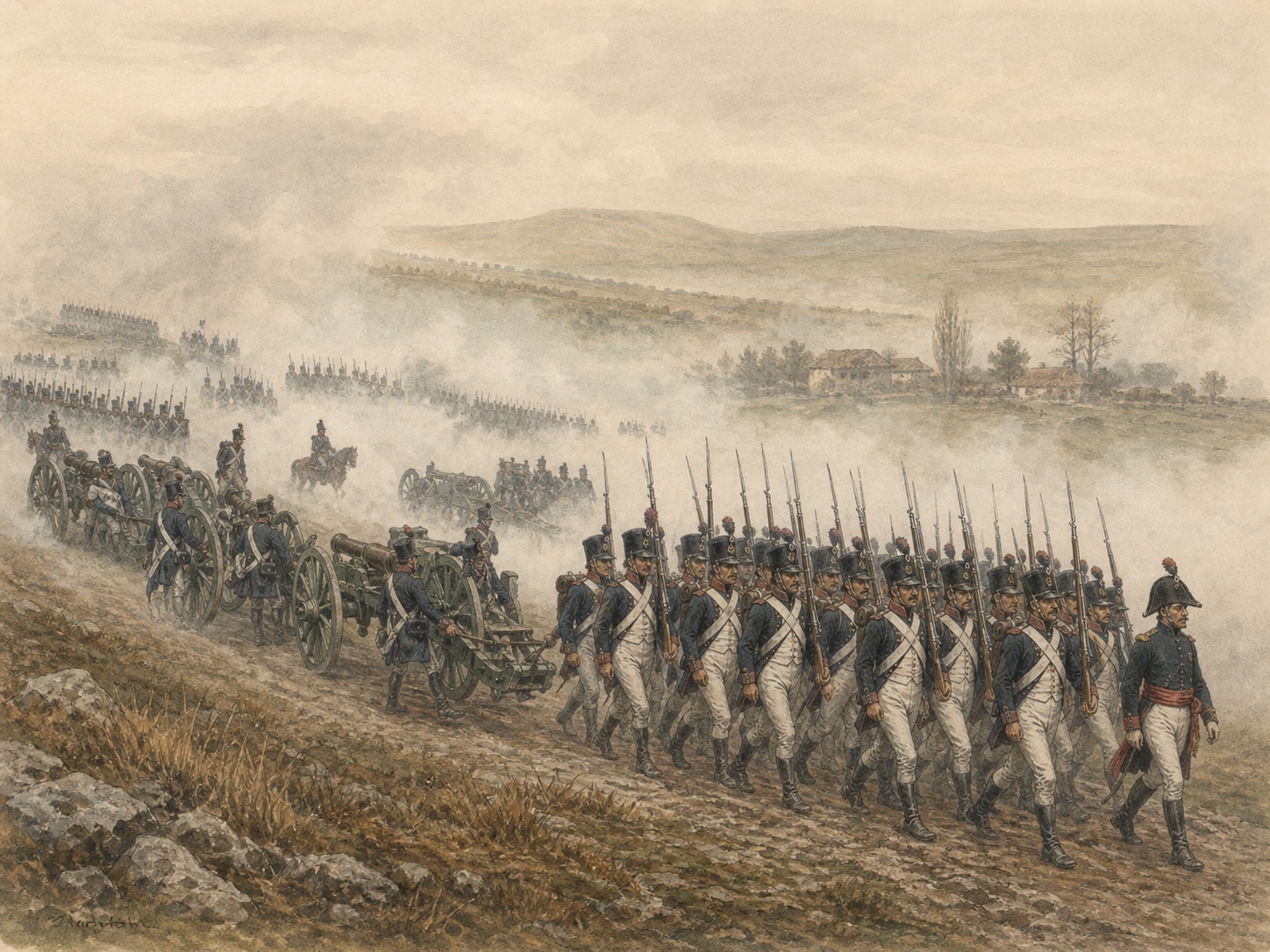
French armies defeated continental coalitions at battles such as Austerlitz, while Britain preserved command of the sea at Trafalgar. Occupation, conscription, and the Continental System provoked resistance; the Peninsular War and the failed 1812 invasion of Russia enabled a renewed allied advance.
- French armies defeated continental coalitions at Austerlitz and other battles, extending Napoleon's sphere of power.
- The Royal Navy defeated the Franco-Spanish fleet at Trafalgar and preserved Britain's command of the sea.
- Resistance to occupation and the Continental System, the Peninsular War, and the failed invasion of Russia enabled an allied counteroffensive.
Outcome
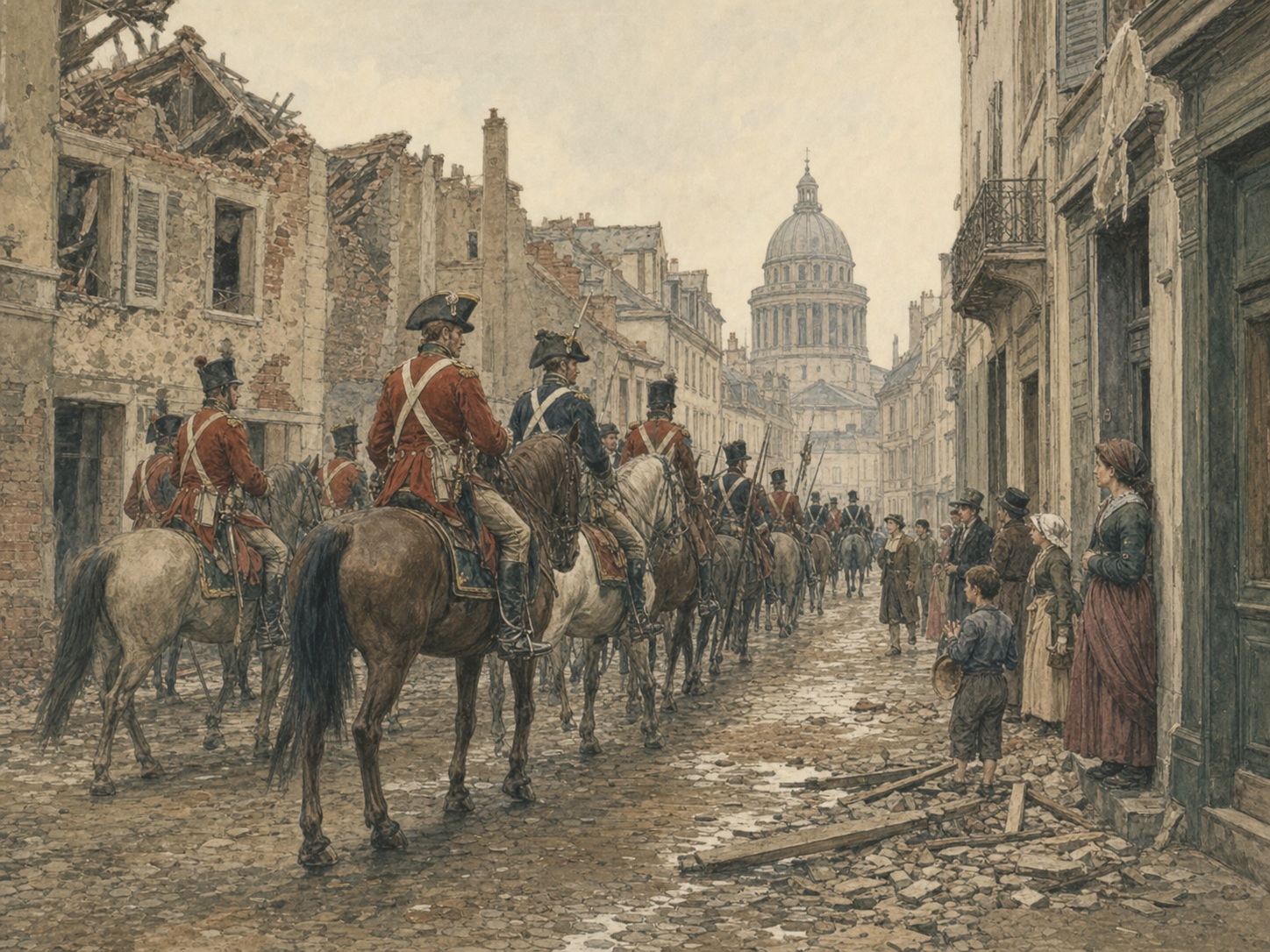
Coalition armies entered Paris in 1814 and Napoleon abdicated. His return during the Hundred Days ended with defeat at Waterloo in 1815 and a restored French monarchy. The wars left mass casualties, fiscal burdens, occupations, and altered frontiers across Europe.
- Coalition armies entered Paris in 1814 and forced Napoleon to abdicate.
- His return during the Hundred Days ended with defeat at Waterloo in 1815.
- The wars left mass casualties, fiscal burdens, occupations, and altered borders across Europe.
Historical significance
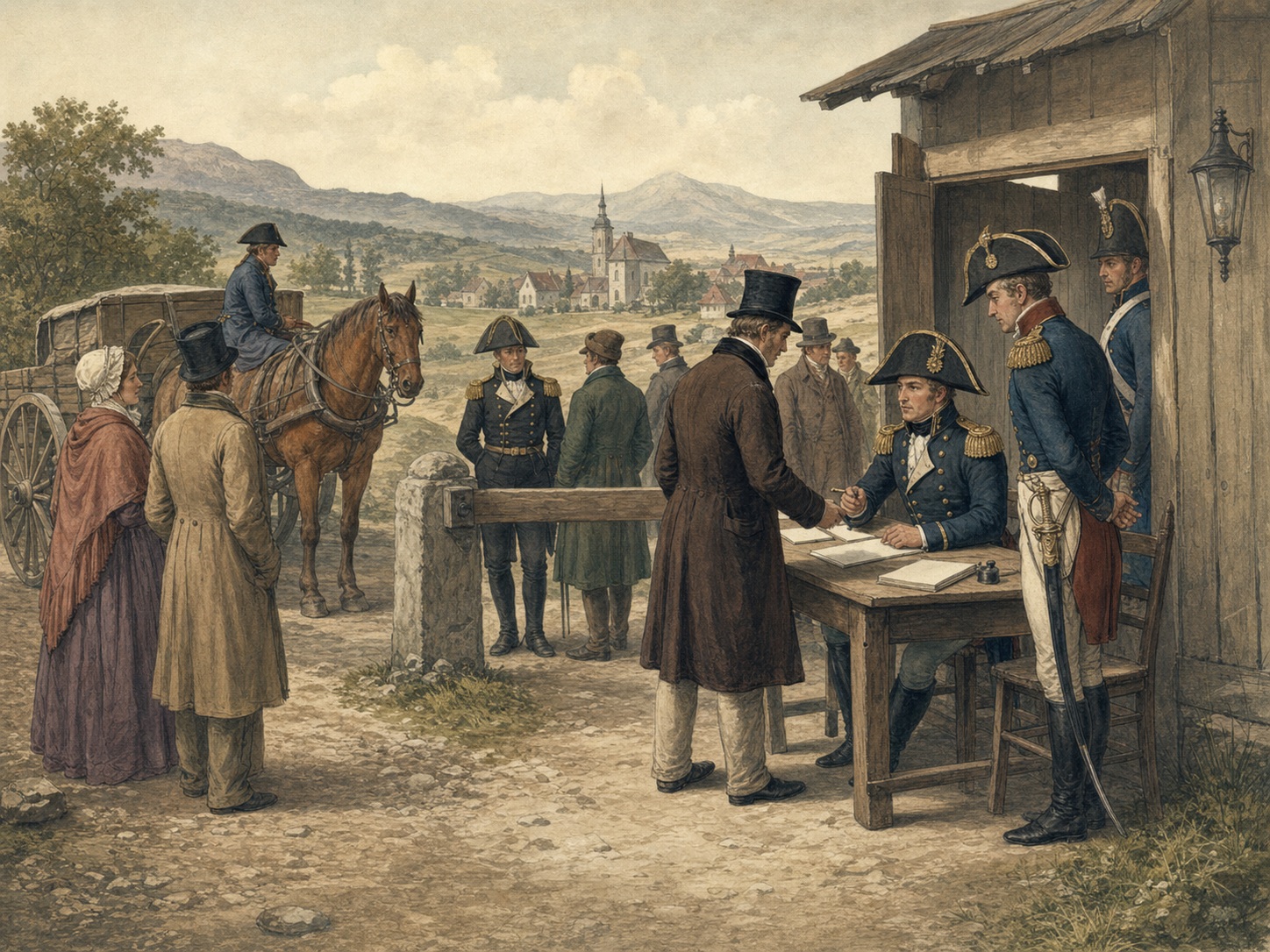
Revolutionary legal and administrative reforms spread with conquest, while imperial rule also intensified national and regional resistance. The postwar Vienna settlement rebuilt dynastic order and a balance of power intended to stabilize Europe after the Revolution and empire.
- Revolutionary legal and administrative reforms spread widely alongside French conquest.
- Imperial rule, conscription, and occupation also intensified national and regional resistance.
- The postwar Vienna settlement sought European stability through dynastic order and a balance of power.


Related figures
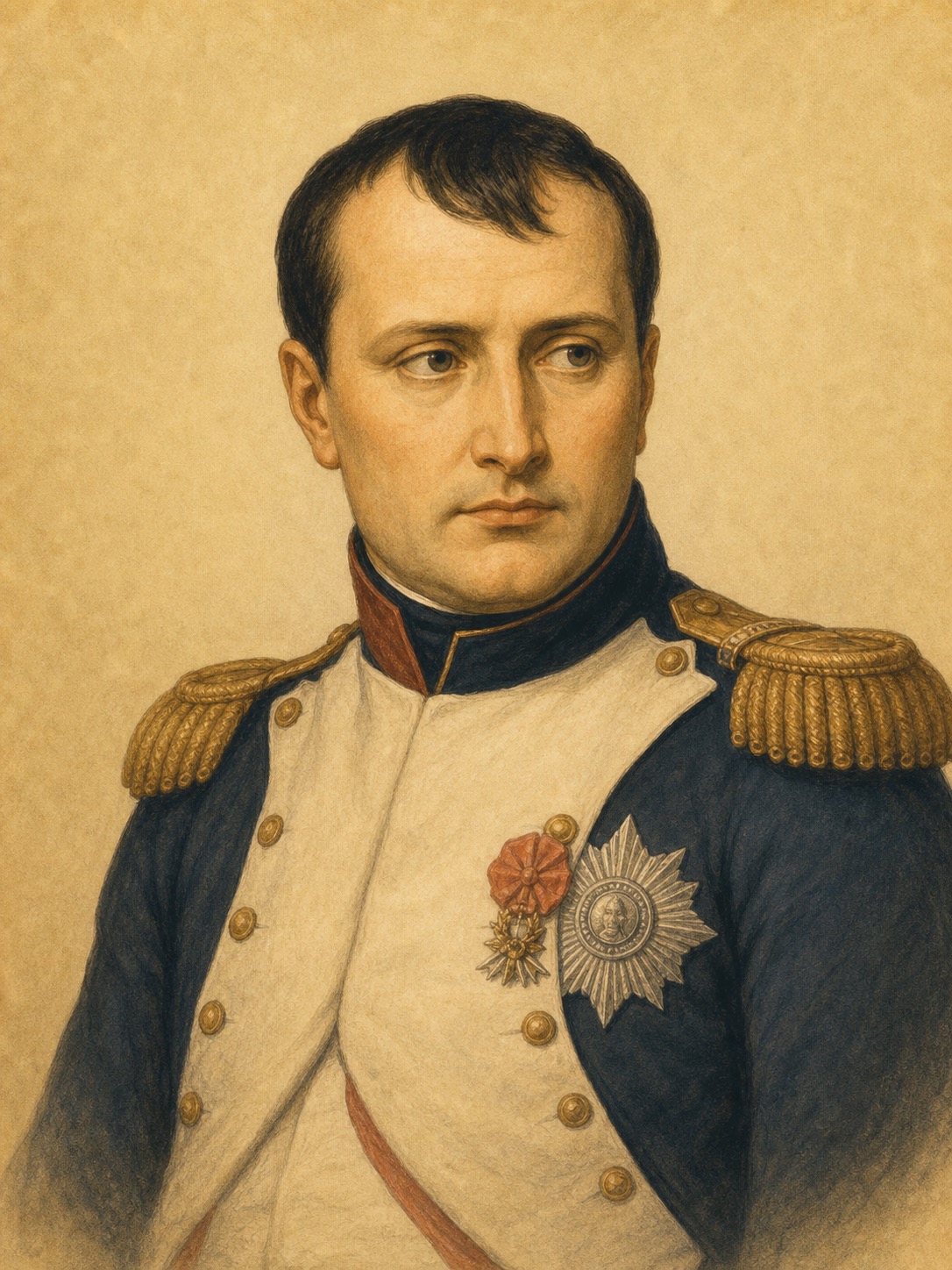
Napoleon Bonaparte
French emperor and commander
He directed French military and diplomatic strategy against successive coalitions across Europe.

Horatio Nelson
British naval commander
He led the British fleet to victory at Trafalgar and died during the battle.
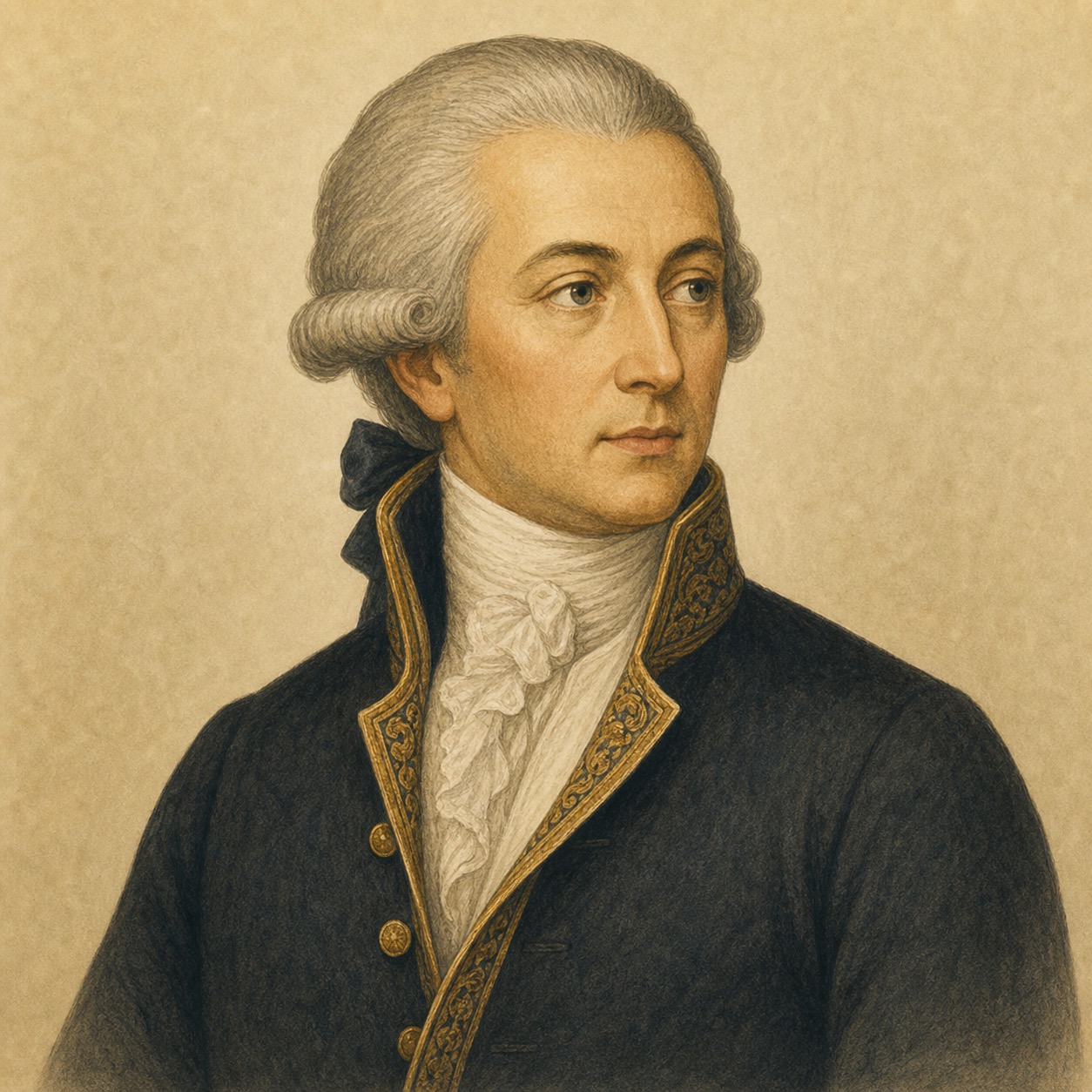
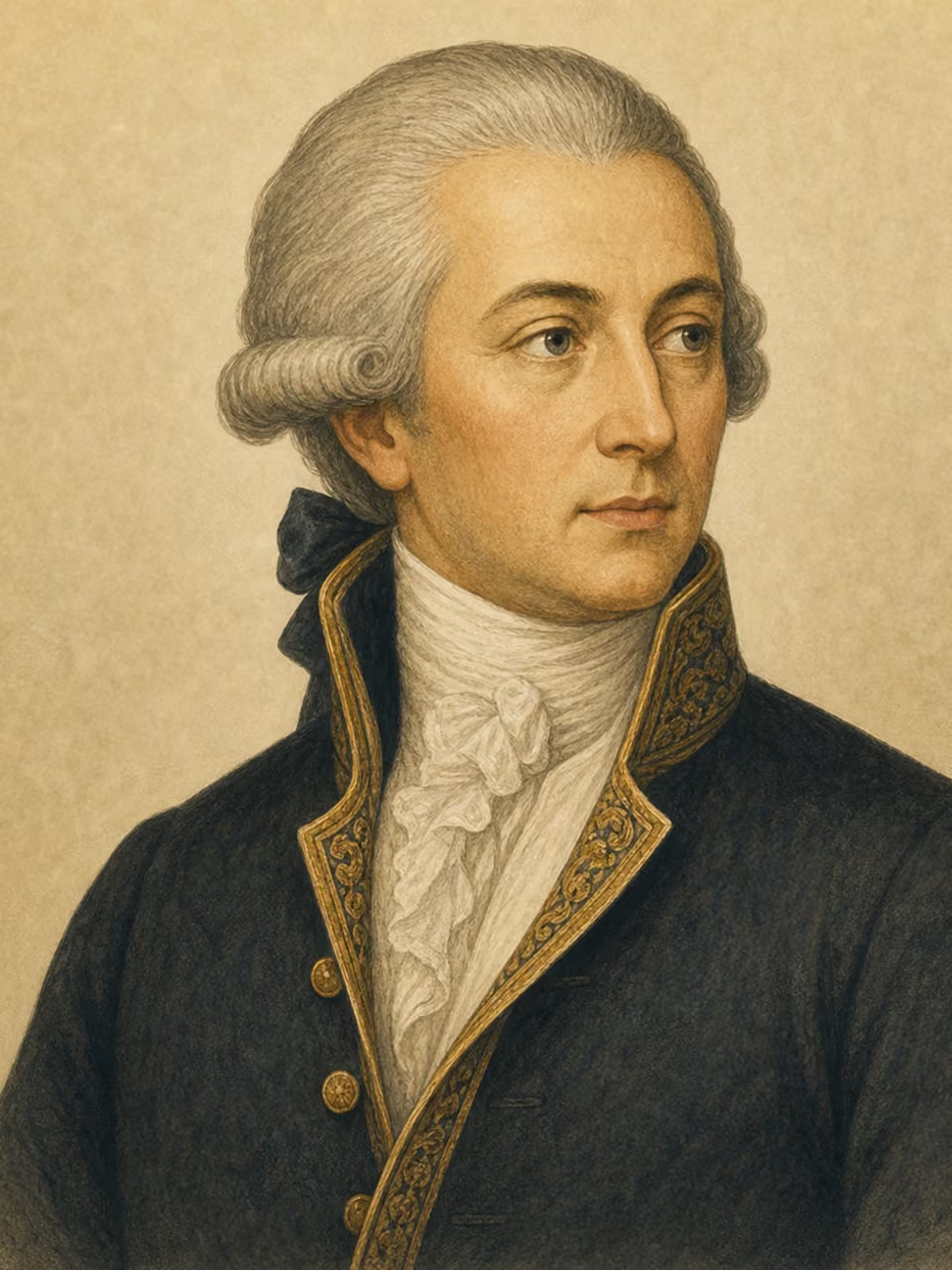
Francis II, Holy Roman Emperor
Austrian emperor and coalition monarch
He led Austria into successive coalitions that opposed Napoleon.
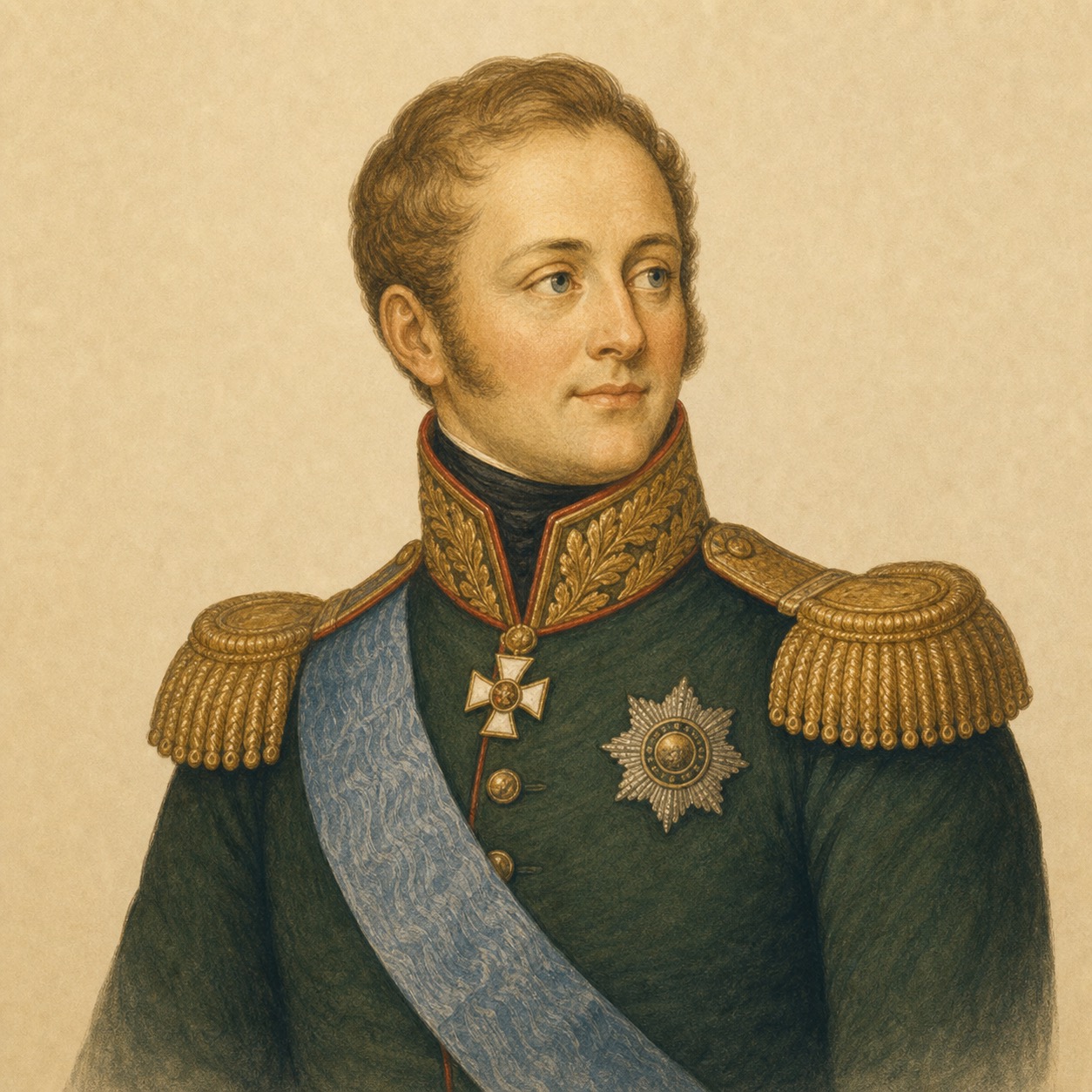
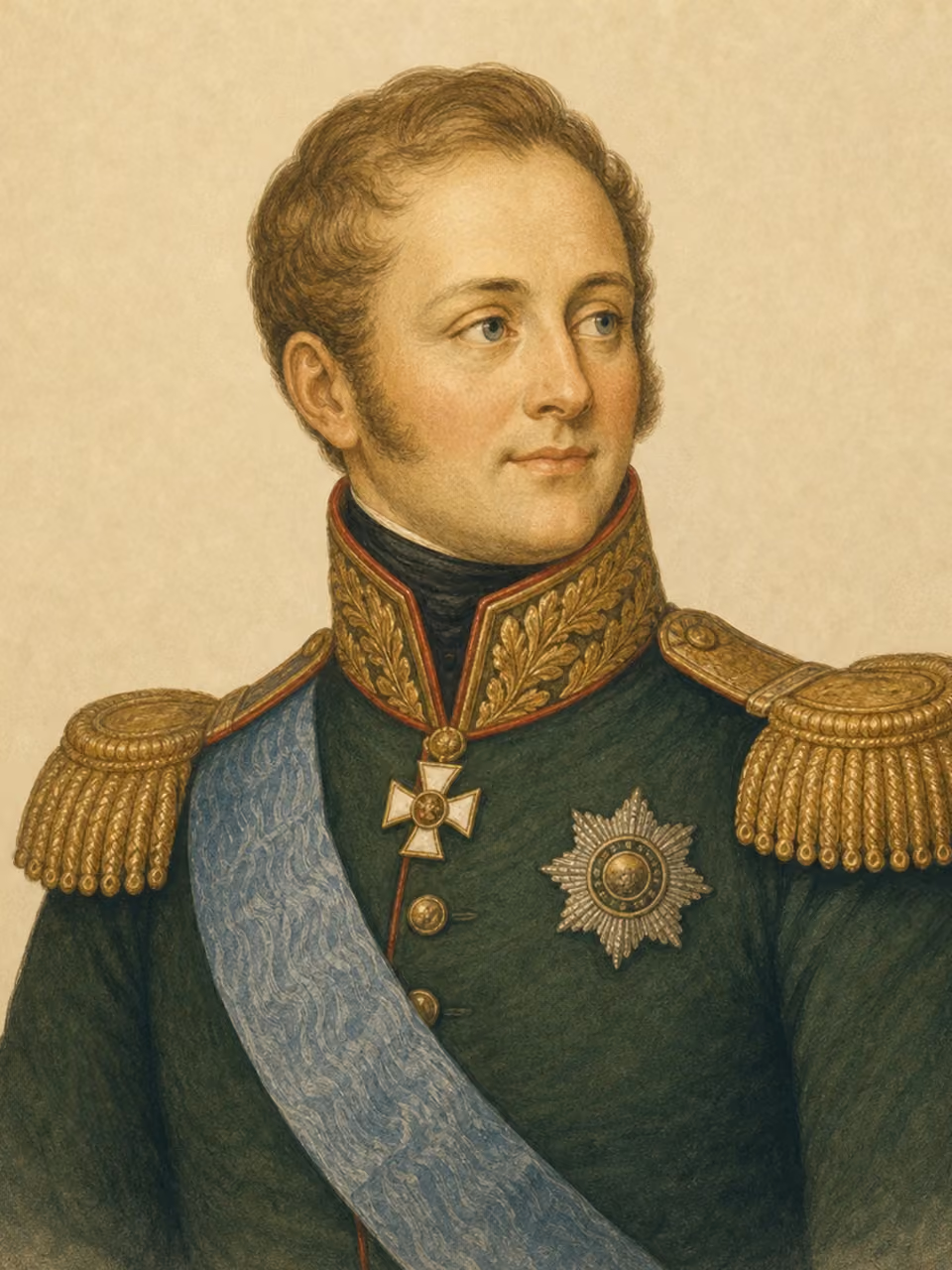
Alexander I of Russia
Russian emperor and coalition monarch
He opposed the French invasion of 1812 and sustained the coalition advance that followed.

Related events
1803
Peace of Amiens breaks down

A short peace ended, and Britain and France resumed war in May 1803.
1805
Trafalgar and Austerlitz
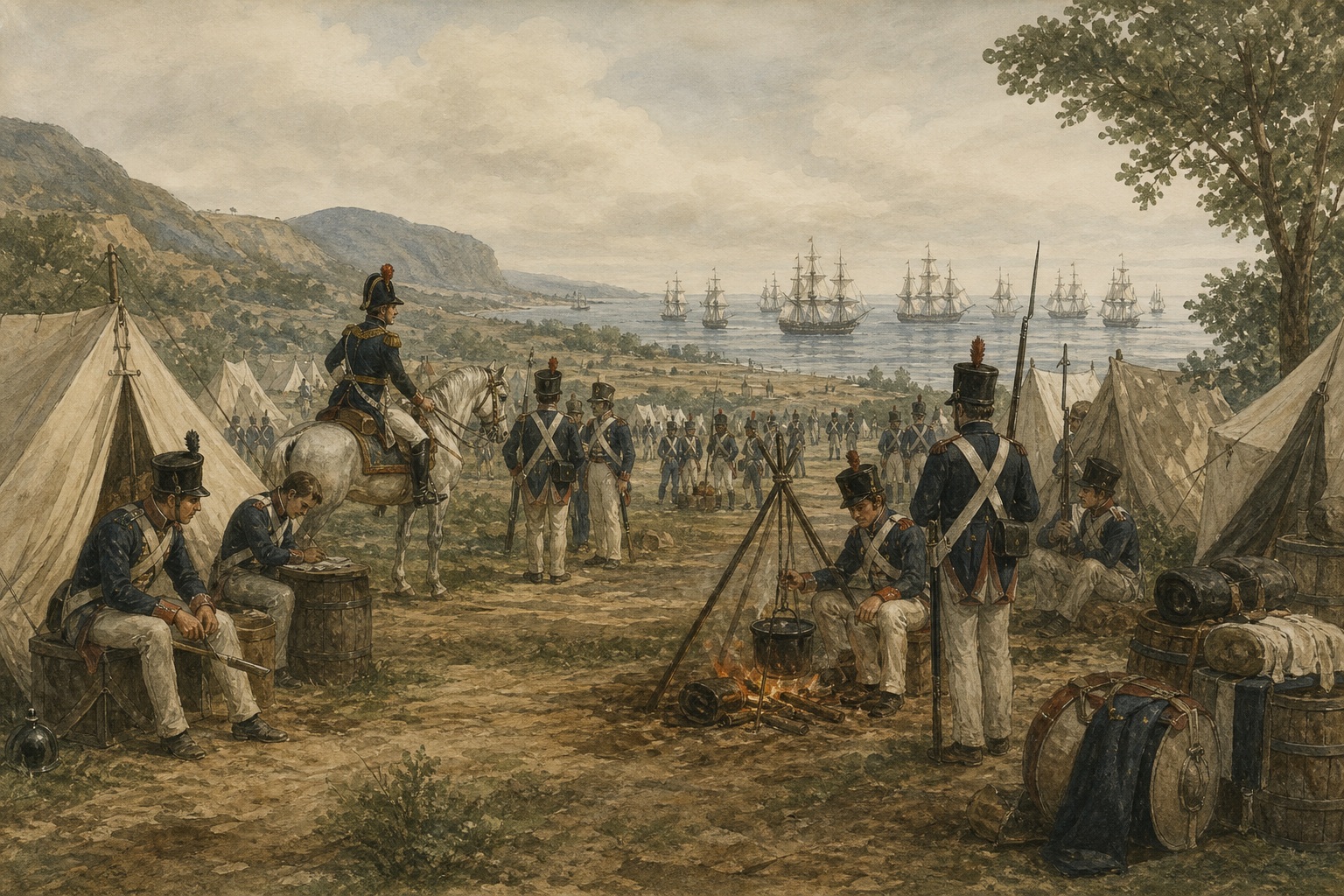
In 1805 Britain won at sea while France defeated the combined Austrian and Russian armies on land.
1803–1815
Napoleonic Wars
Current event
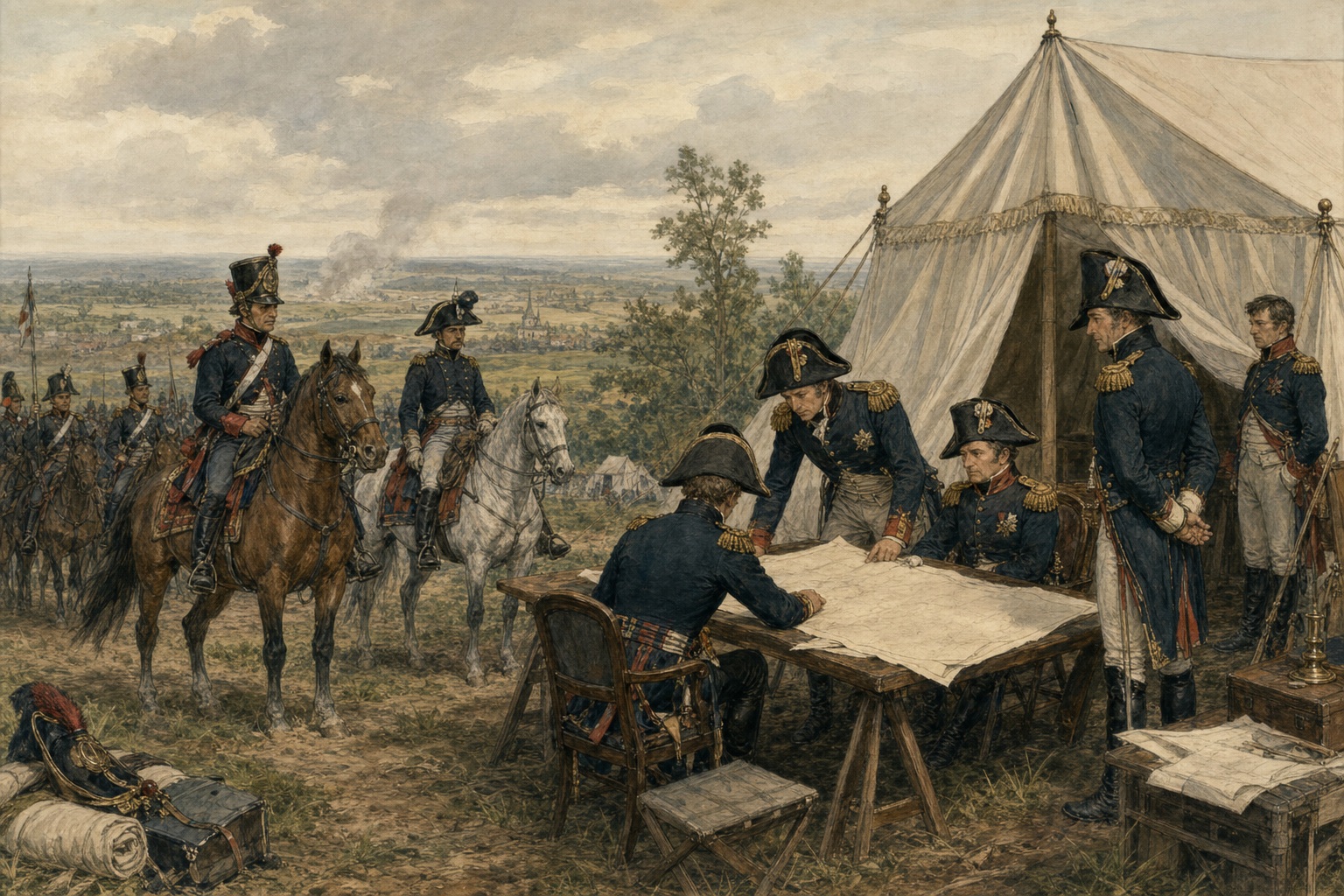
France and shifting coalitions of European powers fought on land and sea from 1803 to 1815.
1812
Russian campaign
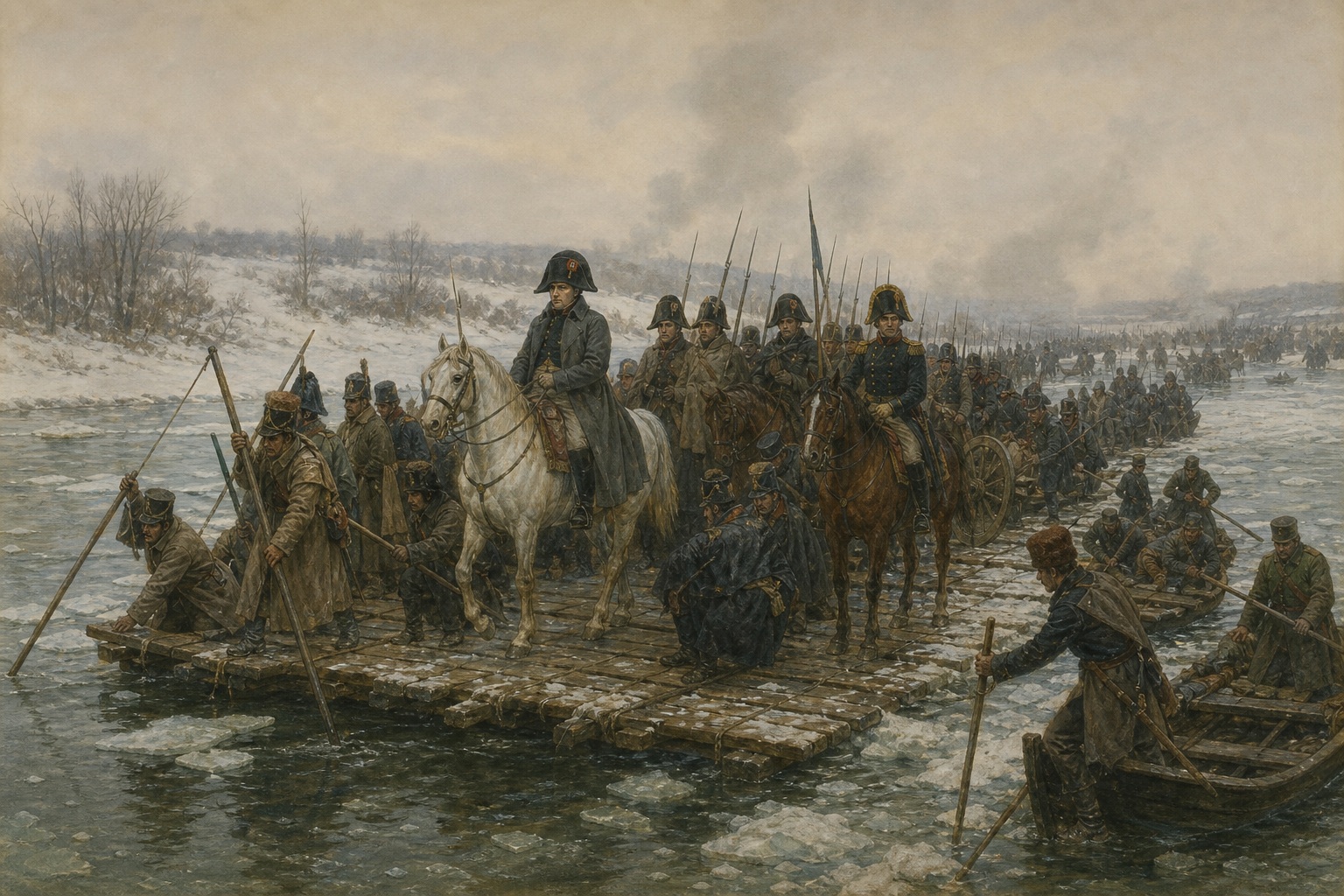
The invasion and retreat of 1812 severely depleted the Grande Armée and energized the coalition counteroffensive.
1815
Battle of Waterloo
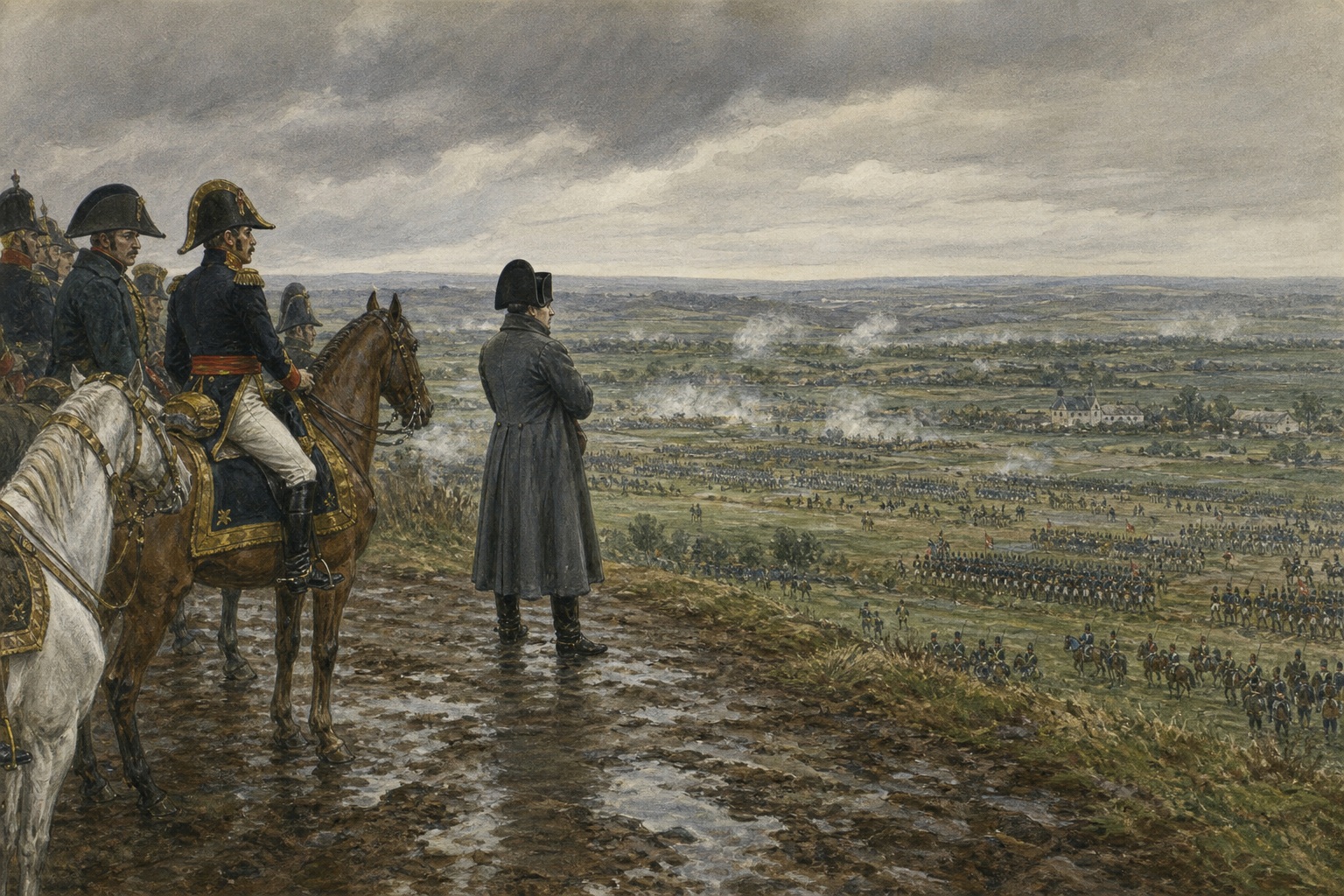
Defeat in 1815 ended the Hundred Days and forced Napoleon to abdicate again.


Sources
- Les guerres napoléoniennesFondation NapoléonAn overview tracing renewed war in 1803, the changing coalitions, major campaigns, and collapse through 1815.
- Battle of Trafalgar timelineRoyal Museums GreenwichA museum chronology of Trafalgar, Nelson's command, the British victory, and his death in the battle.
- Napoleon's Russian Campaign: from the Niemen to MoscowFondation NapoléonA timeline of the 1812 invasion, Russian withdrawals, and Alexander I's response to Napoleon's demands.
- Franz II/IThe World of the HabsburgsA biographical account of Franz II/I and the imperial reorganization of the Napoleonic era.
- Napoleonic Wars (Q78994)WikidataStructured identifiers and linked information for the Napoleonic Wars, including the 1803–1815 date range.