
Ottoman–Habsburg War of 1526–1533
1526–1533
From 1526 to 1533, the Ottoman Empire, Ferdinand of Habsburg, and supporters of John Szapolyai contested the Hungarian crown and power in central Europe through war and diplomacy.

- Period
- 1526–1533
- Kind
- War
- Regions
- Europe, Middle East
- Keywords
- Ottoman Empire · Habsburg dynasty · Hungarian succession · Mohács · Siege of Vienna
Follow the story · Four stages
Background
Süleyman I's capture of Belgrade increased pressure on the Hungarian frontier, while dynastic marriages gave Ferdinand a basis for claiming the crowns left vacant after Louis II.
- Süleyman I captured Belgrade in 1521, widening an Ottoman military foothold for movement from the middle Danube into Hungary.
- Dynastic marriages linking Louis II of Hungary to the Habsburg house gave Ferdinand a basis for claiming the crowns if Louis died without an heir.
- Ottoman, Hungarian-estate, and Habsburg interests overlapped, so the conflict was not a simple two-state frontier war.
Course
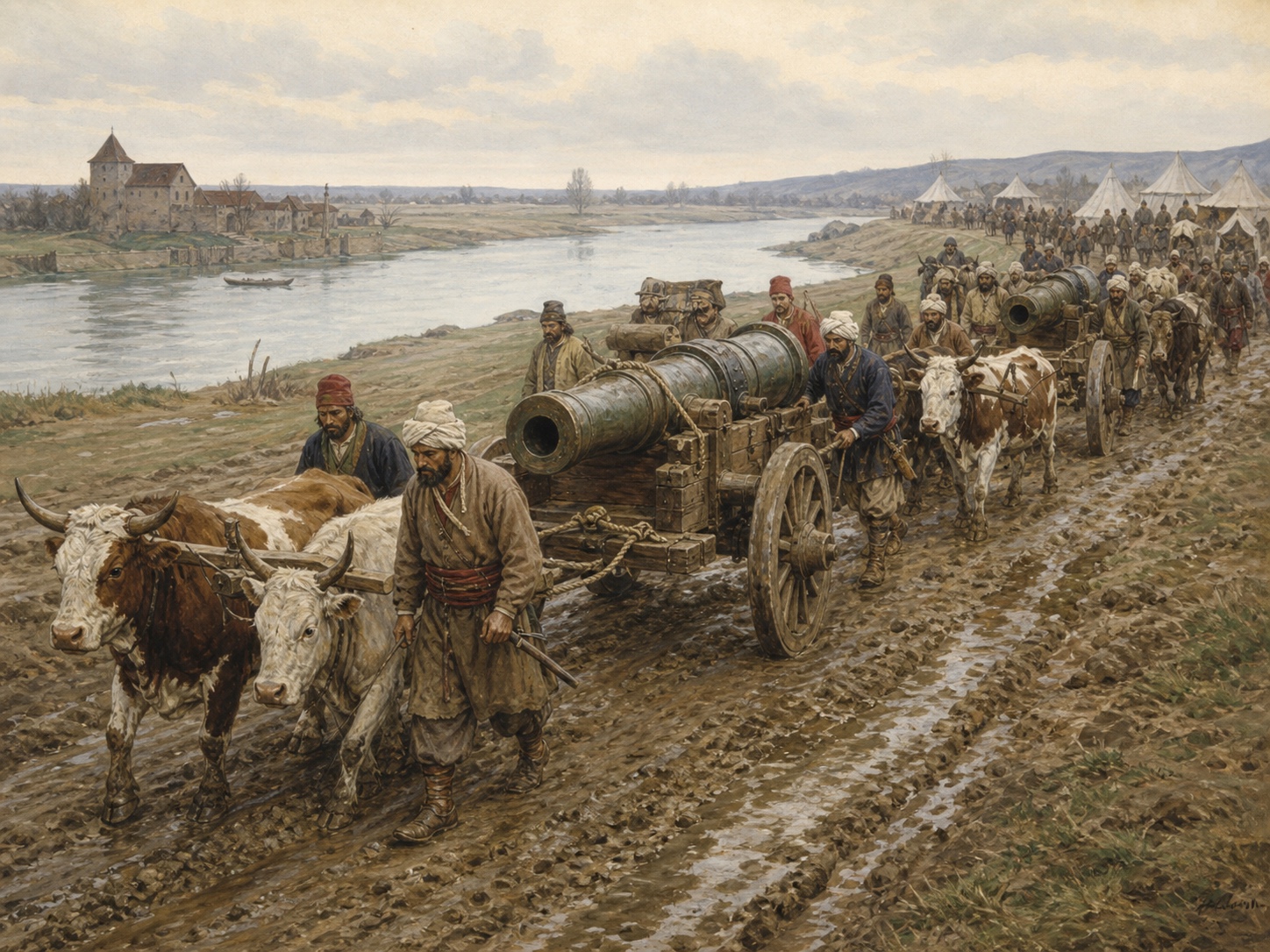
Louis II died at Mohács in 1526, and John Szapolyai and Ferdinand became rival kings. Ottoman forces restored John at Buda and besieged Vienna in 1529; the 1532 campaign then stalled at Kőszeg.
- The Hungarian army was defeated at Mohács in 1526 and Louis II died. Hungarian estates elected John Szapolyai while Ferdinand also claimed the crown.
- After Ferdinand occupied Buda, Süleyman restored John there in 1529 and advanced farther to besiege Vienna.
- The 1532 campaign confronted resistance at Kőszeg as well as bad weather and seasonal limits. Logistics, fortresses, and diplomacy shaped the war alongside battles.
Outcome
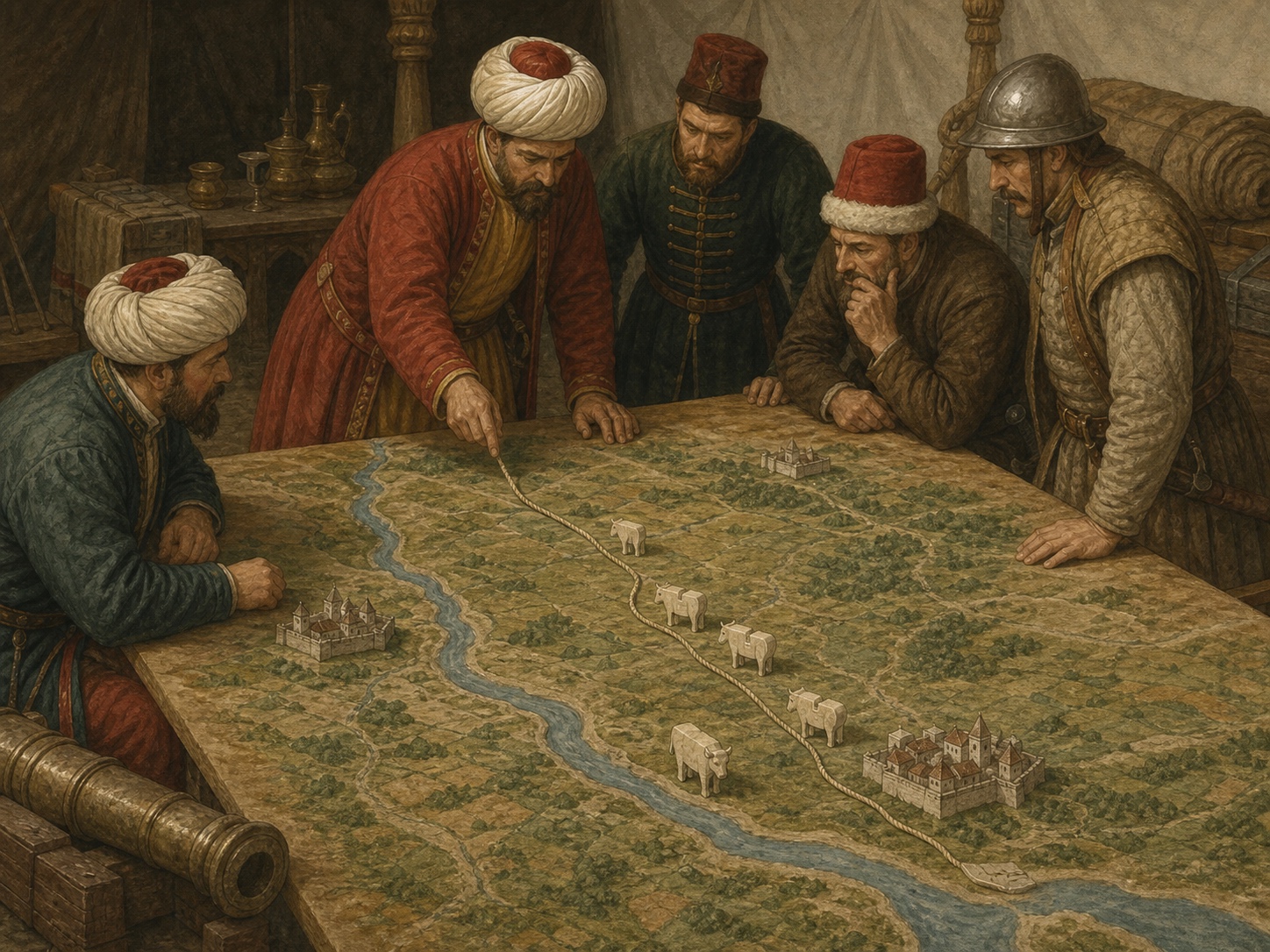
The 1533 audience and agreement temporarily managed the competing authority of John and Ferdinand and produced a western truce, but it was not a comprehensive peace that reunified Hungary.
- In 1533, Ferdinand's envoys attended an audience at Süleyman's court in Istanbul and reached an agreement addressing western truce and competing authority.
- The arrangement temporarily managed the coexistence of John and Ferdinand, but it was not a comprehensive peace restoring Hungary under one crown.
- Although major western operations paused, disputes over royal claims, tribute, and recognition remained; the agreement did not permanently end the rivalry.
Historical significance
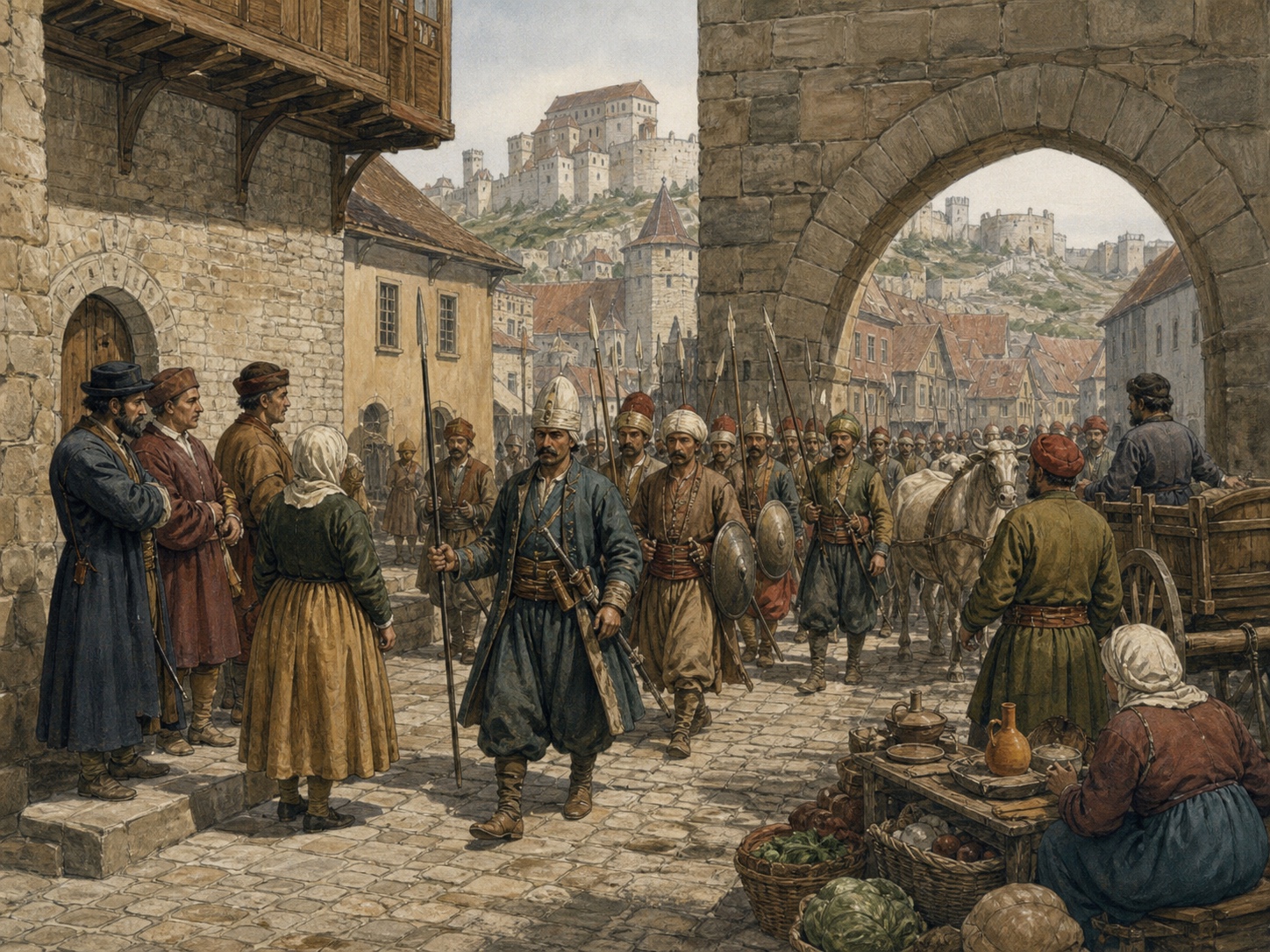
The conflict made Hungary a durable Ottoman–Habsburg borderland. Claims and military action continued after 1533, and the Ottoman occupation of Buda in 1541 entrenched the territorial division.
- The war turned Hungary into a durable borderland where Ottoman, Habsburg, and Szapolyai-aligned power intersected.
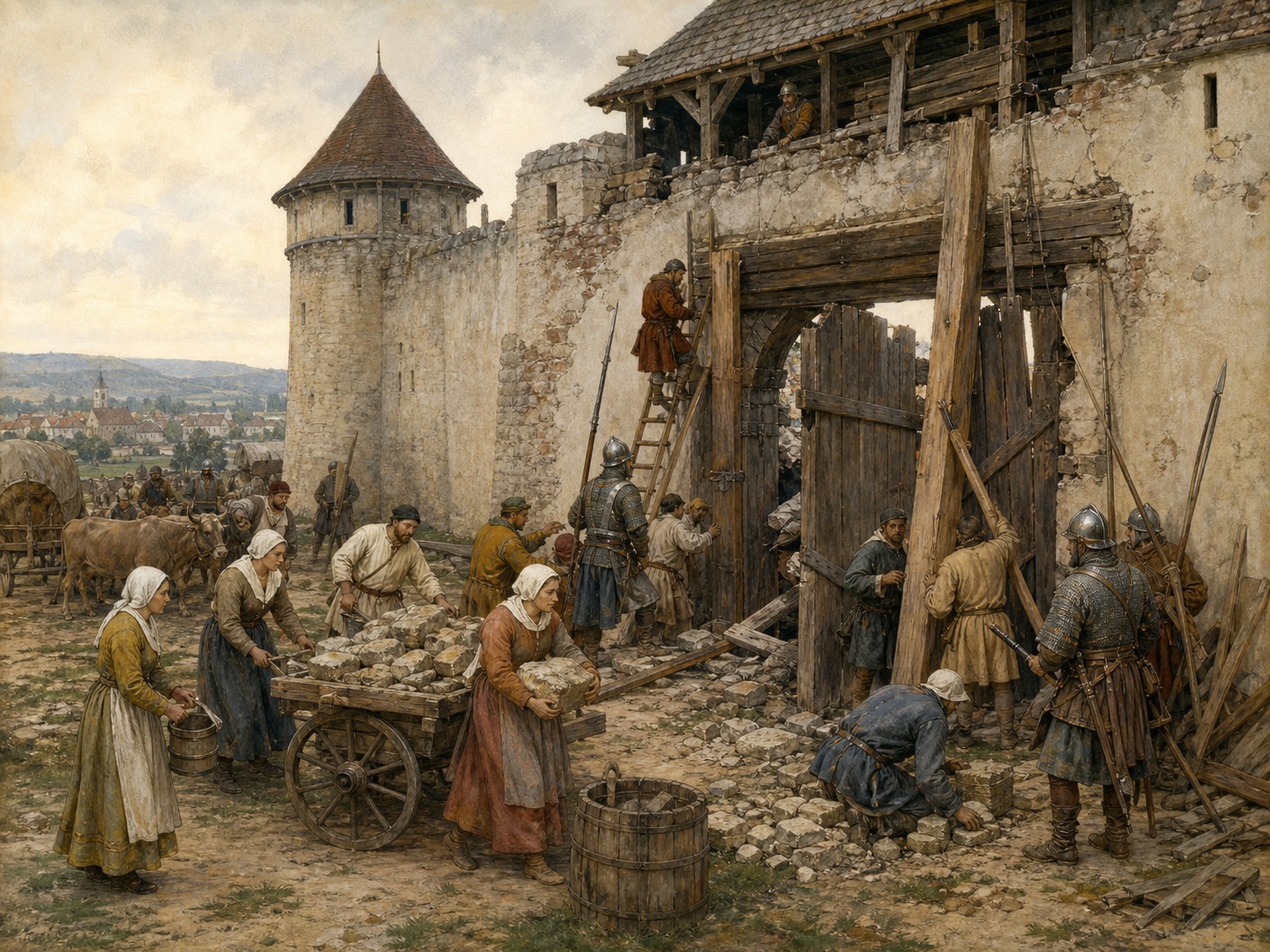
- Süleyman's campaigns reshaped central European politics, while Vienna and Kőszeg also demonstrated the logistical and defensive limits of long-distance operations.
- Conflict continued after 1533, and the Ottoman occupation of Buda in 1541 further entrenched Hungary's territorial division.


Related figures
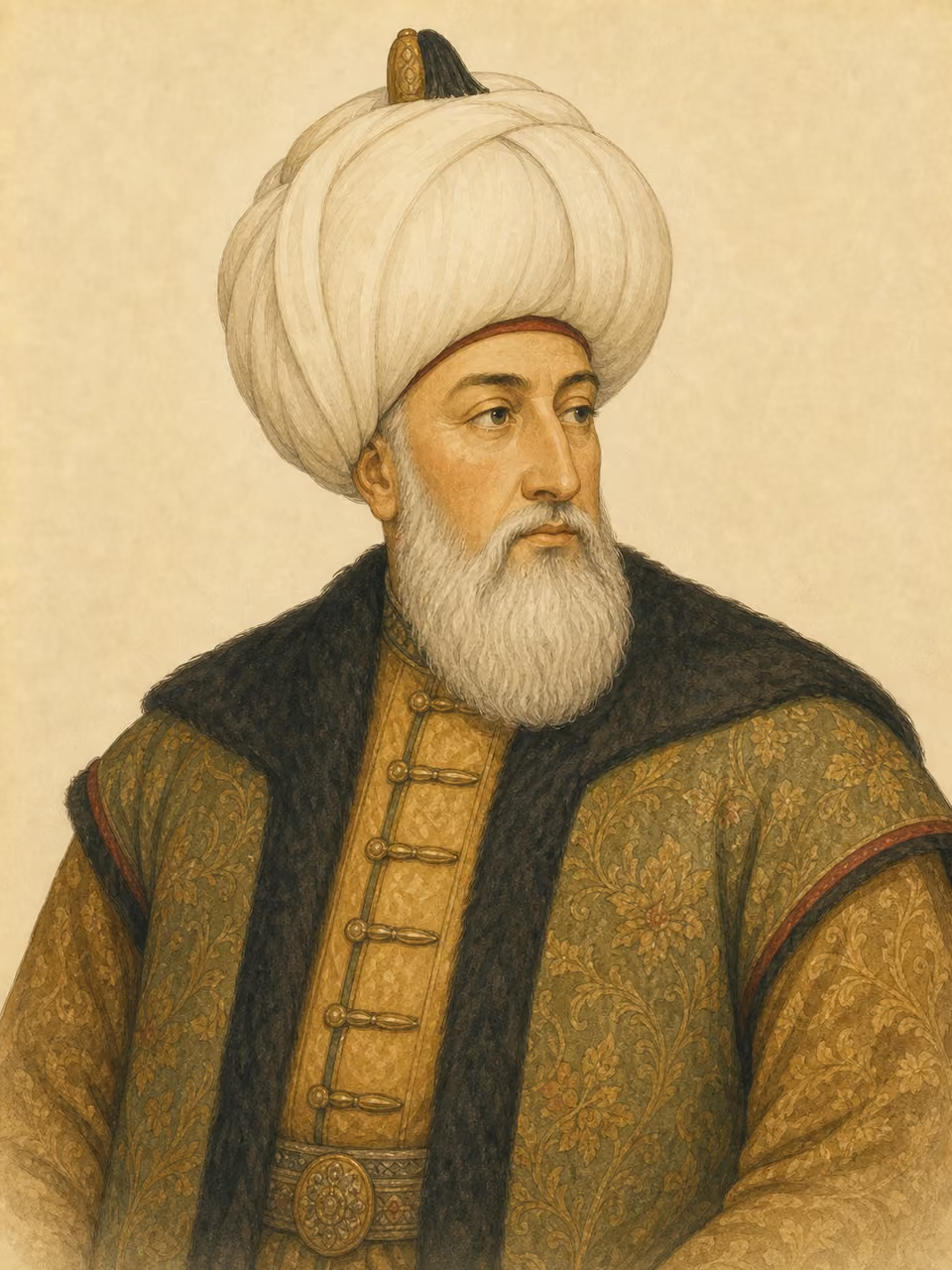
Related events
1520–1526
Ottoman expansion and the Hungarian frontier
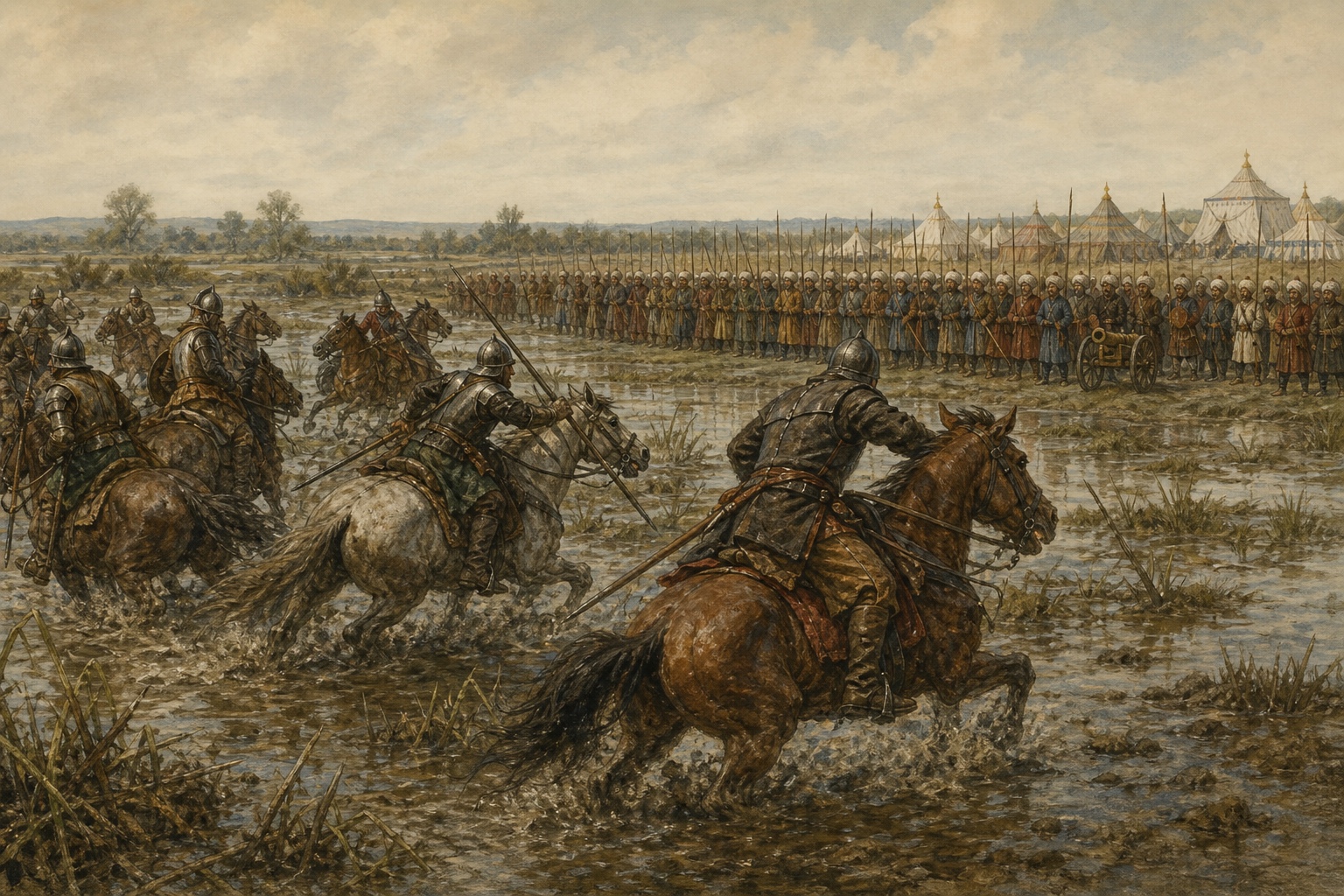
Süleyman I captured Belgrade in 1521, opening a route for stronger Ottoman pressure along the middle Danube and into Hungary.
1526
Habsburg claims to the Hungarian succession
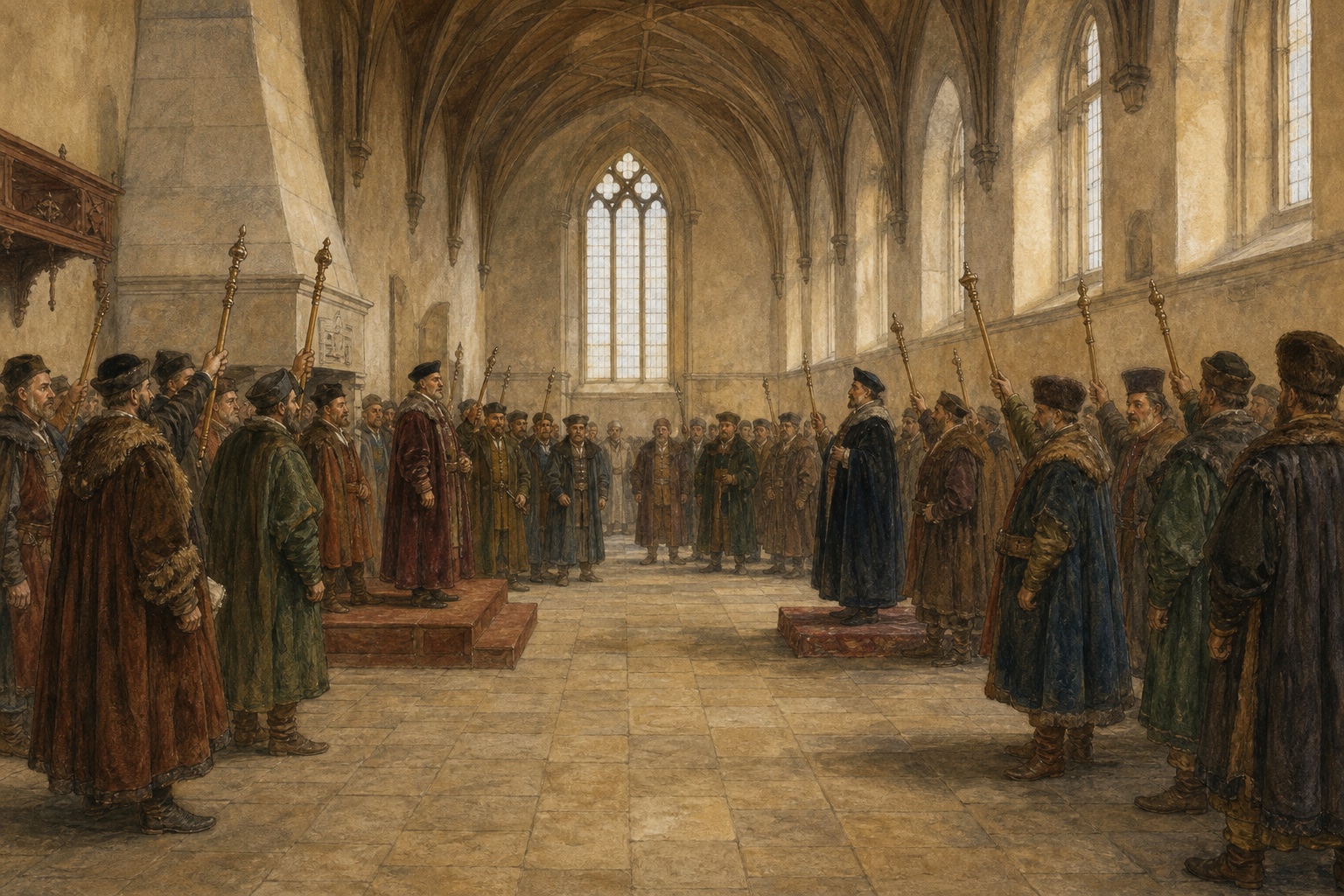
After Louis II died without an heir at Mohács, Ferdinand claimed through dynastic marriage while Hungarian estates also elected John Szapolyai.
1526–1533
Ottoman–Habsburg War of 1526–1533
Current event
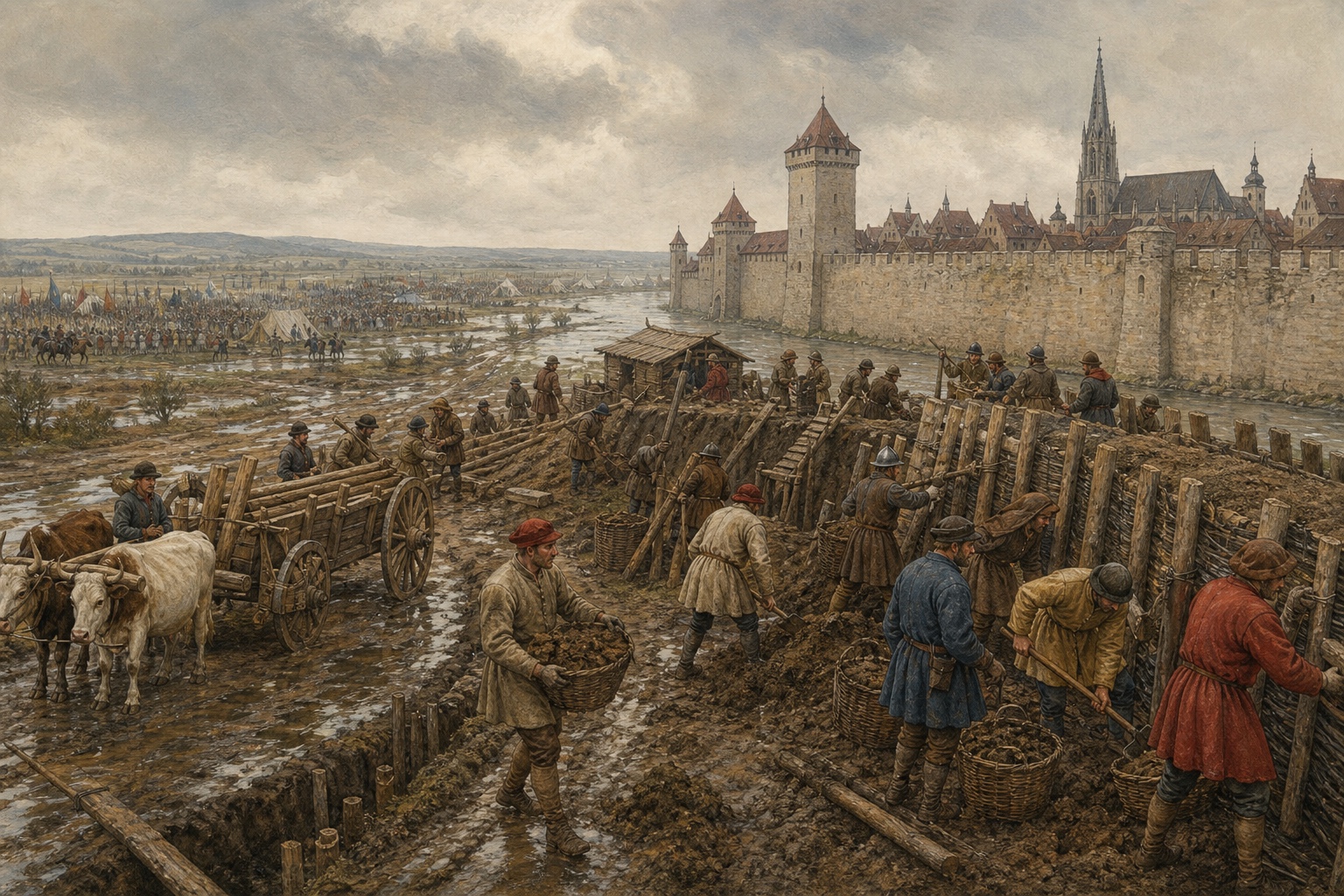
From Mohács and rival kingship through Buda, the 1529 siege of Vienna, and the 1532 campaign, warfare and diplomacy intertwined over Hungary.
1533
The Ottoman–Habsburg agreement of 1533
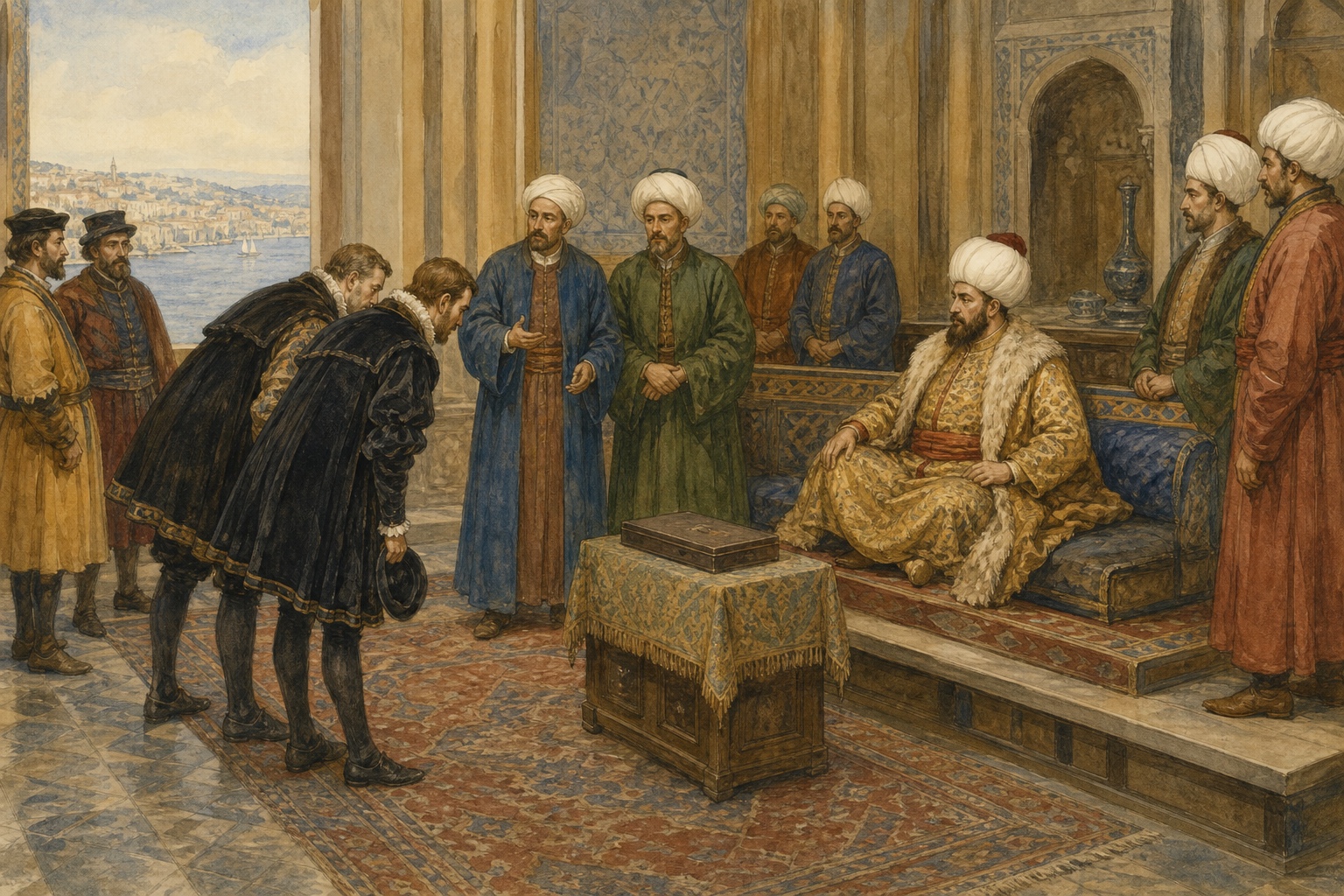
Ferdinand's envoys were received by Süleyman I, and an agreement and truce temporarily managed the competing claims.
1533–1541
A divided Hungarian frontier and continuing rivalry
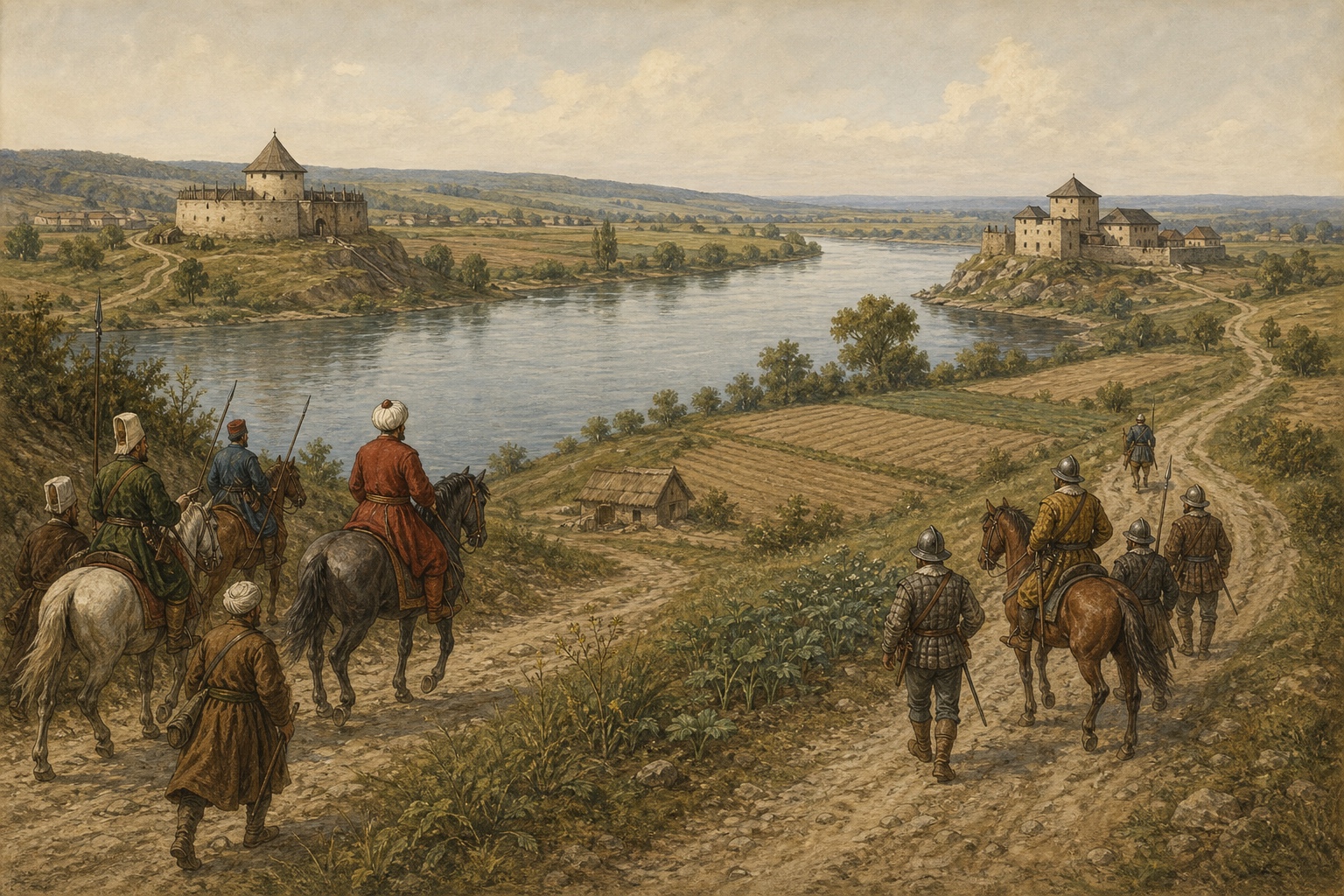
Royal claims and border conflict continued after the truce, and the Ottoman occupation of Buda in 1541 deepened Hungary's territorial division.


Sources
- The Age of Süleyman ‘the Magnificent’The Metropolitan Museum of ArtChecks Süleyman's reign, conquest in Hungary, advance toward Vienna, Ottoman–Habsburg rivalry, and period material culture.
- Growth: A New Imperial Vision, 1525–33Oxford University PressChecks Mohács, support for John Szapolyai, the Vienna campaign, and imperial rivalry involving Ferdinand and Charles V.
- The Cambridge History of Turkey, Volume 2Cambridge University PressChecks Mohács, Buda, rival succession, Vienna in 1529, the 1532 campaign, the 1533 agreement and truce, and continued rivalry.
- Süleyman ITDV İslâm AnsiklopedisiChecks Mohács, the Ferdinand–Szapolyai claims, Buda, the siege of Vienna, and the 1533 audience and truce.
- The Kingdom of HungaryOxford BibliographiesChecks the competing claims after Mohács and the context of the later divided Hungarian borderland.
- The Monument and the MemorialCentral European University research repositoryChecks that the defense of Kőszeg delayed the 1532 campaign and that weather and season constrained further advance.