Russo-Japanese War
1904–1905
From 1904 to 1905, Japan and Russia clashed over competing imperial interests in Manchuria and Korea.

- Period
- 1904–1905
- Kind
- Treaty
- Regions
- Central Asia
- Keywords
- Russo-Japanese War · Port Arthur · Mukden · Tsushima · Treaty of Portsmouth
Follow the story · Four stages
Background
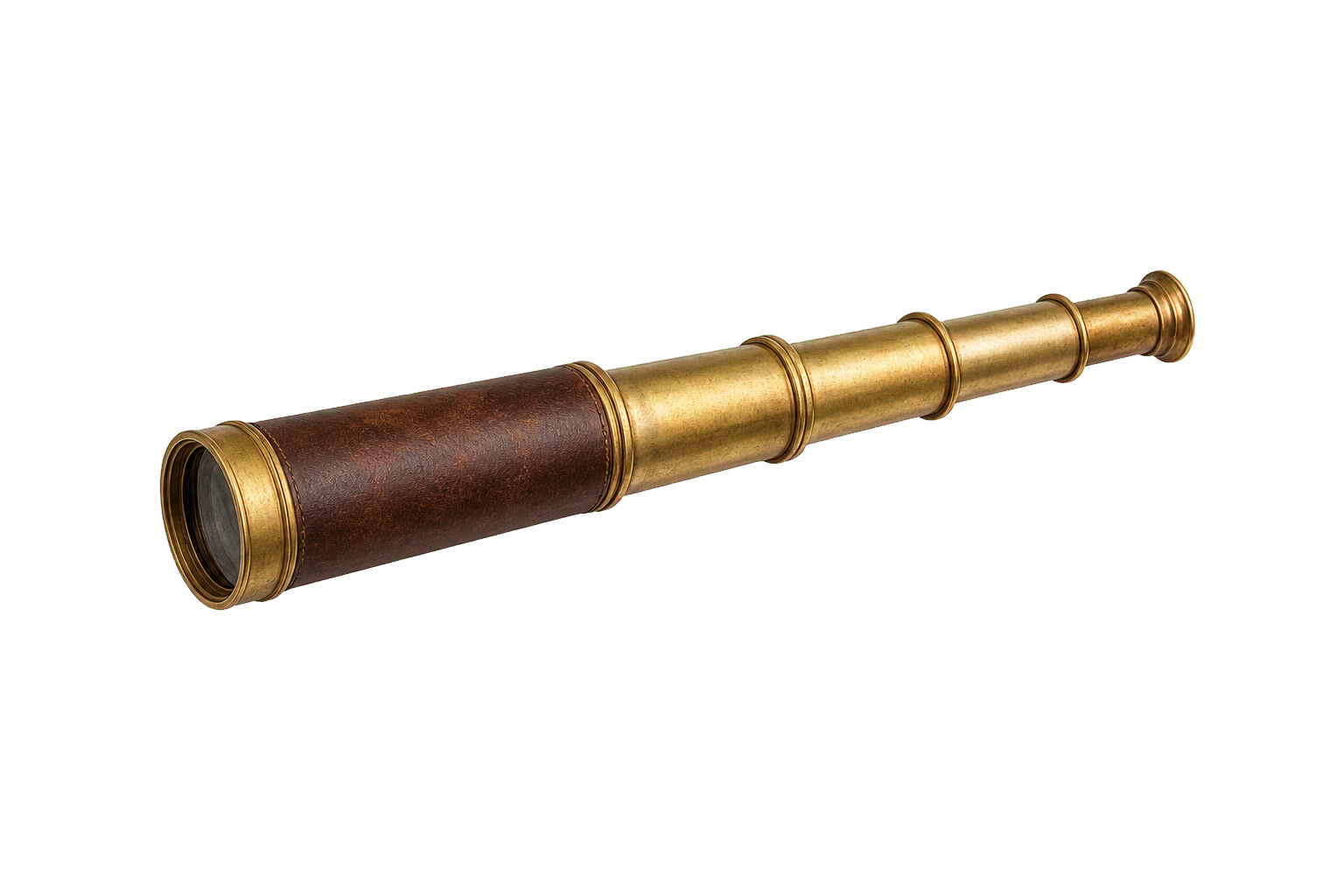
Tension grew after the First Sino-Japanese War as Russia expanded in Manchuria and built railways while Japan pursued its own position in Korea and the region.
- The Triple Intervention over the Liaodong Peninsula heightened tensions after the First Sino-Japanese War
- Russian expansion and railway building in Manchuria collided with Japan’s policy toward Korea and the region
- When negotiations stalled, imperial competition over ports and railways turned into war
Course
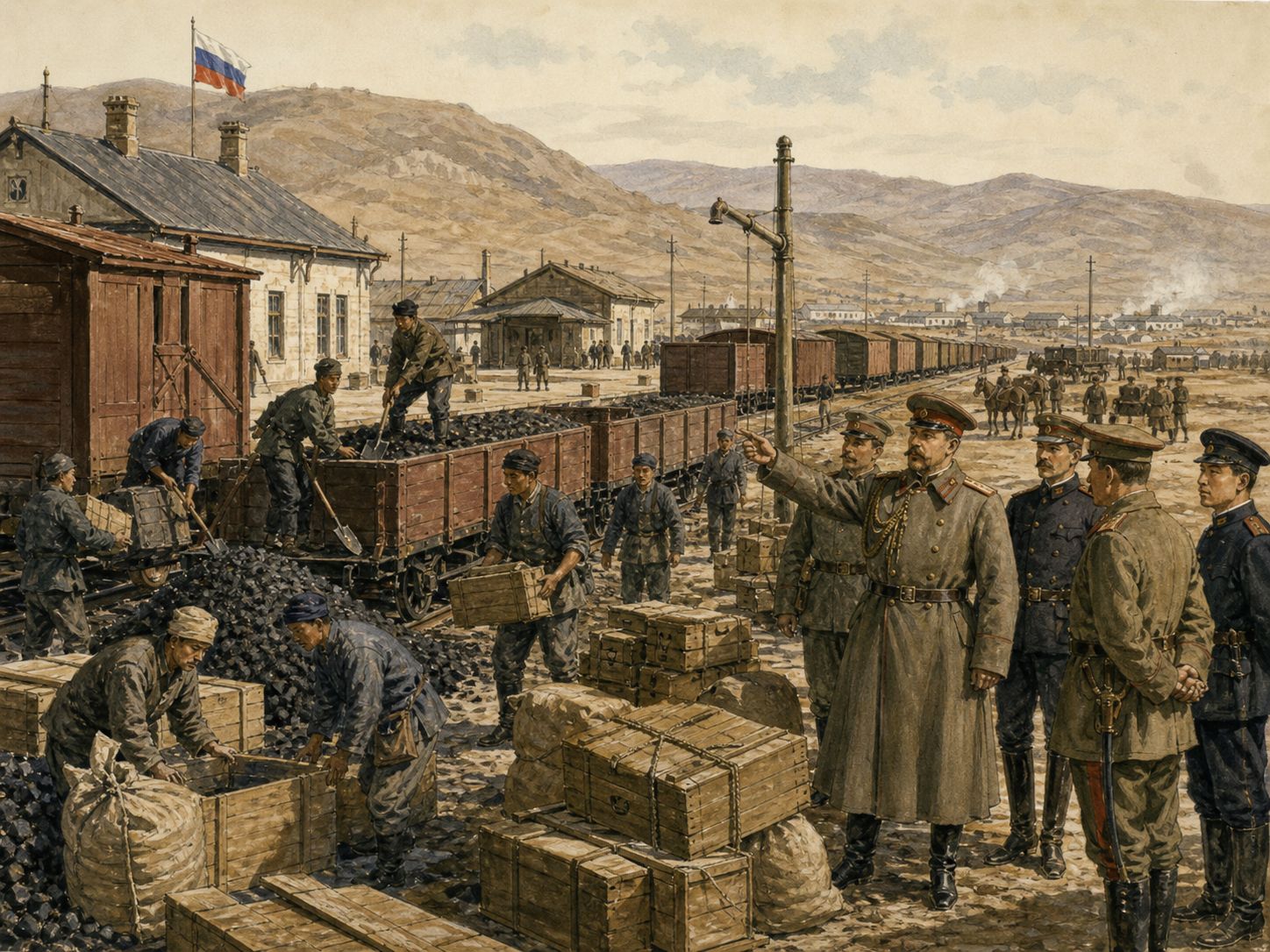
Japanese forces besieged Port Arthur and fought a major land battle at Mukden. At Tsushima, Japan’s Combined Fleet defeated Russia’s Baltic Fleet.
- Japanese forces besieged Port Arthur and fought large land campaigns along the Manchurian railway corridor
- The Battle of Mukden showed the scale of modern war organized around supply lines and mass armies
- At Tsushima, Japan’s Combined Fleet defeated Russia’s Baltic Fleet
Outcome
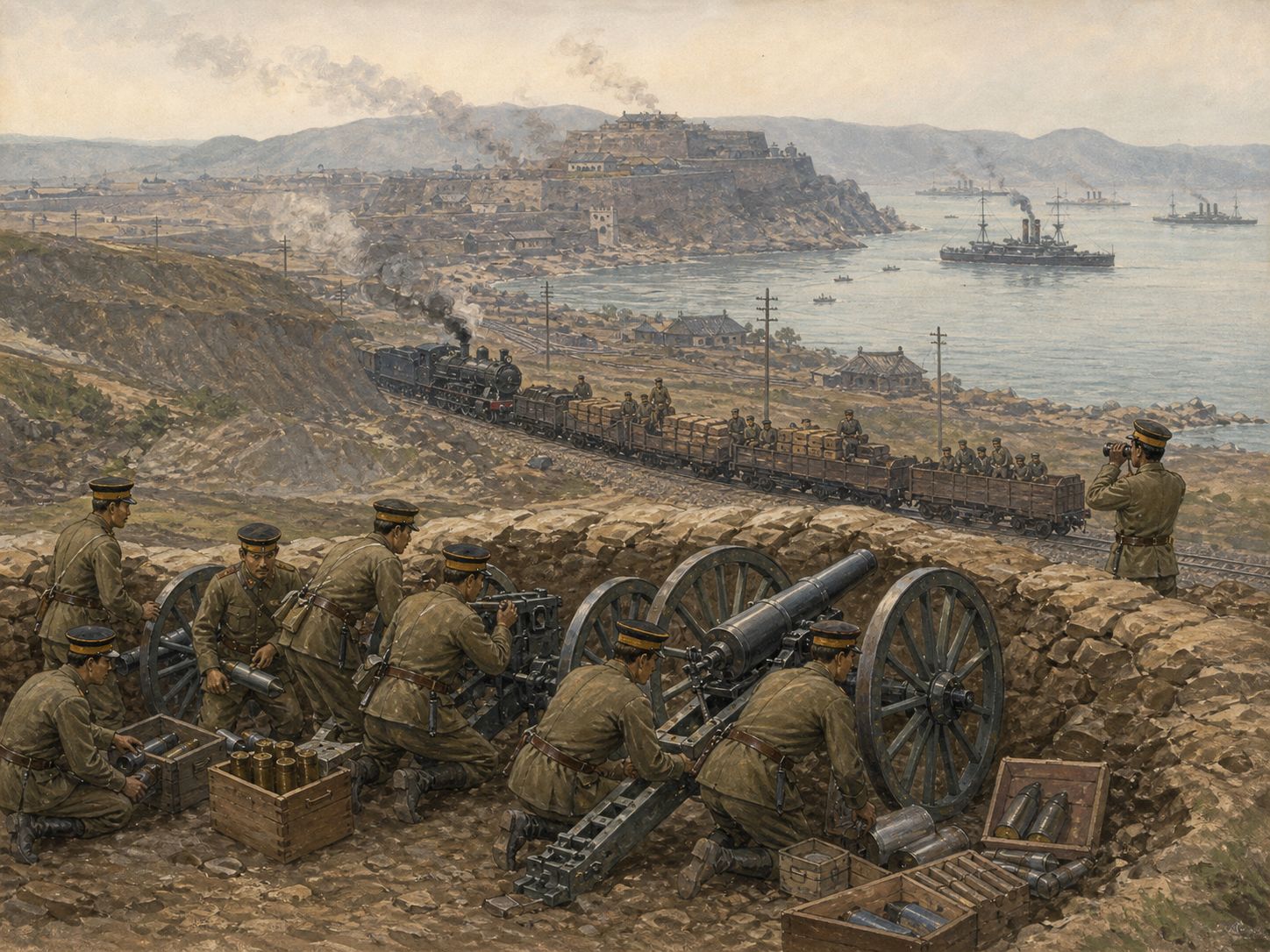
The Treaty of Portsmouth ended the war in September 1905, recognizing Japan’s predominance in Korea and transferring southern Sakhalin and other interests, but no indemnity.
- The Treaty of Portsmouth ended the war in September 1905
- Japan’s predominance in Korea and interests including southern Sakhalin were recognized
- Russia paid no indemnity, and the terms provoked anger in Japan
Historical significance
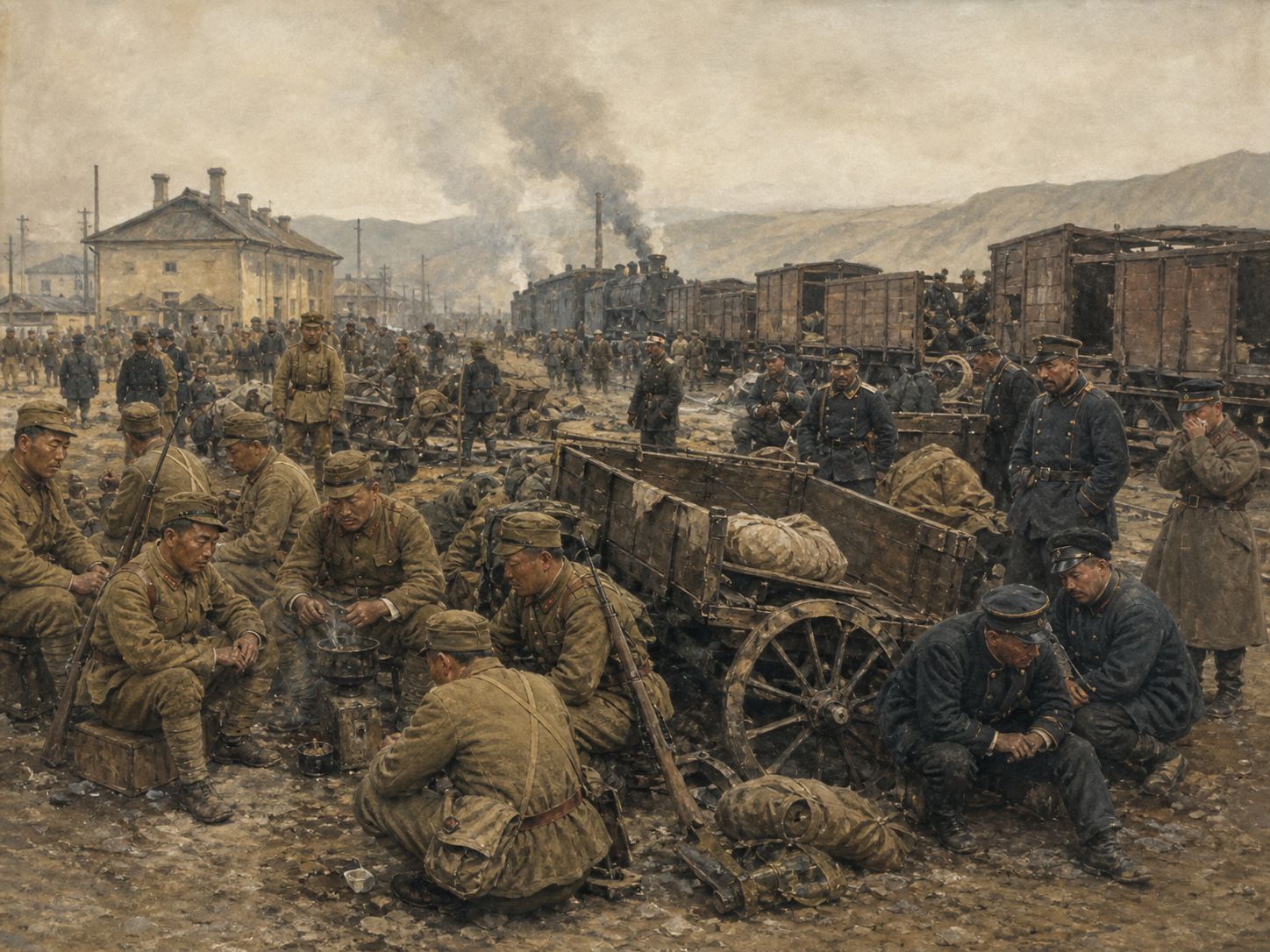
The war shook the balance of power in East Asia and Russian domestic politics, and startled the world with a modernizing Japan’s military victory over a European empire.
- The war shook the balance of power in East Asia and Russian domestic politics
- The victory of a modernizing Japan over a European empire startled observers around the world
- The victory did not end imperial rivalry and left a lasting mark on twentieth-century East Asia
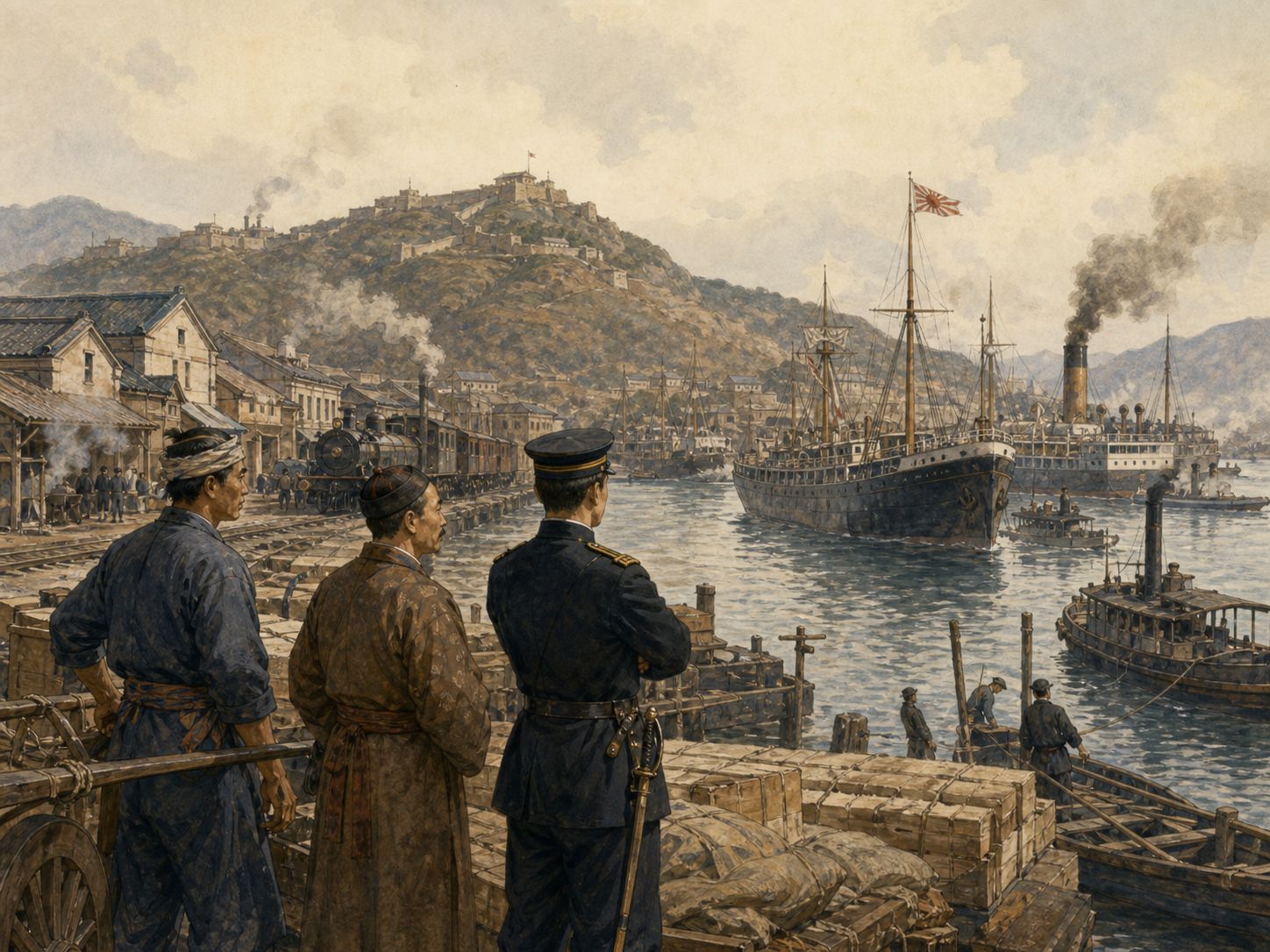


Related events
c. 1895–c. 1904
Competition over Manchuria and Korea
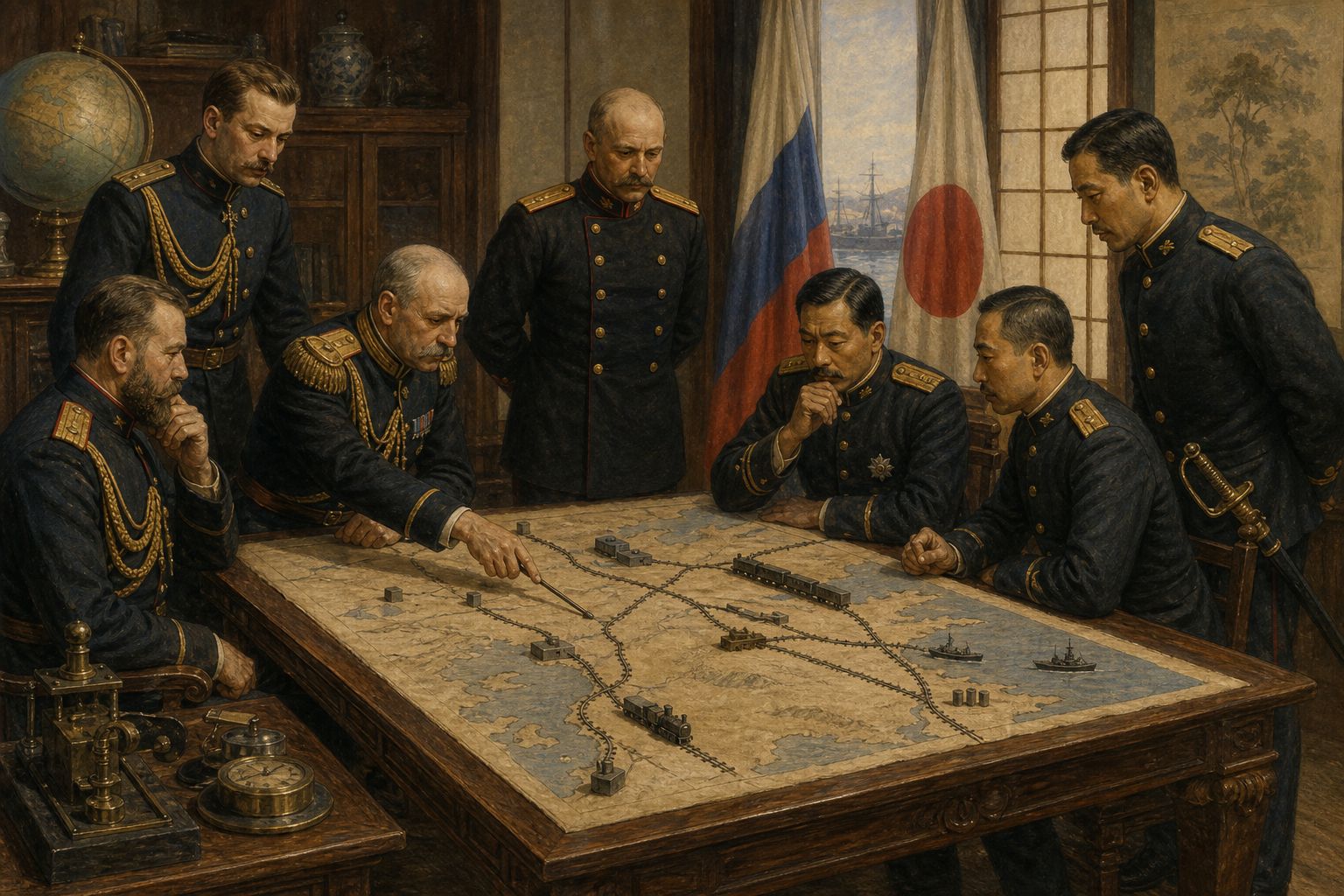
After the First Sino-Japanese War, Russian expansion and Japanese policy converged around railways and ports.
1904
Port Arthur and the opening of war
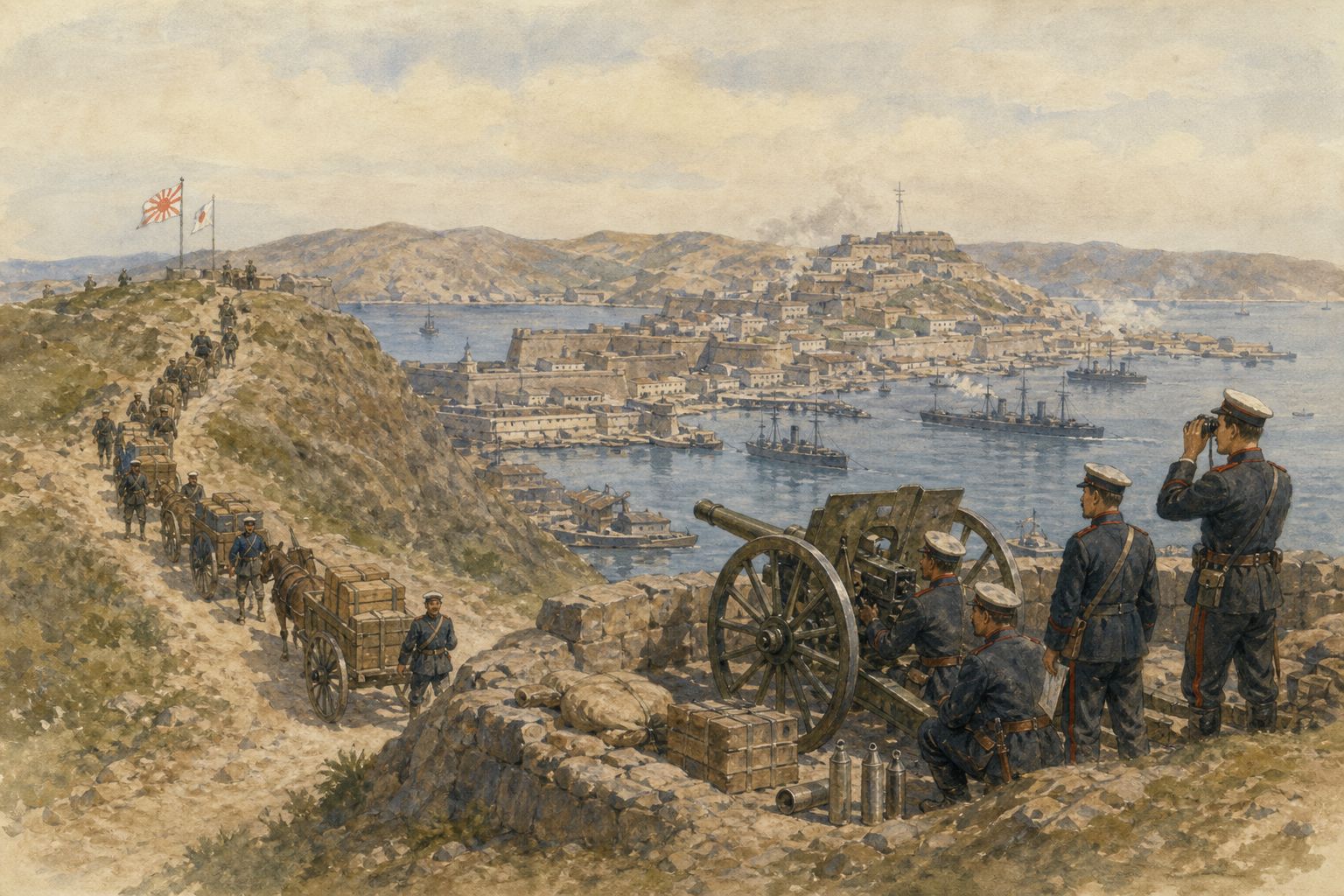
In 1904, Japan besieged Port Arthur in a prolonged operation linking naval power with land logistics.
1905
The land battle at Mukden
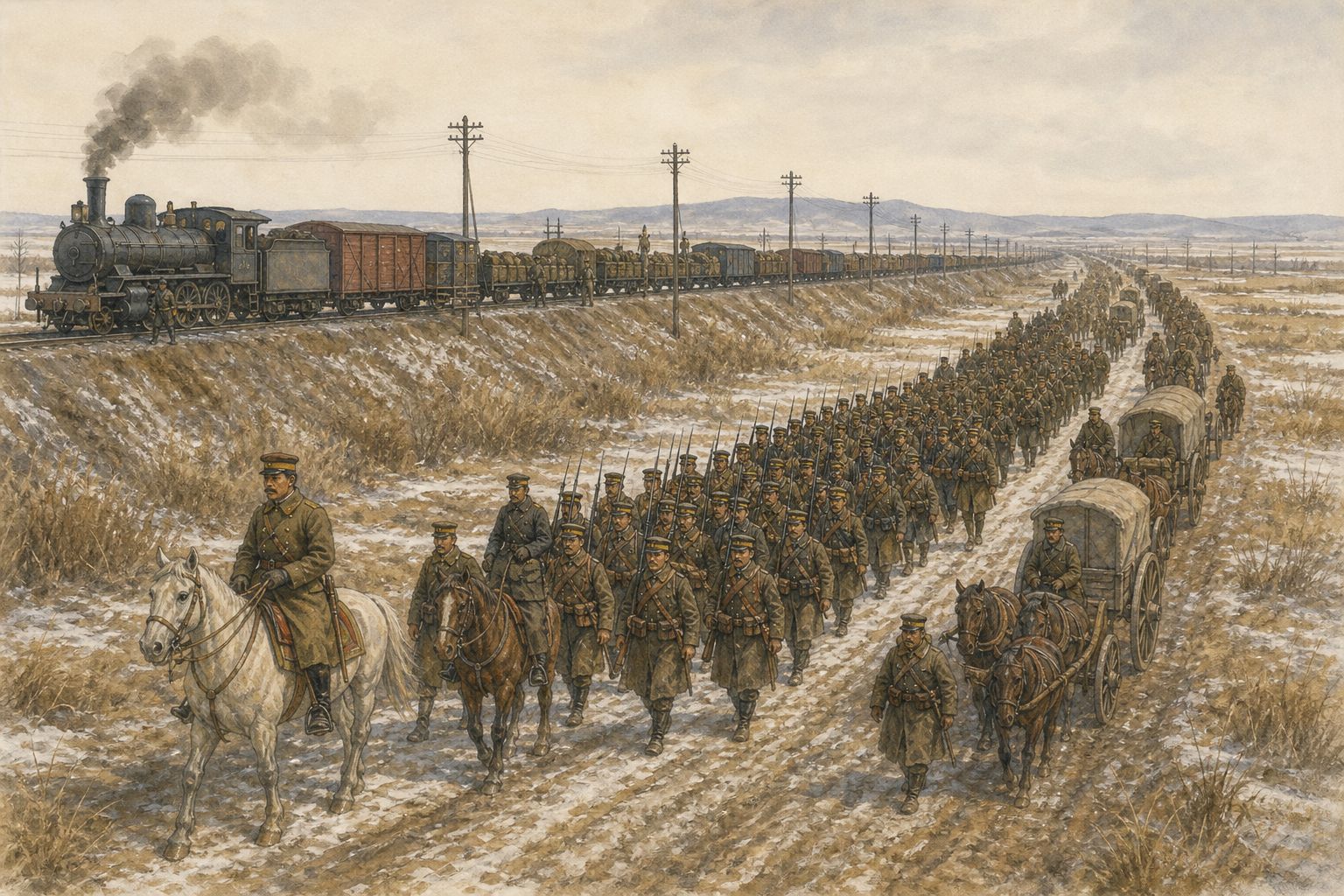
In early 1905, Japanese and Russian forces clashed across the Manchurian plain behind railways and supply columns.
1905
The Battle of Tsushima
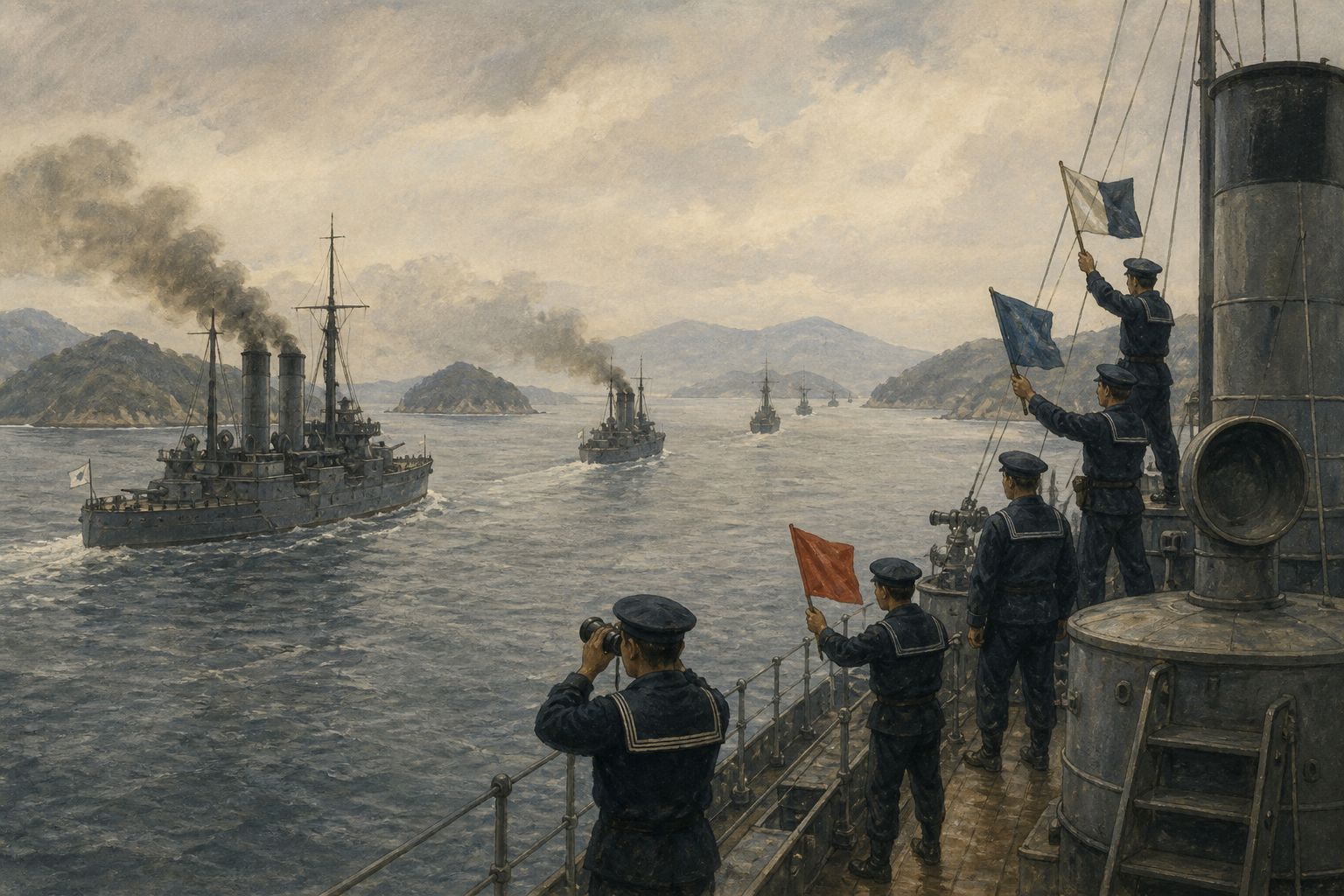
In May 1905, Japan’s Combined Fleet defeated Russia’s Baltic Fleet in the Tsushima Strait, increasing pressure for peace.
1905
The Treaty of Portsmouth
Current event
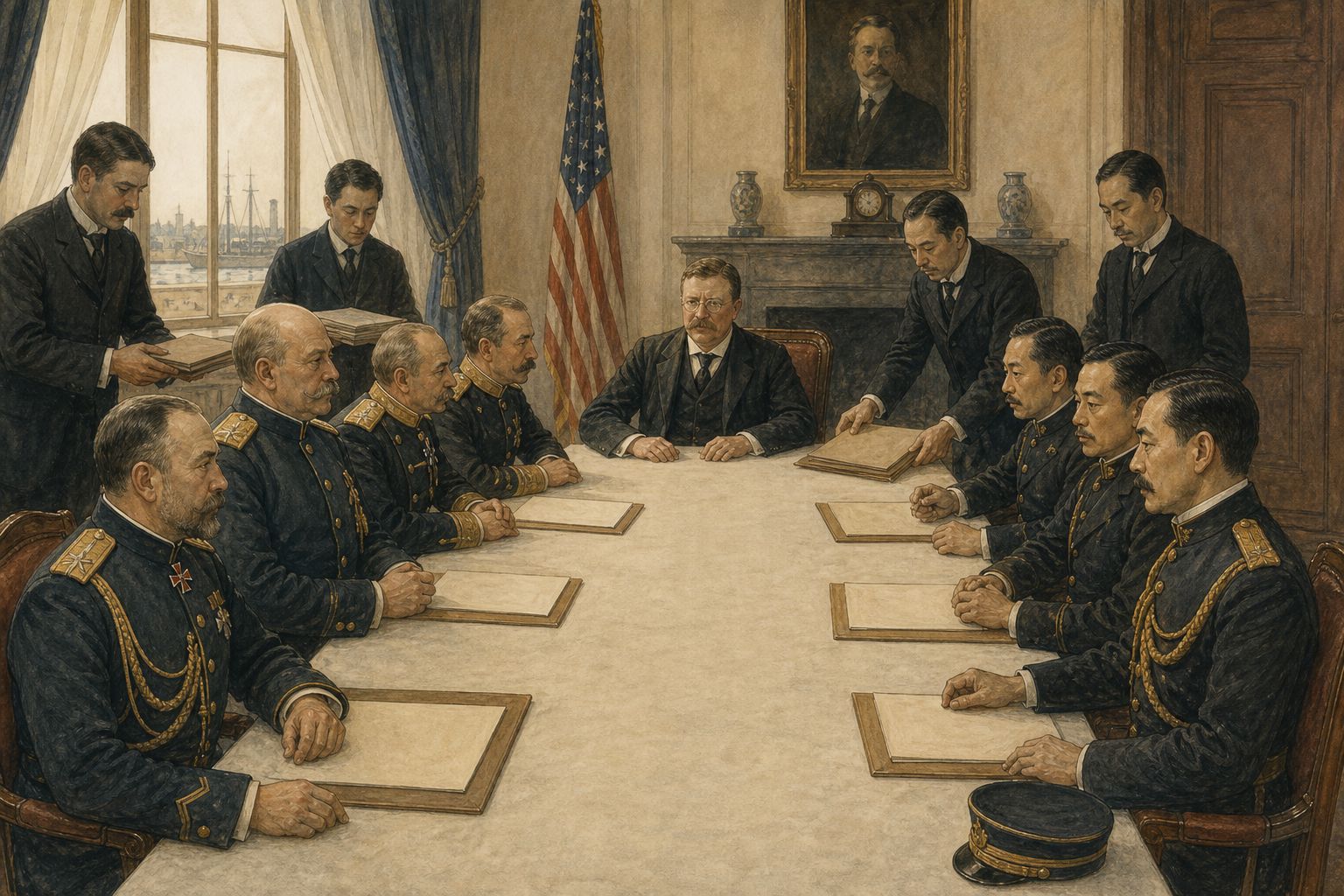
In September 1905, Theodore Roosevelt’s mediation produced a peace that reshaped the balance of power in East Asia.


Sources
- Russo-Japanese WarEncyclopaedia BritannicaA foundational account of the causes, major campaigns, and the Treaty of Portsmouth settlement.
- Russo-Japanese WarThe Metropolitan Museum of ArtAn art-history context for modernization, imperialism, and the visual culture of the war.
- Russo-Japanese WarWorld History EncyclopediaAn overview of Port Arthur, Mukden, Tsushima, and the path to peace.