
Second Italo-Ethiopian War
1935–1936
From 1935 to 1936, Mussolini's Italy invaded independent Ethiopia and used modern arms and chemical weapons before occupying the capital.

- Period
- 1935–1936
- Kind
- War
- Regions
- Africa
- Keywords
- Second Italo-Ethiopian War · Italian invasion of Ethiopia · Adwa · League of Nations · collective security
Follow the story · Four stages
Background
Italy's defeat at Adwa in 1896 remained a grievance for colonial ambitions. The Fascist regime's plans for conquest and the crisis over the 1934 Walwal incident led toward invasion.
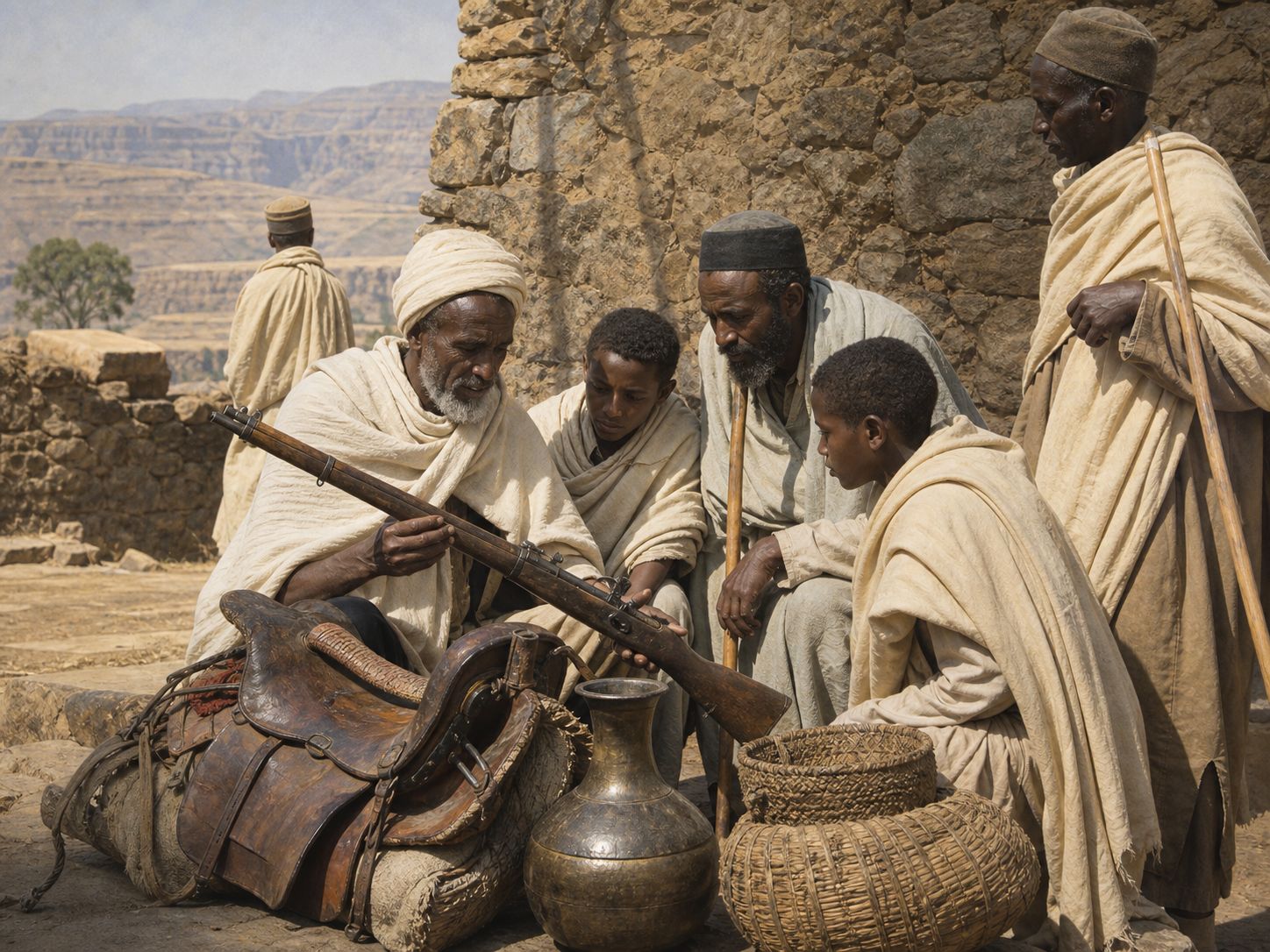
- In 1896 Ethiopia defeated Italy at Adwa and preserved its independence. That defeat remained a grievance for Italian colonialism and later for the Fascist regime.
- Mussolini's government treated expansion in East Africa as a project joining domestic prestige to empire. Colonial bases in Eritrea and Somaliland became the invasion's launching points.
- A confrontation at Walwal in December 1934 widened into a crisis over the border and security. While diplomacy continued, Italy used the delay to assemble forces.
Course
In October 1935 Italian forces invaded from Eritrea and Somaliland. Against less well-equipped Ethiopian armies and civilians, they used air attack and chemical weapons including mustard gas.
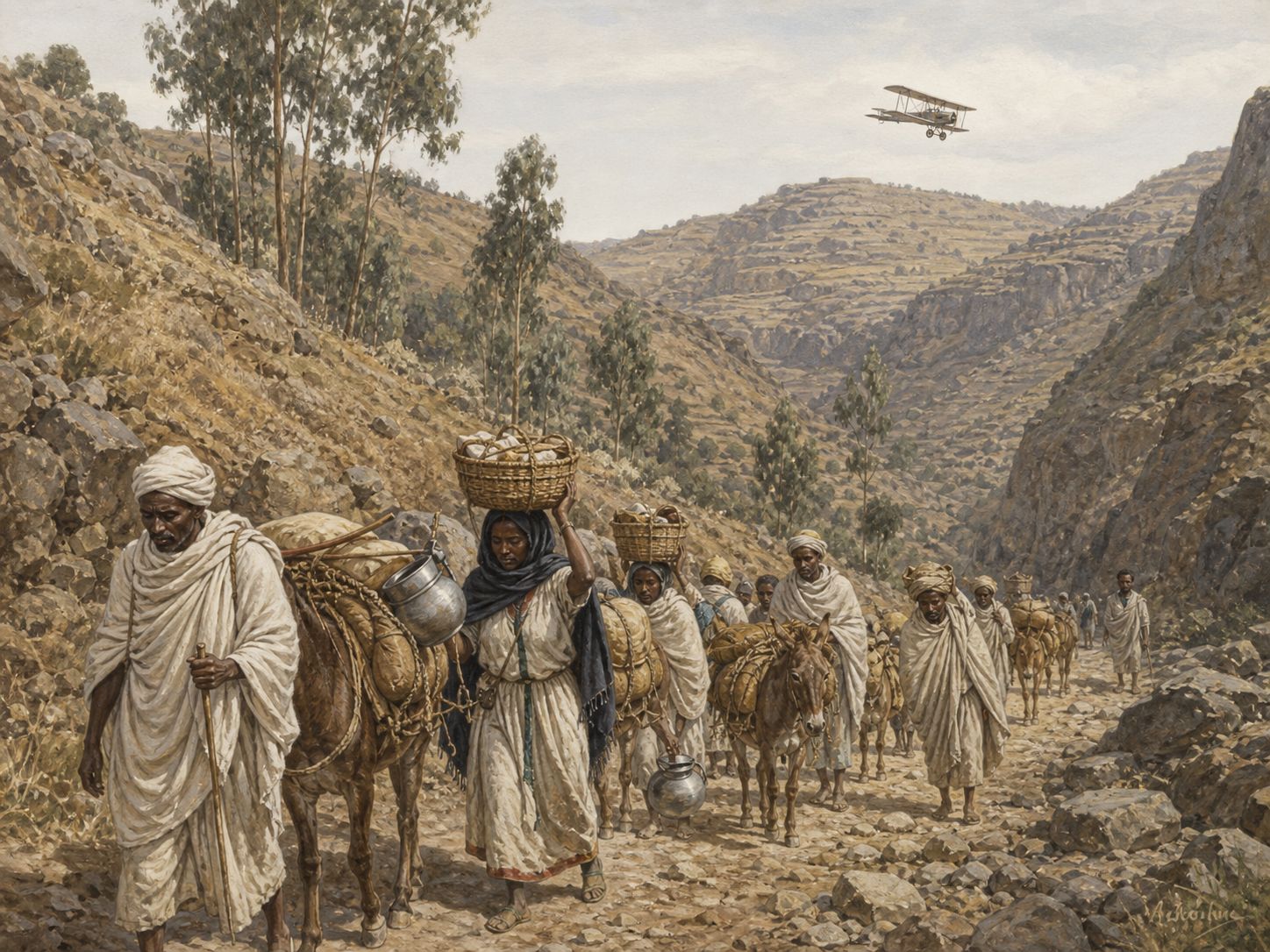
- In October 1935 Italian forces invaded Ethiopia from Eritrea in the north and Somaliland in the southeast. Ethiopian armies resisted across a wide country but faced a major gap in equipment and air power.
- Italian forces combined air attacks, artillery, and armored vehicles against troops, settlements, roads, and supply lines. Chemical weapons including mustard gas caused severe harm to civilians as well as soldiers.
- The Ethiopian government appealed to the League of Nations, and Emperor Haile Selassie requested help before the Assembly in June 1936. On the ground, however, Italian advances continued and protest did not stop the invasion.
Outcome
Italian troops occupied Addis Ababa in May 1936 and annexed Ethiopia into Italian East Africa, but armed resistance continued and Ethiopian sovereignty was restored in 1941.
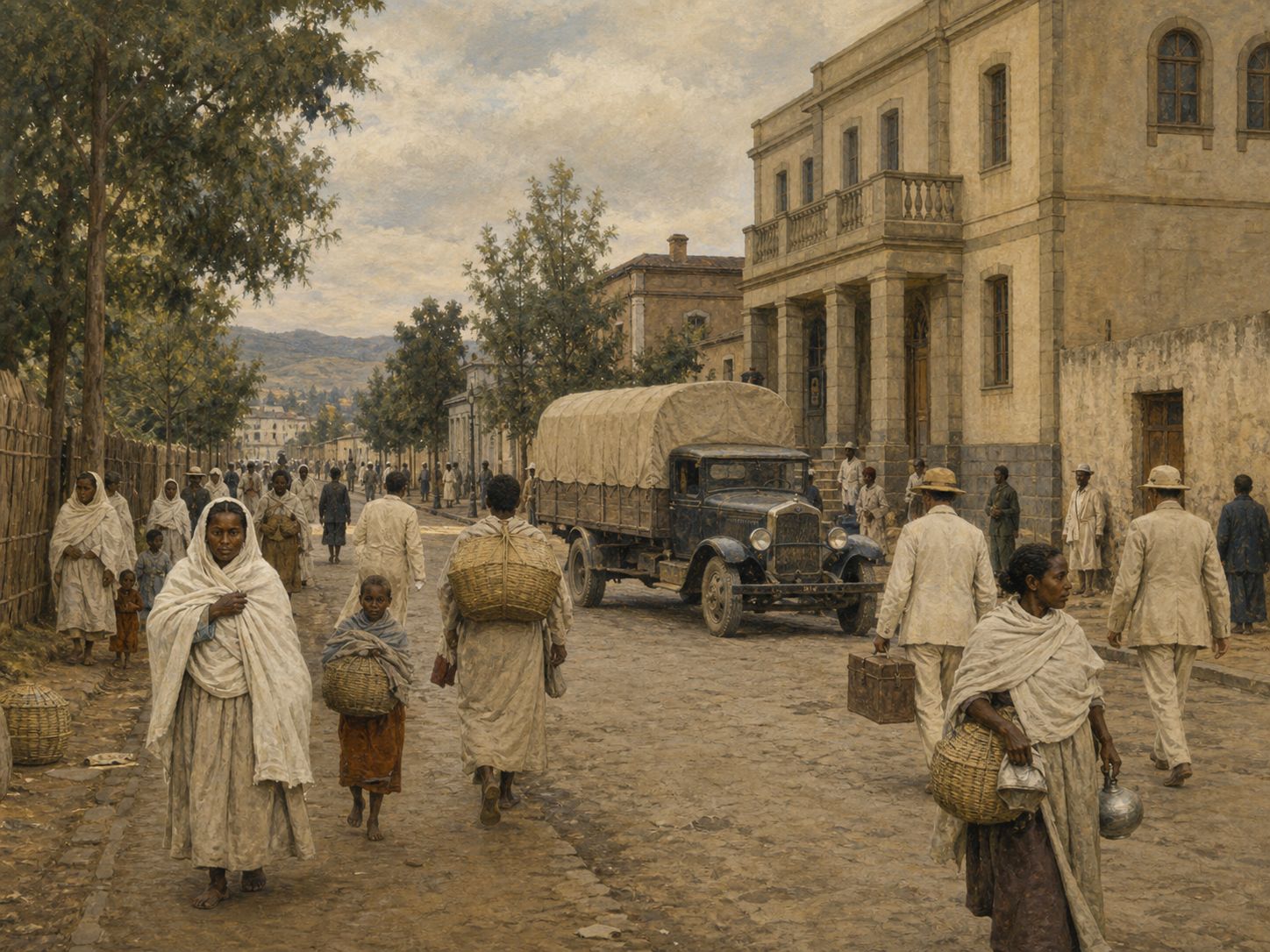
- Italian forces occupied Addis Ababa in May 1936 and incorporated Ethiopia with Eritrea and Italian Somaliland into Italian East Africa. The occupation was not the result of legitimate international recognition.
- Armed resistance and underground activity continued after the capital fell. Fighting over roads and highlands, reprisals, and detention showed that colonial rule was not a simple administrative transfer.
- During the East African campaign of the Second World War, British and Ethiopian forces turned the tide and Italian forces were driven out in 1941. Ethiopian sovereignty returned, but the occupation left lasting wounds.
Historical significance
The League of Nations identified aggression and imposed sanctions but failed to stop the war. The limits of collective security and civilian harm from chemical warfare exposed the breakdown of the interwar order.
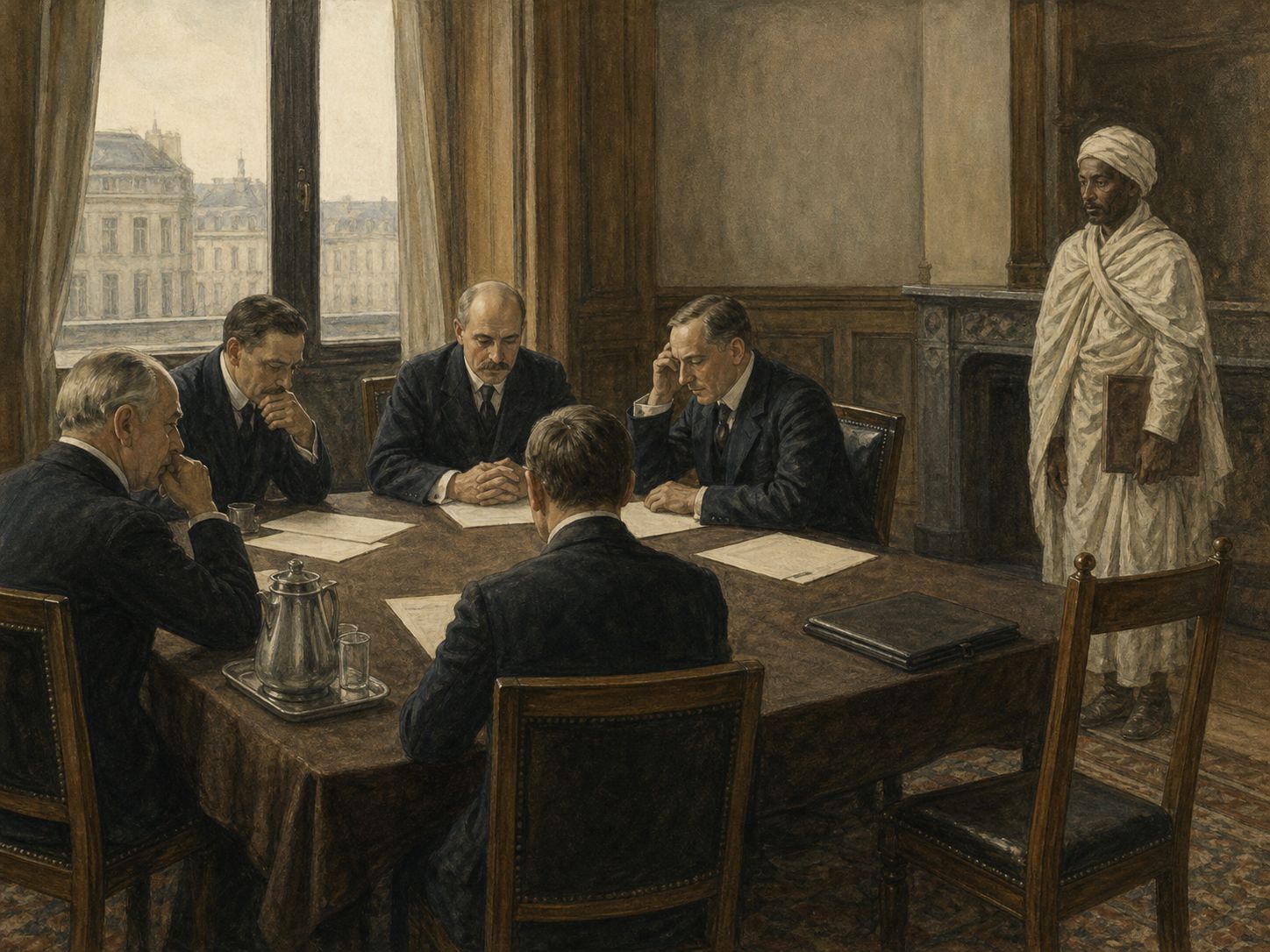
- The League of Nations identified Italian aggression and imposed sanctions, but it did not include measures such as an oil embargo or closure of the Suez Canal. Collective security was weakened by member-state interests.
- The war exposed how the sovereignty of a colonized country was treated within a European-centered order. Ethiopia's appeals made visible the contradiction between international law and racialized power.
- Civilian harm from chemical weapons and air attacks, inadequate sanctions, and continuing resistance make the conflict a key case for understanding the breakdown of the interwar order before the Second World War.


Related figures
Related events
1896
Adwa and the memory of independence
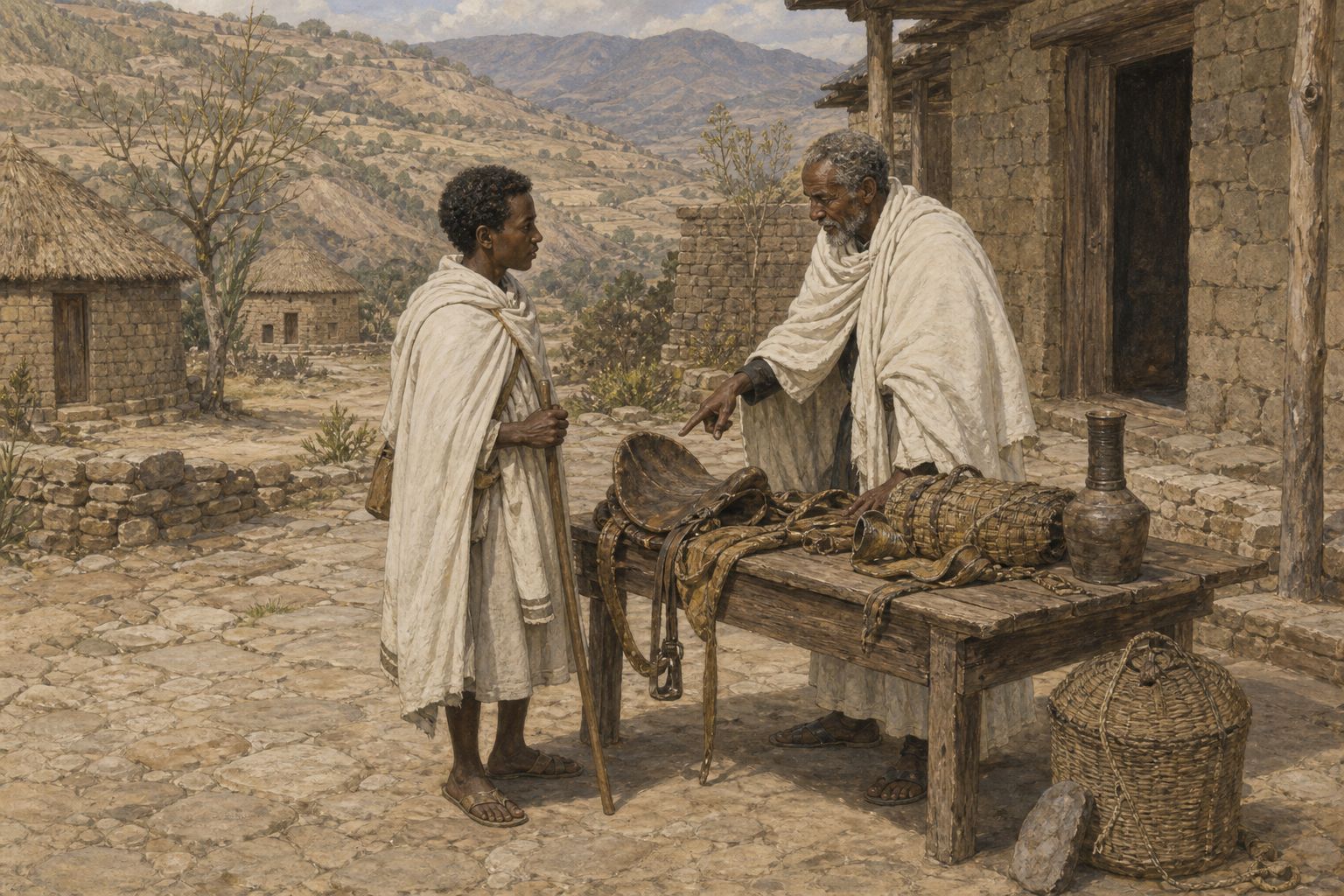
In 1896 Ethiopian forces defeated Italy at Adwa and preserved the country's independence. The defeat became part of later Italian plans for reconquest.
1934
Walwal and the border crisis
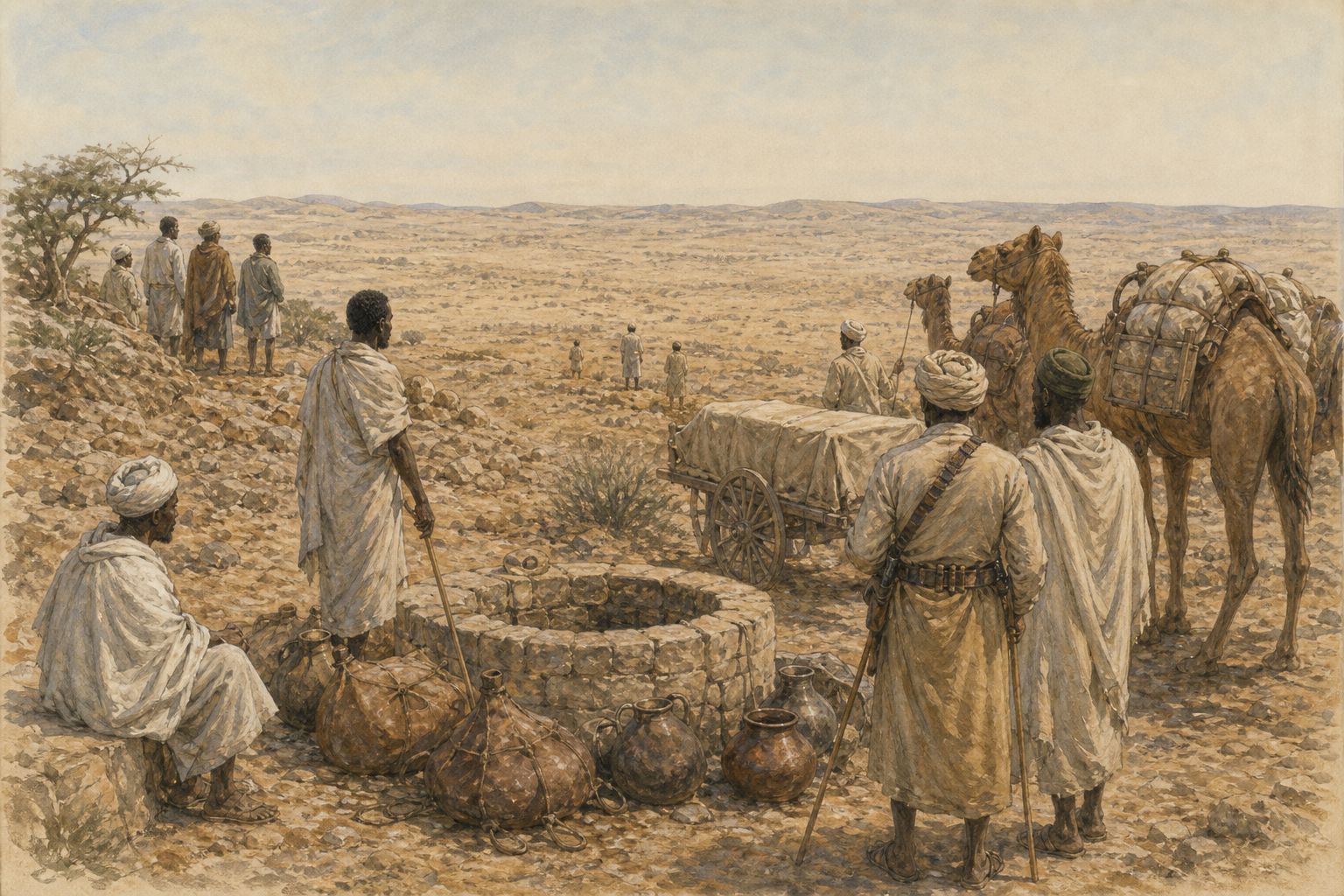
A clash around the wells at Walwal in 1934 deepened the diplomatic crisis between Italy and Ethiopia. Delayed dispute settlement gave the invasion preparations time to mature.
1935–1936
Invasion and the fall of Addis Ababa
Current event
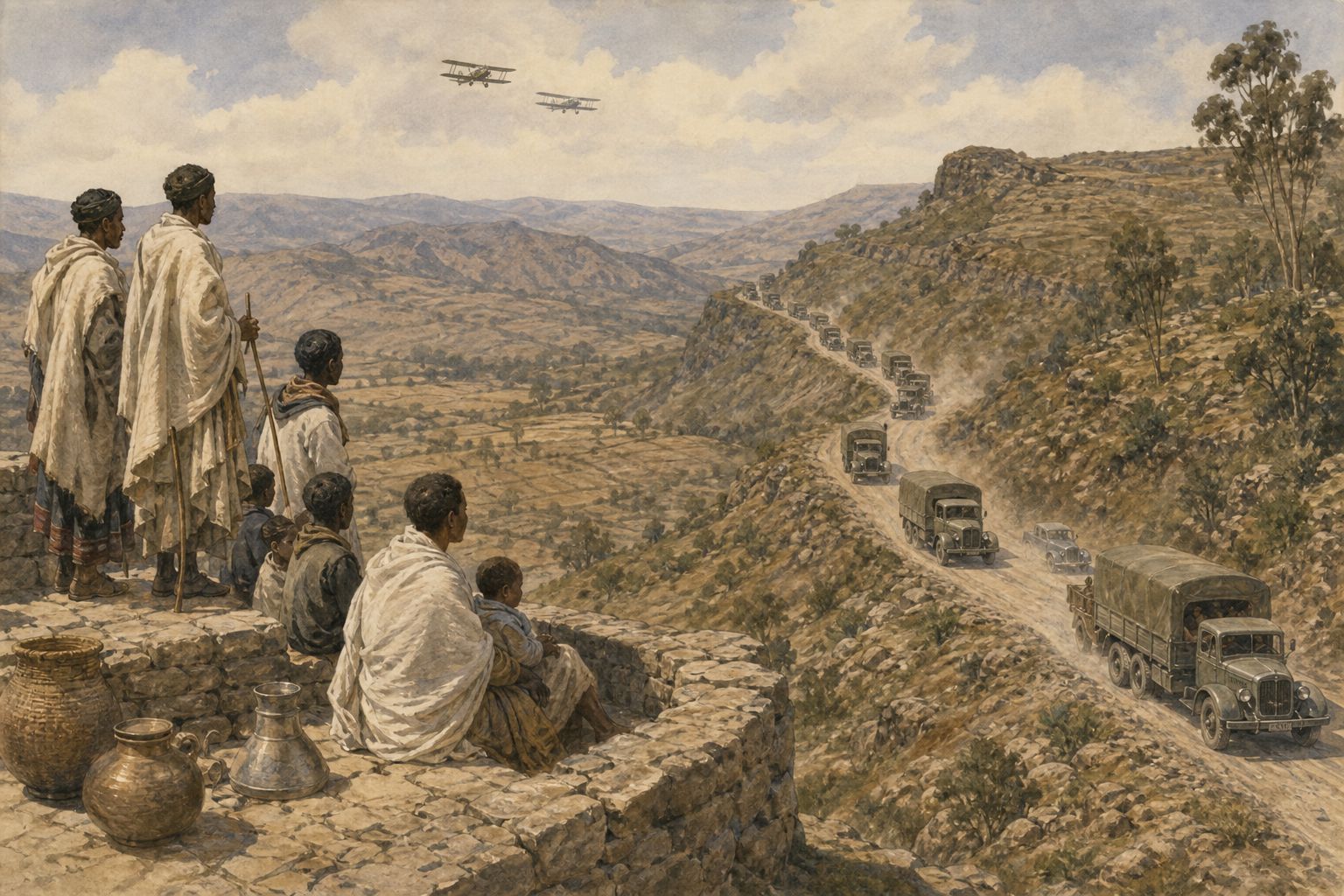
The invasion began in October 1935, bringing overwhelming force including air attacks and chemical weapons. Italian forces occupied the capital in May 1936.
1936–1941
Resistance and restored sovereignty
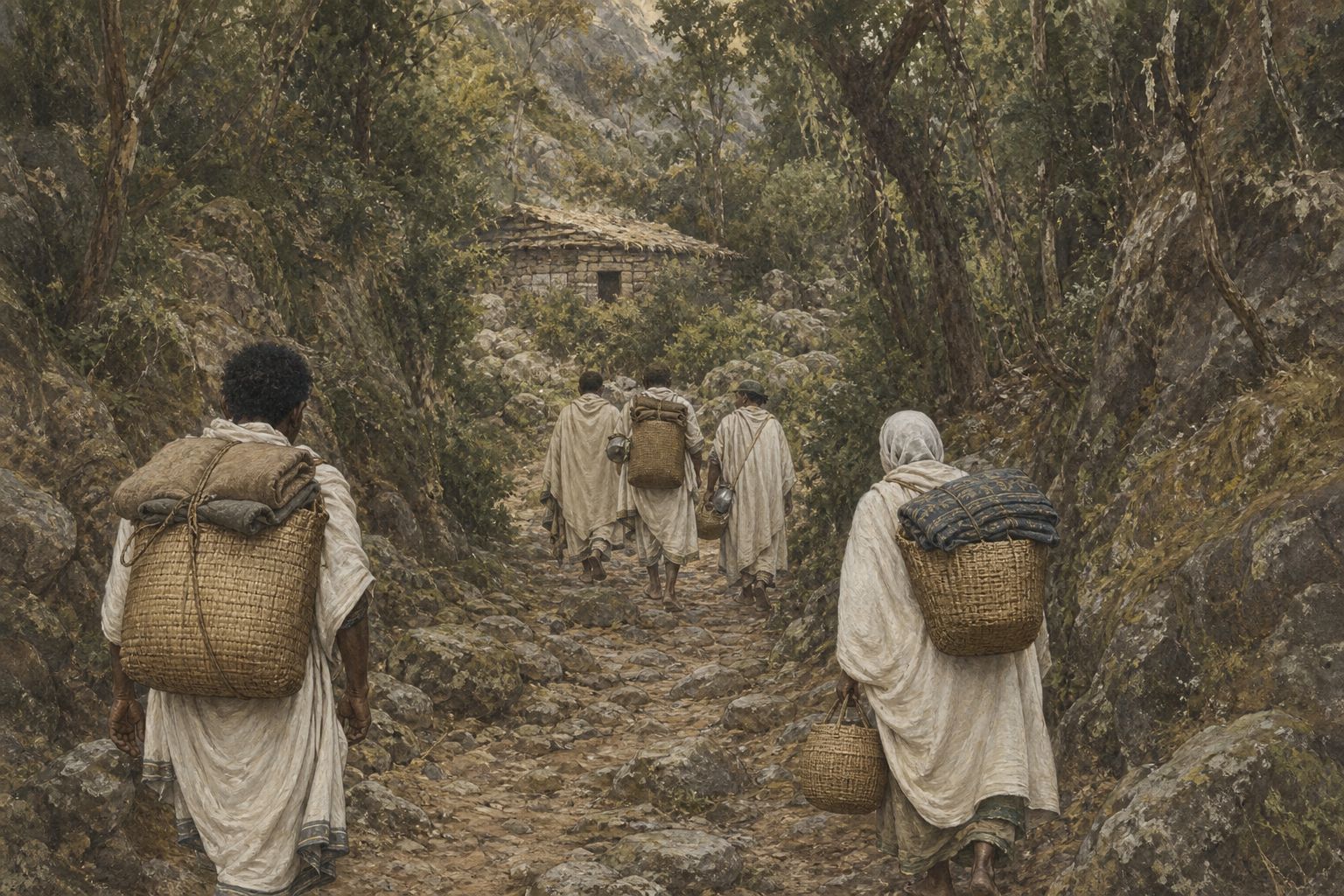
Resistance continued after the capital fell, and the East African campaign of the Second World War forced Italy back. Ethiopia's sovereignty was restored in 1941.
1935–1936
Sanctions and the failure of collective security
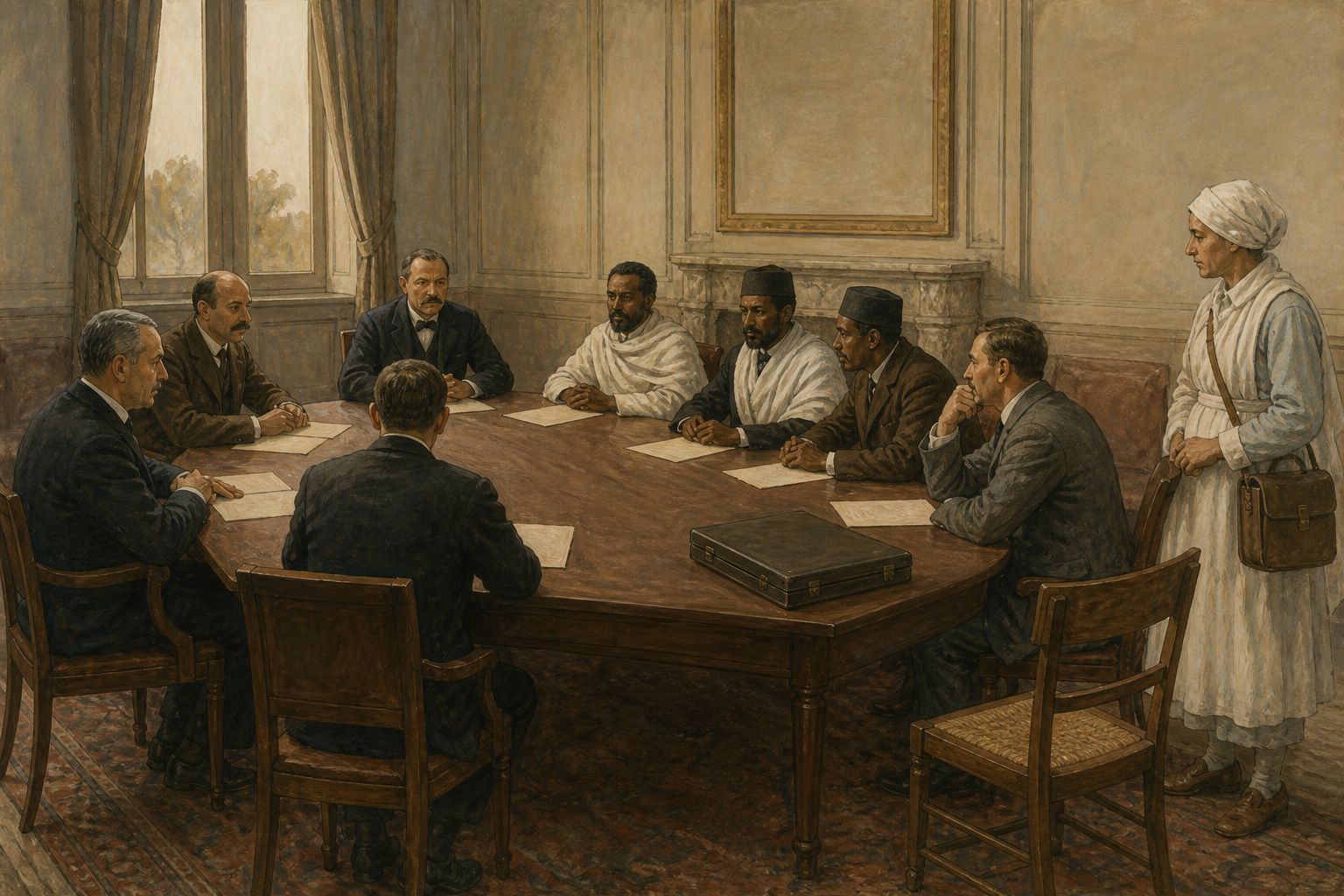
The League of Nations identified aggression but could not stop the war. Member-state interests limited the practical force of collective security.


Sources
- Battle of AdwaSmithsonian National Museum of African ArtConfirms the Battle of Adwa and the memory of Ethiopian independence.
- The Walwal IncidentU.S. Department of State, Office of the HistorianConfirms the 1934 Walwal incident and the diplomatic crisis.
- Foreign Relations of the United States, 1935U.S. Department of State, Office of the HistorianProvides diplomatic records on the invasion and international response.
- The Use of Chemical Weapons in EthiopiaUnited Nations Digital LibraryDocuments chemical-weapons use and its human-rights consequences.
- The League of Nations and the Italo-Ethiopian ConflictUnited Nations Digital LibraryDocuments the League's treatment of aggression and sanctions.
- The Ethiopian QuestionUnited Nations Digital LibraryProvides an international record of the Ethiopian question and cooperation.
- The Second Italo-Ethiopian WarStockholm International Peace Research InstituteSurveys the war, weapons, occupation, and resistance.