
Second Punic War
218 BC–201 BC
From 218 to 201 BCE, Rome and Carthage contested Mediterranean primacy, centered on Hannibal’s invasion of Italy.

- Period
- 218 BC–201 BC
- Kind
- War
- Regions
- Europe, Africa
- Keywords
- Second Punic War · war · ancient · europe · africa
Follow the story · Four stages
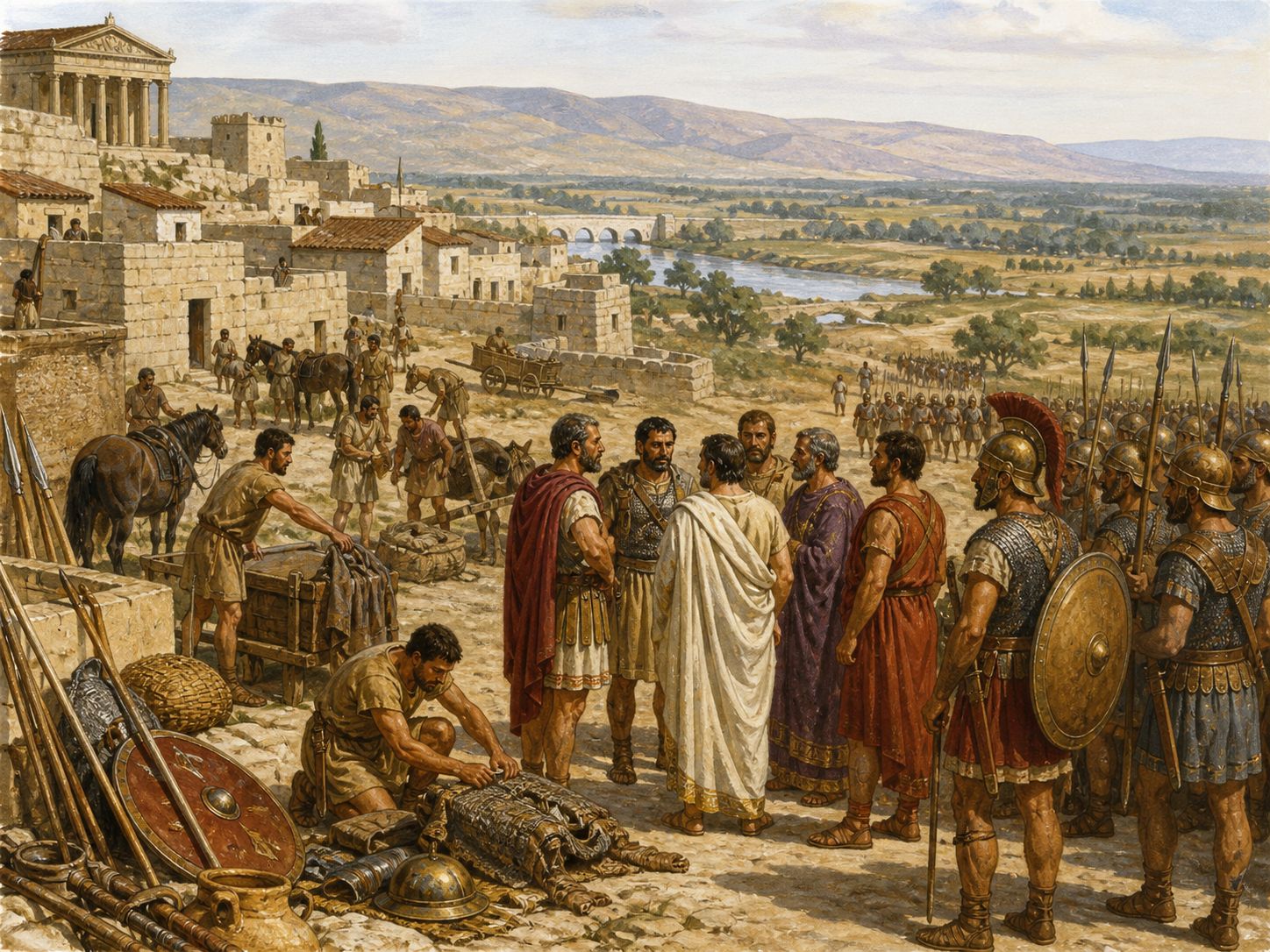
Background
Carthaginian expansion in Iberia collided with Rome’s alliance network, and the crisis over Saguntum led to war.
- Carthaginian expansion in Iberia collided with Rome’s alliance network, and the crisis over Saguntum led to war.
- Core event: From 218 to 201 BCE, Rome and Carthage contested Mediterranean primacy, centered on Hannibal’s invasion of Italy.
- Connection to the next stage: Hannibal crossed the Alps and won at Trebia, Trasimene, and Cannae. Rome answered with endurance and overseas campaigns, while Scipio invaded North Africa.
Course
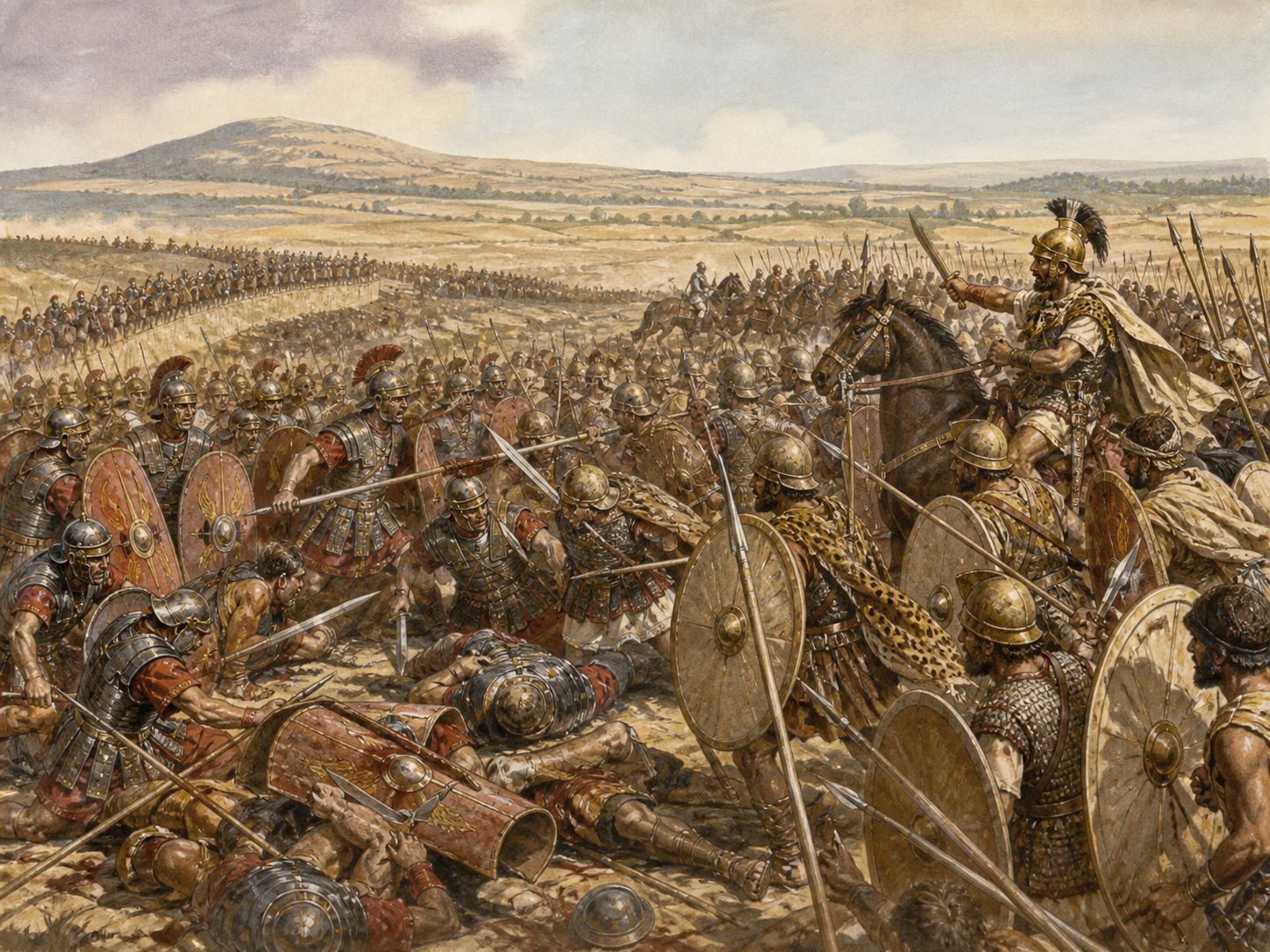
Hannibal crossed the Alps and won at Trebia, Trasimene, and Cannae. Rome answered with endurance and overseas campaigns, while Scipio invaded North Africa.
- Hannibal crossed the Alps and won at Trebia, Trasimene, and Cannae.
- Rome answered with endurance and overseas campaigns, while Scipio invaded North Africa.
- Conditions behind the action: Carthaginian expansion in Iberia collided with Rome’s alliance network, and the crisis over Saguntum led to war.
Outcome
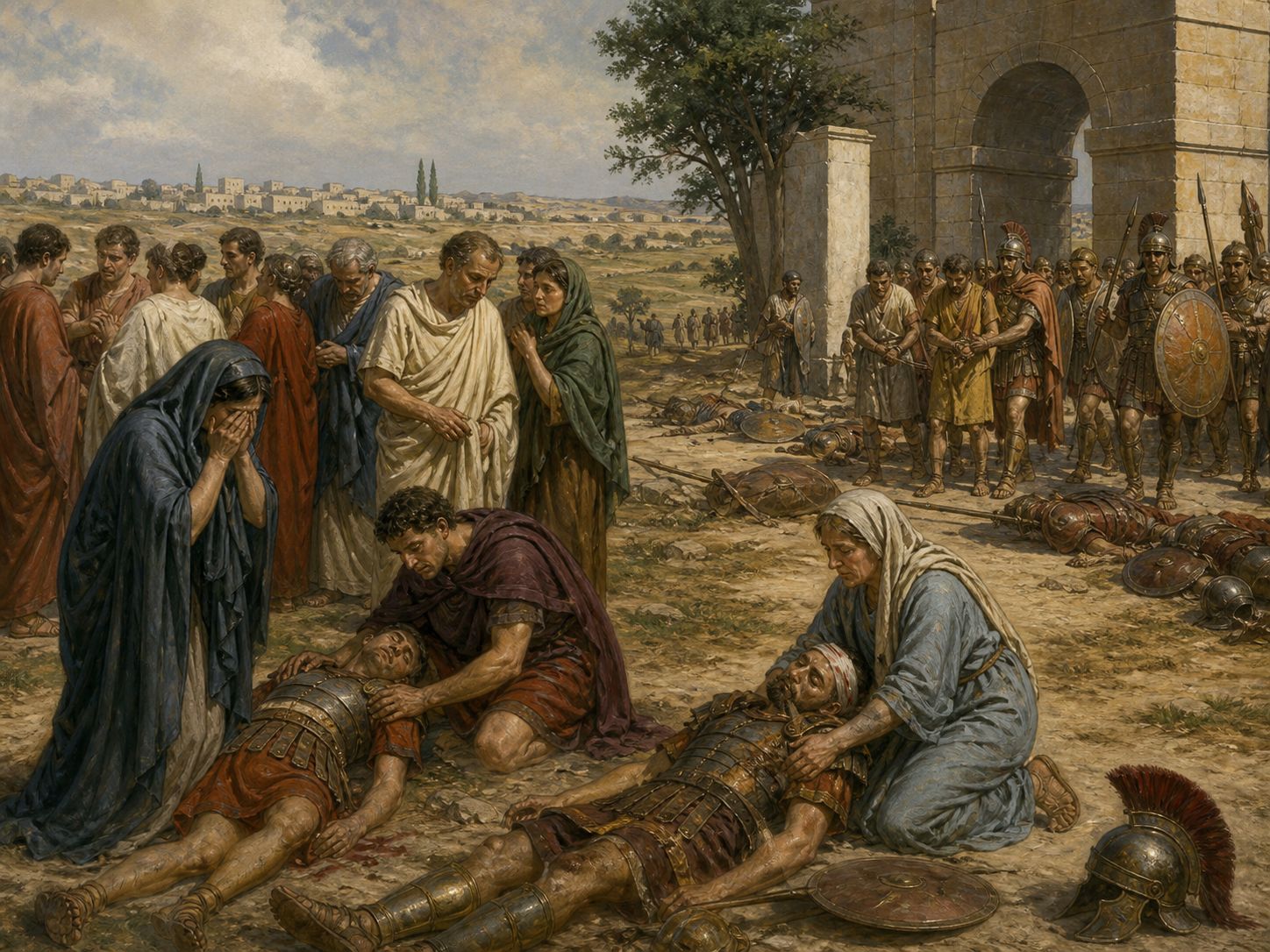
After defeat at Zama, Carthage lost territory and military autonomy, leaving Rome dominant in the western Mediterranean.
- After defeat at Zama, Carthage lost territory and military autonomy, leaving Rome dominant in the western Mediterranean.
- Process producing the result: Hannibal crossed the Alps and won at Trebia, Trasimene, and Cannae. Rome answered with endurance and overseas campaigns, while Scipio invaded North Africa.
- Question carried forward: The war demonstrated Rome’s ability to mobilize alliances, finance, and manpower for a prolonged conflict.
Historical significance
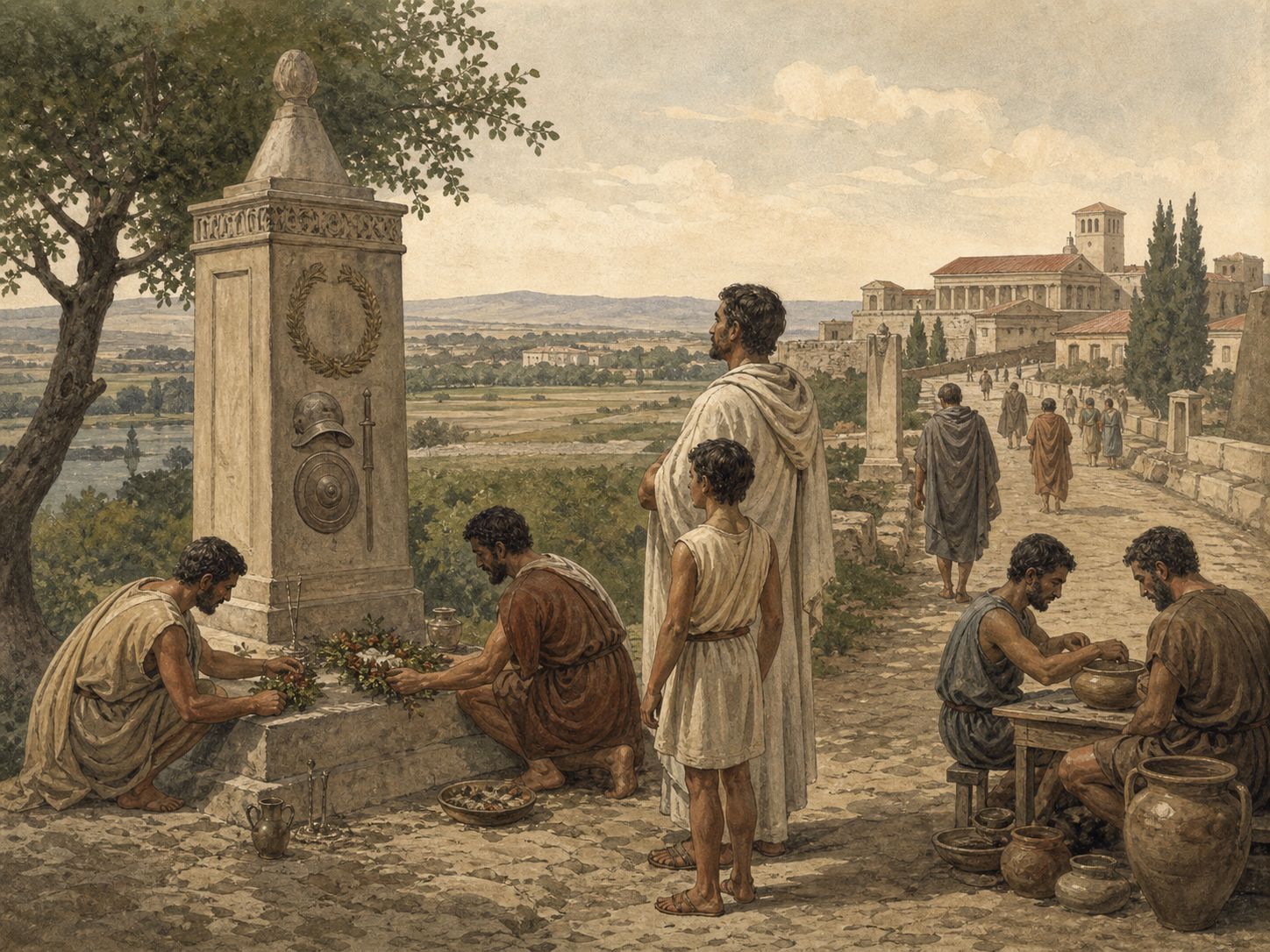
The war demonstrated Rome’s ability to mobilize alliances, finance, and manpower for a prolonged conflict.
- The war demonstrated Rome’s ability to mobilize alliances, finance, and manpower for a prolonged conflict.
- Immediate consequence: After defeat at Zama, Carthage lost territory and military autonomy, leaving Rome dominant in the western Mediterranean.
- Historical turning point: From 218 to 201 BCE, Rome and Carthage contested Mediterranean primacy, centered on Hannibal’s invasion of Italy.


Related figures
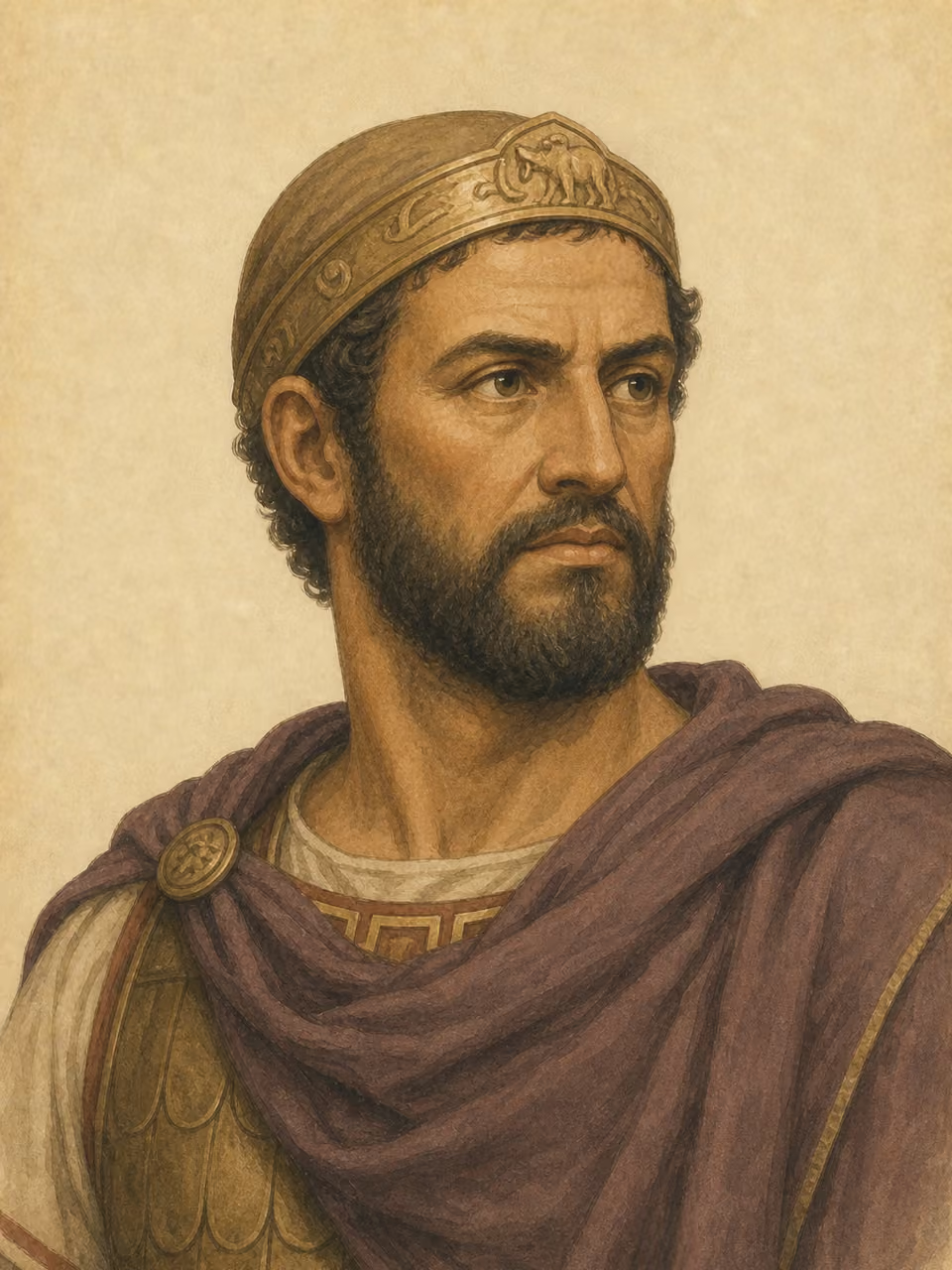
Related events
c. 224 BC
Prelude
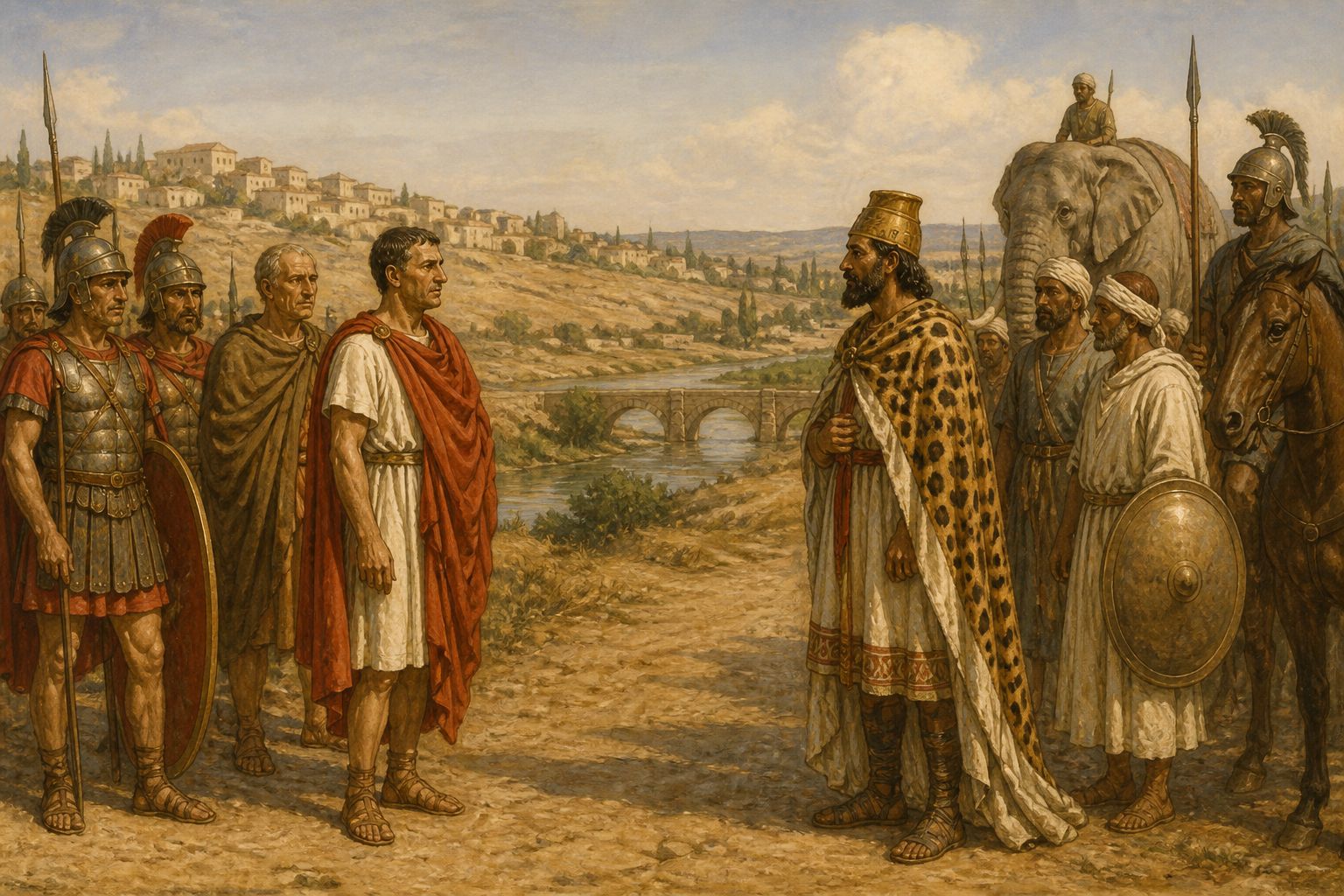
Prelude — Background: Carthaginian expansion in Iberia collided with Rome’s alliance network, and the crisis over Saguntum led to war.
c. 219 BC
Turning point
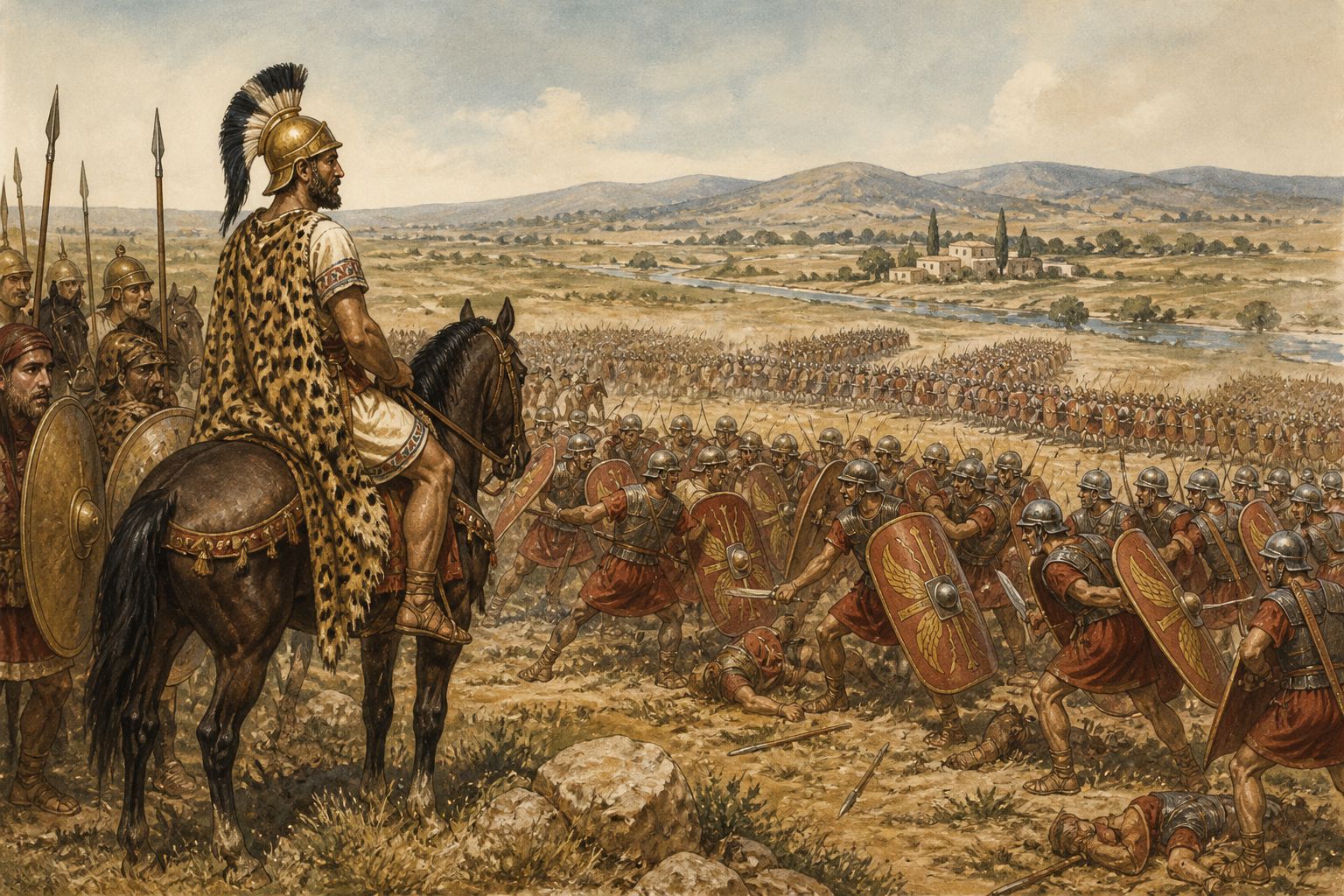
Turning point — Build-up: Hannibal crossed the Alps and won at Trebia, Trasimene, and Cannae. Rome answered with endurance and overseas campaigns, while Scipio invaded North Africa.
218 BC–201 BC
Second Punic War
Current event
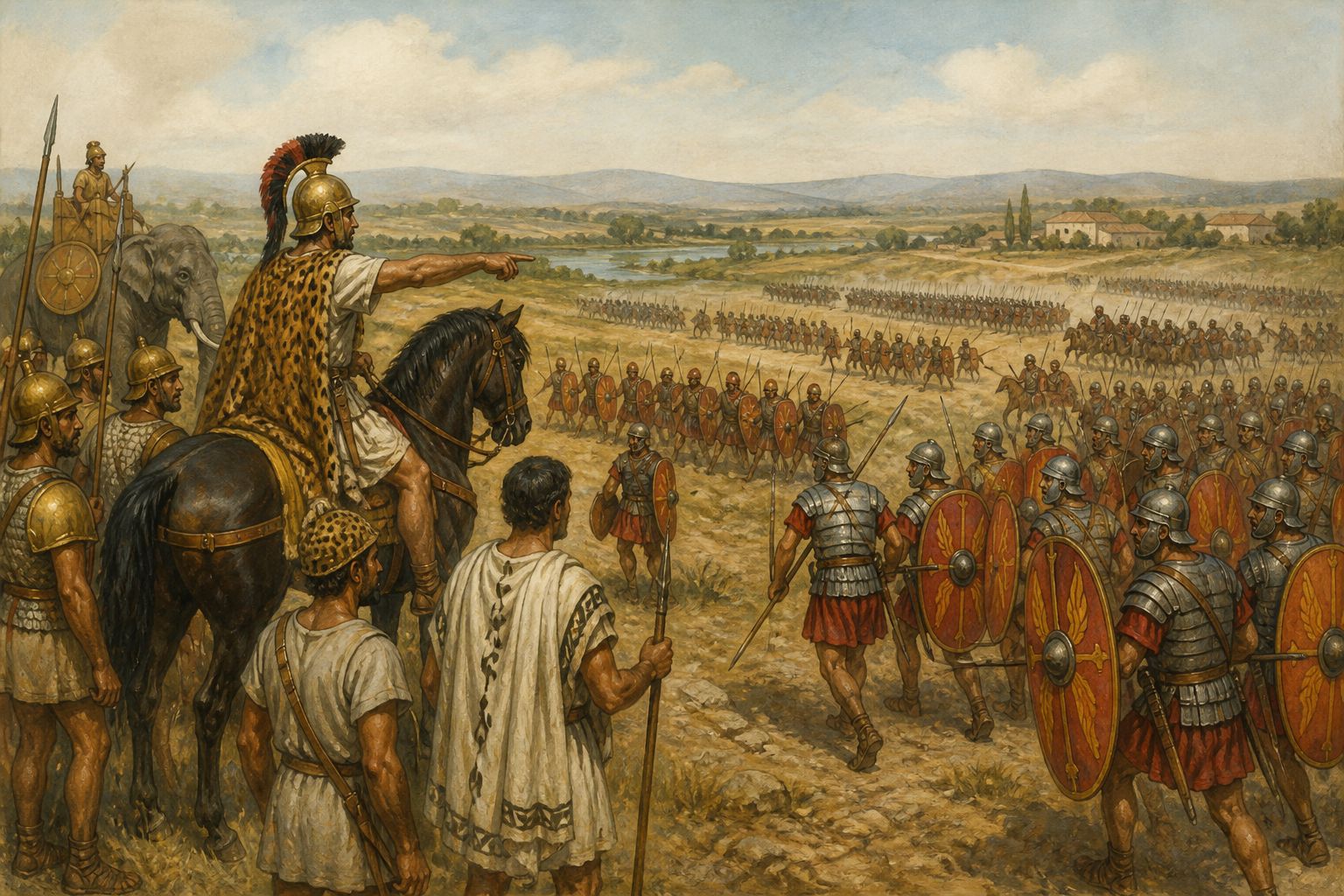
Second Punic War — Central transition: From 218 to 201 BCE, Rome and Carthage contested Mediterranean primacy, centered on Hannibal’s invasion of Italy.
c. 195 BC
Immediate aftermath
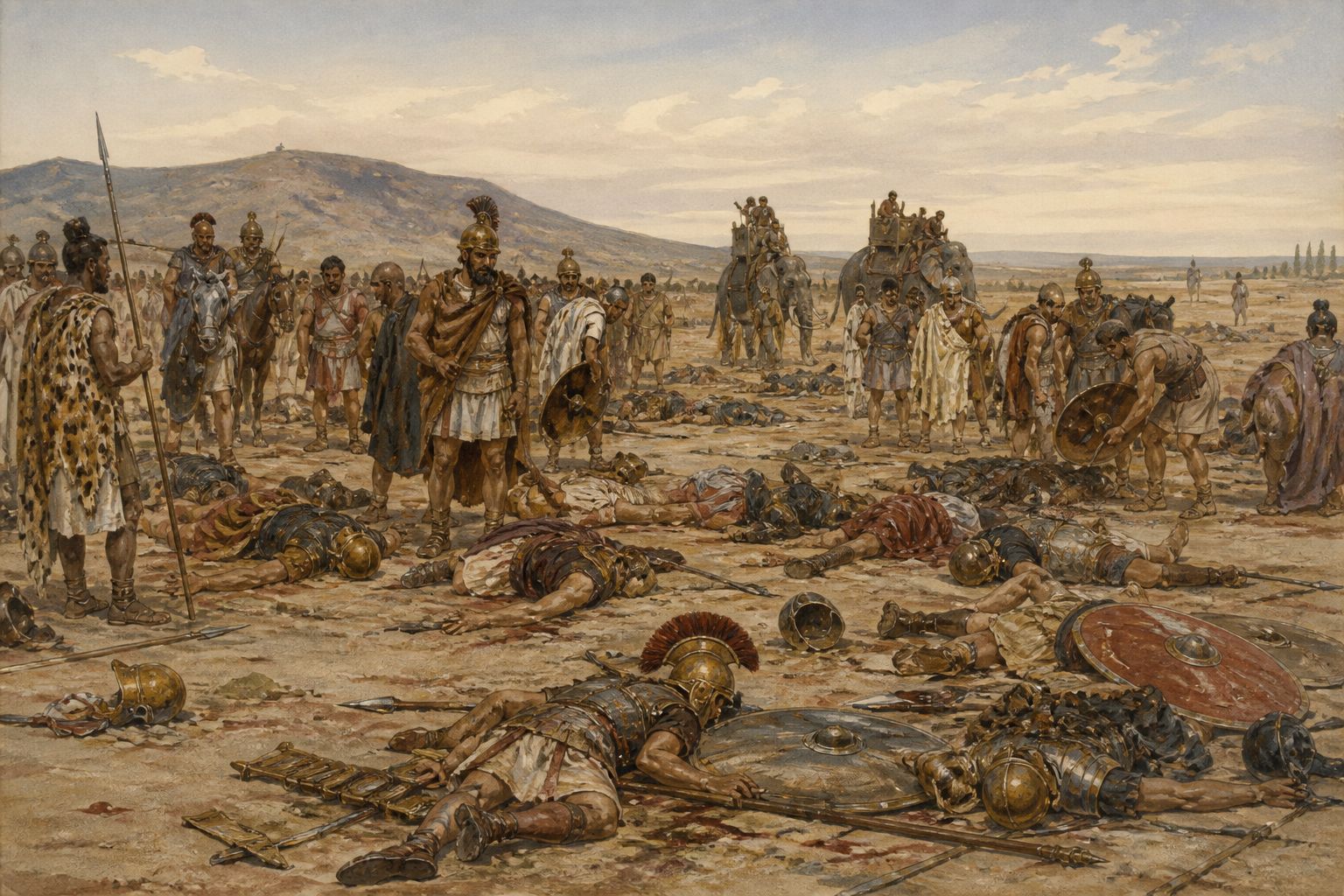
Immediate aftermath — Immediate result: After defeat at Zama, Carthage lost territory and military autonomy, leaving Rome dominant in the western Mediterranean.
c. 175 BC
Long-term significance
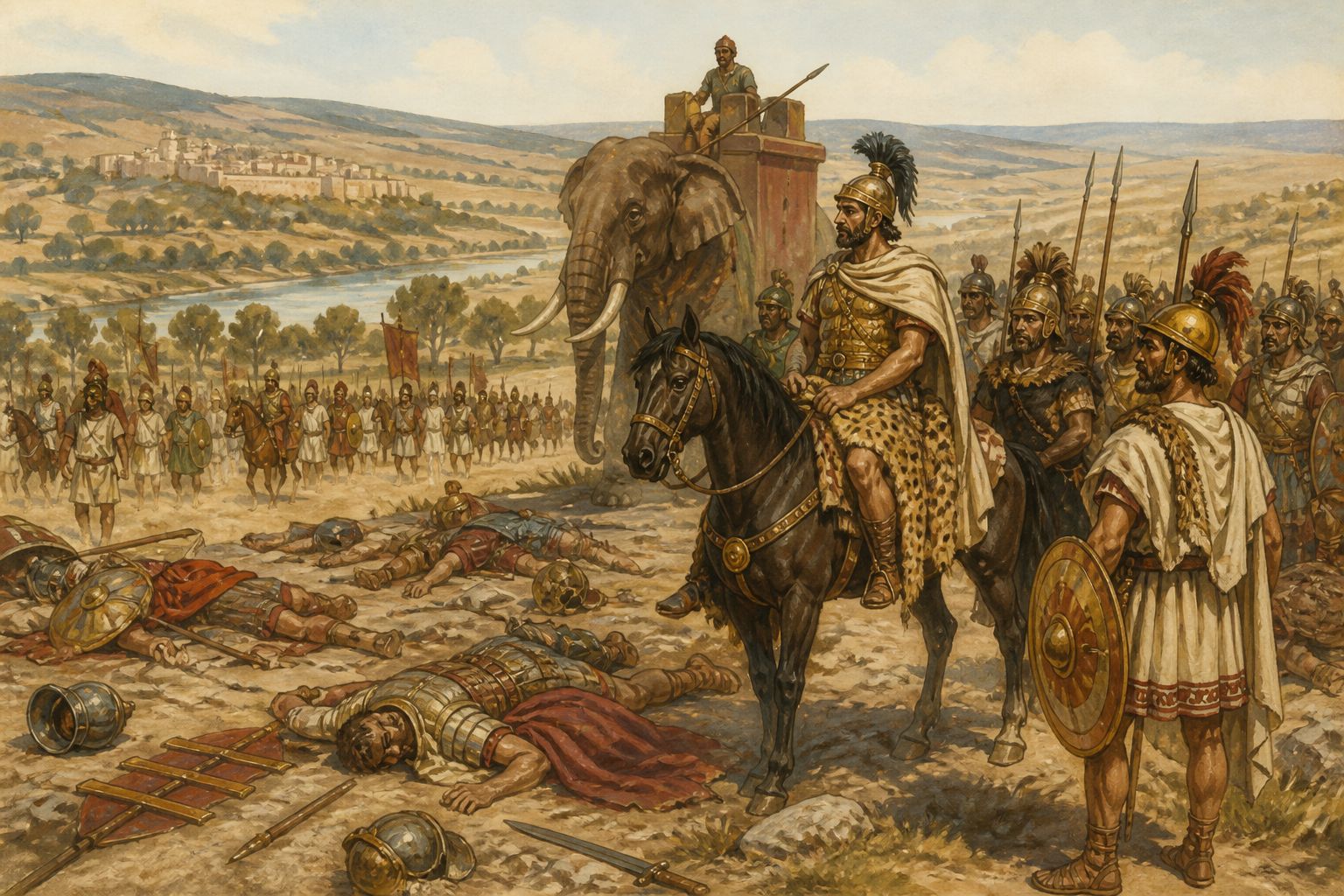
Long-term significance — Long-term significance: The war demonstrated Rome’s ability to mobilize alliances, finance, and manpower for a prolonged conflict.


Sources
- Second Punic War — Second Punic War (Encyclopaedia Britannica)britannica.comThis Encyclopaedia Britannica resource supports the chronology, setting, and course of Second Punic War.
- Second Punic War — Text (Perseus Digital Library)perseus.tufts.eduThis Perseus Digital Library resource supports the chronology, setting, and course of Second Punic War.
- Second Punic War — Hd Carth (The Metropolitan Museum of Art)metmuseum.orgThis The Metropolitan Museum of Art resource supports the chronology, setting, and course of Second Punic War.