
Thirty Years' War
1618–1648
The 1618–1648 complex of wars centered on the Holy Roman Empire that drew in major European powers and devastated much of Central Europe.

- Period
- 1618–1648
- Kind
- War
- Regions
- Europe
- Keywords
- Thirty Years' War · background · course · outcome
Follow the story · Four stages
Background
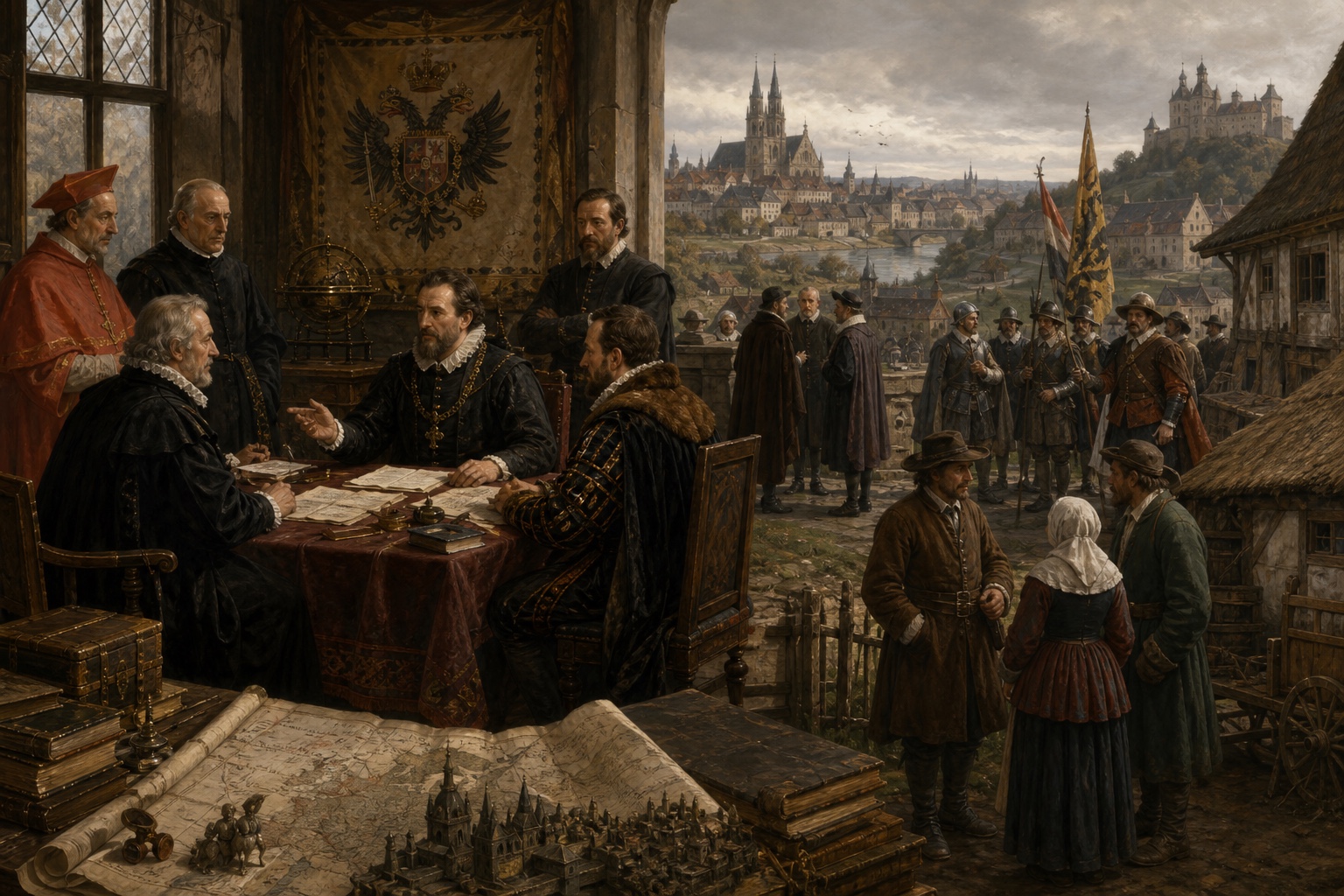
Confessional divisions inherited from the Reformation combined with disputes over the Empire's constitution, Habsburg authority, princely liberties, dynastic interests, and European power rivalry. The 1618 Defenestration of Prague and Bohemian revolt triggered war, but its causes and later expansion cannot be reduced to Catholic-Protestant conflict.
- Confessional divisions inherited from the Reformation combined with disputes over the Empire's constitution, Habsburg authority, princely liberties, dynastic interests, and European power rivalry.
- The 1618 Defenestration of Prague and Bohemian revolt triggered war, but its causes and later expansion cannot be reduced to Catholic-Protestant conflict.
- Core event: The 1618–1648 complex of wars centered on the Holy Roman Empire that drew in major European powers and devastated much of Central Europe.
Course
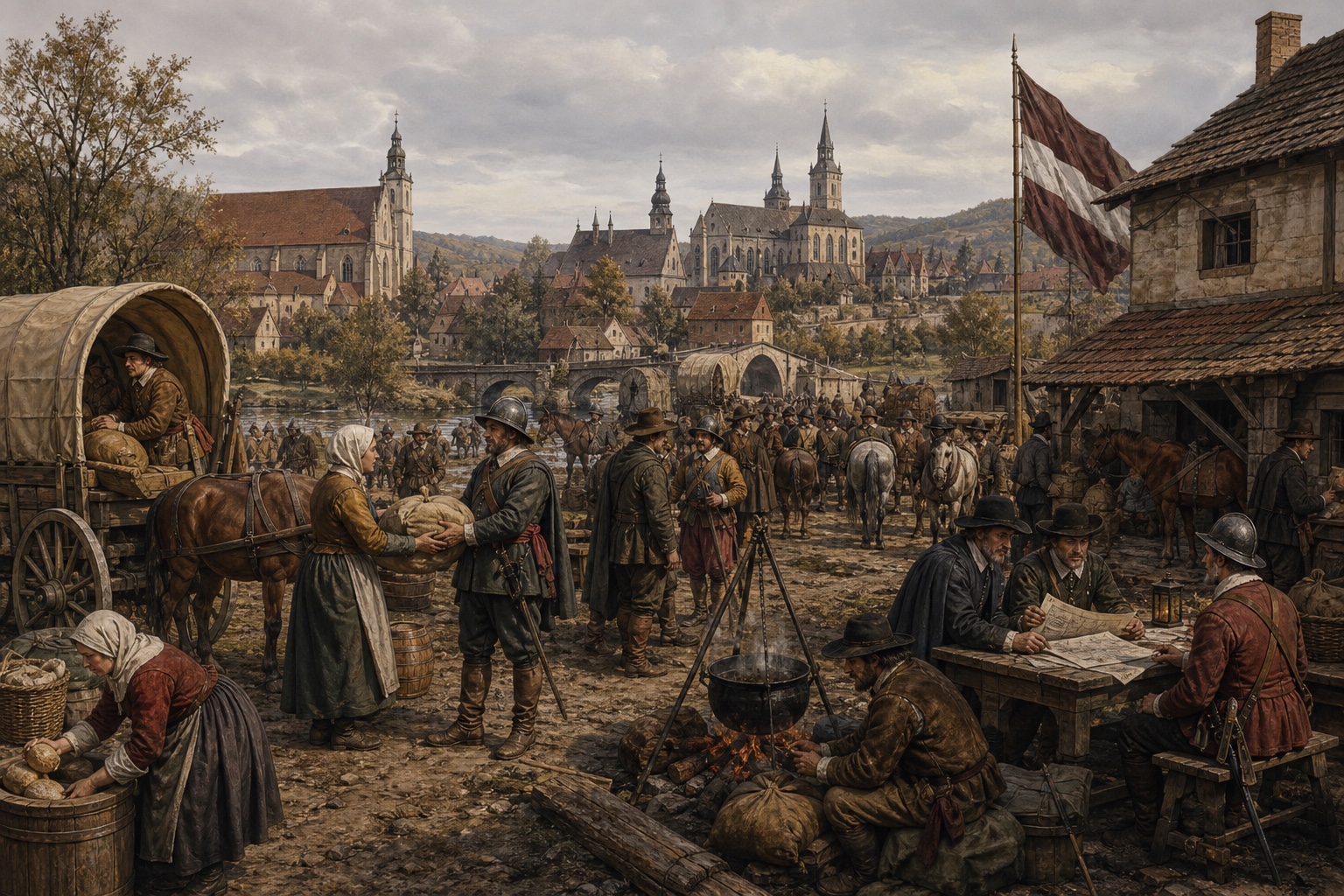
Imperial and Catholic League forces defeated the Bohemian revolt, after which Danish, Swedish, and French interventions widened the fighting. Armies sustained themselves largely by taking supplies from occupied communities, often through coercion and plunder. Catholic France's intervention against the Catholic Habsburgs in 1635 makes the geopolitical dimension especially clear.
- Imperial and Catholic League forces defeated the Bohemian revolt, after which Danish, Swedish, and French interventions widened the fighting.
- Armies sustained themselves largely by taking supplies from occupied communities, often through coercion and plunder.
- Catholic France's intervention against the Catholic Habsburgs in 1635 makes the geopolitical dimension especially clear.
Outcome
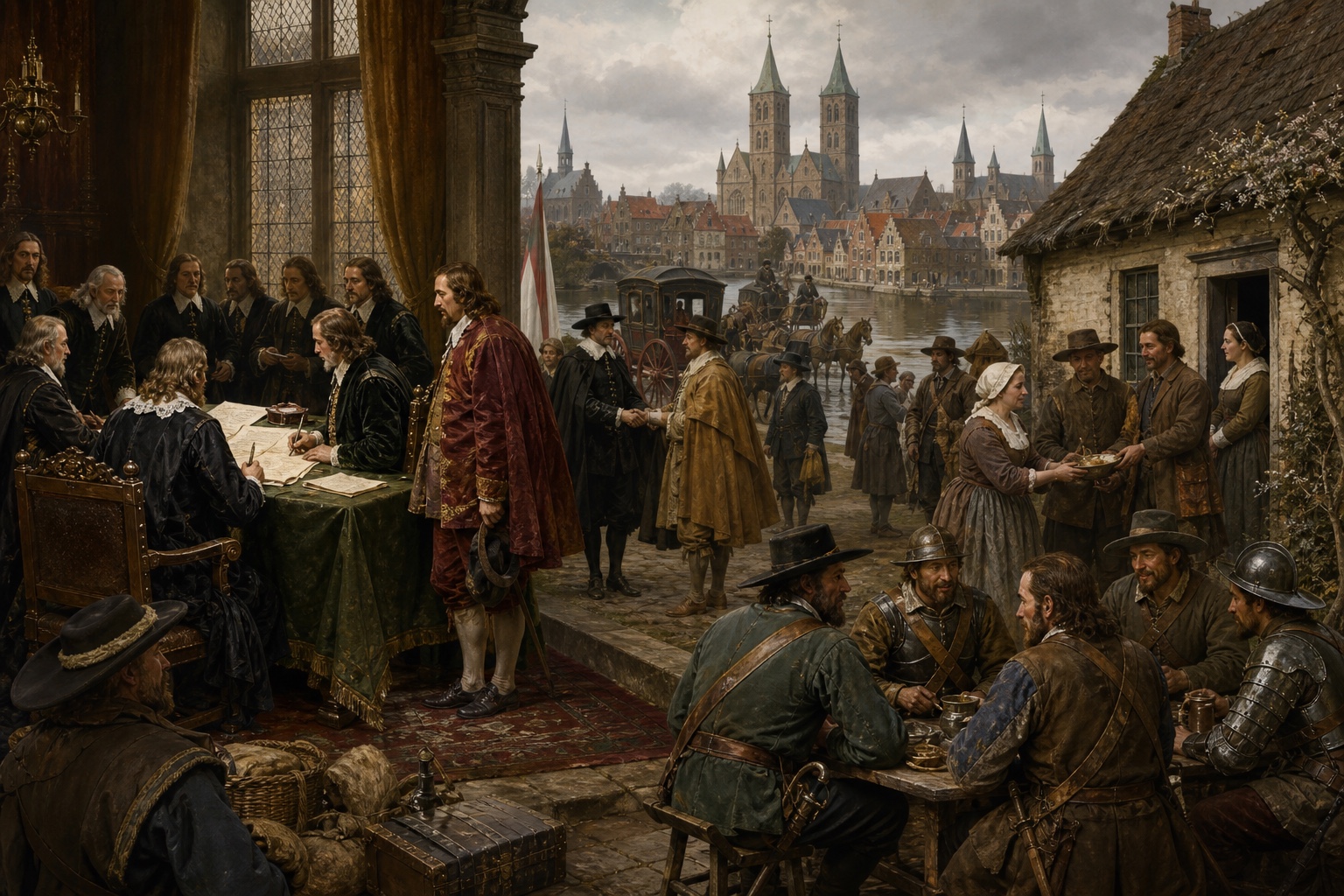
Negotiations at Münster and Osnabrück continued alongside combat and produced the Peace of Westphalia in 1648. The settlements adjusted territories, confirmed rights within the Empire, and recognized Calvinism alongside Catholicism and Lutheranism, although other wars continued beyond 1648.
- Negotiations at Münster and Osnabrück continued alongside combat and produced the Peace of Westphalia in 1648.
- The settlements adjusted territories, confirmed rights within the Empire, and recognized Calvinism alongside Catholicism and Lutheranism, although other wars continued beyond 1648.
- Process producing the result: Imperial and Catholic League forces defeated the Bohemian revolt, after which Danish, Swedish, and French interventions widened the fighting. Armies sustained themselves largely by taking supplies from occupied communities, often through coercion and plunder. Catholic France's intervention against the Catholic Habsburgs in 1635 makes the geopolitical dimension especially clear.
Historical significance
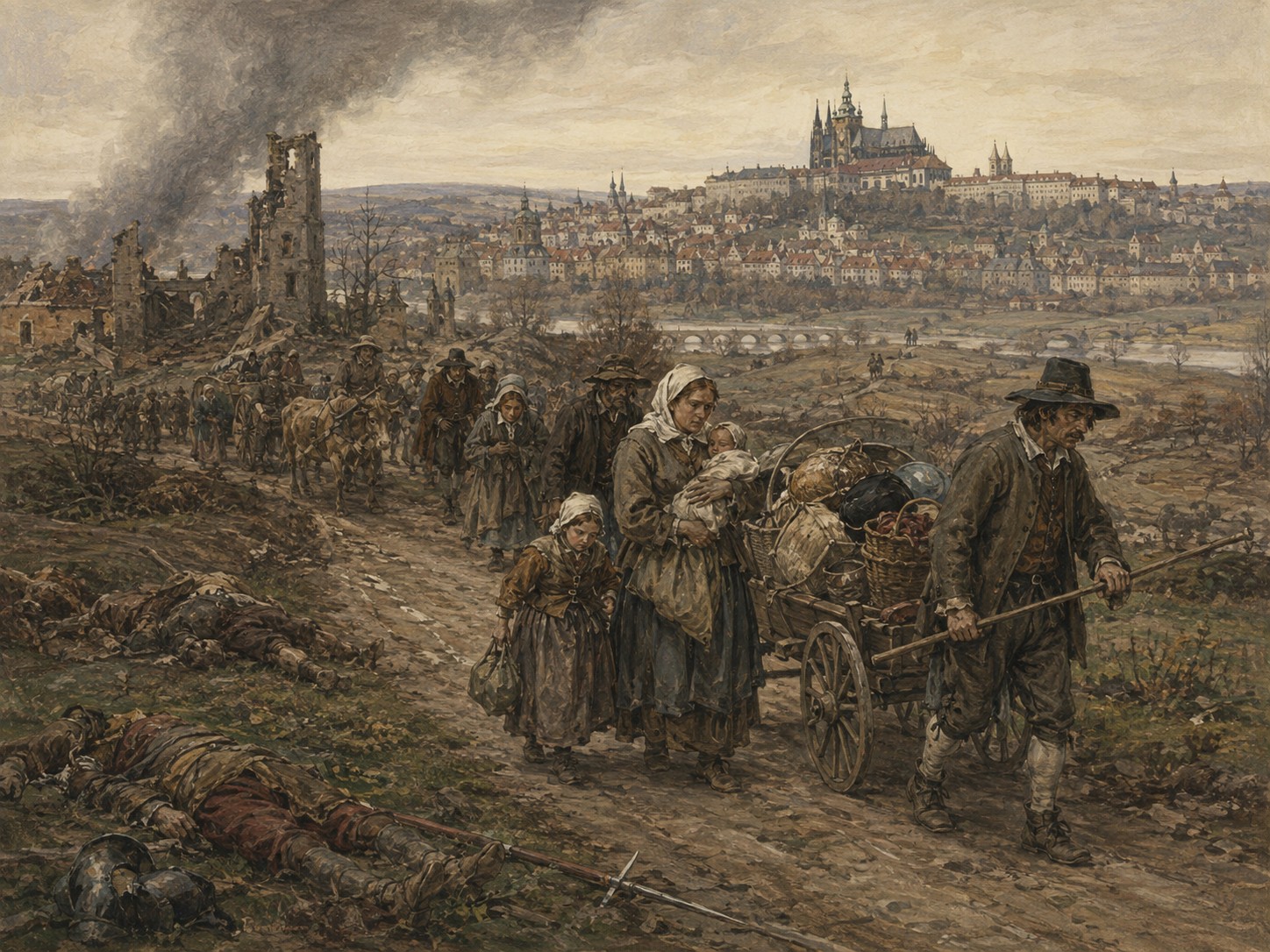
The war caused massive mortality, displacement, and economic damage through combat, disease, and subsistence crises, with sharp regional variation. Westphalia closed a central cycle of post-Reformation confessional conflict and reshaped imperial politics, but the familiar claim that it instantly invented modern sovereign states overstates a longer historical change.
- The war caused massive mortality, displacement, and economic damage through combat, disease, and subsistence crises, with sharp regional variation.
- Westphalia closed a central cycle of post-Reformation confessional conflict and reshaped imperial politics, but the familiar claim that it instantly invented modern sovereign states overstates a longer historical change.
- Immediate consequence: Negotiations at Münster and Osnabrück continued alongside combat and produced the Peace of Westphalia in 1648. The settlements adjusted territories, confirmed rights within the Empire, and recognized Calvinism alongside Catholicism and Lutheranism, although other wars continued beyond 1648.


Related figures
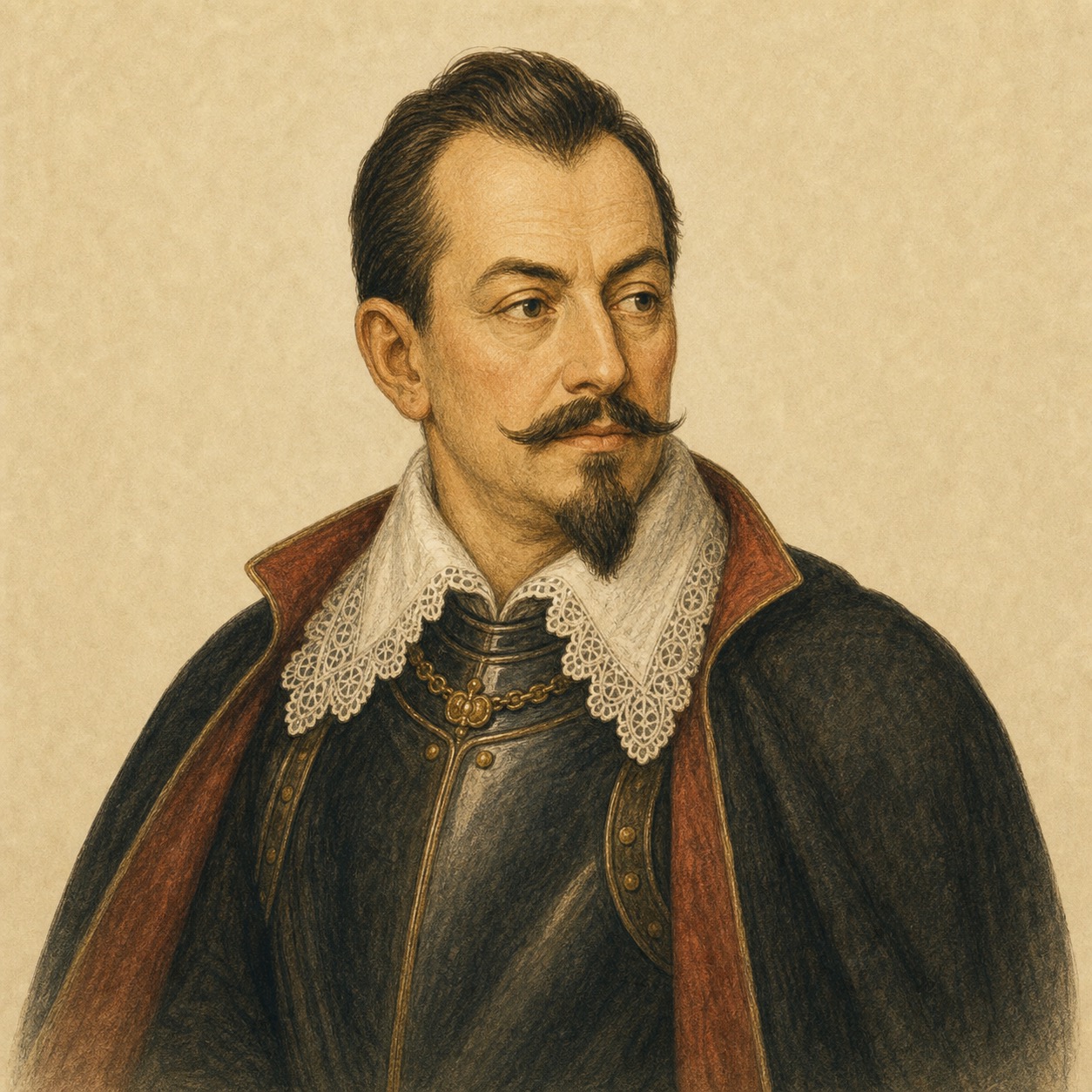
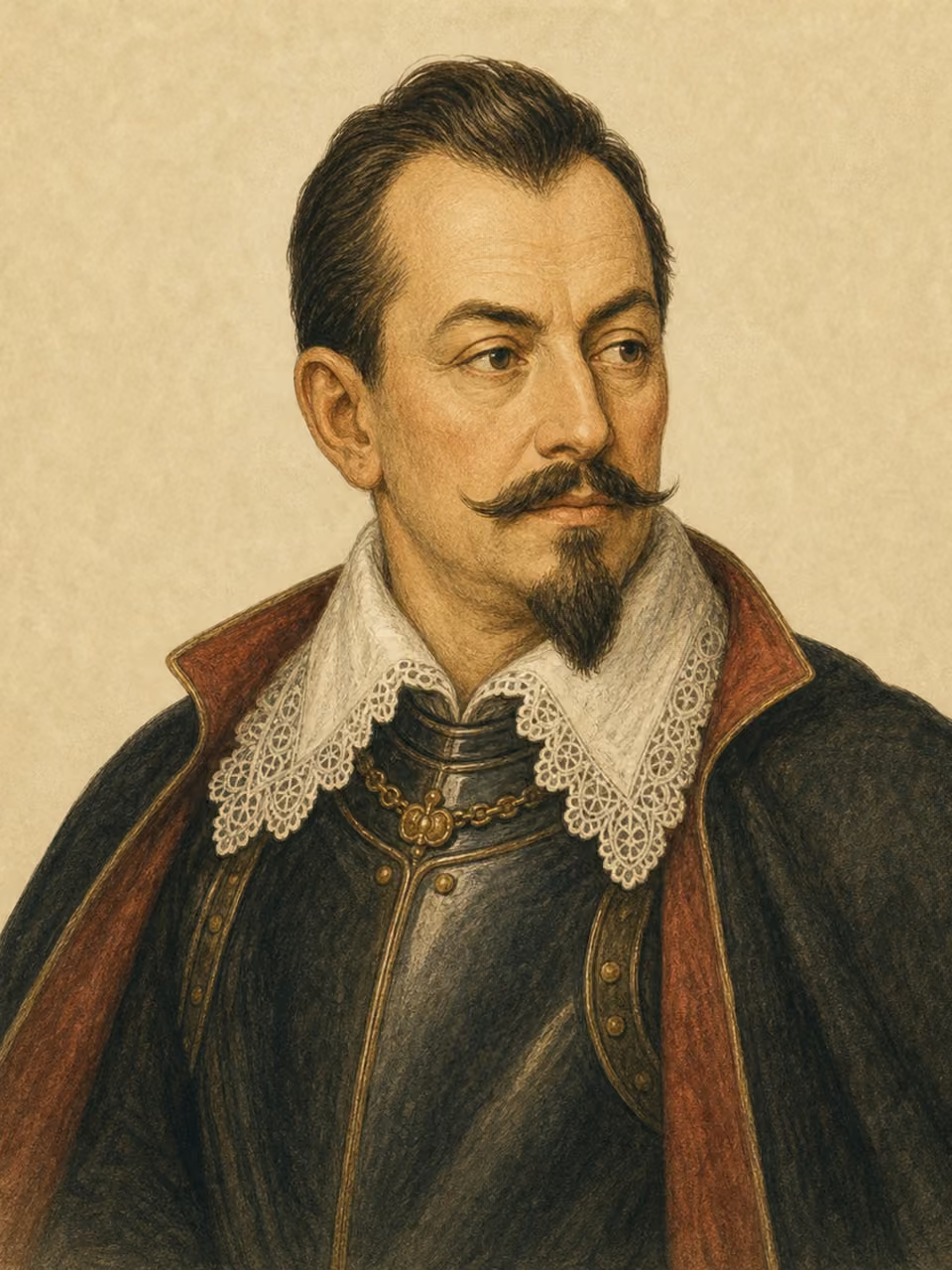
Albrecht von Wallenstein
historical figure in context
Military leader during the Thirty Years' War. He served the Holy Roman Emperor and led a large mercenary army. He is a person who thinks about war and power in early modern Europe.
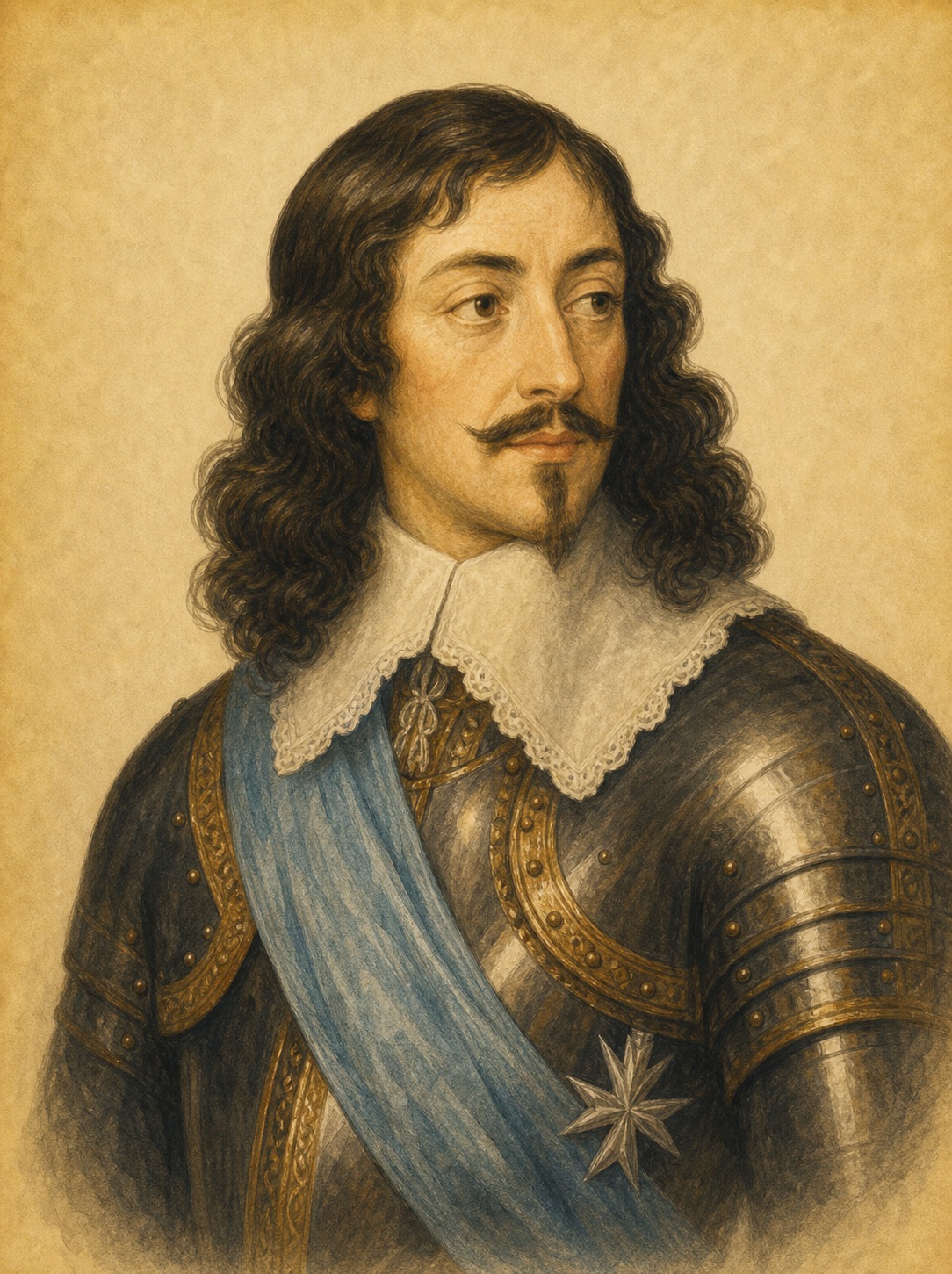
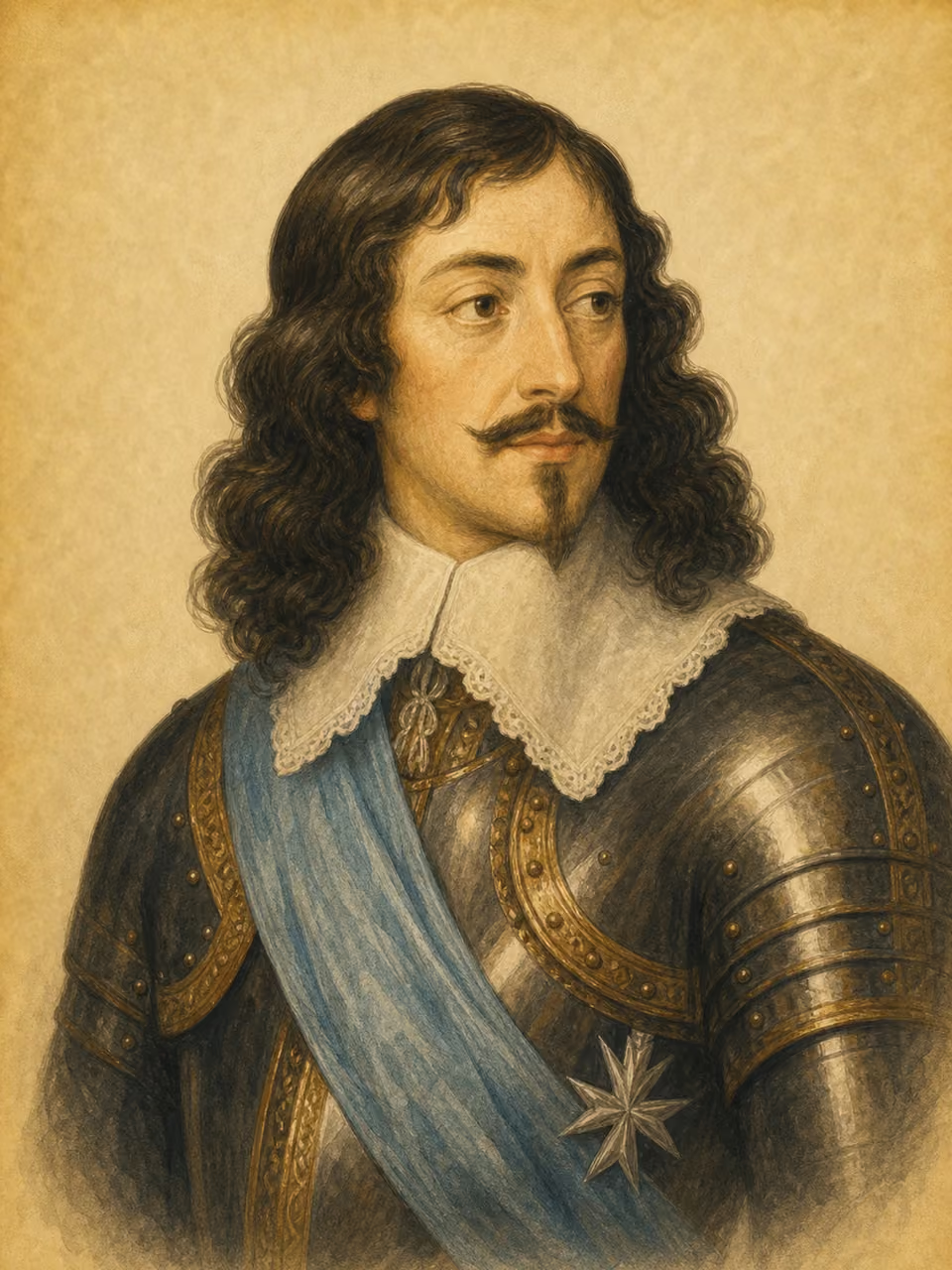
Louis XIII of France
historical figure in context
King of the Bourbon Dynasty of France. Together with Richelieu, he strengthened the royal power and was involved in the Thirty Years' War. He is a person who understands the formation of sovereign state systems and absolute monarchies.
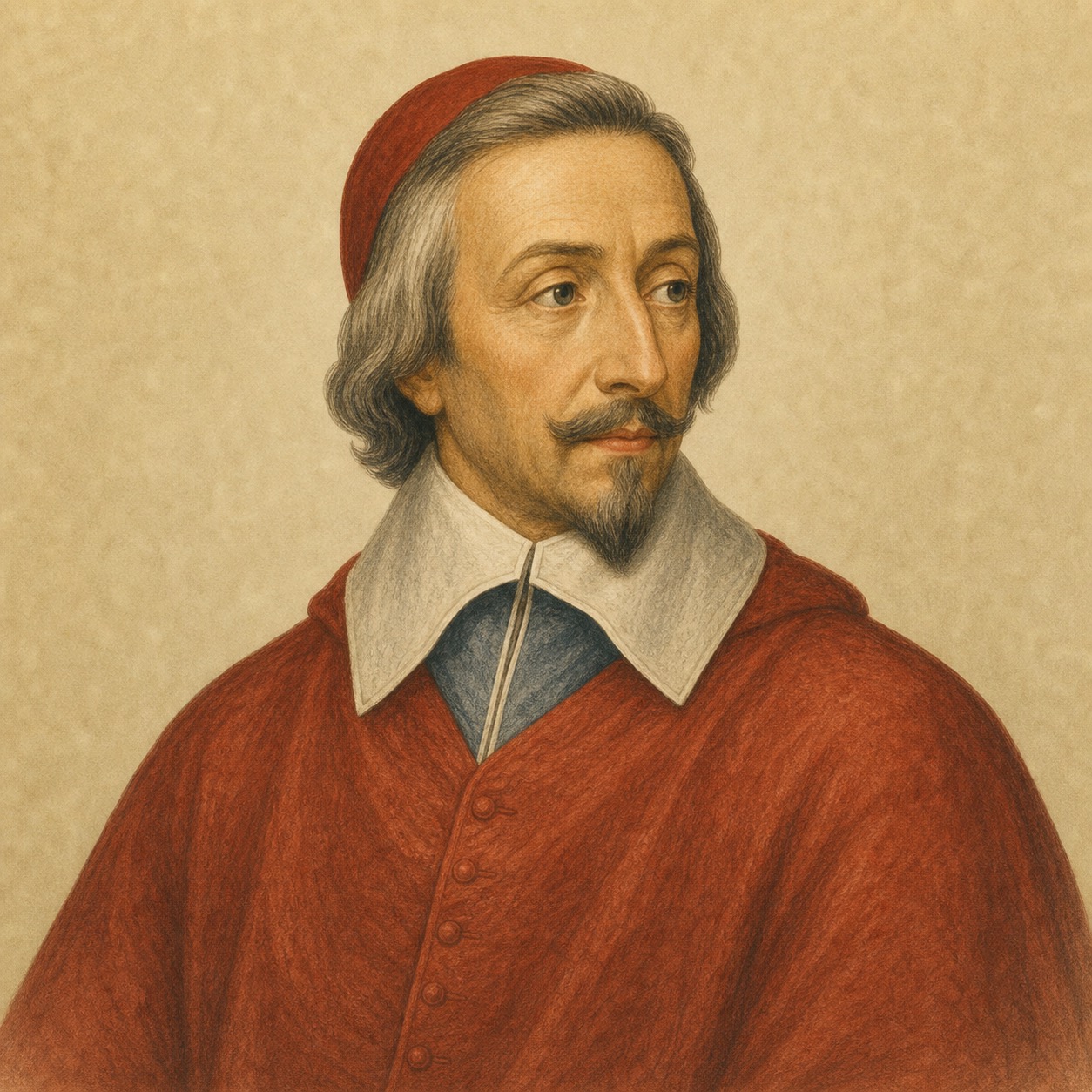
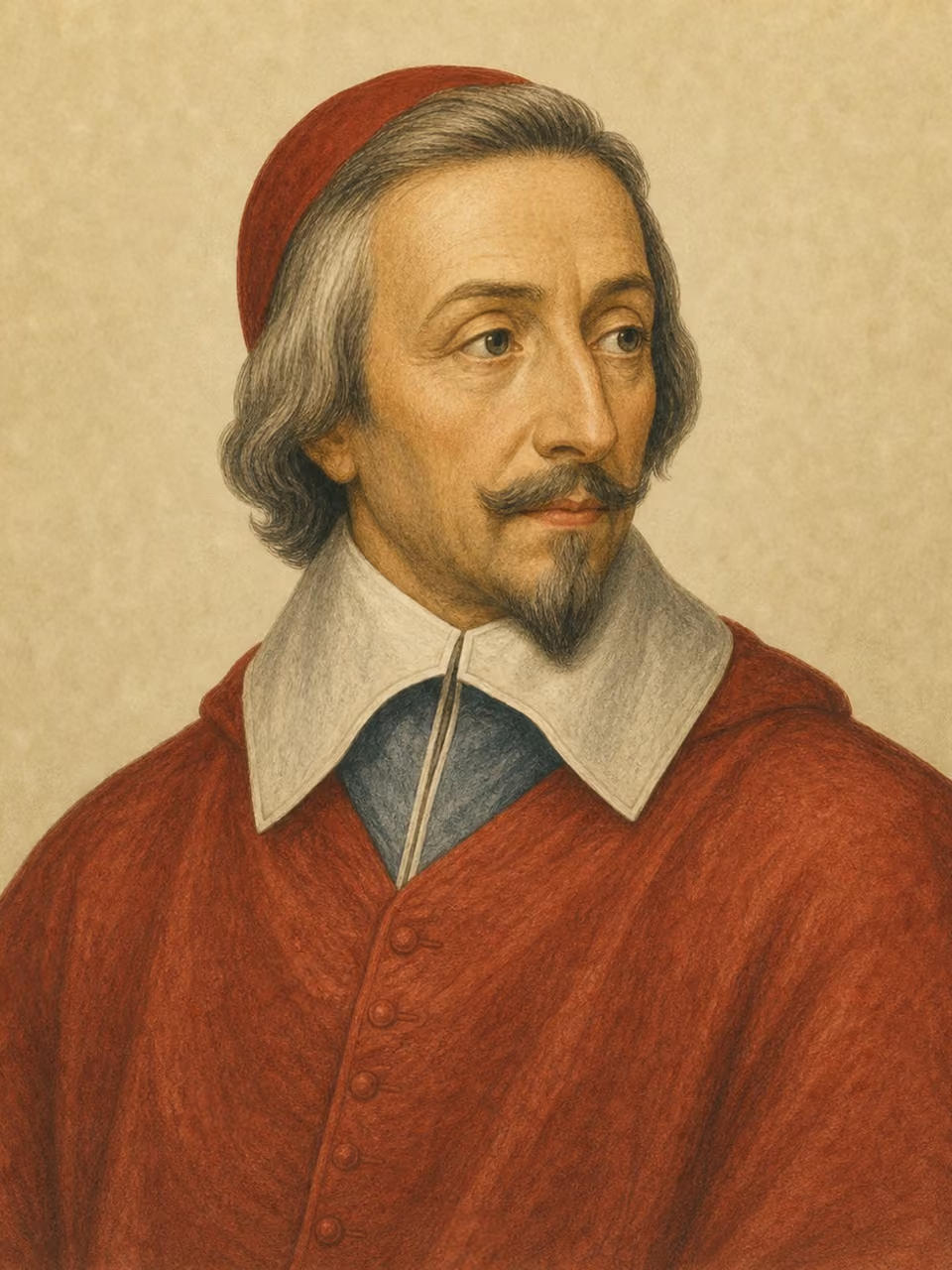
Cardinal Richelieu
historical figure in context
French Prime Minister and Cardinal. Supporting Louis XIII, he strengthened the royal power and promoted diplomacy with the Habsburgs. He is an important figure in thinking about the formation of a sovereign state system.
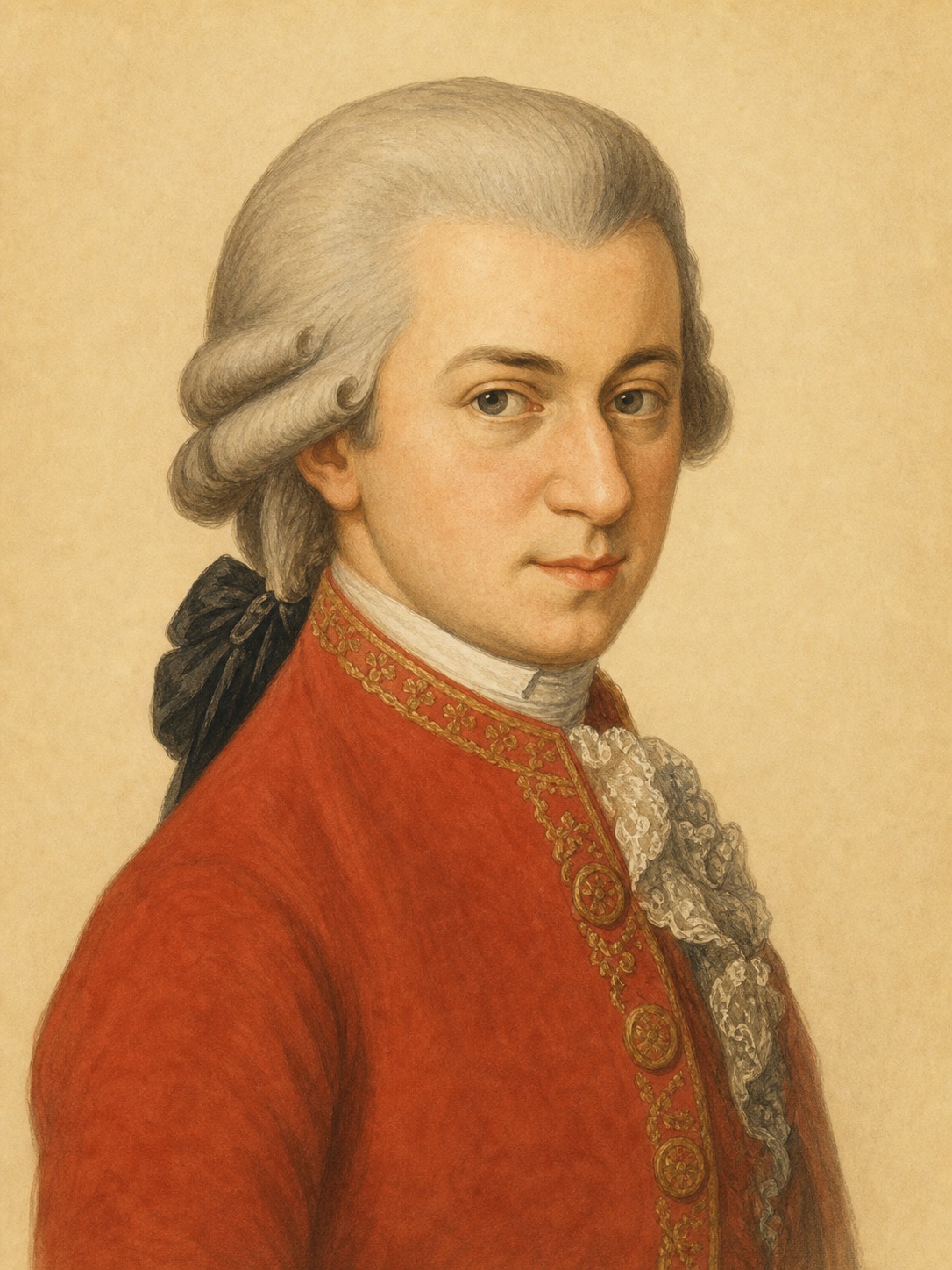
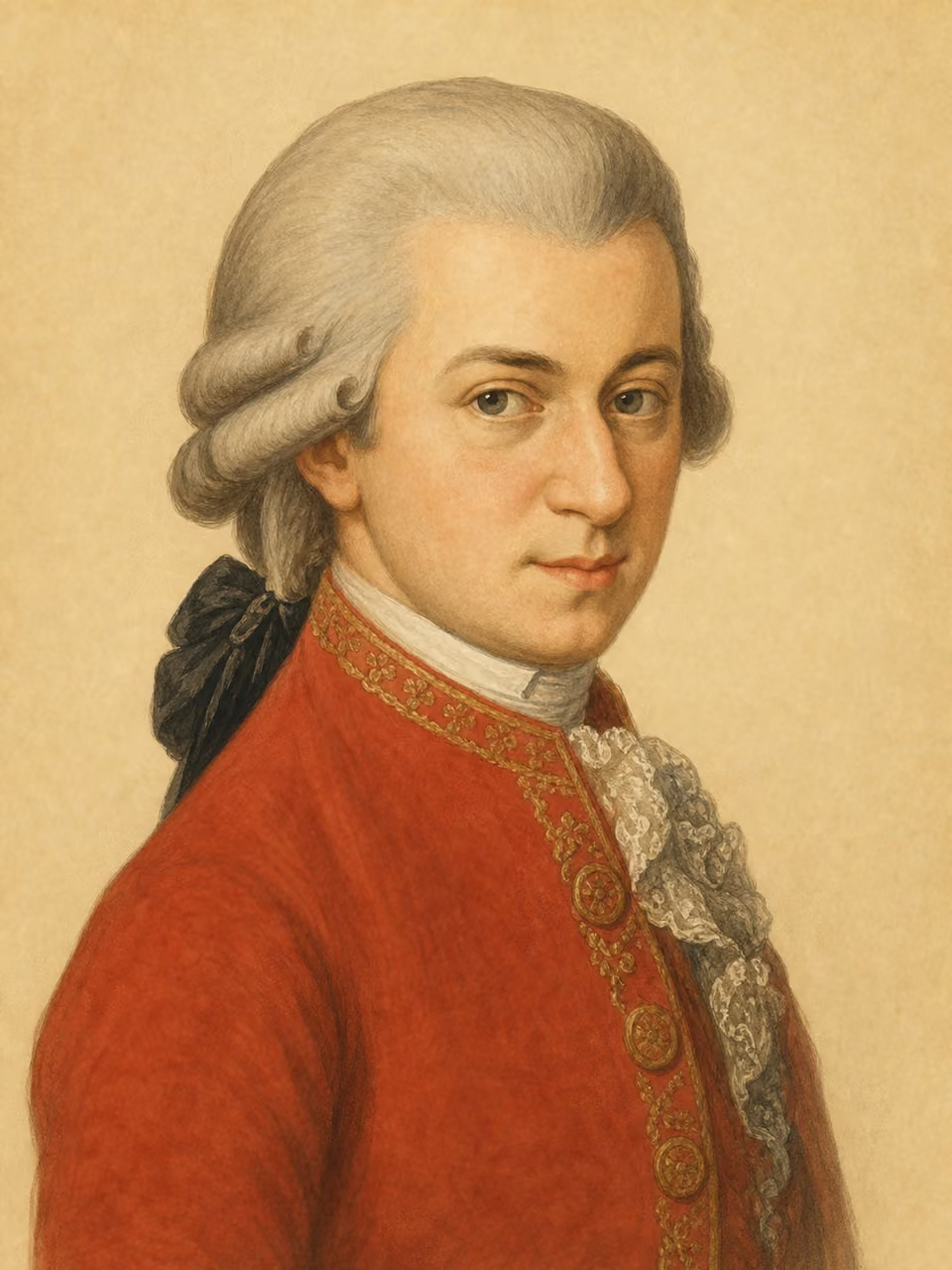
Wolfgang Amadeus Mozart
historical figure in context
After absorbing courtly and theatrical styles on childhood tours across Europe, Mozart tried to make a career in Vienna as a comparatively independent composer, writing for opera houses, concert life, and shifting urban patronage. Works such as The Marriage of Figaro and Don Giovanni show how he turned commissions, rehearsal culture, and public taste into music of extraordinary dramatic precision.
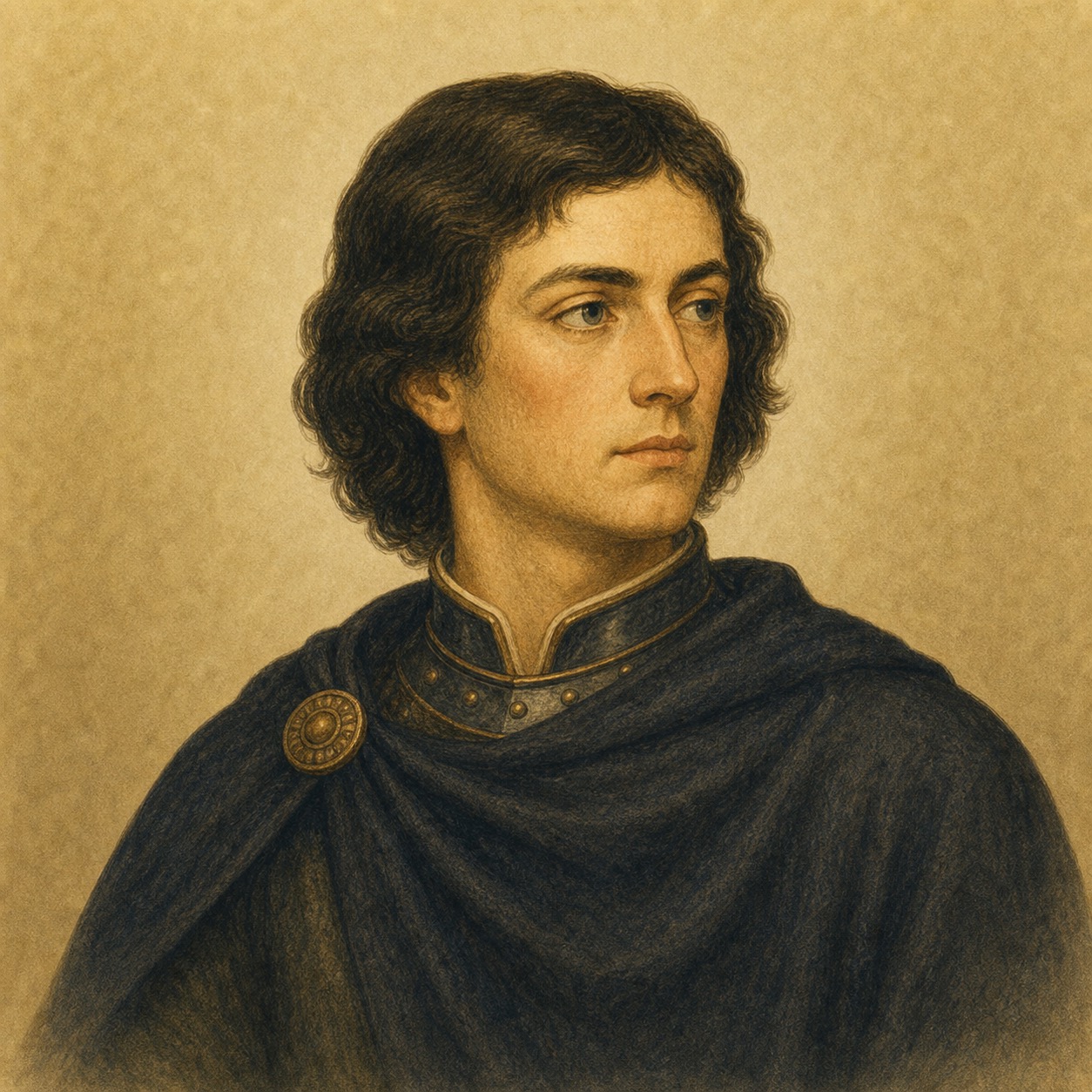
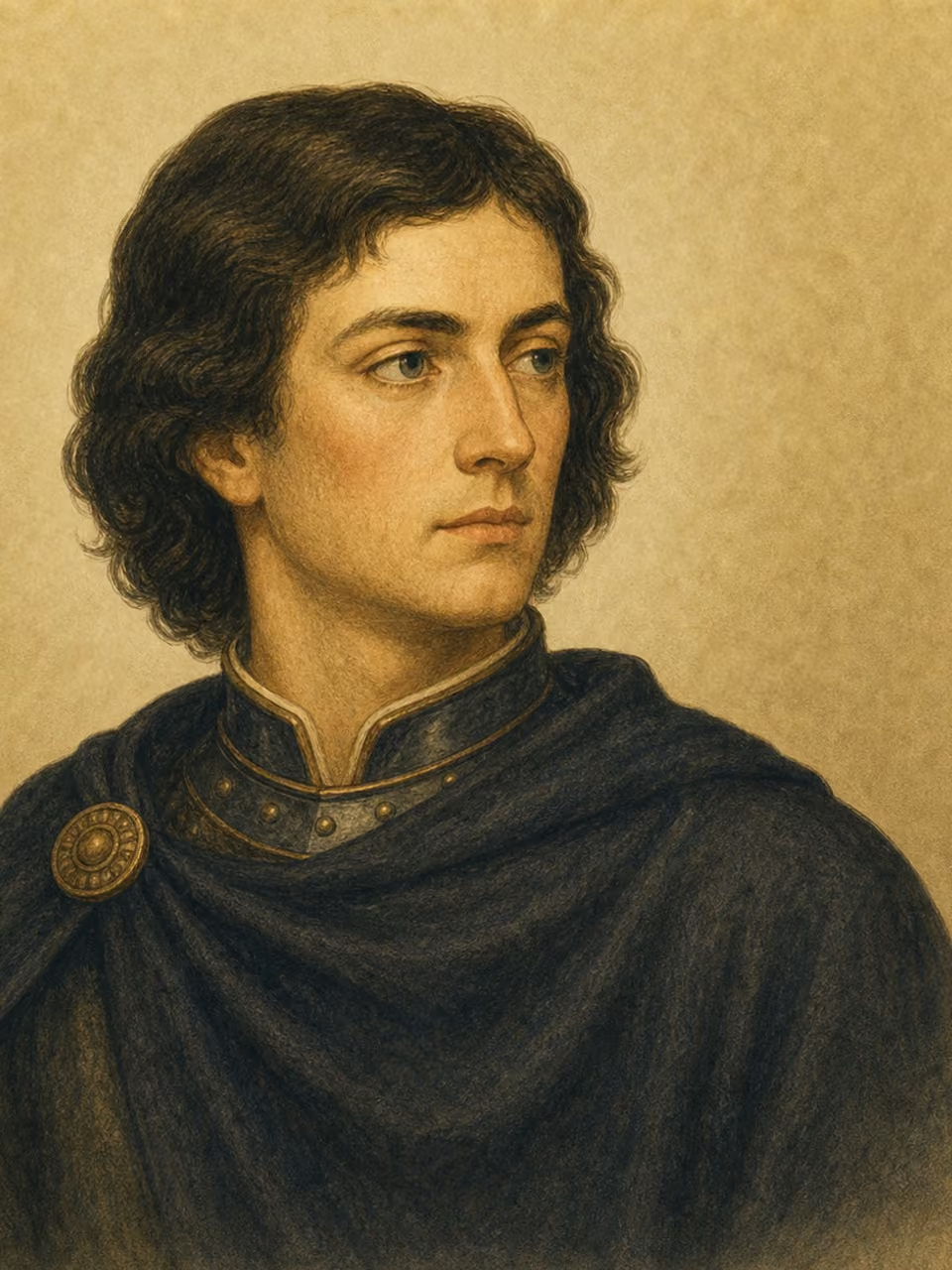
Edward, the Black Prince
historical figure in context
Crown Prince of England and military leader. During the Hundred Years' War, he participated in the battles of Crécy and Poitiers, where he gained a reputation for chivalry. He is a person who thinks about medieval warfare and royal military culture.
Related events
1598
Prelude
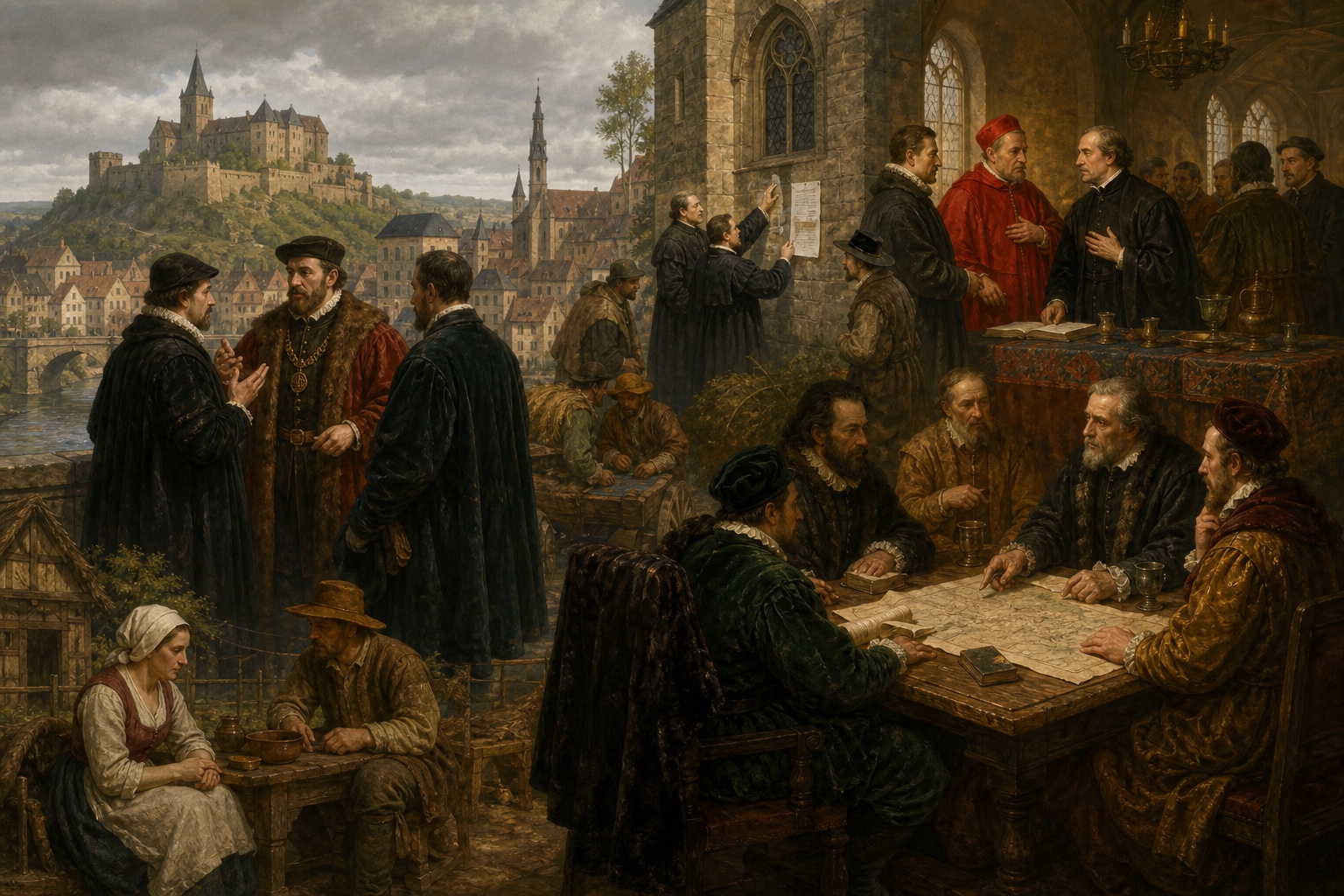
Prelude — Background: Confessional divisions inherited from the Reformation combined with disputes over the Empire's constitution, Habsburg authority, princely liberties, dynastic interests, and European power rivalry. The 1618 Defenestration of Prague and Bohemian revolt triggered war, but its causes and later expansion cannot be reduced to Catholic-Protestant conflict.
c. 1617
Rising tension
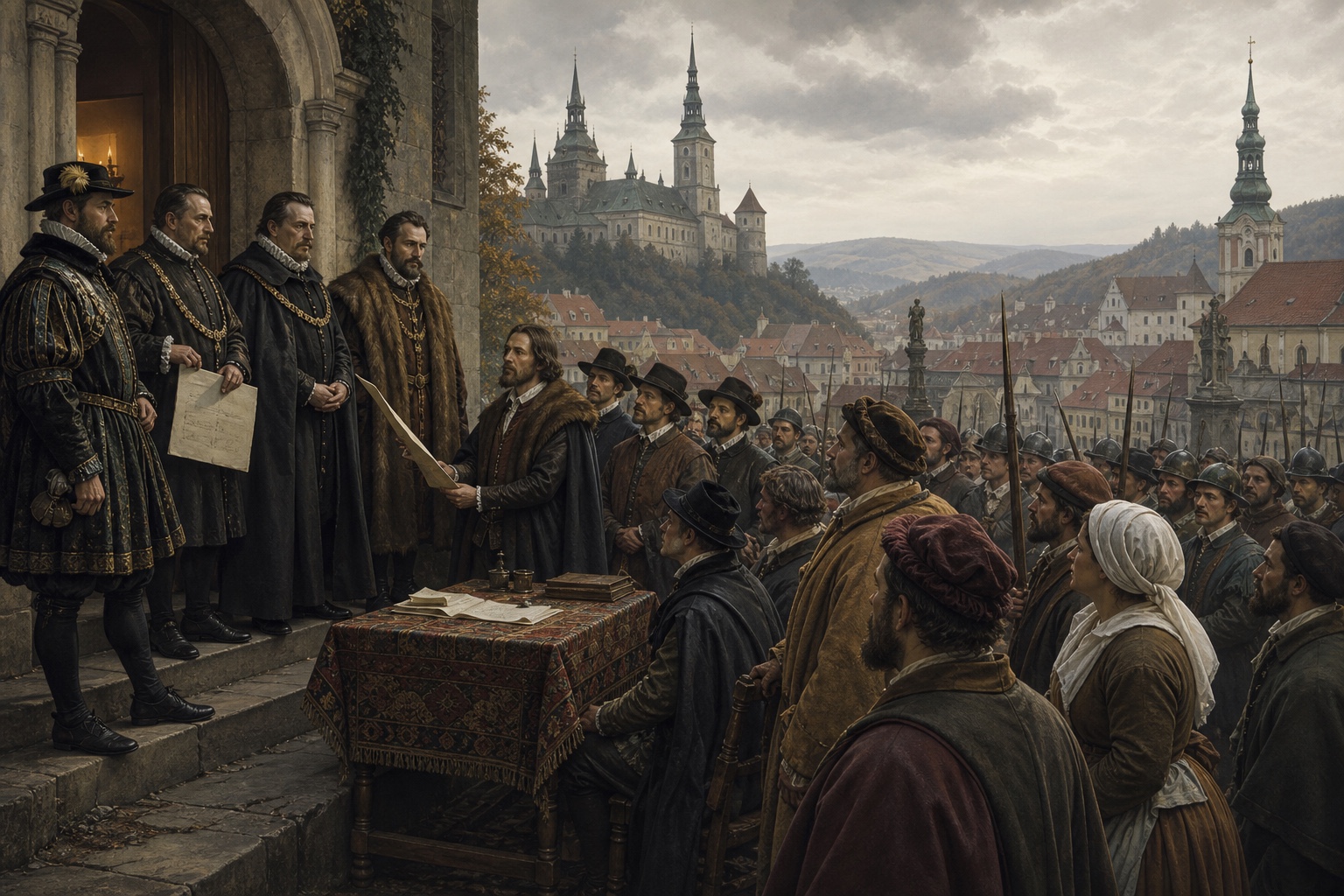
Rising tension — Build-up: Imperial and Catholic League forces defeated the Bohemian revolt, after which Danish, Swedish, and French interventions widened the fighting. Armies sustained themselves largely by taking supplies from occupied communities, often through coercion and plunder. Catholic France's intervention against the Catholic Habsburgs in 1635 makes the geopolitical dimension especially clear.
1618–1648
Thirty Years' War
Current event
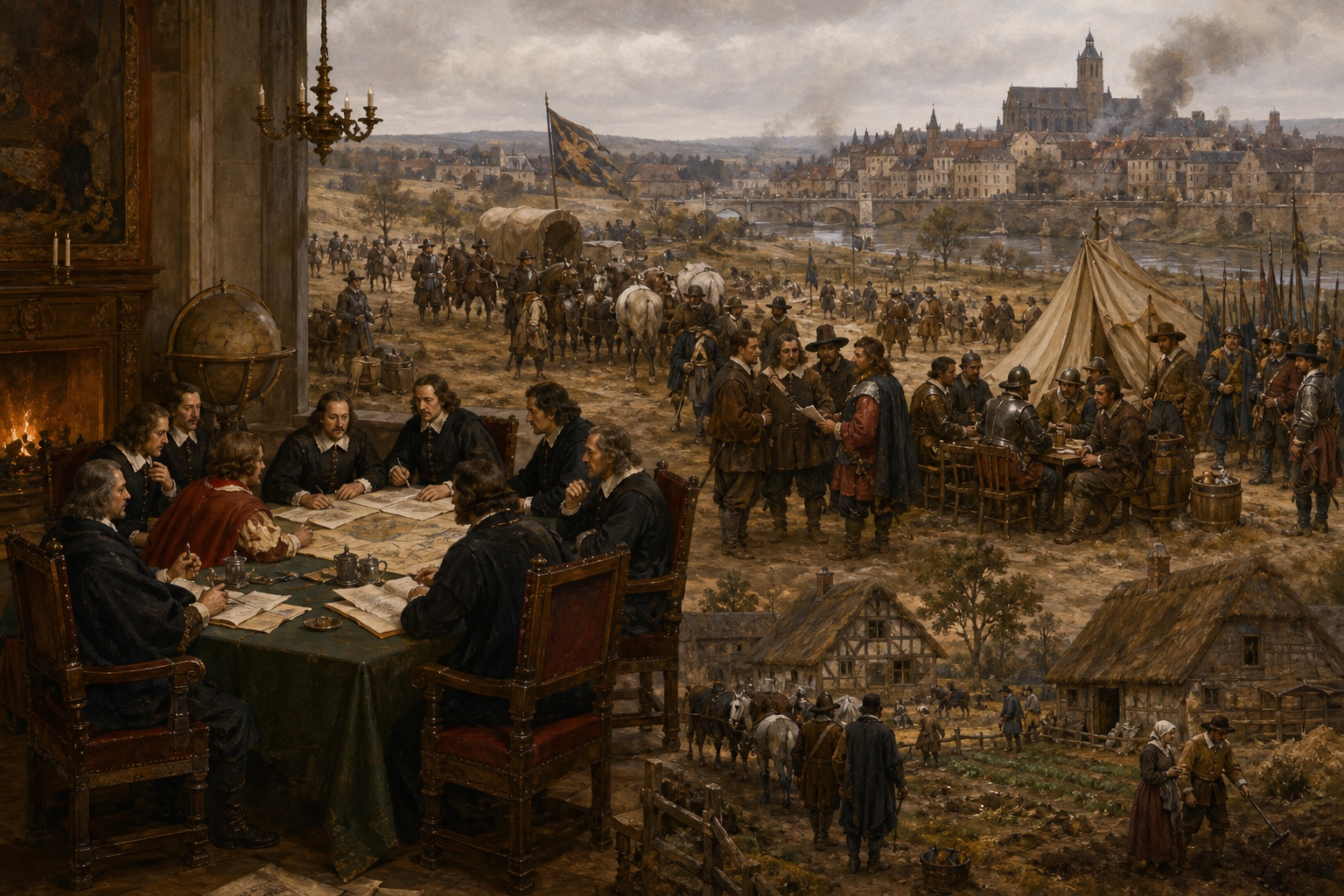
Thirty Years' War — Central transition: The 1618–1648 complex of wars centered on the Holy Roman Empire that drew in major European powers and devastated much of Central Europe.
c. 1649
Immediate aftermath
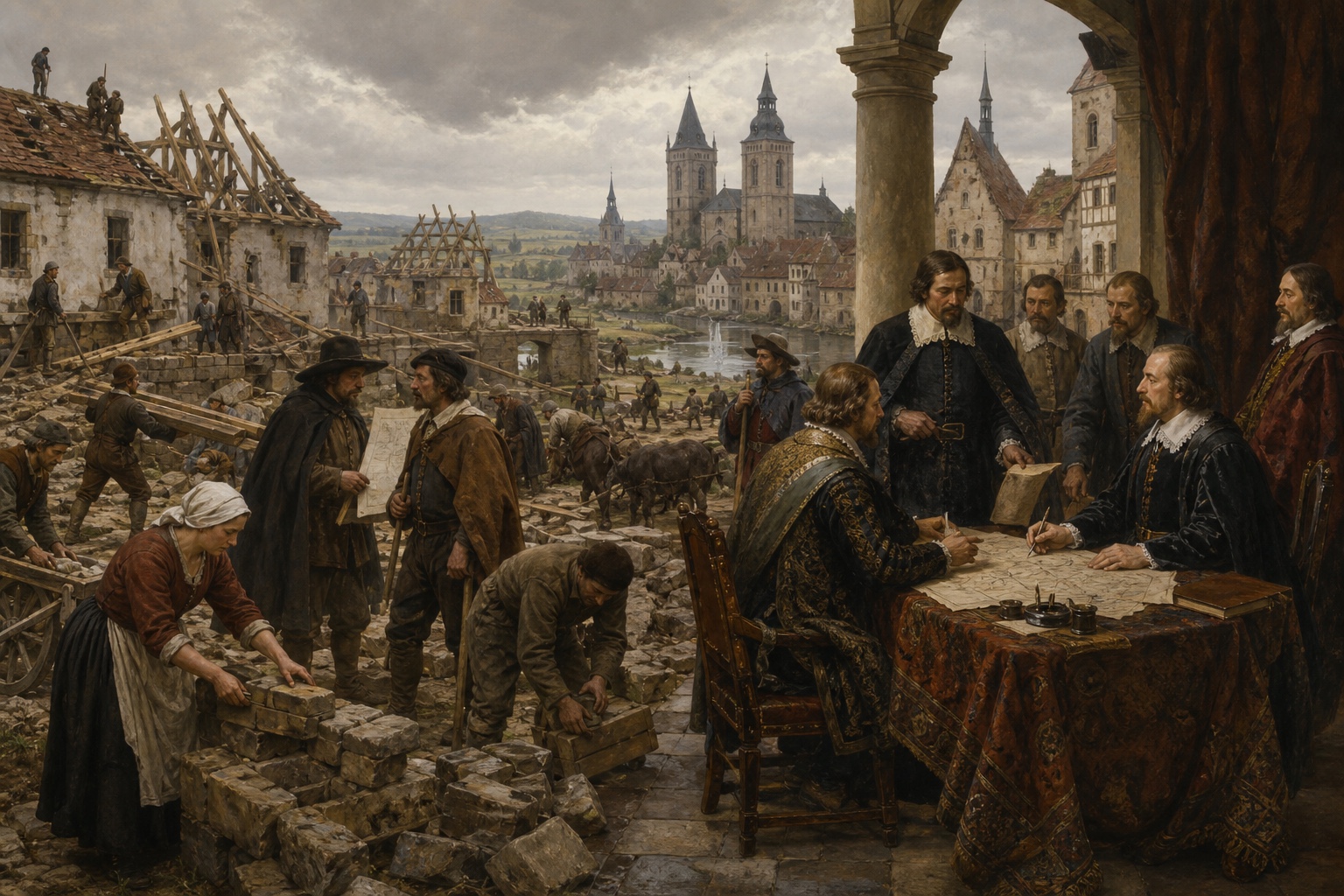
Immediate aftermath — Immediate result: Negotiations at Münster and Osnabrück continued alongside combat and produced the Peace of Westphalia in 1648. The settlements adjusted territories, confirmed rights within the Empire, and recognized Calvinism alongside Catholicism and Lutheranism, although other wars continued beyond 1648.
c. 1658
Long-term significance
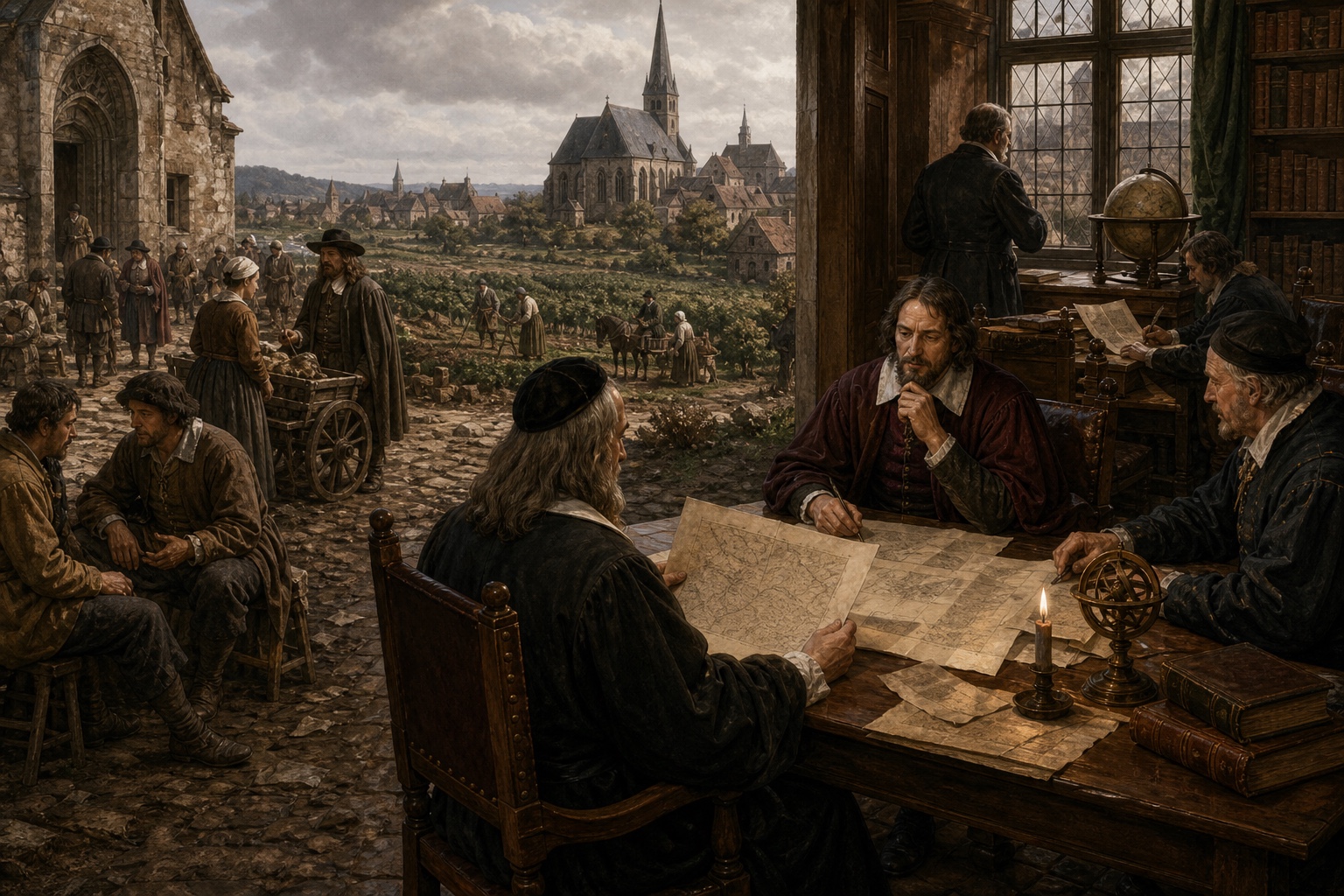
Long-term significance — Long-term significance: The war caused massive mortality, displacement, and economic damage through combat, disease, and subsistence crises, with sharp regional variation. Westphalia closed a central cycle of post-Reformation confessional conflict and reshaped imperial politics, but the familiar claim that it instantly invented modern sovereign states overstates a longer historical change.


Sources
- Thirty Years' War — Introduction (Germanhistorydocs)germanhistorydocs.orgThis Germanhistorydocs resource supports the chronology, setting, and course of Thirty Years' War.
- Thirty Years' War — Manual (History)history.ox.ac.ukThis History resource supports the chronology, setting, and course of Thirty Years' War.
- Thirty Years' War — 554562314 (Academic)academic.oup.comThis Academic resource supports the chronology, setting, and course of Thirty Years' War.