
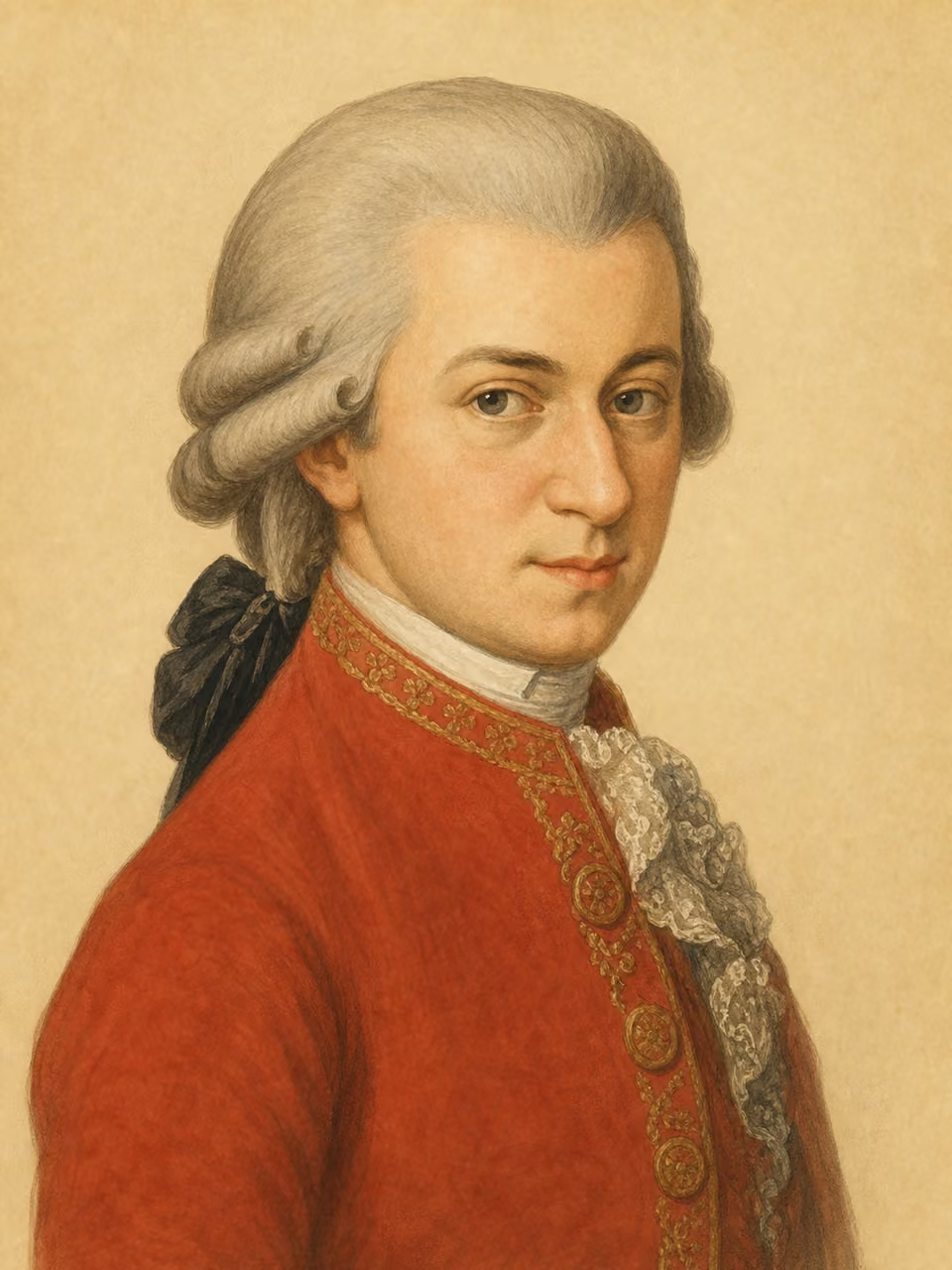
Wolfgang Amadeus Mozart

Portrait: AI-generated imagined likeness

Wolfgang Amadeus Mozart

Composer

Years
1756–1791
Birthplace
Austria
Birth polity
Prince-Archbishopric of Salzburg
Era
Early modern
Field
Music
Occupations
Composer

After absorbing courtly and theatrical styles on childhood tours across Europe, Mozart tried to make a career in Vienna as a comparatively independent composer, writing for opera houses, concert life, and shifting urban patronage. Works such as The Marriage of Figaro and Don Giovanni show how he turned commissions, rehearsal culture, and public taste into music of extraordinary dramatic precision.

View in catalog
Historical context

Places

  • Salzburg

    Birth

  • Vienna

    Work

Works & achievements

  • The Marriage of Figaro

    1786

    Music

  • Requiem

    1791

    Music

Origins

Origins map
Birth country
Birth country
Austria

Map: Natural Earth (PD)

Biography

Early life

Mozart was born in Salzburg in 1756 and trained from childhood under the guidance of his father, Leopold. Extensive tours across Europe exposed him early to courts, operatic culture, and diverse instrumental styles, giving his later writing an unusual breadth from the start.

Achievements

He excelled in opera, symphony, concerto, chamber music, and sacred composition, with works such as The Marriage of Figaro, Don Giovanni, and The Magic Flute becoming central to the repertory. His music is admired for melodic clarity, structural balance, and a rare ability to give emotional and dramatic weight to every voice.

Character & anecdotes

Mozart's move toward freelance life in Vienna makes him look strikingly modern, even though his finances remained unstable and his career depended on fragile patronage. His death at thirty-five encouraged legend, especially around the unfinished Requiem, but the historical record already shows an astonishingly productive life.

Historical Impact

Mozart's importance lies less in the myth of effortless genius than in how he transformed Classical balance by filling it with psychological nuance, social tension, and theatrical timing. Opera production, concert repertory, conservatory training, and recording culture still place his music near the center of what musical sophistication is supposed to sound like.

Related figures

View all in catalog