
Turkish War of Independence
1919–1923
A national movement led by Mustafa Kemal resisted occupation and treaty terms, building a new state around the Ankara government.

- Period
- 1919–1923
- Kind
- War
- Regions
- Middle East, Europe
- Keywords
- Turkish War of Independence · Anatolia and Eastern Thrace · contemporary · background · turning point · impact
Follow the story · Four stages
Background
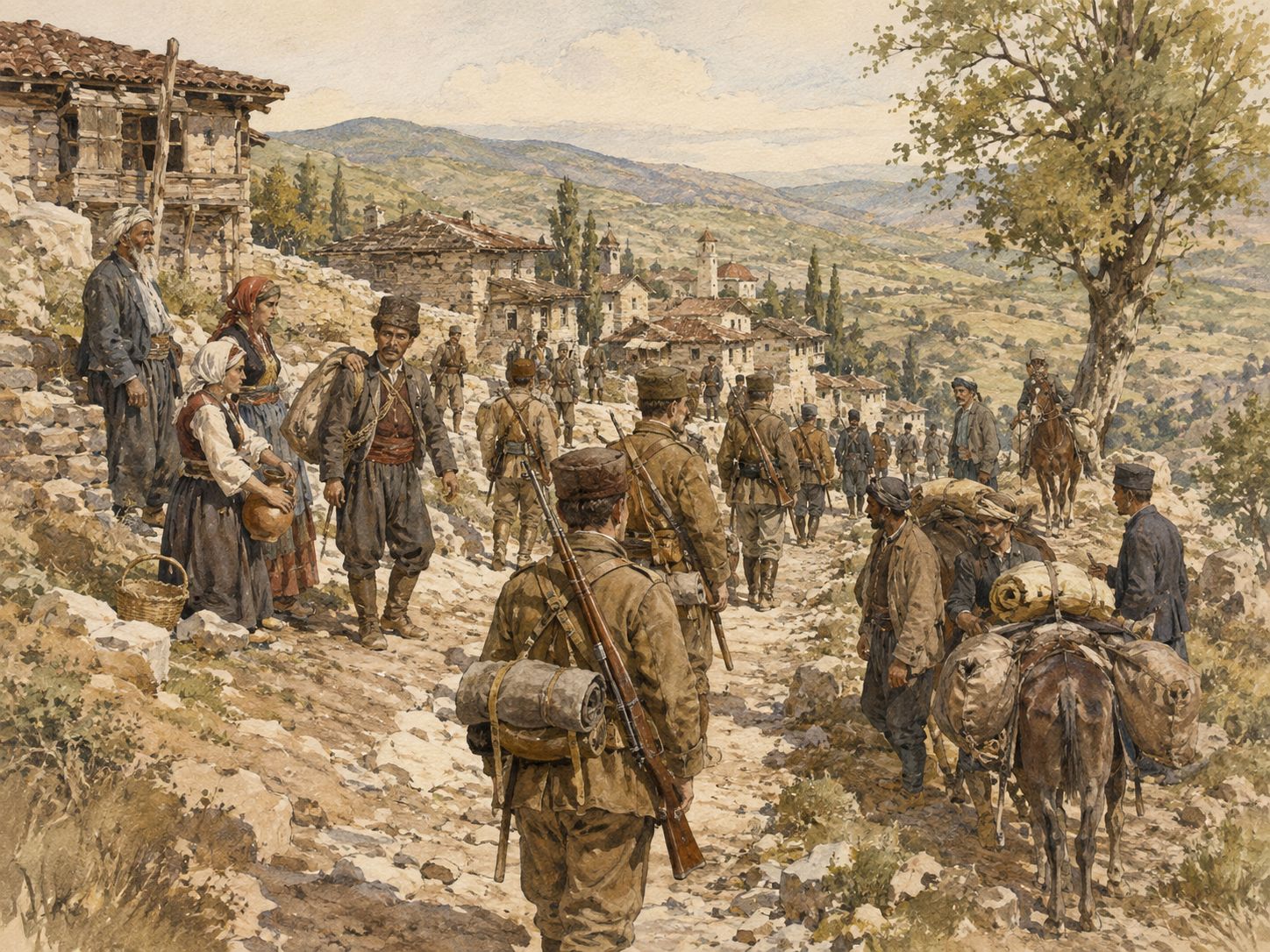
Political, social, and commercial changes around Anatolia and Eastern Thrace formed the setting: A national movement led by Mustafa Kemal resisted occupation and treaty terms, building a new state around the Ankara government.
- The Ottoman Empire and occupation after the First World War
- Local resistance organizations and national movements in Anatolia
- Soldiers, civilians, and representatives defending sovereignty
Course
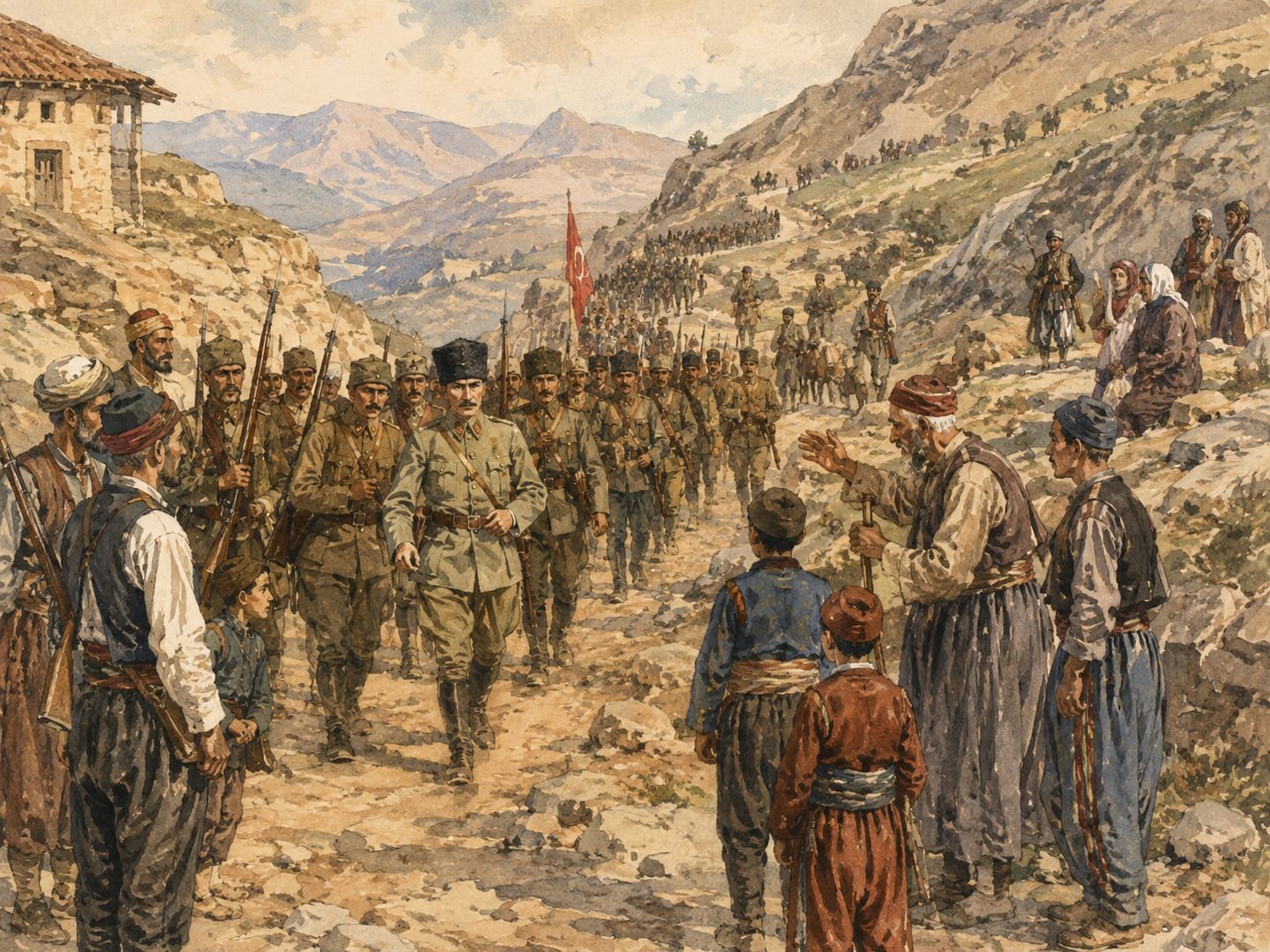
A national movement led by Mustafa Kemal resisted occupation and treaty terms, building a new state around the Ankara government. The choices of the participating powers and responses of local communities shaped the course.
- In 1919, Mustafa Kemal and allies organize resistance in Anatolia
- The Grand National Assembly in Ankara provides a political base
- Fighting with Greece and diplomatic negotiations shape the new state
Outcome
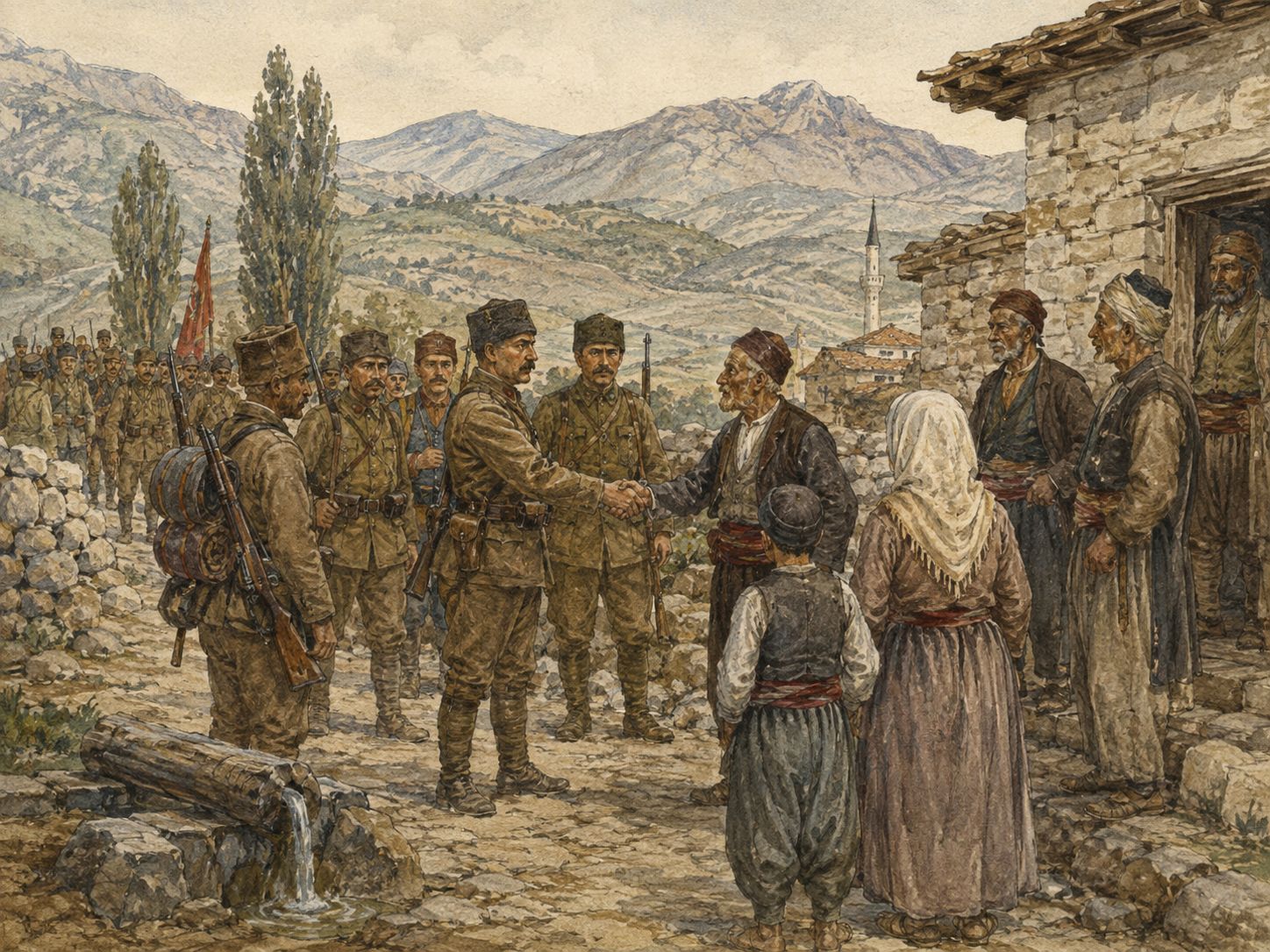
As a result, The movement formed a sovereign post-Ottoman state through the Treaty of Lausanne and the founding of the republic.
- The Treaty of Lausanne recognizes Turkish sovereignty
- The abolition of the sultanate leads toward a republic
- Population movements and territorial changes reshape local communities
Historical significance
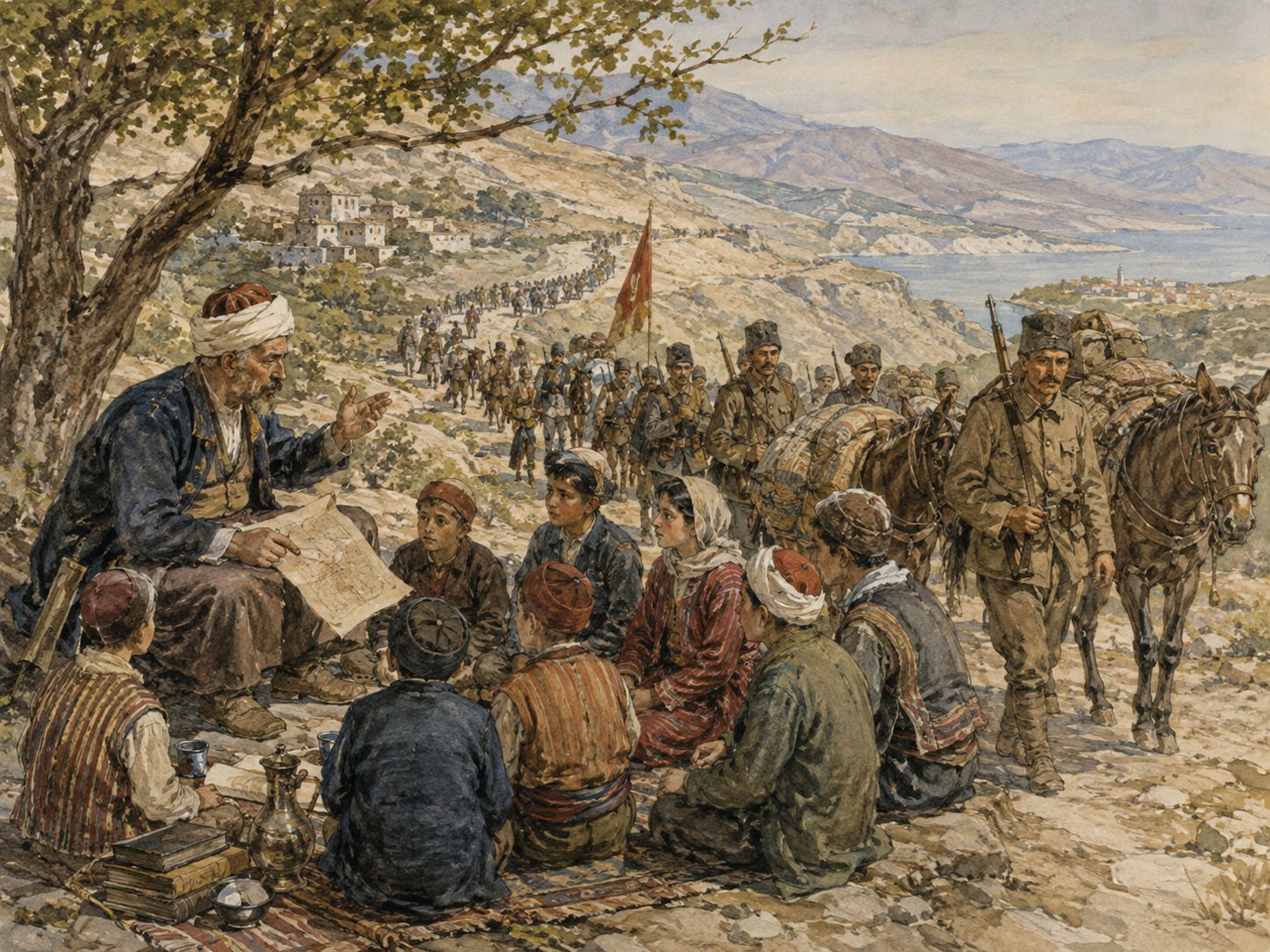
The significance of this event lies in the fact that the movement formed a sovereign post-ottoman state through the treaty of lausanne and the founding of the republic.
- A case of nation-state formation after imperial collapse
- The link between military victory and diplomatic recognition
- A turning point that redraws Anatolia and Eastern Thrace


Related figures
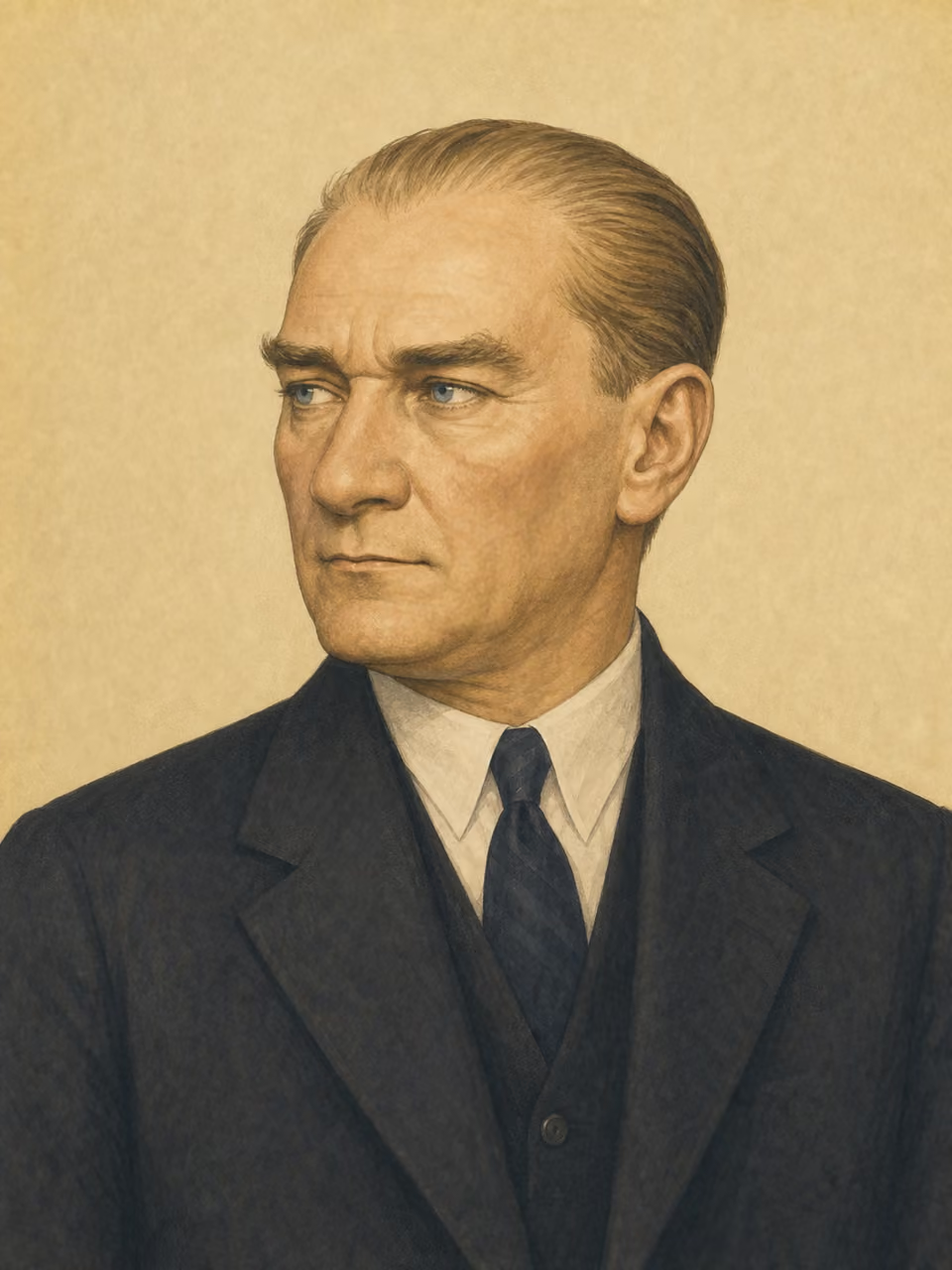
Related events
c. 1918
Imperial defeat and occupation
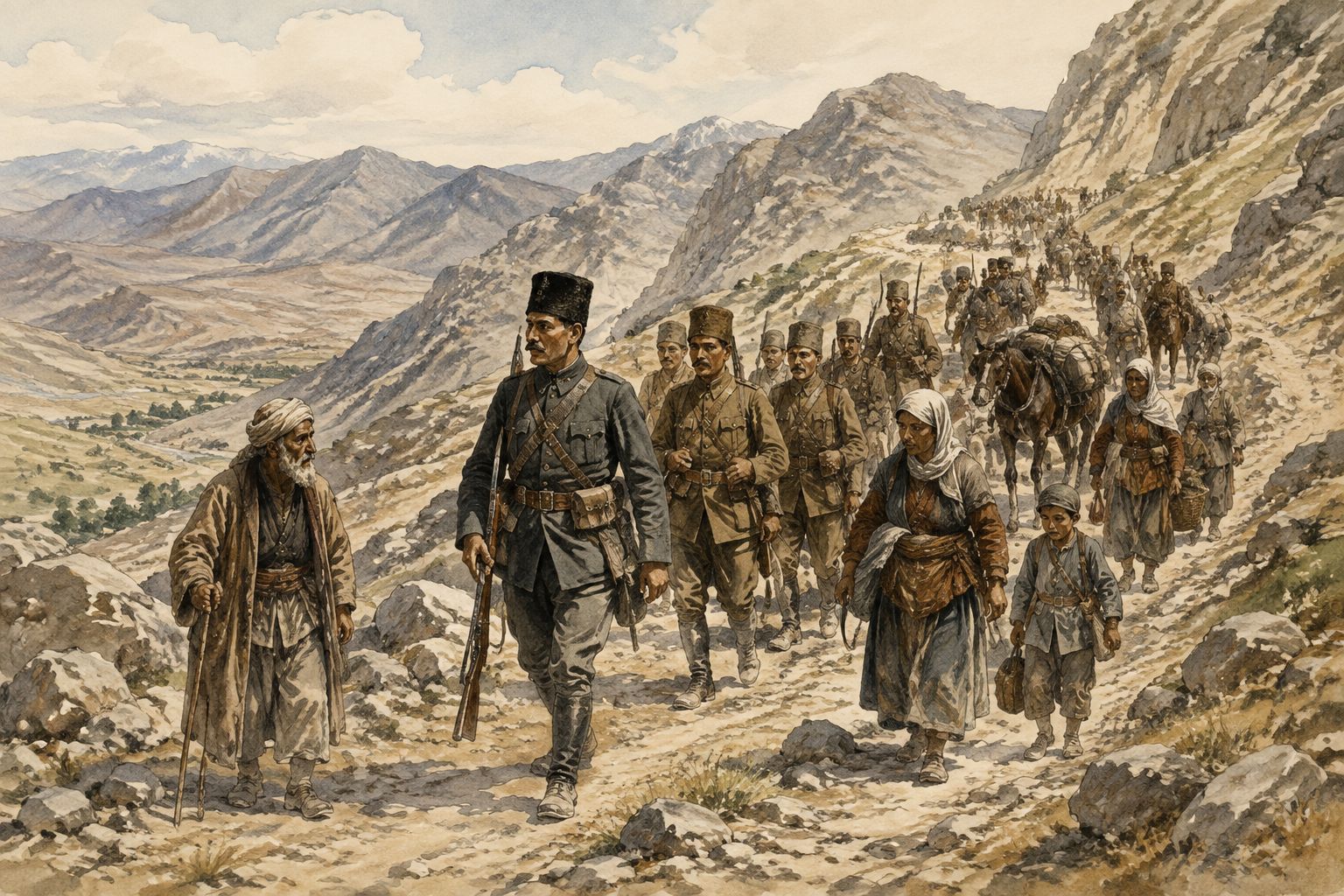
Defeat in the First World War and occupation unsettled Ottoman territory and sovereignty.
c. 1919
Resistance in Anatolia
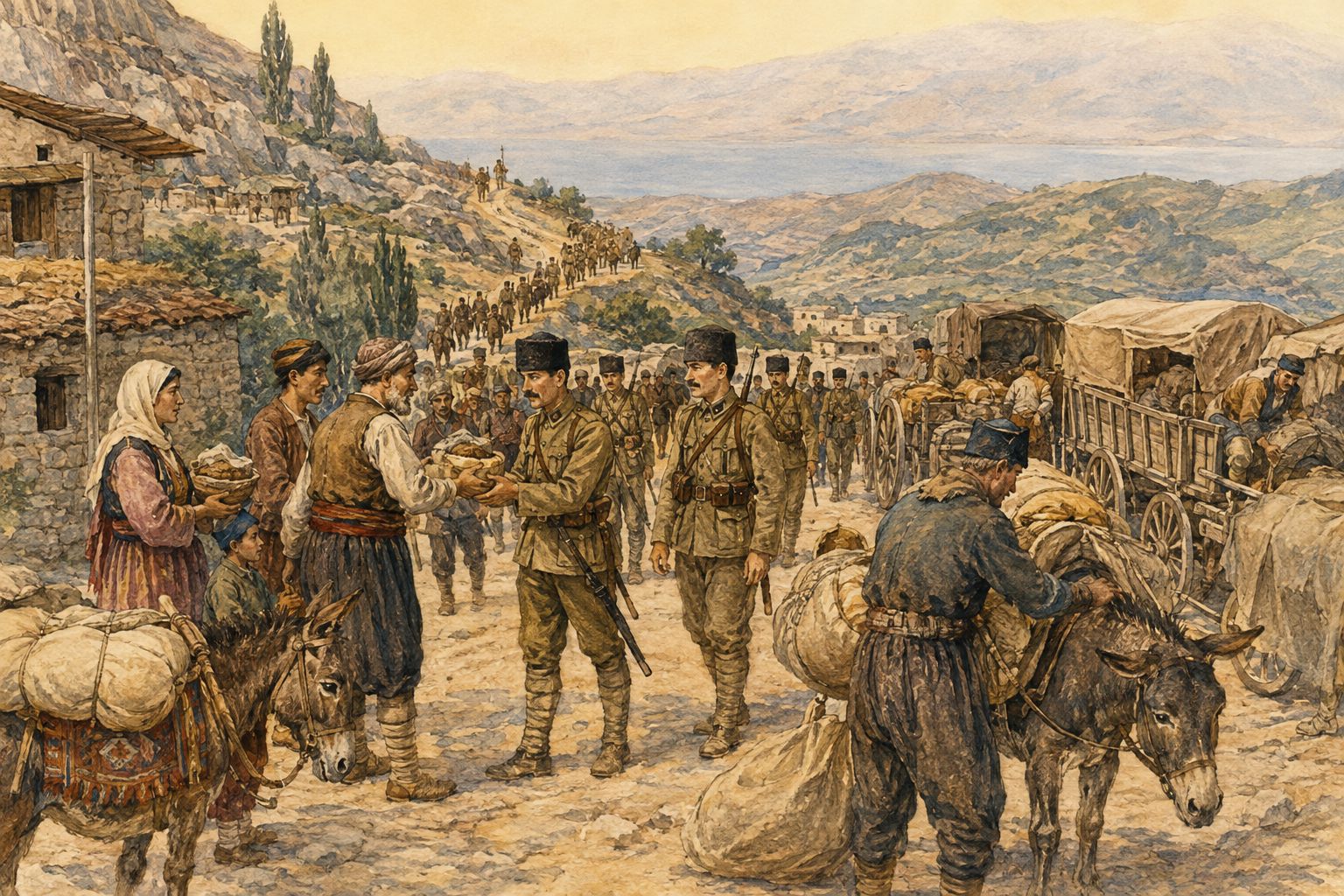
In 1919, Mustafa Kemal and his allies organized resistance in Anatolia and built a political base in Ankara.
1919–1923
Turkish War of Independence
Current event
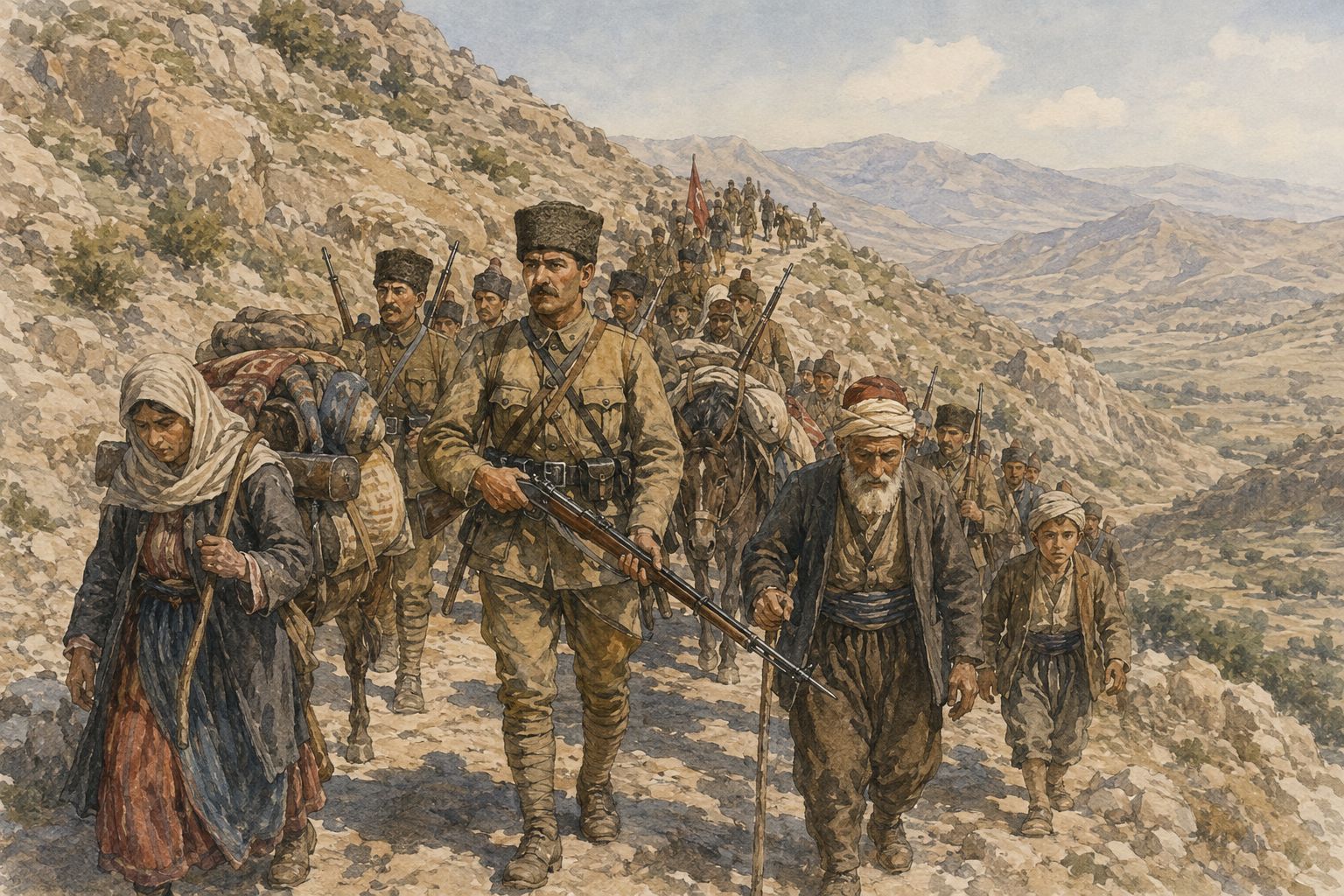
The national forces fought Greece and others, gaining leverage over Anatolia and Eastern Thrace.
c. 1923
The Treaty of Lausanne
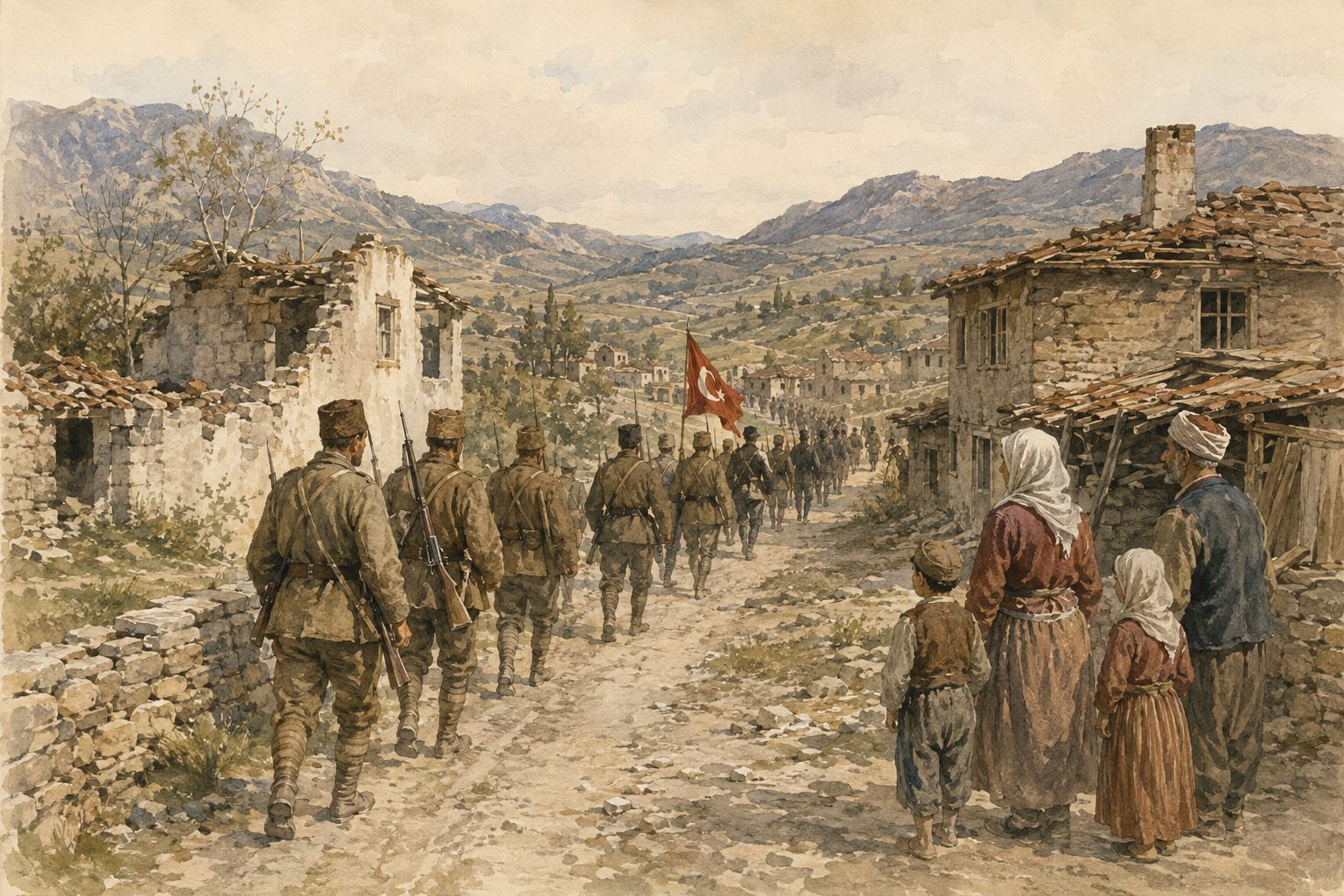
The 1923 Treaty of Lausanne internationally recognized Turkish sovereignty as the sultanate was abolished.
c. 1923
A republic and new borders
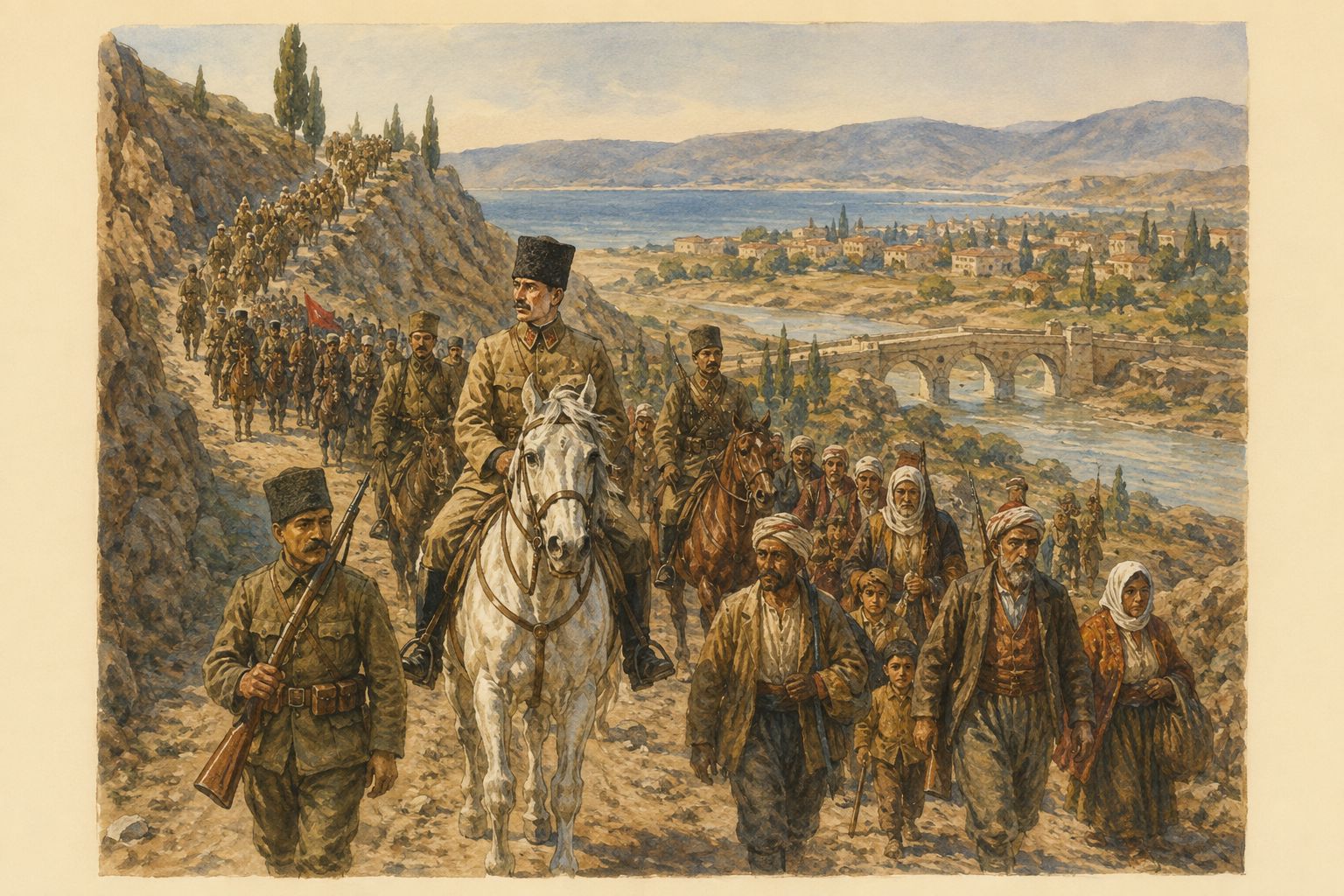
The Turkish Republic and population movements reshaped the political map and social fabric of the eastern Mediterranean.


Sources
- Turkish War of Independence: chronology and settingwww.daiichi-g.co.jpUsed to cross-check the chronology and geographical setting of Turkish War of Independence.
- Turkish War of Independence: historical backgroundwww.britannica.comUsed to verify the actors, course, and consequences associated with Turkish War of Independence.
- Turkish War of Independence: identifier and related recordswww.wikidata.orgUsed to cross-check the identifier and related records for Turkish War of Independence.