
Unification of Italy
1848–1871
From 1848 to 1871, wars, diplomacy, plebiscites, and parliamentary politics combined to form a united Italian state from a peninsula divided among several governments.

- Period
- 1848–1871
- Kind
- Treaty
- Regions
- Europe
- Keywords
- Unification of Italy · Risorgimento · Kingdom of Italy · treaty · modern · europe
Follow the story · Four stages
Background
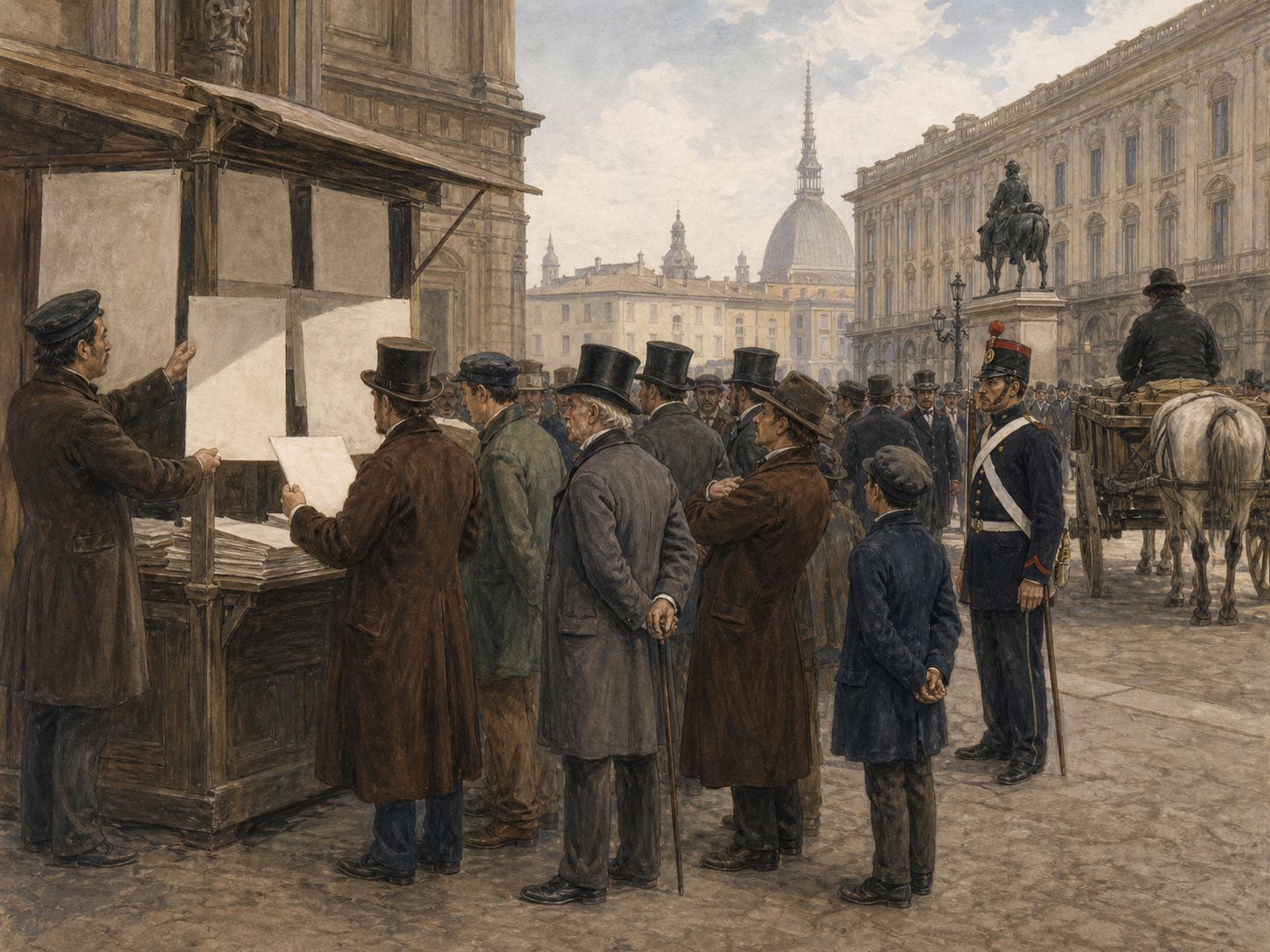
Foreign influence and political division met competing projects: Mazzini’s national movement, Cavour’s diplomacy, and institutional reform in the Kingdom of Sardinia each offered a different route to unity.
- A peninsula divided among states
- Constitutional and national movements in 1848
- Urban citizens and political reform
Course
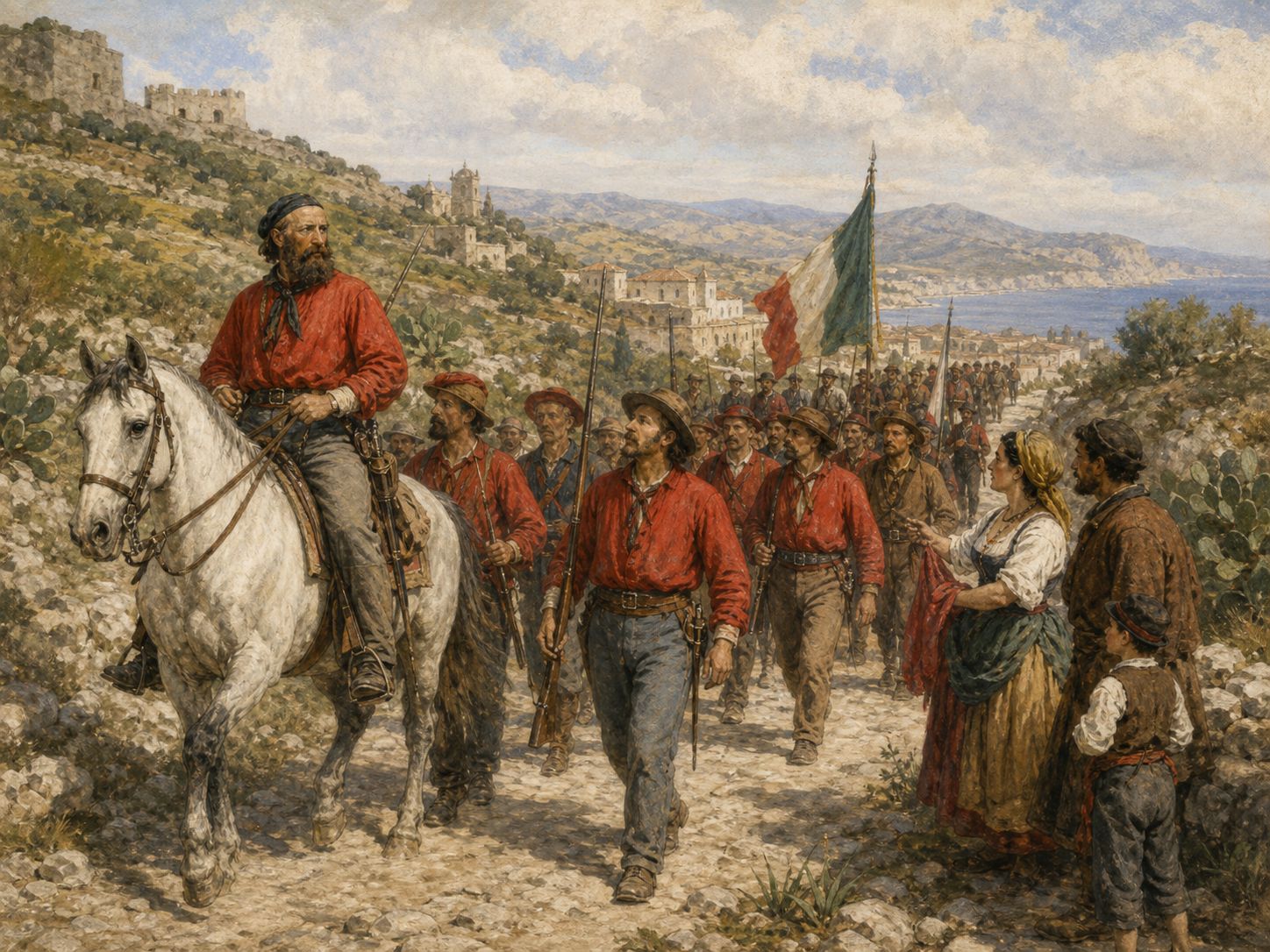
The 1859 war, Garibaldi’s expedition through Sicily and southern Italy, and a series of plebiscites helped create a kingdom under Victor Emmanuel II. Parliament and diplomacy translated military gains into institutions.
- Piedmontese diplomacy and military reform
- Garibaldi’s Sicilian campaign
- Integration through parliament and monarchy
Outcome
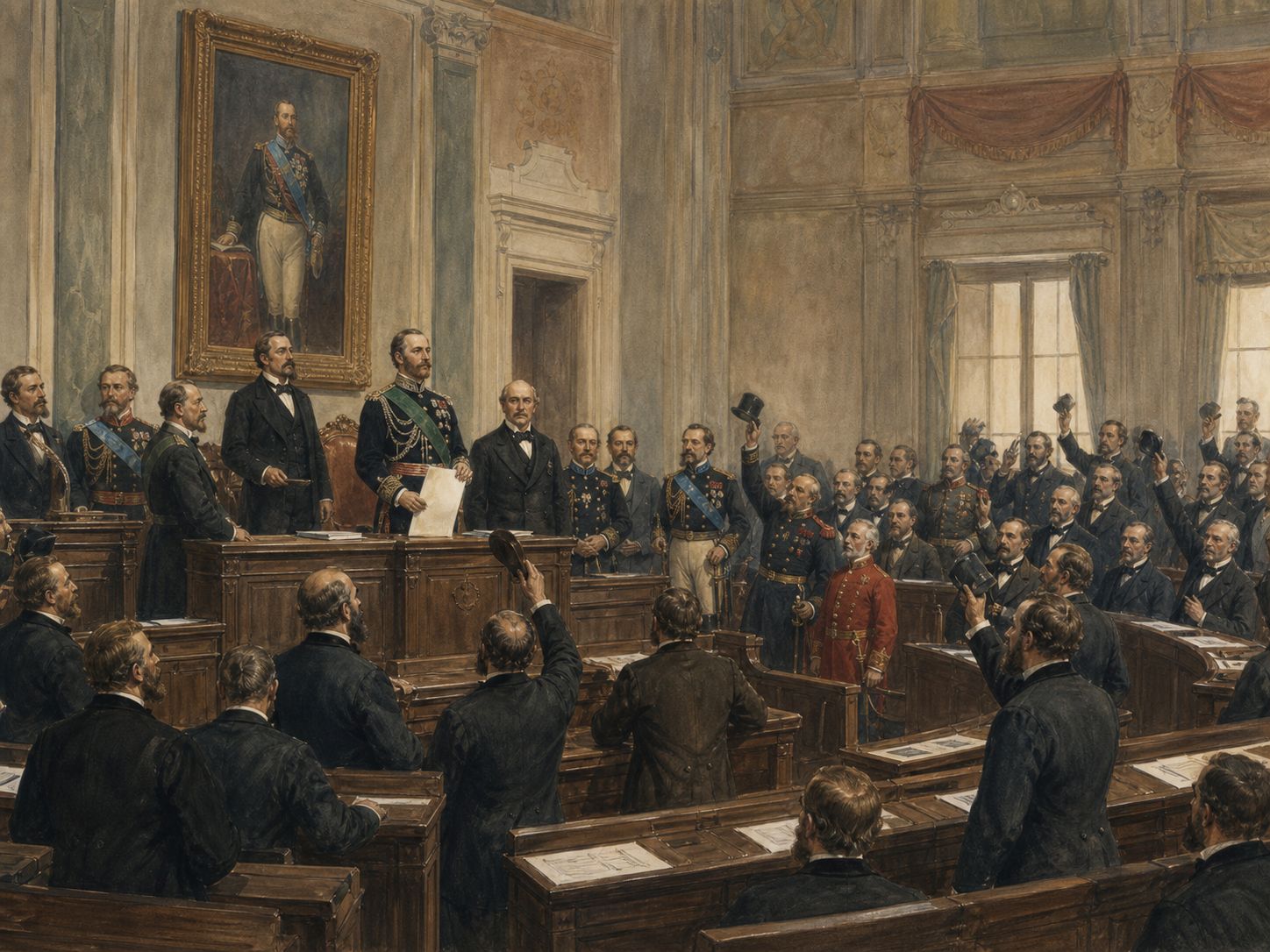
The Kingdom of Italy was proclaimed on 17 March 1861. The annexation of Venetia and Rome brought the main territorial process to completion by 1871, while regional divisions and conflict with the papacy remained.
- The Kingdom of Italy in 1861
- Institutionalization of unified administration
- Territorial consolidation with Rome
Historical significance
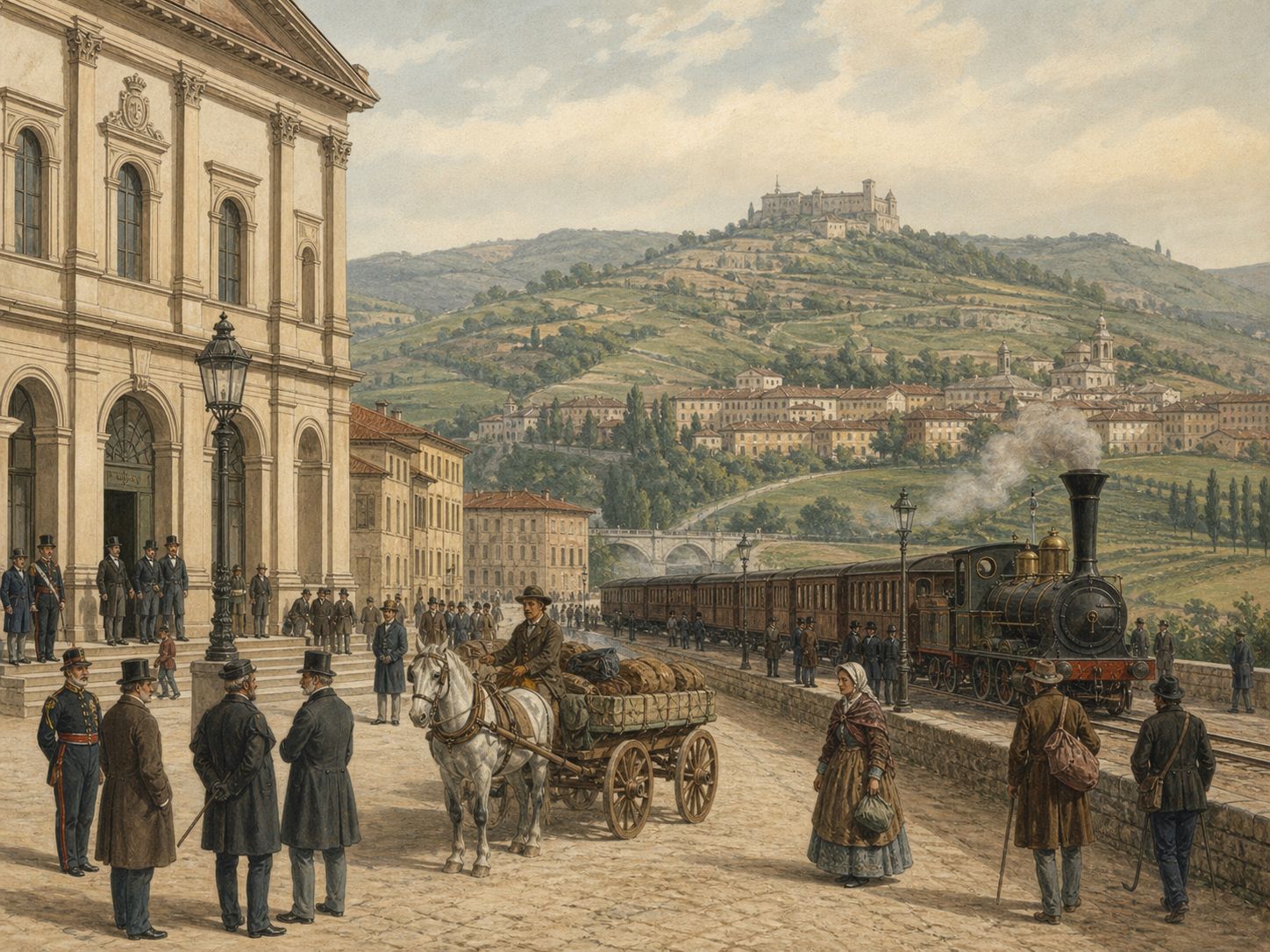
The Risorgimento became a symbol of nation-state formation, but unification joined elite institution-building to popular mobilization rather than following one simple path. Regional inequality, church-state conflict, and national integration continued.
- An example of nation-state formation
- The combination of civic, diplomatic, and military action
- The political foundations of modern Italy


Related events
1848
The revolutions of 1848
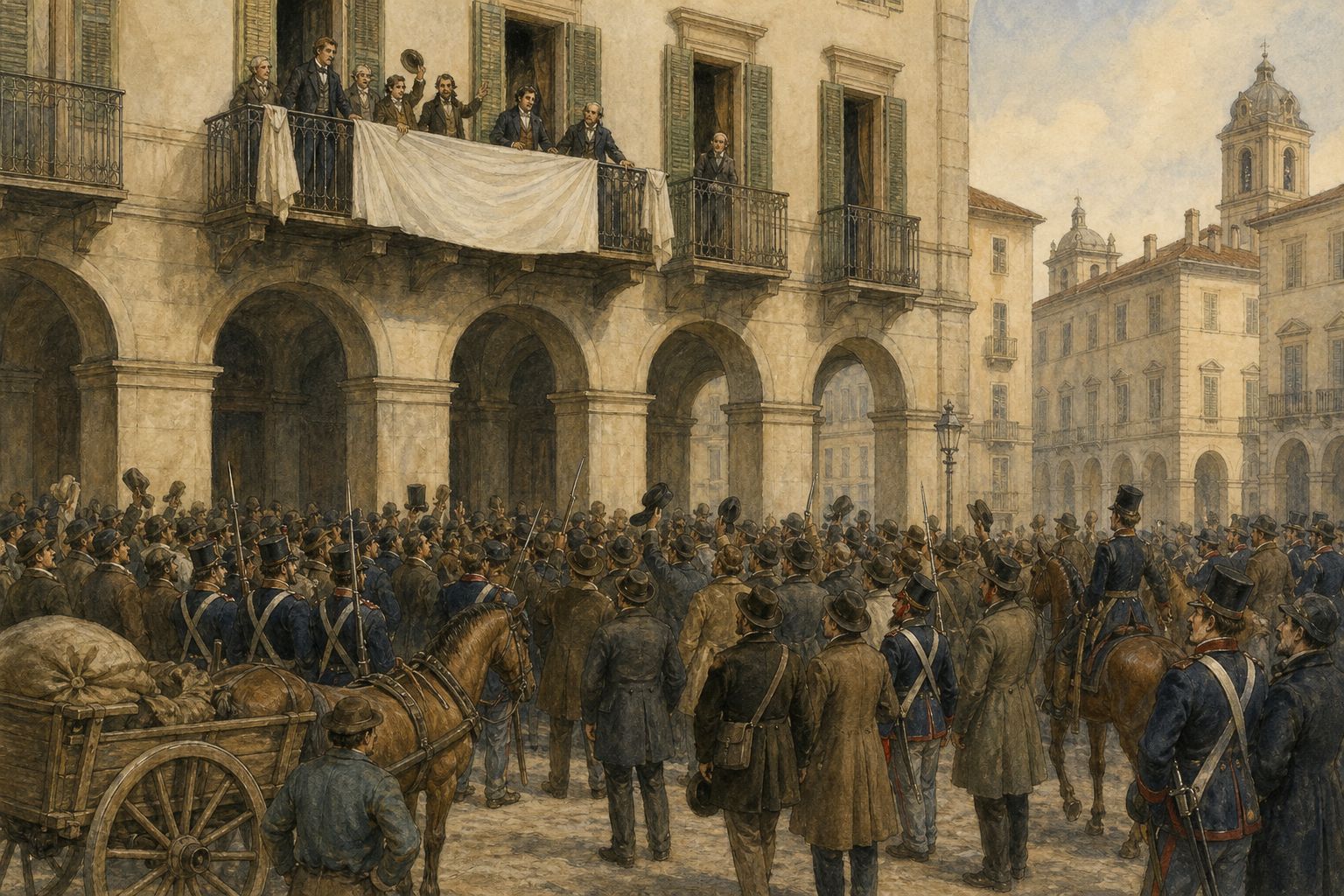
Movements for constitutions and national unity intensified across Italy, opening a new phase of the Risorgimento.
1852
Piedmontese leadership
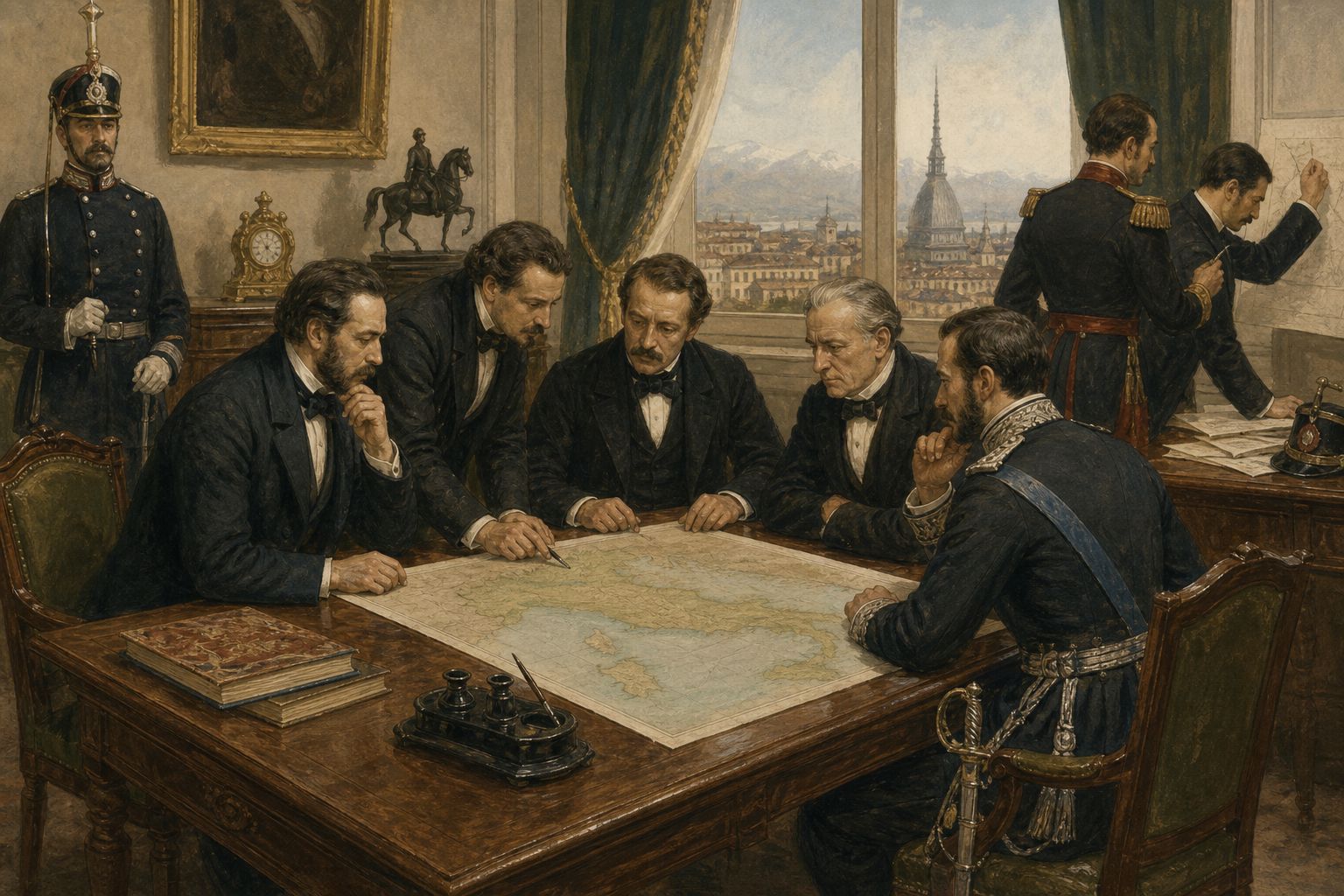
The Kingdom of Sardinia took a central role through diplomacy, military reform, and parliamentary politics.
1860
Garibaldi’s southern campaign
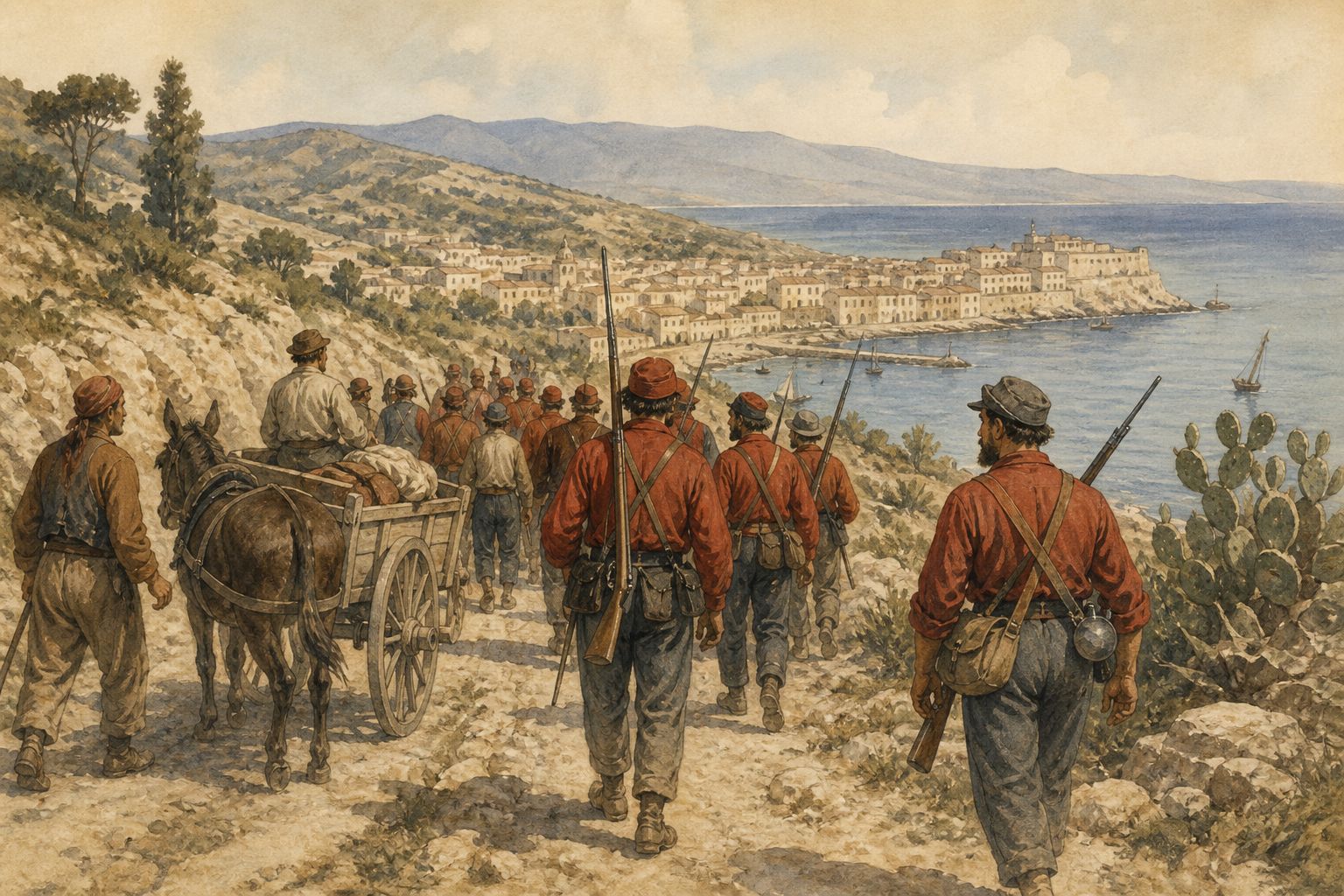
Garibaldi’s Expedition of the Thousand moved from Sicily into southern Italy and changed the balance of unification.
1861
The Kingdom of Italy is proclaimed
Current event
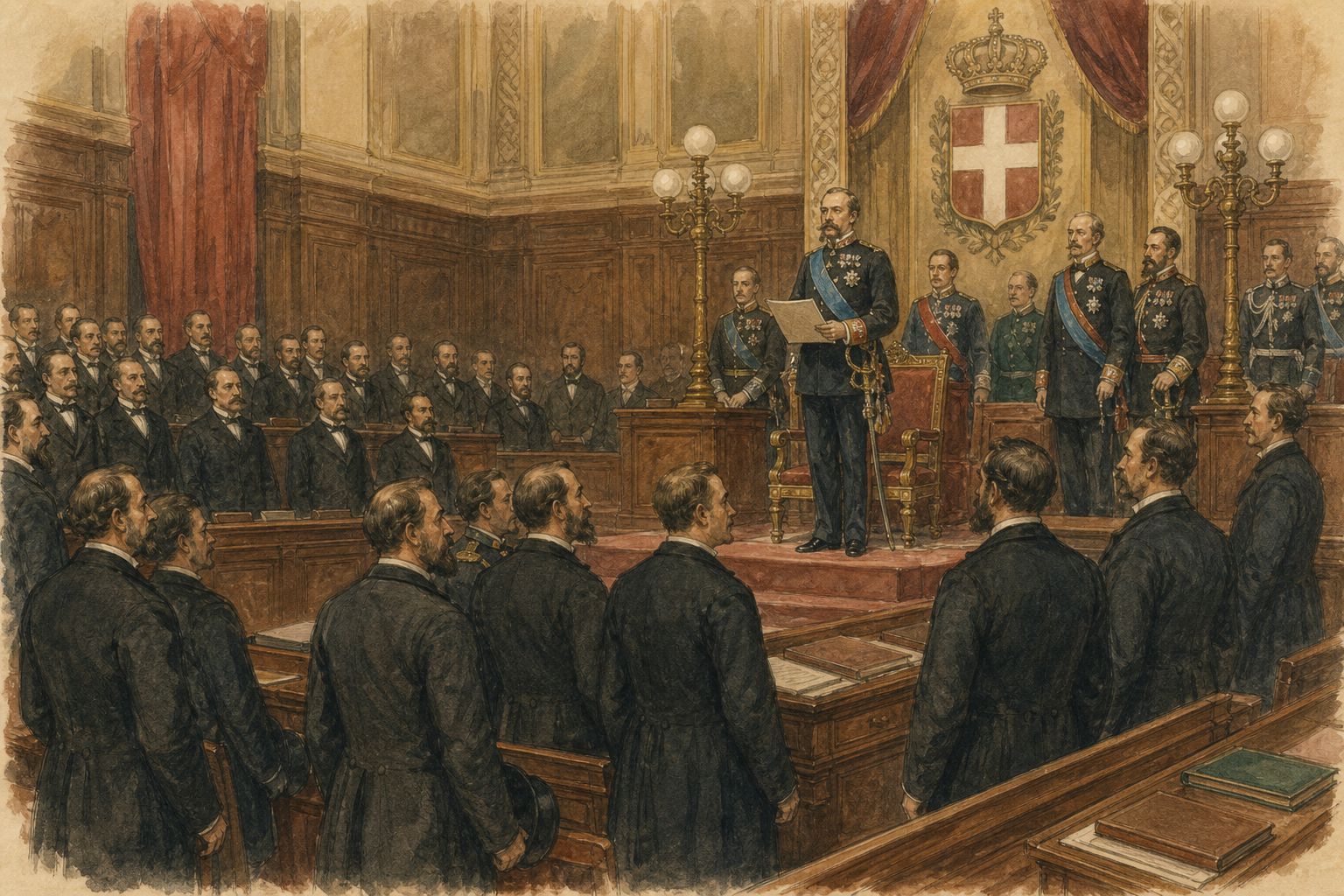
In 1861, the Kingdom of Italy was proclaimed under King Victor Emmanuel II.
1870
The annexation of Rome
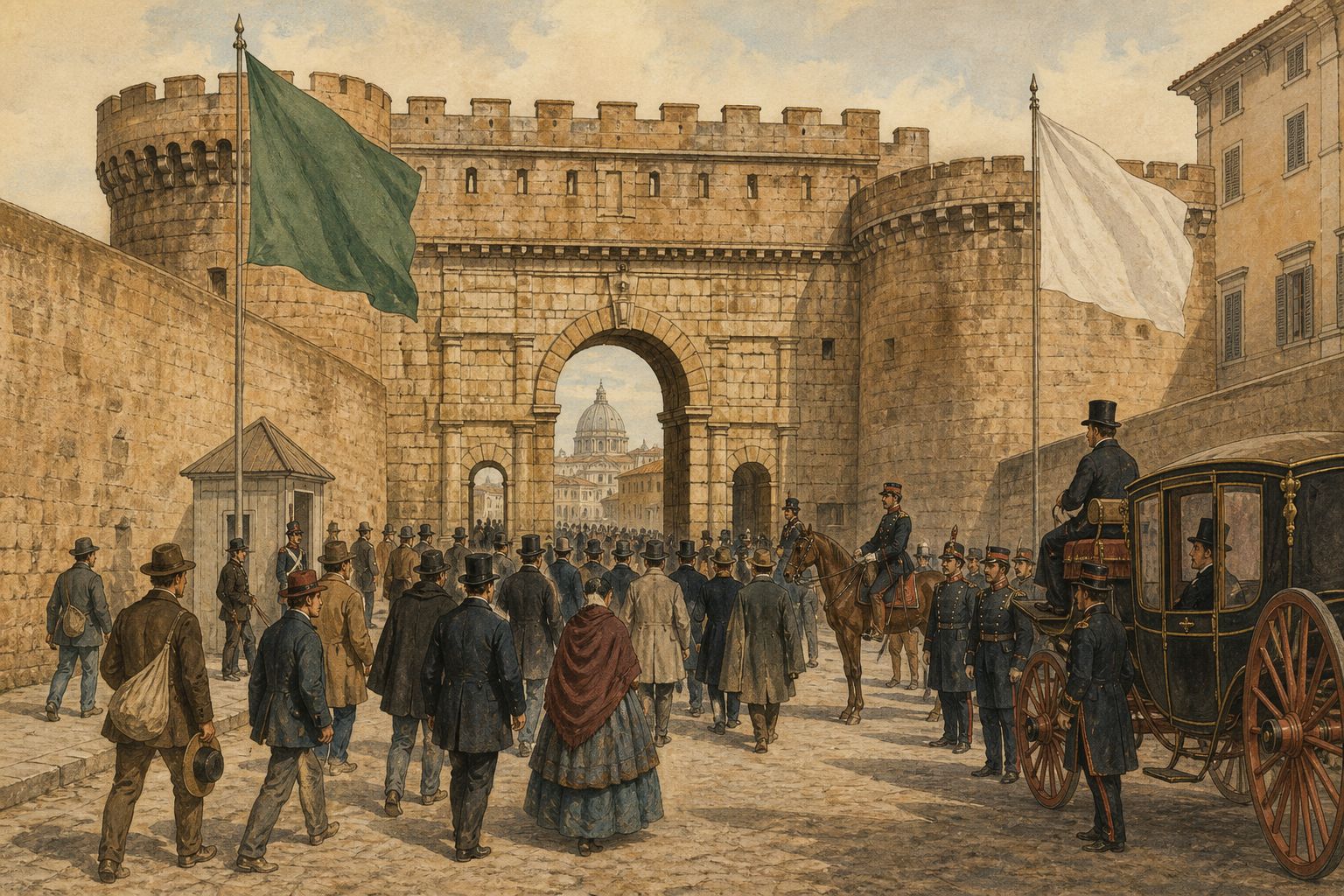
The annexation of Rome consolidated the kingdom’s territory, and the capital moved there in 1871.


Sources
- 19th-Century Unification of ItalyGallerie degli UffiziThis Uffizi resource supports the chronology, setting, and course of Unification of Italy.
- 1861: Titolo di Re d’ItaliaArchivio di Stato di TorinoThis Archiviodistatotorino resource supports the chronology, setting, and course of Unification of Italy.
- Historical ArchiveMuseo Nazionale del Risorgimento ItalianoThis Museorisorgimentotorino resource supports the chronology, setting, and course of Unification of Italy.